Author name: Yasir Zubairi

Yasir Zubairi is the founder and publisher of NEN Agency (News Era Network). He leads NEN's coverage of Pakistan's national affairs, economy, foreign relations and sports, and is responsible for the accuracy and standards of every story published on nenagency.com.

Federal Initiative Upgrades 30 Science Labs to Boost Education Quality
Pakistan

Federal Initiative Upgrades 30 Science Labs to Boost Education Quality

ISLAMABAD — The Ministry of Federal Education and Professional Training (MoFEPT) is enhancing science education in Pakistan. They have initiated the first phase of upgrading 30 science laboratories across the country. Federal Secretary Nadeem Mahbub, accompanied by key officials, inspected the upgraded facilities at Islamabad Model College of Boys F-8/4. Government Visit to Modernized Labs Federal Secretary Nadeem Mahbub, along with Mr. Javed Iqbal Mirza, Director General of the Federal Directorate of Education (FDE), and Mr. Asif Niazi, Deputy Director General of FDE, visited the newly upgraded Physics, Chemistry, and Biology labs. This visit marked a significant step in the government’s efforts to improve science infrastructure in educational institutions. The initiative aims to provide schools with state-of-the-art facilities. While the first phase includes 30 labs, more upgrades are planned for additional schools. These updates seek to create a conducive learning environment, enhancing students’ understanding and practical skills in scientific disciplines. Enhancing Standards During the inspection, Mr. Mahbub emphasized the importance of modern tools and resources for student success in science and technology. He stated, “Our goal is to ensure access to facilities that meet international standards, enabling global competitiveness.” Officials expressed satisfaction with the progress and are committed to expanding these upgrades across Pakistan. A Broader Educational Strategy The laboratory upgrades are part of a larger strategy by MoFEPT to improve educational standards. Historically, poor infrastructure, especially in science, has hindered effective learning in many institutions. While prior improvements faced budgetary and logistical challenges, the current plan positions education as vital for national progress. Role of Federal Directorate The FDE actively oversees these upgrades, ensuring that facilities meet standards and integrate well into the educational system. Significance for Pakistan’s Future Upgrading science labs is crucial to reducing educational disparities in Pakistan. Modern labs aim to improve science education quality, which is essential for fostering innovation and technological advancement. Economic benefits include developing a skilled workforce critical for sectors like technology and healthcare, thereby boosting national economic growth and global competitiveness. Social benefits comprise increased student interest and engagement in sciences, inspiring future scientists and researchers. This aligns with the efforts to promote STEM education and improve literacy rates. Internationally, this initiative demonstrates Pakistan’s commitment to advancing educational standards, enhancing its global educational reputation.

PM Shehbaz Expresses Condolences Over Saudi Helicopter Crash Tragedy
Pakistan

PM Shehbaz Expresses Condolences Over Saudi Helicopter Crash Tragedy

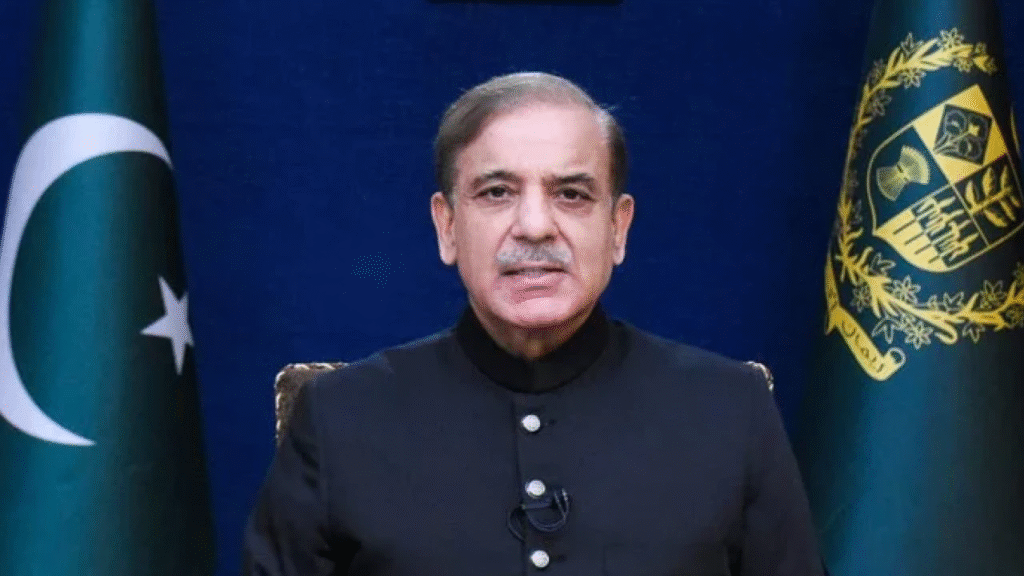
ISLAMABAD — Prime Minister Shehbaz Sharif has expressed deep sorrow over a tragic helicopter crash in Saudi Arabia that claimed 14 lives. The incident occurred on Sunday, prompting swift action from Pakistan’s leadership and highlighting the robust ties with Saudi Arabia. Details of the Helicopter Crash The helicopter crash led to the loss of 14 lives, causing grief among affected families and attracting international attention. Reports indicate that the helicopter was on a routine mission when it faced difficulties, leading to the tragic event. The specific cause is currently under investigation by Saudi authorities. Pakistan’s Response In response, Prime Minister Shehbaz Sharif offered heartfelt condolences to Saudi Arabia and the victims’ families. He expressed solidarity with the Saudi leadership and citizens, stating, “The people of Pakistan stand with their Saudi brothers and sisters in this moment of grief.” Deputy Prime Minister and Foreign Minister Senator Ishaq Dar also contacted Saudi Foreign Minister Prince Faisal bin Farhan Al Saud, extending condolences and offering support after the incident. Background of Aviation Safety Although Saudi Arabia has experienced aviation incidents, helicopter crashes are uncommon. The Kingdom heavily invests in aviation safety, yet challenges persist due to adverse weather and technical issues. Thorough investigations typically follow such incidents to determine causes and preventive measures. Pakistan and Saudi Arabia maintain a long-standing relationship characterized by cooperation in various areas, including defense and economics. Their strategic partnership is often reinforced during crises. Significance of the Tragedy This helicopter crash has implications for aviation safety, prompting authorities to reevaluate safety protocols and compliance with international standards. Increased scrutiny and potential reforms in the Kingdom’s aviation safety regulations may follow. For Pakistan, the event underscores its diplomatic ties with Saudi Arabia. The quick response by Prime Minister Shehbaz Sharif and Pakistani officials highlights mutual support and solidarity, which are essential for maintaining strong bilateral relations. Key Takeaways A helicopter crash in Saudi Arabia caused 14 fatalities, garnering international attention. Prime Minister Shehbaz Sharif expressed condolences, emphasizing Pakistan’s support for Saudi Arabia. Deputy Prime Minister Ishaq Dar communicated with Saudi officials to offer assistance. The incident underscores the need for stringent aviation safety measures globally. The tragedy reinforces resilient bilateral relations between Pakistan and Saudi Arabia.

Pakistan-China MoU Aims to Transform Industrial Landscape
Pakistan

Pakistan-China MoU Aims to Transform Industrial Landscape

ISLAMABAD — Pakistan and China have signed a transformative Memorandum of Understanding (MoU) to enhance industrial cooperation. This agreement, celebrated at a local hotel on June 28, involves Pakistan’s Saigols Group and China’s Hebei Juhang Energy Technology Group. It focuses on advanced lithium-ion batteries, energy storage systems, and electric vehicle charging infrastructure. Details of the Agreement The MoU marks a crucial step in strengthening industrial ties between Pakistan and China. The agreement emphasizes clean energy technologies, particularly lithium-ion batteries and energy storage systems. Haroon Akhtar Khan, Special Assistant to the Prime Minister on Industries and Production, stated that this is not just a commercial deal but a testament to the enduring strength of Pakistan-China cooperation. It promises to boost Pakistan’s industrial future significantly. Khan highlighted the transition of the Pakistan-China relationship from trust to strategic cooperation. He emphasized China’s leadership in clean energy innovation and expressed Pakistan’s eagerness to advance its industrial sectors by learning from China’s expertise. This partnership is anticipated to establish a lithium-ion battery assembly and manufacturing facility in Pakistan. It marks the start of a new industrial ecosystem that combines Chinese technological expertise with Pakistan’s entrepreneurial spirit and strategic location. Historical Context The Pakistan-China partnership, grounded in mutual trust and strategic interests, has expanded over the years to include infrastructure, energy, and technology. The current MoU builds on earlier agreements, such as the China-Pakistan Economic Corridor (CPEC), a cornerstone of bilateral cooperation. Pakistan’s industrial policy aims to attract foreign investment and encourage technological advancement through several reforms. The National Industrial Policy and the National Tariff Policy aim to reduce business costs, simplify regulations, and enhance transparency, creating an investor-friendly environment. Significance for Pakistan The MoU aligns with the government’s vision for economic transformation under Prime Minister Muhammad Shehbaz Sharif. By focusing on clean energy and advanced manufacturing, it enhances Pakistan’s global competitiveness. Establishing a local lithium-ion battery manufacturing facility reduces import dependency, strengthens the clean energy supply chain, and creates high-value jobs. This collaboration is timely as the global economy shifts towards green industries and technological innovation. It is expected to stimulate support industries and develop indigenous engineering capabilities. With the rapid adoption of solar energy in Pakistan, reliable energy storage systems become crucial, making this partnership vital for sustainable growth. Key Points The Pakistan-China MoU targets clean energy technologies, particularly lithium-ion batteries. The agreement is set to establish a new industrial ecosystem in Pakistan. China’s expertise in innovation and clean energy provides valuable insights for Pakistan’s industrial progress. The partnership aligns with economic transformation strategies and enhances competitive advantage.

Motorway Police Safely Recover Two Kidnapped Siblings Near Sahiwal
Pakistan

Motorway Police Safely Recover Two Kidnapped Siblings Near Sahiwal

LAHORE — On June 28, the Central Zone of the Motorway Police safely recovered two kidnapped siblings near Sahiwal on the national highway. Ali Raza, 12, and his sister Maryam, 8, were returned to their family, thanks to prompt action by the authorities. Incident Overview The Motorway Police, known for their vigilance, acted swiftly upon encountering two distressed children. Found crying and disoriented near Sahiwal, the officers intervened immediately. Spokesperson Syed Imran Ahmed identified them as siblings, Ali Raza and Maryam, missing since June 26. The Motorway Police contacted local authorities to confirm the children’s identities and details of their disappearance. They matched a description from a registered kidnapping case, leading to their safe return through swift cooperation between the Motorway Police and local police. Syed Imran Ahmed noted that the officers’ timely actions ensured the children’s safety and quick family reunion, emphasizing the importance of vigilance and collaboration among law enforcement in sensitive cases. Context and Challenges Kidnappings are a significant concern in Pakistan, particularly for children. The case of Ali Raza and Maryam highlights the challenges law enforcement faces in safeguarding minors. The Motorway Police are crucial in emergency responses and addressing criminal activities on national highways. Historically praised for managing highway incidents effectively, the Motorway Police use proactive strategies to prevent crimes and resolve ongoing cases, reinforcing their role in national safety. Importance of Response The recovery of Ali Raza and Maryam underscores the Motorway Police’s crucial role in maintaining safety on national highways. Quick emergency responses enhance public trust in law enforcement, assuring individual safety. The incident highlights the need for inter-agency cooperation, continuous officer training, and vigilance. It also stresses the importance of community awareness and prevention against child abductions. For affected families, police intervention offers essential reassurance and support. This case serves as a reminder of potential dangers to children and underscores the community’s role in safeguarding them.

Pakistan’s Ishaq Dar Condoles with Saudi FM Over Helicopter Crash
Pakistan

Pakistan’s Ishaq Dar Condoles with Saudi FM Over Helicopter Crash

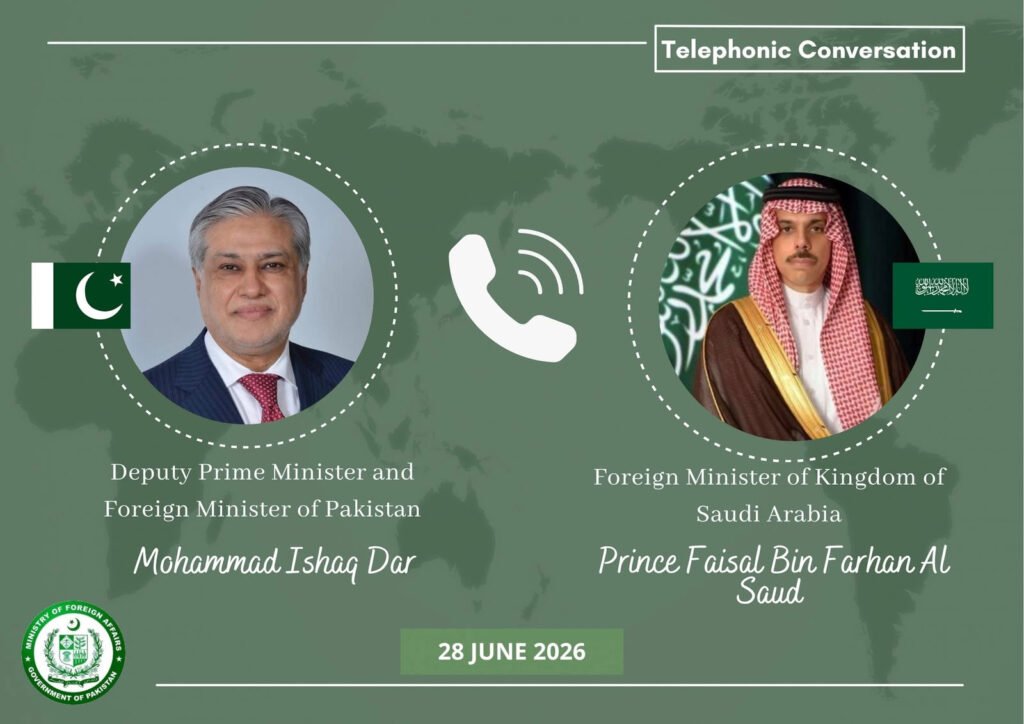
ISLAMABAD — Deputy Prime Minister and Foreign Minister Senator Mohammad Ishaq Dar spoke with Saudi Arabia’s Foreign Minister, Prince Faisal bin Farhan Al Saud, on Sunday. The key areas of discussion included expressing condolences over a recent helicopter crash and reviewing regional peace efforts. Condolences and Solidarity Senator Ishaq Dar contacted Prince Faisal to convey Pakistan’s condolences for the helicopter crash in Saudi Arabia, which claimed several lives. This tragic event prompted international sympathy and support for the Saudi government and affected families. During the call, Dar expressed heartfelt condolences on behalf of Pakistan’s government and its people. He underscored Pakistan’s solidarity with Saudi Arabia, emphasizing the strong ties between the two countries. The Ministry of Foreign Affairs quoted him saying, “Pakistan stands with Saudi Arabia in this moment of grief and extends its support to the bereaved families.” Regional Peace and Stability Beyond condolences, the leaders discussed regional peace and stability. Both emphasized the need for cooperative efforts to tackle ongoing challenges, including security and economic collaboration. This conversation is part of continuous diplomatic engagements to strengthen bilateral relations. Strong Historical Ties Saudi Arabia and Pakistan have historically maintained strong diplomatic and economic relations, collaborating on defense, trade, and cultural exchanges. A significant Pakistani expatriate community resides in Saudi Arabia, contributing to the kingdom’s workforce. Although helicopter crashes are rare, they often have a profound impact, especially when involving military personnel. The recent incident in Saudi Arabia drew condolences from around the world. Importance of International Cooperation The conversation between Dar and Prince Faisal highlights the enduring partnership between Pakistan and Saudi Arabia. Diplomatic engagements reinforce alliances and address mutual concerns, particularly during crises. Offering condolences strengthens bilateral ties and underscores the importance of international solidarity in tragic times. Geopolitically, dialogues on regional peace are crucial. In South Asia and the Middle East, complex political landscapes make cooperation among key players like Pakistan and Saudi Arabia essential for broader stability. Their discussion affirmed a commitment to collaborative security and economic partnerships. The incident also spotlights aviation vulnerabilities, prompting discussions on safety protocols and emergency responses. Such events often lead to improvements in safety standards within both military and civilian sectors. Key Takeaways Deputy Prime Minister Ishaq Dar offered condolences to Saudi Arabia over the helicopter crash. The conversation included discussions on regional peace and strengthening bilateral relations. Pakistan and Saudi Arabia share deep-rooted diplomatic and economic ties. International solidarity is crucial in facing aviation tragedies.

QUEST Nawabshah Achieves Global Recognition in 2026 Sustainability Rankings
Business

QUEST Nawabshah Achieves Global Recognition in 2026 Sustainability Rankings

NAWABSHAH — Quaid-e-Awam University of Engineering, Science and Technology (QUEST), Nawabshah, has secured a prestigious spot in the 2026 Times Higher Education Sustainability Impact Rankings. This achievement highlights the university’s commitment to sustainable development and its growing prominence on the global academic platform. Recognition for Sustainability QUEST Nawabshah was recognized for its impactful contributions to sustainability, earning a noteworthy position in the 2026 Times Higher Education Sustainability Impact Rankings. These rankings assess global universities based on their social and economic impacts, aligned with the United Nations’ Sustainable Development Goals (SDGs). QUEST has played a crucial role in embedding sustainability into its educational and operational frameworks. The Times Higher Education evaluates universities on criteria like research, stewardship, outreach, and teaching, contributing to the SDGs. QUEST’s ranking reflects its commitment to fostering an environment prioritizing sustainable practices and education. Vice Chancellor Dr. Saleem Raza Samo stated, “This recognition is a testament to our commitment to sustainability and our efforts to contribute positively to the global community.” Key impact areas include initiatives in sustainable energy, waste management, and community engagement. Historical Context Established in 1974, QUEST Nawabshah has a legacy of academic excellence and innovation. Over the years, it has evolved its programs and infrastructure to meet Pakistan’s educational needs. With a focus on engineering, science, and technology, QUEST leads in research and development. Introduced in 2019, the Times Higher Education Impact Rankings assess universities’ societal contributions beyond traditional metrics, focusing on their SDGs roles. Implications of Recognition Earning a top position in the 2026 Sustainability Impact Rankings has significant implications for QUEST and Pakistan’s higher education sector. QUEST enhances its prestige and boosts the global reputation of Pakistani universities. This recognition opens opportunities for international collaborations, funding, and attracting top-tier faculty and students, enhancing academic capabilities. For Pakistan, this achievement highlights the international recognition of its educational institutions’ contributions to global sustainability. Through research, innovation, and policy development, universities like QUEST can address local and global challenges, leading to advancements in renewable energy, environmental conservation, and sustainable urban development. These efforts benefit the nation’s economy and society. Emphasizing sustainability in education aligns with Pakistan’s national development goals, focusing on environmental protection and sustainable growth. By fostering a sustainable culture, universities prepare graduates to tackle pressing environmental and social issues globally. Key Takeaways QUEST Nawabshah achieved a significant position in the 2026 Times Higher Education Sustainability Impact Rankings. The rankings assess universities based on their contributions to the United Nations’ SDGs. This recognition enhances QUEST’s global reputation and elevates the standing of Pakistani universities. QUEST’s sustainability initiatives include efforts in energy, waste management, and community engagement. The university aims to align with national goals on sustainable development and environmental protection.

Pakistan May Purchase Iranian Oil Following Sanctions Lift, Says Minister
Business

Pakistan May Purchase Iranian Oil Following Sanctions Lift, Says Minister

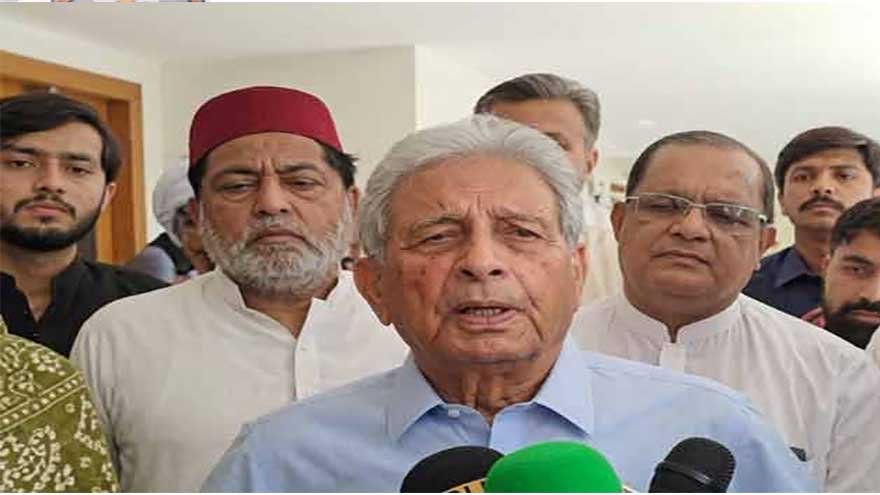
ISLAMABAD — Federal Minister for National Food Security and Research, Rana Tanveer Hussain, announced that Pakistan is considering purchasing Iranian oil contingent on the lifting of international sanctions. Hussain highlighted that resolving current geopolitical tensions could strengthen Pakistan’s economic prospects. Consideration of Oil Purchases Minister Hussain emphasized that Pakistan is exploring the feasibility of importing oil from Iran. This decision is being evaluated amidst ongoing discussions about the advantages of accessing Iranian oil, which might present a more affordable energy option for Pakistan. He noted that addressing regional conflicts and removing sanctions could open new avenues for energy imports, positively influencing Pakistan’s economic outlook. Easing tensions could lead to more stable and diversified energy resources for the nation. The prospect of Iranian oil is attractive due to geographical proximity and potential cost reductions compared to other international sources. Sanctions and Historical Context Iran has faced severe international sanctions primarily led by the United States, which have significantly restricted its oil export capabilities. These sanctions, motivated by concerns over Iran’s nuclear program, have created substantial barriers to its oil exports, affecting potential trade with countries like Pakistan. Pakistan’s energy sector, which relies on both imported and domestic sources, faces challenges from rising demand, volatile global oil prices, and limited local production. To broaden its energy portfolio, Pakistan has been pursuing international partnerships and investments in renewable energy. Economic Implications of Potential Deal Securing Iranian oil could substantially impact both countries’ economies. For Pakistan, accessing Iranian oil might lower energy costs, alleviate economic pressures, and possibly reduce consumer prices. It could also enhance energy security by diversifying supply sources and reducing reliance on unstable markets. This move could strengthen Pakistan-Iran relations by fostering cooperation in trade and energy sectors. It positions Pakistan as a key player in regional energy dynamics, potentially reshaping geopolitical alliances and economic partnerships. Lifting sanctions and restarting oil exports to Pakistan could stabilize Iran’s economy and increase revenue. This move might help Iran reclaim a position in the global oil market, reinforcing its economic resilience. The development reflects a changing geopolitical landscape where countries aim to diversify energy alliances and decrease dependency on traditional Western markets.

Punjab Police Heighten Security Measures for Churches Amid Worship Services
Pakistan

Punjab Police Heighten Security Measures for Churches Amid Worship Services

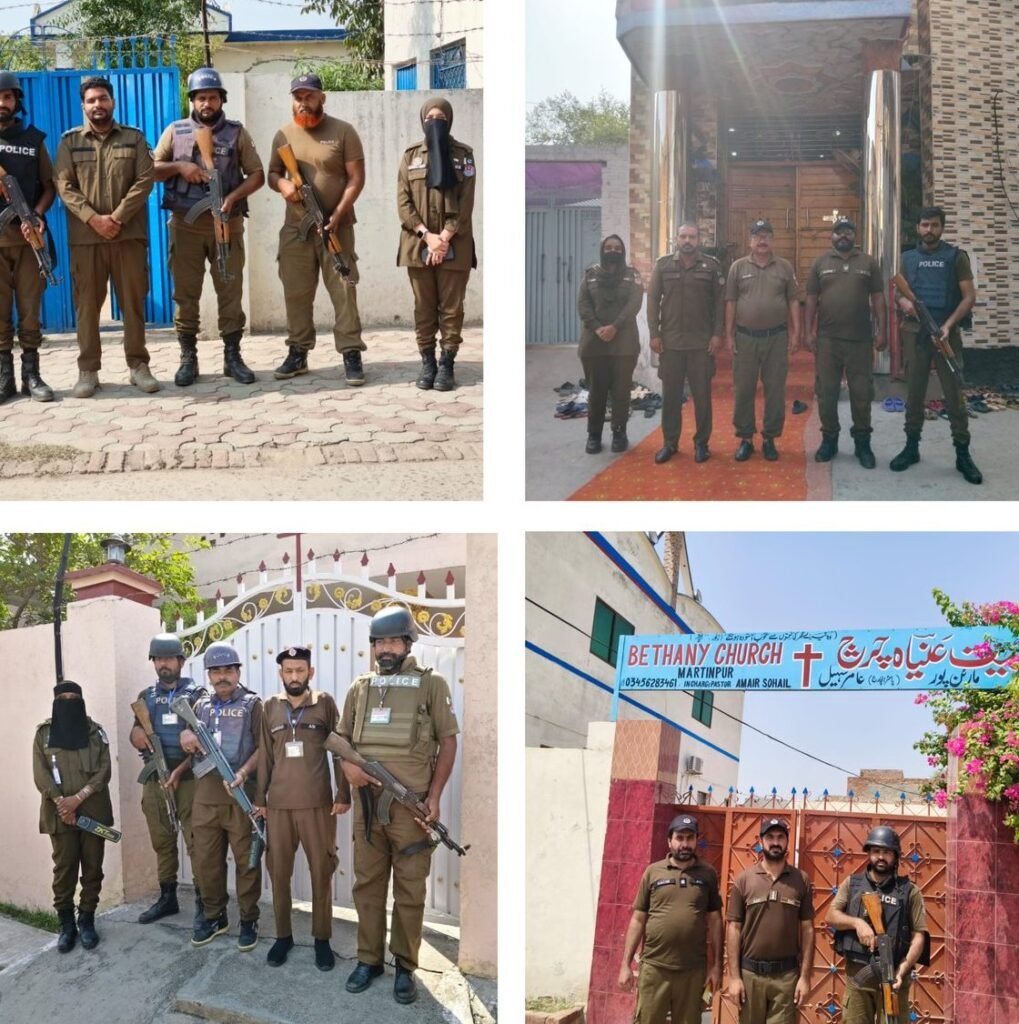
LAHORE — Punjab Police is on high alert to secure churches during Christian worship and prayer services in Lahore and other districts across the province. This heightened security comes from directives by Inspector General of Police (IGP) Punjab, Abdul Kareem, aiming to protect religious gatherings. Implementation of Security Enhancements On Sunday, a comprehensive security plan was executed by Punjab Police to protect Christian worshippers in provincial churches. IGP Punjab Abdul Kareem led this initiative, directing all Regional Police Officers (RPOs), District Police Officers (DPOs), and senior officials to bolster security at churches and sensitive sites. Key directives from the IGP included: Deploying additional police personnel and snipers at vulnerable churches Regular patrols by the Dolphin Squad, Police Response Unit (PRU), and Elite Force teams Evaluation of security arrangements by supervisory officers to ensure compliance with measures Vigilance and Community Cooperation IGP Abdul Kareem emphasized vigilance, ordering ongoing search and sweep operations around churches, Christian areas, and critical sites to avert threats and maintain peace. He also called on religious scholars, Christian community members, and Peace Committee representatives to collaborate in promoting interfaith harmony throughout the province. Background of the Security Measures Increased security at Punjab’s religious sites stems from previous incidents of violence and threats against minority communities in Pakistan. The government often strengthens security during religious events to prevent any incidents. Extremist groups have historically targeted churches, prompting law enforcement to take proactive steps. The efforts by Punjab Police form part of a broader strategy to maintain public safety, particularly in areas with a diverse religious population. This strategy aligns with national policies to safeguard minority rights and promote harmony. Significance of the Measures Security enhancements for churches in Punjab are crucial, demonstrating the government’s commitment to protecting minority communities and ensuring their right to worship without fear. This assurance is vital in a country where religious minorities face frequent persecution. Maintaining a peaceful environment during religious gatherings aids in social stability, attracting investment and fostering growth. These measures underscore inclusivity and tolerance essential for the cohesion of a diverse society like Pakistan. Politically, the government’s proactive security stance can enhance its credibility with both domestic and international audiences. By protecting religious minorities, Pakistan can improve its human rights record, often under international scrutiny. Internationally, Pakistan’s commitment to minority protection potentially strengthens relations with Western countries, where human rights are pivotal in diplomatic engagements. Upholding religious freedom can bolster Pakistan’s global standing.

Punjab Agriculture Department Advises Frequent Irrigation for Cotton Fields
Business

Punjab Agriculture Department Advises Frequent Irrigation for Cotton Fields

LAHORE — The Punjab Agriculture Department has released crucial guidelines for cotton farmers, advising them to irrigate their fields every three days. This strategy aims to combat extreme heat, boost crop productivity, and shield cotton fields from adverse weather conditions. Impact of Weather on Cotton Crops With rising temperatures threatening the yield and quality of cotton crops, the Department highlights the necessity of preserving soil moisture. Regular irrigation every three days can notably reduce the stress on crops caused by high temperatures. In addition to irrigation, the advisory stresses the importance of improved crop management practices. Farmers are urged to conduct timely weeding, apply pest control measures, and ensure sufficient nutrient supply for their plants. A department spokesperson stated, “Farmers should be vigilant and adhere to these practices to safeguard their crops and ensure a good harvest.” Spreading the Recommendations The advisory is disseminated through local agricultural offices and farmer associations to increase awareness among cotton growers. Furthermore, the department provides technical support and guidance to help farmers apply these recommendations effectively. The Role of Cotton in Pakistan’s Economy Cotton is a significant cash crop in Pakistan, particularly in the fertile Punjab region, renowned for its ideal climate for cotton cultivation. However, production faces challenges from climate change, water scarcity, and pest infestations. Historically, Pakistan ranks among the leading producers and exporters of cotton, significantly contributing to the textile industry and the national economy. Still, shifting weather patterns and inadequate irrigation infrastructure impede consistent production levels. The government and agricultural bodies have been actively addressing these issues by promoting modern farming techniques and developing resilient crop varieties. Economic and Social Implications The advisory by the Punjab Agriculture Department is vital for averting reduced yields and financial losses resulting from extreme weather conditions. Regular irrigation focuses on maintaining stable production levels and preventing crop failure. Economically, disruptions in cotton production affect the textile industry, which depends heavily on domestic cotton. This could lead to potential raw material shortages and impact exports and employment. A reliable cotton supply is essential for economic stability and growth. On a social level, the advisory supports the livelihoods of thousands involved in cotton farming and related industries. It enhances income security, promotes rural development, and aids in poverty alleviation. Overall, the advisory reflects the ongoing efforts to adapt to climate change and endorse sustainable agricultural practices. In the face of unpredictable weather patterns, such initiatives are critical for building resilience in the agricultural sector and ensuring food security.

Minister Bilal Azhar Kayani Leads Talks on Jhelum Seats in AJK Elections
Business

Minister Bilal Azhar Kayani Leads Talks on Jhelum Seats in AJK Elections

ISLAMABAD — Minister of State for Finance and Railways, Bilal Azhar Kayani, led a consultative meeting on Wednesday to strategize for the upcoming Azad Jammu and Kashmir (AJK) elections. The focus was on the two crucial Jhelum-related seats. The meeting aimed to discuss the electoral approach for these key constituencies. Meeting Highlights In Islamabad, Minister Kayani convened with political advisors and election strategists. The aim was to analyze the electoral dynamics of the Jhelum-related seats. Discussions centered on the political landscape, voter demographics, and potential challenges impacting election outcomes. This gathering is part of ongoing efforts to fine-tune the party’s strategy for the region. Minister Kayani emphasized understanding local issues and voter concerns. “Our approach must be grounded in reality, addressing the needs and aspirations of the people,” he emphasized. The talks also included potential alliances with local political entities to bolster the party’s position. Strategic Significance The Jhelum-related seats are vital due to their strategic location and voter base, potentially affecting overall results in the AJK elections. The meeting stressed the necessity for targeted campaigning and effective communication strategies to engage voters successfully. Background on AJK Elections The AJK elections are a major political event with various parties competing for influence. Historically, these elections have been marked by fierce competition and strategic alliances. The Jhelum-related seats are particularly noteworthy for their potential to sway outcomes. Recent shifts show AJK voters prioritizing local issues over national narratives. Historically, tight races in these constituencies have seen parties invest significant resources to gain influence. The AJK electoral process, marked by unique rules, adds complexity to the strategic approaches of political parties. Implications of the Elections The meeting led by Minister Kayani highlights the strategic importance of the Jhelum-related seats in the larger context of the AJK elections. The election outcomes may reshape the political landscape in the region, affecting relations with Pakistan’s central government. Economically, these results could influence regional development priorities, including infrastructure projects and social welfare initiatives. Politically, the elections are indicative of public sentiment and can guide policy decisions across various levels of government. Minister Bilal Azhar Kayani leads a strategic meeting on Jhelum-related seats in AJK elections. Strategies focus on understanding voter concerns to refine the electoral approach. Jhelum-related seats hold strategic importance, potentially influencing election outcomes. AJK elections’ unique rules add complexity to strategies of political parties.

Scroll to Top