Author name: Yasir Zubairi

Yasir Zubairi is the founder and publisher of NEN Agency (News Era Network). He leads NEN's coverage of Pakistan's national affairs, economy, foreign relations and sports, and is responsible for the accuracy and standards of every story published on nenagency.com.

Mushaal Mullick Calls For Global Action On Human Rights In Kashmir
Business

Mushaal Mullick Calls For Global Action On Human Rights In Kashmir

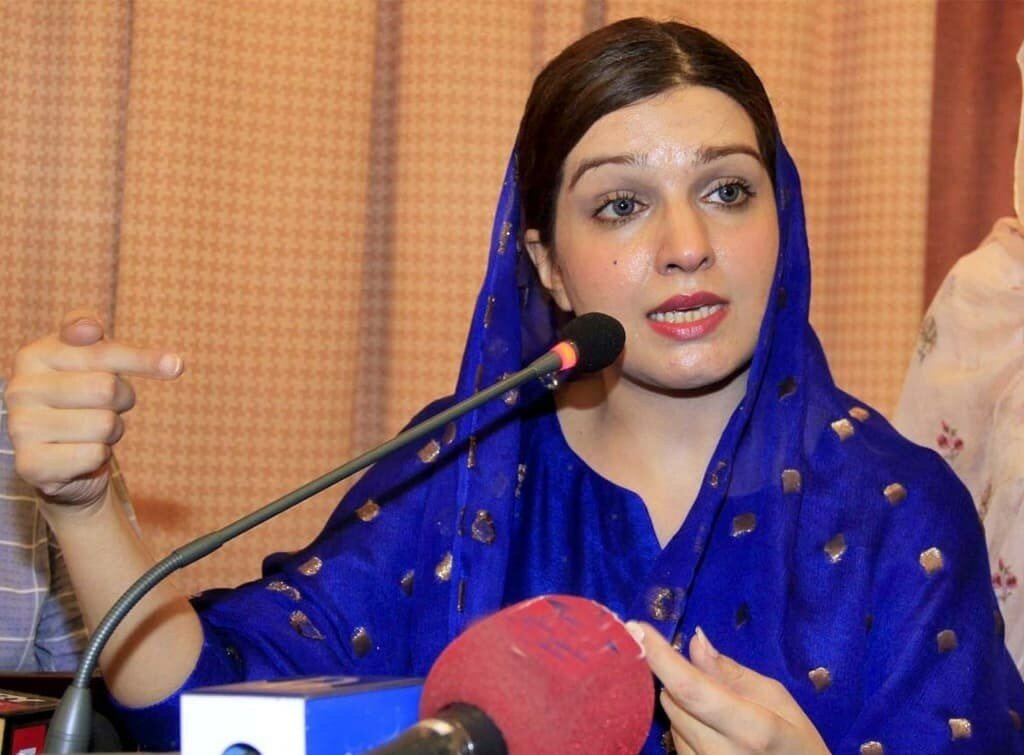
ISLAMABAD — Mushaal Hussein Mullick, wife of jailed Hurriyat leader Yasin Malik, has called for international action to protect human rights and establish peace in Indian Illegally Occupied Jammu and Kashmir (IIOJK). She cited the historical events of Karbala as a powerful symbol of resistance against oppression, aligning with the struggles of Kashmiris. Recent Developments On June 26, Mushaal Mullick addressed ongoing human rights issues in IIOJK, urging global intervention to ensure justice for the oppressed population. She emphasized the enduring relevance of the Karbala narrative, which inspires those fighting tyranny and injustice. Her husband, Yasin Malik, remains imprisoned amid ongoing tensions. Mullick stated, “The message of Karbala is timeless, inspiring oppressed people worldwide, including Kashmiris.” She urged the international community to take “meaningful and effective steps” to address human rights violations in the region. Reports highlight human rights abuses such as restrictions on freedom of expression, arbitrary detentions, and excessive force by security personnel. Mullick aims to galvanize international support to pressure India into action. Historical Context The Kashmir conflict began with the partition of British India in 1947, leading to the creation of India and Pakistan. Both nations claim the region but control only parts of it. The dispute has caused several wars and persistent skirmishes, with heightened military presence recently. In August 2019, India’s government abrogated Article 370, revoking Jammu and Kashmir’s special status. This fueled protests and drew condemnation from international human rights organizations. The region remains under increased restrictions and surveillance with ongoing rights violation reports. Significance of the Conflict The IIOJK situation has far-reaching implications for regional stability and international relations. The conflict could escalate into a broader military confrontation between nuclear-armed India and Pakistan. Such an escalation would impact not only South Asia but global peace and security. From a human rights viewpoint, the global response to Kashmir tests the commitment to fundamental freedoms and justice. Inaction could set a precedent for tolerating rights abuses in other conflict zones. Kashmir’s plight also highlights the broader issue of self-determination and the right to autonomy. Economic Impact Economic instability in Kashmir disrupts regional trade and development. The conflict deters investment, hindering potential growth and prosperity in the area. Addressing human rights issues could lead to economic recovery and improved living standards for Kashmir’s residents. Key Takeaways Mushaal Mullick urges international action on Kashmir human rights issues. Her appeal aligns with historical narratives of resistance against oppression. The conflict has significant implications for regional stability and global peace. Economic disruptions affect growth and investment in the region. Addressing rights violations could pave the way for recovery and autonomy.
Mourners Observe Zuhr Prayers During 9th Muharram Procession in Karachi
Pakistan

Mourners Observe Zuhr Prayers During 9th Muharram Procession in Karachi

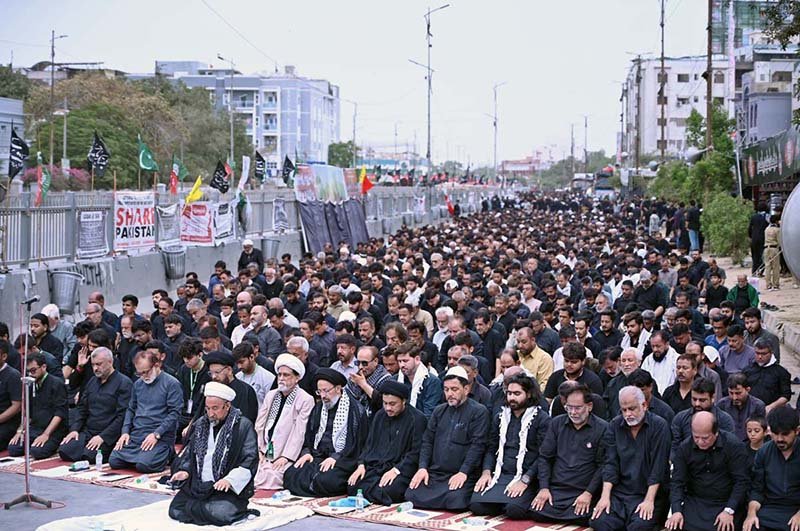
KARACHI — Thousands of mourners gathered on M.A. Jinnah Road in Karachi to offer Zuhr prayers during the 9th Muharram-ul-Haram procession on Thursday. This event is a significant part of the Islamic calendar, marking the martyrdom of Hazrat Imam Hussain (RA), the grandson of the Holy Prophet Mohammad (PBUH). The Procession The 9th of Muharram holds profound religious significance for Muslims, especially the Shia community, who observe it with processions and prayers. In Karachi, participants assembled on M.A. Jinnah Road to join the traditional procession. The observance of Zuhr prayers was a critical part of the day’s rituals. Clad in black attire symbolizing mourning, mourners engaged in acts of remembrance. These included reciting elegies and retelling the events leading to Imam Hussain’s martyrdom at the Battle of Karbala. The procession included mourners expressing grief through ‘matam,’ or self-flagellation with knives and chains, along the designated route. Security Measures Security was heightened across Karachi to ensure participant safety. Law enforcement, including police and Rangers, were deployed extensively to manage crowds and maintain order. Roads leading to the procession route were barricaded, and traffic was redirected to facilitate the event smoothly. Muharram’s Importance Muharram is the first month of the Islamic lunar calendar, significant for Muslims worldwide. The 9th and 10th days, known as Ashura, are deeply revered, especially by Shia Muslims, as they commemorate Imam Hussain’s martyrdom in the Battle of Karbala in 680 AD. The events of Karbala inspire Muslims, symbolizing the fight against tyranny and injustice. The Muharram processions and rituals allow the community to express solidarity and commit to these enduring values. Socio-Cultural and Political Impact The observance of Muharram, especially processions on the 9th and 10th, has significant socio-cultural and religious importance in Pakistan. It allows the Shia community to reflect on the sacrifices made by Imam Hussain (RA) and his followers, fostering spirituality and community bonding. Economically, the processions affect local businesses, as sections of major cities like Karachi are cordoned off, impacting commerce. However, these events also unite diverse groups and foster a shared purpose. Politically, the peaceful conduct of Muharram processions tests the government’s ability to maintain law and order. National and international observers closely monitor security arrangements and the state’s response to potential threats. Key Takeaways Thousands participated in the 9th Muharram procession in Karachi, offering Zuhr prayers on M.A. Jinnah Road. The event commemorates Hazrat Imam Hussain’s (RA) martyrdom through traditional rituals and ‘matam.’ Security was tightened across the city, with a significant deployment of police and Rangers ensuring safety. Muharram processions have deep religious, cultural, and political significance in Pakistan. The peaceful conduct of these events is crucial for demonstrating the government’s ability to maintain order. Source Attribution The information for this article was sourced from the Associated Press of Pakistan (APP).

Pakistan and Türkiye Discuss Energy Cooperation in High-Level Meeting
Pakistan

Pakistan and Türkiye Discuss Energy Cooperation in High-Level Meeting

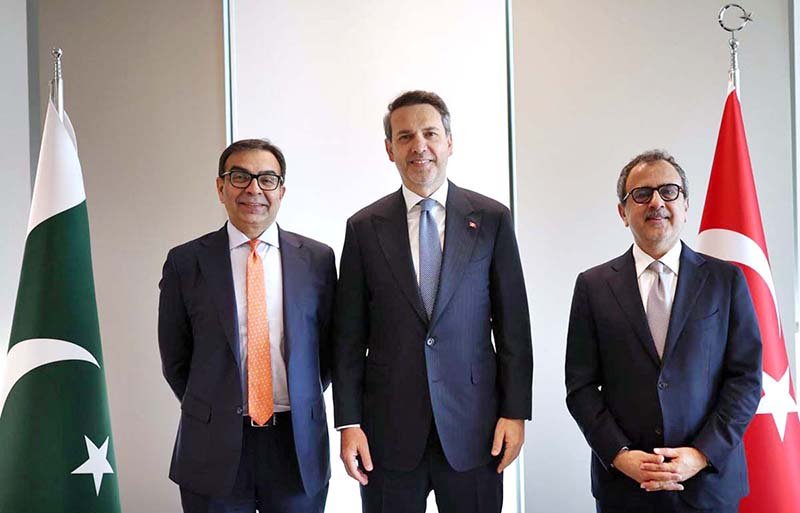
ISTANBUL — On Monday, Muhammad Ali, Adviser to the Prime Minister on Privatisation, and Sardar Awais Ahmad Khan Leghari, Federal Minister for Power, participated in a high-level meeting with Alparslan Bayraktar, Türkiye’s Minister of Energy and Natural Resources. The discussions aimed to boost bilateral cooperation in the vital energy sector. Meeting Details The Pakistani delegation, led by Muhammad Ali and Sardar Awais Ahmad Khan Leghari, met with Türkiye’s Energy Minister Alparslan Bayraktar in Istanbul. Their primary aim was to explore opportunities for collaboration in energy production, distribution, and technology exchange. Both parties committed to enhancing ties and sharing expertise in the energy sector. During the discussions, Minister Leghari emphasized Pakistan’s ongoing efforts to diversify its energy mix and reduce reliance on imported fuels. He stressed the potential in renewable energy projects, particularly in solar and wind, which could benefit from Türkiye’s technological prowess and investment capacity. Leghari stated, “Pakistan is keen to partner with Türkiye in developing sustainable energy solutions to address our growing needs.” Türkiye’s Perspective Minister Bayraktar expressed interest in collaboration, highlighting Türkiye’s achievements in renewable energy. “Türkiye has made significant strides in energy efficiency and renewable energy, and we are eager to collaborate with Pakistan to support its energy transition,” he noted. The meeting concluded with an agreement to establish a joint working group to identify specific projects and initiatives for collaboration. The focus will be on technology transfer, investment opportunities, and policy alignment. Background of Relations Pakistan and Türkiye share a history of diplomatic and economic relations, with energy cooperation as a central focus recently. Pakistan’s energy sector faces a growing demand-supply gap and heavy reliance on fossil fuels. The government seeks international partnerships to enhance infrastructure and adopt renewable energy. Conversely, Türkiye has expanded its renewable energy capacity in wind and solar power, also modernizing its energy grid. This makes Türkiye a valuable partner for Pakistan in achieving energy security. Significance of the Collaboration The meeting’s significance lies in its emphasis on international collaboration to address energy challenges. For Pakistan, cooperation with Türkiye could advance renewable energy projects, reduce the carbon footprint, and boost energy security. Economically, such collaboration could attract foreign investment, creating jobs and economic growth. Technology and expertise sharing can help modernize Pakistan’s energy infrastructure, making it more resilient and sustainable. Politically, strengthening ties with Türkiye aligns with Pakistan’s strategy to diversify international partnerships. This relationship can model other regional collaborations, promoting stability and cooperation. Key Takeaways Pakistan and Türkiye held a high-level meeting to discuss energy cooperation. The discussions focused on renewable energy projects and technology exchange. A joint working group will be established to identify specific initiatives. Energy cooperation could boost Pakistan’s energy security and economic growth.

President Zardari Emphasizes Pakistan’s Commitment to Combat Drug Abuse
Pakistan

President Zardari Emphasizes Pakistan’s Commitment to Combat Drug Abuse

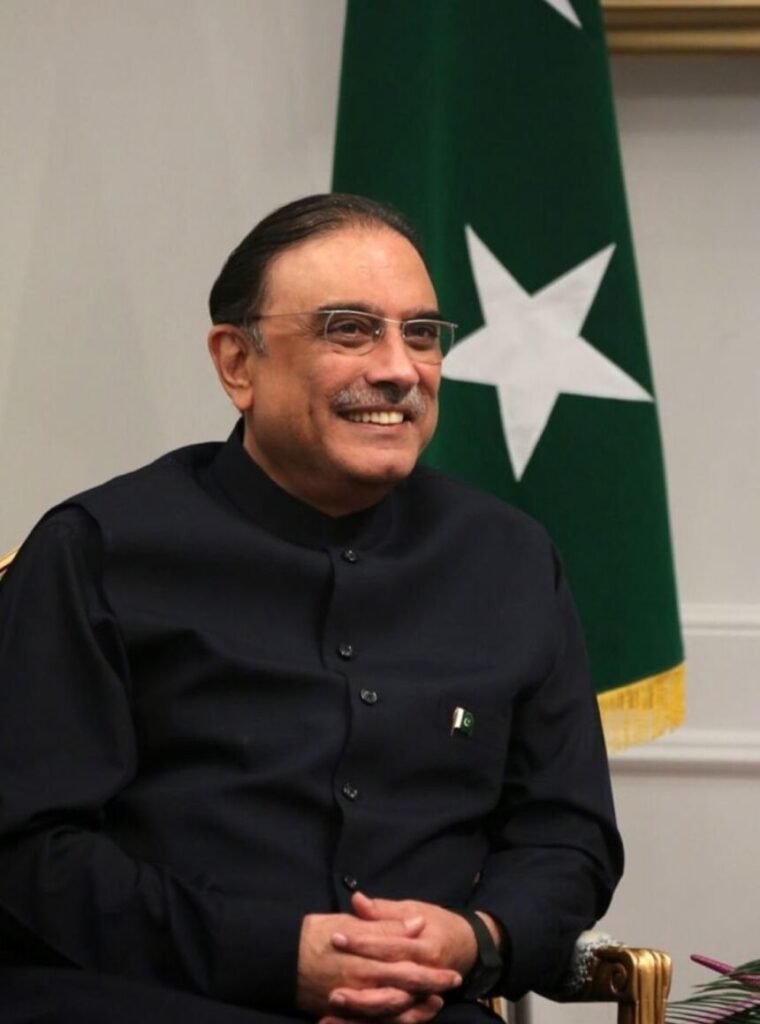
ISLAMABAD — President Asif Ali Zardari has reiterated Pakistan’s strong commitment to combating drug abuse and illicit trafficking. Protecting the nation’s youth from narcotics remains a critical national priority. His remarks were made ahead of the International Day against Drug Abuse and Illicit Trafficking, observed globally on June 26. Government’s Dedication President Zardari, in a statement on the eve of the International Day against Drug Abuse, emphasized the government’s commitment to eradicating drug scourges from society. He honored the martyrs of the Anti-Narcotics Force (ANF) who sacrificed their lives in duty. “Our resolve to combat drug abuse is unwavering,” stated President Zardari, “and we honor the sacrifices of those who have laid down their lives for this cause.” Global and National Efforts The President’s message aligns with international efforts to heighten awareness about drug abuse dangers and promote a drug-free society. He stressed the importance of collaboration at both national and international levels to tackle drug trafficking and abuse challenges effectively. President Zardari also called for enhanced backing for the ANF, the main agency enforcing anti-drug laws in Pakistan. He recognized the ANF’s critical role in intercepting drug trafficking operations and reducing narcotic availability in the country. Challenges and Solutions The International Day against Drug Abuse and Illicit Trafficking was established by the United Nations General Assembly in 1987 to boost global cooperation against drug abuse. Pakistan has actively participated in these efforts, considering its location on drug trafficking routes from Afghanistan, one of the largest opium producers. The Anti-Narcotics Force, created in 1995, operates under the Ministry of Narcotics Control. Its tasks include combating drug smuggling and abuse through law enforcement, public awareness, and international cooperation. Over the years, the ANF has successfully conducted numerous operations, seizing considerable narcotic quantities and arresting traffickers. Social and Economic Impact Drug abuse is a significant threat to Pakistan’s social fabric, especially affecting vulnerable youth. The economic impact is substantial, with drug-related crime and healthcare costs burdening national resources. By reaffirming its commitment, Pakistan aims to protect its future generations and ensure a healthier society. Internationally, Pakistan’s efforts help in global security and stability. The country’s strategic position makes it a crucial player in the fight against narcotics. Strengthening anti-drug measures aids domestic safety and supports international partners in reducing the global supply of illicit drugs. President Zardari’s tribute to ANF martyrs highlights the human cost in the war on drugs. Recognizing these sacrifices can foster greater public support and cooperation in anti-drug initiatives. Key Takeaways President Zardari reaffirms Pakistan’s commitment to fighting drug abuse and trafficking. The International Day against Drug Abuse and Illicit Trafficking occurs on June 26. The Anti-Narcotics Force is crucial in enforcing Pakistan’s anti-drug laws. Drug abuse poses significant social and economic challenges to Pakistan. International cooperation is essential in the global fight against narcotics.

Pakistan Defeats South Korea 5-0 in APPC 2026 Opener
Sports

Pakistan Defeats South Korea 5-0 in APPC 2026 Opener

ISLAMABAD — Pakistan’s national padel team kicked off their Asia Pacific Padel Cup (APPC) 2026 campaign with a remarkable 5-0 victory over South Korea. This opening Group A match took place at Play Padel McKinley in Manila on Thursday, signaling a promising start for the Pakistani squad. Match Highlights Displaying exceptional skill, Pakistan dominated all five matches against South Korea across men’s, women’s, and mixed categories. The Pakistani players’ court prowess left the South Korean side unable to find a foothold. This commanding victory not only earned Pakistan maximum points but also set a high benchmark for their tournament performance. The men’s team, led by captain Arif Khan, achieved impressive wins with significant margins. The women’s team mirrored this success, while the mixed doubles match, typically a tiebreaker, showcased Pakistan’s strategic depth and preparation as they secured a straightforward win. Arif Khan’s Insights After the match, Arif Khan expressed satisfaction with the team’s performance, saying, “Our preparation and hard work have paid off. We aim to maintain this momentum throughout the tournament.” This victory places Pakistan in a strong position in Group A as they anticipate their next matches. Significance of APPC The Asia Pacific Padel Cup is a prestigious tournament featuring top regional teams. Padel, combining elements of tennis and squash, has been growing in popularity in Pakistan, supported by increasing participation. APPC 2026 is noteworthy for Pakistan as it marks their ongoing involvement and rising status in international padel competitions. Pakistan has historically shown potential in racquet sports. The focus on padel is part of a strategy to diversify and excel in various sports disciplines. The Pakistan Padel Federation plays a crucial role in promoting the sport, organizing training camps, and ensuring players gain international experience. Impact on Pakistan’s Sports Scene This victory is more than a court success; it boosts Pakistan’s sports diplomacy and international presence. As padel’s global traction increases, Pakistan’s APPC success could attract investment and interest domestically, enhancing facilities, training opportunities, and strengthening the national team for future competitions. International sports success can attract sponsorships and partnerships, providing financial support to athletes and governing bodies. Socially, it inspires young athletes, encouraging sports participation and promoting a healthy lifestyle. Key Takeaways Pakistan achieved a 5-0 victory over South Korea in the APPC 2026 opener in Manila. The triumph spanned all categories: men’s, women’s, and mixed doubles. Pakistan’s performance positions them well in Group A of the tournament. The win underscores the growing popularity and investment in padel in Pakistan. Success in the tournament could lead to increased economic and social benefits for the sport.

WAPDA Completes Restoration Of Gomal Zam Power Unit
Business

WAPDA Completes Restoration Of Gomal Zam Power Unit

PESHAWAR — The Water and Power Development Authority (WAPDA) has successfully restored the damaged power-generating unit of the Gomal Zam Hydel Power Station. This unit has been synchronized with the National Grid after completing all necessary commissioning tests, ensuring full operational readiness. What Happened The Gomal Zam Hydel Power Station in South Waziristan had a power-generating unit out of service due to technical issues. WAPDA announced on June 25 that the unit is now fully functional. This development stabilizes power supply from this crucial regional energy component. WAPDA officials said rigorous testing and commissioning ensured the unit’s safe, reliable operation. Synchronizing Unit No.1 with the National Grid means the station again contributes to Pakistan’s electricity supply. A WAPDA spokesperson stated, “Restoring the unit enhances power generation capacity, meeting the region’s energy demands.” The Gomal Zam Dam, housing the hydel power station, is a multi-purpose project for irrigation, flood control, and power generation. Restoring its power capacity improves the dam’s overall utility and efficiency. Background Initiated in the early 2000s, the Gomal Zam Dam project is a key infrastructure effort to improve water management and energy production. Located on the Gomal River in South Waziristan, its remote location and security issues have posed challenges. The hydel power station has been vital in supplying electricity to surrounding areas, supporting the local economy and agricultural activities through irrigation. However, technical issues and maintenance needs have occasionally disrupted operations, requiring repairs and upgrades. Why It Matters The restoration of the Gomal Zam power unit is crucial for several reasons. Economically, the boost in power generation alleviates energy shortages, especially in remote areas. Enhanced power reliability supports local industries and agriculture, vital for regional development. Socially, better power supply improves living conditions for residents. Reliable electricity is essential for schools, healthcare, and businesses, enhancing the overall quality of life. Politically, it shows WAPDA’s commitment to maintaining and improving energy infrastructure. This boosts public confidence in managing crucial projects, important for political stability and development. Internationally, the project highlights Pakistan’s efforts to improve energy security and infrastructure resilience. Successful initiatives like the Gomal Zam restoration attract foreign investment, fostering international partnerships in the energy sector. Key Takeaways WAPDA has restored the Gomal Zam Hydel Power Station’s damaged unit, synchronizing it with the National Grid. The restoration boosts the station’s power generation capacity, contributing to regional energy supply. The Gomal Zam Dam project plays a critical role in water management and energy production.

Muharram Procession Observed with Traditional Mourning Rituals in Rahmatpur
Business

Muharram Procession Observed with Traditional Mourning Rituals in Rahmatpur

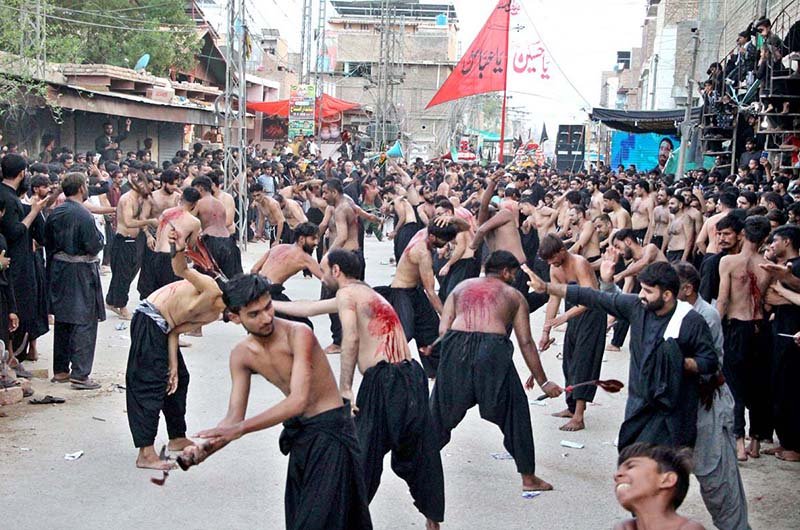
RAHMATPUR — Mourners participated in traditional self-flagellation with knives and chains during a Muharram procession on the 9th of Muharramul Haram. The procession through Rahmatpur Road marks a key event in the month commemorating the martyrdom of Hazrat Imam Hussain (RA), grandson of the Holy Prophet Mohammad (PBUH). Significant Day in Islamic Calendar On the 9th of Muharram, a critical date in the Islamic calendar, mourners gathered in Rahmatpur for a traditional procession. This includes self-flagellation, a symbolic gesture of solidarity with Hazrat Imam Hussain (RA) and his followers, martyred during the Battle of Karbala in 680 AD. The procession solemnly moved along Rahmatpur Road, drawing large crowds of participants and onlookers. Enhanced security ensured the safety of attendees, with police and community leaders managing the event. The procession is among several events culminating in Ashura, observed with even greater devotion. Religious and Cultural Traditions Participants chanted elegies and recited poetry commemorating Imam Hussain (RA) and his companions. The atmosphere was one of deep mourning, with many expressing devotion through tears and prayers. Muharram, the first month of the Islamic lunar calendar, holds immense religious importance, especially for Shia Muslims. This period mourns the martyrdom at Karbala, symbolizing the struggle against tyranny. Traditions like processions and self-flagellation have been observed for centuries, allowing the faithful to express grief and reaffirm their commitment to the values of Imam Hussain (RA). Impact and Significance The Muharram processions express profound religious and cultural identity, especially in Pakistan, where a considerable portion of the population observes these rituals. They underscore the historical and spiritual significance of sacrifices at Karbala and reinforce themes of justice and sacrifice. The observance of Muharram highlights the diversity within Islam, with varied commemorations reflecting the faith’s history. These processions also serve as platforms for expressing contemporary socio-political grievances and aspirations. Economically, Muharram observances impact local businesses with increased demand for goods and services tied to the rituals. Moreover, security and public safety measures require significant coordination and resources from local authorities. Key Points The Muharram procession in Rahmatpur featured traditional self-flagellation rituals. Muharram honors the martyrdom of Hazrat Imam Hussain (RA) at Karbala. Processions are a major expression of religious and cultural identity. Security measures ensure the safety of participants. Muharram observances have economic and socio-political impacts. Source Attribution Information in this article was sourced from the Associated Press of Pakistan (APP), reporting on the Muharram events.

PM Shehbaz Congratulates Ethiopian Leader Abiy Ahmed on Election Win
Pakistan

PM Shehbaz Congratulates Ethiopian Leader Abiy Ahmed on Election Win

ISLAMABAD — Prime Minister Shehbaz Sharif extended his congratulations to Ethiopian Prime Minister Abiy Ahmed Ali following his victory in Ethiopia’s parliamentary elections. The message was conveyed on Thursday via Prime Minister Shehbaz’s official X account, with best wishes to both Ethiopian leaders and citizens. Significance of the Congratulations This diplomatic gesture by Prime Minister Shehbaz highlights the importance of the relationship between Pakistan and Ethiopia. The Ethiopian parliamentary elections, which occurred earlier this month, saw Abiy Ahmed’s Prosperity Party secure a decisive victory, reinforcing his mandate to lead the country. Shehbaz’s message expressed hope for continued cooperation and mutual development. Shared publicly through Shehbaz’s social media platform, the message underscores the significance Pakistan places on diplomatic ties with Ethiopia. It highlights potential for strengthened bilateral relations in areas such as trade, development, and regional stability. Background on Abiy Ahmed Abiy Ahmed has been a central figure in Ethiopian politics since taking office in 2018. His leadership is marked by significant reforms and a focus on economic development. The Prosperity Party, under his leadership, has significantly advanced his modernization and peace-building agenda. The recent elections were a crucial test for Abiy Ahmed’s government amid internal challenges such as ethnic tensions and economic pressures. Despite these, the Prosperity Party’s victory demonstrates public support for Abiy’s vision for Ethiopia’s future. Diplomatic Relations between Pakistan and Ethiopia Pakistan and Ethiopia have historically maintained cordial relations, sharing membership in international organizations like the United Nations and the Non-Aligned Movement. Diplomatic exchanges, like Shehbaz’s recent message, signify ongoing efforts to strengthen these ties. Importance of Strengthened Ties Prime Minister Shehbaz’s message to Abiy Ahmed is more than a diplomatic formality. It represents Pakistan’s interest in fostering stronger relations with African nations, particularly with emerging economies like Ethiopia. Strengthening ties could open new avenues for trade and investment, benefiting both countries. For Ethiopia, international recognition and support from countries like Pakistan can enhance its global standing. This also enables broader discussions on regional security and economic cooperation, vital for Ethiopia’s development aspirations. Prime Minister Shehbaz congratulated Ethiopian Prime Minister Abiy Ahmed on his electoral victory. The message shared via social media underscores the importance of Pakistan-Ethiopia relations. Abiy Ahmed’s Prosperity Party achieved a decisive win in the elections. Strengthened relations could benefit both nations economically and politically.

APHC Warns of Threat to Kashmiri Identity Amid Settler Colonialism Concerns
Pakistan

APHC Warns of Threat to Kashmiri Identity Amid Settler Colonialism Concerns

ISLAMABAD — The All Parties Hurriyat Conference (APHC) has sounded an alarm over alleged attempts by the Indian government to fundamentally alter the demographic and cultural fabric of Indian illegally occupied Jammu and Kashmir (IIOJK). The APHC claims that the Modi administration’s policies aim to transform the Muslim majority into a minority through settler colonialism. APHC’s Allegations The APHC expressed its concerns in a recent statement, accusing the Indian government of systematic efforts to undermine Kashmiri identity. Drawing on the Kashmir Media Service reports, the APHC spokesperson asserted that policies are in place to change IIOJK’s demographic makeup. The spokesperson stated, “India is intent on converting the region’s Muslim majority into a minority.” The APHC believes this to be part of a broader plan to suppress the unique cultural and religious identity of the region. The APHC further alleges that the issuance of domicile certificates to non-Kashmiris is part of these efforts, aimed at changing the region’s demographic composition. The group urges the international community to recognize these acts as violations of international laws and human rights. Historical Context Tensions in Jammu and Kashmir have been high since August 2019, following the Indian government’s revocation of Article 370, which had granted special autonomy to the region. This decision, widely criticized, sparked increased unrest, allowing non-residents to purchase property and settle in Kashmir, viewed by many as a move towards altering its demographics. The conflict’s roots trace back to the 1947 partition of British India, with both India and Pakistan claiming the region entirely but controlling only parts. This ongoing dispute has led to wars and frequent military skirmishes between the two nuclear-armed neighbors. Implications for the Region The APHC’s warning underscores the region’s ongoing tensions and the potential for further unrest. Demographic shifts could significantly impact the political landscape, marginalizing the Muslim majority, shifting power dynamics, and possibly increasing violence and instability. Economically, Jammu and Kashmir faces challenges due to frequent lockdowns and curfews. Demographic changes could complicate recovery efforts, create divisions, and deter investment, affecting economic stability. International and Regional Concerns The Kashmir issue continues to be a contentious point between India and Pakistan, influencing South Asian stability. The APHC’s appeal for international intervention highlights the urgent need for a diplomatic solution to prevent the situation from escalating further. Key Points The APHC accuses the Indian government of settler colonialism in IIOJK. Demographic changes allegedly involve granting domicile certificates to non-Kashmiris. The 2019 revocation of Article 370 is pivotal in changing the region’s autonomy. The situation risks increased unrest and instability in the region. The APHC calls for international intervention to address potential human rights issues. Source: The information in this article is based on reports from the Associated Press of Pakistan (APP) and statements from the All Parties Hurriyat Conference.

IGP Praises ICT Police for Peaceful Conclusion of Muharram Procession
Pakistan

IGP Praises ICT Police for Peaceful Conclusion of Muharram Procession

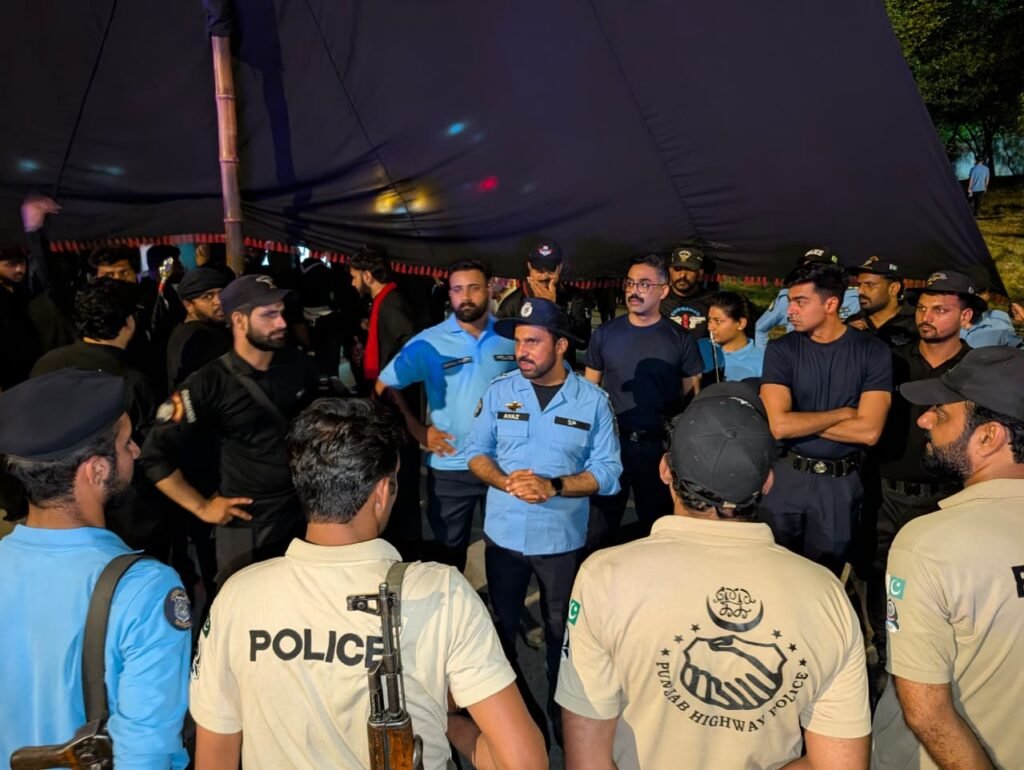
ISLAMABAD — The central 9th Muharram procession in Islamabad’s Sector G-6 concluded without incident on Thursday, thanks to meticulous security measures by the Islamabad Capital Territory (ICT) Police. Inspector General of Police (IGP) Syed Ali Nasir Rizvi expressed appreciation for the officers and personnel who ensured the event’s smooth execution. Event Security The 9th Muharram procession, a significant event in the Islamic calendar, was conducted with heightened security to prevent disruptions. ICT Police executed a comprehensive security plan, deploying numerous officers and personnel strategically along the procession route. Surveillance technology and coordination with other security agencies were integral to closely monitoring the situation. IGP Rizvi, in a statement to the Associated Press of Pakistan (APP), commended the police force’s dedication and professionalism. “The officers and personnel have shown exemplary commitment in ensuring the safety and security of the participants,” he stated. The procession, which saw the participation of thousands, is part of the annual Muharram observance, a month of mourning for Imam Hussain, the grandson of Prophet Muhammad. The peaceful conclusion of the procession, marked by the absence of major incidents, showcased the effectiveness of the security measures. ICT Police worked with community leaders and procession organizers to ensure safety protocols were followed, while also facilitating religious observance. Muharram Observance Muharram is the first month of the Islamic lunar calendar, holding particular significance for Shia Muslims. The 9th and 10th days, Tasu’a and Ashura, are commemorated with processions and gatherings remembering the Battle of Karbala. Historically, these events require robust security due to large crowds and potential sectarian tensions. In Pakistan, security for Muharram processions is a major concern for law enforcement agencies. The ICT Police and other provincial forces often implement special measures, including road closures, traffic diversions, and additional personnel deployment to ensure public safety. Importance of Success The peaceful ending of the 9th Muharram procession in Islamabad is significant for several reasons. It demonstrates the ICT Police’s capability to manage large-scale events without incidents, crucial for public confidence in law enforcement. This success holds importance amid Pakistan’s ongoing challenges with sectarian violence and terrorism. Moreover, the effective security arrangements highlight the crucial role of coordination between law enforcement and community leaders. Such cooperation fosters trust and understanding, essential for mitigating potential conflicts and enhancing communal harmony. From an international perspective, Pakistan’s successful peaceful religious observances reflect positively, contributing to its internal stability and security. This aspect is vital for the country’s global image, especially in attracting foreign investment and tourism, which are critical for economic growth. Key Takeaways The 9th Muharram procession in Islamabad concluded peacefully, aided by ICT Police’s comprehensive security measures. IGP Syed Ali Nasir Rizvi praised the police force’s dedication and professionalism during the event. The event is part of Muharram’s annual observance, crucial for Shia Muslims commemorating the Battle of Karbala. Effective security measures portray Pakistan’s internal stability positively on the international stage.

Scroll to Top