
Author name: Yasir Zubairi

Yasir Zubairi is the founder and publisher of NEN Agency (News Era Network). He leads NEN's coverage of Pakistan's national affairs, economy, foreign relations and sports, and is responsible for the accuracy and standards of every story published on nenagency.com.

Minister Advocates European Labour Market Access for Pakistani Workers
World

Minister Advocates European Labour Market Access for Pakistani Workers

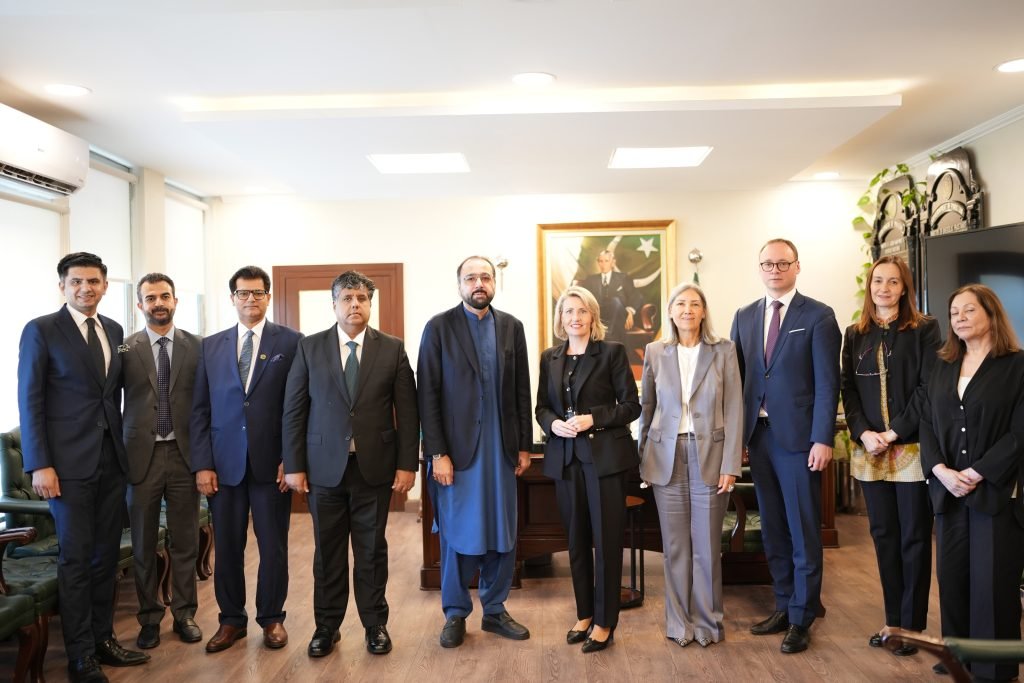
ISLAMABAD — Federal Minister for Overseas Pakistanis and Human Resource Development Chaudhry Salik Hussain has called for improved access to European labour markets for Pakistani workers. During a meeting with international representatives on September 15, he emphasized the importance of expanding legal migration pathways and aligning workforce skills with global employment demands. What Happened In a recent meeting held in Islamabad, Chaudhry Salik Hussain, the Federal Minister for Overseas Pakistanis and Human Resource Development, highlighted the need for greater integration of Pakistani skilled and semi-skilled workers into European labour markets. The minister underscored the necessity of creating legal avenues for migration that would allow Pakistani workers to meet the rising demand for skilled labour in Europe. Minister Hussain stated, “Expanding legal migration pathways is crucial for tapping into the potential of our workforce and meeting the international demand for skilled labour.” He further elaborated on the importance of aligning the skills of Pakistani workers with the requirements of European employers, which would not only benefit the workers but also contribute positively to the economies of both Pakistan and European countries. The meeting also addressed the challenges faced by Pakistani workers abroad, including issues related to legal status, skill recognition, and employment conditions. The minister called for collaborative efforts between Pakistan and European nations to address these challenges and facilitate smoother transitions for workers seeking opportunities abroad. Background The call for greater access to European labour markets comes against a backdrop of increasing unemployment rates in Pakistan, particularly among the youth. Historically, Pakistani workers have sought employment opportunities in the Middle East, but recent shifts in global economic trends have prompted a need to explore new markets. In recent years, European countries have experienced labour shortages in various sectors, including healthcare, construction, and information technology. These shortages present an opportunity for countries like Pakistan to supply skilled labour, provided that the necessary legal and regulatory frameworks are in place. Pakistan has existing bilateral agreements with several European countries aimed at facilitating worker migration. However, these agreements often face implementation challenges, including bureaucratic hurdles and a lack of alignment between the skills of Pakistani workers and the needs of European employers. Why It Matters The push for increased access to European labour markets holds significant implications for Pakistan’s economy and its workforce. By securing more opportunities for Pakistani workers abroad, the country can alleviate domestic unemployment pressures and increase remittances, which are a vital source of foreign exchange for Pakistan. Remittances from overseas Pakistanis contribute significantly to the national economy, supporting millions of families and bolstering foreign reserves. Enhanced access to European labour markets could potentially increase these remittances, thereby strengthening economic stability and growth. Moreover, aligning the skills of Pakistani workers with international standards can lead to a more competitive workforce. This alignment not only benefits the workers but also enhances Pakistan’s reputation as a reliable source of skilled labour, potentially opening doors to further international collaborations and agreements. On a broader scale, fostering stronger ties with European countries through workforce integration can lead to improved diplomatic relations and increased bilateral trade, benefiting both Pakistan and its European partners. Key Takeaways Minister Chaudhry Salik Hussain advocates for greater access to European labour markets for Pakistani workers. The initiative aims to expand legal migration pathways and align workforce skills with international demands. Increased access to European markets could alleviate unemployment in Pakistan and boost remittances. Aligning skills with international standards can enhance Pakistan’s competitiveness in the global labour market. Stronger workforce ties with Europe may improve diplomatic and trade relations. Source Attribution This article is based on official government statements and public communications from relevant authorities. Author: NEN Editorial Desk | Editor: NEN Newsroom | Fact Checked By: NEN Editorial Team Author: NEN Editorial Desk  |  Editor: NEN Newsroom  |  Last Updated: September 16, 2026  |  Source: Press Release from Government of Pakistan This article was produced by the NEN Editorial Desk in accordance with NEN Agency’s Editorial Policy and Fact-Checking Policy.
SECP Advocates Digital Transformation to Boost Insurance Coverage
Pakistan

SECP Advocates Digital Transformation to Boost Insurance Coverage

ISLAMABAD — The Securities and Exchange Commission of Pakistan (SECP) is spearheading efforts to digitally transform the insurance sector to enhance coverage, streamline claim settlements, and provide affordable insurance solutions to the public. SECP Chairman Dr. Kabir Ahmed Sidhu emphasized the importance of this initiative during a session of the SECP Talk Series on Tuesday. What Happened During the SECP Talk Series session focused on the development and digitalization of Pakistan’s insurance market, Dr. Kabir Ahmed Sidhu outlined the SECP’s strategy to leverage digital technologies to expand insurance coverage across the country. He stated, “Digital transformation is essential to expand insurance coverage, improve claim settlement, and make affordable insurance products accessible to the public.” The SECP aims to integrate advanced digital solutions to modernize the insurance industry, which has traditionally been slow to adapt to technological advancements. The SECP’s plan includes the implementation of digital platforms to facilitate easier access to insurance products and services for consumers. By reducing the reliance on traditional paper-based processes, the SECP hopes to minimize operational costs and enhance the efficiency of claim settlements. This move is expected to attract a larger segment of the population to consider insurance as a viable option for financial security. Dr. Sidhu highlighted that the digital transformation initiative would also involve collaboration with various stakeholders, including insurance companies, technology providers, and regulatory bodies, to ensure a seamless transition to digital platforms. The SECP is committed to creating a conducive environment for innovation and growth within the insurance sector, which is crucial for increasing insurance penetration in Pakistan. Background The insurance sector in Pakistan has historically faced challenges in terms of low penetration rates and limited accessibility to insurance products. According to industry reports, insurance penetration in Pakistan is significantly lower compared to regional and global averages. This is partly due to a lack of awareness and the cumbersome nature of traditional insurance processes. In recent years, the SECP has been actively working to reform the insurance sector through regulatory changes and initiatives aimed at fostering growth and innovation. The introduction of digital platforms is seen as a critical step in overcoming existing barriers and making insurance more accessible to the general public. Why It Matters The digital transformation of the insurance sector is poised to have far-reaching implications for Pakistan’s economy and its citizens. By making insurance products more accessible and affordable, the SECP’s initiative can significantly increase the financial security of individuals and businesses. This is particularly important in a country where a large portion of the population remains uninsured and vulnerable to financial shocks. Economically, the expansion of insurance coverage can contribute to greater financial stability and resilience. Insurance serves as a crucial risk management tool, enabling individuals and businesses to mitigate potential losses and recover more swiftly from unforeseen events. As more people gain access to insurance, the overall risk exposure of the economy is likely to decrease, fostering a more stable financial environment. Socially, increased insurance penetration can lead to improved quality of life for citizens by providing them with a safety net against various risks, such as health emergencies, accidents, and natural disasters. This can reduce the financial burden on families and help them maintain their standard of living in the face of adversity. On an international level, the SECP’s efforts to modernize the insurance sector align with global trends towards digitalization and innovation. By adopting cutting-edge technologies, Pakistan can enhance its competitiveness in the global insurance market and attract foreign investment into the sector. Key Takeaways The SECP is leading a digital transformation initiative to expand insurance coverage in Pakistan. Digital platforms will streamline claim settlements and make insurance more accessible and affordable. The initiative is expected to increase financial security and stability for individuals and businesses. Improved insurance penetration can enhance Pakistan’s economic resilience and social welfare. The SECP’s efforts align with global trends in digitalization and innovation in the insurance industry. Source Attribution This article is based on official statements and public communications from the Securities and Exchange Commission of Pakistan. Author: NEN Editorial Desk | Editor: NEN Newsroom | Fact Checked By: NEN Editorial Team Author: NEN Editorial Desk  |  Editor: NEN Newsroom  |  Last Updated: September 15, 2026  |  Source: NEN Reporter This article was produced by the NEN Editorial Desk in accordance with NEN Agency’s Editorial Policy and Fact-Checking Policy.
Minister Urges Reforms for Drug Regulatory Authority’s Independence
World

Minister Urges Reforms for Drug Regulatory Authority’s Independence

ISLAMABAD — Federal Minister for Economic Affairs and Establishment Division, Senator Ahad Cheema, has advocated for comprehensive structural reforms to enhance the independence and authority of the Drug Regulatory Authority of Pakistan (DRAP). The call for reform was made during a meeting on Tuesday, emphasizing the need for DRAP to become a more empowered regulatory and pricing authority. What Happened During a high-level meeting held in Islamabad, Senator Ahad Cheema stressed the importance of transforming DRAP into a robust and autonomous body. He highlighted the necessity for policy reforms that would grant DRAP greater regulatory and pricing authority, particularly in the context of imported medicines. The minister underscored the need for a thorough review of the existing pricing formula to ensure fair and equitable pricing of pharmaceuticals in Pakistan. Senator Cheema stated, “The current structure of DRAP needs to be revisited to make it an independent and empowered authority that can effectively regulate and price medicines, ensuring accessibility and affordability for the public.” This statement reflects the government’s intent to address long-standing challenges in the pharmaceutical sector, including pricing disputes and regulatory inefficiencies. The meeting also discussed the potential impact of these reforms on the pharmaceutical industry and public health. By enhancing DRAP’s capabilities, the government aims to improve the quality and safety of medicines available in the market, thereby protecting consumer interests. Background DRAP was established in 2012 under the Drug Regulatory Authority of Pakistan Act, with the mandate to regulate the pharmaceutical and healthcare products sector. However, over the years, it has faced criticism for its limited autonomy and effectiveness in regulating drug prices and ensuring compliance with international standards. Historically, the pharmaceutical industry in Pakistan has been plagued by issues such as price hikes, shortages of essential medicines, and delays in the registration of new drugs. These challenges have often been attributed to bureaucratic hurdles and insufficient regulatory oversight. The call for reforms by Senator Cheema is part of a broader effort to address these systemic issues and align DRAP’s operations with global best practices. Why It Matters The proposed reforms are significant for several reasons. Firstly, an empowered DRAP could lead to more transparent and consistent drug pricing, benefiting consumers by making essential medicines more affordable. This is particularly important in a country where a significant portion of the population struggles with healthcare costs. Secondly, enhancing DRAP’s regulatory capabilities could improve the quality of medicines available in the market, reducing the prevalence of counterfeit and substandard products. This would have a direct impact on public health outcomes, as access to safe and effective medicines is a cornerstone of healthcare provision. Furthermore, the reforms could attract greater investment in the pharmaceutical sector by providing a more stable and predictable regulatory environment. This could encourage both local and international companies to invest in research and development, ultimately leading to innovation and growth within the industry. On an international level, aligning DRAP’s practices with global standards could improve Pakistan’s standing in the global pharmaceutical market, potentially opening up new export opportunities for locally manufactured medicines. Key Takeaways Senator Ahad Cheema has called for structural reforms to enhance DRAP’s independence and authority. The reforms aim to improve drug pricing and regulatory oversight in Pakistan. DRAP’s transformation could lead to better public access to affordable and safe medicines. Improved regulatory practices may attract investment and innovation in the pharmaceutical sector. Aligning with global standards could enhance Pakistan’s position in the international pharmaceutical market. Source Attribution This article is based on official government statements, press releases, and public communications from relevant authorities. Author: NEN Editorial Desk | Editor: NEN Newsroom | Fact Checked By: NEN Editorial Team Author: NEN Editorial Desk  |  Editor: NEN Newsroom  |  Last Updated: September 15, 2026  |  Source: Press Release from Government of Pakistan This article was produced by the NEN Editorial Desk in accordance with NEN Agency’s Editorial Policy and Fact-Checking Policy.
LCCI Urges Extension for Income Tax Return Deadline by One Month
Pakistan

LCCI Urges Extension for Income Tax Return Deadline by One Month

LAHORE — The Lahore Chamber of Commerce & Industry (LCCI) has called on the Federal Board of Revenue (FBR) and the federal government to extend the deadline for filing income tax returns for the Tax Year 2026. LCCI President Faheem Ur Rehman Saigol requested that the deadline be moved from September 30 to October 31, citing the need for additional time to facilitate taxpayers. What Happened On Tuesday, LCCI President Faheem Ur Rehman Saigol made a formal appeal to the Federal Board of Revenue and the government, advocating for a one-month extension in the deadline for filing income tax returns. The current deadline is set for September 30, 2026, and the LCCI suggests extending it to October 31, 2026. Saigol emphasized that the extension would significantly aid taxpayers in meeting their obligations without undue pressure. Saigol argued that many businesses and individuals face challenges in compiling the necessary documentation and financial data required for accurate tax filing. “An extension would provide much-needed relief and ensure that taxpayers can comply with the regulations without rushing,” he stated. The LCCI President highlighted that the additional time would help in reducing errors and omissions in tax returns, which often occur when taxpayers are pressed for time. The LCCI’s request comes amid concerns from various business sectors about the challenges posed by the current economic conditions. According to Saigol, the ongoing economic uncertainties have made it difficult for businesses to focus on administrative tasks such as tax filing. The proposed extension, he believes, would alleviate some of these pressures. Background The deadline for filing income tax returns in Pakistan has historically been set for September 30 each year. However, extensions have been granted in the past due to various reasons, including natural disasters, economic disruptions, and administrative challenges. The FBR occasionally considers such requests based on the prevailing circumstances and the need to ensure maximum compliance. In recent years, the FBR has been working to enhance its digital infrastructure to facilitate easier tax return submissions. Despite these efforts, many taxpayers still rely on traditional methods, which can be time-consuming and prone to delays. The LCCI’s request for an extension reflects ongoing concerns about the readiness of businesses and individuals to adapt to these changes. Why It Matters The call for an extension in the tax filing deadline is significant for several reasons. Economically, it could provide relief to businesses struggling with cash flow issues as they navigate the current economic landscape. By allowing more time, businesses can ensure accurate tax calculations, potentially avoiding penalties and interest charges associated with late or incorrect filings. Socially, the extension could reduce stress for individual taxpayers who may be balancing multiple financial obligations. This is particularly relevant in a year marked by economic volatility and inflationary pressures, which have affected household budgets across the country. Politically, the government’s response to this request could signal its willingness to support the business community during challenging times. An extension might be viewed as a gesture of goodwill, fostering better relations between the government and the private sector. It could also enhance the perception of the FBR as a responsive and adaptive institution. Internationally, how Pakistan manages its tax collection and compliance processes can impact its economic reputation. Efficient and taxpayer-friendly policies may attract foreign investment, as they reflect a stable and predictable business environment. Key Takeaways The LCCI has requested a one-month extension for the income tax return filing deadline. The proposed new deadline is October 31, 2026, instead of September 30, 2026. The extension aims to alleviate pressures on taxpayers and reduce filing errors. Economic conditions and administrative challenges are key reasons for the request. The decision could impact economic, social, and political dynamics in Pakistan. Source Attribution This article is based on official government statements, press releases, and public communications from relevant authorities. Author: NEN Editorial Desk | Editor: NEN Newsroom | Fact Checked By: NEN Editorial Team Author: NEN Editorial Desk  |  Editor: NEN Newsroom  |  Last Updated: September 15, 2026  |  Source: NEN Reporter This article was produced by the NEN Editorial Desk in accordance with NEN Agency’s Editorial Policy and Fact-Checking Policy.
Sialkot Chamber Welcomes Chinese Engineers for Sports Goods Center
Pakistan

Sialkot Chamber Welcomes Chinese Engineers for Sports Goods Center

SIALKOT — The Sialkot Chamber of Commerce and Industry (SCCI) President Syed Ahtesham Mazhar extended a warm welcome to a team of Chinese engineers on September 15. The engineers arrived in Sialkot to oversee the installation and commissioning of machinery at the Product Development Center (PDC) for Composites Based Sports Goods. What Happened The SCCI hosted a special meeting to honor the Chinese team, marking a significant step in the ongoing collaboration between Pakistan and China in the field of sports goods manufacturing. The Product Development Center is a key initiative aimed at enhancing the production capabilities of Sialkot, a city renowned for its sports goods industry. During the event, Syed Ahtesham Mazhar emphasized the importance of the collaboration, stating, “The arrival of the Chinese engineers is a crucial development in our efforts to modernize the sports goods manufacturing sector in Sialkot. Their expertise will be invaluable in setting up the advanced machinery required for the PDC.” The Chinese engineers are tasked with installing and commissioning state-of-the-art equipment designed to boost the production of composite-based sports goods, a growing segment in the global sports industry. The center aims to not only enhance production efficiency but also improve the quality of products manufactured in Sialkot, thereby increasing their competitiveness in international markets. Background Sialkot has a long-standing reputation as a hub for sports goods manufacturing, supplying a significant portion of the world’s sports equipment. The city is particularly known for producing high-quality footballs, hockey sticks, and cricket gear. The establishment of the Product Development Center for Composites Based Sports Goods is part of a broader strategy to modernize the industry and expand into new product lines. The collaboration with China is part of the China-Pakistan Economic Corridor (CPEC) framework, which has facilitated numerous infrastructure and industrial projects across Pakistan. The involvement of Chinese expertise in the PDC project is expected to bring advanced technological capabilities to the local industry, aligning with the goals of CPEC to enhance industrial cooperation between the two countries. Why It Matters The establishment of the Product Development Center is a significant development for Sialkot’s economy and the broader sports goods industry in Pakistan. By incorporating advanced technology and expertise from China, the center is poised to transform the local manufacturing landscape. Economically, the PDC is expected to create new job opportunities, both directly and indirectly, as the demand for skilled labor to operate and maintain the new machinery increases. This development could lead to an upsurge in local employment rates and contribute to economic growth in the region. On an international level, the improved production capabilities and product quality could enhance Pakistan’s competitiveness in the global sports goods market. This is particularly important as countries worldwide increasingly demand high-quality, innovative sports equipment. The PDC’s focus on composite-based goods aligns with global trends towards lighter, more durable materials in sports manufacturing. Politically, the collaboration underscores the strengthening ties between Pakistan and China, showcasing the benefits of CPEC beyond infrastructure development. It highlights the potential for industrial and technological cooperation, which could serve as a model for future projects under the CPEC framework. Key Takeaways The Sialkot Chamber of Commerce and Industry welcomed Chinese engineers for the PDC project. The Product Development Center aims to modernize sports goods manufacturing in Sialkot. The collaboration is part of the China-Pakistan Economic Corridor initiatives. The project is expected to boost local employment and economic growth. Enhanced production capabilities will improve Pakistan’s competitiveness in global markets. Source Attribution This article is based on official government statements, press releases, and public communications from relevant authorities. Author: NEN Editorial Desk | Editor: NEN Newsroom | Fact Checked By: NEN Editorial Team Author: NEN Editorial Desk  |  Editor: NEN Newsroom  |  Last Updated: September 15, 2026  |  Source: Press Release from Government of Pakistan This article was produced by the NEN Editorial Desk in accordance with NEN Agency’s Editorial Policy and Fact-Checking Policy.
CDA Reclaims 16 Kanals in E-12, Resumes Development Work
Pakistan

CDA Reclaims 16 Kanals in E-12, Resumes Development Work

ISLAMABAD — The Capital Development Authority (CDA) announced on Tuesday that it has successfully reclaimed approximately 16 kanals of land in Sector E-12, which had been under unauthorized occupation. This recovery has paved the way for the resumption of development work in the area, according to an official statement from the authority. What Happened The CDA’s operation to reclaim the land in Sector E-12 was conducted recently, targeting areas that had been occupied without official authorization. The recovered land, which spans about 16 kanals, was reportedly being used for private accommodation purposes. The authority’s swift action has now enabled development activities to proceed, which had been stalled due to the encroachment. In a statement, the CDA emphasized its commitment to reclaiming public land and ensuring that development projects are completed on schedule. “The recovery of this land is a significant step towards the timely completion of development work in Sector E-12,” the statement read. The CDA also noted that the reclaimed land will be utilized for its intended development purposes, benefiting the broader community. The resumption of development work in Sector E-12 is expected to bring about infrastructural improvements, including the construction of roads, drainage systems, and other essential facilities. These developments are part of the CDA’s broader efforts to enhance urban infrastructure and provide better living conditions for residents. Background Sector E-12 has been a focal point for the CDA’s development plans for several years. However, progress has been hindered by various challenges, including unauthorized land occupation. The CDA has been actively working to address these issues, employing legal and administrative measures to reclaim public land and ensure that development projects proceed as planned. The issue of land encroachment is not new to Islamabad, with several sectors facing similar challenges. The CDA has been engaged in ongoing efforts to tackle unauthorized occupations, which often delay critical infrastructure projects and impact urban planning. The authority’s recent success in reclaiming land in E-12 is part of a broader strategy to enforce land use regulations and promote orderly development. Why It Matters The recovery of land in Sector E-12 and the resumption of development work hold significant implications for Islamabad’s urban landscape. As the capital city continues to grow, the demand for residential and commercial spaces has increased, necessitating well-planned urban development. The CDA’s actions are crucial in ensuring that development keeps pace with the city’s needs. Economically, the resumption of development work in E-12 is likely to boost local construction activities, create jobs, and stimulate economic growth. Improved infrastructure will also enhance property values in the area, benefiting both current and prospective residents. Socially, the completion of development projects will provide residents with better access to essential services and amenities, improving their quality of life. Politically, the CDA’s efforts to reclaim land and enforce development plans demonstrate the government’s commitment to upholding the rule of law and ensuring that public resources are used effectively. This move is likely to bolster public confidence in the authority’s ability to manage urban development and address longstanding issues related to land encroachment. Key Takeaways The CDA has reclaimed 16 kanals of land in Sector E-12, previously under unauthorized occupation. Development work in the sector has resumed, focusing on infrastructure improvements. The recovery is part of the CDA’s broader strategy to enforce land use regulations. Resumed development is expected to boost economic growth and improve living conditions. The CDA’s actions reinforce government commitment to lawful urban development. Source Attribution This article is based on official statements and public communications from the Capital Development Authority. Author: NEN Editorial Desk | Editor: NEN Newsroom | Fact Checked By: NEN Editorial Team Author: NEN Editorial Desk  |  Editor: NEN Newsroom  |  Last Updated: September 15, 2026  |  Source: Press Release from Government of Pakistan This article was produced by the NEN Editorial Desk in accordance with NEN Agency’s Editorial Policy and Fact-Checking Policy.
Pakistan Increases Petrol Price by Rs4.10, Diesel by Rs6.41 Per Litre
Pakistan

Pakistan Increases Petrol Price by Rs4.10, Diesel by Rs6.41 Per Litre

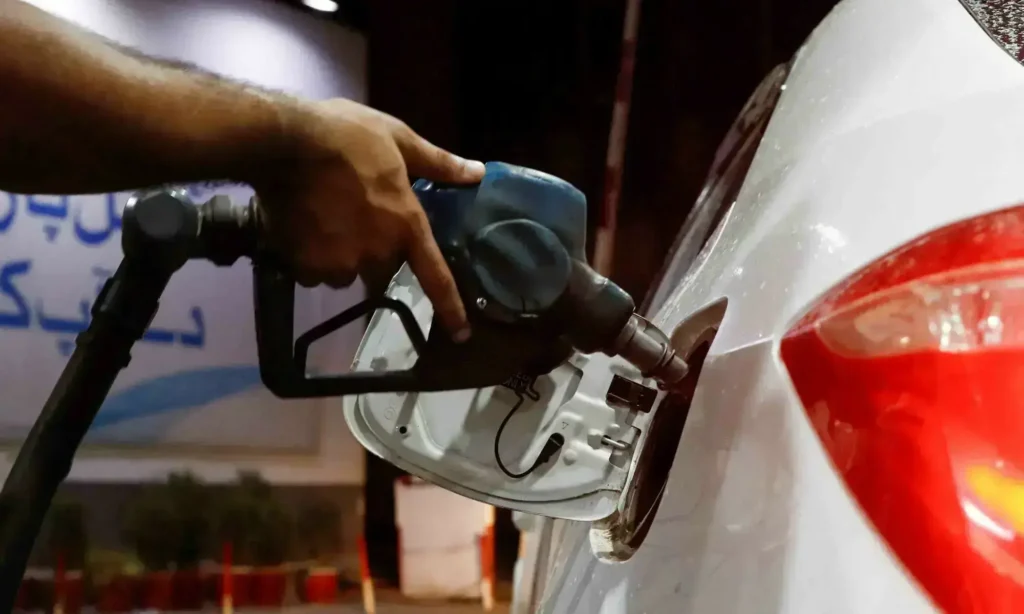
ISLAMABAD — The federal government of Pakistan has announced an increase in the prices of petroleum products, with petrol rising by Rs4.10 per litre and high-speed diesel (HSD) by Rs6.41 per litre. This revision will take effect from September 16, 2026, as per the Ministry of Energy’s latest directive. What Happened The Ministry of Energy (Petroleum Division) released a statement confirming the new ex-depot prices for petroleum products. The adjustment comes amid fluctuating global oil prices and aims to align domestic prices with international market trends. The Oil and Gas Regulatory Authority (OGRA) has been instrumental in advising the government on these adjustments, taking into account the current economic conditions and the need to maintain fiscal stability. The price hike has been implemented to ensure that the government can manage its fiscal responsibilities while also addressing the needs of the petroleum sector. The Ministry emphasized that the decision was made after careful consideration of the international oil market dynamics and the country’s economic situation. The increase in prices is expected to have a ripple effect on various sectors, particularly transportation and goods distribution, which are heavily reliant on diesel. In a statement, the Ministry of Energy noted, “The revision of petroleum prices is a necessary measure to ensure that the fiscal budget remains balanced and that the petroleum sector can continue to operate effectively.” The Ministry also highlighted that these adjustments are part of a broader strategy to stabilize the economy and manage the national budget. Background Pakistan’s petroleum pricing is heavily influenced by global oil prices, which have been volatile due to geopolitical tensions and fluctuating demand. Historically, the government has adjusted fuel prices to reflect changes in the international market, a practice that aims to prevent significant fiscal imbalances. The Oil and Gas Regulatory Authority (OGRA) plays a crucial role in advising the government on appropriate price adjustments, considering both global trends and domestic economic conditions. Previous adjustments in petroleum prices have often sparked public debate and concern, given their direct impact on the cost of living and inflation. The government has occasionally provided subsidies to mitigate the impact on consumers, although such measures can strain the national budget. Why It Matters The increase in petrol and diesel prices is likely to have significant economic and social implications. For consumers, the rise in fuel costs will directly affect transportation expenses, leading to higher costs for commuting and goods transportation. This, in turn, could contribute to an increase in the overall cost of living, as transportation costs are a major component of the pricing of goods and services. Economically, the government faces the challenge of balancing fiscal responsibility with public welfare. The increased revenue from higher fuel prices can help reduce budget deficits and fund essential public services. However, it also risks exacerbating inflationary pressures, which can undermine economic stability and growth. Politically, the decision to raise fuel prices may be contentious, as it could lead to public dissatisfaction and protests. The government will need to manage public perception carefully and possibly consider measures to cushion the impact on the most vulnerable populations. Key Takeaways The government has increased petrol prices by Rs4.10 and diesel by Rs6.41 per litre, effective September 16, 2026. The decision aligns domestic fuel prices with international market trends and aims to maintain fiscal stability. The price hike is expected to impact transportation costs and contribute to inflationary pressures. The government faces the challenge of balancing fiscal needs with public welfare concerns. Public response to the price increase may influence future policy decisions. Source Attribution This article is based on official government statements, press releases, and public communications from relevant authorities. Author: NEN Editorial Desk | Editor: NEN Newsroom | Fact Checked By: NEN Editorial Team Author: NEN Editorial Desk  |  Editor: NEN Newsroom  |  Last Updated: September 15, 2026  |  Source: Press Release from Ministry of Energy This article was produced by the NEN Editorial Desk in accordance with NEN Agency’s Editorial Policy and Fact-Checking Policy.
Street Vendor Markets Mobile Accessories in Lahore’s Bustling Streets
Pakistan

Street Vendor Markets Mobile Accessories in Lahore’s Bustling Streets

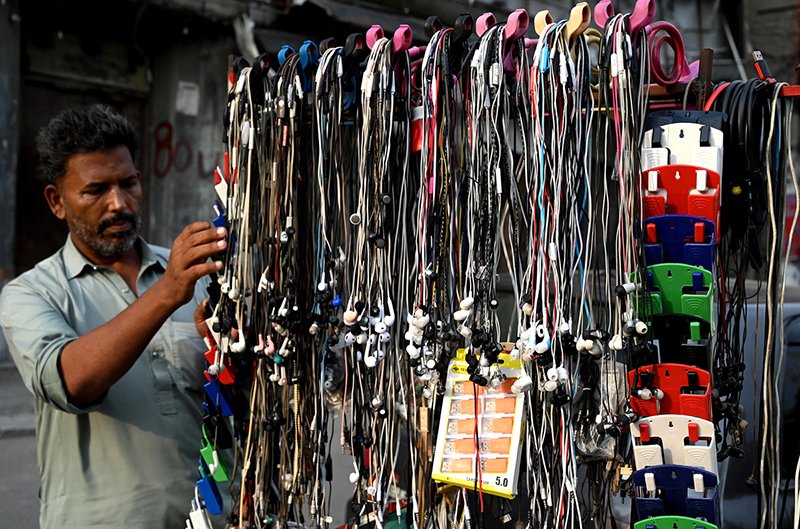
LAHORE — A street vendor in Lahore has taken to the bustling streets of the provincial capital to market mobile handsfree devices, aiming to attract the attention of passersby amid the city’s vibrant commercial activity. This initiative, witnessed on a typical weekday, highlights the entrepreneurial spirit prevalent among small-scale vendors in Pakistan’s urban centers. What Happened The vendor, strategically positioned in a high-traffic area of Lahore, meticulously arranged an array of mobile handsfree accessories on a makeshift stall. The display, designed to catch the eye of potential customers, featured a variety of products catering to the growing demand for mobile accessories in the city. According to onlookers, the vendor’s efforts are part of a broader trend where small businesses leverage street-side sales to reach consumers directly. In a conversation with NEN Agency, the vendor explained, “I set up my stall here every day because it is a busy area. Many people pass by, and some stop to look at my products. It’s a good way to make a living.” The vendor’s approach underscores the reliance on direct customer engagement and the importance of location in street vending success. Observers noted that such vendors often operate in informal settings, without the overhead costs associated with permanent retail spaces. This allows them to offer competitive prices, appealing to budget-conscious consumers. The vendor’s presence is a testament to the adaptability and resilience of small entrepreneurs in the face of economic challenges. Background Street vending has long been a staple of Pakistan’s urban economy, providing livelihoods for thousands who might otherwise struggle to find employment in the formal sector. In cities like Lahore, Karachi, and Islamabad, vendors selling everything from food to electronics are a common sight. This informal sector plays a crucial role in the economy, offering goods and services at accessible prices. The mobile accessory market, in particular, has seen significant growth in recent years, driven by the widespread adoption of smartphones. As more Pakistanis use mobile devices, the demand for affordable accessories like handsfree sets, chargers, and cases has surged. Vendors have capitalized on this trend, offering products that cater to a tech-savvy population. Why It Matters The presence of street vendors selling mobile accessories in Lahore is indicative of broader economic patterns in Pakistan. As the country navigates economic challenges, including inflation and unemployment, informal sector activities like street vending provide essential income opportunities. These vendors contribute to the local economy by creating jobs and offering affordable products to consumers. Furthermore, the growth of the mobile accessory market reflects changing consumer preferences and technological advancements. As more people rely on smartphones for communication, work, and entertainment, the demand for related accessories is likely to continue rising. This trend presents opportunities for small businesses to thrive, even amidst economic uncertainty. On a social level, street vending fosters community interactions and supports a vibrant urban culture. Vendors often become familiar faces in their neighborhoods, contributing to the social fabric of the city. Their presence enhances the sense of community and accessibility in urban areas. Key Takeaways Street vendors in Lahore are leveraging high-traffic areas to market mobile accessories directly to consumers. The informal sector, including street vending, plays a vital role in Pakistan’s urban economy. Demand for mobile accessories is rising due to increased smartphone usage across the country. Street vending provides essential income opportunities amid economic challenges like inflation and unemployment. The presence of vendors contributes to the social fabric and vibrancy of urban communities. Source Attribution This article is based on official government statements, press releases, and public communications from relevant authorities. Author: NEN Editorial Desk | Editor: NEN Newsroom | Fact Checked By: NEN Editorial Team Author: NEN Editorial Desk  |  Editor: NEN Newsroom  |  Last Updated: September 15, 2026  |  Source: NEN Reporter This article was produced by the NEN Editorial Desk in accordance with NEN Agency’s Editorial Policy and Fact-Checking Policy.
NA Committee Urges PFF to Update Constitution to Meet FIFA Standards
Pakistan

NA Committee Urges PFF to Update Constitution to Meet FIFA Standards

ISLAMABAD — The National Assembly Standing Committee on Inter Provincial Coordination (IPC) has advised the Pakistan Football Federation (PFF) to revise its constitution and regulations to align with FIFA’s requirements. This recommendation aims to foster the development of football within the country. The committee meeting took place under the temporary leadership of Dr. Mahreen Razzaq Bhutto. What Happened During the meeting held in Islamabad, the IPC Committee emphasized the importance of aligning the PFF’s constitution with FIFA’s guidelines to ensure the effective governance and growth of football in Pakistan. Dr. Mahreen Razzaq Bhutto, serving as the acting chairperson, led the discussions that highlighted the need for structural reforms within the PFF. The committee underscored that adherence to international standards is crucial for the PFF to function optimally and to enhance the country’s footballing capabilities. The committee’s recommendation comes in the wake of ongoing challenges faced by the PFF, which include governance issues and a lack of consistent development programs. By aligning with FIFA’s rules, the PFF is expected to improve its governance structure, making it more transparent and accountable. This alignment is also seen as a step towards regaining FIFA’s confidence, which is essential for Pakistan to participate in international competitions and receive developmental support. Dr. Bhutto expressed the committee’s commitment to supporting the PFF in this transition. “It is imperative that the PFF adheres to international standards to ensure the growth and development of football in Pakistan,” she stated. The committee also discussed potential strategies to support the PFF in implementing these changes effectively. Background The PFF has faced numerous challenges over the years, including internal conflicts and administrative issues that have hindered the development of football in Pakistan. In the past, FIFA has suspended the PFF due to third-party interference, which violated FIFA’s statutes. These suspensions have adversely affected the country’s ability to participate in international tournaments and access FIFA’s developmental programs. FIFA’s regulations require national football associations to operate independently, free from government interference, and to maintain a governance structure that promotes transparency and accountability. The PFF’s alignment with these regulations is seen as a critical step towards resolving past issues and moving forward with a clear vision for the future of football in Pakistan. Why It Matters The recommendation by the NA Standing Committee is significant as it addresses the fundamental governance issues that have plagued the PFF for years. By aligning its constitution with FIFA’s standards, the PFF can potentially restore its reputation on the international stage. This alignment is expected to lead to improved governance, increased transparency, and enhanced accountability within the federation. For Pakistani footballers and fans, these changes could mean better opportunities to participate in international competitions and access to improved training and development programs. The alignment could also attract international partnerships and investments, further boosting the sport’s growth in the country. Moreover, the successful implementation of these recommendations could serve as a model for other sports federations in Pakistan, encouraging them to adopt similar reforms to enhance their governance structures. This could lead to a broader improvement in the management and development of sports across the country, contributing to Pakistan’s overall sporting success. Key Takeaways The NA Standing Committee on IPC recommends the PFF align its constitution with FIFA standards. Dr. Mahreen Razzaq Bhutto chaired the committee meeting, emphasizing the need for reform. Aligning with FIFA’s rules is crucial for regaining international confidence and support. The PFF’s past governance issues have hindered football development in Pakistan. Successful alignment could lead to improved opportunities and international partnerships. Source Attribution This article is based on official government statements and public communications from relevant authorities. Author: NEN Editorial Desk | Editor: NEN Newsroom | Fact Checked By: NEN Editorial Team Author: NEN Editorial Desk  |  Editor: NEN Newsroom  |  Last Updated: September 15, 2026  |  Source: NEN Reporter This article was produced by the NEN Editorial Desk in accordance with NEN Agency’s Editorial Policy and Fact-Checking Policy.

SMEDA Partners with Japan to Connect Pakistani SMEs to B2B Platform
World

SMEDA Partners with Japan to Connect Pakistani SMEs to B2B Platform

LAHORE — The Small and Medium Enterprises Development Authority (SMEDA) has announced a strategic partnership with Japan’s Organization for Small & Medium Enterprises and Regional Innovation (SMRJ) to facilitate the integration of Pakistani small and medium enterprises (SMEs) into the ‘J-GoodTech’ online B2B platform. This initiative aims to enhance the global reach and competitiveness of Pakistani SMEs. What Happened On September 15, SMEDA revealed its collaboration with SMRJ, a significant move to support Pakistani SMEs by providing them access to ‘J-GoodTech’, a Japanese business-to-business platform designed to foster international trade and business connections. The platform is renowned for connecting SMEs with potential business partners globally, thus offering a valuable opportunity for Pakistani enterprises to expand their market presence. According to SMEDA officials, this collaboration is a part of the authority’s broader strategy to internationalize Pakistani SMEs and help them tap into new markets. The partnership will enable these enterprises to showcase their products and services to a wider audience, potentially leading to increased trade and investment opportunities. SMEDA’s Chief Executive Officer emphasized the importance of this initiative, stating, “This partnership with SMRJ is a crucial step in our efforts to empower Pakistani SMEs by providing them with the tools and platforms necessary to compete on a global scale.” He further added that the collaboration is expected to open new avenues for business growth and development for SMEs in Pakistan. Background SMEDA, established in 1998, has been instrumental in promoting and supporting the development of small and medium enterprises in Pakistan. The authority provides a range of services, including business development, training, and advisory services, aimed at enhancing the productivity and competitiveness of SMEs. Japan’s SMRJ, on the other hand, is a governmental organization dedicated to supporting SMEs and regional innovation. The ‘J-GoodTech’ platform, launched by SMRJ, serves as a digital marketplace where SMEs can connect with potential business partners worldwide, facilitating cross-border trade and collaboration. Why It Matters The collaboration between SMEDA and SMRJ is significant for several reasons. Economically, it provides Pakistani SMEs with access to international markets, which can lead to increased exports and foreign investment. This is particularly important for a country like Pakistan, where SMEs constitute a significant portion of the economy and play a vital role in employment generation and economic growth. Socially, the initiative can contribute to job creation and skill development within the SME sector, as businesses expand and require a more skilled workforce to manage increased demand. This can have a positive impact on local communities by reducing unemployment and improving living standards. Politically, strengthening economic ties with Japan through such collaborations can enhance bilateral relations between the two countries. It aligns with Pakistan’s broader foreign policy objectives of fostering economic diplomacy and building strategic partnerships with key global economies. Internationally, the integration of Pakistani SMEs into a global platform like ‘J-GoodTech’ can improve the country’s image as a viable business partner and investment destination. It showcases the potential of Pakistani enterprises to compete and collaborate on an international stage, thereby attracting further interest from global investors and businesses. Key Takeaways SMEDA has partnered with Japan’s SMRJ to connect Pakistani SMEs to the ‘J-GoodTech’ B2B platform. The initiative aims to enhance the global competitiveness of Pakistani SMEs by providing access to international markets. This collaboration supports SMEDA’s strategy of internationalizing Pakistani SMEs and expanding their market presence. The partnership can lead to increased exports, foreign investment, and job creation in Pakistan. Strengthening economic ties with Japan aligns with Pakistan’s broader foreign policy objectives. Source Attribution This article is based on official government statements and public communications from relevant authorities. Author: NEN Editorial Desk | Editor: NEN Newsroom | Fact Checked By: NEN Editorial Team Author: NEN Editorial Desk  |  Editor: NEN Newsroom  |  Last Updated: September 15, 2026  |  Source: NEN Reporter This article was produced by the NEN Editorial Desk in accordance with NEN Agency’s Editorial Policy and Fact-Checking Policy.

Scroll to Top