

Author name: Yasir Zubairi

Yasir Zubairi is the founder and publisher of NEN Agency (News Era Network). He leads NEN's coverage of Pakistan's national affairs, economy, foreign relations and sports, and is responsible for the accuracy and standards of every story published on nenagency.com.

Twelve Rescued in Rawalpindi Amid Heavy Rainfall Incidents
Pakistan

Twelve Rescued in Rawalpindi Amid Heavy Rainfall Incidents

RAWALPINDI — Rescue 1122 teams successfully rescued 12 individuals from three separate rain-related emergencies in Rawalpindi on August 20, with no casualties reported. What Happened In a series of rain-induced emergencies in Rawalpindi, Rescue 1122 teams responded swiftly to save 12 people from potential danger. The incidents occurred at three different locations: Hakla Interchange, Shahbagh, and Kharkan village. At Hakla Interchange, three individuals were rescued, while five were saved in Shahbagh, and four more were brought to safety in Kharkan village. All rescued individuals were relocated to secure areas, ensuring their safety from the rising waters. The rainfall had ceased across all nine rain gauges within the district, according to Rescue 1122. The water level at Katarian was recorded at seven feet and was steadily receding, while Gawalmandi’s water level stood at four feet and was also declining. Importantly, the water level in Nullah Lai remained below the pre-alert threshold, indicating a reduction in immediate flood risk. Rescue 1122 has issued a public advisory urging citizens to exercise caution by avoiding crossing streams and drains. They also emphasized the importance of keeping children away from drains and electricity poles to prevent accidents. In case of emergencies, citizens were advised to contact Rescue 1122 immediately. Background Rawalpindi, like many parts of Pakistan, is prone to monsoon rains that often lead to flooding and related emergencies. The city has experienced significant rainfall in recent weeks, which has heightened the risk of flash floods and waterlogging in low-lying areas. Rescue 1122, an emergency service established in 2006, plays a crucial role in managing such situations by providing timely assistance and rescue operations. The Nullah Lai, a stream running through Rawalpindi, is notorious for flooding during heavy rains. The local government has implemented various measures over the years to mitigate flood risks, including the installation of rain gauges and the construction of drainage systems. However, the rapid urbanization of the area continues to pose challenges in managing stormwater effectively. Why It Matters The prompt response by Rescue 1122 highlights the importance of having a well-prepared emergency response system in place, especially in regions susceptible to natural disasters. The successful rescue operations in Rawalpindi underscore the effectiveness of Rescue 1122’s training and readiness to handle emergencies, which can significantly reduce the potential loss of life and property. Economically, flooding can have severe consequences for communities, disrupting daily life, damaging infrastructure, and affecting local businesses. The ability to respond quickly and efficiently to such incidents is crucial in minimizing these impacts and ensuring the safety of residents. Socially, the incidents serve as a reminder of the vulnerabilities faced by communities living in flood-prone areas. It highlights the need for public awareness campaigns and community preparedness programs to educate citizens on how to respond during emergencies. The advisory issued by Rescue 1122 is a step in the right direction, emphasizing the importance of public cooperation in ensuring safety. On a broader scale, these incidents reflect the challenges posed by climate change, which is expected to increase the frequency and intensity of extreme weather events. Pakistan, being highly vulnerable to climate change, must continue to invest in infrastructure and emergency services to mitigate these risks. Key Takeaways Rescue 1122 successfully rescued 12 people from three rain-related incidents in Rawalpindi. Rainfall has ceased in the district, with water levels receding at key locations. Citizens are advised to avoid crossing streams and keep children away from drains and electricity poles. Rapid urbanization and climate change pose ongoing challenges for flood management in Rawalpindi. Public awareness and community preparedness are crucial in mitigating the impacts of natural disasters. Source Attribution The article is based on official government statements, press releases, and public communications from relevant authorities. Author: NEN Editorial Desk | Editor: NEN Newsroom | Fact Checked By: NEN Editorial Team Author: NEN Editorial Desk  |  Editor: NEN Newsroom  |  Last Updated: August 20, 2026  |  Source: NEN Reporter This article was produced by the NEN Editorial Desk in accordance with NEN Agency’s Editorial Policy and Fact-Checking Policy.

IHC Demands Case Details Against PTI’s Sher Afzal Marwat
Pakistan

IHC Demands Case Details Against PTI’s Sher Afzal Marwat

ISLAMABAD — The Islamabad High Court (IHC) has issued notices to the Secretary Interior and the Inspector General of Islamabad Police, requesting comprehensive details of the cases and inquiries registered against Sher Afzal Marwat, a member of the National Assembly from the Pakistan Tehreek-e-Insaf (PTI). The hearing, led by Justice Shah Rukh Arjumand, took place on Thursday, following a petition filed by Marwat seeking clarity on the legal proceedings against him. What Happened On Thursday, the IHC took a significant step by asking the federal authorities to provide a detailed account of the legal actions and investigations involving PTI lawmaker Sher Afzal Marwat. The court’s directive came during a hearing presided over by Justice Shah Rukh Arjumand. The petition, filed by Marwat himself, sought transparency regarding any pending cases or inquiries that may have been initiated against him. Justice Arjumand, in his remarks, emphasized the necessity for transparency and accountability in legal proceedings, particularly those involving public figures. The court has instructed the Secretary Interior and the Inspector General of Islamabad Police to furnish a detailed report outlining all cases and inquiries involving Marwat. This request aims to ensure that Marwat is fully informed of any legal challenges he may face, allowing him to prepare an adequate defense. The court has set a deadline for the submission of these details, underscoring the urgency of the matter. The outcome of this inquiry could have significant implications for Marwat’s political career and his standing within the PTI. Background Sher Afzal Marwat is a prominent figure within the PTI, a major political party in Pakistan led by former Prime Minister Imran Khan. As an elected member of the National Assembly, Marwat holds a position of influence and responsibility. The PTI has been a central player in Pakistan’s political landscape, often advocating for transparency and accountability in governance. The legal scrutiny of public officials is not uncommon in Pakistan, where allegations of corruption and misconduct frequently surface. The IHC’s demand for detailed information reflects a broader trend of judicial oversight aimed at ensuring that public officials adhere to legal and ethical standards. Why It Matters The IHC’s decision to seek detailed information on the cases against Sher Afzal Marwat underscores the judiciary’s role in maintaining transparency and accountability in Pakistan’s political system. This move is significant as it highlights the increasing scrutiny faced by public officials, particularly those in influential positions. For Marwat, the outcome of this inquiry could have profound implications. If the cases and inquiries reveal substantial legal challenges, it could affect his ability to effectively serve as a member of the National Assembly and potentially impact his political career. Moreover, the PTI, as a party, may face increased pressure to address any allegations against its members, reinforcing its commitment to transparency and accountability. On a broader scale, this development reflects the judiciary’s active role in ensuring that public officials are held accountable for their actions. It serves as a reminder of the importance of legal transparency in fostering public trust in government institutions. For the citizens of Pakistan, such judicial actions are crucial in promoting a culture of accountability and integrity within the political sphere. Key Takeaways The Islamabad High Court has requested detailed information on cases against PTI’s Sher Afzal Marwat. Justice Shah Rukh Arjumand emphasized the need for transparency in legal proceedings involving public figures. The inquiry could significantly impact Marwat’s political career and his standing within the PTI. This move reflects the judiciary’s role in promoting accountability and transparency in Pakistan’s political system. The outcome of the inquiry may influence public trust in government institutions and the PTI’s commitment to ethical governance. Source Attribution This article is based on official government statements, press releases, and public communications from relevant authorities. Author: NEN Editorial Desk | Editor: NEN Newsroom | Fact Checked By: NEN Editorial Team Author: NEN Editorial Desk  |  Editor: NEN Newsroom  |  Last Updated: August 20, 2026  |  Source: NEN Reporter This article was produced by the NEN Editorial Desk in accordance with NEN Agency’s Editorial Policy and Fact-Checking Policy.
67,000 Pilgrims Pay Initial Installment for Hajj 2027, Rs42 Billion Collected
Pakistan

67,000 Pilgrims Pay Initial Installment for Hajj 2027, Rs42 Billion Collected

ISLAMABAD — The Ministry of Religious Affairs has announced the collection of Rs42 billion from 67,000 pilgrims who have deposited their first installment under the government’s Hajj Scheme 2027. This substantial collection marks a significant step in the preparation for the upcoming pilgrimage. What Happened The Ministry of Religious Affairs has confirmed that 67,000 intending pilgrims have successfully deposited their first installment for Hajj 2027, resulting in a total collection of Rs42 billion. This installment is part of the government’s structured payment plan for the pilgrimage. According to the ministry’s spokesperson, the available seats for the Hajj packages are rapidly being filled. Out of the total, 30,000 seats have already been secured under the 25-day short Hajj package, while 40,000 seats remain available for the 40-day long Hajj package. The financial commitment required for these packages is substantial. The first installment for the 40-day package has been set at Rs600,000, while those opting for the shorter 25-day package are required to pay Rs650,000 as their initial payment. The ministry has facilitated the payment process through the National IT Board’s Hajj Digital Portal, ensuring a streamlined and efficient method for pilgrims to secure their participation. Additionally, three payment channels have been introduced, including the Pak Hajj app, Hajj portal, OneLink PSID, bank card, and the traditional Pak Hajj manual challan. For pilgrims seeking additional comfort during their stay in Makkah, the ministry offers the option of separate room accommodations. A two-bed room will incur an additional cost of Rs210,000 per person, while a three-bed room will require an extra Rs70,000 per person. Background Hajj, one of the five pillars of Islam, is an annual pilgrimage to Mecca that is mandatory for Muslims who are physically and financially capable of undertaking the journey. The government of Pakistan, through the Ministry of Religious Affairs, facilitates this religious obligation by organizing Hajj schemes that allow pilgrims to perform Hajj under structured and government-supported arrangements. Over the years, the ministry has introduced various digital initiatives to simplify the registration and payment processes for Hajj aspirants. The use of digital platforms and payment systems has been part of a broader government effort to modernize and enhance the efficiency of public services. The Hajj Digital Portal and associated apps are examples of this initiative, aimed at reducing manual paperwork and providing a more user-friendly experience for pilgrims. Why It Matters The successful collection of Rs42 billion as the first installment for Hajj 2027 is a testament to the trust and confidence that the public places in the government’s Hajj Scheme. This financial milestone not only reflects the dedication of the pilgrims but also underscores the importance of Hajj in the religious and cultural life of Pakistani Muslims. Economically, the funds collected for Hajj contribute significantly to the national exchequer and the religious tourism sector. The influx of funds helps support various services associated with the pilgrimage, including transportation, accommodation, and other logistical arrangements, thereby creating economic opportunities and employment. Socially, the organization of Hajj is a crucial aspect of fostering community and religious solidarity. It provides an opportunity for Muslims from different backgrounds to come together in a shared spiritual experience, reinforcing the values of unity and equality. On an international level, Pakistan’s effective management of Hajj arrangements enhances its reputation as a country capable of organizing large-scale religious events. It also strengthens bilateral relations with Saudi Arabia, the host country, through cooperation in facilitating the pilgrimage. Key Takeaways Rs42 billion has been collected from 67,000 pilgrims as the first installment for Hajj 2027. The Ministry of Religious Affairs offers both 40-day and 25-day Hajj packages with varying costs. Digital platforms like the Hajj Digital Portal are used to streamline payment processes. Additional costs apply for separate room accommodations in Makkah. The Hajj scheme supports economic, social, and international relations for Pakistan. Source Attribution This article is based on official government statements, press releases, and public communications from relevant authorities. Author: NEN Editorial Desk | Editor: NEN Newsroom | Fact Checked By: NEN Editorial Team Author: NEN Editorial Desk  |  Editor: NEN Newsroom  |  Last Updated: August 20, 2026  |  Source: Press Release from Government of Pakistan This article was produced by the NEN Editorial Desk in accordance with NEN Agency’s Editorial Policy and Fact-Checking Policy.
Rare Jinnah Photographs Highlight Pakistan’s Historical Struggle
Pakistan

Rare Jinnah Photographs Highlight Pakistan’s Historical Struggle

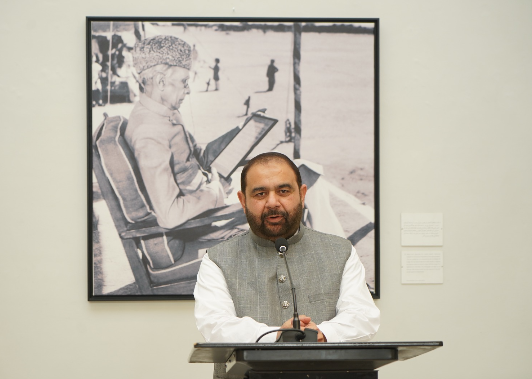
ISLAMABAD — Federal Minister for National Heritage and Culture Division, Aurangzeb Khan Khichi, emphasized the importance of rare photographs of Quaid-i-Azam Muhammad Ali Jinnah as a reminder of Pakistan’s historical struggle and sacrifices. Speaking on Thursday, he noted that these images serve not only as historical records but also as powerful messages for the younger generation about the dedication and sacrifices involved in the creation of Pakistan. What Happened The Federal Minister highlighted the significance of these rare photographs during a recent event aimed at educating the youth about Pakistan’s history. Aurangzeb Khichi stated that the photographs of Jinnah, the founding father of Pakistan, offer a visual narrative of the country’s arduous journey to independence. “These images are not just about the past; they are a call to the youth to remember and honor the sacrifices made for our nation,” he said. The event showcased a collection of photographs depicting Jinnah in various pivotal moments leading up to the independence of Pakistan in 1947. The images were displayed as part of an exhibition organized by the National Heritage and Culture Division, drawing attention to the personal and political challenges faced by Jinnah and his contemporaries during the struggle for a separate homeland for Muslims in the Indian subcontinent. Aurangzeb Khichi further explained that the exhibition aims to instill a sense of pride and responsibility among young Pakistanis. “Understanding our history is crucial for shaping our future. These photographs are a testament to the vision and resilience of our leaders,” he added. Background Quaid-i-Azam Muhammad Ali Jinnah played a crucial role in the creation of Pakistan. As the leader of the All-India Muslim League, he advocated for the rights of Muslims in British India and was instrumental in the partition that led to the formation of Pakistan on August 14, 1947. Jinnah’s leadership and vision were pivotal in navigating the complex political landscape of the time, which involved negotiations with the British and the Indian National Congress. The struggle for Pakistan’s independence was marked by significant sacrifices, including communal violence, mass migrations, and the loss of countless lives. Jinnah’s efforts are commemorated in various forms, including educational programs and exhibitions, to keep the spirit of his leadership alive in the nation’s consciousness. Why It Matters The exhibition of Jinnah’s photographs holds profound significance for Pakistan, particularly in the current socio-political climate. By revisiting the history of Pakistan’s formation, the nation can draw lessons on unity, resilience, and leadership. As Pakistan continues to face challenges such as political instability, economic pressures, and social issues, the legacy of Jinnah serves as a guiding light for overcoming adversity. For the younger generation, these photographs provide a tangible connection to the past, fostering a deeper understanding of the values and principles upon which Pakistan was founded. This historical awareness is crucial for nurturing informed and responsible citizens who can contribute positively to the country’s future. Moreover, the exhibition underscores the role of cultural heritage in national identity. By preserving and promoting historical artifacts, Pakistan can strengthen its cultural narrative and promote a sense of pride among its citizens. Key Takeaways Federal Minister Aurangzeb Khichi emphasized the educational value of rare photographs of Quaid-i-Azam Muhammad Ali Jinnah. The exhibition aims to remind the youth of the sacrifices and struggles behind Pakistan’s independence. Jinnah’s leadership is highlighted as a source of inspiration for overcoming contemporary challenges. The event seeks to instill pride and responsibility among young Pakistanis through historical awareness. Preserving cultural heritage is crucial for strengthening national identity and unity. Source Attribution This article is based on official government statements and public communications from the National Heritage and Culture Division. Author: NEN Editorial Desk | Editor: NEN Newsroom | Fact Checked By: NEN Editorial Team Author: NEN Editorial Desk  |  Editor: NEN Newsroom  |  Last Updated: August 20, 2026  |  Source: NEN Reporter This article was produced by the NEN Editorial Desk in accordance with NEN Agency’s Editorial Policy and Fact-Checking Policy.
IESCO Announces Power Suspension for Maintenance in Islamabad Region
Pakistan

IESCO Announces Power Suspension for Maintenance in Islamabad Region

ISLAMABAD — The Islamabad Electric Supply Company (IESCO) has announced a power suspension schedule for Friday, affecting various areas within its jurisdiction. This temporary suspension is necessary to facilitate essential maintenance and routine development work, according to an official statement released on Thursday. What Happened The power suspension will occur between 6 a.m. and 10 a.m. on Friday, impacting several localities within the Islamabad Circle. The areas affected include Rehara, Kurri, and CM Pak, among others. An IESCO spokesperson emphasized that the maintenance work is crucial for ensuring the reliability and efficiency of the power supply network. IESCO’s decision to carry out maintenance during the early morning hours aims to minimize inconvenience to residents and businesses. The spokesperson noted, “We understand the temporary disruption may cause inconvenience, but these upgrades are vital for long-term service improvements.” The maintenance activities are part of IESCO’s ongoing efforts to modernize infrastructure and enhance service delivery across its operational areas. Residents in the affected areas have been advised to plan accordingly and make necessary arrangements to mitigate the impact of the power outage. IESCO has assured consumers that efforts will be made to complete the maintenance work as swiftly as possible to restore power promptly. Background Power suspension for maintenance is a routine practice for utility companies like IESCO, which serves a significant portion of the Islamabad region. The company regularly schedules such outages to perform essential upgrades, repairs, and inspections of its electrical infrastructure. This proactive approach helps prevent unexpected breakdowns and ensures a steady supply of electricity to consumers. IESCO, established in 1998, is responsible for the distribution of electricity in the Islamabad Capital Territory and parts of Rawalpindi, Attock, Jhelum, and Chakwal districts. The company has been working on several initiatives to improve its service quality, including upgrading transmission lines, enhancing grid station capacities, and implementing advanced metering infrastructure. Why It Matters The scheduled power suspension underscores the importance of maintaining and upgrading the electrical infrastructure to ensure a reliable supply of electricity. For residents and businesses in the affected areas, the temporary inconvenience is a reminder of the ongoing efforts required to sustain and improve the power distribution network. Economically, these maintenance activities are crucial as they help prevent larger, more disruptive outages that could have significant impacts on local businesses and daily life. Regular maintenance ensures that the infrastructure can handle increasing demand and reduces the risk of prolonged power failures, which can be costly for both consumers and the utility provider. Socially, reliable electricity supply is essential for the well-being of the community. It supports essential services such as healthcare, education, and communication, which are vital for the socio-economic development of the region. By investing in infrastructure improvements, IESCO is contributing to the overall stability and growth of the areas it serves. On a broader scale, Pakistan’s energy sector faces numerous challenges, including outdated infrastructure, energy theft, and financial constraints. Initiatives like IESCO’s maintenance program are part of the larger national effort to address these issues and move towards a more sustainable and efficient energy system. Key Takeaways IESCO has scheduled a power suspension from 6 a.m. to 10 a.m. on Friday for maintenance. Areas affected include Rehara, Kurri, and CM Pak in the Islamabad Circle. The maintenance aims to enhance the reliability and efficiency of the power supply. Residents are advised to plan for the temporary outage and make necessary arrangements. This maintenance is part of IESCO’s broader efforts to upgrade and modernize its infrastructure. Source Attribution This article is based on official statements and public communications from the Islamabad Electric Supply Company (IESCO). Author: NEN Editorial Desk | Editor: NEN Newsroom | Fact Checked By: NEN Editorial Team Author: NEN Editorial Desk  |  Editor: NEN Newsroom  |  Last Updated: August 20, 2026  |  Source: NEN Reporter This article was produced by the NEN Editorial Desk in accordance with NEN Agency’s Editorial Policy and Fact-Checking Policy.
Pakistan’s Food Exports Increase by 2.47% in July 2023
Pakistan

Pakistan’s Food Exports Increase by 2.47% in July 2023

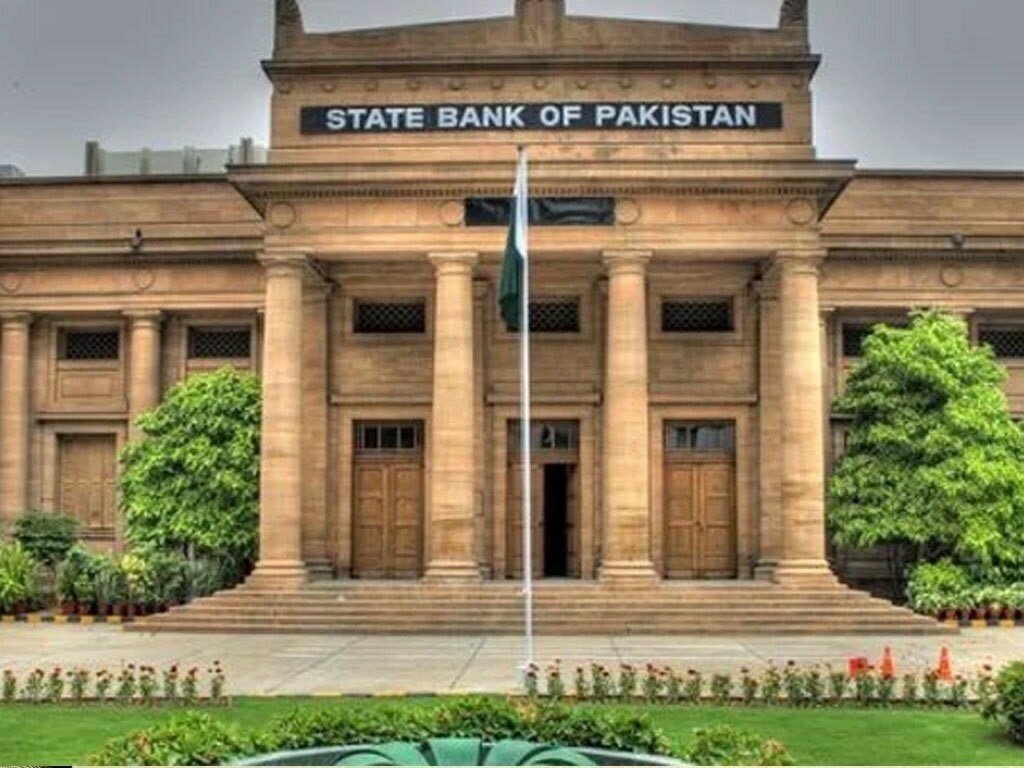
ISLAMABAD — Pakistan’s food group exports witnessed a growth of 2.47% in July 2023 compared to the same month last year, according to the latest data released by the Pakistan Bureau of Statistics (PBS). This increase marks a positive start to the financial year, reflecting resilience in the country’s agricultural sector amid global economic challenges. What Happened The Pakistan Bureau of Statistics reported that the food group exports for July 2023 reached a significant value, indicating a 2.47% rise compared to July 2022. The increase in exports is attributed to a variety of factors, including improved agricultural practices, favorable weather conditions, and enhanced market access. Key contributors to this growth included rice, fruits, and vegetables, which saw substantial demand in international markets. Rice exports, a major component of Pakistan’s food export sector, showed a commendable increase. The demand for Pakistani basmati and non-basmati rice varieties remained strong, particularly in Middle Eastern and European markets. Additionally, fruit exports, especially mangoes, also contributed to the rise, with Pakistan’s mangoes being highly sought after in regions such as the Gulf and Southeast Asia. The PBS data further highlighted that the export of vegetables, including onions and potatoes, also saw an uptick. This growth is seen as a result of strategic trade agreements and the opening of new markets, which have provided an impetus to the country’s export capabilities. Background Historically, Pakistan’s economy has been heavily reliant on its agricultural sector, which contributes significantly to the GDP and employs a large portion of the workforce. The food export sector, in particular, has been a vital component of the country’s trade balance. In recent years, the government has implemented various initiatives to boost agricultural productivity and export potential, including subsidies, improved irrigation systems, and the introduction of high-yield crop varieties. In the past decade, Pakistan has faced challenges such as water scarcity, outdated farming techniques, and limited access to international markets. However, recent policy shifts and technological advancements have started to address these issues, leading to gradual improvements in export figures. Why It Matters The increase in food group exports is significant for Pakistan’s economy, as it not only boosts foreign exchange reserves but also strengthens the agricultural sector’s role in economic development. This growth can potentially lead to increased investment in agriculture, fostering innovation and sustainability in farming practices. Economically, the rise in exports helps in narrowing the trade deficit, a persistent issue for Pakistan. By enhancing export revenues, the country can better manage its balance of payments and reduce reliance on external borrowing. This is crucial for maintaining economic stability and fostering growth in other sectors. Socially, the growth in food exports supports rural economies, where agriculture is the primary livelihood. Increased demand for agricultural produce can lead to higher incomes for farmers, improved living standards, and reduced poverty levels in rural areas. Additionally, it encourages the adoption of modern farming techniques, which can lead to more sustainable agricultural practices. On an international level, the growth in food exports enhances Pakistan’s trade relationships and opens up opportunities for further bilateral agreements. Strengthening these ties can lead to more diversified export markets, reducing dependency on a few key trading partners. Key Takeaways Pakistan’s food group exports rose by 2.47% in July 2023 compared to July 2022. Key contributors to this growth include increased exports of rice, fruits, and vegetables. The rise in exports aids in narrowing the trade deficit and boosting foreign exchange reserves. Growth in the agricultural sector supports rural economies and improves farmers’ livelihoods. Enhanced trade relationships can lead to more diversified export markets for Pakistan. Source Attribution This article is based on official government statements, press releases, and public communications from relevant authorities. Author: NEN Editorial Desk | Editor: NEN Newsroom | Fact Checked By: NEN Editorial Team Author: NEN Editorial Desk  |  Editor: NEN Newsroom  |  Last Updated: August 20, 2026  |  Source: NEN Reporter This article was produced by the NEN Editorial Desk in accordance with NEN Agency’s Editorial Policy and Fact-Checking Policy.
Rupee Strengthens Marginally Against US Dollar in Interbank Market
Pakistan

Rupee Strengthens Marginally Against US Dollar in Interbank Market

ISLAMABAD — The Pakistani Rupee appreciated by three paisa against the US Dollar in interbank trading on Thursday, closing at Rs 277.57 compared to the previous day’s closing of Rs 277.60. This slight increase reflects ongoing fluctuations in the currency market amid broader economic challenges. What Happened On Thursday, the Pakistani Rupee saw a minor appreciation against the US Dollar, closing at Rs 277.57 in interbank trading, as reported by the Forex Association of Pakistan (FAP). The buying and selling rates of the dollar in the open market were recorded at Rs 278 and Rs 278.65, respectively. This movement comes as part of a series of small adjustments in the currency market, reflecting the dynamic nature of foreign exchange rates in Pakistan. In addition to the US Dollar, the Rupee’s exchange rates against other major currencies showed varied trends. The Euro appreciated by Rs 2.56, closing at Rs 324.55 compared to the previous day’s Rs 321.99, according to data from the State Bank of Pakistan (SBP). Meanwhile, the Japanese Yen increased by one paisa, closing at Rs 1.75. The British Pound also saw an increase, rising by Rs 2.16 to close at Rs 378.41 from the previous day’s Rs 376.25. Conversely, the exchange rates for the Emirati Dirham and the Saudi Riyal each decreased by one paisa, closing at Rs 75.57 and Rs 73.92, respectively. These fluctuations highlight the ongoing volatility in the foreign exchange market, influenced by both domestic and international economic factors. Background The Pakistani Rupee has experienced significant volatility over the past year, driven by various factors including political instability, economic challenges, and global market trends. The currency’s performance is closely watched as it impacts inflation, import costs, and overall economic stability. Historically, the Rupee has faced pressure due to a high import bill, dwindling foreign reserves, and external debt obligations. In recent months, the government and the State Bank of Pakistan have implemented measures to stabilize the currency, including monetary policy adjustments and securing financial assistance from international partners. These efforts aim to bolster foreign reserves and provide a buffer against external economic shocks. Why It Matters The Rupee’s exchange rate is a critical indicator of Pakistan’s economic health. A stable or appreciating Rupee can help reduce inflationary pressures by lowering the cost of imported goods, which is crucial for a country heavily reliant on imports for essential commodities and raw materials. Conversely, a depreciating Rupee can exacerbate inflation and increase the cost of living for ordinary citizens. For businesses, especially those involved in import and export, currency stability is vital for planning and financial forecasting. Fluctuations in the exchange rate can affect profit margins, pricing strategies, and competitiveness in international markets. A stronger Rupee could potentially make Pakistani exports more expensive, impacting trade balances. On a broader scale, the Rupee’s performance affects investor confidence. A stable currency can attract foreign investment, as it signals economic stability and reduces the risk associated with currency depreciation. This is particularly important for Pakistan, which is seeking to attract foreign direct investment to spur economic growth and development. Key Takeaways The Pakistani Rupee appreciated by three paisa against the US Dollar, closing at Rs 277.57 in interbank trading. The Euro and British Pound also saw increases against the Rupee, while the Emirati Dirham and Saudi Riyal slightly decreased. Currency fluctuations are influenced by domestic economic policies and international market trends. A stable Rupee is crucial for controlling inflation and maintaining economic stability. Exchange rate stability can enhance investor confidence and attract foreign investment. Source Attribution This article is based on official government statements, press releases, and public communications from relevant authorities. Author: NEN Editorial Desk | Editor: NEN Newsroom | Fact Checked By: NEN Editorial Team Author: NEN Editorial Desk  |  Editor: NEN Newsroom  |  Last Updated: August 20, 2026  |  Source: NEN Reporter This article was produced by the NEN Editorial Desk in accordance with NEN Agency’s Editorial Policy and Fact-Checking Policy.
Maryam Nawaz Orders Timely Salaries for Suthra Punjab Workers
Pakistan

Maryam Nawaz Orders Timely Salaries for Suthra Punjab Workers

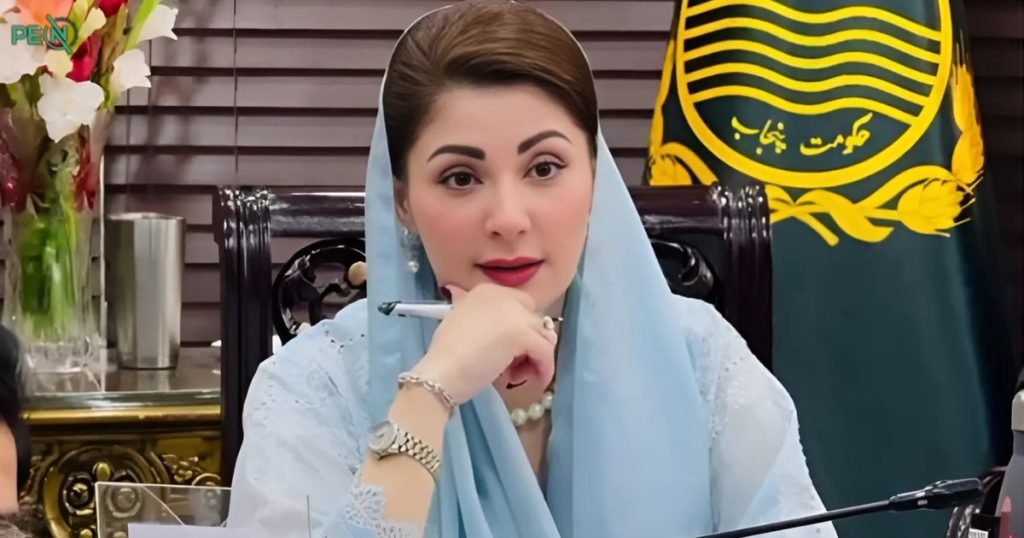
LAHORE — Punjab Chief Minister Maryam Nawaz has mandated that workers under the Suthra Punjab cleanliness initiative receive their salaries before the 5th of each month. This directive aims to enhance the effectiveness of the cleanliness operations and ensure financial stability for the workers involved. What Happened On August 20, Chief Minister Maryam Nawaz issued a series of directives to improve the operations of the Suthra Punjab initiative. She emphasized the need for timely salary payments to the workers, stating that any delay would result in strict legal action against the responsible parties. As of now, payments have been completed for workers in 149 out of 151 companies under the Suthra Punjab program. Maryam Nawaz also announced that companies failing to disburse salaries on time would face consequences. She stressed that negligence or financial irregularities in the cleanliness operations would not be tolerated. To encourage public participation, the Chief Minister introduced “Environment Friendly Citizen” stickers for those maintaining cleanliness in their areas. Additionally, citizens who uphold cleanliness standards will receive gifts or certificates. The Chief Minister instructed the Managing Director of WASA to spend at least two hours daily in the field, while Town Municipal Officers (TMOs) and Field Monitoring Officers (FMOs) are to visit at least five union councils each day to assess cleanliness. A Clean Punjab Anti-Littering Squad will be mobilized at divisional headquarters to monitor public spaces using e-bikes. Further directives included the requirement for Clean Punjab workers to carry garbage bags, similar to practices in Murree, and to address absenteeism among staff in both urban and rural areas. The authorities have been tasked with cleaning empty plots, maintaining waste enclosures, repairing infrastructure, and ensuring the proper functioning of mechanical sweepers. The de-salting process for drainage improvement and prompt resolution of public complaints were also highlighted. Maryam Nawaz instructed the MD, FMOs, and TMOs of Suthra Punjab to implement Key Performance Indicators (KPIs) to monitor the performance of each city’s cleanliness operations. She warned that MDs with poor performance records would not receive postings for the next three years. The Chief Minister expressed dissatisfaction with the state of waste enclosures on main roads and insisted on daily improvements in cleanliness efforts. Background The Suthra Punjab initiative is part of the provincial government’s broader efforts to improve sanitation and public health across Punjab. The program aims to tackle waste management issues, enhance urban and rural cleanliness, and promote environmental awareness among citizens. Historically, waste management in Punjab has faced challenges due to inadequate infrastructure, funding constraints, and administrative inefficiencies. Previous administrations have launched similar initiatives, but sustained success has often been elusive. The current directives by Maryam Nawaz are part of a renewed push to address these longstanding issues and ensure that the program achieves its objectives. Why It Matters The timely payment of salaries to Suthra Punjab workers is crucial for maintaining morale and ensuring the continuity of cleanliness operations. Delays in payments can lead to dissatisfaction and reduced productivity among workers, potentially undermining the effectiveness of the initiative. By enforcing strict timelines for salary disbursement, the government aims to foster a more committed and efficient workforce. The emphasis on public participation and recognition through “Environment Friendly Citizen” stickers and awards is an innovative approach to engage citizens in maintaining cleanliness. This strategy not only encourages individual responsibility but also fosters a sense of community ownership over public spaces. Economically, improved waste management and sanitation can lead to healthier communities, reducing healthcare costs and improving the quality of life for residents. Politically, successful implementation of the Suthra Punjab initiative could bolster the government’s standing among constituents, demonstrating its commitment to addressing everyday issues faced by the public. Key Takeaways Maryam Nawaz mandates salary payments for Suthra Punjab workers by the 5th of each month. Strict legal action will be taken against companies delaying payments. Public participation encouraged through awards and recognition for maintaining cleanliness. New measures include field visits by officials and the deployment of anti-littering squads. Focus on improving waste management infrastructure and addressing absenteeism among staff. Source Attribution The article is based on official government statements and public communications from relevant authorities. Author: NEN Editorial Desk | Editor: NEN Newsroom | Fact Checked By: NEN Editorial Team Author: NEN Editorial Desk  |  Editor: NEN Newsroom  |  Last Updated: August 20, 2026  |  Source: Press Release from Government of Pakistan This article was produced by the NEN Editorial Desk in accordance with NEN Agency’s Editorial Policy and Fact-Checking Policy.
Turkmenistan Outlines Priorities for 81st UN General Assembly Session
World

Turkmenistan Outlines Priorities for 81st UN General Assembly Session

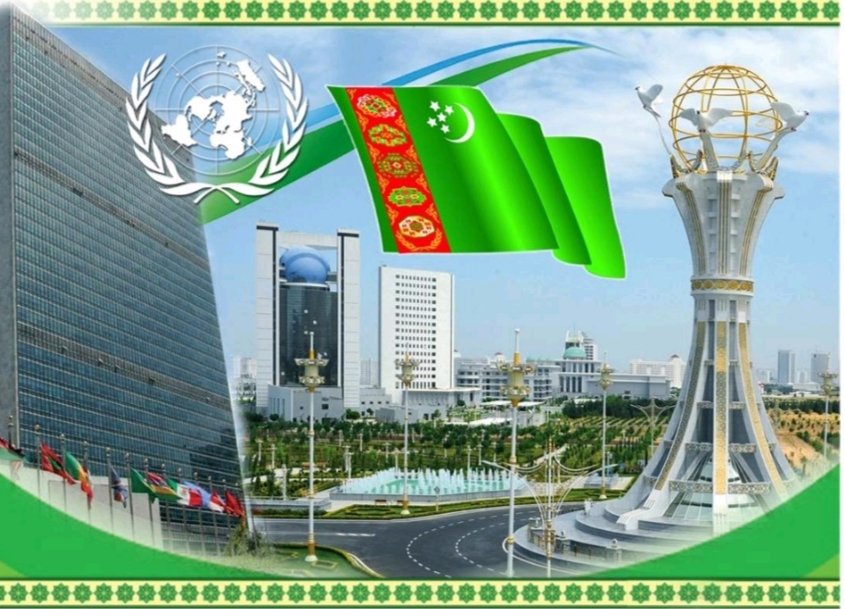
ASHGABAT — Turkmenistan has announced its strategic priorities for the upcoming 81st session of the United Nations General Assembly, focusing on peacebuilding, preventive diplomacy, sustainable development, international security, and multilateral cooperation. These themes are set to guide Turkmenistan’s contributions to global discussions and initiatives during the session. What Happened In preparation for the 81st UN General Assembly session, Turkmenistan has crafted an agenda that underscores its commitment to addressing critical global challenges. The agenda emphasizes peacebuilding and preventive diplomacy as essential tools for maintaining international stability. Turkmenistan aims to leverage its geopolitical position and diplomatic relations to foster dialogue and conflict resolution in various regions. Sustainable development is another cornerstone of Turkmenistan’s agenda. The country plans to advocate for policies that align with the UN’s Sustainable Development Goals (SDGs), focusing on economic growth, environmental protection, and social inclusion. Turkmenistan’s strategy includes promoting energy efficiency and renewable energy sources, areas where the country has made significant investments in recent years. International security is also a priority for Turkmenistan, which seeks to contribute to global efforts in combating terrorism, drug trafficking, and other transnational threats. The country’s approach involves strengthening international cooperation and supporting initiatives that enhance regional and global security frameworks. Multilateral cooperation is a key element of Turkmenistan’s strategy, as it aims to work collaboratively with other nations to address shared challenges. Turkmenistan’s participation in the UN General Assembly will focus on building partnerships and fostering dialogue among member states to achieve common goals. Background Turkmenistan has consistently engaged with the United Nations to promote peace and development. The country has previously hosted international conferences and participated in UN-led initiatives aimed at enhancing regional cooperation and stability. Turkmenistan’s foreign policy is characterized by neutrality, a stance that allows it to act as a mediator in international disputes and contribute to peacebuilding efforts. Historically, Turkmenistan has prioritized energy sector development, given its vast natural gas reserves. The country has sought to diversify its energy exports and enhance energy security through international partnerships and infrastructure projects. This focus on energy aligns with its sustainable development goals and efforts to transition to a greener economy. Why It Matters Turkmenistan’s agenda for the UN General Assembly session is significant for several reasons. Firstly, its emphasis on peacebuilding and preventive diplomacy highlights the importance of dialogue and cooperation in resolving conflicts. As geopolitical tensions rise globally, Turkmenistan’s approach could serve as a model for other nations seeking peaceful solutions to disputes. The focus on sustainable development is crucial, as it aligns with global efforts to address climate change and promote economic resilience. Turkmenistan’s commitment to renewable energy and energy efficiency can contribute to reducing carbon emissions and fostering sustainable growth, benefiting both the region and the international community. By prioritizing international security, Turkmenistan aims to address pressing global threats that require collective action. Its participation in security initiatives can enhance regional stability and contribute to broader international efforts to combat terrorism and organized crime. Multilateral cooperation is essential in today’s interconnected world, and Turkmenistan’s strategy underscores the need for countries to work together to tackle global challenges. By fostering partnerships and dialogue, Turkmenistan can play a pivotal role in promoting international peace and development. Key Takeaways Turkmenistan’s agenda for the 81st UN General Assembly focuses on peacebuilding, sustainable development, and international security. The country emphasizes preventive diplomacy and multilateral cooperation to address global challenges. Turkmenistan’s commitment to sustainable development aligns with the UN’s SDGs and includes a focus on renewable energy. International security efforts by Turkmenistan aim to combat terrorism and enhance regional stability. Multilateral cooperation is a cornerstone of Turkmenistan’s strategy, fostering partnerships and dialogue among nations. Source Attribution This article is based on official government statements, press releases, and public communications from relevant authorities. Author: NEN Editorial Desk | Editor: NEN Newsroom | Fact Checked By: NEN Editorial Team Author: NEN Editorial Desk  |  Editor: NEN Newsroom  |  Last Updated: August 20, 2026  |  Source: NEN Reporter This article was produced by the NEN Editorial Desk in accordance with NEN Agency’s Editorial Policy and Fact-Checking Policy.

Pakistani Authors Shortlisted for 2026 Dhahan Prize in Punjabi Literature
World

Pakistani Authors Shortlisted for 2026 Dhahan Prize in Punjabi Literature

ISLAMABAD — Two Pakistani writers have been shortlisted for the 2026 Dhahan Prize for Punjabi Literature, a prestigious international award recognizing excellence in Punjabi fiction. Akmal Shahzad Ghumman and Amber Hosseini have been named among the finalists, marking a significant achievement for Pakistani literature. What Happened Akmal Shahzad Ghumman, a prominent Punjabi writer and broadcaster, has been shortlisted for his Shahmukhi novel Parchhawan. This marks his third consecutive year being shortlisted for the Dhahan Prize, highlighting his sustained contribution to Punjabi literature. Amber Hosseini, another Pakistani writer, has also been recognized for her Shahmukhi novel Nawaan Pind. This is the first time in the history of the Dhahan Prize that two Pakistani writers have been selected as finalists. The third finalist is Indian writer Rajpreet Kaur Benipal, who has been shortlisted for her Gurmukhi short-story collection Qabran Vich Ugge Phull. The selection of these finalists was made from a pool of 58 eligible submissions received from countries including Pakistan, India, Canada, Australia, the United States, and the United Kingdom. The Dhahan Prize, established in 2013, is awarded by the Canada India Education Society in partnership with the Department of Asian Studies at the University of British Columbia. It is recognized as one of the leading honors for Punjabi fiction, celebrating works in both Gurmukhi and Shahmukhi scripts. The prize includes a total purse of 51,000 Canadian dollars, with the winner receiving 25,000 Canadian dollars and the two finalists each receiving 10,000 Canadian dollars. An additional 6,000 Canadian dollars is allocated for the transliteration of the winning books into Gurmukhi or Shahmukhi, expanding their reach to Punjabi readers worldwide. The winner of the 2026 Dhahan Prize will be announced at an award ceremony in Canada on November 18, 2026. Barj S. Dhahan, the founder of the prize, emphasized that the finalists exemplify the creativity and diversity inherent in Punjabi fiction, underscoring the enduring strength of this literary tradition. Background The Dhahan Prize for Punjabi Literature was established to honor exceptional works of Punjabi fiction and to promote the Punjabi language across the globe. Since its inception in 2013, the prize has been instrumental in bringing Punjabi literature to an international audience, fostering cultural exchange and understanding. Punjabi literature has a rich history, with its roots deeply embedded in the cultural and social fabric of the Punjab region. The use of both Gurmukhi and Shahmukhi scripts reflects the linguistic diversity within the Punjabi-speaking community, which spans across India and Pakistan. The Dhahan Prize aims to bridge this linguistic divide by recognizing works in both scripts. Why It Matters The inclusion of two Pakistani writers as finalists for the Dhahan Prize is a testament to the growing recognition of Pakistani literature on the international stage. This achievement not only highlights the talent and creativity of Pakistani authors but also underscores the importance of preserving and promoting Punjabi literature. For Pakistan, this recognition can foster a greater appreciation for its literary heritage and encourage more writers to explore Punjabi fiction. It also serves as a cultural bridge, enhancing understanding and cooperation between Punjabi-speaking communities in India and Pakistan. The transliteration of the winning works into both scripts further ensures that these stories reach a wider audience, promoting linguistic inclusivity. Economically, the prize can provide financial support to writers, enabling them to continue their literary pursuits. The international exposure gained through the Dhahan Prize can open up new opportunities for Pakistani authors, potentially leading to more translations and wider publication of their works. Key Takeaways Two Pakistani writers, Akmal Shahzad Ghumman and Amber Hosseini, have been shortlisted for the 2026 Dhahan Prize for Punjabi Literature. This is the first time two Pakistani authors have been selected as finalists in the history of the award. The Dhahan Prize is a prestigious international award recognizing excellence in Punjabi fiction in both Gurmukhi and Shahmukhi scripts. The prize includes a total purse of 51,000 Canadian dollars, with funds allocated for transliteration to reach a broader audience. The recognition of Pakistani writers highlights the country’s literary talent and promotes cultural exchange between Punjabi-speaking communities. Source Attribution This article is based on official government statements, press releases, and public communications from relevant authorities. Author: NEN Editorial Desk | Editor: NEN Newsroom | Fact Checked By: NEN Editorial Team Author: NEN Editorial Desk  |  Editor: NEN Newsroom  |  Last Updated: August 20, 2026  |  Source: Press Release from Government of Pakistan This article was produced by the NEN Editorial Desk in accordance with NEN Agency’s Editorial Policy and Fact-Checking Policy.

Scroll to Top