
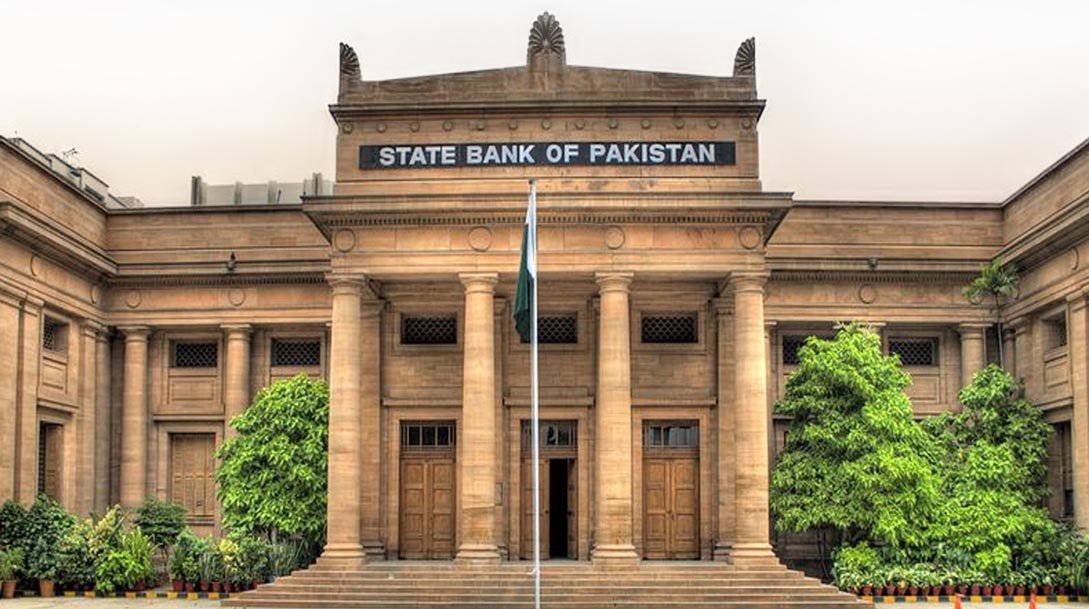
KARACHI — Banks across Pakistan will extend their working hours on Tuesday, June 30, 2026, to accommodate the payment of government duties and taxes as the financial year 2025-26 comes to a close. This move is intended to facilitate taxpayers in meeting their fiscal obligations efficiently.
What Happened
The State Bank of Pakistan has announced that all commercial banks and National Bank of Pakistan (NBP) branches involved in customs collections will remain open until 10:00 PM on June 30, 2026. Additionally, NBP branches specifically handling customs collections will extend their hours further, staying open until 11:59 PM. This decision aims to ensure that taxpayers can complete their over-the-counter (OTC) transactions without any hindrance as the fiscal year ends.
In a statement, the central bank emphasized the importance of facilitating taxpayers through both OTC and Alternate Delivery Channels (ADCs). Banks have been instructed to keep their digital payment channels, including internet banking, mobile banking applications, ATMs, and other digital platforms, fully operational to support the online payment of government duties and taxes.
The State Bank has also directed banks to keep their branches open as long as necessary to facilitate the Special Clearing of Government transactions conducted by the National Institutional Facilitation Technologies (NIFT). This measure is part of a broader effort to ensure a smooth and efficient tax collection process at the end of the financial year.
Background
The extension of banking hours at the end of the fiscal year is a common practice in Pakistan, aimed at easing the burden on taxpayers and ensuring the timely collection of government revenues. The State Bank of Pakistan regularly issues directives to banks to accommodate the increased volume of transactions that typically occur during this period.
In previous years, similar measures have been implemented to facilitate tax payments, with banks extending their hours and enhancing their digital platforms to ensure seamless transactions. The focus on both OTC and ADCs reflects the growing reliance on digital banking solutions in Pakistan, which have become increasingly important in the wake of technological advancements and the need for efficient financial services.
Why It Matters
The extension of banking hours is crucial for ensuring that taxpayers can meet their obligations without facing logistical challenges. As the financial year ends, individuals and businesses are required to settle their accounts with the government, making this a peak period for tax collections.
For the government, the timely collection of taxes is essential for maintaining fiscal health and funding public services. Delays in tax payments can disrupt government operations and affect the delivery of essential services to citizens. By extending banking hours and ensuring the availability of digital payment channels, the State Bank of Pakistan is taking proactive steps to prevent such disruptions.
Moreover, the emphasis on digital payment channels highlights the ongoing shift towards a more digital economy in Pakistan. With the increasing adoption of internet and mobile banking, the banking sector is poised to play a pivotal role in facilitating economic transactions and supporting the country’s economic growth.
These measures also reflect the broader trend of improving financial inclusion in Pakistan. By ensuring that taxpayers have multiple options for completing their transactions, the banking sector is contributing to a more inclusive financial system that caters to the diverse needs of the population.
Key Takeaways
- Banks will extend hours on June 30, 2026, to facilitate tax payments as the fiscal year ends.
- State Bank of Pakistan mandates extended hours for OTC and ADC transactions.
- NBP branches handling customs collections will remain open until 11:59 PM.
- Banks are required to ensure uninterrupted digital payment services.
- The move supports timely government revenue collection and financial inclusion.
Source Attribution
This article is based on official government statements, press releases, and public communications from relevant authorities.














