
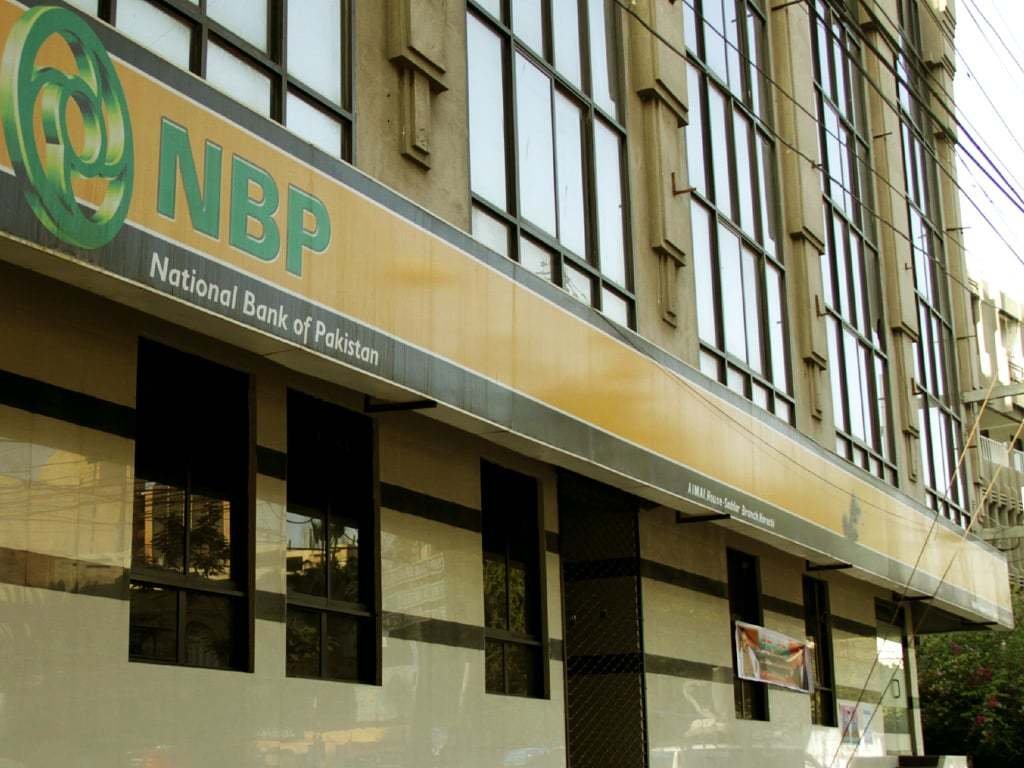
KARACHI — The National Bank of Pakistan (NBP) has announced the latest currency exchange rates for major international currencies as of Monday, June 29. These rates are crucial for businesses and individuals engaged in international trade and travel, providing a benchmark for currency conversions.
What Happened
The National Bank of Pakistan, a key financial institution in the country, released the updated buying and selling rates for several major currencies. As per the announcement, the US dollar is being sold at 279.99 PKR, reflecting the ongoing fluctuations in the currency market. The buying rate for the US dollar stands at a slightly lower figure, allowing for a margin that covers transaction costs and market volatility.
In addition to the US dollar, the NBP has also provided rates for other significant currencies, including the Euro, British Pound, and Japanese Yen. These rates are essential for importers, exporters, and travelers who require accurate and up-to-date information for their financial transactions. The exchange rates are subject to change based on market conditions, and the NBP regularly updates them to reflect the latest trends.
An official from the NBP stated, “These rates are indicative and may vary based on the volume and nature of the transaction. We advise our customers to check with their local branches for the most accurate and current rates.” This statement underscores the importance of consulting with financial institutions for precise exchange rate information, especially in a volatile market environment.
Background
The National Bank of Pakistan, established in 1949, plays a pivotal role in the country’s banking sector. It is responsible for managing government transactions and providing financial services to a wide range of customers, including businesses and individuals. The bank’s currency exchange rates are closely monitored by market participants as they influence trade and investment decisions.
Historically, Pakistan’s currency has experienced significant fluctuations due to various economic factors, including inflation, trade deficits, and changes in foreign exchange reserves. The State Bank of Pakistan, the country’s central bank, implements monetary policies to stabilize the currency and manage inflation. However, external factors such as global oil prices and geopolitical tensions can also impact the exchange rates.
Why It Matters
The release of updated currency exchange rates by the National Bank of Pakistan is significant for several reasons. Firstly, it provides transparency and clarity for businesses engaged in international trade. Accurate exchange rates are vital for pricing goods and services, managing foreign currency exposure, and planning financial strategies.
For individuals, especially those traveling abroad or sending remittances, knowing the current exchange rates helps in making informed financial decisions. It allows them to calculate the cost of foreign currency purchases and budget their expenses accordingly.
On a broader scale, the exchange rates reflect the health of Pakistan’s economy. A stable currency is indicative of economic confidence and can attract foreign investment. Conversely, significant fluctuations can create uncertainty and deter potential investors.
Furthermore, the exchange rates impact inflation levels in the country. A depreciating currency can lead to higher import costs, which may translate into increased prices for consumers. Therefore, monitoring and managing currency exchange rates is crucial for maintaining economic stability.
Key Takeaways
- The National Bank of Pakistan has updated the currency exchange rates for major currencies, including the US dollar.
- Exchange rates are essential for businesses and individuals engaged in international trade and travel.
- The NBP advises consulting local branches for the most accurate and current rates.
- Currency exchange rates reflect the economic health of Pakistan and influence inflation and investment.
- Fluctuations in exchange rates can impact pricing, budgeting, and financial planning.
Source Attribution
This article is based on official government statements, press releases, and public communications from relevant authorities.














