Business

Business – NEN Agency

Welcome to the Business section of NEN Agency, where we decode Pakistan’s economy, spotlight entrepreneurs, and track global market trends. From corporate boardrooms to small-town startups, our coverage connects you to the decisions, deals, and developments shaping financial life in Pakistan and beyond.

Inside This Category

  • Pakistan Economy: Government policies, taxation, inflation, trade, and growth indicators.

  • Startups & SMEs: Success stories of Pakistani entrepreneurs and innovative ventures.

  • Stock Market & Finance: Updates on PSX, forex, banking, and financial literacy.

  • Global Business: Trends from international markets, MNC activities, and economic events.

Why Our Business Coverage Stands Out
We don’t just report the numbers — we explain what they mean for you. Our team digs deeper into the “why” behind every headline, giving readers the context they need to make informed decisions.

Business

Pakistan Stock Exchange Sees Decline, KSE-100 Index Drops Over 450 Points

ISLAMABAD — The Pakistan Stock Exchange (PSX) faced a downturn on Monday as the KSE-100 Index fell by 450.89 points. This 0.25 percent decline led to a closing figure of 178,471.87 points, compared to the previous session’s close of 178,922.76 points. Market Dynamics The session on Monday saw a bearish trend with the KSE-100 Index’s significant drop. As a measure of Pakistan’s economic condition, the index reflects investor apprehensions over ongoing economic indicators and sentiments. During this trading period, market volume reached 807.467 million shares. Influencing factors included shifts in global oil prices, political uncertainties, and reactions to recent economic policies. Analysts pointed out contributions to the decline from banking, cement, and oil and gas sectors due to substantial sell-offs. Investors highlighted a lack of positive market catalysts and persistent economic challenges. Inflation and currency depreciation have further eroded investor confidence. “The market is reacting to both domestic and international pressures,” a senior market analyst noted, emphasizing the cautious trading volumes and overall bearish sentiment. Volatile Market Background Recently, the Pakistan Stock Exchange has been volatile, shaped by both internal and external factors. The KSE-100 Index has been particularly sensitive to political shifts, fiscal policies, and global economic trends. Economic instability, marked by high inflation rates, fiscal deficits, and unpredictable foreign exchange reserves, presents notable challenges. Moreover, investor sentiment in Pakistan remains affected by global economic environments, particularly oil price fluctuations and geopolitical tensions. The government’s economic stabilization attempts, such as seeking IMF support, have critically influenced market dynamics. Impact and Significance The decline in the KSE-100 Index mirrors larger economic challenges for Pakistan. This stock market is a key indicator of economic health, and persistent bearish trends can undermine investor confidence and foreign investment. A declining index might discourage domestic and international investors, thereby impacting growth prospects. Economically, stock market performance affects various stakeholders, including individual investors, businesses, and financial institutions. A prolonged bearish period may curb capital inflows, limiting business expansion and job creation opportunities. Furthermore, market performance can dictate government fiscal policies aimed at balancing growth with financial stability. On a societal level, stock market trends can affect public sentiment regarding the government’s economic management. Prolonged downturns heighten public scrutiny of government economic strategies and policies. Key Takeaways The KSE-100 Index declined by 450.89 points, a 0.25 percent decrease, closing at 178,471.87 points. Trading volume hit 807.467 million shares, reflecting cautious investor behavior. Inflation, currency depreciation, and lack of positive stimuli challenged investor confidence. Economic sectors like banking, cement, and oil experienced significant sell-offs. Domestic and international pressures continue to influence market sentiments.
Business

Rupee Appreciates Slightly Against US Dollar in Interbank Market

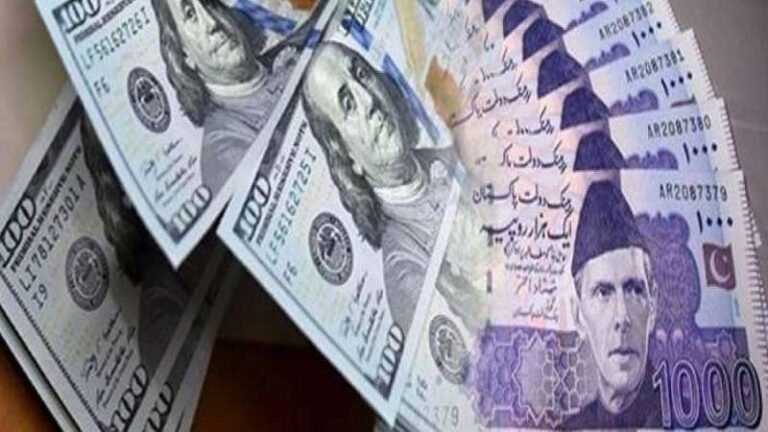
ISLAMABAD — The Pakistani Rupee experienced a modest appreciation of 0.3 paisa against the US Dollar in interbank trading on Friday. It closed at Rs 278.22, compared to the previous day’s rate of Rs 278.25, according to the Associated Press of Pakistan. Recent Developments in Interbank Market This slight gain in the Rupee against the US Dollar in the interbank market reflects ongoing currency fluctuations influenced by various economic factors. The Forex Association of Pakistan reported open market dollar buying and selling rates at Rs 277.50 and Rs 280.00, respectively. This appreciation occurs amid economic challenges and efforts by the State Bank of Pakistan to stabilize the currency. Currency traders and analysts note that the Rupee’s value is pressured by external debt obligations, import payments, and foreign exchange reserves. The central bank’s monetary policies and interventions are crucial in managing these pressures and maintaining currency stability. Influence of Global Economic Factors The Rupee’s performance is also linked to the global economic environment, including the strength of the US Dollar, oil prices, and geopolitical developments. These factors collectively influence Pakistan’s foreign exchange demand and supply dynamics. Challenges and Measures for Stabilization The Pakistani Rupee has faced significant volatility recently, driven by both domestic and international factors. Historically, depreciation against the US Dollar has resulted from trade imbalances, inflation, and fiscal deficits. To combat this, the Pakistani government and the State Bank of Pakistan have implemented several measures. These include monetary tightening, foreign exchange interventions, and seeking financial assistance from the International Monetary Fund (IMF). These efforts aim to bolster foreign exchange reserves, reduce inflation, and restore investor confidence. Nonetheless, long-term currency stability requires extensive economic reforms and fiscal discipline. Impact on Economy and Businesses The Rupee’s performance against the US Dollar significantly impacts Pakistan’s economy and its citizens. A stable or appreciating Rupee helps reduce import costs, including essential goods and energy supplies, easing inflationary pressures on consumers. For businesses, a stronger Rupee can lower the cost of imported raw materials and intermediate goods, enhancing competitiveness and profitability. This can contribute to economic growth and job creation. Conversely, a depreciating Rupee can lead to higher import costs, increased inflation, and a widening trade deficit, challenging economic policymakers. It can also affect Pakistan’s ability to service its external debt, as repayments become more expensive in local currency terms. Overall, currency stability is crucial for attracting foreign investment and maintaining investor confidence. A volatile currency can deter investment and hinder economic development, making it imperative for policymakers to address structural issues and pursue sustainable economic policies. Key Highlights The Pakistani Rupee appreciated by 0.3 paisa against the US Dollar in interbank trading, closing at Rs 278.22. The Forex Association reported open market dollar buying and selling rates at Rs 277.50 and Rs 280.00, respectively. Currency fluctuations are influenced by external debt, import payments, and foreign exchange reserves. A stable Rupee can reduce import costs and inflation, benefiting consumers.

Business

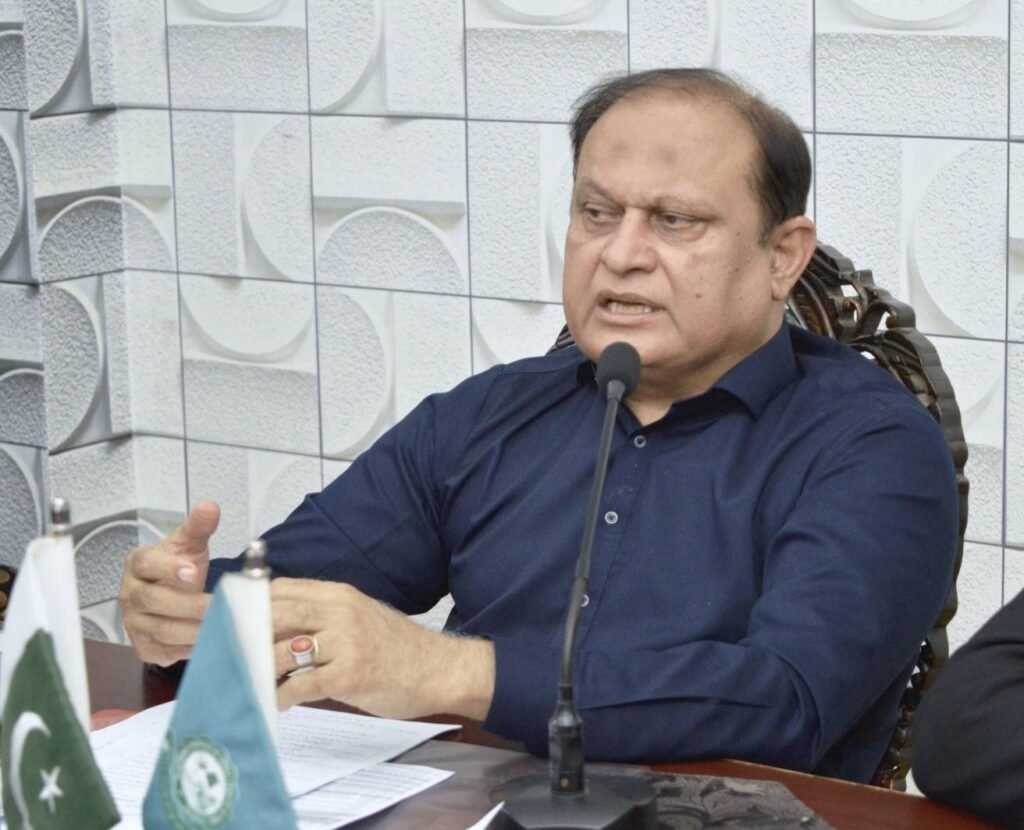
Lahore Development Authority Seals 109 Illegal Properties

LAHORE — The Lahore Development Authority (LDA) has sealed 109 illegal properties across various neighborhoods to curb unauthorized commercial activities and fee defaulters. This operation, conducted on Monday, was under the directives of Director General Tahir Farooq. Targeted Areas The LDA enforcement teams targeted properties in Samanabad, Shad Bagh, Gulshan Ravi, Gulberg, Faisal Town, and Allama Iqbal Town. Their goal is to regulate commercial activities violating zoning laws and recover outstanding fees. Operation Details LDA officials coordinated efforts to inspect properties, sealing those in violation. These properties engaged in commercial activities without approvals or owed dues to the LDA. Director General Tahir Farooq stated, “The LDA is committed to enforcing the law and ensuring all commercial activities operate legally.” Background of LDA’s Initiative The Lahore Development Authority oversees the planning and development of Lahore, one of Pakistan’s largest cities. Rapid urbanization has led to illegal constructions, increased congestion, and infrastructure strain. Legal Framework The LDA implements operations to regulate land use and ensure zoning law compliance. Legal frameworks empower the LDA to seal properties and impose fines on violators. Significance of the Crackdown The sealing of 109 properties is economically important, highlighting the LDA’s effort to recover lost revenue from fee defaulters. This funding is vital for urban projects and infrastructure maintenance. Social and Political Impacts Socially, it addresses resident concerns about unauthorized commercial activities disrupting residential areas. Politically, it supports the government’s enforcement of orderly urban development, setting a precedent to deter future violations. Internationally, such actions align with global urban planning for sustainable development, emphasizing the importance of adhering to zoning laws. For Lahore, legal and sustainable development is crucial for long-term viability and attracting investors. Key Takeaways The LDA sealed 109 properties in Lahore for illegal commercial activities and fee defaults. Operations covered areas like Samanabad, Shad Bagh, and Gulberg. This action supports ongoing efforts to enforce zoning laws and recover dues. The crackdown aims to better urban order and compliance with building regulations. The initiative bolsters sustainable urban development.

Business

Section 144 Enforced in Haripur to Ensure Safety During Muharram

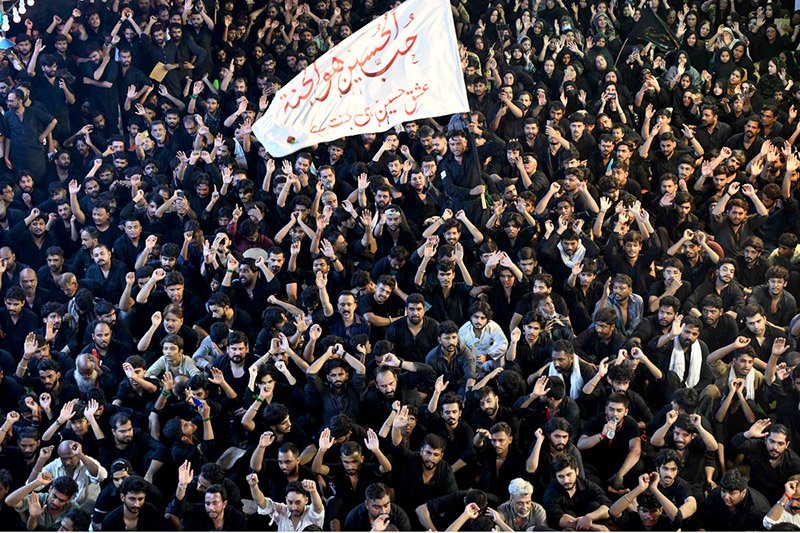
HARIPUR — The district administration has enforced Section 144 across Haripur to maintain law and order during the sacred month of Muharram-ul-Haram. Announced on June 22, the decision aims to promote inter-sectarian harmony and public safety by limiting certain activities. Enforcement Details The enforcement includes several measures to prevent disturbances during Muharram, a month significant to Muslims worldwide. Official notifications detail restrictions, such as a ban on public gatherings and processions that might ignite sectarian tensions. Furthermore, movement and participation of 13 influential individuals, including religious scholars and speakers, have been restricted. These individuals are monitored as potential sources of sectarian incitement during sensitive periods like Muharram. The measures form part of a broad strategy to ensure peace during the month, marked by religious observances and processions, especially by the Shia community. This proactive approach aims to prevent any disturbances to communal harmony in Haripur. Muharram Significance Muharram, the first month of the Islamic lunar calendar, is profoundly significant, especially for Shia Muslims who commemorate the martyrdom of Imam Hussain. This period includes processions and gatherings, which can sometimes heighten sectarian tensions. Section 144 of the Code of Criminal Procedure allows authorities to restrict activities in specified areas to prevent unrest. It is often deployed during potential periods of unrest, including religious events, political rallies, and public gatherings. In previous years, heightened security measures have been observed across Pakistan during Muharram to prevent sectarian violence. The imposition of Section 144 continues efforts to ensure peace. Importance of Section 144 Enforcing Section 144 in Haripur is crucial for maintaining peace and order during Muharram, a historically sensitive period. Restricting certain activities prevents incidents that could lead to broader conflicts. Economically, a peaceful Muharram ensures that local businesses and daily life are not disrupted, particularly in procession areas. The administration aims to minimize potential disruptions and support the district’s economic stability. Politically, this move underscores the government’s commitment to safeguarding public order while respecting religious freedoms. It highlights challenges authorities face in balancing freedoms with the need for security. Internationally, Pakistan’s management of sectarian issues during Muharram is observed closely. Successful handling of these events can bolster the country’s image as capable of maintaining harmony among its diverse religious communities. Key Points Section 144 imposed in Haripur for safety during Muharram. Bans on public gatherings and restrictions on 13 individuals are in place. The initiative focuses on maintaining peace and supporting local commerce.

Business

Khyber Pakhtunkhwa Approves Rs 875 Million Goat Breeding Farm in Kohat

PESHAWAR — The Khyber Pakhtunkhwa government has approved the establishment of a state-of-the-art goat breeding farm in Kohat, with an investment of Rs 875 million. This initiative, sanctioned on June 22, aims to modernize the livestock sector and bolster the rural economy in the province’s southern districts. Project Approval and Goals The provincial government has taken a significant step forward by approving the modern goat breeding farm project in the PK-90 constituency of Kohat, a region with strong agricultural potential. The project, with an estimated budget of Rs 875 million, is designed to introduce advanced breeding techniques and infrastructure to enhance goat production quality and quantity. This decision is part of a larger governmental strategy to leverage the livestock sector for strengthening rural economies. Beyond breeding, the farm will offer training in modern livestock management to local farmers, aiming to boost productivity and income levels in the region. Technological Advancements Officials highlight that the farm will incorporate the latest technologies in animal husbandry. This includes genetic improvement programs and disease management systems. The project is envisioned as a model for similar initiatives across other parts of the province. Economic and Social Impact The new goat breeding farm in Kohat is economically vital, poised to increase livestock productivity—a crucial element of the rural economy in Khyber Pakhtunkhwa. Advanced breeding techniques and infrastructure aim to enhance goat production, thus increasing farmers’ incomes. Socially, the project is likely to create job opportunities both directly and indirectly. The farm’s construction and operation will require a skilled workforce, and increased livestock production can lead to jobs in sectors like feed supply, veterinary services, and meat processing. Further, the initiative demonstrates the provincial government’s dedication to rural development and poverty alleviation, addressing the needs of the rural communities which make up a significant part of the province’s population. Broader Context and International Trends Khyber Pakhtunkhwa has been focusing on agricultural and livestock development as part of its growth strategy, due to the economy’s heavy reliance on agriculture. Historically, challenges have included outdated farming practices and insufficient market access. In recent years, several modernization initiatives have been introduced, such as farm equipment subsidies, improved irrigation systems, and farmer training programs. The goat breeding farm reflects ongoing efforts for sustainable rural development. Internationally, this project aligns with global trends toward sustainable agriculture and food security. With climate change and population growth pressuring global food systems, such initiatives are crucial for ensuring long-term agricultural sustainability. Key Takeaways Khyber Pakhtunkhwa government approves an Rs 875 million goat breeding farm in Kohat. The project aims to modernize the livestock sector and boost the rural economy. Advanced breeding techniques and technologies will be introduced. This initiative underscores the government’s commitment to rural development and poverty alleviation. It aligns with international trends towards sustainable agriculture.

Business

Hyderabad Traders Demand LPG Sale at Government Rates Amid Shortage

HYDERABAD — Muhammad Saleem Memon, President of the Hyderabad Chamber of Small Traders and Small Industry, has called for Liquid Petroleum Gas (LPG) to be sold to citizens at government rates. On Monday, Memon voiced his concerns over the acute shortage and surging prices of LPG in Hyderabad, despite its official rate set by the Oil and Gas Regulatory Authority (OGRA) at Rs 309 per kilogram. LPG Supply and Pricing Challenges On June 22, Memon highlighted the difficulties encountered by Hyderabad’s residents and small businesses due to LPG scarcity and inflated costs. Local distributors are not adhering to the OGRA-specified rate, which is causing financial strain for consumers. Memon urged authorities to ensure compliance with regulated pricing to ease the public’s burden. “The current situation is untenable for both consumers and small traders relying on LPG for daily operations,” Memon stated. He emphasized strict enforcement of official pricing to curb distributor exploitation. The gap between government and market prices has heightened financial difficulties for citizens, particularly lower-income groups. Memon’s plea coincides with reports of LPG being sold at significantly elevated prices, reaching up to Rs 350 per kilogram in some areas. This escalation has led to widespread public dissatisfaction amid existing economic hardships. Understanding the LPG Market LPG is an essential energy source for households and small businesses in Pakistan, especially in urban centers like Hyderabad. The Oil and Gas Regulatory Authority (OGRA) sets and manages LPG prices to maintain affordability and accessibility. However, inconsistent enforcement leads to market discrepancies. The Pakistani LPG market has historically been volatile. Prices fluctuate due to supply chain disruptions, international market trends, and regulatory challenges. Although the government attempts to stabilize prices through intervention, local implementation often falls short. Implications of High LPG Prices The inflated LPG prices present several challenges. Economically, they increase living costs, particularly burdening low-income families relying on LPG for cooking and heating. This disparity exacerbates regional poverty levels. Socially, high LPG prices lead to reliance on alternative, less safe energy sources, posing health and safety risks. This can result in social unrest, with citizens frustrated over perceived regulatory neglect. Politically, efficient regulation of essential commodities like LPG is crucial for the government’s public image. Failure to address these issues may undermine public trust in governmental institutions and lead to political consequences. Key Takeaways Muhammad Saleem Memon advocates for LPG sales at government rates in Hyderabad. Market prices surpass the OGRA-set price of Rs 309 per kg. LPG shortages and high costs strain consumers financially. LPG remains vital for Pakistani households and businesses. Strong regulatory enforcement prevents exploitation and ensures affordability. Source Attribution The information in this article is based on a report from the Associated Press of Pakistan (APP), which provides insights into the current LPG market challenges in Hyderabad.

Business

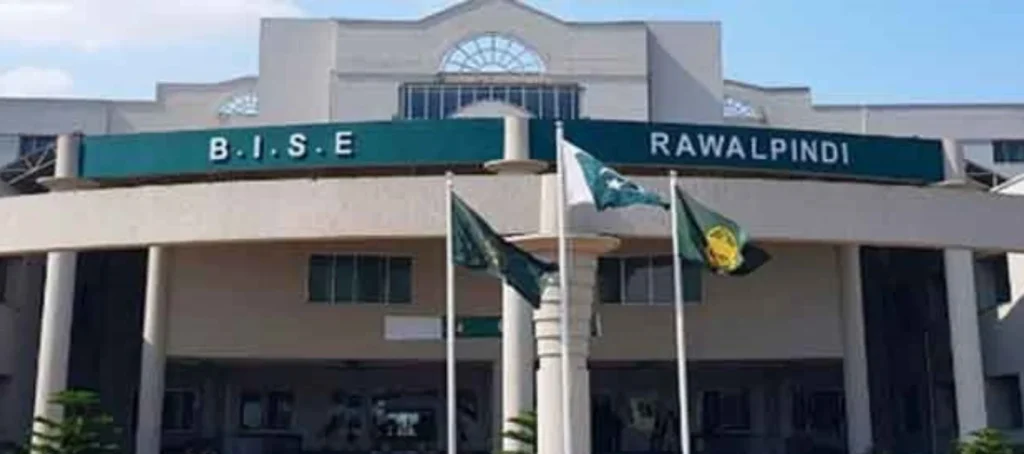
BISE Faisalabad Intensifies Anti-Cheating Measures During Exams

FAISALABAD — The Board of Intermediate and Secondary Education (BISE) Faisalabad is intensifying efforts to stop cheating in the Intermediate Part-I Annual Examinations 2026. On June 22, officials announced the removal of several invigilators and a reshuffling of examination staff to maintain a fair and transparent process. Measures Taken BISE Faisalabad has launched a strong campaign to eliminate exam malpractice. The board removed officials allegedly facilitating unfair means and took disciplinary action against many supervisory staff members. This step is a part of a broader strategy to protect the examination system’s integrity. Prof Rana Atiq-ur-Rehman, BISE Controller Examinations, highlighted the board’s commitment to transparency and fairness, stating, “Protecting the sanctity of the examination process is our foremost priority.” Alongside removing invigilators, there has been a comprehensive reshuffling of examination staff to prevent any future malpractice. This crackdown was prompted by reports of irregularities during the ongoing examinations. BISE Faisalabad is closely monitoring examination centers and has instituted strict measures to deter cheating, ensuring assessments are based purely on students’ merit and capabilities. Historical Context of Cheating Cheating has persistently challenged educational assessments in Pakistan, affecting their credibility. BISE Faisalabad, like other boards, struggles to curb this malpractice. Historically, attempts to address the issue included increased surveillance, the use of technology, and imposing strict penalties. Recently, the Punjab government and educational bodies have reformed the examination process to enhance transparency. They have deployed monitoring teams and digital technology to track and report irregularities. Despite these efforts, cheating continues, requiring ongoing vigilance and reform. Significance of Fair Exams The exam process’s integrity is vital for educational credibility in Pakistan. Cheating devalues academic degrees and impacts students’ futures. By intensifying measures against malpractice, BISE Faisalabad is shielding honest students’ interests and reinforcing the educational system’s credibility. This initiative is significant in the wider context of educational reform in Pakistan. Ensuring fair exams is crucial for improving education quality and restoring system confidence, aligning with national efforts to raise educational standards and produce competent graduates. Economic Impact A transparent examination system is crucial for workforce development. Employers depend on academic qualifications to assess potential employees’ skills and knowledge. If the examination process is compromised, it can lead to a mismatch in the job market, affecting economic productivity and growth. Key Takeaways BISE Faisalabad removed invigilators and reshuffled examination staff to tackle cheating. These measures are part of a strategy to ensure transparency and fairness in exams. Cheating in exams has been a longstanding issue in Pakistan’s educational system. Ensuring fair exams is crucial for maintaining the credibility of educational qualifications.

Business

Japan’s Nikkei Surpasses 72,000 Mark Amid AI Investment Surge

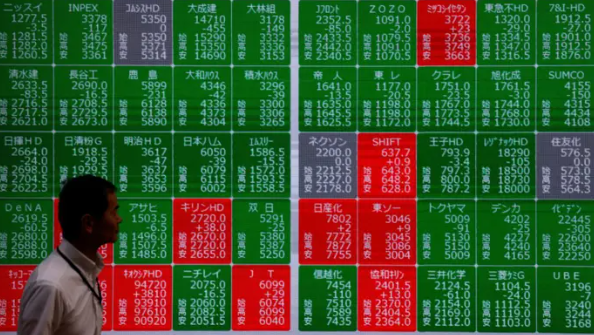
TOKYO — Japan’s Nikkei share gauge surged past the 72,000 mark for the first time on Monday, driven by significant investment in artificial intelligence (AI). The Nikkei 225 index rose 1.4% to close at 72,247.21, after reaching a record intraday high of 72,269.64. The broader Topix index gained 1.1% to 4,089.59. Nikkei 225’s Historic Achievement The Nikkei 225, Japan’s primary stock index, achieved a historic milestone surpassing 72,000, fueled by strong investor confidence in technology, particularly AI. This rise marked a 1.4% increase, with an intraday peak of 72,269.64. Such momentum highlights increased optimism about AI’s potential to drive industries and economic growth. AI technologies are gaining traction globally, attracting waves of investment. Investors see these technologies as transformative, with tech companies listed on the Nikkei 225 showing significant stock price gains. The Topix index, encompassing a broader range of companies, also rose significantly, gaining 1.1% to end at 4,089.59. This indicates wider market confidence beyond just technology sectors. Background on Japan’s Economic Strategy The Nikkei 225 is a key indicator of Japan’s economic health, comprising 225 major companies across various sectors. Historically, it reflects investor sentiment and economic conditions. Recently, Japan has prioritized technology innovation to rejuvenate its economy, promoting AI as a vital growth pillar. This initiative has encouraged substantial investment from domestic and international entities into Japanese tech firms, boosting the stock market. Despite earlier fluctuations due to trade tensions and the pandemic, the current rally indicates renewed economic confidence, especially within the tech industry. Significance of the Milestone The Nikkei’s surge over 72,000 holds substantial significance. Economically, it marks a robust recovery path for Japan’s stock market, crucial for broader economic health. A flourishing market can enhance consumer confidence and spending, boosting economic activity. Socially, it reflects the growing significance of technology and AI in daily life, promising job creation and productivity improvements. Politically, the index’s performance strengthens government policy on tech-led growth, potentially shaping future technology-driven initiatives. Globally, Japan’s stock market success attracts foreign investment, further integrating Japan into the global economy and amplifying its international influence. Key Takeaways The Nikkei 225 surpassed 72,000 due to AI investment growth. The index closed at 72,247.21, peaking at 72,269.64 during the day. The Topix index also rose, showing widespread market confidence. Japan’s emphasis on technology and AI is central to its economic growth strategy. The Nikkei’s rise highlights significant economic, social, and political implications.

Business

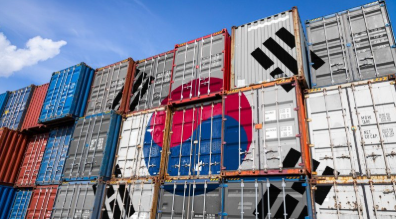
Korea’s Exports Surge 60% in Early June, Trade Surplus Widens

SEOUL — The Republic of Korea experienced a remarkable 60.4 percent increase in export figures year-on-year for the first 20 days of June, according to data from the Korea Customs Service. This significant rise marks a robust recovery in Korea’s trade sector, reflecting the global economic rebound. Details from the Korea Customs Service During the period from June 1 to June 20, Korea’s exports reached US$62 billion, a substantial increase from the $38.6 billion in the same period last year. Imports also grew by 23.2 percent to $44.5 billion, resulting in a trade surplus of $17 billion, highlighting the strength of Korea’s export-driven economy. Performance of Key Sectors The export surge was driven by strong performances in sectors like semiconductors, automobiles, and petrochemicals. The semiconductor industry benefited from increased global demand. Meanwhile, the automotive sector saw a boost due to recovering global consumer demand and new vehicle models. According to Yonhap News Agency, this export growth aligns with the global trade recovery trend as economies worldwide emerge from COVID-19 restrictions. Easing supply chain disruptions and increased consumer spending have supported Korea’s export performance. Korean Economy and Trade Korea’s economy relies heavily on exports, with the trade sector comprising a significant portion of its GDP. Historically, Korea has been a major exporter of electronics, automobiles, and petrochemical products. The recent export surge is part of the broader global recovery following the COVID-19 pandemic downturn. Measures to Enhance Competitiveness Korea has taken steps to boost trade competitiveness through investments in technology and infrastructure and establishing trade agreements with key partners. The government is also diversifying export markets to reduce dependency on specific regions, enhancing economic resilience. Economic Implications The increase in exports is a positive indicator for Korea’s economic outlook. A robust export sector supports job creation, economic growth, and technological progress. The $17 billion trade surplus strengthens Korea’s economic position and buffers against potential global economic uncertainties. This export surge contributes to increasing foreign exchange reserves, stabilizing the national currency, and boosting investor confidence, which can attract more foreign investments. The growth in semiconductors and automobiles is crucial as these industries are vital to Korea’s industrial landscape and global trade relations. Key Takeaways Korea’s exports surged by 60.4 percent year-on-year in early June. The country achieved a trade surplus of $17 billion in this period. Key sectors driving growth include semiconductors, automobiles, and petrochemicals. The export surge indicates a broader recovery in global trade.

Business

Supreme Court Rules Against Property Transfer Without Full Payment

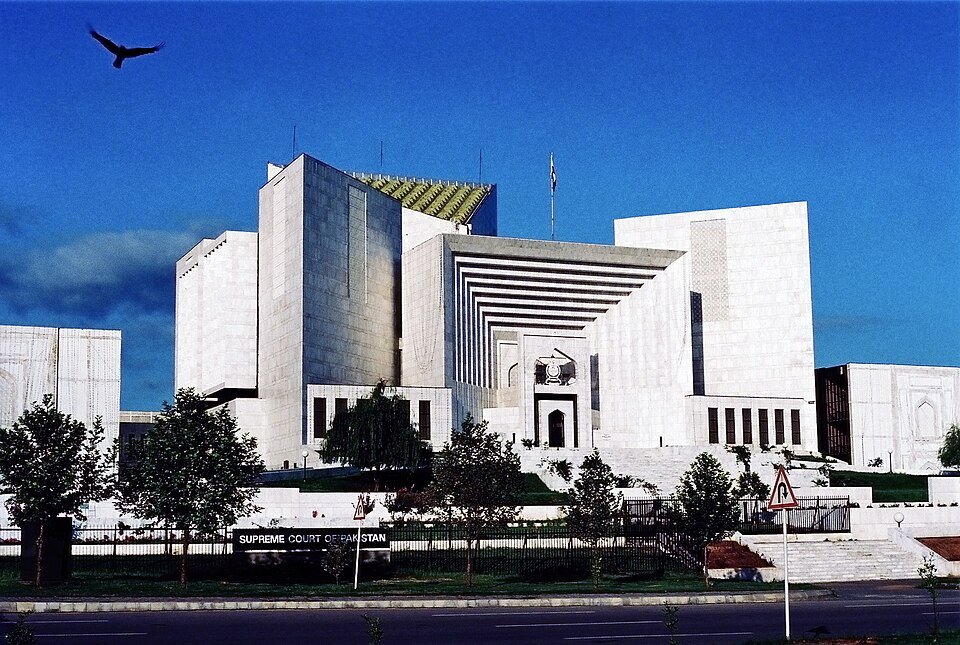
ISLAMABAD — The Supreme Court of Pakistan has ruled that property transfers cannot proceed unless the buyer pays the full sale consideration. This underscores the importance of meeting contractual obligations in property transactions. Supreme Court Ruling The Supreme Court addressed a case where a buyer failed to fulfill payment terms as stipulated in the contract. The court decided that specific performance, which enforces contract terms, is an equitable relief granted only to those who consistently demonstrate readiness, willingness, and the financial capability to honor their contractual commitments. The court highlighted that specific performance is not an automatic right but a discretionary remedy contingent on the parties’ conduct. It stated, “A party seeking specific performance must demonstrate continuous readiness and willingness to perform their part of the contract.” Failure to complete payment disqualifies the buyer from demanding property transfer. This judgment will significantly impact property transactions nationwide, reinforcing the necessity for buyers to adhere strictly to contract terms. Legal Framework Property transactions in Pakistan are governed by statutory laws and judicial precedents. The Specific Relief Act of 1877 provides the legal foundation for seeking specific performance. Courts have the discretion to grant this relief based on party conduct and the contract’s enforceability. Historically, Pakistani courts regard specific performance as a remedy based on equity, awarded not routinely but on each case’s merits. This principle has been upheld in various cases assessing party behavior to determine entitlement to relief. Implications for the Property Market The Supreme Court’s decision has several implications. It underscores the necessity for complete fulfillment of contractual obligations to claim rights under a contract, crucial for the real estate sector, where transactions often involve substantial sums and complex agreements. Economically, the ruling may alter buyer and seller behavior in the property market. Buyers might ensure financial readiness before contracts, while sellers could feel more secure knowing the court will support their rights if buyers default. Socially, this decision could build trust in property transactions, encouraging parties to adhere to contractual terms, enhancing predictability in Pakistan’s property market. International Relevance Internationally, this decision aligns with practices where equitable remedies depend on party conduct. It signals to foreign investors that Pakistan’s legal system upholds contract sanctity, vital for a favorable business environment. Key Takeaways The Supreme Court of Pakistan’s ruling requires buyers to meet payment obligations for property transfer rights. Specific performance is a contingent equitable remedy requiring continuous readiness and willingness from the buyer. The decision underscores the importance of contractual adherence in property transactions. Economic and social effects include increased transaction trust and market stability.

Scroll to Top