Business

Business – NEN Agency

Welcome to the Business section of NEN Agency, where we decode Pakistan’s economy, spotlight entrepreneurs, and track global market trends. From corporate boardrooms to small-town startups, our coverage connects you to the decisions, deals, and developments shaping financial life in Pakistan and beyond.

Inside This Category

  • Pakistan Economy: Government policies, taxation, inflation, trade, and growth indicators.

  • Startups & SMEs: Success stories of Pakistani entrepreneurs and innovative ventures.

  • Stock Market & Finance: Updates on PSX, forex, banking, and financial literacy.

  • Global Business: Trends from international markets, MNC activities, and economic events.

Why Our Business Coverage Stands Out
We don’t just report the numbers — we explain what they mean for you. Our team digs deeper into the “why” behind every headline, giving readers the context they need to make informed decisions.

Business

Punjab Expands Water and Sewerage Projects with World Bank Support

ISLAMABAD — Punjab is undergoing significant urban development with extensive water and sewerage projects. Supported by the World Bank, these initiatives are under the guidance of the Chief Minister. Syed Zahid Aziz, Managing Director of the Punjab Municipal Development Fund Company (PMDFC), is coordinating efforts to enhance infrastructure and public services. Urban Infrastructure Transformation On Sunday, Syed Zahid Aziz announced a transformative phase in Punjab’s urban infrastructure. Water and sewerage system expansions are occurring across various districts and cities, aimed at improving life quality for millions. This initiative seeks to modernize the urban landscape and tackle issues such as water supply and sanitation. These projects proceed under the Chief Minister’s directives, backed by financial and technical support from the World Bank. The goal is to ensure sustainable urban growth by upgrading essential services. “The expansion is crucial for meeting future demands,” Aziz stated. Project Details The efforts involve new pipeline installations, network expansions, and modern sewage treatment facility constructions. These measures are expected to reduce waterborne diseases and improve urban environmental conditions. PMDFC oversees the implementation, ensuring international standards and timely completion. Background on Challenges Punjab, Pakistan’s most populous province, has faced urban infrastructure challenges due to rapid growth. Historically, inadequate water supply and poor sanitation affected public health and economic development. The government prioritizes infrastructure as a crucial element of its urban strategy. The World Bank’s involvement highlights global support for Pakistan’s development goals. The organization consistently contributes financial resources and expertise to various national projects. Significance of the Projects The water and sewerage expansions in Punjab are critical for public health and environmental sustainability. Access to clean water and sanitation prevents diseases and enhances life quality. These developments contribute to sustainable urban growth. Economically, improved infrastructure can attract investment and stimulate growth. Reliable water and sanitation services are vital for sectors like manufacturing and agriculture, integral to Punjab’s economy. Politically, successful projects can reinforce government credibility by addressing citizen needs. Effective implementation can bolster public trust and support for government initiatives. Key Takeaways Punjab is expanding water and sewerage systems with World Bank support. The projects aim to improve urban infrastructure and public services. Water supply and sanitation challenges are being addressed. Improved infrastructure is expected to boost economic growth.

Business

Global Healthcare Firms Enhance R&D and Supply Chain in China

BEIJING — As China emerges as a pivotal player in the global pharmaceutical landscape, multinational healthcare companies are boosting investments in research and development (R&D) and strengthening supply chain networks within the country. This strategic shift comes as China evolves from a low-cost manufacturing hub to a co-developer of advanced medical therapies. Key Developments Recently, China has become the world’s second-largest pharmaceutical market, prompting a reassessment of strategies by multinational companies. These firms are expanding their R&D capabilities and forging deeper partnerships with local entities to leverage China’s expertise in cutting-edge medical research. Several global pharmaceutical giants have announced plans to establish or expand R&D centers in major Chinese cities, including Beijing and Shanghai. These efforts are part of a broader trend of international companies integrating more closely with China’s healthcare ecosystem to develop innovative therapies and improve supply chain efficiency. A spokesperson for a leading pharmaceutical company stated, “China’s rapid advancements in medical research and robust market potential make it an ideal location for our R&D and supply chain operations.” Regulatory Environment and Support This move responds to China’s evolving regulatory environment, which now fosters innovation and foreign investment in healthcare. The Chinese government has implemented policies to support pharmaceutical innovation, including expedited drug approval processes and R&D investment incentives. Background on China’s Transformation China’s transformation from a manufacturing-centric economy to a research-driven hub in the pharmaceutical industry has involved significant policy shifts and infrastructure investments. Historically known for producing generic drugs, China has made substantial investments in biotechnology and pharmaceuticals over the past decade to become a leader in medical innovation. The “Made in China 2025” initiative has further accelerated this transformation, focusing on enhancing domestic capabilities in high-tech industries, including pharmaceuticals. This policy framework has encouraged both domestic and foreign companies to invest in R&D and collaborate on new therapies. Implications for the Global Market The expansion of multinational healthcare companies in China has major implications for the global pharmaceutical industry. By increasing their R&D presence, these companies can access China’s vast scientific talent and advanced research facilities, enhancing their ability to innovate and tailor products to meet specific Chinese market needs. Economically, this trend is likely to boost China’s GDP and create high-skilled jobs, contributing to long-term economic growth. It also positions China as a critical player in the global pharmaceutical supply chain, potentially reducing dependency on European and North American markets. For the international community, China’s enhanced role in pharmaceutical R&D could lead to increased collaboration in addressing global health challenges. Deeper ties between multinational companies and Chinese research institutions may foster joint initiatives that accelerate treatment developments for various diseases.

Business

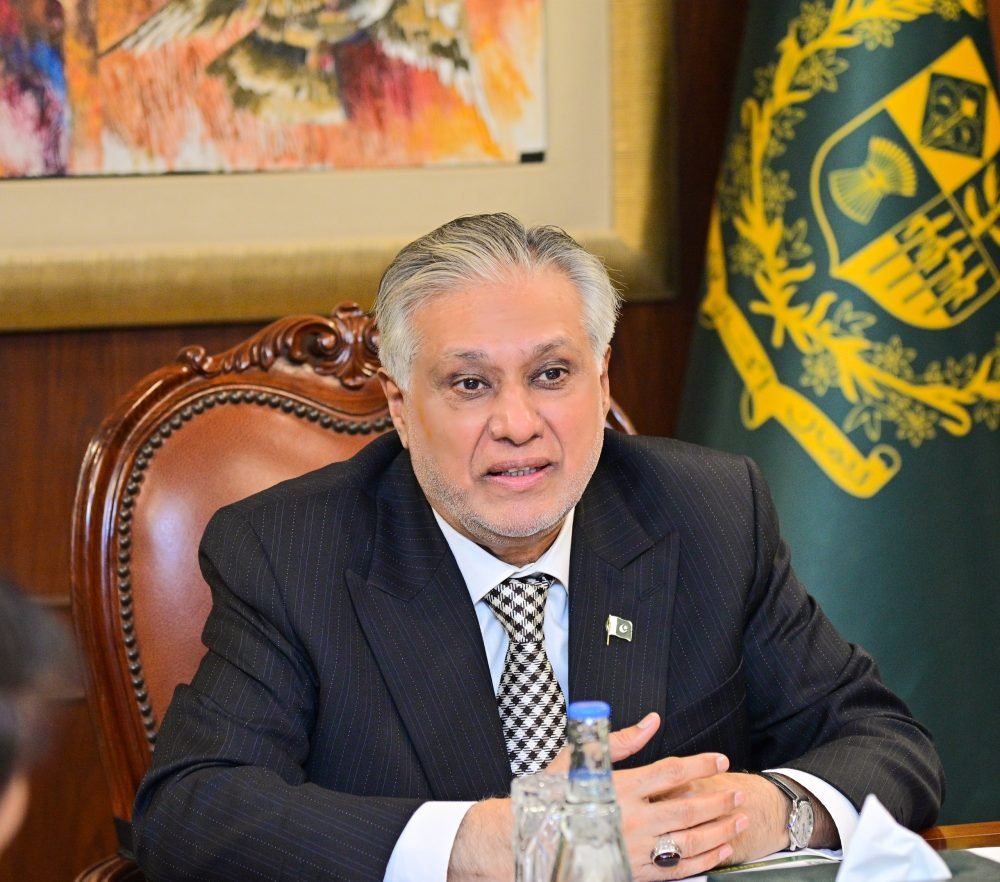
Pakistani And Bahraini Foreign Ministers Discuss Regional Developments

ISLAMABAD — Deputy Prime Minister and Foreign Minister Senator Mohammad Ishaq Dar engaged in a telephone conversation with the Foreign Minister of Bahrain, Dr. Abdullatif bin Rashid Al Zayani, on Sunday. They discussed the evolving regional situation following the recent signing of the “Islamabad Memorandum of Understanding” (MoU). Regional Implications of the Islamabad MoU The discussion focused on the strategic implications of the Islamabad MoU. It aims to enhance bilateral cooperation between Pakistan and Bahrain, covering sectors such as trade, investment, and security. This agreement reflects a mutual interest in strengthening ties amidst a shifting geopolitical landscape. During the conversation, the ministers expressed their commitment to deepening cooperation in areas of mutual interest. They emphasized the importance of continued dialogue and collaboration to address regional challenges effectively. The Islamabad MoU is seen as a framework to facilitate increased economic engagement and security cooperation between the nations. Strategic Positions and Shared Goals Senator Dar highlighted Pakistan’s strategic position and its role in regional stability. Dr. Al Zayani acknowledged Bahrain’s interest in expanding its diplomatic and economic footprint in South Asia. They agreed on the need for a coordinated approach to tackle common challenges such as terrorism, economic instability, and sustainable development. Background of Pakistan-Bahrain Relations The Islamabad MoU is part of Pakistan’s broader initiative to strengthen diplomatic relations with Gulf Cooperation Council (GCC) countries. Historically, Pakistan and Bahrain have maintained cordial relations, as both countries are members of the Organization of Islamic Cooperation (OIC) and share interests in regional peace and stability. Recently, Pakistan has sought to enhance economic ties with Bahrain, recognizing the potential for increased trade and investment. Bahrain seeks to diversify its economy away from oil dependency, making Pakistan an attractive partner with its large market and strategic location. Geopolitical Dynamics and Economic Necessities The region’s geopolitical dynamics are influenced by factors such as ongoing Middle East tensions, COVID-19’s economic impact, and global energy market shifts. These emphasize the necessity for regional cooperation and resilient economic partnerships. The conversation between the foreign ministers is significant for regional diplomacy and economic collaboration. The Islamabad MoU serves as a vital tool to navigate the complexities of regional geopolitics and economic uncertainties. For Pakistan, strengthening GCC ties is crucial for economic growth and regional influence. The GCC is a major source of remittances for Pakistan, and enhanced relations could lead to increased investment in sectors such as energy, infrastructure, and technology. Bahrain, aiming to diversify its economy, views Pakistan as a strategic partner in South Asia. This collaboration could open new avenues for Bahraini businesses, providing access to Pakistan’s growing market and strategic location as a gateway to Central Asia. Moreover, the cooperation can contribute to regional stability by fostering dialogue and joint security initiatives. This partnership is part of a broader trend of South Asian and Middle Eastern countries strengthening ties to tackle global economic and security challenges.

Business

Gilani Gains Approval for Multan-Lodhran Dual Carriageway Project

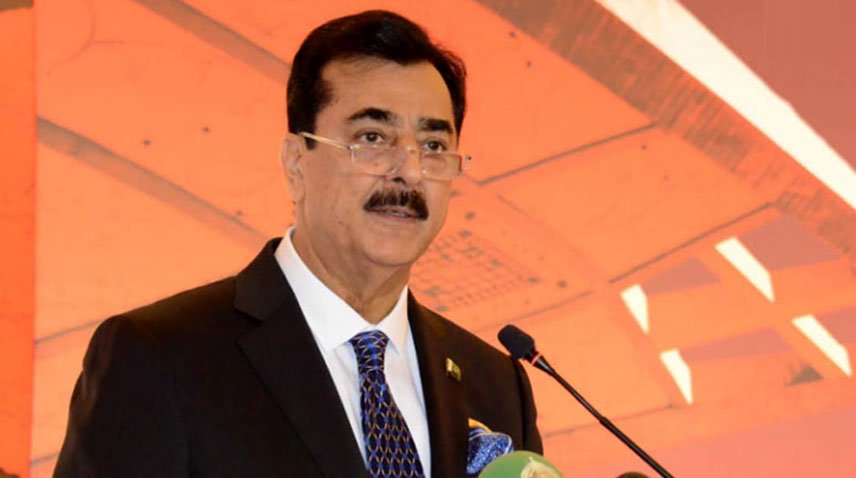
ISLAMABAD — Senator Syed Yousaf Raza Gilani has secured approval for the dualisation of the Multan-Lodhran Road, a major infrastructure project enhancing regional connectivity. Federal Minister for Communications Abdul Aleem Khan approved the project, with funds now released to begin construction. Infrastructure Development The Multan-Lodhran dual carriageway project is a key development in regional infrastructure planning. Converting the existing road into a dual carriageway will significantly enhance traffic flow and safety. This decision follows a formal request by Senate Chairman Gilani to Minister Khan. The Ministry of Communications has allocated the necessary funds, ensuring a smooth commencement of construction. Officials confirm the dual carriageway will connect Multan and Lodhran, two major cities in Punjab. The project aims to facilitate faster travel, reduce congestion, and boost economic activities by improving market access. Funding will come from the Road Maintenance Account, dedicated to Pakistan’s road infrastructure expansion. Regional Impact Gilani expressed gratitude for the project’s approval, noting the benefits to local populations. “This road is a vital link for Multan and Lodhran residents. Its dualisation will bring significant travel efficiency and safety improvements,” he stated. The Multan-Lodhran Road has long been crucial for transportation in southern Punjab but has suffered from congestion and safety issues due to its single-lane structure. Stakeholders have advocated for its expansion to support the region’s growing economic activities. Economic and Social Benefits The dualisation is poised to boost local businesses by easing market access and lowering transportation costs. Improved infrastructure is expected to attract investment, fostering economic development and job creation. Residents will benefit from reduced travel times and safer roads, improving overall quality of life. This is crucial for emergency services to respond swiftly to incidents. Government Commitment The project highlights the government’s dedication to infrastructure as a tool for regional equity. By investing strategically, the government aims to resolve regional disparities and promote balanced development across Pakistan.

Business

Haroon Akhtar Highlights SMEs as Key to Pakistan’s Export Growth

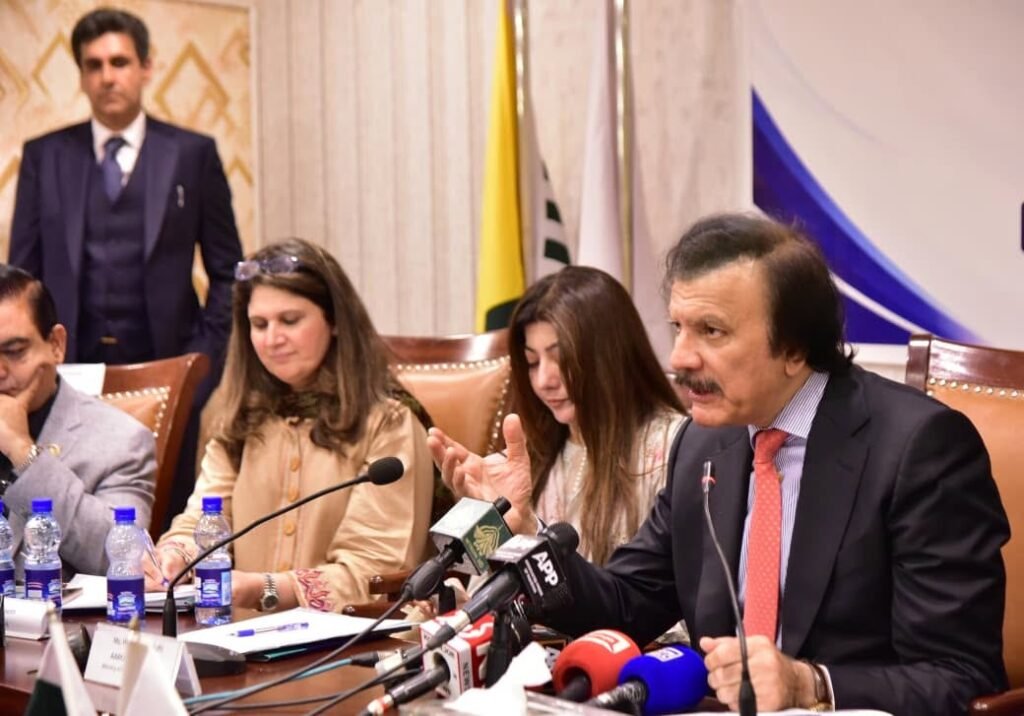
ISLAMABAD — Special Assistant to the Prime Minister on Industries and Production, Haroon Akhtar Khan, highlighted the critical role of small and medium enterprises (SMEs) in driving Pakistan’s export-led economic growth. Speaking on Friday, he underscored empowering entrepreneurs and innovators as key to securing the country’s future prosperity. Significance of SMEs During his address, Haroon Akhtar Khan emphasized SMEs’ pivotal role in Pakistan’s economy. He noted that nations empowering entrepreneurs and innovators rise as global economic leaders. According to Akhtar, Pakistan’s economic future depends on a robust SME sector, which forms the backbone of the nation’s export strategy. Akhtar called for policy reforms and support mechanisms to boost SME growth. These enterprises are crucial contributors to exports and key players in job creation and innovation within the country. Creating a conducive environment for SMEs will enhance Pakistan’s competitiveness in the global market. Government and Private Sector Collaboration Akhtar urged for increased collaboration between the government and private sector to overcome challenges faced by SMEs. He proposed targeted financial assistance, capacity-building programs, and access to international markets as essential measures for SME success. Economic Context Small and medium enterprises are pivotal to Pakistan’s economy, accounting for about 40% of GDP and employing 80% of the non-agricultural workforce, according to the Pakistan Bureau of Statistics. However, they face challenges such as limited access to finance, inadequate infrastructure, and regulatory hurdles. The government has implemented initiatives like the Small and Medium Enterprises Development Authority (SMEDA) and financial products from the State Bank of Pakistan to support SMEs. Despite these, the sector struggles with systemic issues hindering its full potential. Importance of SME Focus Focusing on SMEs is crucial for Pakistan’s export-led growth strategy. As global markets become more competitive, Pakistan must diversify its export base beyond traditional sectors like textiles. SMEs, with their innovation and agility, are well-equipped to explore new markets and products. Strengthening SMEs can significantly boost job creation—vital for Pakistan’s young population. Thriving SMEs also contribute to poverty alleviation and inclusive economic growth. Politically, a strong SME sector promotes economic stability and reduces reliance on external borrowing. Internationally, a vibrant SME sector can improve Pakistan’s trade balance through increased exports, enhancing foreign exchange reserves and creating a stable economic environment. Key Takeaways Haroon Akhtar Khan stressed SMEs’ role in export-led growth. SMEs are vital for job creation, innovation, and global competitiveness. Policy reforms and collaboration with the private sector are needed to support SMEs. SMEs contribute 40% of GDP and employ 80% of the non-agricultural workforce. Strengthening SMEs provides economic, social, and political benefits.

Business

MSMEs Highlighted as Vital to Pakistan’s Economic Growth on World MSME Day

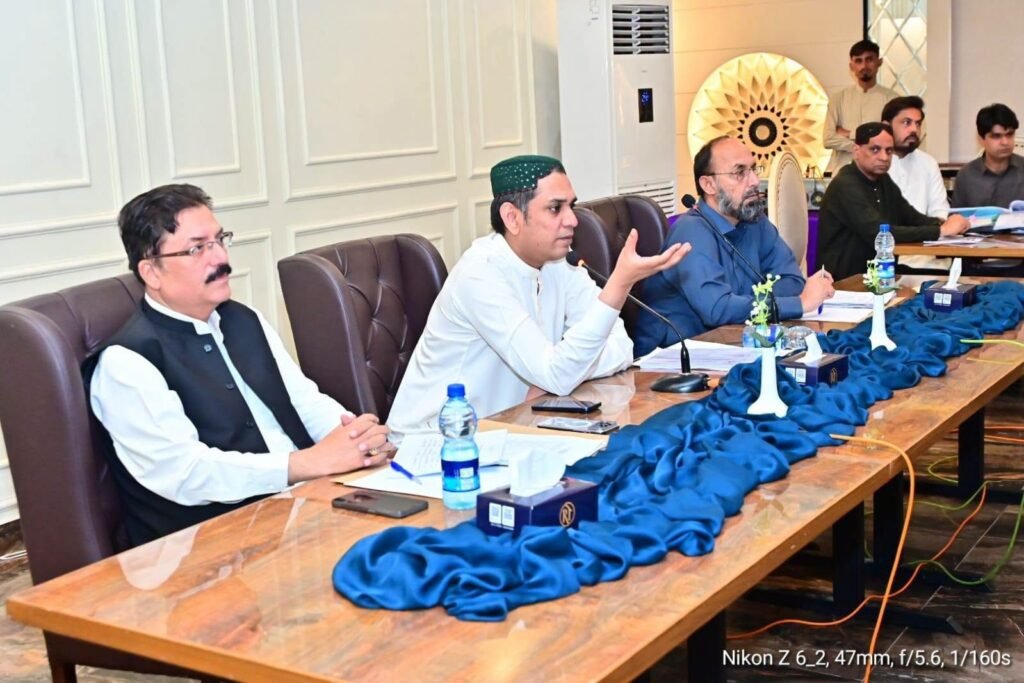
ISLAMABAD — On World MSME Day, experts underscored the essential role of Micro, Small, and Medium Enterprises (MSMEs) in driving Pakistan’s economic growth. They called for increased collaboration to strengthen this sector critical for fostering innovation and employment. Key Discussions on MSMEs Industry leaders, policymakers, and stakeholders gathered to examine MSMEs’ major contributions to Pakistan’s economy. Discussions revealed that MSMEs significantly contribute to the country’s GDP and employment, marking them as a cornerstone of economic development. Enhanced support and collaboration among government bodies, financial institutions, and the private sector was urged to empower these enterprises further. A key speaker remarked, “MSMEs are the backbone of our economy, driving growth and innovation. It is imperative that we provide them with the necessary resources and support to thrive.” Panel discussions highlighted the challenges MSMEs face, such as limited access to finance, regulatory hurdles, and the need for technological advancement. Proposed Policy Reforms Participants advocated for policy reforms to improve the business environment for MSMEs. Suggestions included: Simplifying regulatory processes Increasing access to credit Providing training programs to enhance entrepreneurs’ and workers’ skills Background of MSMEs in Pakistan Micro, Small, and Medium Enterprises have long been vital to Pakistan’s economy. The Small and Medium Enterprises Development Authority (SMEDA) states that MSMEs contribute approximately 40% of Pakistan’s GDP and employ over 80% of the non-agricultural labor force. Despite this, MSMEs face challenges like limited access to finance, inadequate infrastructure, and complex regulatory frameworks. Recent government initiatives, like the Prime Minister’s Kamyab Jawan Programme, aim to support MSMEs via financial assistance and training for young entrepreneurs. However, many MSMEs continue to encounter operational challenges and require additional support to achieve their full potential. Importance of Strengthening MSMEs Strengthening the MSME sector is crucial as Pakistan faces economic challenges, such as high unemployment and sluggish GDP growth. MSMEs can drive economic recovery by creating jobs and fostering innovation. They have the potential to significantly reduce poverty and enhance living standards for millions of Pakistanis. The success of MSMEs also affects Pakistan’s international trade and competitiveness. Growth and innovation in this sector can contribute to diversifying the country’s export base, reducing dependence on traditional sectors and enhancing economic resilience. For policymakers, supporting MSMEs is both an economic and a social imperative. Empowering small businesses promotes inclusive growth, ensuring more equitable distribution of economic benefits across regions and communities, aligning with global trends recognizing MSMEs’ potential for sustainable development.

Business

Sukkur Municipal Corporation Approves Rs. 13.95 Billion Budget for 2026-27

SUKKUR — Sukkur Municipal Corporation has approved a substantial budget of over Rs. 13.95 billion for the fiscal year 2026-27. This financial plan focuses primarily on urban development and infrastructure improvement. The budget was passed by a majority vote on June 27, 2026. Details of the Budget Approval The budget session was led by Mayor Sukkur, Barrister Arsalan Islam Shaikh. Key attendees included Deputy Mayor Dr. Arshad Mughal, Commissioner Pir Illahi Bux, along with chairmen of union committees, councillors, and relevant officers. The total approved budget stands at Rs. 13,951,257,004, with an anticipated surplus of Rs. 128,585,2460 and estimated expenditures of Rs. 12,665,404,544. Focus Areas Emphasizing urban infrastructure enhancement and basic amenities, Mayor Shaikh highlighted key allocations. These include Rs. 540 million for repair and maintenance and Rs. 2,221,290,800 for ongoing development projects. Development funds have been distributed among all union committees to ensure effective public welfare initiatives city-wide. Even without a special grant from the Sindh Government, the mayor reinforced the commitment to improving civic services like sanitation, drainage, and road repairs. Elected representatives contributed proposals, shaping the final budget. Historical Context Sukkur, a significant city in Sindh, has long faced urban management challenges. The municipal budget approval process is a pivotal event for the city’s development path. Historical budgets have been limited by resource constraints and inconsistent provincial support. The need to optimize local resources is vital due to inconsistent financial support from the Sindh Government. The focus remains on infrastructure and welfare projects to improve living conditions and urban quality of life. Impact of the Budget This budget approval carries several implications. Economically, it aims to stimulate local economic activity by funding infrastructure and development projects. Improved civic amenities can enhance the business environment, encouraging investment and fostering economic growth. Socially, the projects prioritize addressing the needs of underserved areas, striving for equitable development. This seeks to raise living standards and reduce disparities. Politically, the budget showcases the municipal leadership’s resource management skills despite financial limitations. The absence of external grants underlines the importance of strategic local planning. On an international level, effective urban management in Sukkur can contribute to broader developmental goals, aligning with global frameworks like the United Nations’ Sustainable Development Goals (SDGs). Key Takeaways The Sukkur Municipal Corporation has approved a budget exceeding Rs. 13.95 billion for FY 2026-27. The budget forecasts a surplus of Rs. 128,585,2460 with a strong focus on infrastructure and public welfare. Significant funds include Rs. 540 million for repairs and maintenance. Local resource optimization takes precedence due to the absence of a Sindh Government special grant.

Business

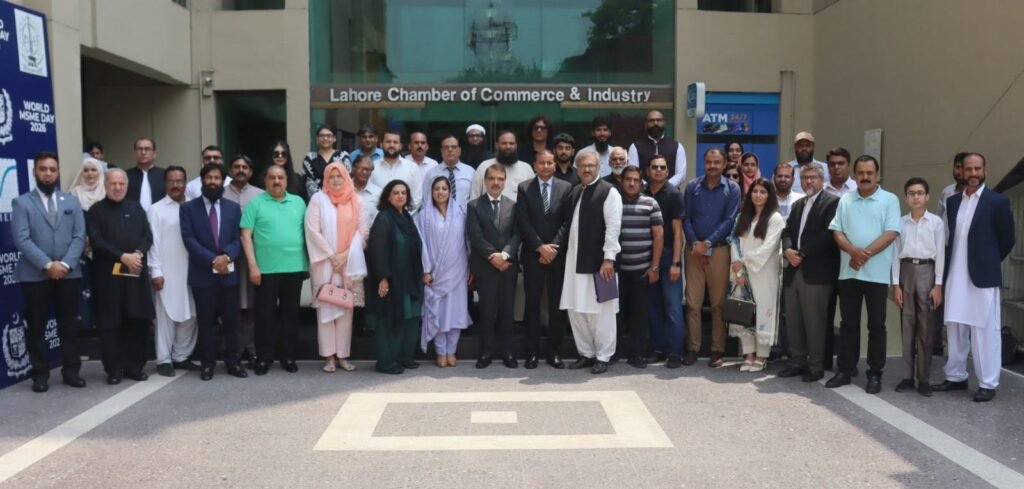
SMEDA and LCCI Collaborate on MSME Development for World MSME Day

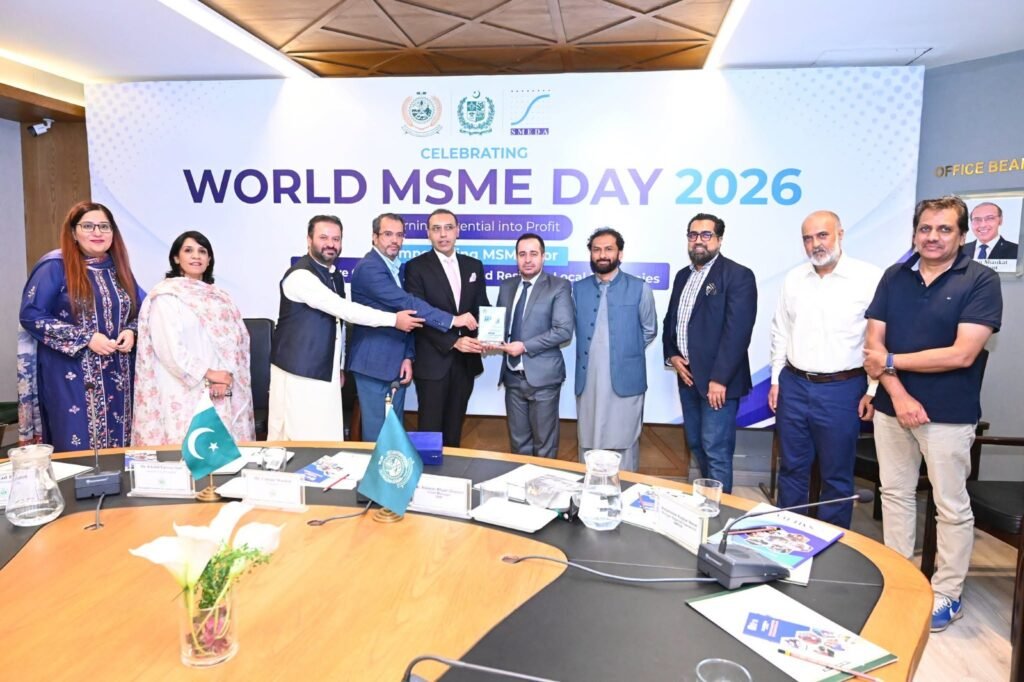
LAHORE — The Small and Medium Enterprises Development Authority (SMEDA) and the Lahore Chamber of Commerce & Industry (LCCI) held a session on Saturday to discuss the development of Micro, Small, and Medium Enterprises (MSMEs) in Pakistan. This event was part of World MSME Day 2026 celebrations, aiming to bolster the national economy through MSME growth. Key Discussions Held in Lahore, the session brought together stakeholders from various sectors to strategize on strengthening MSMEs. SMEDA and LCCI emphasized the essential role of MSMEs as the backbone of the economy, highlighting their potential to drive economic growth and employment. Discussions centered on challenges facing MSMEs and actionable solutions. SMEDA officials underscored the need for policy reforms, better access to finance, and initiatives to build capacity. Collaboration between public and private sectors was deemed crucial for an environment conducive to MSME growth. LCCI representatives echoed these sentiments, calling for improved support mechanisms and infrastructure development to aid small enterprise operations. Participants shared insights on the state of MSMEs, discussing initiatives to overcome regulatory hurdles, limited market access, and technological gaps. SMEDA and LCCI’s Commitment Policy reforms and improved financial access Capacity-building initiatives Collaboration between public and private sectors Improved support mechanisms and infrastructure development Commitment to a supportive MSME ecosystem Background World MSME Day, observed on June 27 annually, was initiated by the United Nations to recognize MSMEs’ critical role in sustainable development goals. In Pakistan, MSMEs contribute around 40% to the GDP and employ 80% of the non-agricultural labor force. Despite their significance, challenges like access to finance, infrastructure deficits, and regulatory issues persist. SMEDA, a government body established in 1998, facilitates MSMEs’ growth by offering business development support, training, and policy advocacy. LCCI represents the Lahore business community, advocating policy reforms to spur economic growth. Significance of MSME Development Developing MSMEs is vital for Pakistan’s economic stability and growth, playing a crucial role in job creation, poverty reduction, and innovation fostering. Addressing MSMEs’ challenges can unlock economic potential and enhance competitiveness globally. Increased support for MSMEs can elevate productivity, boost exports, and diversify the economy. This aligns with Pakistan’s vision of inclusive economic growth and community empowerment. The collaboration between SMEDA and LCCI is a positive step toward a supportive MSME environment, leveraging both organizations’ expertise and resources for effective strategies. This partnership might inspire similar initiatives nationwide to support small businesses.

Business

Gold Prices Drop by Rs1,000 Per Tola in Pakistan

ISLAMABAD — On Saturday, the price of gold in Pakistan’s local market dropped by Rs1,000 per tola, now at Rs431,236. This decrease was reported by the All Pakistan Sarafa Gems and Jewellers Association, indicating a significant shift in the value of gold. Price Changes The All Pakistan Sarafa Gems and Jewellers Association announced a Rs1,000 drop in the price of 24 karat gold per tola, bringing the rate down to Rs431,236. Additionally, the price for 10 grams of 24 karat gold reduced by Rs730. These adjustments follow fluctuating global market conditions and demand shifts within Pakistan. Gold prices are influenced by international trends, currency exchange rates, and local demand. The recent drop mirrors these factors. Experts suggest that a stronger Pakistani Rupee against the US dollar and changes in global gold prices contribute to this decline. “The gold market is highly sensitive to changes in the global economic environment and currency fluctuations. This recent decline in prices is not unexpected given the current economic indicators,” a representative from the Association stated. Economic Background Gold has historically been a popular investment and a hedge against inflation in Pakistan. The country’s gold market aligns closely with international prices due to significant gold imports. The All Pakistan Sarafa Gems and Jewellers Association updates prices based on these trends and local market conditions. Recently, the global gold market has faced volatility due to factors like geopolitical tensions, changes in major economies’ interest rates, and the lasting effects of the COVID-19 pandemic. These elements have influenced gold price fluctuations both globally and locally. Implications of Price Drop The decrease in gold prices has notable implications for various groups in Pakistan. Consumers may find it advantageous to buy gold jewelry and other items at lower rates, likely boosting sales in markets where gold is often used for weddings and significant events. For investors, this price drop might lead to altered investment strategies. Traditionally seen as a safe haven, shifts in gold prices can affect investment portfolios. Lower gold prices might prompt investors to diversify or reevaluate their holdings in precious metals. Lower gold prices could positively impact Pakistan’s trade balance, considering gold is a major import. Reduced prices may lower the overall import bill, benefiting the economy. However, this must be balanced with the potential impact on the local gold industry, which could face reduced profit margins. Key Takeaways Gold prices in Pakistan fell by Rs1,000 per tola, now at Rs431,236. The price for 10 grams of 24 karat gold decreased by Rs730. These changes are influenced by global market trends and local currency fluctuations. Lower prices may boost consumer purchasing and alter investment strategies. The decline could impact Pakistan’s trade balance and the local gold industry. Source Attribution Information on gold price changes comes from the All Pakistan Sarafa Gems and Jewellers Association and the Associated Press of Pakistan (APP). Figures and statements rely on the latest available data, subject to change.

Business

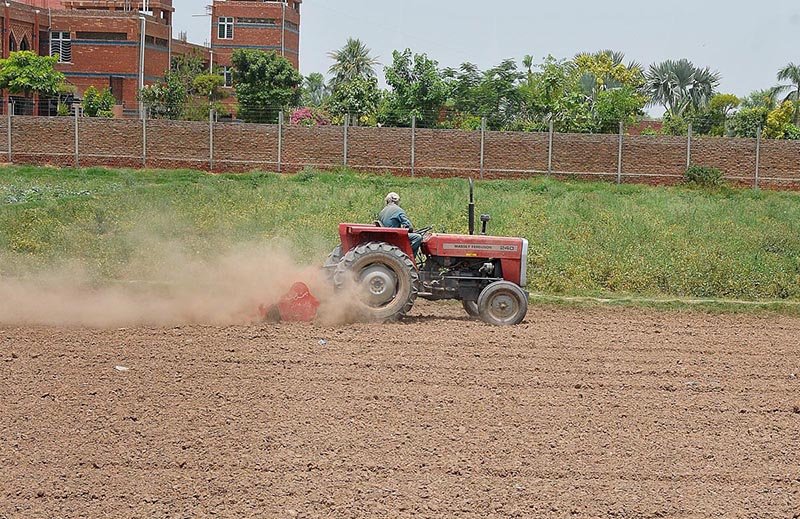
Farmers Begin Preparations for Crop Season on Multan’s Outskirts

MULTAN — As the new crop season approaches, farmers on the outskirts of Multan are busy preparing their fields. They are utilizing tractors for ploughing, a critical step in optimizing conditions for planting. This activity plays a crucial role in supporting the region’s economy and ensuring a stable food supply. Preparation for the Crop Season Farmers in the rural areas surrounding Multan, an agricultural hub in Pakistan, have initiated ploughing their fields as they ready for the new crop season. Utilizing tractors to overturn soil enhances fertility and aeration, vital for healthy crop development. This preparation marks the start of a hectic period for the agricultural community as they begin to plan for planting crops essential for local consumption and national food security. According to the Associated Press of Pakistan (APP), tractors become a common sight during this time of year. This reflects farmers’ dedication to ensuring a successful harvest. The modern machinery’s prevalence has increased, offering more efficient land preparation compared to traditional manual methods. This mechanization is particularly vital in Multan, where agriculture is central to the local economy. Strategic Planning for Climate With the new season, farmers are strategically selecting crops that can withstand anticipated climatic conditions. This planning is crucial to mitigate risks from unpredictable weather, increasingly frequent due to climate change. Background of Multan’s Agriculture Located in the Punjab province, Multan is famous for its fertile land and diverse agricultural output. It produces a range of crops including wheat, cotton, sugarcane, and mangoes, making a significant contribution to Pakistan’s agricultural sector. Land preparation for the crop season is a traditional practice aligned with the agricultural calendar, dictating planting and harvesting timings. Historically, agriculture in Multan depended on manual labor, but there has been a gradual shift toward mechanization to increase productivity and efficiency. This transition is supported by government initiatives providing access to modern farming equipment and technology. Economic Significance Agriculture is a key component of Pakistan’s economy, employing a significant portion of the workforce and contributing to GDP. The current preparations in Multan reflect national efforts to enhance agricultural productivity and food security. Efficient land preparation and crop management are more critical in facing global climate challenges. Modern farming techniques, including tractor use, increase land preparation efficiency and help conserve resources like water and labor. This is especially crucial in Multan, where water scarcity threatens agricultural sustainability. By adopting these methods, farmers can manage resources better, leading to higher yields and economic stability. The impact of a successful crop season extends beyond local economics, influencing food prices, availability, and overall national economic health. A successful harvest helps stabilize food prices, reduce inflationary pressures, and fortify food security. Key Takeaways Farmers in Multan are actively using tractors to prepare their fields for the upcoming crop season. The use of modern machinery enhances land preparation efficiency and reduces labor needs. Strategic crop selection is essential to managing climatic risks and ensuring crop resilience. Agriculture is a vital part of the local and national economy, heavily influencing GDP and food security. Mechanization supports sustainable agricultural practices amid challenges like water scarcity.

Scroll to Top