Business

Business – NEN Agency

Welcome to the Business section of NEN Agency, where we decode Pakistan’s economy, spotlight entrepreneurs, and track global market trends. From corporate boardrooms to small-town startups, our coverage connects you to the decisions, deals, and developments shaping financial life in Pakistan and beyond.

Inside This Category

  • Pakistan Economy: Government policies, taxation, inflation, trade, and growth indicators.

  • Startups & SMEs: Success stories of Pakistani entrepreneurs and innovative ventures.

  • Stock Market & Finance: Updates on PSX, forex, banking, and financial literacy.

  • Global Business: Trends from international markets, MNC activities, and economic events.

Why Our Business Coverage Stands Out
We don’t just report the numbers — we explain what they mean for you. Our team digs deeper into the “why” behind every headline, giving readers the context they need to make informed decisions.

Business

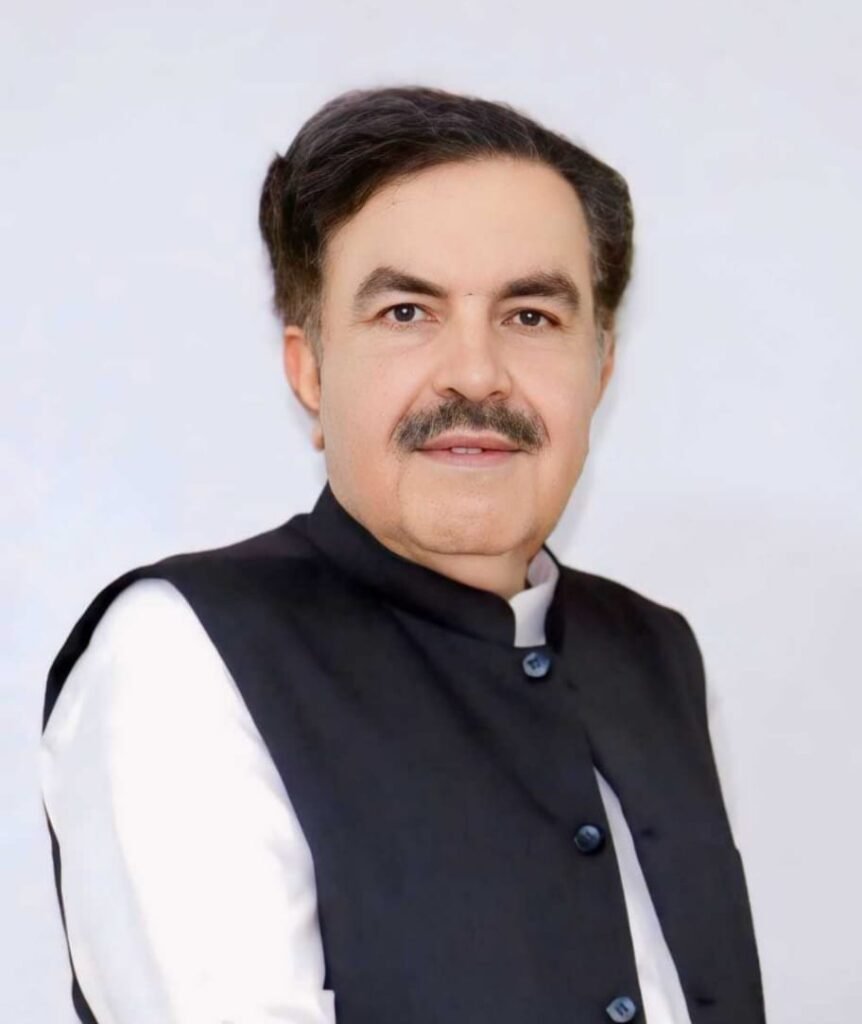
Federal Minister Qaiser Ahmed Sheikh Addresses Media at Chiniot Medical Camp

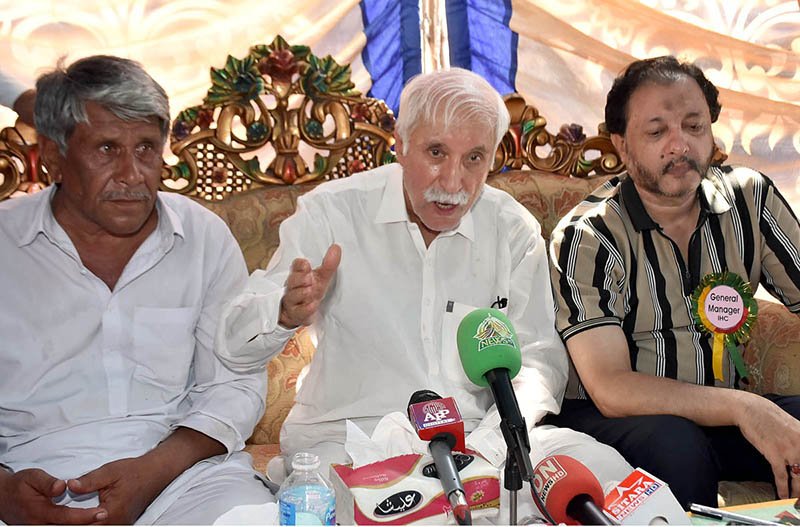
CHINIOT — Federal Minister for Investment Board Qaiser Ahmed Sheikh addressed the media on Tuesday at a free medical camp organized by Islamia Hospital at Chak no 134 Loony Wala. The event aimed to provide essential healthcare services to the local community, especially those lacking regular medical facilities. Government’s Commitment to Healthcare During the free medical camp, Federal Minister Qaiser Ahmed Sheikh emphasized the importance of healthcare accessibility in rural areas. Organized by Islamia Hospital, the camp offered a range of services such as general check-ups, diagnostic tests, and medicine distribution to the residents. This initiative is part of a larger effort to reduce healthcare disparities in underserved regions. In his media address, Sheikh highlighted the government’s commitment to enhancing healthcare infrastructure in rural Pakistan. He stated, “Ensuring that every citizen has access to basic healthcare services is a priority for us. This camp is just one step in our ongoing efforts to enhance healthcare delivery in remote areas.” The minister also praised local healthcare providers and volunteers for their roles in making the camp successful. Community Engagement and Impact The event witnessed a significant turnout, with hundreds of residents attending to avail themselves of free medical services. Medical professionals, including doctors, nurses, and technicians, were on-site to offer consultations and treatments. The camp also focused on raising awareness about preventive healthcare measures and the importance of regular check-ups. Challenges in Rural Healthcare Access to healthcare in rural Pakistan has historically been limited due to inadequate infrastructure and a shortage of medical professionals. The government is addressing these challenges through initiatives such as establishing rural health centers and mobile health units. Despite these efforts, many communities still face barriers in accessing quality healthcare services. Islamia Hospital plays a key role in the region’s healthcare landscape, actively organizing medical camps and outreach programs to bridge gaps in access. These initiatives are crucial in providing immediate medical assistance and boosting health awareness among rural populations. Significance of the Medical Camp The free medical camp at Chak no 134 Loony Wala underscores ongoing healthcare challenges in rural Pakistan. With a significant portion of the population residing in rural areas, ensuring equitable healthcare access is vital for national health outcomes. The camp not only provided immediate relief but also underscored the need for sustained efforts to improve healthcare infrastructure. Economically, healthier populations enhance productivity and reduce long-term healthcare costs. Socially, access to healthcare improves quality of life and individual well-being. Politically, such initiatives can increase public trust in government efforts, influencing public opinion and electoral outcomes. The camp also highlights the importance of public-private partnerships in tackling healthcare challenges. By collaborating with local hospitals and organizations, the government can leverage resources and expertise to effectively reach more communities. Key Takeaways Federal Minister Qaiser Ahmed Sheikh emphasized healthcare access at a free medical camp in Chiniot. The camp, organized by Islamia Hospital, served rural residents with various medical services. Healthcare access in rural Pakistan continues to face challenges from inadequate infrastructure. Government initiatives aim to improve healthcare delivery in underserved areas. Public-private collaborations are crucial for addressing healthcare needs.
Business

Informal Settlements Along Nau Bahar Canal Transform Riverside Environment

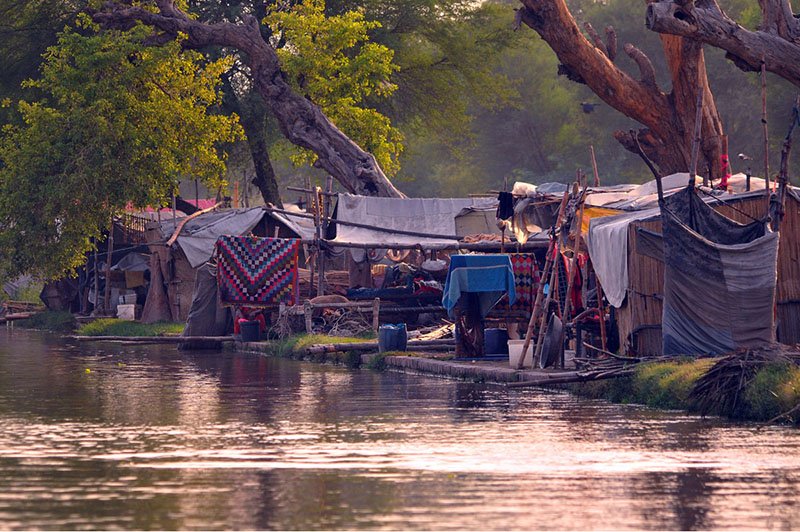
MULTAN — Informal settlements have greatly transformed the Nau Bahar Canal area, where makeshift shelters have emerged. This change has sparked concerns regarding environmental impact and the residents’ living conditions. Current Situation The banks of the Nau Bahar Canal in Multan have seen a surge of informal settlements, with makeshift shelters constructed from tarpaulins, wood, and metal sheets. These shelters serve as basic homes for families drawn to the area seeking better prospects. The settlements have expanded in recent months, driven by economic hardship and a shortage of affordable urban housing. The canal, once a crucial irrigation source supporting local ecology, now faces sanitation, pollution, and ecosystem sustainability challenges. Local Concerns Authorities are worried about the unchecked growth of these settlements. A Multan Municipal Corporation representative remarked, “The expansion of settlements along the canal is concerning. It presents considerable environmental risks and urban planning challenges.” Attempts to address the issue have been constrained by limited resources and the complexities of relocating large populations. However, calls for a unified response to manage the settlements and lessen their environmental impact are growing. Background and Challenges The Nau Bahar Canal is a vital part of an extensive irrigation network, essential for agriculture and ecological balance. Historically, it has supported local farmers, providing necessary irrigation. Yet, rapid urbanization and population growth have strained land resources, leading to the spread of informal settlements. For decades, Pakistan has dealt with informal housing issues as urban areas face significant rural influxes seeking jobs and better living environments. This has resulted in numerous informal settlements in major cities due to a lack of affordable housing and effective urban planning. Implications of Informal Settlements The transformation along the Nau Bahar Canal holds broader consequences for the local community and ecosystem health. Inadequate waste disposal and sanitation facilities in these settlements increase pollution risks, potentially contaminating waterways and harming agriculture and local biodiversity. Economically, these settlements highlight ongoing struggles with housing affordability and job opportunities in urban areas. Residents often work in low-paying, informal sector jobs, underscoring the need for policies addressing income disparity and sustainable livelihoods. Social and Political Context Socially, these settlements emphasize challenges in integrating marginalized communities into urban settings. Without proper infrastructure and services, residents face health risks and limited education and employment access, perpetuating poverty cycles. Politically, the situation demands a reevaluation of urban planning policies, focusing on development that balances environmental sustainability. Resolving the needs of informal settlers while protecting resources like the Nau Bahar Canal requires coordinated efforts from government, non-governmental organizations, and community stakeholders. Key Takeaways Informal settlements are significantly altering the Nau Bahar Canal area. Major environmental and urban planning challenges have arisen. Addressing the issue requires coordinated government and community efforts.

Business

ICCI President Stresses Modern Skills For Teachers To Shape Pakistan’s Future

ISLAMABAD — The President of the Islamabad Chamber of Commerce and Industry (ICCI), Sardar Tahir Mehmood, highlighted the vital need to equip teachers with 21st-century skills to secure Pakistan’s future. He spoke at the conclusion of a Teachers’ Training Workshop on June 27, organized by the ICCI, emphasizing educators’ crucial role as the nation’s future builders. Empowering Educators with Modern Skills The workshop, titled “21st Century Teaching Skills,” was organized to address Pakistan’s evolving educational needs. Sardar Tahir Mehmood emphasized modern teaching methodologies, asserting that investing in teachers’ skills is tantamount to investing in the nation’s future. The workshop aimed to empower educators with necessary tools and techniques to engage students in an increasingly digital world. Mehmood stated, “Educators are the architects of future generations, and empowering them with modern teaching methodologies is an investment in Pakistan’s future.” Sessions focused on digital literacy, critical thinking, and innovative teaching practices to enhance educational experiences for both teachers and students. Interactive Workshop Highlights Educators from various institutions participated, receiving resources to integrate new technologies and strategies into classrooms. This initiative forms part of ICCI’s broader effort to align Pakistani educational standards with global trends. Context of Educational Reform Reform in Pakistan’s educational sector has been a topic of discussion due to traditional methods lagging behind technological advances. Efforts by the government and organizations aim to integrate modern practices to enhance learning outcomes. Pakistan’s education system has faced challenges, such as outdated curricula and inadequate teacher training. These challenges demand reforms focused on teacher capabilities to meet contemporary educational needs. The ICCI initiative seeks to provide teachers with skills necessary for a dynamic learning environment. Significance for Economic Growth The ICCI initiative significantly addresses the gap between traditional education and skills required in today’s world. By equipping teachers with modern skills, Pakistan can better prepare its youth for a globalized economy. A well-educated workforce is crucial for innovation and competitiveness. The emphasis on digital literacy and critical thinking aligns with global trends, ensuring Pakistani students remain competitive internationally. These skills are vital for success across various fields. Improving educational standards is both an economic and social necessity for Pakistan. Education plays a key role in social mobility and reducing inequality. By investing in teacher training, the ICCI contributes to a more equitable society with opportunities for all individuals to succeed.

Business

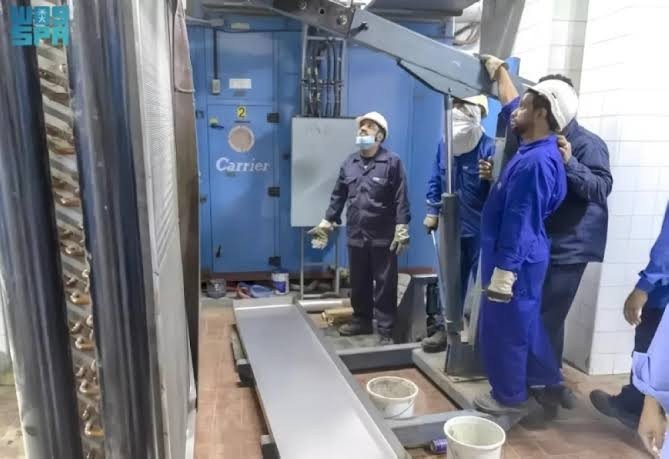
Prophet’s Mosque Cooling System Operates 24/7 with 19,300-Ton Capacity

MADINA — The advanced cooling and air conditioning system at the Prophet’s Mosque, or Masjid an-Nabawi, operates continuously to provide a comfortable environment for visitors despite the region’s intense heat. This system boasts a capacity exceeding 19,300 refrigeration tons, as reported by the Associated Press of Pakistan (APP). Cooling System Operations The cooling system at the Prophet’s Mosque is vital for maintaining a pleasant atmosphere for the millions of pilgrims and visitors annually. It operates continuously to combat Madina’s extreme temperatures, especially in summer when temperatures can exceed 40 degrees Celsius. The system’s over 19,300 refrigeration tons capacity demonstrates the technology’s scale and sophistication, ensuring the mosque remains a refuge from the heat. According to the APP, the system is extensive and employs advanced technology to deliver consistent cooling. This becomes crucial during peak pilgrimage seasons like Hajj and Ramadan, when visitor numbers spike, requiring a reliable cooling solution to accommodate the influx. Historical and Religious Significance The Prophet’s Mosque is one of Islam’s holiest sites, second only to Mecca’s Grand Mosque. It holds immense historical significance as the resting place of the Prophet Muhammad. Over the years, expansions and technological upgrades, including the advanced cooling system, have been implemented to enhance facilities for the growing number of worshippers. The Saudi government invests heavily in infrastructure to improve pilgrims’ experiences. Projects include installing sophisticated cooling systems, expanding prayer areas, improving transportation links, and enhancing safety measures. These efforts are part of a broader strategy to accommodate the increasing number of visitors to the holy sites annually. Importance of the Cooling System The high-capacity cooling system at the Prophet’s Mosque is crucial for multiple reasons: The system underscores Saudi authorities’ commitment to providing a comfortable and safe environment for worshippers, essential due to the mosque’s religious significance and high visitor volume. It reflects regional trends towards adopting modern technologies to address environmental challenges like climate change, which exacerbate extreme weather. Efficient cooling solutions become increasingly critical. The system serves as a model for other large-scale public infrastructure projects in hot climates, leveraging technology for enhanced comfort and safety. Economic benefits arise from maintaining a comfortable atmosphere for worship. The successful system supports the religious tourism sector, contributing to the national economy by generating revenue and creating jobs.

Business

Balochistan Governor Denounces Murder of Hotel Owner in Quetta

QUETTA — Governor Balochistan Jaffar Khan Mandokhail has strongly condemned the murder of Hashim Khan Noorzai, a prominent hotel owner, in Quetta on June 27. The Governor expressed profound grief over the incident, labeling it a terrorist attack and highlighting the urgent need for enhanced security measures to safeguard citizens. Incident Details The tragic incident took place in Quetta, the capital of Balochistan province. Hashim Khan Noorzai, a prominent figure in the local hospitality industry, was killed in what has been described by Governor Mandokhail as a terrorist attack. This event underscores the persistent security challenges facing the region. In his official statement, Governor Mandokhail conveyed deep sorrow and condemned the violence. He emphasized the crucial need for protecting citizens’ lives and urged immediate action to bring those responsible to justice. The Governor’s remarks stressed the necessity for a comprehensive strategy to combat terrorism and ensure public safety. Local authorities have initiated an investigation into the incident, while security has been tightened in Quetta to avert further violence. The killing has sent shockwaves throughout the community, with calls for increased security measures and a stronger response to terrorist threats. Ongoing Security Issues Balochistan has long faced security issues, including insurgency and sectarian violence. The province, bordering Afghanistan and Iran, is a focal point for various militant groups. Although efforts to stabilize the region are underway, challenges persist due to its complex socio-political landscape. In recent years, Quetta has experienced numerous high-profile attacks on civilians and security forces. Both provincial and federal governments are striving to implement measures to curb terrorism and enhance law enforcement. Nevertheless, incidents like the murder of Hashim Khan Noorzai highlight the persistent threats undermining peace efforts. Economic and Social Impacts The murder of Hashim Khan Noorzai serves as a stark reminder of the continuing security challenges in Balochistan. It has broader implications for Pakistan’s efforts to maintain regional stability. As a province abundant in natural resources, ensuring Balochistan’s security is vital for Pakistan’s economic development and regional integration. Economically, instability deters investment and hinders development projects crucial for the province’s growth. The China-Pakistan Economic Corridor (CPEC), a key project under China’s Belt and Road Initiative, passes through Balochistan, making security a top priority for both Pakistan and China. Socially, sustained violence exacerbates residents’ sense of insecurity, impacting daily lives and livelihoods. The murder of a respected community member like Noorzai can demoralize communities and further strain the region’s social fabric. Political Ramifications The incident underscores the need for coordinated efforts in counter-terrorism, involving both provincial and federal authorities. Strengthening intelligence capabilities, enhancing law enforcement, and fostering community engagement are essential for achieving long-term peace and stability. Key Takeaways Governor Mandokhail condemns the murder of hotel owner Hashim Khan Noorzai in Quetta. The incident is labeled a terrorist attack, highlighting ongoing security challenges in the region. Authorities have launched an investigation and heightened security in response to the murder. Balochistan’s security is crucial for economic development and successful projects.

Business

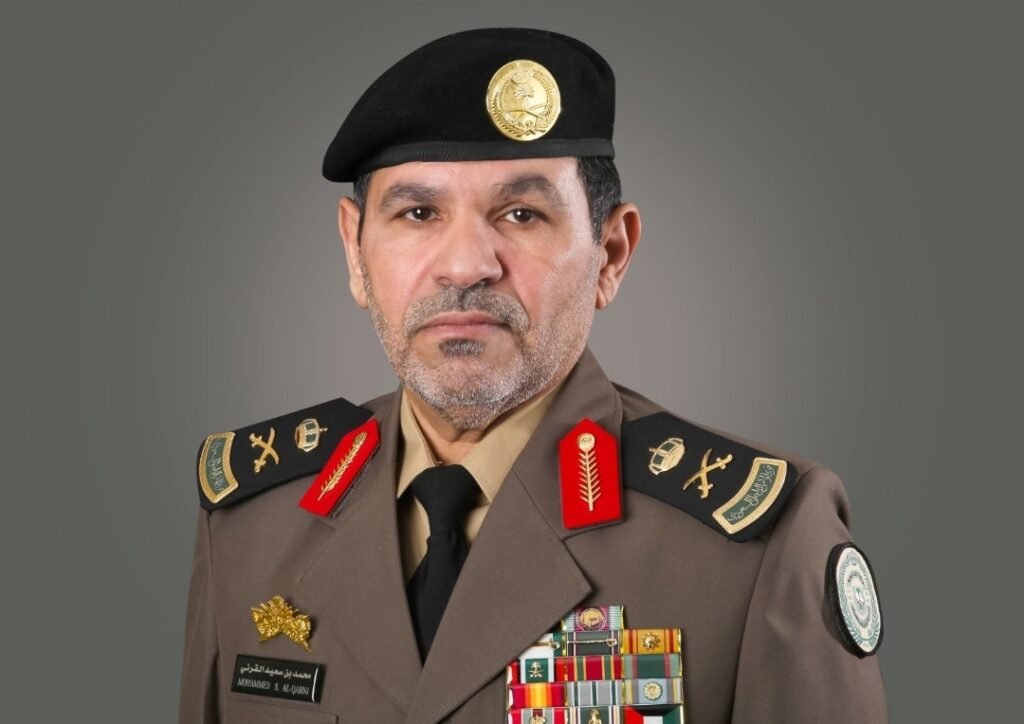
Anti-Narcotics Chief Vows to Intensify Drug Crackdown in Pakistan

ISLAMABAD — The Director General of Anti-Narcotics in Pakistan, Major General Mohammed bin Said Al-Qarni, has reaffirmed his dedication to intensifying campaigns against drug trafficking. Highlighting the national and social responsibility of combating drug smuggling, he stressed the importance of a united approach to address this pervasive problem. Renewed Commitment Major General Al-Qarni has announced a renewed commitment to tackle drug smuggling and its associated issues. Emphasizing that the fight against drugs is a collective national duty, he made this announcement amid ongoing efforts to curb the illegal drug trade that persistently plagues the region. Al-Qarni’s remarks highlight the urgency of countering drug trafficking, which poses major threats to public health and safety. He remarked, “The fight against drug smuggling is a shared national and social responsibility.” This statement illustrates a wider strategy to involve various stakeholders, including law enforcement agencies, community organizations, and the general public, in the fight against narcotics. Anti-Narcotics Force’s Role The Anti-Narcotics Force (ANF) is actively engaged in operations to dismantle drug networks throughout the country. Their efforts include increased surveillance, intelligence gathering, and coordinated raids to intercept drug shipments. These operations have resulted in multiple arrests and the seizure of substantial illegal substances. Geographical Challenges Pakistan has long faced challenges with drug trafficking, primarily due to its proximity to Afghanistan, a leading producer of opium and heroin. This geographical position makes Pakistan a transit route for drug smugglers targeting international markets. Combatting drug trafficking in Pakistan has been an ongoing endeavor for decades. Established in 1995, the ANF is pivotal in these efforts, operating under the Ministry of Narcotics Control. It is responsible for enforcing drug laws, conducting investigations, and working with international agencies to combat drug-related crimes. Policy and Economic Implications In recent years, the government has implemented policies designed to bolster the legal and institutional framework for drug control. These measures include harsher penalties for drug-related offenses, stricter border security, and improved cooperation with neighboring countries to tackle cross-border trafficking. The intensified anti-drug operations in Pakistan have significant implications for the nation’s social and economic stability. Drug abuse and trafficking have vast consequences, affecting public health, raising crime rates, and overstressing law enforcement resources. Economically, the drug trade undermines legitimate businesses and contributes to corruption and money laundering. By cracking down on drug trafficking, Pakistan aims to create a safer environment and foster economic growth by minimizing illegal activity influence. Socially, drug abuse significantly threatens communities, especially the youth. Narcotics availability leads to addiction, health issues, and social problems, destabilizing families and communities. An effective anti-drug strategy is crucial to protect vulnerable populations and enhance social well-being. Internationally, Pakistan’s anti-drug efforts contribute to global security by disrupting supply chains and reducing narcotic flows to other regions, supporting international anti-drug initiatives.

Business

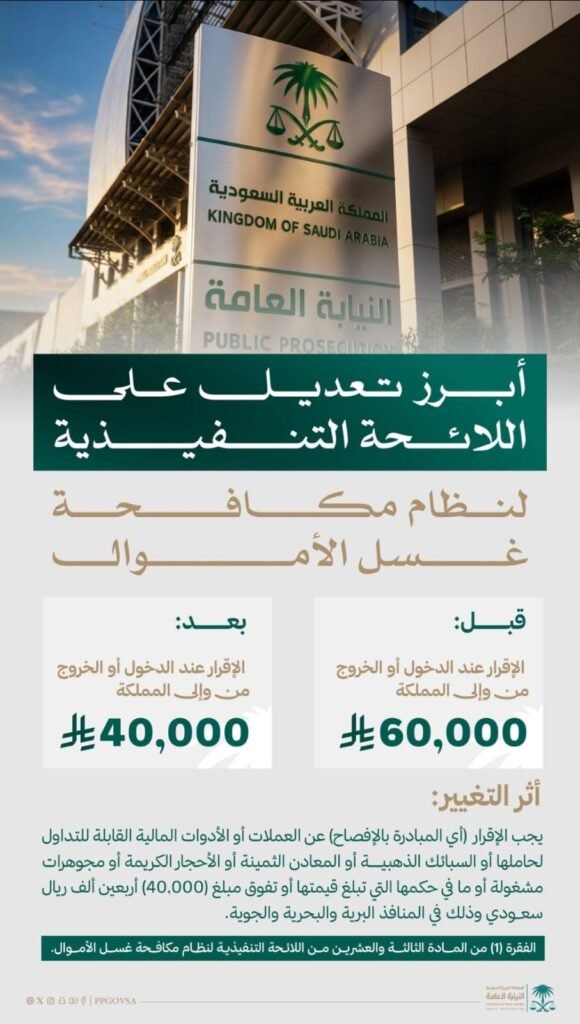
Saudi Arabia Revises Anti-Money Laundering Rules, Lowers Declaration Limit

ISLAMABAD — Saudi Arabia has revised its anti-money laundering regulations, reducing the cash and valuables declaration threshold for travelers to 40,000 Saudi Riyals. This change, announced by the Saudi Public Prosecution, aims to strengthen the country’s financial oversight mechanisms. Amendment Details The Saudi Public Prosecution has significantly amended the executive regulations governing its anti-money laundering system. Travelers must declare cash and valuables if they exceed 40,000 Saudi Riyals, about 11,000 US dollars. This adjustment is part of a broader effort to enhance the regulatory framework against financial crimes. This amendment seeks to improve the detection and prevention of money laundering by better informing authorities about large money transfers across borders. Lowering the threshold aims to increase transparency and accountability in financial transactions, particularly those involving international movements. According to the Saudi Public Prosecution, aligning with international standards and practices in anti-money laundering efforts is a proactive step. This change should facilitate more efficient monitoring and control of financial activities potentially linked to criminal enterprises. Framework and Challenges Recently, Saudi Arabia has focused on strengthening its financial regulatory framework. As a member of the Financial Action Task Force (FATF), the kingdom adheres to policies combating money laundering and terrorist financing. Compliance with FATF recommendations is crucial for maintaining its international financial credibility. Due to its strategic geographic location and extensive economic activities, Saudi Arabia has historically faced challenges related to money laundering and illicit financial flows. Reforms are underway to address these issues, including enhanced financial intelligence units and increased international cooperation. The previous declaration threshold was higher, which might have allowed considerable sums of money to move without proper scrutiny. This recent amendment reflects Saudi Arabia’s commitment to tightening financial regulations and improving oversight. Significance and Impact The amendment has significant implications for both Saudi Arabia and the global community. Economically, it aims to deter illicit financial activities by making the movement of large sums without detection more difficult. This could reduce money laundering cases, bolstering the financial system’s integrity. Socially, increased scrutiny on financial transactions could reduce activities linked to organized crime and terrorism, contributing to greater security in the region. Travelers must now declare cash amounts exceeding 40,000 Riyals, ensuring greater transparency and compliance. On a global scale, Saudi Arabia’s alignment with international standards affirms its role as a responsible player in the financial system. This move demonstrates the kingdom’s commitment to combating financial crimes and cooperating with international partners to secure cross-border transactions. Key Points Threshold for cash declaration reduced to 40,000 Saudi Riyals. Part of strategy to enhance anti-money laundering framework in Saudi Arabia. Aims to improve transparency and accountability in financial transactions. Aligns with international anti-money laundering standards. Expected to deter illicit financial activities and reduce money laundering cases.

Business

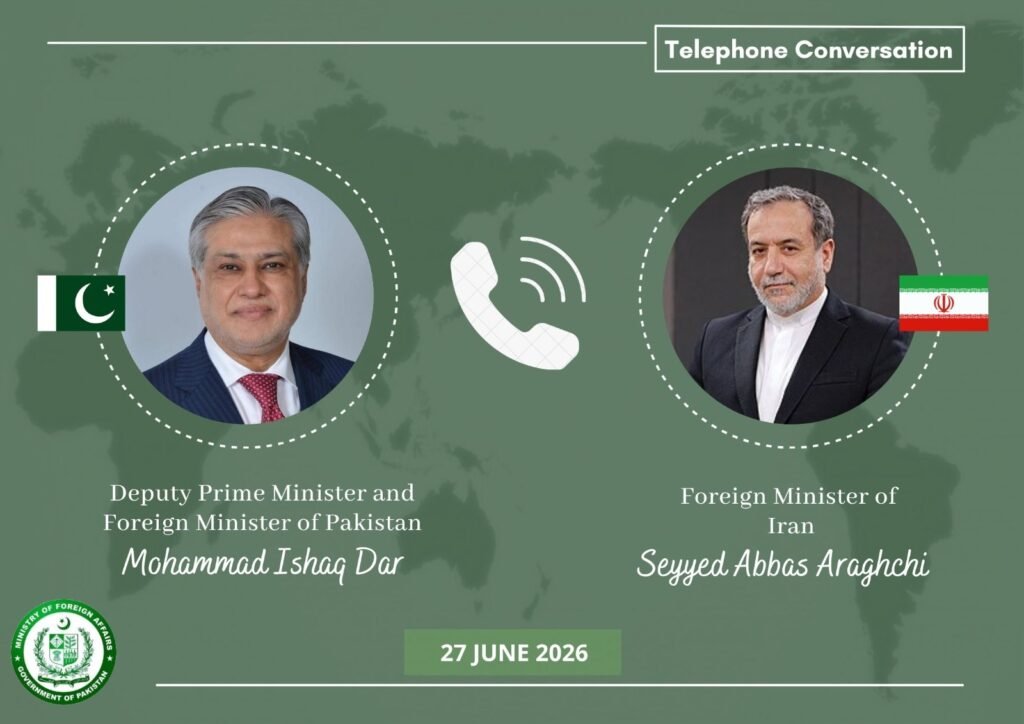
Deputy PM Dar Reaffirms Pakistan’s Commitment To Regional Peace

ISLAMABAD — In a significant move, Deputy Prime Minister and Foreign Minister Senator Mohammad Ishaq Dar reaffirmed Pakistan’s dedication to regional peace. This was highlighted during a conversation with Iranian Foreign Minister Abbas Araghchi on June 26, emphasizing Pakistan’s role in ensuring long-lasting peace and stability. Telephonic Dialogue with Iran On the evening of June 26, Deputy Prime Minister Mohammad Ishaq Dar engaged in a telephonic discussion with Iranian Foreign Minister Abbas Araghchi. The call reinforced Pakistan’s ongoing efforts to foster peace in the region, positioning itself as a stabilizing force. Both ministers stressed the need for collaboration between Pakistan and Iran to tackle regional challenges and promote shared interests. Foreign Minister Araghchi expressed his appreciation for Pakistan’s unwavering support in advancing regional peace initiatives. He noted Pakistan’s critical role in facilitating dialogue and cooperation among neighboring countries. This exchange reflects their mutual commitment to strengthening bilateral relations and addressing regional issues collaboratively. This dialogue is particularly relevant as both nations navigate complex geopolitical dynamics. Pakistan’s reaffirmed commitment is perceived as a positive move towards enhancing diplomatic ties and fostering cooperation in South Asia and the Middle East. Pakistan’s Diplomatic Role Historically, Pakistan has been an integral player in regional diplomacy, often mediating conflicts. Sharing borders with Iran, Afghanistan, and India, Pakistan’s function in regional stability is crucial. The country has consistently engaged in peace initiatives, particularly involving Afghanistan’s ongoing conflicts. The Pakistan-Iran relationship has experienced fluctuations due to broader geopolitical tensions. However, both nations have shown a consistent desire to enhance their relationship, focusing on trade, security, and cultural exchange. Economic and Political Implications Pakistan’s commitment to regional peace holds significant implications domestically and internationally. Economically, stability can lead to heightened trade and investment opportunities, strengthening Pakistan’s economy. Acting as a peace facilitator, Pakistan stands to attract foreign investments and foster its economic partnerships. Socially, regional peace enhances living conditions, reducing conflict threats, and improving security. This creates a conducive environment for development, benefiting both Pakistan and its neighbors. Politically, advocating for peace bolsters Pakistan’s international standing. Active participation in regional diplomacy can consolidate Pakistan’s relationships with global powers, enhancing its influence in regional affairs. This facilitates greater cooperation on issues like counter-terrorism and sustainable development. Internationally, the partnership between Pakistan and Iran can aid broader efforts to stabilize the Middle East and South Asia, contributing to global peace initiatives.

Business

Pakistan Plans Transparent Petroleum Pricing to Reduce Consumer Costs

ISLAMABAD — Federal Minister for Petroleum Ali Pervaiz Malik announced on Saturday the government’s plan to implement a transparent framework for petroleum pricing, aiming to alleviate the financial burden on consumers. This initiative is part of Pakistan’s commitment to international agreements. A high-level committee, under the Prime Minister’s directives, has been established to ensure fair price determination. Announcement Details During a press briefing in Islamabad, Ali Pervaiz Malik outlined the government’s intention to reform the petroleum pricing mechanism. He stressed the need for a more transparent pricing structure that reflects international market dynamics. Malik stated, “Efforts are underway to ease the burden on consumers while adhering to our international commitments.” The committee, guided by Prime Minister Shehbaz Sharif, is responsible for developing the new framework. Its main aim is to ensure that petroleum product pricing is conducted transparently to benefit consumers. Malik hinted at “good news” for the public soon, suggesting the framework could lead to more favorable pricing for consumers. While no specific timeline for the new system’s implementation was provided, the minister indicated that the process is nearing completion. He assured that the government is committed to aligning with international standards while protecting Pakistani citizens’ interests. The Context of Petroleum Pricing Petroleum pricing in Pakistan has long been controversial, with frequent consumer dissatisfaction over price hikes. The pricing mechanism is influenced by various factors, including international oil prices, exchange rates, and government taxes. Historically, the lack of transparency in price determination has led to public outcry and demands for reform. In recent years, the government has faced challenges balancing consumer interests with fiscal responsibilities. Global oil price fluctuations, combined with domestic economic pressures, have made stable petroleum pricing difficult. Previous reform attempts have been hindered by bureaucratic and political obstacles. Significance of Transparent Pricing The initiative to establish a transparent petroleum pricing framework holds significant economic and social implications. Economically, it aims to relieve consumers burdened by volatile fuel prices. Lower petroleum costs could reduce transportation and production expenses, benefiting the broader economy. Socially, transparent pricing is expected to enhance public trust in government institutions. By ensuring prices are determined fairly and openly, the government can address longstanding grievances and improve its relationship with the public. This move could also prevent frequent protests and strikes traditionally triggered by sudden price hikes. Politically, the government’s commitment to transparency aligns with its broader reform and accountability agenda. Addressing one of the most visible economic issues strengthens the administration’s domestic position and demonstrates responsiveness to citizen needs. Internationally, adhering to transparent pricing mechanisms can enhance Pakistan’s standing with global partners and investors. It signals a commitment to economic reform and stability, potentially attracting foreign investment and improving bilateral relations. Key Takeaways The Pakistani government is working on a transparent petroleum pricing framework to reduce consumer costs. This effort is part of Pakistan’s commitment to international agreements. A high-level committee has been established to oversee fair price determination. The new framework could lead to more favorable petroleum pricing for consumers.

Business

Chinese Firms Present Agricultural Innovations for Pakistan at Supply Chain Expo

BEIJING — Chinese agricultural companies showcased a variety of advanced solutions at the 4th China International Supply Chain Expo (CISCE) from June 22 to 26. These innovations aim to enhance Pakistan’s agricultural sector significantly. Showcasing Innovations The CISCE provided a platform for Chinese firms to exhibit their latest technologies designed to aid Pakistan’s agriculture. The YTO Group, part of the China National Machinery Industry Corporation (SINOMACH), was a key participant. They have been exporting tractors to Pakistan, customized to meet local farmers’ needs for efficiency and reliability. Additional solutions included high-yield crop seeds and water-saving irrigation systems. These are crucial for modernizing Pakistan’s agriculture by addressing low crop yields and water scarcity. Chinese companies are committed to supporting sustainable agricultural growth in Pakistan through technology transfer and capacity building. Agricultural Collaboration Company representatives emphasized the impact of their technologies on empowering Pakistani farmers. “Our goal is to equip Pakistan with tools to increase agricultural output while conserving resources,” stated a leading firm spokesperson. The expo also sparked discussions on potential collaborations and investments to further strengthen China-Pakistan agricultural ties. Bilateral Relations China and Pakistan share a longstanding partnership in agriculture, collaborating on projects to boost productivity and sustainability. The China-Pakistan Economic Corridor (CPEC) plays a pivotal role, with numerous initiatives focused on enhancing agricultural infrastructure and technology. Pakistan’s agriculture faces challenges like outdated techniques and inadequate access to machinery and water management. China provides technological support and investment to overcome these hurdles. The CISCE is integral to showcasing adaptable Chinese technology for Pakistani needs. Economic Significance As a cornerstone of Pakistan’s economy, agriculture employs a large portion of the population and substantially contributes to GDP. However, persistent issues have limited growth. Chinese agricultural innovations offer a chance to boost efficiency and productivity significantly. Economically, these advancements could increase agricultural exports, improving Pakistan’s trade balance and supporting rural economies. Socially, technology adoption can enhance farmers’ livelihoods by boosting income and reducing labor intensity. Strengthening ties with China aligns with Pakistan’s broader strategic goals of bolstering bilateral relations and leveraging CPEC for economic development.

Scroll to Top