Business

Business – NEN Agency

Welcome to the Business section of NEN Agency, where we decode Pakistan’s economy, spotlight entrepreneurs, and track global market trends. From corporate boardrooms to small-town startups, our coverage connects you to the decisions, deals, and developments shaping financial life in Pakistan and beyond.

Inside This Category

  • Pakistan Economy: Government policies, taxation, inflation, trade, and growth indicators.

  • Startups & SMEs: Success stories of Pakistani entrepreneurs and innovative ventures.

  • Stock Market & Finance: Updates on PSX, forex, banking, and financial literacy.

  • Global Business: Trends from international markets, MNC activities, and economic events.

Why Our Business Coverage Stands Out
We don’t just report the numbers — we explain what they mean for you. Our team digs deeper into the “why” behind every headline, giving readers the context they need to make informed decisions.

Business

Kaghan Valley Attracts Over 109,000 Tourists Amid Record KP Visitor Surge

KAGHAN — On June 25, 2026, the picturesque Kaghan Valley in Khyber Pakhtunkhwa (KP) welcomed an impressive 109,292 domestic tourists, along with 30 international visitors. This data by the Khyber Pakhtunkhwa Culture and Tourism Authority (KPCTA) highlights a total of 231,786 domestic explorers in the province that day. Surge in Tourism The Naran-Kaghan region has emerged as a central tourism hub in KP, attracting visitors with its stunning landscapes and refreshing climate. KPCTA statistics underscore the area’s increasing popularity, particularly in the summer, when domestic travel thrives. June 25, 2026, marked an unparalleled influx of tourists, establishing it as one of the busiest tourism days recorded recently. KPCTA’s Role in Tourism Growth The KPCTA actively promotes the province’s natural allure and cultural heritage through infrastructure enhancement and better remote area access. These initiatives seem fruitful, as reflected in the high visitor turnout. “The tourist influx is a result of effective promotional campaigns and the region’s natural charm,” stated a KPCTA official. Predominantly domestic, the 30 foreign tourists’ presence highlights the region’s international appeal. This interest is partly due to KP’s rising visibility on global platforms and local efforts to ensure visitor safety and hospitality. Background on KP Tourism Khyber Pakhtunkhwa, with diverse landscapes from mountains to valleys, has long been a prime destination for those seeking natural beauty and adventure. Factors like security and infrastructure historically influenced its tourism sector. However, recent provincial government efforts focus on revamping tourism with better security and infrastructure investments. The KPCTA has been instrumental in this change, launching campaigns to showcase regional attractions and organizing events to draw tourists. Their emphasis on sustainable tourism and community involvement ensures tourism growth benefits for local communities. Economic and Social Impact The tourist surge in Kaghan and across KP significantly impacts the regional economy and social fabric. Tourism is a crucial economic engine, offering income and job opportunities to local communities. The influx boosts local businesses, from hotels and restaurants to transport services and artisan vendors. Additionally, increased tourism fosters cultural exchange and understanding, encouraging appreciation of Pakistan’s diverse heritage and promoting goodwill. KP’s tourism success could model for other Pakistani provinces, pushing nationwide tourism development. Such growth could diversify Pakistan’s economy, reducing reliance on traditional sectors and enhancing its global image as a welcoming destination. Key Takeaways Kaghan Valley attracted over 109,000 domestic tourists in a single day, underscoring its appeal. On June 25, 2026, KP saw over 231,000 domestic tourists. Efforts by the KPCTA to enhance tourism and infrastructure show positive outcomes. The presence of foreign tourists suggests growing international interest.


Business

Pakistan Named Guest of Honor at China-Eurasia Expo in Urumqi

URUMQI — Pakistan has been designated as the Guest of Honor at the 9th China-Eurasia Expo, which began on June 26 in Urumqi. This event, themed “New Opportunities of the Silk Road; New Vitality for Eurasian Cooperation,” underscores the strengthening trade and economic ties between Pakistan and China. Pakistan’s Ambassador to China, Khalil Hashmi, was present at the opening ceremony, representing the nation at this important international gathering. Event Overview The 9th China-Eurasia Expo, located in Urumqi, Xinjiang, serves as a pivotal platform for enhancing economic cooperation and trade among Eurasian nations. Pakistan’s role as the Guest of Honor signals its strategic importance in the region and its growing economic partnership with China. The expo runs for several days and includes various exhibitions and forums aimed at bolstering regional connectivity and economic collaboration. Pakistan’s Strategic Participation Ambassador Khalil Hashmi, during his address at the opening ceremony, emphasized the deep-rooted ties between Pakistan and China. He stated, “Our participation as the Guest of Honor reflects the robust relationship and mutual trust between our two countries.” He also highlighted the potential for increased trade and investment opportunities, especially in sectors like technology, agriculture, and infrastructure development. The expo hosts representatives from numerous countries, showcasing diverse products and services. Pakistan’s pavilion at the expo presents a wide array of goods, including textiles, handicrafts, and agricultural products, aiming to attract potential investors and buyers from across the region. Background and Importance The China-Eurasia Expo is a biennial event that started in 2011. It is designed to promote economic and cultural exchanges along the Silk Road Economic Belt. It plays a key role in China’s Belt and Road Initiative (BRI), which seeks to enhance trade and infrastructure networks connecting Asia with Europe and Africa. Pakistan, a significant partner in the BRI, has been involved in numerous projects under the China-Pakistan Economic Corridor (CPEC), a flagship component of the initiative. Historical Ties Historically, Pakistan and China have maintained a strong bilateral relationship, marked by mutual cooperation in fields such as defense, technology, and trade. The designation of Pakistan as the Guest of Honor at this year’s expo testifies to the enduring partnership between the two nations. Benefits for Pakistan Pakistan’s participation as the Guest of Honor is significant for multiple reasons: Economic Impact: It provides a platform to showcase products and investment opportunities, boosting exports and attracting foreign investment. This is crucial for Pakistan’s economy, aiming to diversify its export base and reduce the trade deficit. Political Alliance: The event reinforces Pakistan’s strategic alliance with China, pivotal in regional geopolitics. As China expands its influence through the BRI, Pakistan’s role as a key partner in this initiative can enhance its regional standing and economic prospects. Social Exchange: The expo offers cultural exchange opportunities, fostering people-to-people connections that strengthen bilateral ties beyond economic and political dimensions. For Pakistani citizens, increased trade and investment can lead to job creation and economic development, improving living standards and contributing to national growth. Key Takeaways Pakistan was designated as the Guest of Honor at the 9th China-Eurasia Expo in Urumqi. The event highlights growing trade and economic linkages between Pakistan and China. Pakistan’s participation aims to boost exports and attract investment opportunities.

Business

Uzbekistan, Georgia Strengthen Partnership to Enhance Eurasian Connectivity

ISLAMABAD — Uzbekistan and Georgia have announced a strategic partnership to enhance transport connectivity between Central Asia and the South Caucasus. This initiative positions both nations as key players in developing new trade routes that link Asia and Europe. The collaboration aims to leverage the geographical strengths of both countries to facilitate alternative pathways for commerce. Formalizing the Strategic Partnership On June 26, Uzbekistan and Georgia solidified their strategic partnership with a primary focus on improving transport links. This effort seeks to boost economic ties and establish more efficient trade routes across Eurasia. Sh. Akhmedov from the Center for the Study of Transportation and Logistics Development highlighted the partnership’s role in promoting regional cooperation and economic growth. The agreement includes plans to enhance infrastructure, streamline customs procedures, and foster joint ventures in logistics and transportation. Uzbekistan aims to act as a gateway to Central Asia, while Georgia offers access to the Black Sea. The partnership is expected to reduce transit times and costs, enhancing the competitiveness of goods transported through these regions. Creating New Trade Routes This collaboration is part of a broader effort to create alternative trade routes that bypass traditional, often congested, or politically sensitive corridors. By developing new pathways, Uzbekistan and Georgia aim to attract more international trade and investment, thereby stimulating their economies. Background and Strategic Importance Historically, Trans-Siberian Railway and maritime routes via the Suez Canal dominated trade routes between Asia and Europe. However, geopolitical tensions and logistical challenges are prompting countries to explore alternatives. Central Asia and the South Caucasus have become viable options due to strategic locations and infrastructure developments. Uzbekistan is actively pursuing connectivity projects as part of its economic reform agenda, investing heavily in modernizing its road and rail networks. Georgia focuses on enhancing port facilities and transport infrastructure to improve trade across the Black Sea. International Collaborations Both countries are part of global initiatives like China’s Belt and Road Initiative, aiming to foster trade connectivity through infrastructure investments. These efforts complement their strategic partnership, offering a framework for continued cooperation. Implications for Global Trade This strategic partnership between Uzbekistan and Georgia significantly impacts regional and global trade dynamics. By creating efficient trade routes, both nations can reduce dependency on traditional corridors and enhance economic resilience. For Uzbekistan, the partnership provides a chance to diversify its economy and attract foreign investment, driving economic growth. Georgia benefits by enhancing its role as a gateway to Europe, strengthening its logistics and transportation sectors. The partnership offers broader implications for Eurasian connectivity, contributing to more integrated regional trade networks. It fosters economic cooperation and stability, advantageous not only to Uzbekistan and Georgia but to the entire region.

Business

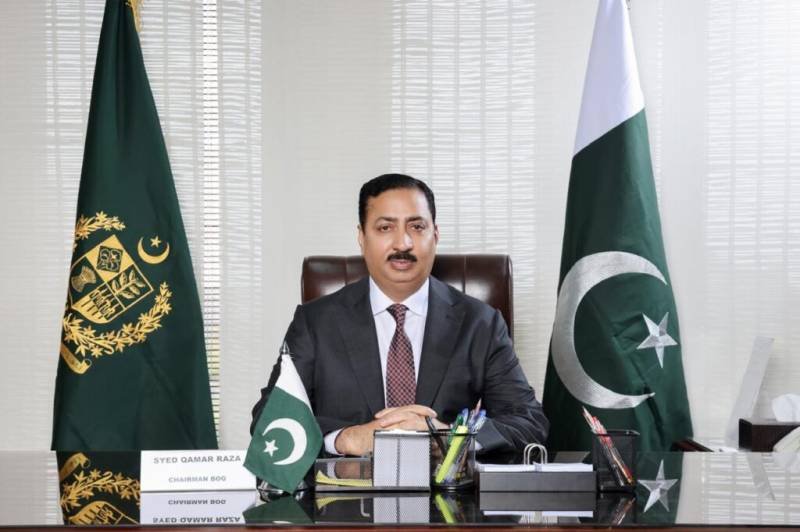
Overseas Complaint System Achieves 83% Resolution Rate, Says OPF Chairman

ISLAMABAD — The Overseas Pakistanis Foundation (OPF) has improved its complaint resolution system, achieving an 83% success rate. Chairman Syed Qamar Raza announced this development on Friday, highlighting the foundation’s commitment to overseas Pakistanis through enhanced digital channels. Advancements in Complaint Management During a discussion with a local media outlet, Chairman Syed Qamar Raza detailed the OPF’s advancements in complaint management. The foundation has strengthened its 24/7 resolution mechanisms, including WhatsApp, email support, and an online portal. These digital platforms have collectively contributed to the 83% resolution rate for complaints from overseas Pakistanis. The initiative aims to streamline grievance redressal for Pakistanis abroad. Raza stated, “Our goal is to ensure that overseas Pakistanis’ voices are heard and issues resolved promptly.” These efforts are part of broader reforms to enhance the support system for the diaspora. Raza emphasized technology’s role in improving service delivery. OPF’s digital platforms provide timely assistance, allowing for efficient issue reporting and feedback. The integration of these platforms facilitates a responsive and transparent complaint handling process. OPF’s Evolution and Objectives Established in 1979, the OPF aims to protect overseas Pakistanis’ interests. Over the years, it has addressed various challenges faced by the diaspora, including legal and educational support. The complaint resolution system is a key part of the OPF’s mandate to support overseas Pakistanis effectively. Historically, OPF faced challenges in complaint resolution due to bureaucratic hurdles and limited resources. However, recent reforms leverage technology to overcome these barriers. The shift to digital complaint platforms marks a move away from traditional methods, offering a user-friendly interface for overseas Pakistanis. Economic and Social Impact The enhanced complaint resolution system is crucial for the estimated nine million Pakistanis living overseas. These individuals significantly contribute to Pakistan’s economy through remittances, a vital source of foreign exchange. By addressing their concerns promptly, the OPF fosters trust and reliability within the diaspora. Effective complaint resolution could encourage more overseas Pakistanis to invest in Pakistan, knowing their issues will be handled efficiently. This may increase remittances and investments, bolstering economic stability. Socially, the initiative strengthens the link between overseas Pakistanis and their homeland. Efficient grievance addressal enhances expatriates’ sense of belonging and connection to Pakistan. Politically, the government’s support for such initiatives underscores its commitment to citizens’ welfare abroad, potentially improving its image and relations with the diaspora. Key Takeaways The OPF has achieved an 83% success rate in resolving overseas Pakistanis’ complaints. The foundation has enhanced digital complaint platforms, including WhatsApp, email, and an online portal. These reforms aim to improve service delivery and foster trust among the Pakistani diaspora.

Business

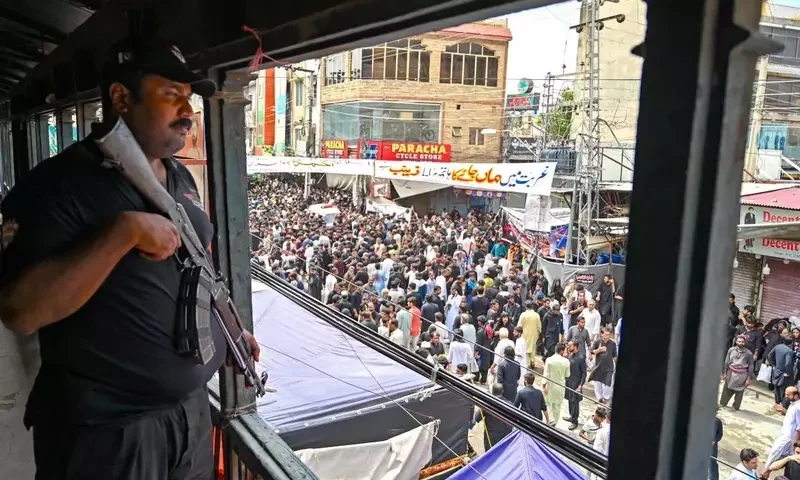
Ashura Procession in Khanewal Conducted with Extensive Security Measures

KHANEWAL — On Friday, June 26, the central 10th Muharram procession was conducted in Khanewal with stringent security and administrative arrangements. Deputy Commissioner Maliha Rashid oversaw the proceedings, ensuring all civic departments actively facilitated the mourners. Event Overview The Ashura procession marked the 10th day of Muharram, with a significant turnout of mourners commemorating Imam Hussain’s martyrdom. Participants engaged in traditional rituals and recitations, creating a solemn atmosphere. Deputy Commissioner Maliha Rashid led the local administration in implementing a comprehensive safety plan for attendees. Security Measures Security was a top priority. Law enforcement agencies, including police and volunteers, were deployed strategically along the route to maintain order and prevent incidents. The route was cordoned off, with monitored entry points to control participant flow and ensure safety. Public Amenities The local government provided public amenities to support participants. Sabeels, or refreshment stalls, offered cold drinks and refreshments. Medical teams were on standby to provide immediate assistance if needed. Civic departments coordinated seamlessly to address the procession participants’ needs. Historical Significance Muharram, the first month of the Islamic lunar calendar, is highly significant for Muslims, especially the Shia community. The 10th day, Ashura, commemorates Imam Hussain’s martyrdom at the Battle of Karbala in 680 AD. This event is pivotal in Islamic history, observed with deep reverence and mourning worldwide. In Pakistan, Ashura processions occur in various cities and towns, requiring extensive planning and coordination for safe and respectful execution. The historical context underscores Ashura’s enduring cultural and religious significance in the country. Significance of the Event The successful execution of the Khanewal Ashura procession highlights effective local authority and community collaboration. It emphasizes maintaining religious harmony and citizen safety during significant cultural and religious events. Security and administrative measures demonstrate the government’s commitment to upholding religious minorities’ rights and practices. Economically, these events positively impact local businesses, as increased activity benefits vendors and small businesses demanding food, beverages, and necessities. Law enforcement presence fosters community security and trust, crucial for social cohesion. Internationally, peaceful Ashura processions in Pakistan demonstrate the country’s capability to manage large-scale religious events, promoting religious tolerance and coexistence for social and political stability. Key Points The Ashura procession in Khanewal was conducted with strict security and administrative measures. Deputy Commissioner Maliha Rashid supervised the arrangements, ensuring participant safety and comfort. Public refreshment stalls and medical teams supported the procession. The event underscores Pakistan’s dedication to religious tolerance. Local businesses benefit from increased activity during such events.

Business

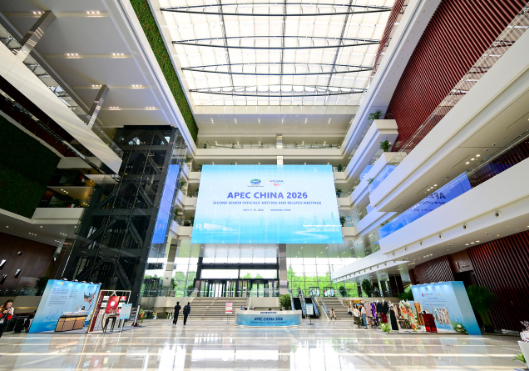
China’s Digital Trade Networks May Boost Pacific Firms’ Market Access

BEIJING — China’s digital supply chains could greatly enhance the market access of small businesses in Pacific island nations, according to Brett O’Riley, an adviser to the APEC Business Advisory Council (ABAC). O’Riley spoke at the APEC CEO China Forum in Beijing on June 25 about how digital networks could transform trade dynamics in the region. Trade Dynamics at the Forum During the APEC CEO China Forum, New Zealand’s ABAC representative, Brett O’Riley, highlighted China’s role in facilitating market access through digital trade networks for Pacific firms. He noted these networks could lower barriers for small and medium-sized enterprises (SMEs), aiding their participation in regional commerce. O’Riley pointed out that digitalizing supply chains offers a platform for businesses traditionally marginalized due to logistical challenges. “Digital trade networks can level the playing field for small businesses by reducing costs and improving efficiency,” he stated. The forum gathered business leaders and policymakers to discuss enhancing economic cooperation and integration in the Asia-Pacific region. Emphasis was placed on digital infrastructure’s importance in fostering economic growth and resilience, especially after COVID-19 disruptions. Strategic Importance of Digital Trade The APEC Business Advisory Council advises APEC leaders on business priorities and concerns, impacting trade and investment policies in the Asia-Pacific region. China’s expanding influence in digital trade is part of its broader strategy to strengthen economic ties with neighboring areas. Historically, Pacific island nations have struggled to access regional markets due to geographic isolation and limited infrastructure. These challenges worsened with the COVID-19 pandemic, which disrupted traditional supply chains and emphasized digital solutions’ necessity. China’s Belt and Road Initiative includes investments in digital infrastructure, aiming to create seamless trade routes and digital corridors. This initiative partners with Pacific island nations to enhance their digital capabilities, integrating them into regional trade networks. Economic and Social Implications Integrating Pacific island nations into China’s digital trade networks could have significant economic and social impacts. By reducing trade barriers, these networks can boost economic growth in countries reliant on industries like tourism and agriculture. For Pacific small businesses, digital trade networks offer a chance to diversify markets and improve competitiveness. This could lead to job creation, increased incomes, and better living standards. Additionally, regional trade participation enhances economic resilience and reduces dependence on traditional partners. On a global scale, expanding digital trade networks aligns with trends toward digitalization and e-commerce. As more entities move online, engaging in digital trade becomes vital for economic success. China’s efforts to improve Pacific region digital infrastructure could be a model for other nations aiming to boost their digital trade capabilities. Key Takeaways China’s digital trade networks could improve market access for Pacific island SMEs. Digital infrastructure is essential for economic resilience and growth. China’s Belt and Road Initiative includes significant investment in digital trade corridors. Digitalization offers marginalized firms a platform to engage in global commerce. Regional integration through digital trade boosts economic diversification and competitiveness.

Business

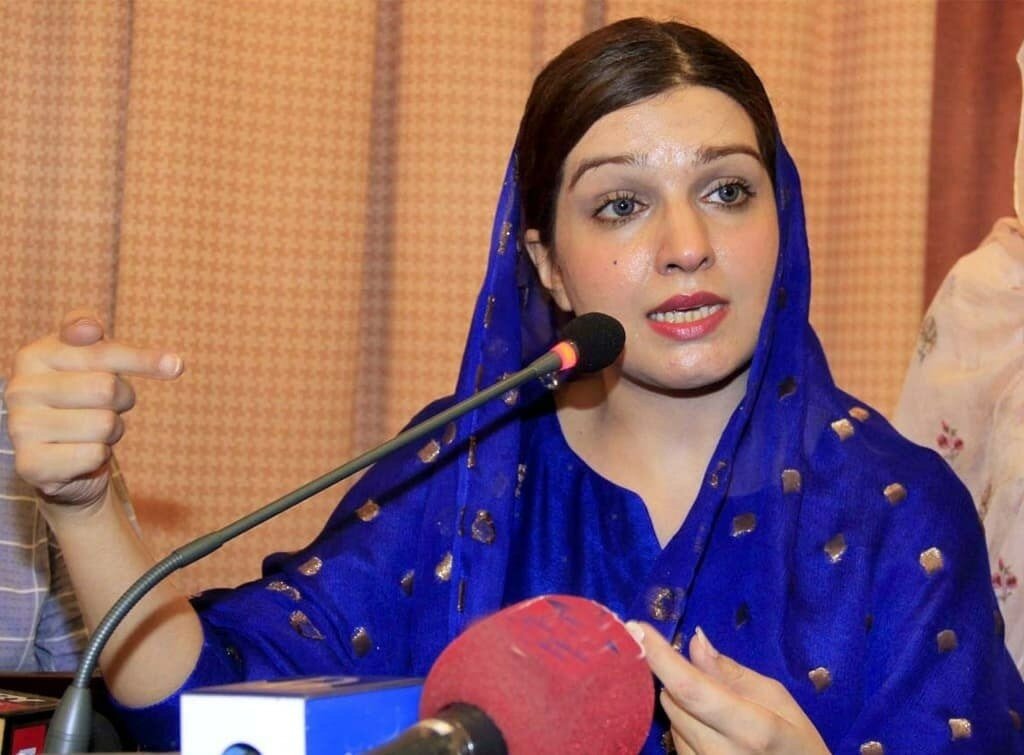
Mushaal Mullick Calls For Global Action On Human Rights In Kashmir

ISLAMABAD — Mushaal Hussein Mullick, wife of jailed Hurriyat leader Yasin Malik, has called for international action to protect human rights and establish peace in Indian Illegally Occupied Jammu and Kashmir (IIOJK). She cited the historical events of Karbala as a powerful symbol of resistance against oppression, aligning with the struggles of Kashmiris. Recent Developments On June 26, Mushaal Mullick addressed ongoing human rights issues in IIOJK, urging global intervention to ensure justice for the oppressed population. She emphasized the enduring relevance of the Karbala narrative, which inspires those fighting tyranny and injustice. Her husband, Yasin Malik, remains imprisoned amid ongoing tensions. Mullick stated, “The message of Karbala is timeless, inspiring oppressed people worldwide, including Kashmiris.” She urged the international community to take “meaningful and effective steps” to address human rights violations in the region. Reports highlight human rights abuses such as restrictions on freedom of expression, arbitrary detentions, and excessive force by security personnel. Mullick aims to galvanize international support to pressure India into action. Historical Context The Kashmir conflict began with the partition of British India in 1947, leading to the creation of India and Pakistan. Both nations claim the region but control only parts of it. The dispute has caused several wars and persistent skirmishes, with heightened military presence recently. In August 2019, India’s government abrogated Article 370, revoking Jammu and Kashmir’s special status. This fueled protests and drew condemnation from international human rights organizations. The region remains under increased restrictions and surveillance with ongoing rights violation reports. Significance of the Conflict The IIOJK situation has far-reaching implications for regional stability and international relations. The conflict could escalate into a broader military confrontation between nuclear-armed India and Pakistan. Such an escalation would impact not only South Asia but global peace and security. From a human rights viewpoint, the global response to Kashmir tests the commitment to fundamental freedoms and justice. Inaction could set a precedent for tolerating rights abuses in other conflict zones. Kashmir’s plight also highlights the broader issue of self-determination and the right to autonomy. Economic Impact Economic instability in Kashmir disrupts regional trade and development. The conflict deters investment, hindering potential growth and prosperity in the area. Addressing human rights issues could lead to economic recovery and improved living standards for Kashmir’s residents. Key Takeaways Mushaal Mullick urges international action on Kashmir human rights issues. Her appeal aligns with historical narratives of resistance against oppression. The conflict has significant implications for regional stability and global peace. Economic disruptions affect growth and investment in the region. Addressing rights violations could pave the way for recovery and autonomy.

Business

WAPDA Completes Restoration Of Gomal Zam Power Unit

PESHAWAR — The Water and Power Development Authority (WAPDA) has successfully restored the damaged power-generating unit of the Gomal Zam Hydel Power Station. This unit has been synchronized with the National Grid after completing all necessary commissioning tests, ensuring full operational readiness. What Happened The Gomal Zam Hydel Power Station in South Waziristan had a power-generating unit out of service due to technical issues. WAPDA announced on June 25 that the unit is now fully functional. This development stabilizes power supply from this crucial regional energy component. WAPDA officials said rigorous testing and commissioning ensured the unit’s safe, reliable operation. Synchronizing Unit No.1 with the National Grid means the station again contributes to Pakistan’s electricity supply. A WAPDA spokesperson stated, “Restoring the unit enhances power generation capacity, meeting the region’s energy demands.” The Gomal Zam Dam, housing the hydel power station, is a multi-purpose project for irrigation, flood control, and power generation. Restoring its power capacity improves the dam’s overall utility and efficiency. Background Initiated in the early 2000s, the Gomal Zam Dam project is a key infrastructure effort to improve water management and energy production. Located on the Gomal River in South Waziristan, its remote location and security issues have posed challenges. The hydel power station has been vital in supplying electricity to surrounding areas, supporting the local economy and agricultural activities through irrigation. However, technical issues and maintenance needs have occasionally disrupted operations, requiring repairs and upgrades. Why It Matters The restoration of the Gomal Zam power unit is crucial for several reasons. Economically, the boost in power generation alleviates energy shortages, especially in remote areas. Enhanced power reliability supports local industries and agriculture, vital for regional development. Socially, better power supply improves living conditions for residents. Reliable electricity is essential for schools, healthcare, and businesses, enhancing the overall quality of life. Politically, it shows WAPDA’s commitment to maintaining and improving energy infrastructure. This boosts public confidence in managing crucial projects, important for political stability and development. Internationally, the project highlights Pakistan’s efforts to improve energy security and infrastructure resilience. Successful initiatives like the Gomal Zam restoration attract foreign investment, fostering international partnerships in the energy sector. Key Takeaways WAPDA has restored the Gomal Zam Hydel Power Station’s damaged unit, synchronizing it with the National Grid. The restoration boosts the station’s power generation capacity, contributing to regional energy supply. The Gomal Zam Dam project plays a critical role in water management and energy production.

Business

Muharram Procession Observed with Traditional Mourning Rituals in Rahmatpur

RAHMATPUR — Mourners participated in traditional self-flagellation with knives and chains during a Muharram procession on the 9th of Muharramul Haram. The procession through Rahmatpur Road marks a key event in the month commemorating the martyrdom of Hazrat Imam Hussain (RA), grandson of the Holy Prophet Mohammad (PBUH). Significant Day in Islamic Calendar On the 9th of Muharram, a critical date in the Islamic calendar, mourners gathered in Rahmatpur for a traditional procession. This includes self-flagellation, a symbolic gesture of solidarity with Hazrat Imam Hussain (RA) and his followers, martyred during the Battle of Karbala in 680 AD. The procession solemnly moved along Rahmatpur Road, drawing large crowds of participants and onlookers. Enhanced security ensured the safety of attendees, with police and community leaders managing the event. The procession is among several events culminating in Ashura, observed with even greater devotion. Religious and Cultural Traditions Participants chanted elegies and recited poetry commemorating Imam Hussain (RA) and his companions. The atmosphere was one of deep mourning, with many expressing devotion through tears and prayers. Muharram, the first month of the Islamic lunar calendar, holds immense religious importance, especially for Shia Muslims. This period mourns the martyrdom at Karbala, symbolizing the struggle against tyranny. Traditions like processions and self-flagellation have been observed for centuries, allowing the faithful to express grief and reaffirm their commitment to the values of Imam Hussain (RA). Impact and Significance The Muharram processions express profound religious and cultural identity, especially in Pakistan, where a considerable portion of the population observes these rituals. They underscore the historical and spiritual significance of sacrifices at Karbala and reinforce themes of justice and sacrifice. The observance of Muharram highlights the diversity within Islam, with varied commemorations reflecting the faith’s history. These processions also serve as platforms for expressing contemporary socio-political grievances and aspirations. Economically, Muharram observances impact local businesses with increased demand for goods and services tied to the rituals. Moreover, security and public safety measures require significant coordination and resources from local authorities. Key Points The Muharram procession in Rahmatpur featured traditional self-flagellation rituals. Muharram honors the martyrdom of Hazrat Imam Hussain (RA) at Karbala. Processions are a major expression of religious and cultural identity. Security measures ensure the safety of participants. Muharram observances have economic and socio-political impacts. Source Attribution Information in this article was sourced from the Associated Press of Pakistan (APP), reporting on the Muharram events.

Business

Ahsan Iqbal Meets German Ambassador Ina Lepel in Islamabad

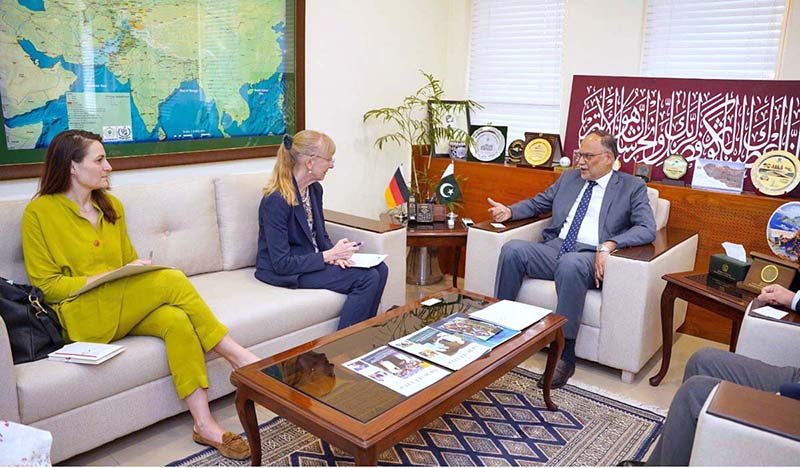
ISLAMABAD — Federal Minister for Planning, Development and Special Initiatives Ahsan Iqbal met with Ina Lepel, Ambassador of the Federal Republic of Germany to Pakistan, at the Ministry of Planning, Development and Special Initiatives on Monday. The courtesy call aimed to strengthen bilateral relations and discuss potential cooperation between Pakistan and Germany. Discussion Points During the meeting, Minister Ahsan Iqbal and Ambassador Ina Lepel explored several aspects of Pakistan-Germany relations. They focused on development projects and initiatives that could benefit both nations. The conversation included potential collaborations in: Renewable energy Infrastructure development Vocational training Minister Iqbal emphasized the wealth of experience Germany possesses in renewable energy as a global leader. Ambassador Lepel expressed Germany’s interest in supporting Pakistan’s development agenda. She highlighted ongoing projects in Pakistan and indicated Germany’s eagerness to expand its role in the development sector, particularly in sustainable growth and economic stability. Educational and Technical Training Programs The meeting also addressed the importance of educational exchanges and technical training. Minister Iqbal pointed out the need to enhance the skills of Pakistan’s workforce to meet modern industry demands. He suggested that Germany could provide crucial technical assistance and training programs. Both parties acknowledged the longstanding diplomatic ties between Pakistan and Germany, reiterating their commitment to further strengthen these relations through dialogue and cooperation. Historical Context Pakistan and Germany have maintained diplomatic relations since the early 1950s. Germany was among the first to recognize Pakistan’s independence. Over decades, both countries collaborated on various fronts like trade, education, and development aid. Germany is one of Pakistan’s largest trading partners in the EU, with numerous German companies contributing to the local economy. Recently, Germany has been active in supporting Pakistan’s development, notably in renewable energy and vocational training. Through GIZ, Germany has engaged in projects improving energy efficiency and promoting sustainable development in Pakistan. Significance of the Meeting This meeting between Minister Ahsan Iqbal and Ambassador Ina Lepel is vital as it highlights the commitment of both nations to enhance cooperation. Germany’s support is crucial for sectors like renewable energy and vocational training to achieve sustainable economic growth in Pakistan. Strengthening ties with Germany can lead to increased foreign investment in Pakistan, creating jobs, boosting economic activity, and improving living standards for citizens. Politically, the meeting reinforces Pakistan’s relations with a key EU member. In light of global challenges like climate change and economic instability, partnerships with Germany can help Pakistan navigate these obstacles effectively.

Scroll to Top