Business

Business – NEN Agency

Welcome to the Business section of NEN Agency, where we decode Pakistan’s economy, spotlight entrepreneurs, and track global market trends. From corporate boardrooms to small-town startups, our coverage connects you to the decisions, deals, and developments shaping financial life in Pakistan and beyond.

Inside This Category

  • Pakistan Economy: Government policies, taxation, inflation, trade, and growth indicators.

  • Startups & SMEs: Success stories of Pakistani entrepreneurs and innovative ventures.

  • Stock Market & Finance: Updates on PSX, forex, banking, and financial literacy.

  • Global Business: Trends from international markets, MNC activities, and economic events.

Why Our Business Coverage Stands Out
We don’t just report the numbers — we explain what they mean for you. Our team digs deeper into the “why” behind every headline, giving readers the context they need to make informed decisions.

Business

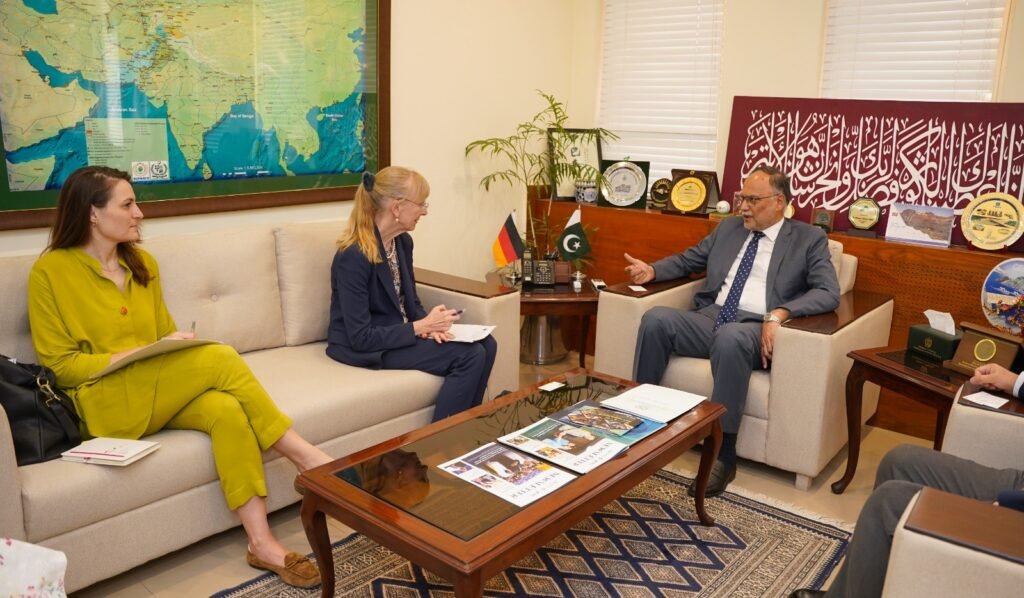
Pakistan, Germany Explore Enhanced Cooperation in Education and Economic Reforms

ISLAMABAD — On Thursday, Germany’s Ambassador to Pakistan Ina Lepel met with Professor Ahsan Iqbal, Pakistan’s Federal Minister for Planning, Development, and Special Initiatives. The meeting in Islamabad focused on expanding bilateral cooperation in sectors like education, tourism, culture, economic reforms, and investment promotion. Both nations are committed to strengthening diplomatic and economic ties. Meeting Highlights During the discussions, Ambassador Lepel and Minister Iqbal explored ways to boost collaboration between Germany and Pakistan. They aim to leverage Germany’s expertise in education and economic reforms to support Pakistan’s development objectives. Both parties emphasized the importance of cultural exchanges and tourism as a means to enhance mutual understanding and cooperation. Professor Ahsan Iqbal highlighted the critical role of educational cooperation, particularly in developing skilled human resources to drive economic growth. He remarked, “Education is a key area where we can learn from Germany’s advanced systems and methodologies.” The potential for German investment in Pakistan’s underdeveloped tourism sector was also noted as offering significant growth opportunities. Germany’s Commitment Ambassador Lepel reaffirmed Germany’s dedication to supporting Pakistan’s economic reform efforts. She stated, “Germany is keen to assist Pakistan in implementing effective economic reforms for sustainable development and prosperity.” A conducive environment for investment is essential to attract foreign investors, according to the ambassador. Historical Context Pakistan and Germany’s diplomatic relations date back to 1951. They have engaged in numerous initiatives, notably in education, renewable energy, and economic development. Germany is among Pakistan’s largest EU trading partners, with bilateral trade recently reaching about $2.5 billion. Historically, Germany has offered technical and financial support to Pakistan, especially in vocational training and energy sector reforms. The German Academic Exchange Service (DAAD) has played a vital role in educational exchanges by providing scholarships and research prospects for Pakistani students and academics. Impact on Development The discussions between Pakistan and Germany have significant implications for Pakistan’s socio-economic advancement. By improving collaboration in education, Pakistan stands to gain from Germany’s expertise in technical and vocational training, crucial for a skilled workforce, productivity, and economic expansion. Tourism development is another promising collaboration area. With its rich cultural heritage and natural landscapes, Pakistan has immense potential to attract international tourists. German investment and know-how can help establish the necessary infrastructure and marketing strategies, positioning Pakistan as an enticing tourist destination. Economic reforms are vital for improving Pakistan’s business environment and attracting foreign investment. Germany’s support can equip Pakistan with the tools and strategies needed for successful reforms, fostering economic stability and growth. Strengthening ties with Germany also elevates Pakistan’s global standing, paving the way for broader engagement with the European Union. This can result in increased trade, investment, and cultural exchanges, benefiting both nations.
Business

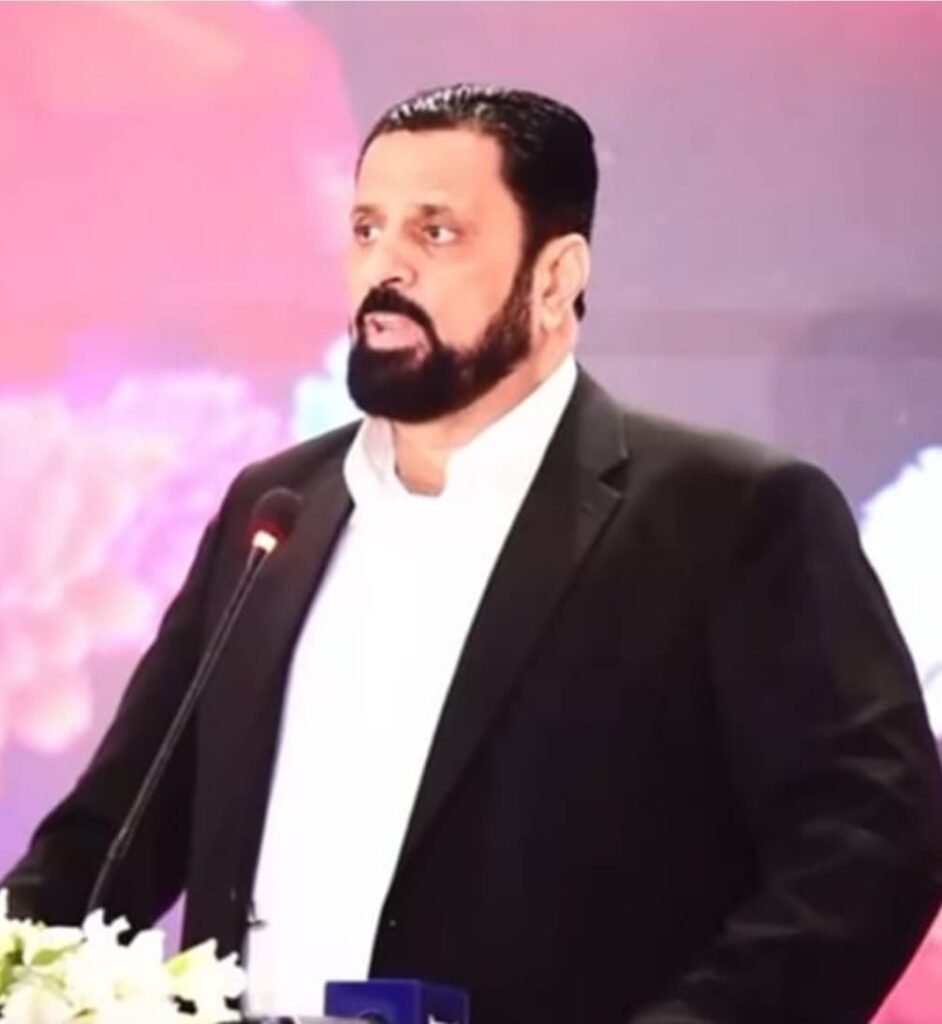
Abdul Razzaq Siddiq Launches Nationwide Free Anti-Snake Bite Serum Program

ISLAMABAD — Renowned philanthropist and business leader Abdul Razzaq Siddiq has initiated the second nationwide free Anti-Snake Bite Serum (ASVS) program in Pakistan. Launched on June 25, 2023, this effort targets remote and rural areas with limited healthcare access, aiming to provide life-saving treatment. Program Details and Expansion As the President of Second World Traders, Inc., Abdul Razzaq Siddiq unveiled the expansion of his humanitarian initiative aimed at reducing snakebite fatalities in Pakistan. The program, first established last year, now extends to even more communities, particularly in areas with scarce medical facilities. Siddiq stressed the dire need for this initiative, highlighting snakebites as a significant health issue in Pakistan, where many lives are lost due to a lack of timely treatment. The program supplies Anti-Snake Bite Serum free of charge to healthcare facilities nationwide. This endeavor should noticeably cut mortality rates tied to snakebites, particularly in rural regions where farming poses a higher risk of venomous snake encounters. Impact and Success Speaking at the launch, Siddiq celebrated the program’s success in its initial year, noting the distribution of thousands of ASVS doses that saved numerous lives. He urged additional philanthropists and organizations to support this cause, emphasizing collaborative efforts’ importance in tackling public health issues. Background on Snakebites Snakebites represent a major public health challenge in Pakistan, with thousands of cases reported annually. The country’s varied geography, from deserts to fertile plains, hosts numerous venomous snake species. Historically, effective treatment access has been constrained, especially in rural areas with underdeveloped healthcare infrastructure. The World Health Organization (WHO) classifies snakebites as a neglected tropical disease and calls for improved treatment and antivenom accessibility. In Pakistan, both the government and non-government organizations strive to enhance awareness and healthcare for snakebite victims. Economic and Social Importance The ASVS program significantly addresses the public health issue of snakebites by providing free antivenom to remote communities. Economically, this decreases fatalities, benefiting rural areas where agriculture is key. Snakebites often impact working-age people, causing economic strain on families and communities. Socially, the program bolsters community resilience, ensuring essential treatments reach the most needy and fostering awareness about seeking timely medical intervention. Internationally, it enhances Pakistan’s profile as a proactive player in combating neglected tropical diseases, potentially garnering support from global health entities. Key Takeaways Abdul Razzaq Siddiq has launched the second nationwide free Anti-Snake Bite Serum program in Pakistan. The initiative targets rural and remote areas with limited healthcare access. Snakebite treatment is crucial for reducing fatalities in vulnerable agricultural communities. The program’s success encourages further philanthropic and organizational support.

Business

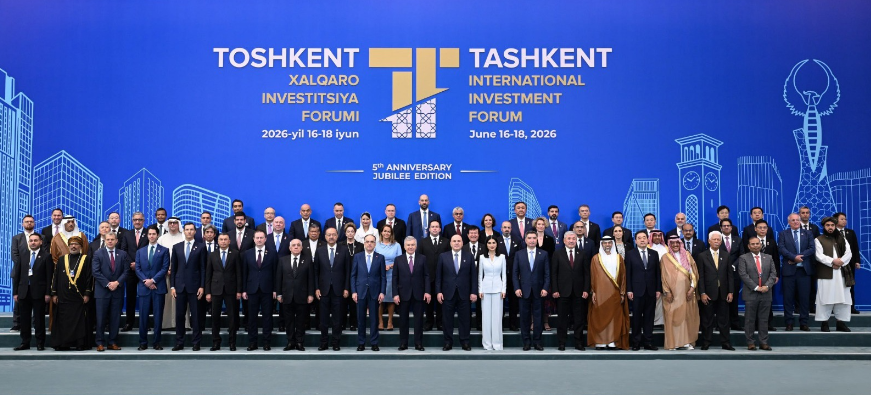
Uzbekistan Hosts TIIF 2026, Cementing Its Global Investment Status

TASHKENT — Uzbekistan is poised to host the Tashkent International Investment Forum (TIIF) 2026, reinforcing its rising global investment significance. This major event in Tashkent will gather world leaders, government officials, investors, and business magnates to discuss and explore investment opportunities in Central Asia. Event Details The Tashkent International Investment Forum, initiated in 2022, has quickly become Central Asia’s leading platform for international investment discussions. The 2026 forum is set to draw a wide range of stakeholders, fostering dialogue and cooperation among global economic players. This event will highlight Uzbekistan’s economic potential and attract foreign direct investment with a platform for networking and idea exchange. Significance and Influence According to Mr. Khalid Taimur Akram, Executive Director of the Pakistan Research Center for a Community with Shared Future (PRCCSF), “TIIF has been instrumental in positioning Uzbekistan as a key player in the international investment landscape.” The forum will feature sessions on crucial sectors like energy, infrastructure, technology, and agriculture, reflecting Uzbekistan’s diverse economic sphere. Attendees will partake in panel discussions, workshops, and one-on-one meetings to better understand the regional investment climate. Economic Reforms and Opportunities Since President Shavkat Mirziyoyev assumed office in 2016, Uzbekistan has embarked on significant economic reforms. These reforms aim to liberalize the economy, improve the business environment, and attract foreign investment. The TIIF is part of broader efforts to integrate Uzbekistan into the global economy. Previous strict government controls over economic activities are now replaced by policies fostering international market engagement and business-friendly environments. Regional Impact The TIIF 2026 underscores Uzbekistan’s strategic move to become a central investment hub in Central Asia. The anticipated success of the forum can potentially boost foreign direct investment, vital for the nation’s economic growth and diversification. By attracting international investors, Uzbekistan intends to reduce dependency on traditional sectors and create new job opportunities. Furthermore, the forum’s focus on technology and infrastructure aligns with global digitalization and sustainability trends, offering opportunities for modern technological partnerships. For Pakistan and surrounding nations, Uzbekistan’s rise as a regional investment center offers prospects for economic collaboration and trade, potentially strengthening regional stability and prosperity. Key Takeaways Uzbekistan will host the Tashkent International Investment Forum (TIIF) in 2026, cementing its growing role in global investment. The forum is designed to attract diverse stakeholders, from investors to business leaders, to explore opportunities in Central Asia. Through economic reforms and strategic initiatives, Uzbekistan positions itself as a key player in the global investment arena.

Business

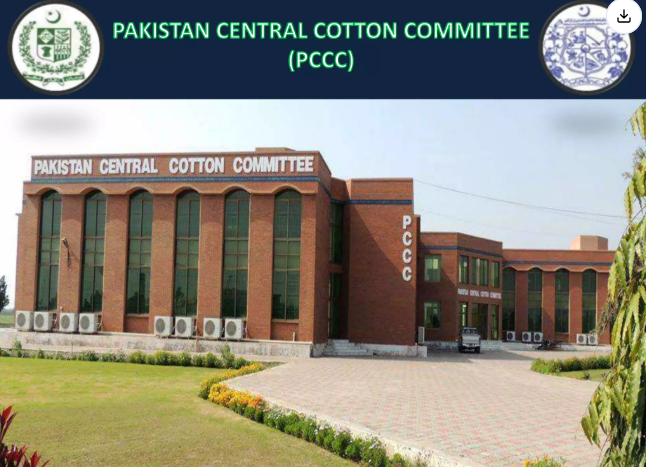
Cotton Commissioner Reviews Research Trials at Multan Institutes

MULTAN — Dr Khadim Hussain, CEO of the Pakistan Central Cotton Committee (PCCC) and Cotton Commissioner, inspected research trials at the Cotton Research Institute (CRI) in Multan. His visit on June 24 focused on assessing the National Coordinated Varietal Trials (NCVT) and ongoing research projects. Inspection of Research Trials Dr Khadim meticulously reviewed the trial planning and experimental plots at CRI. He evaluated the current crop’s performance and examined preliminary data. This inspection is part of a broader initiative to ensure research aligns with national agricultural goals, enhancing cotton production. During his walkthrough, Dr Khadim engaged with the research staff, discussing methodologies and the potential implications of their findings. He emphasized the trials’ role in developing cotton varieties that withstand local climatic and pest challenges. Research Activities and Goals The inspection covered research activities such as developing pest-resistant cotton strains and improving yield and fiber quality. Dr Khadim highlighted these experiments’ significance in addressing cotton growers’ challenges, especially with changing weather patterns and pest infestations in Pakistan. The Role of the Cotton Research Institute The CRI in Multan is crucial for developing high-yield, pest-resistant cotton varieties. The NCVT is a key component of its research agenda, evaluating and improving cotton strains across Pakistan’s agro-climatic zones. Pakistan’s cotton industry is vital for the national economy, significantly contributing to exports and employment. However, it faces challenges like pest attacks, water scarcity, and global market fluctuations. Initiatives like those at CRI are essential for sustaining and enhancing the sector’s productivity. Importance of the Research Dr Khadim’s inspection underscores research and development’s crucial role in bolstering Pakistan’s cotton industry. As a major cash crop, advancements in research impact farmers’ livelihoods and the broader textile industry, a significant contributor to the GDP. Developing new cotton varieties is essential for maintaining global market competitiveness. As climate change affects agriculture, creating resilient crops becomes vital. CRI’s research aims to improve yield and quality while mitigating environmental impacts. Moreover, these initiatives impact food security and rural development in Pakistan. Enhancing cotton productivity ensures a stable raw material supply for the textile industry, supporting economic stability and growth. Key Takeaways Dr Khadim Hussain inspected research trials at the Cotton Research Institute in Multan. Focus areas included National Coordinated Varietal Trials and ongoing research experiments. Research aims to develop pest-resistant and high-yield cotton varieties. These trials are vital for addressing challenges in Pakistan’s cotton industry. Advancements in cotton research are crucial for economic growth and stability.

Business

SMEDA to Celebrate World MSME Day 2026 with Nationwide Events

LAHORE — The Small and Medium Enterprises Development Authority (SMEDA) is preparing to celebrate World Micro, Small and Medium Enterprises (MSME) Day on June 27, 2026. The celebration includes a series of nationwide outreach activities aimed at bolstering support for MSMEs across Pakistan, reflecting the authority’s ongoing commitment to this vital sector. Event Highlights SMEDA has announced a range of awareness activities and interactive sessions in 12 major business cities across Pakistan. These events will be conducted simultaneously to maximize outreach and engagement with MSMEs. Designed to educate and empower small business owners and entrepreneurs, the activities provide necessary tools and knowledge to succeed in a competitive market. According to SMEDA officials, the events will feature workshops, seminars, and networking sessions focusing on key areas like business development, financial management, and marketing strategies. The aim is to create a collaborative platform where MSME stakeholders can exchange experiences and solutions, fostering growth and innovation. SMEDA’s CEO emphasized the importance of these activities, stating, “Our goal is to ensure MSMEs possess the latest information and resources to enhance their competitiveness and sustainability. We hope to reach a wider audience and make a significant impact on the MSME sector across Pakistan through these events.” Understanding World MSME Day World MSME Day occurs annually on June 27, as designated by the United Nations in 2017. The day raises awareness of MSMEs’ critical role in achieving the Sustainable Development Goals (SDGs), especially in promoting innovation, job creation, and economic growth. In Pakistan, MSMEs are a cornerstone of the economy, significantly contributing to GDP and employment. The sector comprises about 90% of all enterprises in the country, employing over 80% of the non-agricultural labor force. Despite their significance, MSMEs often face challenges such as limited access to finance, inadequate infrastructure, and regulatory hurdles. SMEDA’s Impact Established in 1998, SMEDA has been at the forefront of supporting MSMEs in Pakistan. The authority provides services like business advisory, training, and policy advocacy to help small businesses overcome these challenges and achieve sustainable growth. Significance of the Celebration The celebration of World MSME Day 2026 by SMEDA holds several significant implications: Economic Growth: The initiative highlights the vital role of MSMEs in driving growth and innovation, contributing to Pakistan’s broader economic development, crucial for reducing poverty and improving living standards. Social Inclusion: The events foster an inclusive business environment, valuing diverse voices and promoting knowledge-sharing for equitable and sustainable business practices. Political Alignment: The initiative supports the government’s economic policy agenda of aiding small businesses. By spotlighting MSME challenges and opportunities, SMEDA advocates for policies addressing sector needs. SMEDA will celebrate World MSME Day 2026 through events in 12 key cities across Pakistan. Activities aim to support MSMEs via workshops, seminars, and networking, underscoring small businesses’ importance in economic growth and innovation.

Business

Murree Finalizes Health and Rescue Plan for Muharram Safety

RAWALPINDI — Senior health and emergency officials in Murree have finalized a comprehensive health and rescue plan to ensure the safety of residents and visitors during Muharram-ul-Haram. This plan was reviewed during a high-level meeting on Wednesday, focusing primarily on medical and rescue arrangements. Safety Enhancements for Muharram In preparation for Muharram, CEO Health Dr. Azhar Abbasi and District Emergency Officer Rescue 1122 Engineer Kamran Rashid conducted a thorough inspection of emergency preparations in Murree. This review took place on June 24 and involved a detailed examination of ground-level emergency response capabilities in the Trait area. The officials closely assessed the readiness of medical teams and rescue personnel to ensure all necessary equipment and resources are available. Dr. Abbasi stressed the need for a robust system to effectively address any health emergencies that might occur during Muharram, a time noted for large gatherings and processions. Role of Rescue 1122 Engineer Kamran Rashid outlined Rescue 1122’s role in providing swift emergency response services. “Our teams are fully equipped and trained to handle any situation that may occur during the Muharram period,” he stated. The inspection also covered the communication systems between emergency services to guarantee seamless coordination. The plan involves deploying additional medical staff and ambulances at key locations, alongside setting up temporary medical camps for immediate assistance. Officials discussed strategies for crowd control and ensuring smooth traffic flow during processions. Background of Muharram Muharram-ul-Haram is the first month of the Islamic calendar, holding enormous religious significance for Muslims globally. In Pakistan, it involves various religious activities, like processions and gatherings, especially on the 9th and 10th days, known as Ashura. These events draw large crowds, necessitating comprehensive safety and emergency measures. Previously, the region faced challenges in crowd management and emergency response during Muharram. This year, the administration’s proactive approach aims to mitigate potential risks, ensuring a safe environment for all participants. Importance of Safety Measures Implementing a comprehensive health and rescue emergency plan is crucial for safeguarding public health and safety during Muharram. The period’s increased public gatherings can heighten risks of accidents and health emergencies. The Murree administration’s proactive planning is committed to protecting citizens and visitors effectively. Economically, managing Muharram events successfully can enhance Murree’s reputation as a safe religious tourism destination, boosting businesses dependent on visitor influx. Socially, the plan fosters security and community trust, allowing participation in religious observances with confidence. Politically, effective management of Muharram safety measures reflects well on local government capability, maintaining public confidence and support. Such efforts align with national priorities of ensuring peace and security during significant religious events. Key Measures Implemented Murree administration has finalized a comprehensive health and rescue plan for Muharram. Senior officials conducted a thorough inspection of emergency preparedness in the Trait area. The plan includes deployment of additional medical staff, ambulances, and temporary medical camps. Strategies for effective crowd control and traffic management were discussed.

Business

PTA Invites Applications For MVNO Licenses In Pakistan

ISLAMABAD — The Pakistan Telecommunication Authority (PTA) has officially started accepting applications for Mobile Virtual Network Operator (MVNO) licenses. This step comes after the Federal Cabinet approved the Policy Framework for MVNO Services to boost competition and innovation in Pakistan’s telecommunications sector. Application Process Opened On June 24, the PTA announced the commencement of the application process for MVNO licenses. This marks a crucial phase in implementing the new policy framework. Approved by the Federal Cabinet, this framework allows new competitors to offer mobile services without owning physical infrastructure. The PTA’s call to potential applicants stems from a policy designed to ease MVNOs’ entry into the Pakistani market. Deregulating the telecommunications landscape is expected to provide consumers with more choices, improved service quality, and competitive pricing. Regulations and Opportunities Approved by the PTA, interested parties can now apply to lease network capacity from existing Mobile Network Operators (MNOs) and brand their own mobile services for consumers. This move demonstrates the PTA’s dedication to fostering a competitive environment that supports innovation and consumer welfare. The introduction of MVNOs is set to increase market competition, enhance service offerings, and promote innovative business models within the telecommunications sector. Global and Local Context Globally, MVNOs are not new, with many countries effectively integrating them into their telecommunications ecosystems. MVNOs operate by buying network services from existing MNOs and reselling them under their brand, allowing new players to enter the market without heavy infrastructure investment. In Pakistan, introducing MVNOs has been in consideration for several years. The Federal Cabinet approved the policy framework after long deliberation, aiming to liberalize the market and align with international standards. The policy framework specifies regulatory requirements and operational guidelines for MVNOs, ensuring compliance with PTA standards, including consumer protection, service quality, and financial duties. Significance of MVNO Introduction The MVNOs’ entry into Pakistan’s market is crucial for numerous reasons. Economically, it may enhance service provider competition, driving lower prices and improved service quality. This is vital in a high mobile penetration market where consumers increasingly seek value. Socially, MVNOs could offer enhanced connectivity options in underserved and rural areas where traditional MNOs have limited reach. By using existing infrastructure, MVNOs can help bridge the connectivity divide. Politically, the move supports the government’s push for digital transformation and economic growth. Allowing MVNOs signifies a commitment to an open and competitive telecommunications market, vital for attracting foreign investment and improving Pakistan’s global competitiveness.

Business

Khyber Pakhtunkhwa Economic Zones Lauded for Industrial Growth

PESHAWAR — The Advisor to the Chief Minister of Khyber Pakhtunkhwa on Industries, Hamayun Khan, has praised the efforts of the Khyber Pakhtunkhwa Economic Zones Development and Management Company (KPEZDMC). He lauded their progressive contributions to the province’s industrial sector and their potential to attract investment, create jobs, and foster industrial growth. Key Achievements At a recent event, Advisor Hamayun Khan emphasized KPEZDMC’s accomplishments as a forward-thinking institution. He commended its role in establishing a favorable environment for industrial development in Khyber Pakhtunkhwa. Khan noted KPEZDMC’s pivotal role in opening opportunities for both local and international investors, which has bolstered the region’s economic landscape. He stated confidently, “The KPEZDMC has set a benchmark in promoting industrialization in the province, and it will continue to attract further investments.” His remarks were part of a broader discussion aimed at enhancing industrial output and employment rates in the region. Development of Economic Zones KPEZDMC has actively developed various economic zones across the province. These zones facilitate industrial activities by providing essential infrastructure and support services. They aim to attract a range of industries from manufacturing to technology, diversifying the economic base of Khyber Pakhtunkhwa. Background and Strategies The Khyber Pakhtunkhwa Economic Zones Development and Management Company was established to lead the development of industrial zones. Its mandate includes planning, development, and management to foster economic growth and job creation. Over the years, KPEZDMC has launched initiatives to attract investment by offering incentives and simplifying the business process for investors. Traditionally, Khyber Pakhtunkhwa faced obstacles in industrial development due to geographical and socio-political challenges. However, current efforts by the provincial government and KPEZDMC aim to overcome these challenges by creating a business-friendly environment. Significance for Economic Stability The commendation of KPEZDMC’s performance reflects increasing confidence in Khyber Pakhtunkhwa’s industrial potential. Their efforts are crucial for the province’s economic stability and growth, enhancing industrial capacity and contributing to the broader socio-economic development of the region. For the local population, this means more job opportunities and improved living standards. Increased industrial activity aligns with national economic goals, boosting Pakistan’s industrial output and global competitiveness. KPEZDMC is recognized for promoting industrial growth in Khyber Pakhtunkhwa. Advisor Hamayun Khan expressed confidence in KPEZDMC’s ability to attract investment and create jobs. The development of economic zones is central to the province’s industrial strategy. KPEZDMC’s success may serve as a model for other provinces aiming to boost industry.

Business

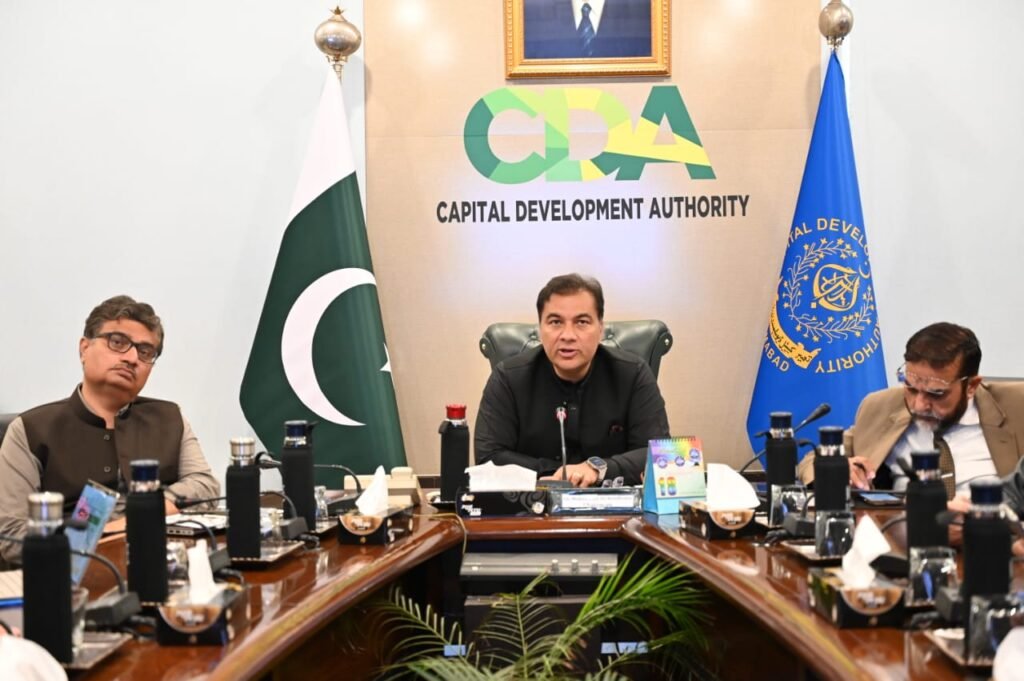
P3A Board Advances Kharian-Rawalpindi Motorway Project

ISLAMABAD — The Public Private Partnership Authority (P3A) Board held its 43rd meeting to discuss key initiatives, notably the Kharian-Rawalpindi motorway project. Chaired by Muhammad Ali, Advisor to the Prime Minister on Privatisation and Chairman of the Privatisation Commission, the meeting aimed to accelerate infrastructure development through collaboration. Meeting Highlights In Islamabad, senior officials and stakeholders convened to assess the progress of projects under the public-private partnership (PPP) framework. Muhammad Ali emphasized the importance of these partnerships in bolstering Pakistan’s infrastructure and economy. The board examined several projects, focusing on the Kharian-Rawalpindi motorway, a major infrastructure project intended to enhance connectivity and reduce travel time. The Kharian-Rawalpindi motorway is projected to significantly boost trade and transportation, contributing to regional economic growth. Set to be implemented under the PPP model, it involves shared investment and risk between public and private sectors. Discussions centered around potential investors and financial plans to ensure project viability and timely completion. Government Commitment Muhammad Ali reaffirmed the government’s dedication to encouraging private sector investment in infrastructure. He stated, “The PPP model is crucial for mobilizing private sector resources and expertise to fast-track our infrastructure goals.” The board also evaluated other PPP projects, noting their progress and identifying challenges needing attention for successful execution. PPP Framework The Public Private Partnership Authority (P3A) was established to foster collaboration between public and private sectors in infrastructure. Increasingly adopted in Pakistan, the PPP model leverages private sector expertise and funding, reducing government fiscal burden and expediting project delivery. The Kharian-Rawalpindi motorway is part of a strategic effort to improve Pakistan’s road network, crucial for economic development and connectivity. Previous PPP projects included highways, energy, and urban development, showcasing the model’s versatility across sectors. Project Importance Advancing the Kharian-Rawalpindi motorway under the PPP model is of economic importance, representing a strategic infrastructure investment crucial for sustained growth and foreign investment attraction. Improved road connectivity reduces transportation costs and enhances trade efficiency, benefiting the economy. Socially, the project is expected to generate job opportunities and aid in skill development. Improved infrastructure also ensures better access to essential services, raising quality of life. Politically, successful PPP projects can reinforce public confidence in government infrastructure plans, promoting stability. The model supports Pakistan’s goals of sustainable development and reduced foreign dependency.

Business

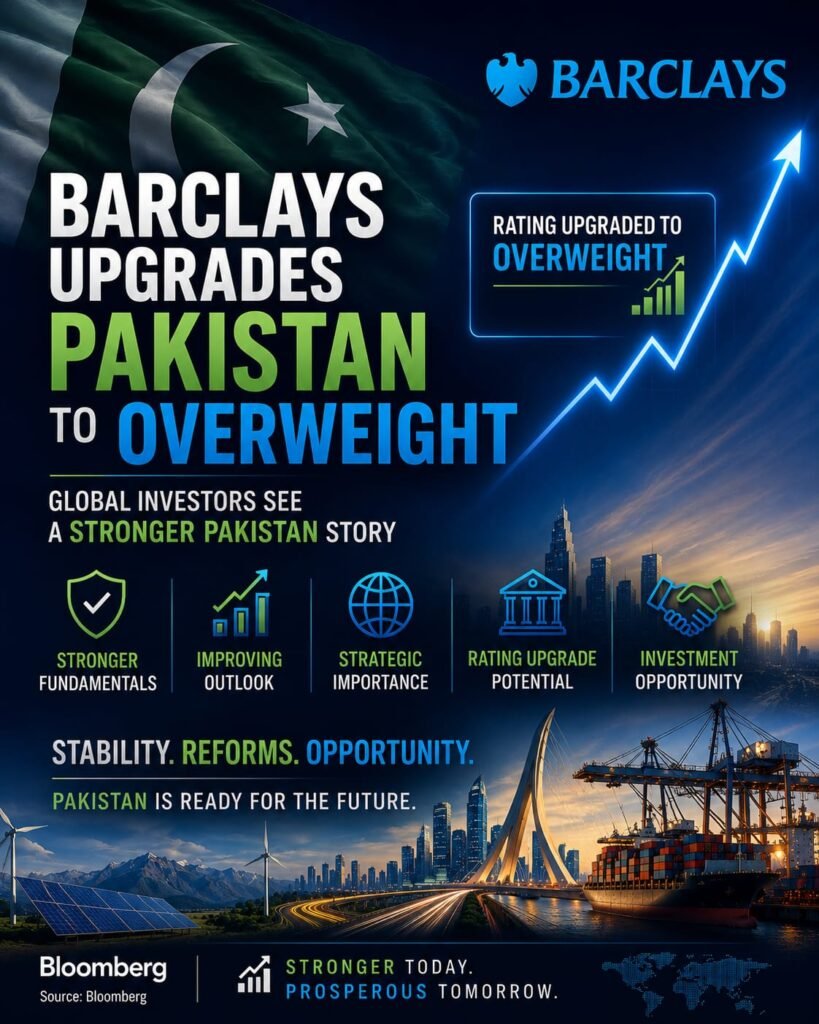
Barclays Upgrades Pakistan’s Sovereign Debt Rating to Overweight

ISLAMABAD — Barclays, a prominent global financial institution, has upgraded Pakistan’s sovereign debt rating to ‘Overweight’. This decision reflects a positive outlook on the country’s economic prospects. The announcement was made by Khurram Shehzad, Advisor to the Finance Minister, emphasizing the strengthening of Pakistan’s external and fiscal positions. Barclays’ Upgrade Barclays’ decision to enhance Pakistan’s sovereign debt rating signifies strong support for the country’s economic policies and fiscal management. An ‘Overweight’ rating indicates that Barclays considers Pakistan’s bonds an attractive investment, with anticipated returns surpassing other emerging markets. Shehzad shared this update via his official X account, underscoring the global market’s confidence in Pakistan’s economic trajectory. The upgrade signals improvements in Pakistan’s external accounts, such as a narrowing current account deficit and stable foreign exchange reserves. Shehzad noted that government-initiated fiscal reforms have been pivotal in stabilizing the economy, significantly influencing Barclays’ reassessment. Economic Trends Barclays identifies several positive trends in Pakistan’s economy, including rising exports, remittances from overseas Pakistanis, and a stronger industrial sector. These developments contribute to a more sustainable economic environment, enabling better fiscal management and decreasing dependence on external borrowing. Historical Challenges and Reforms Pakistan has grappled with economic challenges like a high fiscal deficit, inflation, and currency volatility. The government has been implementing structural reforms to stabilize the economy and attract foreign investment. These measures include expanding the tax base, enhancing public sector efficiency, and improving the business climate. Historically, political instability, security concerns, and external shocks have affected Pakistan’s economic performance. Recent initiatives aim to foster a conducive environment for economic growth. The government’s commitment to fiscal discipline and transparency has earned recognition from international financial institutions, enhancing confidence in Pakistan’s economic outlook. Significance of the Upgrade Barclays’ upgrade is a vote of confidence in Pakistan’s economic management. It signals to international investors that Pakistan is a viable investment destination, potentially boosting capital inflows and economic growth. The ‘Overweight’ rating could improve Pakistan’s access to global capital markets, lowering borrowing costs and supporting critical infrastructure development. Improved economic conditions could offer more job opportunities, higher wages, and better living standards for citizens. The government’s emphasis on fiscal reforms and economic stability is anticipated to create a more resilient economy, capable of enduring external shocks and sustaining long-term growth. Globally, Pakistan’s enhanced economic outlook could strengthen its geopolitical standing, fostering robust trade relationships and strategic partnerships. As the country stabilizes and grows, it may assume a more influential role in regional economic dynamics, contributing to regional stability and development.

Scroll to Top