Business

Business – NEN Agency

Welcome to the Business section of NEN Agency, where we decode Pakistan’s economy, spotlight entrepreneurs, and track global market trends. From corporate boardrooms to small-town startups, our coverage connects you to the decisions, deals, and developments shaping financial life in Pakistan and beyond.

Inside This Category

  • Pakistan Economy: Government policies, taxation, inflation, trade, and growth indicators.

  • Startups & SMEs: Success stories of Pakistani entrepreneurs and innovative ventures.

  • Stock Market & Finance: Updates on PSX, forex, banking, and financial literacy.

  • Global Business: Trends from international markets, MNC activities, and economic events.

Why Our Business Coverage Stands Out
We don’t just report the numbers — we explain what they mean for you. Our team digs deeper into the “why” behind every headline, giving readers the context they need to make informed decisions.

Business

ECC Approves Technical Supplementary Grants and Sectoral Support Measures

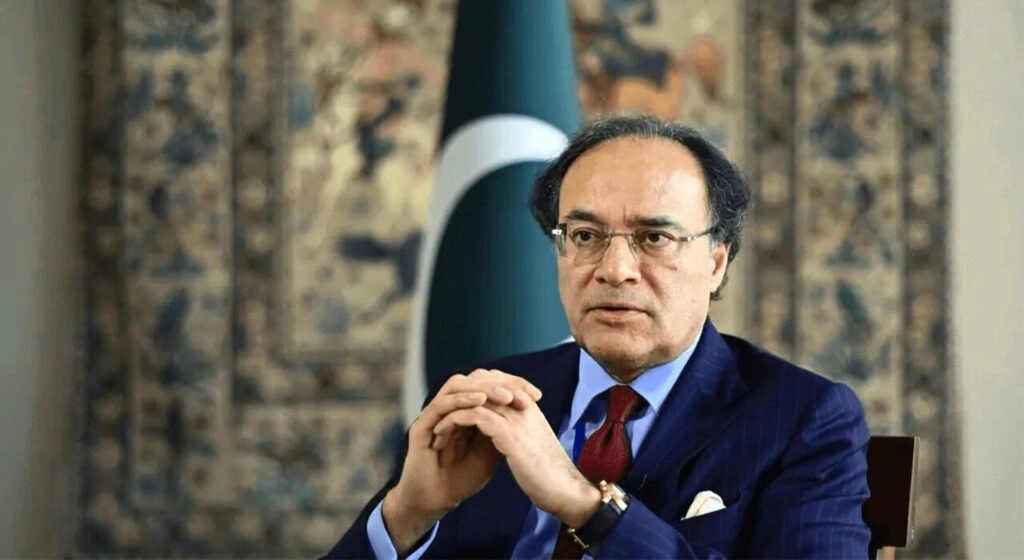
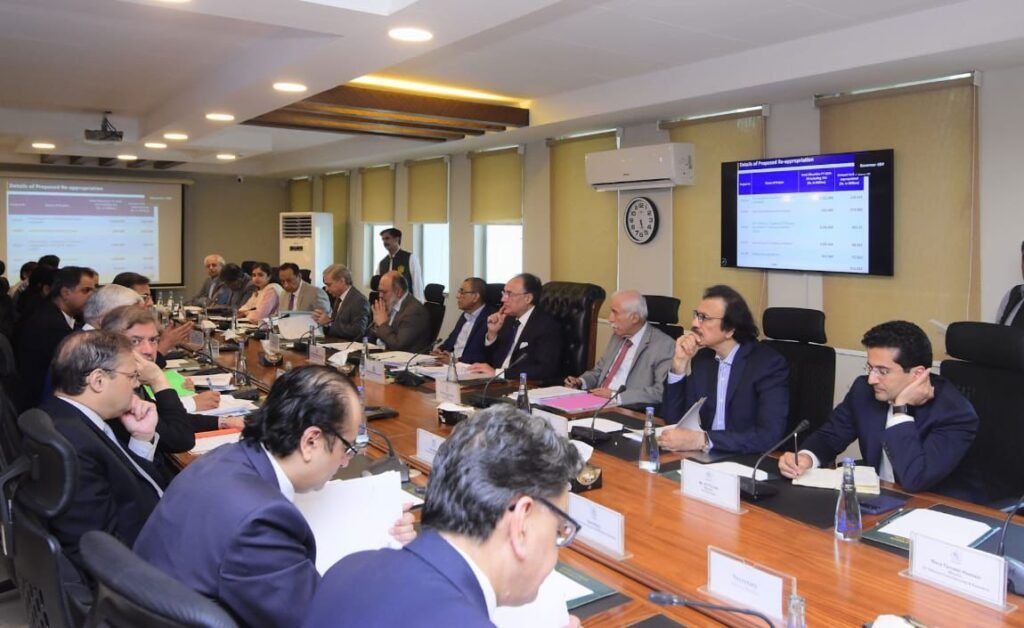
ISLAMABAD — The Economic Coordination Committee (ECC) of the Cabinet, under the leadership of Federal Minister for Finance and Revenue Senator Muhammad Aurangzeb, approved crucial Technical Supplementary Grants (TSGs) and sectoral support measures on Wednesday. The meeting at the Finance Division focused on addressing urgent financial needs across various sectors. ECC Meeting Highlights The ECC gathered to address pressing financial matters, resulting in the approval of several TSGs aimed at supporting different sectors of the economy. These grants provide immediate financial relief to sectors vital for the country’s economic stability and growth. However, the specific allocations and beneficiary sectors were not disclosed in the initial report. Senator Aurangzeb stressed, “The approved grants are essential for maintaining economic momentum and ensuring critical sectors receive needed support for effective operations.” This decision reflects the government’s dedication to overcoming financial challenges and aiding economic recovery. Sectoral Support Measures The ECC also discussed various sectoral support measures designed to assist industries impacted by recent economic disruptions. These measures aim to boost productivity and competitiveness, enhancing overall economic resilience. Understanding ECC’s Role The ECC plays a critical role within Pakistan’s government, responsible for coordinating economic policies and managing financial resources. It regularly convenes to address urgent economic issues and decide on financial allocations, subsidies, and other economic measures. Approving TSGs is a routine practice, allowing the ECC to reallocate funds to meet unexpected financial needs or support strategic initiatives. Recently, Pakistan’s economy has been challenged by inflationary pressures, a depreciating currency, and global economic shifts. The government has responded with various fiscal and monetary policies aimed at stabilizing the economy and fostering growth. Significance of Approved Measures The approval of these TSGs and sectoral support measures is significant for several reasons: Economic Impact: The grants inject much-needed liquidity into critical sectors, sustaining operations and preventing disruptions with broader economic implications. Social Stability: By maintaining sectoral stability, these measures help preserve jobs and support livelihoods in heavily affected sectors, vital for social stability. Political Confidence: The ECC’s decisions showcase proactive economic management, boosting public confidence and supporting the government’s position in upcoming elections and public scrutiny. International Relations: Demonstrating fiscal responsibility and commitment to reform may enhance Pakistan’s economic standing, attracting foreign investment crucial for long-term growth.

Business

Finance Minister Presents Auditor-General’s Reports to National Assembly

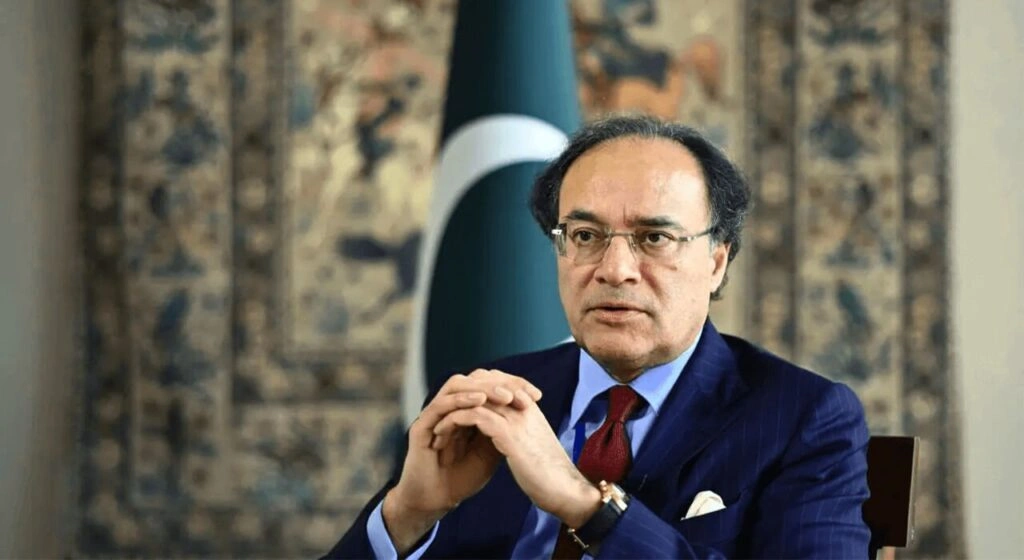
ISLAMABAD — Federal Minister for Finance and Revenue, Senator Muhammad Aurangzeb, presented the Appropriation Accounts of the Government of Pakistan for the Financial Year 2024–25 to the National Assembly on Wednesday. The session also included the submission of the Auditor-General’s Reports, which cover the Accounts of the Federation for the Audit Year 2025–26, as mandated by Article 171 of the Constitution. Overview of the Submission During the National Assembly session in Islamabad, Finance Minister Muhammad Aurangzeb introduced the detailed Appropriation Accounts for the fiscal year 2024–25. These accounts outline the government’s expenditures and financial management. Additionally, the Auditor-General’s reports were presented, scrutinizing federal accounts for the audit year 2025–26. This presentation fulfills a constitutional requirement, promoting transparency and accountability in the government’s financial operations. The reports provide a thorough analysis of public fund usage, highlighting any discrepancies or irregularities found. The Auditor-General’s findings are vital for fiscal discipline, ensuring taxpayer money is effectively utilized. Senator Aurangzeb reiterated the government’s commitment to financial transparency and accountability. “These reports are essential for assessing our financial practices and ensuring fiscal responsibility,” he stated. Key National Assembly members will review and discuss these reports in upcoming sessions. Constitutional and Fiscal Significance The Auditor-General of Pakistan audits the accounts of the federal and provincial governments, along with other government-established authorities. This role, under Article 171 of the Constitution, requires audit reports to be submitted to the President and the National Assembly. Appropriation Accounts offer detailed insights into budget allocations and expenditures. They help the legislature monitor government spending, ensuring it aligns with approved budgets. The audit process identifies fund misuse and suggests corrective measures. Historically, these reports have been critical in Pakistan’s fiscal governance, promoting transparency and accountability in public financial management. Impact on Economic Governance Presenting the Auditor-General’s reports and Appropriation Accounts is crucial for Pakistan’s economic governance. These documents check the government’s financial activities, ensuring efficient and effective use of public funds. Identifying financial mismanagement helps rectify issues that could otherwise destabilize the economy. For Pakistani citizens, these reports assure that tax contributions are monitored and appropriately used. They also provide a foundation for public discourse on government spending, enabling citizens to hold leaders accountable. Globally, adhering to financial reporting constitutional requirements enhances Pakistan’s reputation as a transparent and well-governed nation. This bolsters foreign investment, as investors prefer countries demonstrating fiscal responsibility and accountability. Key Takeaways Finance Minister Muhammad Aurangzeb presented the Appropriation Accounts for 2024–25 and Auditor-General’s reports for 2025–26 to the National Assembly. The reports promote transparency in financial operations and are essential for fiscal discipline. Compliance with constitutional financial reporting supports Pakistan’s international standing.

Business

Pakistan Rice Festival 2026 Attracts European Business Leaders in Netherlands

ISLAMABAD — The Pakistan Rice Festival 2026, held in the Netherlands, attracted over 100 European business leaders. This event marked a significant effort to boost Pakistani rice exports. Federal Minister for Commerce Jam Kamal Khan praised the festival for enhancing trade ties and promoting a positive global image of Pakistan. Event Highlights The festival showcased the quality and variety of Pakistani rice, a key export commodity. Activities included rice tasting sessions and business networking opportunities. These were designed to connect Pakistani exporters with European importers and distributors. The event provided a platform for demonstrating the quality of basmati and non-basmati rice to a European audience. Ministerial Remarks Federal Minister for Commerce Jam Kamal Khan commended the successful organization of the festival. He highlighted its importance in expanding Pakistan’s export markets and fostering international trade relations. Minister Khan emphasized that such events are crucial for increasing the visibility of Pakistani products in global markets. He stated, “These events not only promote our exports but also help in projecting a positive image of Pakistan internationally.” Background on Pakistani Rice Exports Pakistan is one of the world’s leading rice exporters, with rice being the second-largest export commodity after textiles. The country produces significant quantities of basmati rice, known for its aroma and long grain, which is highly sought after in international markets. The European Union (EU) represents a major market for Pakistani rice. Events like the Pakistan Rice Festival aim to increase market share in Europe as part of a broader export strategy. Recently, Pakistan has faced challenges in maintaining its position in the global rice market due to competition from other rice-producing countries and stringent quality standards imposed by importing nations. The Pakistani government is actively addressing these challenges by improving production techniques, ensuring compliance with international standards, and enhancing marketing efforts abroad. Significance of the Festival The Pakistan Rice Festival 2026 is significant for several reasons: Economically, it represents a strategic move to strengthen Pakistan’s export sector, vital for economic growth and stability. By engaging with European business leaders, Pakistan aims to secure new trade deals and increase its market share in the lucrative EU market. Socially, it builds cultural and business bridges between Pakistan and Europe, providing insights into European consumer preferences. Politically, the event underscores Pakistan’s commitment to enhancing international trade relations and diversifying export markets.

Business

Chinese Investors Show Confidence in Pakistan’s SECP Reforms

ISLAMABAD — Chinese strategic investors have shown strong confidence in the recent reforms implemented by the Securities and Exchange Commission of Pakistan (SECP). This confidence is particularly attributed to the leadership of Chairman Dr. Kabir Ahmed Sidhu. The approval was communicated in a letter addressed to the SECP Chairman, highlighting the positive reception of these reforms within Pakistan’s capital markets. Investment Approval On June 24, Chinese investors associated with the Pakistan Stock Exchange (PSX) expressed their approval of the reforms introduced by the SECP. These reforms are considered pivotal for enhancing regulatory frameworks and operational efficiency in Pakistan’s capital markets. With a significant stake in the PSX, the investors conveyed their optimism about Pakistan’s financial market future in a formal letter to Dr. Sidhu. Strategic Importance The letter highlighted the strategic importance of these reforms in promoting a more robust and transparent financial environment. The investors praised SECP’s efforts to streamline processes and improve market transparency, which are expected to attract more foreign investment. These reforms align Pakistan’s financial regulations with international standards, boosting investor confidence and market stability. SECP Initiatives Dr. Sidhu reiterated the SECP’s commitment to creating a supportive environment for local and international investors. He acknowledged the endorsement from Chinese investors as evidence of the positive impact of these regulatory changes. The SECP’s recent measures include: Improving corporate governance Enhancing market surveillance Introducing new financial instruments to diversify investment options Reform Background The SECP has been implementing a series of reforms aimed at revitalizing Pakistan’s capital markets. Historically, the PSX faced challenges such as limited investor participation, market volatility, and regulatory inefficiencies. Recently, the SECP addressed these issues with comprehensive policy changes and regulatory updates. Milestones Achieved A significant milestone in this reform agenda was the demutualization of the PSX, which separated ownership from management to improve governance. Additionally, the SECP has focused on enhancing the legal framework to protect investors and ensure fair market practices. These efforts are part of Pakistan’s broader economic strategy to attract foreign direct investment and boost economic growth. Impact and Importance Chinese investors’ confidence in SECP reforms is a strong endorsement of Pakistan’s ongoing efforts to modernize its financial sector. This development signals to the international community that Pakistan is a viable investment destination. The reforms are expected to: Increase market liquidity Reduce systemic risks Improve the overall investment climate Economically, foreign investment influx can lead to job creation, infrastructure development, and technological advancements. For Pakistan, striving to overcome economic challenges, such endorsements are vital for economic stabilization and enhancing global standing. Politically, Chinese investor support aligns with the strategic partnership between Pakistan and China, particularly under the China-Pakistan Economic Corridor (CPEC) framework. Strengthening financial ties can further solidify bilateral relations and contribute to regional stability and economic integration.

Business

Shipping Operations Intensify at Karachi’s Port Qasim

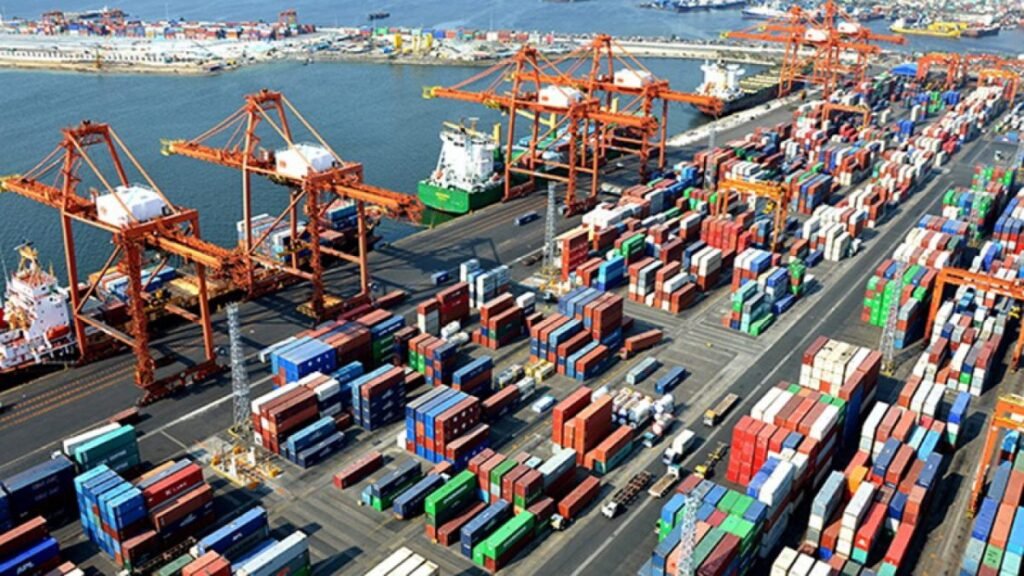
KARACHI — Port Qasim in Karachi observed intensified shipping operations as three vessels, GSL Melina, Aprex, and Sun Profit, docked at various terminals on Tuesday. The ships carried containers, palm oil, and coal, marking a significant day for port activities. Shipping Activity at Port Qasim The GSL Melina berthed at the Qasim International Container Terminal, unloading containers vital for Pakistan’s trade. The Aprex arrived at the Liquid Cargo Terminal with palm oil, essential for the food and manufacturing sectors. Meanwhile, the Sun Profit, laden with coal, anchored at the Marginal Wharf Bulk Terminal-4, supporting the energy sector by delivering crucial fuel for power plants. Besides these arrivals, six more ships are expected. These include GFS Jade, MSC Doulala-VII, Asian Phoenix, PGC Perklis, Avra, and Jahan-1, bringing diverse cargo such as containers, fuel oil, and LPG. This schedule indicates robust port activity, critical for maintaining the supply chain and aiding economic activities nationwide. Port Qasim: A Trade Hub Established in the 1970s, Port Qasim is one of Pakistan’s busiest ports, handling a significant portion of import and export activities. Its infrastructure supports bulk, liquid, and containerized cargo. Over the years, expansions have enhanced its capacity and efficiency to meet increasing trade demands. Managed by the Port Qasim Authority, the port is pivotal to Pakistan’s economy, promoting international trade and supporting domestic industries due to the country’s strategic location. Economic Implications Port activity at Qasim is indicative of Pakistan’s economic status and international trade relations. Ships carrying essentials like palm oil and coal significantly impact the industrial and energy sectors. Palm oil contributes to food processing, while coal is critical for electricity generation, essential for meeting energy demands. Handling containers reflects a consistent flow of consumer goods and raw materials critical for retail and manufacturing sectors. Efficient port operations ensure timely delivery, preventing supply chain disruptions that could affect the economy. Overall, the port’s activity showcases Pakistan’s engagement with global trade networks. As the country enhances export capabilities and attracts foreign investments, the roles of ports like Qasim become vital, facilitating trade and contributing to economic and job growth. Highlights of Current Operations Three ships docked carrying containers, palm oil, and coal. Six more ships are scheduled, marking robust shipping operations. Operations support food, manufacturing, and energy sectors. Port Qasim is crucial for trade infrastructure and economic growth. Efficient handling underscores the port’s strategic regional importance.

Business

PSX Surges as KSE-100 Index Gains 1,878 Points

ISLAMABAD — The Pakistan Stock Exchange (PSX) experienced a significant surge on Wednesday as the benchmark KSE-100 Index climbed by 1,878.35 points, marking a 1.06% increase. The index closed at 179,571.27 points, up from the previous close of 177,692.92 points. Market Activity Wednesday’s trading session showcased a bullish trend for the PSX. The KSE-100 Index’s increase of 1,878.35 points represented a 1.06% positive change. This upward movement set the closing figure at 179,571.27 points, compared to its previous close at 177,692.92 points. The session recorded a trading volume of 851.298 million shares, highlighting robust investor activity. The index surge was driven by positive investor sentiment, likely influenced by key economic indicators and market expectations. A market analyst commented, “The recent gains in the PSX reflect renewed investor confidence, possibly buoyed by favorable economic data and policy measures.” The increased trading volume suggests active participation from investors, potentially sustaining momentum in future sessions. Economic Context The Pakistan Stock Exchange has recently experienced fluctuations due to various domestic and international factors. Historically, the KSE-100 Index serves as a barometer for the country’s economic health, mirroring investor sentiment and economic conditions. Past challenges for the PSX included political instability, economic uncertainty, and global market trends. Recent government and central bank policy measures aimed at stabilizing the economy have led to a more optimistic outlook among investors. The PSX’s performance ties into broader economic policies and reforms intended to boost economic growth and attract foreign investment. These efforts are essential for sustaining the stock market’s momentum. Significance of the Surge This recent PSX surge has significant implications. Economically, a rising stock market can boost investor confidence, encouraging further investment and potentially enhancing economic activity. This contributes positively to Pakistan’s overall economic growth. Socially, a thriving stock market can lead to wealth creation for investors, which can positively impact the broader economy. Increased investment in the stock market boosts financial growth potential, benefiting various sectors. Politically, strong stock market performance can be seen as an endorsement of the government’s economic policies. It positively reflects the administration’s ability to manage the economy, enhancing credibility both domestically and internationally. Internationally, a robust stock market can attract foreign investors seeking emerging market opportunities. This leads to foreign capital inflows, strengthening the country’s economic position and supporting sustainable growth. Key Takeaways The KSE-100 Index gained 1,878.35 points, a 1.06% increase. The index closed at 179,571.27 points, rising from 177,692.92 points. The trading session recorded 851.298 million shares, indicating strong activity. The surge reflects positive investor sentiment and confidence in economic policies. A strong PSX performance can boost economic growth and attract foreign investment. Source Attribution The information in this article is sourced from market analysts and trading data.

Business

Pakistan Customs Intensifies Anti-Smuggling Efforts, Seizes Goods Worth Rs. 77 Million

ISLAMABAD — Pakistan Customs has intensified its anti-smuggling operations to curb illegal trade. The Collectorate of Customs (Enforcement) in Hyderabad is at the forefront of this initiative. Recent intelligence-driven operations have resulted in the seizure of non-custom paid vehicles, smuggled goods, and petroleum products, collectively worth over Rs. 77 million. Enforcement Actions The operations by Pakistan Customs are part of a broader strategy to address smuggling across the country. According to official reports, the Collectorate of Customs in Hyderabad has been crucial in these efforts. Successful raids based on intelligence inputs have led to the seizure of various goods, including non-custom paid vehicles often used to transport smuggled items across borders. The confiscated goods include a significant amount of petroleum products, frequently smuggled due to price differences with neighboring countries. These enforcement actions were meticulously planned and executed, showcasing the effectiveness of intelligence-led policing in tackling smuggling networks. Officials indicated that these operations are ongoing campaigns to dismantle smuggling rings that harm the national economy and deprive the government of substantial revenue. The seized goods are being processed for legal action, which will include penalties and possible prosecution of those involved. Economic and Social Impact Smuggling has been a longstanding issue for Pakistan, affecting numerous sectors of the economy. With extensive borders shared with Afghanistan, Iran, and India, the country is vulnerable to cross-border smuggling of goods like consumer products and fuel. The government faces pressure to tackle this issue due to its negative impact on local industries and tax revenues. In recent years, Pakistan Customs has improved its operational capabilities by investing in technology and training. Intelligence-based operations now focus on preemptive measures to disrupt smuggling networks before goods reach the market. Significance of Operations The operations by Pakistan Customs are significant for several reasons. Economically, smuggling poses a threat by flooding the market with cheaper, untaxed goods, which undermines legitimate businesses and leads to job losses. By seizing smuggled goods, the government protects local industries and ensures fair competition for businesses. Socially, smuggling often involves organized crime networks engaged in other illegal activities, such as drug trafficking and human smuggling. Cracking down on smuggling addresses broader social issues. Politically, the government’s efforts to tackle smuggling are crucial for maintaining public trust and demonstrating effective governance. Successful operations may strengthen confidence in law enforcement and the government’s ability to uphold the rule of law. Internationally, Pakistan’s anti-smuggling efforts are likely to improve its standing with neighboring countries and international partners. Effective border control is essential for regional stability and cooperation, particularly in trade and security agreements. Key Takeaways Pakistan Customs seized smuggled goods valued at over Rs. 77 million during recent operations. The operations focused on non-custom paid vehicles and petroleum products. These efforts safeguard the national economy by protecting local industries and promoting fair trade.

Business

Government Plans Modern Infrastructure Overhaul for Islamabad, Says Talal Chaudhry

ISLAMABAD — The government has committed to transforming Islamabad into a modern capital featuring world-class infrastructure. Minister of State for Interior Talal Chaudhry announced a series of measures on June 24 aimed at tackling the city’s longstanding infrastructural challenges. Government Plans for Infrastructure Overhaul Minister Talal Chaudhry unveiled the government’s ambitious strategy to upgrade Islamabad’s infrastructure. This plan focuses on establishing a sustainable and globally competitive capital. Key areas of intervention include: Water supply improvements Advanced waste management systems Enhanced traffic flow through road expansion Upgraded security measures Urban hospitality and development Chaudhry emphasized these initiatives aim to resolve persistent issues. “We are implementing major infrastructure interventions to ensure a modern, efficient, and sustainable urban environment,” he stated, adding the projects will enhance residents’ quality of life and attract international business and tourism. Background of Islamabad’s Infrastructure As Pakistan’s capital, Islamabad has struggled with numerous infrastructural challenges due to rapid urbanization. This growth has increased demand for essential services, straining existing infrastructure. The city faces issues such as traffic congestion, inadequate waste management, and water shortages. Security measures also require updates in response to regional and international threats. Originally designed in the 1960s, Islamabad’s infrastructure needs significant upgrading to meet modern standards. Importance of Modernizing Islamabad The government’s commitment to modernizing Islamabad’s infrastructure is economically significant. Improved infrastructure can attract foreign investment, boost tourism, and create job opportunities. A modern capital serves as a hub for international business, promoting economic growth. Socially, initiatives aim to enhance residents’ quality of life through better public health outcomes from improved services. Politically, a modern capital enhances Pakistan’s image internationally, reflecting positively on governance and increasing influence in global affairs. Addressing Islamabad’s infrastructural challenges could also set a precedent for developments across other cities in Pakistan, leading to more balanced urban development nationwide. Key Takeaways The government is committed to transforming Islamabad into a modern capital with world-class infrastructure. Key focus areas include water supply, waste management, traffic flow, security, and urban development. These initiatives aim to improve the quality of life and attract international business.

Business

BRA Intensifies Industrial Tax Enforcement to Enhance Revenue Collection

QUETTA — The Balochistan Revenue Authority (BRA) has stepped up its efforts to bolster revenue collection through intensified industrial tax enforcement. A key meeting, held on June 24 under the BRA Chairman’s leadership, focused on evaluating tax collection from private withholding agents and contracts. Details of the BRA Meeting The meeting convened by the BRA aimed to assess tax compliance among industrial entities, crafting strategies to boost revenue. Officials stressed strict enforcement to ensure effective tax collection. Expanding the tax net to include more businesses and industries was a key focus, intended to increase provincial revenue. The BRA Chairman highlighted the need to enhance monitoring and enforcement of tax regulations. “We are committed to ensuring compliance among industrial entities. Strict enforcement is crucial for improving our revenue collection,” he declared. Discussions also covered ongoing enforcement reviews and identifying areas for improvement. Officials deliberated on strategies to broaden the tax base, such as deploying new technologies and methodologies to streamline tax processes. The BRA plans to implement these strategies to ensure all taxable activities are documented and taxed, reducing tax evasion. Background on BRA’s Mission The Balochistan Revenue Authority was created to improve the province’s fiscal capacity through better tax mechanisms. Despite ongoing efforts to ensure business compliance, challenges like tax evasion persist, necessitating stricter measures. Balochistan’s tax compliance historically faced hurdles due to limited resources and infrastructure. To combat these, the BRA has focused on capacity-building initiatives and leveraging technology to boost efficiency. These efforts align with the national strategy to increase tax revenue and cut fiscal deficits. Economic Impact of Tax Compliance Ensuring industrial tax compliance is vital for Balochistan’s economic stability and growth. Collecting due taxes significantly enhances the province’s revenue base, crucial for funding public services and infrastructure projects. This can lead to improved living standards for its residents. More revenue collection reduces reliance on federal funds and grants financial autonomy. This is crucial for meeting Balochistan’s developmental needs, which include substantial investment in infrastructure, education, and healthcare. Implications of Effective Enforcement Politically, enforcing tax compliance can strengthen governance through increased transparency and accountability. This enhances public trust and encourages civic engagement. Internationally, improved tax compliance and revenue generation can make Balochistan more attractive to foreign investors, who value regions showing fiscal responsibility and stability. Key Takeaways The BRA is intensifying efforts to enhance tax compliance among Balochistan’s industrial entities. Strict enforcement measures are being implemented to boost revenue collection effectively. Expanded tax net and improved compliance can lead to fiscal growth and reduced federal dependency. Technological advancements play a crucial role in streamlining and documenting taxable activities. Increased compliance could attract foreign investments and improve economic stability.

Business

Finance Minister Presents Auditor-General’s Reports to National Assembly

ISLAMABAD — On Wednesday, Finance Minister Senator Muhammad Aurangzeb presented the Appropriation Accounts for the Government of Pakistan for the fiscal year 2024–25, along with the Auditor-General’s audit reports for 2025–26, to the National Assembly. These reports are vital for maintaining transparency and accountability in public funds management. Presentation Overview Annually, the Appropriation Accounts and audit reports are presented as a standard procedure. This year, Finance Minister Aurangzeb fulfilled a constitutional requirement by laying these documents before the National Assembly. The Appropriation Accounts detail the financial allocations and expenditures for the fiscal year 2024–25, while the Auditor-General’s reports provide an independent assessment of funds utilization. Emphasizing the importance of these reports for ensuring governmental accountability, Aurangzeb stated, “These documents are vital for assessing the financial discipline and management efficiency of various governmental departments.” The Public Accounts Committee will now review the reports to scrutinize any discrepancies or irregularities identified by the Auditor-General. Significance of Auditor-General’s Reports The Auditor-General’s reports are particularly significant as they highlight areas where financial practices may not align with legal and regulatory standards. This year’s reports are expected to cover a wide range of issues, from budgetary compliance to the efficiency of public spending. Constitutional Framework and Historical Context The practice of presenting Appropriation Accounts and audit reports to the National Assembly is rooted in Pakistan’s constitutional framework, which mandates transparency in public finance. The Auditor-General of Pakistan is responsible for auditing the accounts of federal and provincial governments and reporting findings to the legislature. Historically, these reports have played a critical role in identifying financial mismanagement and corruption within government bodies. The Public Accounts Committee, a parliamentary body, examines these reports to ensure corrective measures are taken. Over the years, several high-profile cases of financial irregularities have been uncovered, leading to reforms and, in some cases, legal action. Economic and Political Implications These reports are a key component of Pakistan’s efforts to improve governance and financial transparency. In a country where public trust in government institutions is often low, they are essential for building confidence among citizens and international partners. Economically, the audit reports ensure efficient use of public funds, crucial for a country facing fiscal challenges. Proper financial management can lead to better resource allocation, improved public services, and enhanced economic growth. Politically, the reports serve as a tool for opposition parties to hold the government accountable. They provide a factual basis for debates on government performance and policy effectiveness, contributing to a more informed public discourse. Internationally, adherence to transparent financial practices is vital for Pakistan’s relationships with global financial institutions and investors. Demonstrating a commitment to accountability can improve Pakistan’s credit rating and attract foreign investment, essential for economic stability and growth. Key Takeaways Finance Minister Aurangzeb presented the Appropriation Accounts and Auditor-General’s reports to the National Assembly. The reports cover fiscal year 2024–25 and audit year 2025–26, focusing on financial management and government accountability.

Scroll to Top