Business

Business – NEN Agency

Welcome to the Business section of NEN Agency, where we decode Pakistan’s economy, spotlight entrepreneurs, and track global market trends. From corporate boardrooms to small-town startups, our coverage connects you to the decisions, deals, and developments shaping financial life in Pakistan and beyond.

Inside This Category

  • Pakistan Economy: Government policies, taxation, inflation, trade, and growth indicators.

  • Startups & SMEs: Success stories of Pakistani entrepreneurs and innovative ventures.

  • Stock Market & Finance: Updates on PSX, forex, banking, and financial literacy.

  • Global Business: Trends from international markets, MNC activities, and economic events.

Why Our Business Coverage Stands Out
We don’t just report the numbers — we explain what they mean for you. Our team digs deeper into the “why” behind every headline, giving readers the context they need to make informed decisions.

Business

COVID-19 Pandemic: Understanding Its Impact and Ongoing Challenges

ISLAMABAD — The COVID-19 pandemic, caused by SARS-CoV-2, has affected millions globally since January 2020. This disease, marked by fever, fatigue, and loss of taste or smell, poses significant public health challenges. Pandemic Onset SARS-CoV-2 was first detected in Wuhan, China, in December 2019. By January 2020, it had spread worldwide, prompting the World Health Organization to declare a pandemic on March 11, 2020. COVID-19 has caused widespread illness and fatalities, showing symptoms from mild respiratory issues to severe pneumonia, often resulting in death. Worldwide measures like lockdowns, social distancing, and vaccinations have attempted to curb the spread. However, mutating variants such as Delta and Omicron create ongoing challenges. As of October 2023, the WHO reports over 770 million cases and nearly 7 million deaths globally. Response in Pakistan The Pakistani government, coordinating with international health bodies, established the National Command and Operation Center (NCOC) to manage the pandemic. The country has administered over 250 million vaccine doses, striving for herd immunity. Historical Context COVID-19 is not the first global health crisis caused by a coronavirus. Previous epidemics, including SARS in 2002 and MERS in 2012, also posed serious challenges. However, COVID-19’s scale and impact are unparalleled, affecting healthcare systems and the global economy. This pandemic has prompted a reconsideration of public health strategies and the necessity of international cooperation. Key to the global response has been the rapid development and deployment of vaccines, with emergency use authorization granted within a year of identification. Economic and Social Impact COVID-19 has had profound economic, social, and political implications worldwide. Economically, it has induced recessions, disrupting trade, travel, and industries. In Pakistan, slowed GDP growth and increasing unemployment reflect severe economic impacts. The government implemented stimulus packages to support businesses and individuals. Socially, the pandemic has transformed daily life, promoting remote work and online education. Mental health issues like anxiety, depression, and stress disorders have risen, and public health systems are strained, demonstrating the need for robust healthcare infrastructure. The pandemic continues to be a global health challenge. Pakistan has delivered over 250 million vaccinations. The pandemic’s impact is profound on economic and social structures globally. Equitable healthcare and international cooperation are vital in managing the crisis.
Business

Pakistan’s Latest Foreign Exchange Rates Announced by Financial Markets Association

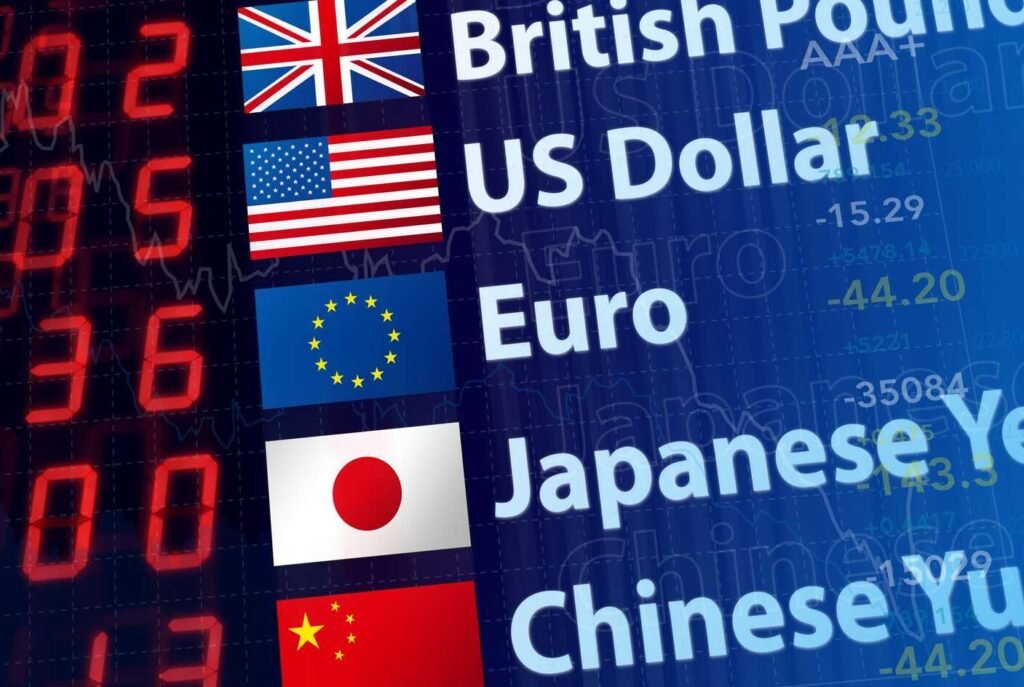
KARACHI — On Wednesday, June 24, 2026, the Financial Markets Association of Pakistan’s Exchange Rates Committee released the latest bulletin on foreign exchange rates. This update is essential for financial transactions and economic planning, providing the newest conversion rates for various currencies. Latest Exchange Rates The Exchange Rates Committee provided rates applicable for forward cover and deposits, excluding FE-25 deposits. The State Bank of Pakistan (SBP) has set June 30, 2026, as the settlement value date for these rates. According to the bulletin, the conversion rates are as follows: US Dollar (USD): 278.1731 Pakistani Rupees British Pound (GBP): 366.1065 Rupees Euro (EUR): 317.5068 Rupees Japanese Yen (JPY): 1.7238 Rupees These rates are vital for businesses and individuals involved in international trade and finance. They are influenced by international market trends, demand and supply dynamics, and economic policies, directly affecting import and export costs. Background on Exchange Rates Foreign exchange rates play a critical role in a country’s economic framework, impacting trade balances, inflation, and growth. The State Bank of Pakistan actively manages exchange rate policy to stabilize the currency. In the past, currency depreciation in Pakistan has elevated inflation rates and affected living costs. Reforming exchange rate policies remains a key discussion topic to ensure market stability and competitiveness. The Financial Markets Association of Pakistan regularly updates these rates to align with current market conditions, aiding businesses and investors in making informed currency transaction decisions. Economic Implications Updated foreign exchange rates have significant implications for Pakistan’s economy. They affect the profitability of transactions and pricing of goods for businesses engaged in import and export. For instance, a higher US dollar rate can increase import costs, impacting consumers and businesses. On a larger scale, exchange rates affect inflation and purchasing power. A weaker rupee often leads to higher inflation, making imported goods more expensive and straining citizens financially. Moreover, stable and competitive exchange rates attract foreign investment, which is crucial for economic growth and job creation. Conversely, exchange rate volatility can deter investment, undermining economic stability. Managing exchange rates involves balancing economic growth aims with price stability. The rates announced by the Financial Markets Association serve as a market benchmark, guiding financial institutions and businesses in currency dealings.

Business

NBP Releases Latest Currency Exchange Rates for Major Currencies

KARACHI — The National Bank of Pakistan (NBP) has released the latest currency exchange rates for major currencies as of Wednesday, June 24. These rates are crucial for businesses, investors, and individuals involved in foreign exchange transactions. Current Market Exchange Rates The NBP, a leading financial institution, published these exchange rates reflecting current market conditions. The exchange rates for several major currencies are as follows: US Dollar (USD): Selling at PKR 279.99, Buying at PKR 276.99 British Pound (GBP): Selling at PKR 369.44, Buying at PKR 365.08 Euro (EUR): Selling at PKR 318.18, Buying at PKR 314.45 In the Asian market, the Japanese Yen (JPY) is sold at PKR 1.7331, with a buying rate of PKR 1.7128. Rates for the UAE Dirham (AED) and Saudi Riyal (SAR) are PKR 74.60 and PKR 76.24 for selling, with buying rates at PKR 73.71 and PKR 75.34, respectively. Factors Influencing Exchange Rates Exchange rates are influenced by supply and demand dynamics, international trade flows, and economic indicators. These rates significantly impact the cost of goods and services in international trade, affecting both importers and exporters. Role of the National Bank of Pakistan As a state-owned bank, NBP plays a vital role in Pakistan’s economic framework by offering a range of banking services including currency exchange. Regular updates to currency rates ensure alignment with market trends and economic conditions. Historical influences on currency exchange include inflation rates, interest rates, political stability, and economic performance. Recently, the Pakistani rupee has fluctuated due to economic challenges such as trade deficits and external debt. Importance of Accurate Exchange Rates Publishing accurate exchange rates is essential for budgeting, financial planning, and cost estimation in international trade. For importers, higher foreign currency rates mean increased import costs, affecting pricing strategies and profit margins. Conversely, exporters benefit from favorable rates by obtaining more local currency from foreign sales, enhancing competitiveness. Broadly, exchange rates impact inflation, purchasing power, and economic growth. Exchange rates are also critical for policymakers and financial analysts, offering insights into a country’s economic health. Fluctuations may indicate economic issues or improvements, influencing monetary policy and investor confidence.

Business

Pakistan’s Gold Imports Drop by 47.79% Over Eleven Months

ISLAMABAD — Pakistan’s gold imports experienced a significant drop of 47.79% during the first eleven months of the current fiscal year, as reported by the Pakistan Bureau of Statistics (PBS). What Happened The PBS data revealed a marked decrease in gold imports, with figures nearly halved from the same period last year. This trend reflects broader economic measures aimed at stabilizing the country’s foreign exchange reserves. Between July 2022 and May 2023, Pakistan imported $12.5 million worth of gold, down from $23.9 million in the previous fiscal year. This reduction is due to government efforts to lower the trade deficit and conserve foreign exchange reserves. Additionally, the depreciating Pakistani rupee has increased import costs, discouraging luxury items like gold. In May 2023 alone, the value of gold imports was $1.1 million, compared to $2.3 million in May 2022, illustrating the consistent decline. Overall, PBS reported a 28.4% decrease in total imports for the same eleven-month period, showing a broader contraction across various sectors. Background Traditionally, Pakistan has been a significant importer of gold, used mainly for jewelry and investment. The gold market is influenced by global prices, currency fluctuations, and domestic demand. Recent economic challenges and rupee depreciation have impacted the import of gold and other luxury goods. To address the balance of payments crisis, the government has imposed higher tariffs and stricter import regulations, focusing on luxury goods. The reduction in gold imports is a direct result of these policies. Why It Matters The decrease in gold imports is part of Pakistan’s strategy to manage economic challenges by reducing the trade deficit and preserving foreign exchange reserves, which are crucial for economic stability. This trend affects the domestic gold market. Jewelers and investors relying on imported gold may face shortages, raising prices for gold jewelry and investments, especially during periods of high demand like wedding seasons. Economically, reducing non-essential imports allows the government to prioritize essential goods like food and energy, vital for growth and development. International financial institutions and investors are closely monitoring Pakistan’s import management efforts, which could affect credit ratings and investor confidence. Key Takeaways Gold imports fell by 47.79% during the first eleven months of the current fiscal year. The reduction is linked to government policies on trade deficit and foreign reserves. Total imports decreased by 28.4% in the same period. The domestic gold market may face higher prices due to lower imports.

Business

JUI-F Welcomes Iranian President’s Visit to Pakistan for Regional Stability

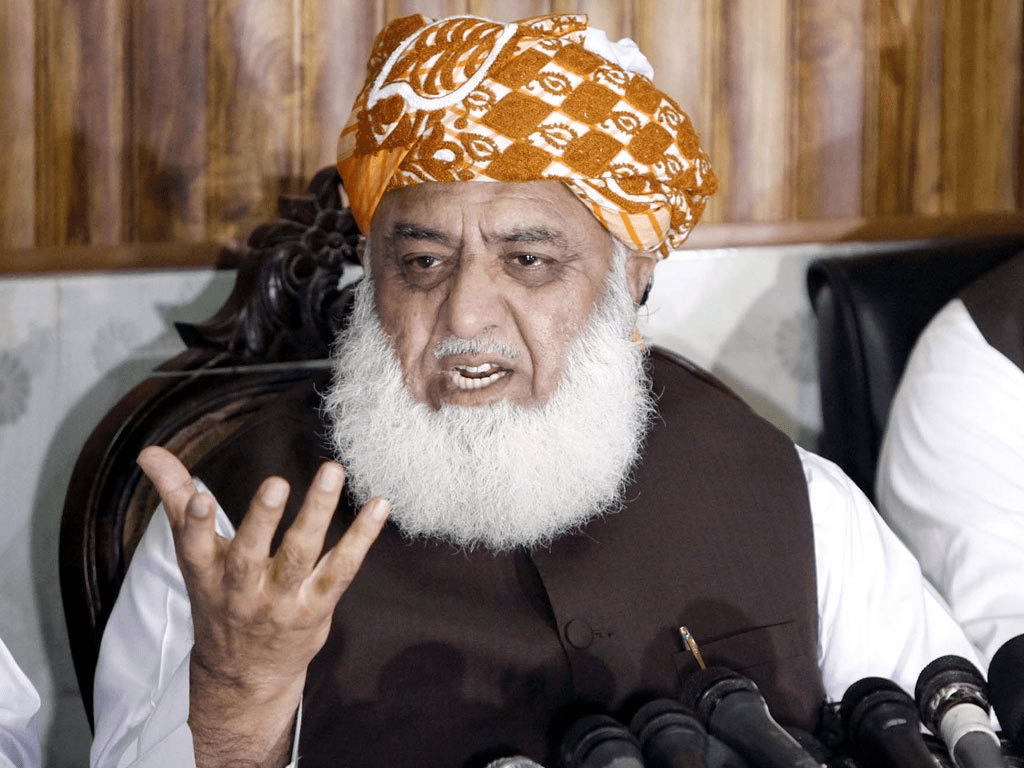
ISLAMABAD — The Jamiat Ulema-i-Islam-Fazl (JUI-F) has warmly welcomed the Iranian President’s visit to Pakistan, underscoring its potential to enhance regional stability. Maulana Fazlur Rehman, the Emir of JUI-F, expressed support for stronger bilateral ties between the two neighbor countries. Diplomatic Engagement On Wednesday, Maulana Fazlur Rehman publicly endorsed the Iranian President’s visit to Pakistan. He emphasized the importance of this diplomatic engagement, suggesting it could lead to improved stability across the region. This visit marks a significant step in strengthening the ties between Pakistan and Iran, nations with a shared historical bond and common border. Rehman noted that the visit provides an opportunity to address mutual concerns and explore collaboration avenues in various sectors. “Stronger relations between Pakistan and Iran would promote stability,” Rehman stated, reflecting a broader regional desire for peace and economic development. The visit is expected to include discussions on trade, security, and cultural exchanges. Both nations have historically maintained a complex relationship, influenced by geopolitical dynamics. Recent engagements indicate a joint interest in overcoming past challenges and focusing on future opportunities. Complex Historical Relationship Pakistan and Iran share a multifaceted relationship, characterized by cooperation and tension. Historically, they collaborated on economic and security initiatives, though geopolitical shifts sometimes strained their ties. Regional alliances and global powers further complicate their relationship. In recent years, there’s been a renewed effort to strengthen bilateral relations, with both countries seeing the potential benefits of collaboration. This includes trade, energy, and cultural exchange initiatives. The Iranian President’s visit is part of ongoing efforts to solidify ties and address challenges like border security and economic development. Significance of the Visit The Iranian President’s visit to Pakistan holds significant implications for both nations and the broader region. Enhanced cooperation could lead to increased trade and investment, benefiting industries and creating jobs. Iran and Pakistan can potentially collaborate on energy projects, addressing Pakistan’s energy needs and providing a stable market for Iranian resources. Politically, improved Pakistan-Iran relations could contribute to regional stability. Both countries play crucial roles in South Asia and the Middle East, and their cooperation could help mitigate regional conflicts. Stronger ties could also counterbalance external influences, allowing both nations to pursue independent foreign policies. Socially, increased cultural exchanges and people-to-people contacts could enhance mutual understanding, fostering a more harmonious relationship and reducing misunderstandings. Key Points JUI-F welcomes the Iranian President’s visit, emphasizing its role in regional stability. The visit aims to strengthen Pakistan-Iran relations through collaboration in various sectors. Historical ties between the two countries have been complex due to geopolitical dynamics. Enhanced cooperation could lead to economic benefits and regional peace. Cultural exchanges could promote mutual understanding and goodwill.

Business

Minister Praises Efficient Federal Budget Preparation Process

ISLAMABAD — Federal Minister for Parliamentary Affairs Tariq Fazal Chaudhary commended the National Assembly Secretariat and related departments for their efficient and coordinated work in preparing the federal budget. His remarks came during a session on Wednesday, emphasizing the collaborative efforts of various governmental bodies in finalizing the budget. Efficient Coordination in Budget Preparation During the Wednesday session, Minister Chaudhary praised the National Assembly Secretariat and associated departments for their meticulous efforts in federal budget preparation. According to him, the entire process was executed efficiently and in a highly coordinated manner. This ensured the budget was timely and met all necessary requirements. He emphasized the importance of teamwork among different governmental bodies. Chaudhary stated, “The seamless collaboration between the National Assembly Secretariat and other departments was crucial for the timely budget completion.” He acknowledged the hard work of the officials involved, contributing to the smooth preparation process. Multiple Stages in Budget Process The budget preparation process is complex and involves several stages, including consultations, drafting, and final approvals. This process requires input from numerous departments to ensure all financial needs are addressed. The minister’s commendation reflects the successful execution of these tasks by the entities involved. Importance of the Federal Budget The preparation of Pakistan’s federal budget is an annual exercise involving extensive planning and coordination. It typically starts months in advance with consultations between the Ministry of Finance, the National Assembly, and other relevant departments. The budget outlines the government’s financial plans for the upcoming fiscal year, detailing expected revenues and expenditures. Historically, Pakistan’s budget preparation has faced challenges like delays and disagreements among stakeholders. Recent efforts, however, have focused on improving efficiency and transparency. Involvement of various governmental bodies ensures the budget reflects the country’s economic priorities and addresses citizens’ needs. Impact on Economic Sectors The federal budget is a crucial document setting the financial direction of the country for the coming year. It impacts sectors like education, healthcare, infrastructure, and defense, by allocating necessary funds and resources. An efficiently prepared budget is essential to ensure these sectors receive adequate funding and can operate effectively. Minister Chaudhary’s praise highlights the government’s commitment to transparency and efficiency in financial planning. By recognizing involved departments’ efforts, the government aims to build public trust in its financial management capabilities, crucial for economic stability. A well-prepared budget can positively influence investor confidence, showcasing the government’s ability to manage finances responsibly. This can lead to increased foreign investment, vital for Pakistan’s economic growth and development. Key Takeaways Federal Minister Tariq Fazal Chaudhary praised the efficient and coordinated efforts in federal budget preparation. The National Assembly Secretariat and related departments were commended for their teamwork. The budget preparation process involves multiple stages requiring input from various governmental bodies. An efficiently prepared budget boosts public trust and can enhance investor confidence.

Business

National Bank of Pakistan Releases Latest Foreign Exchange Rates

KARACHI — On Wednesday, June 24, the National Bank of Pakistan’s Treasury Management Division released the latest foreign exchange rates. These rates indicate the current buying and selling prices for various international currencies, serving as a crucial reference for businesses and individuals involved in foreign exchange transactions. Updated Exchange Rates The National Bank of Pakistan announced new exchange rates for multiple key currencies. The US dollar, a critical player in global trade, is selling at PKR 278.60 and buying at PKR 278.10. The euro’s rates are set at PKR 316.60 for selling and PKR 316.03 for buying, while the British pound is selling at PKR 367.60 and buying at PKR 366.94. Currencies such as the Japanese yen have selling and buying rates of PKR 1.7245 and PKR 1.7214, respectively. The Swiss franc stands at PKR 343.87 for selling and PKR 343.25 for buying. The Canadian dollar sells at PKR 195.97 and buys at PKR 195.62. Australian dollar rates are PKR 192.34 for selling and PKR 192.00 for buying. Additional Currencies Rates for other currencies include: Swedish krona (SEK 28.56 selling, SEK 28.51 buying) Norwegian krone (NOK 28.38 selling, NOK 28.33 buying) Danish krone (DKK 42.36 selling, DKK 42.28 buying) The updated rates also cover the New Zealand dollar, Singapore dollar, Hong Kong dollar, Korean won, Chinese yuan, Malaysian ringgit, Thai baht, UAE dirham, Saudi riyal, Qatar riyal, and Kuwaiti dinar, reflecting the market’s dynamic nature. Impact of Exchange Rates Exchange rates play a critical role in international trade and finance, affecting import and export costs and influencing inflation and interest rates. As a leading financial institution, the National Bank of Pakistan updates these rates regularly to mirror market conditions and ensure transparency for its clients. Various factors such as economic indicators, geopolitical events, and market speculation can influence these rates. Pakistan’s exchange rates have historically fluctuated due to economic challenges like trade deficits and foreign debt. The State Bank of Pakistan, the central bank, is pivotal in managing the currency’s value through monetary policy and market interventions. Significance of Updated Rates The recent update of exchange rates by the National Bank of Pakistan has substantial implications. For businesses, these rates influence import costs, pricing strategies, and profit margins. Favorable rates can boost competitiveness for exporters in international markets. For the public, rates impact expenses for overseas travel and education. A strong Pakistani rupee makes international costs more affordable. On a broader economic level, exchange rates affect inflation and growth. A depreciating rupee increases import costs, potentially escalating inflation. Conversely, a stable or improving rupee can help stabilize inflation and support the economy. Internationally, Pakistan’s exchange rate management attracts the attention of investors and financial analysts, offering valuable insights into the country’s economic health and policy direction. Key Takeaways National Bank of Pakistan has released updated foreign exchange rates. Key currencies include the US dollar, euro, and British pound. Exchange rates significantly impact import costs and trade dynamics.

Business

Pakistan And Iran Commit To Enhanced Security Cooperation Amid Regional Calm

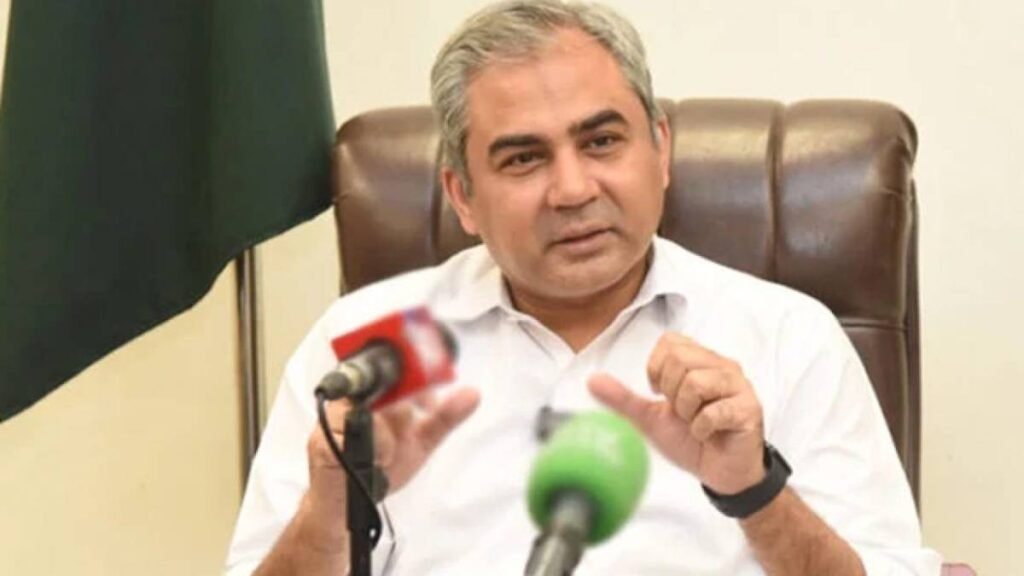
ISLAMABAD — Pakistan and Iran have agreed to enhance their security cooperation as regional tensions ease. This development resulted from talks between Pakistan’s Interior Minister Mohsin Naqvi and Iranian counterpart Eskandar Momeni, centering on security, counterterrorism, cybersecurity, and immigration. Details of the Meeting The interior ministers met to reinforce bilateral ties and address shared security concerns. These discussions follow a recent peace agreement that has stabilized the region. Both aimed to strengthen their collaboration in areas like counterterrorism and cybersecurity. Minister Naqvi stressed the need for joint efforts with Iran to tackle issues such as border security and terrorism. “Our cooperation is crucial for ensuring peace and stability in the region,” Naqvi stated. Momeni agreed, emphasizing the importance of coordinated efforts to secure their shared border. The talks also addressed immigration issues. Both sides recognized the need to manage cross-border movements better, focusing on illegal immigration and improving legal frameworks for people movement between the countries. Historical Context Pakistan and Iran, sharing a lengthy border, have faced challenges like cross-border terrorism and illegal immigration. Various agreements have been made to enhance border security and manage immigration more effectively. The peace agreement has reduced tensions and opened new opportunities for cooperation. Geopolitical factors have influenced Pakistan-Iran relations, including ties with other regional powers. Nevertheless, both recognize the importance of a stable border, leading to ongoing dialogues and cooperative agreements. Significance for the Region This enhanced security collaboration has multiple implications. Economically, it could facilitate trade and commerce, boosting local economies and regional prosperity. The reduction in border tensions might lead to increased investment opportunities, as businesses feel more confident in the region’s stability. Socially, security improvements could enhance the quality of life for border communities who suffer from cross-border conflicts and illegal activities. Addressing these issues can instill a sense of security and stability among the populations. Key Takeaways Pakistan and Iran commit to strengthening security cooperation amidst easing regional tensions. Focus areas include counterterrorism, cybersecurity, and immigration management. Efforts aim at improving border security and tackling illegal immigration challenges. Expected positive economic and social impacts for communities along the border. This collaboration might serve as a model for regional cooperation in addressing common challenges.

Business

Massive Fire Devastates H-9 Bazaar in Islamabad, Shops Reduced to Ashes

A massive fire erupted at the weekly H-9 Bazaar in Islamabad’s Peshawar Mor on June 23, causing extensive damage to numerous shops and stalls. Firefighters and rescue teams were dispatched to control the blaze, but shopkeepers and vendors were left devastated as their livelihoods were consumed by the flames. Fire Details The fire broke out late at night in the bustling H-9 Bazaar, rapidly spreading through tightly packed stalls and shops. Although the Islamabad fire department and rescue teams responded quickly, the inferno consumed a significant portion of the market. The metal frameworks of shops were reduced to charred remnants, and eyewitnesses reported flames visible from miles away. Shopkeepers watched helplessly as their goods and investments were destroyed. Many, who had been operating in the market for years, face severe financial losses. Initial reports suggest an electrical short circuit may have triggered the blaze. Firefighter Efforts A firefighter at the scene explained, “The fire was extremely challenging to control due to the dense arrangement of stalls and the flammable materials stored within them. We are doing our best to prevent the fire from spreading to nearby areas.” Background of H-9 Bazaar The H-9 Bazaar, also known as the Sunday Market, is a popular shopping destination in Islamabad, attracting thousands of visitors weekly. The market offers a wide range of products, including clothing, electronics, fresh produce, and household items at competitive prices. Managed by the Capital Development Authority (CDA), the market is subject to its infrastructure and safety regulations. Similar incidents have occurred in various Pakistani markets, often due to inadequate safety measures and outdated electrical systems. A lack of a comprehensive fire safety protocol is a recurring problem, with authorities frequently criticized for not enforcing regulations effectively. Economic and Safety Implications The destruction of the H-9 Bazaar significantly impacts the local economy and the livelihoods of many vendors who rely on the market for income. Rebuilding businesses from scratch will be daunting, especially for uninsured vendors. This incident underscores the urgent need for improved safety measures in markets across Pakistan. The recurring nature of such fires reveals systemic issues in market management and safety enforcement. Authorities must prioritize modern fire safety standards and ensure regular inspections to prevent future tragedies. On a broader scale, the incident raises questions about urban planning and infrastructure development in rapidly expanding cities like Islamabad. As urban areas grow, robust safety frameworks become essential for protecting businesses and consumers. Key Takeaways A massive fire destroyed the H-9 Bazaar in Islamabad, affecting numerous shops and stalls. The cause of the fire is suspected to be an electrical short circuit, though investigations are ongoing. The incident highlights the need for improved fire safety measures and enforcement in markets. The economic impact is severe, with many shopkeepers facing significant financial losses. Authorities are urged to implement modern safety standards to prevent future incidents. Source Attribution The information in this article is sourced from the Associated Press of Pakistan (APP).

Business

Customs Authorities Plan Enhancements to Support Exporters

LAHORE — Customs authorities in Pakistan are assessing potential improvements to the Export Facilitation Scheme (EFS) to enhance support for exporters. Chief Collector Customs (Exports) Mohsin Rafiq announced this on Tuesday, emphasizing maximum exporter facilitation. Practical measures are being implemented to speed up export consignment clearance and ensure timely duty drawback payments. Proposed Enhancements Chief Collector Rafiq highlighted the customs authorities’ active considerations for refining the Export Facilitation Scheme. The goal is to streamline processes for quicker export consignment clearance and more efficient duty drawback handling. These efforts aim to boost the competitiveness of Pakistani exporters globally. Rafiq stated, “We are committed to providing the maximum facilitation to our exporters. Positive changes are being considered to improve the Export Facilitation Scheme, ensuring that our exporters can compete effectively on the international stage.” The planned changes are set to tackle current process bottlenecks and inefficiencies that concern many exporters. The authorities are also exploring technological upgrades and process automation to further elevate export operation efficiency, aiming to reduce delays and cut exporting costs from Pakistan. Background on the Scheme The Export Facilitation Scheme was initiated to simplify the export process, offering benefits like duty drawbacks and swift customs procedures. Nonetheless, exporters face hurdles due to bureaucratic inefficiencies. Reform discussions have persisted among export sector stakeholders for years. Pakistan’s export sector is crucial, significantly contributing to GDP and employment. However, the sector faces challenges, such as high production costs, inadequate infrastructure, and complex regulations. The government is working to resolve these via policy reforms and incentives. Importance of Proposed Changes The proposed improvements to the Export Facilitation Scheme are crucial. They demonstrate a proactive governmental approach to bolstering the export sector, key for economic stability and growth. Enhanced export processes intend to raise the competitiveness of Pakistani goods internationally. A robust export sector can boost foreign exchange earnings, essential for maintaining balance of payments, stabilizing the national currency, and reducing foreign debt dependency. Socially, a thriving export sector can generate more jobs, aiding poverty reduction and enhancing living standards. Politically, these enhancements reflect a governmental commitment to economic reform and development, which could improve relations with domestic and international stakeholders, including trade partners and investors. Key Takeaways Customs authorities are reviewing improvements to the Export Facilitation Scheme to aid exporters. Proposed changes focus on expediting export consignment clearance and duty drawback processes. The initiative is part of broader efforts to enhance Pakistani export competitiveness. Reforms may result in increased foreign exchange and job opportunities. Technological upgrades are planned to improve efficiency in export operations.

Scroll to Top