Business

Business – NEN Agency

Welcome to the Business section of NEN Agency, where we decode Pakistan’s economy, spotlight entrepreneurs, and track global market trends. From corporate boardrooms to small-town startups, our coverage connects you to the decisions, deals, and developments shaping financial life in Pakistan and beyond.

Inside This Category

  • Pakistan Economy: Government policies, taxation, inflation, trade, and growth indicators.

  • Startups & SMEs: Success stories of Pakistani entrepreneurs and innovative ventures.

  • Stock Market & Finance: Updates on PSX, forex, banking, and financial literacy.

  • Global Business: Trends from international markets, MNC activities, and economic events.

Why Our Business Coverage Stands Out
We don’t just report the numbers — we explain what they mean for you. Our team digs deeper into the “why” behind every headline, giving readers the context they need to make informed decisions.

Business

Pakistan And Iran Leaders Engage In High-Level Talks In Islamabad

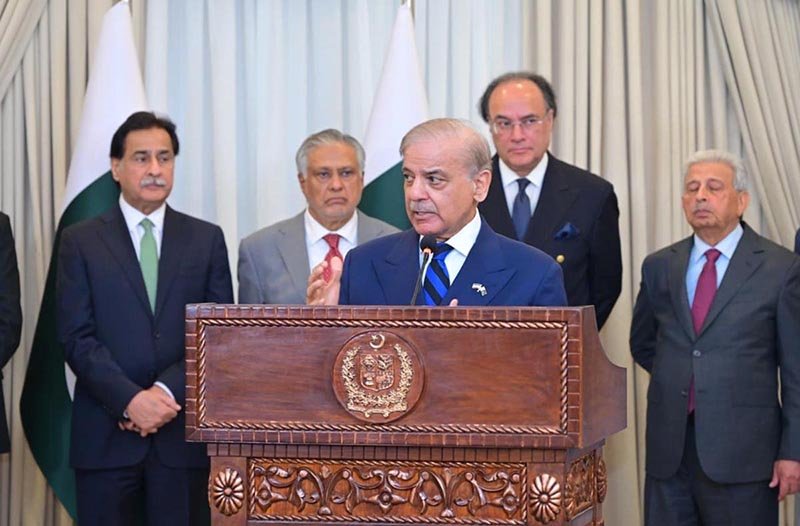
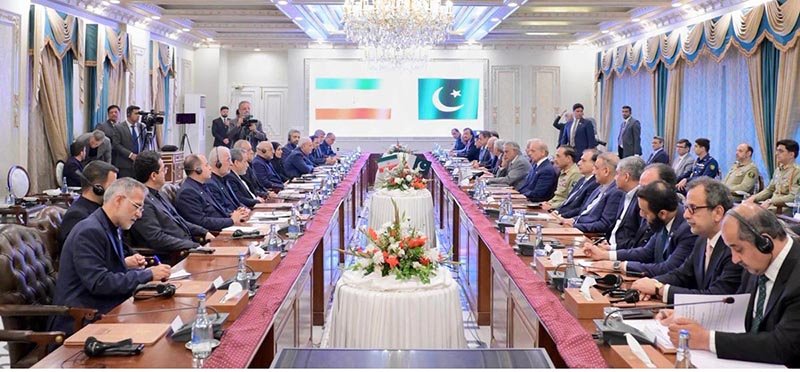
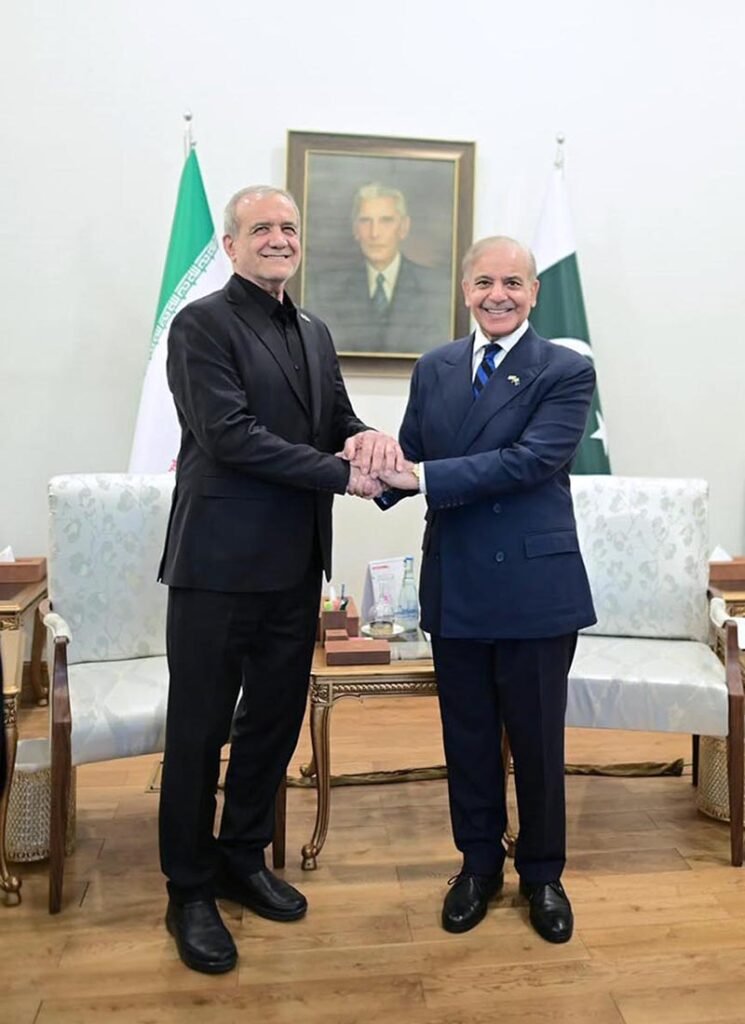
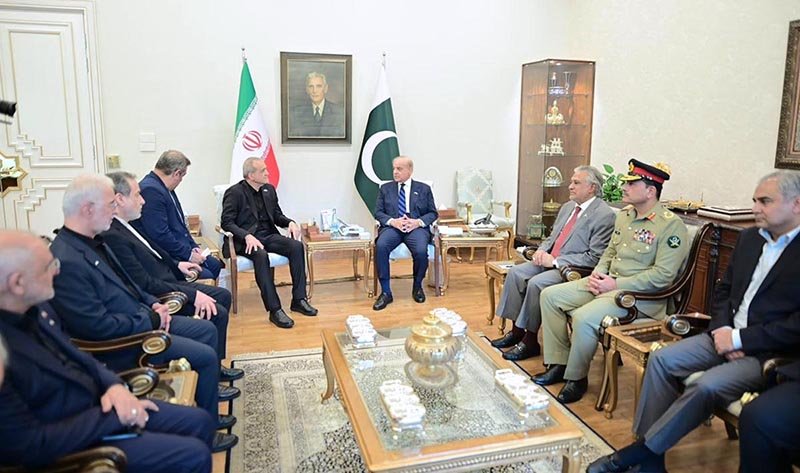
ISLAMABAD — Prime Minister Muhammad Shehbaz Sharif and Iran’s President Dr. Masoud Pezeshkian conducted delegation-level talks in Islamabad on June 23. These discussions centered on bolstering bilateral relations and exploring mutual interests like economic cooperation and regional security. Discussion Details Prime Minister Shehbaz Sharif and President Masoud Pezeshkian met on June 23 for in-depth discussions aimed at enhancing Pakistan-Iran bilateral ties. This significant diplomatic engagement focused on deepening economic cooperation and tackling regional security issues. The conversations spanned a variety of topics, including trade, energy, and security collaboration. Prime Minister Sharif emphasized Pakistan’s dedication to enhancing trade relations with Iran, highlighting the potential for increased economic collaboration. President Pezeshkian responded by conveying Iran’s interest in strengthening sectoral ties with Pakistan. Joint Press Conference During a subsequent joint press event, both leaders highlighted the importance of regional peace and stability. They agreed to intensify cooperation to combat terrorism and address cross-border security concerns. Discussions also included potential energy sector collaborations, focusing on joint ventures that could benefit both nations. Background Pakistan and Iran have a long history of diplomatic relations and share significant cultural and historical ties. Over time, these nations have engaged in numerous bilateral agreements to enhance economic and security cooperation. However, relations have sometimes been strained due to geopolitical issues and security concerns. Recently, both countries have expressed intentions to strengthen relations, particularly in trade and energy. The Iran-Pakistan gas pipeline project, though delayed, remains a crucial interest. Both nations are also part of the Economic Cooperation Organization (ECO), promoting economic collaboration. Impact of the Talks The talks between Prime Minister Sharif and President Pezeshkian are crucial for regional stability and economic development. Strengthening ties with Iran is vital for Pakistan as it aims to diversify economic partnerships and enhance energy security. Increased trade and investment with Iran could significantly boost Pakistan’s economy, which faces challenges. Additionally, enhanced cooperation on regional security issues is critical for maintaining peace. Both countries have suffered from terrorism and cross-border security issues, making cooperative efforts a priority. This collaboration could help mitigate common threats and stabilize the region. On the international front, strengthened Pakistan-Iran relations may affect South Asian and Middle Eastern geopolitical landscapes. As both navigate complex regional dynamics, their cooperation could serve as a stabilizing force. Key Takeaways Prime Minister Shehbaz Sharif and President Masoud Pezeshkian held discussions in Islamabad to strengthen bilateral relations. The talks focused on economic cooperation, regional security, and potential energy projects. Both leaders emphasized the need for regional peace and stability. Enhancing ties with Iran is key for boosting Pakistan’s economy and regional security.
Business

Prime Minister Shehbaz Sharif and Iranian President Pezeshkian Hold Talks in Islamabad

ISLAMABAD — Prime Minister Shehbaz Sharif and Iranian President Dr. Masoud Pezeshkian convened in Islamabad on June 23 to discuss enhancing bilateral relations and regional cooperation. The delegation-level talks aimed at strengthening ties between Pakistan and Iran, focusing on economic collaboration and security issues. Discussion Highlights The meeting formed part of the Iranian delegation’s official visit to Pakistan. Discussions covered topics such as trade, energy cooperation, and regional security. Both leaders committed to enhancing bilateral relations and exploring new avenues for collaboration. Prime Minister Sharif stressed the importance of economic ties, saying, “Pakistan and Iran have a long history of cooperation; it’s essential to build on this foundation to achieve mutual economic growth.” He highlighted opportunities for increased trade and investment, particularly in the energy sector. President Pezeshkian echoed these sentiments, noting Iran’s eagerness to expand its economic partnership with Pakistan. He stated, “Iran sees Pakistan as a vital partner in the region, and we are committed to working together to address common challenges and seize growth opportunities.” They also discussed regional security, particularly concerning Afghanistan. Sharing a border with Afghanistan, both countries are invested in ensuring regional stability. They agreed on continued collaboration on security matters and supporting peace efforts in Afghanistan. Background of Relations Pakistan and Iran have historically maintained cordial relations, sharing cultural, religious, and economic ties. Despite challenges due to regional dynamics and geopolitical tensions, both nations have recently focused on strengthening their partnership through economic cooperation and security collaboration. Trade between Pakistan and Iran has been constrained by sanctions on Iran and logistical challenges. Nevertheless, both countries have shown a desire to increase trade volumes and explore new areas of cooperation. Energy cooperation, such as the Iran-Pakistan gas pipeline, remains a key focus. Significance of the Meeting The meeting between Prime Minister Sharif and President Pezeshkian is economically significant, as enhanced cooperation can lead to increased trade and investment, benefiting both economies. The energy sector’s collaboration potential is noteworthy, with Pakistan seeking diversified energy sources and Iran aiming to expand its exports. Politically, strengthening ties can enhance regional stability. Both countries play crucial roles in the geopolitics of South Asia and the Middle East, and their cooperation on security can address challenges like terrorism and drug trafficking. For Pakistan, improving relations with Iran is strategically important. Balancing relationships with regional powers such as China, the USA, and Saudi Arabia, while maintaining a strong partnership with Iran, enhances its diplomatic leverage. Key Takeaways Prime Minister Shehbaz Sharif and Iranian President Masoud Pezeshkian convened in Islamabad to discuss bilateral relations. The talks focused on economic cooperation, particularly in trade and energy, and regional security issues. Both leaders expressed a commitment to strengthening ties and exploring new avenues for collaboration. The meeting opens paths for increased trade, energy collaboration, and regional stability.

Business

Prime Minister Shehbaz Sharif Meets Iranian President Masoud Pezeshkian in Islamabad

ISLAMABAD — On June 23, Prime Minister Shehbaz Sharif and Iranian President Dr. Masoud Pezeshkian met in Islamabad to discuss enhancing diplomatic and economic ties between Pakistan and Iran. Diplomatic Engagement The significant diplomatic meeting took place in Islamabad, highlighting the importance of Pakistan and Iran strengthening their bilateral relations. Both leaders emphasized the need to enhance cooperation in trade, energy, and security. Prime Minister Sharif pointed out the potential for increased trade, citing geographical proximity and shared cultural ties that could facilitate economic collaboration. President Pezeshkian expressed Iran’s interest in energy projects, including electricity and gas pipeline initiatives. “Iran is keen to work with Pakistan to address energy needs and enhance regional connectivity,” he stated. Historical Context Pakistan and Iran have maintained diplomatic relations since shortly after Pakistan’s independence in 1947. Their relationship is built on regional stability and economic cooperation. Despite challenges from geopolitical tensions and international sanctions on Iran, both countries aim to overcome these obstacles for mutual benefit. The Iran-Pakistan gas pipeline, known as the “Peace Pipeline,” remains a significant topic, although progress has been impeded by geopolitical and financial issues. Economic and Political Implications The meeting holds considerable significance. Economically, stronger cooperation could lead to increased trade and investment opportunities, benefiting both countries. For Pakistan, utilizing Iranian energy resources could alleviate its chronic energy shortages, bolstering industrial growth. Politically, deeper ties with Iran could offer Pakistan a balanced foreign policy, enhancing its diplomatic leverage with other major powers and contributing to regional stability. Key Takeaways Prime Minister Sharif and President Pezeshkian met in Islamabad to discuss bilateral relations. Focus was placed on enhancing trade, energy cooperation, and regional security. Iran showed interest in energy projects, including electricity supply and gas pipelines. The meeting highlights the potential for strengthened economic and diplomatic ties between Pakistan and Iran.

Business

Iranian President and Pakistani Prime Minister Hold Joint Press Conference

ISLAMABAD — The President of the Islamic Republic of Iran, Dr. Masoud Pezeshkian, and the Prime Minister of the Islamic Republic of Pakistan, Muhammad Shehbaz Sharif, held a joint press conference on Tuesday to discuss bilateral relations and regional cooperation. The meeting in Islamabad highlighted both nations’ commitment to strengthening ties amid evolving geopolitical dynamics. Key Issues Discussed During the press conference, President Pezeshkian and Prime Minister Sharif addressed key issues, including economic collaboration, security concerns, and cultural exchanges. They stressed the importance of enhancing trade and investment, focusing on energy cooperation and infrastructure development. Economic and Energy Cooperation Prime Minister Sharif stated, “Our discussions today have been fruitful, and we are committed to expanding our economic partnership.” He noted that both nations are eager to explore new avenues for mutual benefit, having a long history of cooperation. President Pezeshkian echoed these sentiments, emphasizing Iran’s interest in working on projects that bring prosperity to both peoples. He highlighted potential collaboration in the energy sector, especially in developing cross-border gas pipelines. Regional Security Concerns The leaders discussed regional security, focusing on the situation in Afghanistan. Both countries, sharing a border with Afghanistan, have an interest in promoting regional stability and peace. They agreed to enhance intelligence sharing and cooperate closely to address common security challenges. Background of Iran-Pakistan Relations Pakistan and Iran have historically maintained cordial relations, based on cultural and religious ties. They have collaborated on trade, energy, and security fronts, despite geopolitical tensions and sanctions on Iran posing challenges at times. The Iran-Pakistan gas pipeline, known as the “Peace Pipeline,” aims to address Pakistan’s energy needs but has faced political and financial hurdles. Despite this, both continue to express a commitment to the project’s completion. Significance of the Meeting This conference signifies a renewed commitment to strengthening Iran-Pakistan ties, crucial amid shifting alliances and the changing geopolitical scene. Enhanced cooperation could lead to significant economic benefits, such as increased trade and investment opportunities. For Pakistan, collaboration with Iran is essential for alleviating energy shortages. The Iran-Pakistan gas pipeline’s successful implementation could provide a stable energy source, lessening power shortages. On the security front, both nations face common challenges, especially regarding Afghanistan, and can promote regional stability and counter extremism by working together. Iranian President and Pakistani Prime Minister held a joint press conference in Islamabad. Discussions focused on economic collaboration, security, and cultural exchanges. Leaders emphasized the importance of the Iran-Pakistan gas pipeline project. Regional security, particularly in Afghanistan, was a key topic of discussion.

Business

Punjab Revenue Authority Extends Hours, Cancels Holidays to Meet Targets

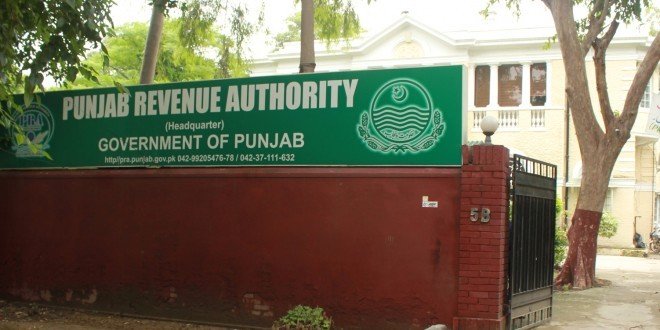
LAHORE — To meet its revenue targets for the fiscal year ending June 30, the Punjab Revenue Authority (PRA) has extended office working hours and cancelled weekly holidays. This strategy, revealed by a PRA spokesperson on Tuesday, aims to maximize revenue collection before the fiscal year concludes. Decisive Measures by PRA The Punjab Revenue Authority has taken decisive steps to ensure it meets its revenue targets. All offices, including the headquarters, are extending working hours. This change comes as the fiscal year nears its end, with pressure mounting to achieve financial goals. The cancellation of weekly holidays will allow uninterrupted operations as the deadline approaches. The spokesperson emphasized, “The extension of working hours and cancellation of holidays are necessary steps to ensure that we meet our revenue targets for this fiscal year. Our team is committed to working diligently to achieve these goals.” These efforts are part of a broader strategy to enhance revenue collection and improve organizational efficiency. This initiative is expected to significantly impact the authority’s ability to collect taxes and other revenues, which are crucial for funding government projects and services. By extending working hours, the PRA aims to provide more opportunities for taxpayers to meet obligations, increasing compliance and revenue collection. Role of the Punjab Revenue Authority The Punjab Revenue Authority is tasked with collecting taxes and other revenues in the province. Established to streamline tax collection and increase efficiency, the PRA plays a vital role in ensuring the provincial government’s financial stability. Over time, the authority has introduced various measures to enhance operations and improve revenue collection. Recently, the PRA faced challenges in meeting revenue targets due to economic fluctuations and compliance issues. The authority has addressed these challenges through policy reforms, technological advancements, and improved taxpayer services. Extending hours and canceling holidays is the latest effort to boost revenue collection and ensure financial sustainability. Impact of Extended Working Hours Extending working hours and cancelling holidays is significant for several reasons. Economically, it highlights the importance of meeting revenue targets to fund essential government services and projects. The additional revenue collected through these measures will contribute to the province’s development and financial stability. Socially, this decision reflects the commitment of the PRA’s workforce to achieve organizational goals, even at personal time expense. The dedication of employees to work extra hours underscored the importance of collective efforts for financial objectives. Politically, the PRA’s actions could influence public perception of the government’s financial management. Achieving revenue targets is crucial for maintaining public trust and confidence in fiscal policies and management. Internationally, the PRA’s measures to enhance revenue collection align with global best practices in tax administration. Efficient tax collection is vital for economic growth, and the PRA’s initiatives contribute to Pakistan’s broader economic objectives. Key Takeaways The Punjab Revenue Authority has extended working hours and cancelled holidays to meet fiscal year revenue targets. This decision aims to maximize revenue collection and improve organizational efficiency. The PRA’s initiatives are crucial for funding government projects and maintaining financial stability. The workforce’s dedication reflects commitment to achieving financial goals in challenging conditions. These efforts align with global best practices, contributing to Pakistan’s broader economic goals.

Business

Pakistan Releases Latest Foreign Exchange Rates Amid Economic Challenges

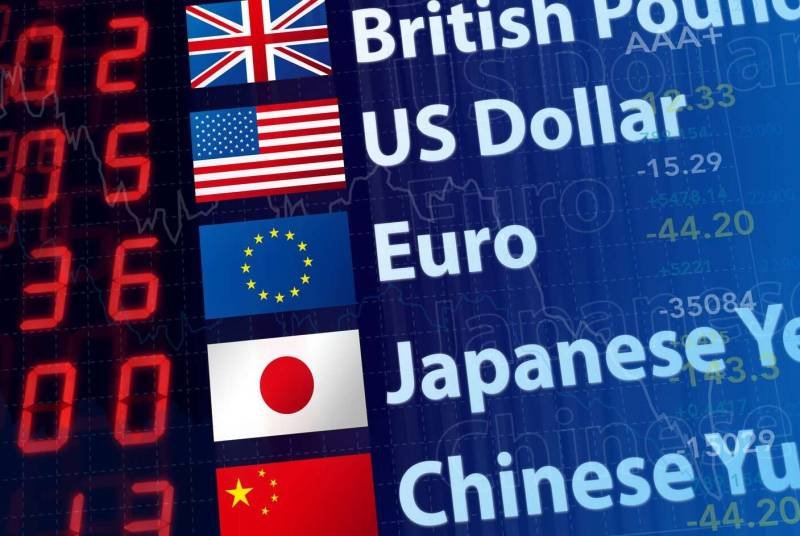
KARACHI — The Exchange Rates Committee of the Financial Markets Association of Pakistan has announced the latest foreign exchange rates as of June 23, 2026. These conversion rates are vital for traders and businesses engaged in international transactions. They aim to guide forward cover for deposits, with the State Bank of Pakistan (SBP) setting the settlement value date for June 29, 2026. Latest Release Details On June 23, 2026, the Financial Markets Association of Pakistan’s Exchange Rates Committee issued a bulletin detailing foreign currency conversion rates. These rates are crucial for financial institutions and businesses involved in foreign trade and were released for forward cover for deposits, excluding FE-25 deposits. The State Bank of Pakistan has scheduled the settlement value date for these rates as June 29, 2026. The exchange rate for the US dollar was pegged at 278.1921 Pakistani rupees. This rate is a crucial economic health indicator, as the US dollar plays a significant role in international trade and finance. The bulletin also included the British pound’s rate, reflecting active trade relations between Pakistan and the United Kingdom. Economic Context The release of these rates occurs amid Pakistan’s significant economic challenges, such as inflation and a volatile currency market. The exchange rates serve as essential benchmarks for financial transactions, monitored closely by businesses and investors to facilitate informed decision-making. Exchange Rate Influence Pakistan’s foreign exchange market faces pressure from various internal and external factors. Historically, the country struggles to maintain a stable currency owing to its reliance on imports and external debt obligations. The exchange rate remains a vital tool for the State Bank of Pakistan to manage monetary policy and control inflation. In recent years, the Pakistani rupee has shown volatility, influenced by global economic trends, geopolitical tensions, and domestic policies. The SBP regularly intervenes in the foreign exchange market to stabilize the currency and ensure sufficient reserves. Significance and Implications The latest foreign exchange rates are crucial for several reasons: They provide transparency for businesses and financial institutions to strategically plan transactions and manage currency risks. The rates help in setting realistic financial commitments amid the rupee’s depreciation pressures. Economically, these rates affect import and export costs, balancing trade dynamics. A higher US dollar rate can make imports more costly, fueling inflation, but it can also boost export competitiveness. Politically, stable exchange rates maintain investor confidence and attract foreign investment. Volatility can deter investors due to currency loss risks. Thus, the SBP’s management of these rates is crucial for economic stability and growth. Internationally, Pakistan’s exchange rates influence global investor and trading partner relations. A stable currency bolsters the country’s reputation as a dependable trading partner, enhancing trade relations and economic cooperation.

Business

GCWUF Unveils 6th Fashion Design Thesis Display in Faisalabad

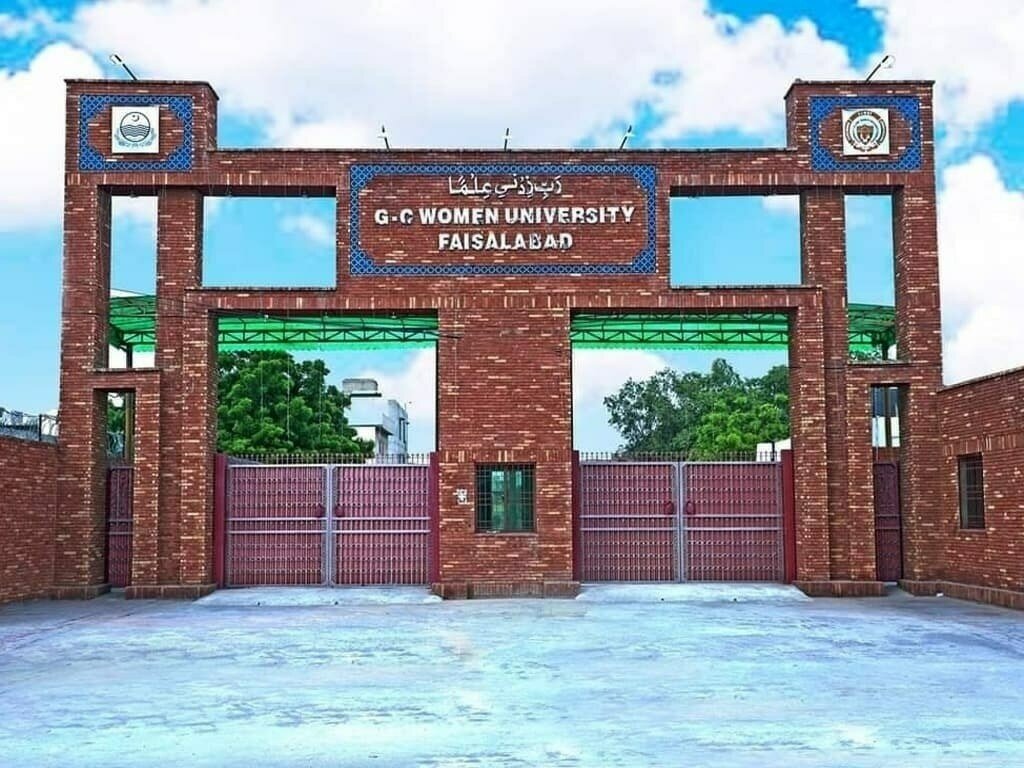
FAISALABAD — The Government College Women University Faisalabad (GCWUF) launched its 6th Fashion Design Thesis Display at the Lyallpur Galleria on June 23. The event showcased the creative talents of students from the Department of Fashion and Textile Design. GCWUF Vice Chancellor Prof Dr Kanwal Amin and renowned textile industrialist Amina Khurram inaugurated the event. Event Highlights The thesis display aimed to highlight the innovative potential of young female designers. Held at Lyallpur Galleria, it featured diverse fashion projects demonstrating students’ skills in textile and fashion design. This annual event provides a platform for final-year students to present their work to industry professionals, faculty, and the public. Key Figures and Their Insights During the inauguration, Vice Chancellor Prof Dr Kanwal Amin emphasized the importance of such platforms in nurturing young talent for the competitive fashion industry. She stated, “This display not only showcases our students’ hard work and creativity but also serves as a bridge between academia and industry.” Amina Khurram, a key figure in the textile industry, praised the quality of the students’ work. She noted, “Their creativity and originality are commendable, and events like these are crucial for their professional growth.” Fashion Innovation The display featured a variety of fashion pieces ranging from traditional attire to contemporary designs, blending cultural heritage with modern aesthetics. Students’ work was evaluated by a panel of judges, including industry experts and academic professionals, who provided feedback and guidance. Institutional Background GCWUF has been a pioneer in women’s education, offering programs in arts, sciences, and humanities. The Fashion and Textile Design Department encourages creativity and innovation, pushing students to explore new trends in fashion design. The thesis display is a significant event in the university calendar, drawing attention from industry leaders and providing students exposure and networking opportunities. Economic Importance The fashion and textile industry is a vital sector in Pakistan’s economy, contributing significantly to exports and employment. Events like GCWUF’s Fashion Display prepare the next generation of designers who will drive this industry forward. By showcasing their work, students gain valuable experience and exposure, essential for career development. The event highlights the importance of women’s education and empowerment in Pakistan, contributing to gender equality and participation in the workforce. The display underlines the potential for innovation in fashion. As global trends shift towards sustainable fashion, young designers from GCWUF are well-positioned to lead in creating environmentally friendly fashion solutions. Key Takeaways The 6th Fashion Design Thesis Display was held at GCWUF, showcasing student talent. Vice Chancellor Prof Dr Kanwal Amin and Amina Khurram inaugurated the event. The display featured a range of innovative student fashion projects.

Business

President Zardari Honors Women for Contributions to Global Diplomacy

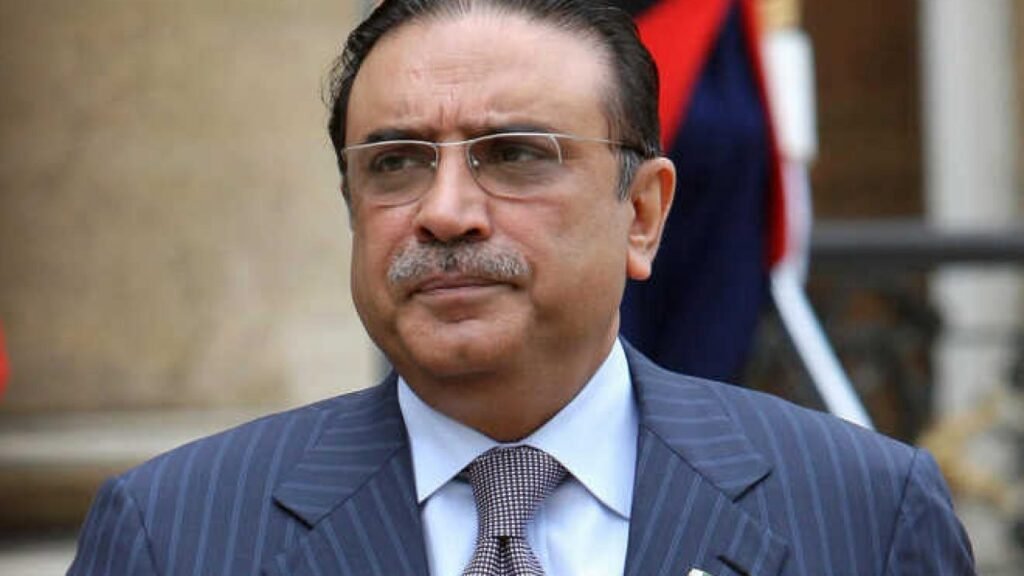
ISLAMABAD — On June 23, President Asif Ali Zardari commemorated the ‘International Day of Women in Diplomacy’ by honoring women for their pivotal roles in fostering international dialogue and cooperation. He emphasized their significant impact on strengthening global engagement and resolving conflicts. Recognition of Women’s Contributions President Asif Ali Zardari, in a statement from Islamabad, acknowledged the invaluable contributions women have made to diplomacy. During the ‘International Day of Women in Diplomacy,’ he praised their efforts in advancing dialogue, understanding, and cooperation among nations. President Zardari highlighted that these women have been instrumental in supporting peaceful dispute resolution, often in challenging and uncertain circumstances. The President stated, “Their work has strengthened international engagement and supported the peaceful resolution of disputes in difficult and often uncertain circumstances.” This recognition is part of a broader initiative to appreciate the role of women in various fields, particularly in diplomacy, where their contributions have been significant yet sometimes underappreciated. Global Efforts for Gender Equality President Zardari’s tribute is aligned with global efforts to underline the importance of gender equality in diplomatic roles. The ‘International Day of Women in Diplomacy’ serves as a reminder of the progress made and the challenges that remain in achieving equal representation in international relations. Historical Context and Progress The ‘International Day of Women in Diplomacy’ is observed globally to recognize women’s contributions to diplomatic services. It aims to promote gender equality and empower women in leadership roles within international relations. Historically, diplomacy has been male-dominated, but recent years have seen a shift towards more inclusive representation. In Pakistan, women’s roles in diplomacy have evolved significantly. Women diplomats have been at the forefront of numerous key negotiations and peacekeeping efforts, both regionally and globally. The government’s commitment to gender equality in diplomatic services is reflected in policies and initiatives aimed at increasing female representation in the Foreign Service. Why Recognition Matters Recognition of women in diplomacy by President Zardari is not just ceremonial but a critical acknowledgment of their role in shaping international relations. Women’s participation in diplomacy brings diverse perspectives and approaches to conflict resolution, essential in today’s complex geopolitical landscape. Economically, empowering women in diplomacy can lead to comprehensive and sustainable policy outcomes. Studies show that gender-diverse teams are more effective in decision-making, resulting in robust international agreements and collaborations. Socially, this recognition helps dismantle stereotypes and encourages more women to pursue diplomatic careers. It sends a strong message about the value of inclusivity and equality in all sectors, including those traditionally dominated by men. Impact on Pakistan’s International Image Internationally, Pakistan’s emphasis on gender equality in diplomacy enhances its image as a progressive nation committed to global norms and values. This can improve bilateral and multilateral relations, opening doors for more collaborative efforts on issues like climate change, trade, and security. Key Takeaways President Zardari honored women diplomats on the ‘International Day of Women in Diplomacy’ for their contributions to global dialogue and cooperation. Women in diplomacy have played crucial roles in conflict resolution and strengthening international engagement. The recognition highlights the importance of gender equality in diplomatic services.

Business

Pakistan Stock Exchange Sees Continued Decline, Loses 778 Points

ISLAMABAD — The Pakistan Stock Exchange (PSX) experienced a continued bearish trend on Tuesday, with the benchmark KSE-100 Index dropping by 778.95 points, a 0.44 percent decline. The index closed at 177,692.92 points, down from 178,471.87 points on the previous trading day. Market Performance Tuesday’s losses reflected ongoing market downturns, as the KSE-100 Index lost a substantial 778.95 points. The session was notably active, with the ready market trading volume hitting 765.143 million shares. Negative sentiment was fueled by multiple factors, notably investor concerns over economic outlook and external pressures on Pakistan’s financial sector. Influencing Factors A combination of domestic and international issues influenced the decline. Inflationary pressures and currency depreciation have fostered investor caution. Additionally, global market trends and geopolitical tensions further shaped market sentiment. “The PSX is navigating a challenging period as investors remain cautious about economic indicators and global market fluctuations,” noted a market analyst. Economic Challenges Over the past year, the Pakistan Stock Exchange has grappled with various challenges, driven by both domestic and global developments. High inflation rates, a depreciating currency, and fiscal deficits have weakened investor confidence. The government has been taking steps to stabilize the economy, seeking support from international financial institutions and introducing reforms. Historically, the PSX has mirrored political and economic changes, reflecting broader trends. The current decline aligns with patterns seen in other emerging markets, where external shocks and internal issues heighten volatility. Impact and Implications The persistent bearish trend at the PSX signifies deeper worries about Pakistan’s economic stability and growth prospects. A declining stock market can reduce investor confidence, slowing investment inflows and economic growth. For businesses, it may lead to difficulties in raising capital and expansion, impacting employment and economic activities. The stock market’s performance also affects public sentiment regarding the country’s economic health. Persistent declines could increase public unease about economic policies and the government’s ability to manage challenges effectively. Politically, the PSX’s performance can influence public opinion on the government’s economic management. On the international front, foreign investors and financial institutions closely watch the PSX. A declining market may deter foreign investments, critical for economic development. The government’s response to these challenges will be vital in restoring confidence and ensuring stability. Key Points The KSE-100 Index of the PSX fell by 778.95 points, a 0.44 percent decline. The index concluded at 177,692.92 points, with a trading volume of 765.143 million shares. Investor concerns over inflation and geopolitical tensions significantly influenced the market. Economic stabilization measures are critical for investor confidence and market recovery.

Business

CCP Approves Kemyion’s Acquisition Of BASF Pakistan

ISLAMABAD — The Competition Commission of Pakistan (CCP) has approved the acquisition of BASF Pakistan (Private) Limited by Kemyion Chemical Solutions Trading FZCO, a company based in the United Arab Emirates. This decision was announced on Tuesday after a Phase-I review under the Competition Act, 2010. Acquisition Details This approval followed Kemyion Chemical Solutions Trading FZCO’s submission of a pre-merger application to acquire the entire shareholding of BASF Pakistan. The review process, conducted under the guidelines of the Competition Act, 2010, ensured that this acquisition would not substantially lessen competition in the relevant market. The Phase-I review is the initial stage where potential impacts on market competition are evaluated. The CCP’s decision allows Kemyion to finalize the acquisition, marking a significant step for the UAE-based company to expand its footprint in Pakistan’s chemical industry. BASF Pakistan, a subsidiary of the global chemical giant BASF, has been a key player in offering various chemical products and solutions locally. This acquisition is aligned with Kemyion’s strategic expansion plans, aiming to enhance its capabilities and market presence in the region. It is expected to bring operational synergies and strengthen Kemyion’s portfolio in the chemical sector. Background and Implications The Competition Commission of Pakistan is tasked with ensuring fair market competition and preventing anti-competitive practices. Under the Competition Act, 2010, it reviews mergers and acquisitions to prevent market dominance detrimental to consumers. A Phase-I review is a preliminary assessment, and a more detailed Phase-II investigation may occur if concerns arise. BASF Pakistan has significantly contributed to sectors such as agriculture, construction, and industrial chemicals for several decades. The company is recognized for its innovation and sustainable solutions, aligning with global standards set by BASF SE. Kemyion Chemical Solutions Trading FZCO, headquartered in the UAE, is involved in trading and distributing chemical products across the Middle East and South Asia. Acquiring BASF Pakistan fits its strategy of expanding market reach and diversifying product offerings. Significance for the Market This acquisition approval holds significant implications for Pakistan’s chemical industry, showcasing the growing interest of international companies in entering the Pakistani market. It is seen as a strategic expansion location, supported by a large consumer base and a growing industrial sector. For Kemyion, acquiring BASF Pakistan is a strategic move to enhance market position and leverage BASF’s established brand and customer base in the country. This acquisition could increase competition in the chemical sector, potentially benefiting consumers with better pricing and innovative products. Economic and Political Impact The acquisition may lead to increased foreign investment in Pakistan, signaling confidence in its regulatory framework and market potential. It could also generate job opportunities and foster technological advancements within the chemical industry. Politically, this move could strengthen economic ties between Pakistan and the UAE, encouraging further bilateral trade and investment. It emphasizes the CCP’s role in maintaining a balanced competitive environment, crucial for attracting foreign investments. Key Takeaways The CCP approved Kemyion’s acquisition of BASF Pakistan after a Phase-I review. This acquisition is part of Kemyion’s strategy to expand its presence in Pakistan’s chemical industry. The move could lead to enhanced market competition and potential benefits for consumers. Economic ties between Pakistan and the UAE may be strengthened due to this transaction.

Scroll to Top