
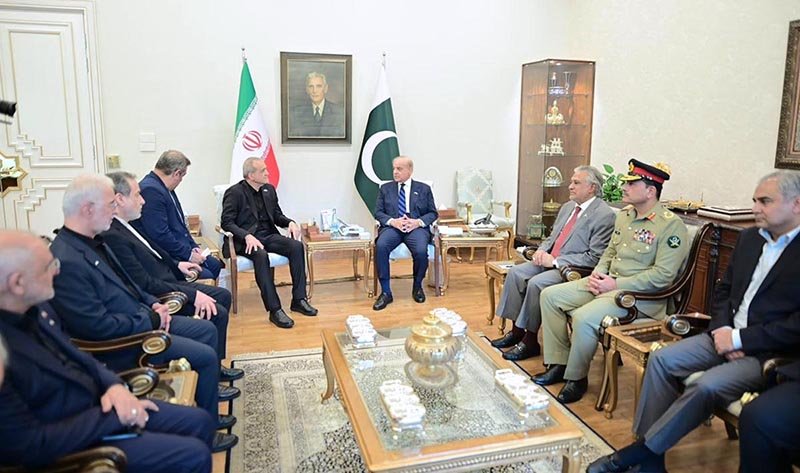
ISLAMABAD — On June 23, Prime Minister Shehbaz Sharif and Iranian President Dr. Masoud Pezeshkian met in Islamabad to discuss enhancing diplomatic and economic ties between Pakistan and Iran.
Diplomatic Engagement
The significant diplomatic meeting took place in Islamabad, highlighting the importance of Pakistan and Iran strengthening their bilateral relations. Both leaders emphasized the need to enhance cooperation in trade, energy, and security.
Prime Minister Sharif pointed out the potential for increased trade, citing geographical proximity and shared cultural ties that could facilitate economic collaboration. President Pezeshkian expressed Iran’s interest in energy projects, including electricity and gas pipeline initiatives. “Iran is keen to work with Pakistan to address energy needs and enhance regional connectivity,” he stated.
Historical Context
Pakistan and Iran have maintained diplomatic relations since shortly after Pakistan’s independence in 1947. Their relationship is built on regional stability and economic cooperation. Despite challenges from geopolitical tensions and international sanctions on Iran, both countries aim to overcome these obstacles for mutual benefit.
The Iran-Pakistan gas pipeline, known as the “Peace Pipeline,” remains a significant topic, although progress has been impeded by geopolitical and financial issues.
Economic and Political Implications
The meeting holds considerable significance. Economically, stronger cooperation could lead to increased trade and investment opportunities, benefiting both countries. For Pakistan, utilizing Iranian energy resources could alleviate its chronic energy shortages, bolstering industrial growth.
Politically, deeper ties with Iran could offer Pakistan a balanced foreign policy, enhancing its diplomatic leverage with other major powers and contributing to regional stability.
Key Takeaways
- Prime Minister Sharif and President Pezeshkian met in Islamabad to discuss bilateral relations.
- Focus was placed on enhancing trade, energy cooperation, and regional security.
- Iran showed interest in energy projects, including electricity supply and gas pipelines.
- The meeting highlights the potential for strengthened economic and diplomatic ties between Pakistan and Iran.














