
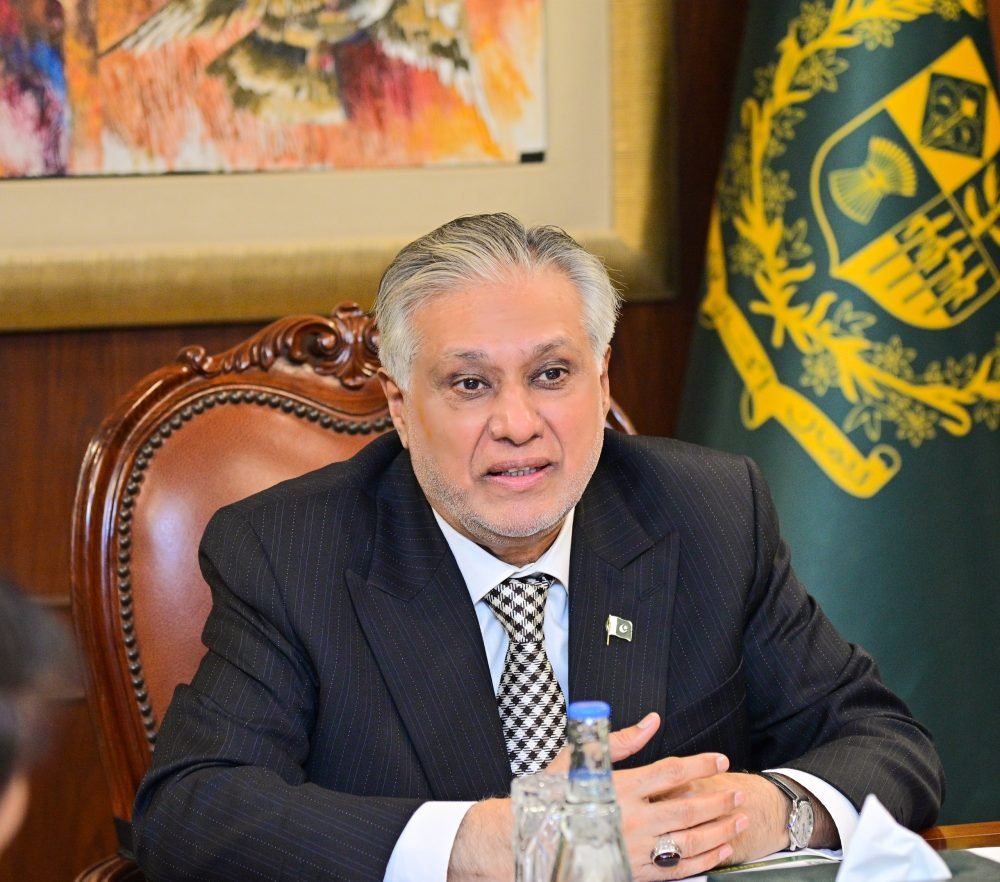
ISLAMABAD — Deputy Prime Minister and Foreign Minister Senator Mohammad Ishaq Dar engaged in a telephone conversation with the Foreign Minister of Bahrain, Dr. Abdullatif bin Rashid Al Zayani, on Sunday. They discussed the evolving regional situation following the recent signing of the “Islamabad Memorandum of Understanding” (MoU).
Regional Implications of the Islamabad MoU
The discussion focused on the strategic implications of the Islamabad MoU. It aims to enhance bilateral cooperation between Pakistan and Bahrain, covering sectors such as trade, investment, and security. This agreement reflects a mutual interest in strengthening ties amidst a shifting geopolitical landscape.
During the conversation, the ministers expressed their commitment to deepening cooperation in areas of mutual interest. They emphasized the importance of continued dialogue and collaboration to address regional challenges effectively. The Islamabad MoU is seen as a framework to facilitate increased economic engagement and security cooperation between the nations.
Strategic Positions and Shared Goals
Senator Dar highlighted Pakistan’s strategic position and its role in regional stability. Dr. Al Zayani acknowledged Bahrain’s interest in expanding its diplomatic and economic footprint in South Asia. They agreed on the need for a coordinated approach to tackle common challenges such as terrorism, economic instability, and sustainable development.
Background of Pakistan-Bahrain Relations
The Islamabad MoU is part of Pakistan’s broader initiative to strengthen diplomatic relations with Gulf Cooperation Council (GCC) countries. Historically, Pakistan and Bahrain have maintained cordial relations, as both countries are members of the Organization of Islamic Cooperation (OIC) and share interests in regional peace and stability.
Recently, Pakistan has sought to enhance economic ties with Bahrain, recognizing the potential for increased trade and investment. Bahrain seeks to diversify its economy away from oil dependency, making Pakistan an attractive partner with its large market and strategic location.
Geopolitical Dynamics and Economic Necessities
The region’s geopolitical dynamics are influenced by factors such as ongoing Middle East tensions, COVID-19’s economic impact, and global energy market shifts. These emphasize the necessity for regional cooperation and resilient economic partnerships.
The conversation between the foreign ministers is significant for regional diplomacy and economic collaboration. The Islamabad MoU serves as a vital tool to navigate the complexities of regional geopolitics and economic uncertainties.
For Pakistan, strengthening GCC ties is crucial for economic growth and regional influence. The GCC is a major source of remittances for Pakistan, and enhanced relations could lead to increased investment in sectors such as energy, infrastructure, and technology.
Bahrain, aiming to diversify its economy, views Pakistan as a strategic partner in South Asia. This collaboration could open new avenues for Bahraini businesses, providing access to Pakistan’s growing market and strategic location as a gateway to Central Asia.
Moreover, the cooperation can contribute to regional stability by fostering dialogue and joint security initiatives. This partnership is part of a broader trend of South Asian and Middle Eastern countries strengthening ties to tackle global economic and security challenges.














