
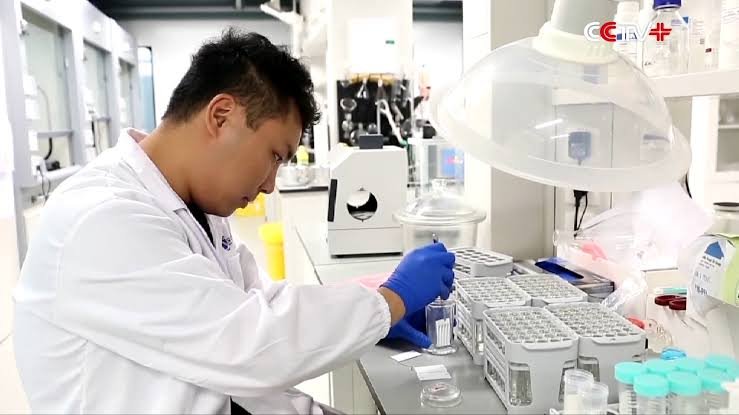
BEIJING — As China emerges as a pivotal player in the global pharmaceutical landscape, multinational healthcare companies are boosting investments in research and development (R&D) and strengthening supply chain networks within the country. This strategic shift comes as China evolves from a low-cost manufacturing hub to a co-developer of advanced medical therapies.
Key Developments
Recently, China has become the world’s second-largest pharmaceutical market, prompting a reassessment of strategies by multinational companies. These firms are expanding their R&D capabilities and forging deeper partnerships with local entities to leverage China’s expertise in cutting-edge medical research.
Several global pharmaceutical giants have announced plans to establish or expand R&D centers in major Chinese cities, including Beijing and Shanghai. These efforts are part of a broader trend of international companies integrating more closely with China’s healthcare ecosystem to develop innovative therapies and improve supply chain efficiency.
A spokesperson for a leading pharmaceutical company stated, “China’s rapid advancements in medical research and robust market potential make it an ideal location for our R&D and supply chain operations.”
Regulatory Environment and Support
This move responds to China’s evolving regulatory environment, which now fosters innovation and foreign investment in healthcare. The Chinese government has implemented policies to support pharmaceutical innovation, including expedited drug approval processes and R&D investment incentives.
Background on China’s Transformation
China’s transformation from a manufacturing-centric economy to a research-driven hub in the pharmaceutical industry has involved significant policy shifts and infrastructure investments. Historically known for producing generic drugs, China has made substantial investments in biotechnology and pharmaceuticals over the past decade to become a leader in medical innovation.
The “Made in China 2025” initiative has further accelerated this transformation, focusing on enhancing domestic capabilities in high-tech industries, including pharmaceuticals. This policy framework has encouraged both domestic and foreign companies to invest in R&D and collaborate on new therapies.
Implications for the Global Market
The expansion of multinational healthcare companies in China has major implications for the global pharmaceutical industry. By increasing their R&D presence, these companies can access China’s vast scientific talent and advanced research facilities, enhancing their ability to innovate and tailor products to meet specific Chinese market needs.
Economically, this trend is likely to boost China’s GDP and create high-skilled jobs, contributing to long-term economic growth. It also positions China as a critical player in the global pharmaceutical supply chain, potentially reducing dependency on European and North American markets.
For the international community, China’s enhanced role in pharmaceutical R&D could lead to increased collaboration in addressing global health challenges. Deeper ties between multinational companies and Chinese research institutions may foster joint initiatives that accelerate treatment developments for various diseases.














