

Pakistan

News related to Pakistan in Pakistan and around the world.

Pakistan

PNCA Hosts Ceremony and Walk for Youm-e-Istehsal Kashmir

ISLAMABAD — The Pakistan National Council of the Arts (PNCA), in collaboration with the Ministry of Kashmir Affairs and Gilgit-Baltistan, organized a solemn ceremony and a solidarity walk on Saturday to observe Youm-e-Istehsal Kashmir. The event aimed to express support for the people of Kashmir and mark the anniversary of the revocation of Article 370 by India, which granted special autonomy to the region. What Happened The PNCA event commenced with a dignified ceremony attended by government officials, artists, and civil society members, emphasizing Pakistan’s unwavering support for Kashmir. The ceremony featured speeches, cultural performances, and a photographic exhibition depicting the struggles faced by the Kashmiri people. A highlight of the event was the solidarity walk, which saw participants carrying banners and placards with messages of support for Kashmir’s right to self-determination. Minister for Kashmir Affairs and Gilgit-Baltistan, Ali Amin Gandapur, addressed the gathering, reiterating Pakistan’s commitment to the Kashmiri cause. “We stand with our Kashmiri brothers and sisters in their struggle for freedom and justice,” he stated. The minister also called on the international community to take notice of the human rights violations in the region. The event’s cultural segment included traditional Kashmiri music and dance performances, symbolizing the rich heritage and resilience of the Kashmiri people. The photographic exhibition showcased images of the region’s natural beauty juxtaposed with scenes of conflict and resistance, providing a poignant reminder of the ongoing struggle. Background Youm-e-Istehsal Kashmir, observed annually on August 5, marks the day in 2019 when the Indian government abrogated Article 370 of its constitution, revoking the special status of Jammu and Kashmir. This move was met with widespread condemnation in Pakistan and has been a focal point of diplomatic tensions between the two countries. Pakistan has consistently raised the issue at international forums, calling for the restoration of Kashmir’s special status and the implementation of United Nations resolutions on the matter. The revocation of Article 370 led to significant unrest in the region, with reports of increased military presence, communication blackouts, and restrictions on movement. Human rights organizations have highlighted numerous violations, including arbitrary detentions and the suppression of freedom of expression. Why It Matters The observance of Youm-e-Istehsal Kashmir by the PNCA underscores the importance Pakistan places on the Kashmir issue, both domestically and internationally. The event serves as a reminder of the ongoing conflict and the need for a peaceful resolution in line with the aspirations of the Kashmiri people. Economically, the situation in Kashmir has implications for regional stability, which is crucial for trade and development in South Asia. The persistent tensions between India and Pakistan over Kashmir have historically hindered economic cooperation and growth in the region. Politically, the Kashmir issue remains a core aspect of Pakistan’s foreign policy. By organizing events like the one held by PNCA, Pakistan seeks to keep the international community engaged with the issue, advocating for dialogue and adherence to international law. Socially, the solidarity expressed through such events strengthens national unity and reaffirms the commitment of the Pakistani people to support the Kashmiri struggle. It also serves to educate younger generations about the historical and cultural ties between Pakistan and Kashmir. Key Takeaways The PNCA, with the Ministry of Kashmir Affairs, organized a ceremony and walk to observe Youm-e-Istehsal Kashmir. The event included speeches, cultural performances, and a photographic exhibition. Youm-e-Istehsal Kashmir marks the revocation of Article 370 by India in 2019. Pakistan continues to advocate for Kashmir’s right to self-determination on international platforms. The observance highlights the socio-political and economic implications of the Kashmir conflict. Source Attribution This article is based on official government statements, press releases, and public communications from relevant authorities. Author: NEN Editorial Desk | Editor: NEN Newsroom | Fact Checked By: NEN Editorial Team Author: NEN Editorial Desk  |  Editor: NEN Newsroom  |  Last Updated: August 05, 2026  |  Source: NEN Reporter This article was produced by the NEN Editorial Desk in accordance with NEN Agency’s Editorial Policy and Fact-Checking Policy.


Pakistan

Lahore Officials Lead Candlelight Vigil Honouring Police Martyrs

LAHORE — In a solemn ceremony to commemorate Police Martyrs’ Day, Lahore’s Chief Capital City Police Officer (CCPO) and the city commissioner led a candlelight vigil and peace walk at Liberty Chowk on Wednesday. The event aimed to honour the sacrifices of police martyrs who laid down their lives in the line of duty, reaffirming the commitment of law enforcement to protect citizens. What Happened The candlelight vigil, organized by the Lahore Police and City Traffic Police, drew a significant number of participants, including police officials, family members of the martyrs, and local citizens. The event commenced with a moment of silence, followed by the lighting of candles to pay tribute to the fallen heroes. The CCPO and commissioner addressed the gathering, expressing their gratitude for the sacrifices made by the police force. In his address, the CCPO highlighted the bravery and dedication of the police personnel who have sacrificed their lives for the safety and security of the nation. “Our martyrs are our pride, and their sacrifices will never be forgotten,” he stated. The commissioner echoed these sentiments, emphasizing the importance of remembering the martyrs and supporting their families. The peace walk that followed saw participants carrying banners and placards with messages of peace and solidarity. The walk symbolized the ongoing commitment of the police force to maintain peace and order in the city. The event concluded with prayers for the martyrs and their families, underscoring the community’s collective respect and appreciation for their service. Background Police Martyrs’ Day is observed annually in Pakistan to honour the police officers who have lost their lives in the line of duty. This day serves as a reminder of the sacrifices made by law enforcement personnel to ensure the safety and security of the public. Over the years, numerous police officers have been martyred in various incidents, including terrorist attacks and criminal confrontations. In recent years, the government and law enforcement agencies have taken several steps to improve the welfare of police personnel and their families. These measures include financial compensation, educational support for the children of martyrs, and health benefits. Such initiatives aim to provide support to the families left behind and recognize the invaluable contributions of the police force. Why It Matters The observance of Police Martyrs’ Day holds significant social and emotional importance for the families of the martyrs and the community at large. It serves as a poignant reminder of the risks faced by law enforcement officers daily and the ultimate sacrifice made by many in the line of duty. The event at Liberty Chowk not only honoured the fallen but also reinforced the public’s trust in the police force. Economically, the recognition and support for police martyrs can lead to increased morale within the force, potentially enhancing their effectiveness and commitment. By acknowledging their sacrifices, the government and society can foster a sense of pride and responsibility among serving officers, which is crucial for maintaining law and order. On a broader scale, such events contribute to the narrative of unity and resilience against crime and terrorism in Pakistan. They highlight the collective efforts of the state and its citizens to uphold peace and security, which is essential for the country’s stability and progress. Key Takeaways Lahore’s CCPO and commissioner led a candlelight vigil at Liberty Chowk to honour police martyrs. The event included a peace walk, emphasizing the commitment to maintaining peace and order. Police Martyrs’ Day is observed annually to remember the sacrifices of fallen police officers. Support for the families of martyrs includes financial, educational, and health benefits. Such events reinforce public trust in law enforcement and highlight national resilience. Source Attribution This article is based on official government statements, press releases, and public communications from relevant authorities. Author: NEN Editorial Desk | Editor: NEN Newsroom | Fact Checked By: NEN Editorial Team Author: NEN Editorial Desk  |  Editor: NEN Newsroom  |  Last Updated: August 05, 2026  |  Source: NEN Reporter This article was produced by the NEN Editorial Desk in accordance with NEN Agency’s Editorial Policy and Fact-Checking Policy.
Pakistan

SECP Approves Rs1.5 Billion Capital Boost for HugoBank’s Launch

ISLAMABAD — The Securities and Exchange Commission of Pakistan (SECP) has approved a substantial capital injection for HugoBank Limited, facilitating its anticipated entry into the digital banking sector. The Rs1.5 billion equity infusion, sanctioned through the issuance of shares to sponsor shareholders, is a crucial step towards the commercial launch of one of Pakistan’s pioneering digital retail banks. What Happened The SECP’s approval allows HugoBank Limited to issue new shares, thereby raising Rs1.5 billion in fresh equity. This financial move is aimed at bolstering the bank’s capital base as it prepares to commence operations in Pakistan’s burgeoning digital banking landscape. The decision marks a pivotal moment for HugoBank, which aims to leverage technology to offer comprehensive retail banking services. HugoBank’s strategy focuses on providing a seamless digital banking experience, catering to the needs of tech-savvy consumers who prefer online platforms over traditional banking methods. The capital injection will be instrumental in developing the necessary infrastructure and technology to support its digital operations. In a statement, an SECP official highlighted the importance of this development, noting that it aligns with Pakistan’s broader financial inclusion goals by expanding access to banking services through digital means. The official stated, “The approval is a testament to our commitment to fostering innovation and competition in the financial sector.” Background HugoBank Limited is set to become one of the first digital retail banks in Pakistan, a country where the banking sector has traditionally been dominated by conventional brick-and-mortar institutions. The move towards digital banking is part of a global trend, with many countries witnessing a shift in consumer preferences towards online financial services. The SECP, as the regulatory authority, plays a critical role in overseeing the financial sector’s compliance with legal and regulatory frameworks. Its approval process ensures that new entrants like HugoBank meet the necessary standards to operate within the country’s financial system. In recent years, the Pakistani government has been actively promoting digital financial services as a means to enhance financial inclusion. Initiatives such as the National Financial Inclusion Strategy aim to increase the accessibility of banking services to underserved populations, particularly in rural areas. Why It Matters The SECP’s approval of HugoBank’s capital injection is significant for several reasons. Economically, it represents a step forward in diversifying Pakistan’s banking sector, which has been relatively slow to adopt digital innovations. By facilitating the entry of digital banks, the SECP is encouraging competition, which can lead to better services and lower costs for consumers. Socially, the launch of digital banks like HugoBank can significantly impact financial inclusion. With a large portion of Pakistan’s population still unbanked, digital banking offers a viable solution to reach these individuals, providing them with access to essential financial services such as savings accounts, loans, and payment systems. Politically, this move aligns with the government’s vision of a ‘Digital Pakistan,’ aiming to harness technology to improve governance, economic growth, and social development. The success of digital banks could serve as a model for other sectors looking to integrate technology into their operations. Internationally, the development positions Pakistan as a forward-thinking player in the global financial landscape. By embracing digital banking, Pakistan can attract foreign investment and expertise, further strengthening its financial sector. Key Takeaways The SECP approved a Rs1.5 billion capital injection for HugoBank Limited. HugoBank aims to be one of Pakistan’s first digital retail banks. The move supports Pakistan’s financial inclusion and digital innovation goals. Digital banking can enhance access to financial services for unbanked populations. This development aligns with the ‘Digital Pakistan’ initiative. Source Attribution This article is based on official government statements, press releases, and public communications from relevant authorities. Author: NEN Editorial Desk | Editor: NEN Newsroom | Fact Checked By: NEN Editorial Team Author: NEN Editorial Desk  |  Editor: NEN Newsroom  |  Last Updated: August 05, 2026  |  Source: NEN Reporter This article was produced by the NEN Editorial Desk in accordance with NEN Agency’s Editorial Policy and Fact-Checking Policy.

Pakistan

NBP Releases Latest Foreign Exchange Rates for August 2026

KARACHI — The Treasury Management Division of the National Bank of Pakistan (NBP) announced the latest exchange rates for various foreign currencies on Wednesday, August 5, 2026. These rates are crucial for businesses, investors, and individuals engaged in foreign exchange transactions across the country. What Happened The National Bank of Pakistan, a key player in the country’s banking sector, published its updated exchange rates for a range of currencies. The rates, which are used by individuals and businesses for currency conversion, reflect the buying and selling prices for each currency. The exchange rate for the US dollar was set at a buying rate of 277.65 PKR and a selling rate of 278.15 PKR. The Euro was listed at 320.32 PKR for buying and 320.90 PKR for selling. The British Pound was recorded at 373.62 PKR for buying and 374.29 PKR for selling. Other notable currencies included the Japanese Yen, which had a buying rate of 1.7634 PKR and a selling rate of 1.7665 PKR, and the Chinese Yuan, with a buying rate of 41.16 PKR and a selling rate of 41.23 PKR. Additional currencies such as the Swiss Franc, Canadian Dollar, and Australian Dollar were also listed. For instance, the Swiss Franc was available at 343.75 PKR for buying and 344.37 PKR for selling. The Canadian Dollar was set at 197.36 PKR for buying and 197.71 PKR for selling, while the Australian Dollar had a buying rate of 195.73 PKR and a selling rate of 196.09 PKR. Moreover, the NBP provided conversion rates for frozen foreign currency deposits, which are significant for account holders with foreign currency savings. The conversion rate for the US dollar was 277.7299 PKR, the British Pound was 373.1023 PKR, and the Euro was 319.061 PKR. These rates are applicable for transactions settled on the specified date of August 5, 2026. Background The National Bank of Pakistan, established in 1949, plays a pivotal role in the country’s financial system, offering a wide range of banking services, including foreign exchange transactions. Exchange rates are typically influenced by a variety of factors, including international market conditions, economic indicators, and geopolitical events. The NBP regularly updates its rates to reflect these dynamic conditions, ensuring that its clients receive accurate and competitive rates for their currency transactions. Historically, the exchange rate market in Pakistan has been subject to fluctuations due to various economic and political factors. The State Bank of Pakistan, the country’s central bank, also plays a significant role in managing the exchange rate policy, often intervening in the market to stabilize the currency when necessary. Why It Matters Exchange rates are a critical component of Pakistan’s economy, affecting everything from import and export prices to inflation and foreign investment. For businesses engaged in international trade, understanding and anticipating changes in exchange rates can be crucial for maintaining profitability and competitiveness. For individual consumers, the exchange rates impact the cost of foreign travel, education abroad, and remittances. A stronger Pakistani rupee can make foreign goods and services more affordable, while a weaker rupee can increase costs. On a broader scale, the exchange rates reflect the economic health of the country. A stable exchange rate can signal investor confidence and economic stability, which can attract foreign investment and promote economic growth. Conversely, volatile exchange rates can deter investment and create uncertainty in the market. Given the current global economic environment, with ongoing geopolitical tensions and fluctuating commodity prices, the NBP’s exchange rate announcements are closely watched by market participants and policymakers alike. Key Takeaways The National Bank of Pakistan released updated exchange rates for August 5, 2026. The US dollar buying rate is 277.65 PKR, and the selling rate is 278.15 PKR. Exchange rates impact international trade, consumer costs, and economic stability. NBP’s rates are crucial for businesses and individuals engaged in foreign exchange transactions. Stable exchange rates can attract foreign investment and promote economic growth. Source Attribution This article is based on official government statements, press releases, and public communications from relevant authorities. Author: NEN Editorial Desk | Editor: NEN Newsroom | Fact Checked By: NEN Editorial Team Author: NEN Editorial Desk  |  Editor: NEN Newsroom  |  Last Updated: August 05, 2026  |  Source: Press Release from Government of Pakistan This article was produced by the NEN Editorial Desk in accordance with NEN Agency’s Editorial Policy and Fact-Checking Policy.
Pakistan

State Bank of Pakistan Infuses Rs 656 Billion to Stabilize Market Liquidity

KARACHI — The State Bank of Pakistan (SBP) injected Rs 656 billion into the financial market on Wednesday through Open Market Operations (OMO) Reverse Repo Purchase. This strategic move aims to ensure adequate liquidity within the banking system. What Happened On August 5, 2026, the SBP conducted an OMO injection with a two-day tenor, successfully injecting Rs 656 billion into the market. The central bank received seven bids for the Reverse Repo Purchase, all of which were accepted at a uniform rate of return of 11.54 percent. The bids collectively amounted to Rs 656 billion, with the rate of return ranging between 11.54 and 11.62 percent. By accepting the entire amount at the lower end of the rate spectrum, the SBP demonstrated its commitment to maintaining market stability and ensuring that banks have sufficient funds to meet their short-term obligations. The OMO Reverse Repo Purchase is a tool used by central banks to manage liquidity in the banking system. By injecting funds, the SBP provides banks with the necessary liquidity to continue lending and supporting economic activities. This operation is part of the SBP’s regular monetary policy measures to address liquidity fluctuations and maintain financial stability. Background The State Bank of Pakistan regularly uses Open Market Operations as a monetary policy tool to manage liquidity in the financial system. The OMO involves the buying or selling of government securities to regulate the money supply. In this case, the Reverse Repo Purchase allows the SBP to lend money to commercial banks, which in turn helps stabilize the financial system by ensuring that banks have adequate funds. Historically, the SBP has employed OMOs to address liquidity shortages, particularly during times of economic uncertainty or increased demand for funds. The central bank’s actions are guided by its mandate to maintain price stability and support economic growth. By adjusting liquidity levels, the SBP can influence interest rates and, consequently, the overall economic activity in the country. Why It Matters The SBP’s injection of Rs 656 billion is significant for several reasons. Firstly, it underscores the central bank’s proactive approach to managing liquidity and ensuring the smooth functioning of the financial system. By providing banks with the necessary funds, the SBP helps prevent potential liquidity crises that could disrupt economic activities. Economically, the infusion of liquidity supports lending activities, which are crucial for businesses and consumers. By ensuring that banks have sufficient funds, the SBP facilitates credit availability, which can stimulate investment and consumption. This is particularly important in a country like Pakistan, where economic growth is heavily reliant on domestic consumption and investment. Socially, maintaining liquidity in the banking system helps protect jobs and livelihoods. When banks have adequate funds, they can continue providing loans to businesses, helping them maintain operations and employment levels. This is crucial for the broader economy, as stable employment levels contribute to social stability and economic resilience. Politically, the SBP’s actions demonstrate its independence and commitment to its mandate. By taking decisive steps to manage liquidity, the central bank reinforces its role as a stabilizing force in the economy, which can enhance investor confidence and support the government’s broader economic objectives. Key Takeaways The State Bank of Pakistan injected Rs 656 billion into the market through OMO Reverse Repo Purchase. The operation was conducted with a two-day tenor at an 11.54 percent rate of return. The SBP’s actions aim to maintain liquidity and financial stability in the banking system. Ensuring adequate liquidity supports lending, investment, and economic growth. The move highlights the SBP’s proactive approach to managing economic challenges. Source Attribution This article is based on official government statements, press releases, and public communications from relevant authorities. Author: NEN Editorial Desk | Editor: NEN Newsroom | Fact Checked By: NEN Editorial Team Author: NEN Editorial Desk  |  Editor: NEN Newsroom  |  Last Updated: August 05, 2026  |  Source: NEN Reporter This article was produced by the NEN Editorial Desk in accordance with NEN Agency’s Editorial Policy and Fact-Checking Policy.
Pakistan

SCCI Honors Police Martyrs for Their Sacrifice and Service

PESHAWAR — The Sarhad Chamber of Commerce and Industry (SCCI) paid tribute to fallen police officers on Police Martyrs Day, recognizing their sacrifices for national peace and security. What Happened On Wednesday, the Sarhad Chamber of Commerce and Industry (SCCI) commemorated Police Martyrs Day by honoring the dedication and sacrifices of Pakistan’s police officers who have lost their lives in the line of duty. The event was marked by solemn ceremonies and heartfelt speeches, acknowledging the critical role that these officers play in maintaining law and order across the nation. The SCCI, representing the business community of Khyber Pakhtunkhwa, expressed its deep appreciation for the bravery and commitment of the police force. The chamber emphasized that the peace and security enjoyed by citizens and businesses alike are largely due to the relentless efforts of these officers. As part of the tribute, the SCCI highlighted the importance of remembering and supporting the families of the martyrs, who continue to bear the loss of their loved ones. During the ceremony, SCCI officials reiterated their commitment to standing by the police force and ensuring that the sacrifices of the martyrs are not forgotten. They called for greater community support for the families of fallen officers, emphasizing the need for societal recognition of their contributions. Background Police Martyrs Day is observed annually in Pakistan to honor the memory of police officers who have died in the line of duty. The day serves as a reminder of the ongoing challenges faced by law enforcement agencies in the country, particularly in regions affected by terrorism and violence. The police force in Pakistan has been at the forefront of combating various security threats, often putting their lives at risk to protect citizens and uphold the rule of law. Historically, the police force in Pakistan has faced numerous challenges, including resource constraints, operational difficulties, and threats from militant groups. Despite these challenges, police officers continue to serve with dedication, often in extremely dangerous environments. The observance of Police Martyrs Day is an opportunity to reflect on their sacrifices and renew commitments to supporting their families and improving the conditions under which they serve. Why It Matters The observance of Police Martyrs Day holds significant importance for several reasons. Firstly, it serves as a poignant reminder of the sacrifices made by police officers to ensure the safety and security of the nation. These sacrifices are crucial for maintaining law and order, which in turn supports economic stability and growth. The business community, represented by organizations like the SCCI, relies on a secure environment to thrive, making the role of the police indispensable. Secondly, acknowledging the sacrifices of police martyrs fosters a sense of unity and collective responsibility among citizens. It highlights the need for societal support for the families of fallen officers, who often face financial and emotional challenges. By honoring these martyrs, communities can strengthen their resolve to support law enforcement agencies and contribute to a safer society. Lastly, the day underscores the ongoing challenges faced by the police force in Pakistan. It calls for increased support from the government and society to address issues such as inadequate resources, training, and welfare for officers. By addressing these challenges, Pakistan can ensure that its police force is well-equipped to handle the evolving security landscape. Key Takeaways The SCCI paid tribute to police martyrs on Police Martyrs Day, emphasizing their sacrifices for national security. Police Martyrs Day is observed annually to honor officers who have died in the line of duty. The event highlights the importance of community support for the families of fallen officers. The police force in Pakistan faces ongoing challenges, including threats from militant groups. Improving support for law enforcement is crucial for maintaining security and economic stability. Source Attribution This article is based on official statements and public communications from the Sarhad Chamber of Commerce and Industry. Author: NEN Editorial Desk | Editor: NEN Newsroom | Fact Checked By: NEN Editorial Team Author: NEN Editorial Desk  |  Editor: NEN Newsroom  |  Last Updated: August 05, 2026  |  Source: NEN Reporter This article was produced by the NEN Editorial Desk in accordance with NEN Agency’s Editorial Policy and Fact-Checking Policy.
Pakistan

Historic Kehwa Khana Preserves Peshawar’s Cultural Heritage Through Traditional Teas

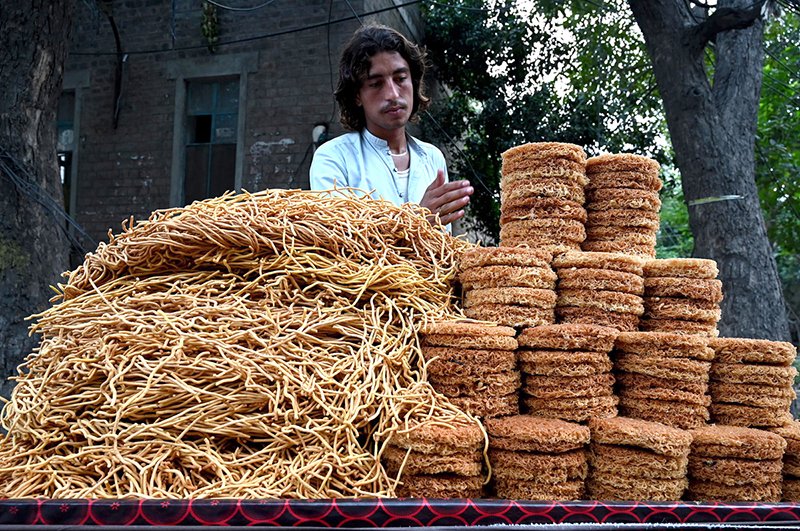
PESHAWAR — At the heart of Peshawar’s bustling Qissa Khawani Bazaar, the historic Kehwa Khana continues to serve as a vibrant hub for cultural preservation, offering traditional tea and Peshawari green tea to its patrons. This iconic establishment is renowned for its role in maintaining the city’s rich cultural and culinary heritage. What Happened The Kehwa Khana, located in the historic Qissa Khawani Bazaar, is a popular gathering place for locals and tourists alike. Known for its traditional teas, the establishment is a testament to Peshawar’s enduring cultural legacy. A vendor at the Kehwa Khana meticulously prepares traditional tea and Peshawari green tea, drawing in crowds who seek to experience the authentic flavors and ambiance of the region. The Qissa Khawani Bazaar, often referred to as the ‘Bazaar of Storytellers,’ has long been a focal point of social and cultural interaction in Peshawar. The Kehwa Khana, with its aromatic teas and vibrant atmosphere, plays a crucial role in this narrative, offering a space where stories, traditions, and culinary arts converge. According to local patrons, the Kehwa Khana is more than just a tea house; it is a cultural institution. “This place is a living museum of our heritage,” said a regular visitor. “Every cup of tea here tells a story of our past.” The vendor’s skillful preparation of traditional tea and Peshawari green tea is a ritual that attracts both the young and the old, eager to partake in this cultural experience. Background The Qissa Khawani Bazaar has a storied history dating back centuries. It was once a major trading hub on the ancient Silk Road, where merchants, travelers, and storytellers would gather to exchange goods and tales. The bazaar’s name, which translates to ‘Market of Storytellers,’ reflects its historical significance as a center for cultural exchange and storytelling. Kehwa Khana, nestled within this historic market, has been serving traditional tea for generations. The preparation of Peshawari green tea is a craft passed down through families, with each vendor adding their unique touch to the recipe. This tradition is deeply rooted in the region’s history, with tea houses serving as communal spaces for discussion and socialization. Why It Matters The preservation of cultural heritage through establishments like Kehwa Khana is vital for maintaining Peshawar’s unique identity in an increasingly globalized world. As modern influences permeate traditional societies, places like the Kehwa Khana offer a refuge where cultural practices can be safeguarded and celebrated. Economically, the Kehwa Khana and similar establishments contribute to the local economy by attracting tourists and fostering a sense of community among residents. The bazaar’s vibrant atmosphere and historical significance draw visitors from across the country and beyond, boosting local businesses and preserving traditional crafts. Socially, the Kehwa Khana serves as a gathering place where people from diverse backgrounds can come together, fostering dialogue and understanding. In a region often characterized by its complex socio-political landscape, such spaces are crucial for promoting unity and cultural appreciation. Internationally, the preservation of Peshawar’s cultural heritage enhances Pakistan’s image as a country rich in history and tradition. It underscores the importance of cultural tourism, which can play a significant role in the nation’s economic development and international relations. Key Takeaways The Kehwa Khana in Qissa Khawani Bazaar is a key cultural institution in Peshawar, known for its traditional tea offerings. The bazaar has historical significance as a center for trade and storytelling on the ancient Silk Road. Preserving cultural heritage through traditional tea houses contributes to local economic growth and social cohesion. Such establishments enhance Pakistan’s international image as a nation with a rich cultural history. The Kehwa Khana serves as a communal space, fostering dialogue and cultural appreciation among diverse groups. Source Attribution This article is based on official government statements, press releases, and public communications from relevant authorities. Author: NEN Editorial Desk | Editor: NEN Newsroom | Fact Checked By: NEN Editorial Team Author: NEN Editorial Desk  |  Editor: NEN Newsroom  |  Last Updated: August 05, 2026  |  Source: NEN Reporter This article was produced by the NEN Editorial Desk in accordance with NEN Agency’s Editorial Policy and Fact-Checking Policy.
Pakistan

HugoBank Secures Pilot Approval from State Bank of Pakistan

ISLAMABAD — HugoBank has received the green light from the State Bank of Pakistan (SBP) to commence pilot operations, marking a significant step in its journey toward full-scale banking services. The approval, announced on Wednesday, allows HugoBank to test its products, systems, and operational readiness in real-world conditions, albeit with a limited customer base. What Happened HugoBank, a digital banking entity, announced that it had secured pilot approval from the SBP, enabling it to begin testing its banking solutions under controlled conditions. This phase is crucial for the bank as it aims to ensure that its systems meet the regulatory standards and are fully operational before a broader rollout. The approval was granted on Wednesday, August 5, 2023, and represents a key milestone for the bank in its efforts to enter Pakistan’s financial sector. The pilot phase will allow HugoBank to refine its offerings and address any potential issues in a controlled environment. This process is designed to ensure that the bank can provide secure and efficient services to its customers once it launches fully. A spokesperson for HugoBank stated, “We are committed to adhering to the highest standards of operational excellence and customer satisfaction. This pilot phase is a testament to our readiness and commitment to the Pakistani market.” The bank will utilize this period to test various aspects of its operations, including customer service, transaction processing, and compliance with regulatory requirements. This approach is intended to mitigate risks and ensure a smooth transition to full operations in the future. Background The State Bank of Pakistan, the country’s central bank, plays a pivotal role in regulating the banking sector and ensuring financial stability. It has established a rigorous framework for approving new banking entities, particularly those in the digital space. This framework includes multiple stages of evaluation, from initial application to pilot testing and eventual full-scale operations. HugoBank’s entry into the Pakistani market comes at a time when digital banking is gaining traction globally. The SBP has been encouraging innovation in the financial sector, recognizing the potential of digital banks to enhance financial inclusion and offer more accessible banking services to the unbanked population. In recent years, several digital banks have sought entry into Pakistan, attracted by the country’s large population and increasing internet penetration. The SBP’s pilot approval process is designed to ensure that these new entrants can operate safely and effectively, contributing to the overall health of the financial system. Why It Matters The approval of HugoBank’s pilot operations is significant for several reasons. Firstly, it underscores the SBP’s commitment to fostering innovation within the banking sector. By allowing digital banks to test their systems under real-world conditions, the central bank is facilitating a more dynamic and competitive financial environment. For consumers, the entry of digital banks like HugoBank promises increased access to banking services, particularly for those in remote or underserved areas. Digital banks can offer a range of services without the need for physical branches, reducing costs and increasing convenience for customers. Economically, the growth of digital banking can lead to greater financial inclusion, which is crucial for economic development. By bringing more people into the formal financial system, digital banks can help increase savings, investment, and economic activity. On an international level, the successful integration of digital banks into Pakistan’s financial system could enhance the country’s reputation as a hub for fintech innovation. This could attract further investment and partnerships from global financial technology firms. Key Takeaways HugoBank has received pilot approval from the State Bank of Pakistan to test its banking services. The pilot phase will allow the bank to refine its systems and ensure regulatory compliance. This development highlights the SBP’s support for digital banking innovation in Pakistan. Digital banks like HugoBank can enhance financial inclusion and offer more accessible services. The growth of digital banking could boost Pakistan’s economy and attract international fintech interest. Source Attribution This article is based on official government statements, press releases, and public communications from relevant authorities. Author: NEN Editorial Desk | Editor: NEN Newsroom | Fact Checked By: NEN Editorial Team Author: NEN Editorial Desk  |  Editor: NEN Newsroom  |  Last Updated: August 05, 2026  |  Source: NEN Reporter This article was produced by the NEN Editorial Desk in accordance with NEN Agency’s Editorial Policy and Fact-Checking Policy.
Pakistan

PHA Initiates Beautification Project for Hilal Park and Nursery

RAWALPINDI — The Rawalpindi Horticulture Agency (PHA) has embarked on a comprehensive beautification initiative for Hilal Park and its adjoining nursery located in the Al-Furqan Sector. The project aims to enhance the aesthetic appeal and environmental quality of the area, providing residents with a cleaner and more inviting recreational space. What Happened The PHA has commenced a series of measures focused on the landscaping, plantation, and maintenance of Hilal Park and its nursery. This initiative is part of a broader effort to improve urban green spaces, which are vital for environmental sustainability and public well-being. The agency is implementing a detailed plan that includes planting a variety of flora, enhancing the park’s infrastructure, and ensuring regular upkeep to maintain the area’s beauty and functionality. According to PHA officials, the project will involve the planting of indigenous and exotic plant species to create a diverse and vibrant ecosystem. This will not only beautify the park but also contribute to biodiversity and ecological balance. The nursery will serve as a hub for growing and nurturing plants that will be used in the park and other green areas across Rawalpindi. PHA Director General, while discussing the project, stated, “Our goal is to transform Hilal Park into a model of urban greenery that provides a peaceful and healthy environment for the community. We are committed to maintaining high standards of horticultural care to ensure the park remains a cherished asset for the city.” Background Hilal Park, situated in the Al-Furqan Sector, has long been a popular spot for residents seeking leisure and relaxation. However, like many urban parks in Pakistan, it has faced challenges related to maintenance and environmental degradation. The PHA, established to oversee the development and maintenance of parks and horticultural spaces in Rawalpindi, has been actively working to address these issues through various initiatives. In recent years, the agency has undertaken several projects aimed at enhancing the green infrastructure of the city. These efforts are aligned with national policies promoting environmental sustainability and urban development. The current beautification project at Hilal Park is part of this ongoing commitment to improving public spaces. Why It Matters The beautification of Hilal Park holds significant importance for the residents of Rawalpindi and the broader region. Urban parks play a crucial role in enhancing the quality of life by providing spaces for recreation, relaxation, and social interaction. They also contribute to environmental health by improving air quality, supporting biodiversity, and mitigating urban heat effects. For the local community, the revitalization of Hilal Park means access to a well-maintained and aesthetically pleasing environment, which can positively impact mental and physical health. The availability of such spaces is particularly important in densely populated urban areas where access to nature is limited. Economically, the enhancement of public parks can increase property values in the surrounding areas and attract more visitors, potentially boosting local businesses. Moreover, it reflects positively on the city’s image, showcasing a commitment to sustainable urban development. On a broader scale, initiatives like this align with global efforts to promote green urban planning and environmental conservation. As cities face growing challenges from climate change and urbanization, investments in green infrastructure are essential for building resilient and sustainable urban environments. Key Takeaways The PHA has launched a beautification project for Hilal Park and its nursery in Rawalpindi’s Al-Furqan Sector. The initiative includes landscaping, planting diverse flora, and maintaining the park’s infrastructure. Hilal Park’s revitalization aims to provide a clean and healthy recreational space for residents. The project supports environmental sustainability and aligns with national urban development policies. Improved urban parks can enhance community well-being and contribute to economic growth. Source Attribution This article is based on official government statements, press releases, and public communications from relevant authorities. Author: NEN Editorial Desk | Editor: NEN Newsroom | Fact Checked By: NEN Editorial Team Author: NEN Editorial Desk  |  Editor: NEN Newsroom  |  Last Updated: August 05, 2026  |  Source: NEN Reporter This article was produced by the NEN Editorial Desk in accordance with NEN Agency’s Editorial Policy and Fact-Checking Policy.

Pakistan

Khyber Pakhtunkhwa Introduces Paid Internship for BS Students and Graduates

PESHAWAR — The Khyber Pakhtunkhwa (KP) government has announced the launch of a three-month paid internship programme aimed at providing practical workplace experience to BS students and recent graduates. This initiative, unveiled on Thursday, seeks to enhance the employability of young individuals in the province. What Happened The KP government has initiated a paid internship programme designed to offer BS students and graduates an opportunity to gain real-world experience in various professional environments. The programme, set to last three months, is part of the province’s broader efforts to address youth unemployment and improve the skill sets of young professionals entering the job market. According to the official announcement, the internships will be available across multiple sectors, allowing participants to apply their academic knowledge in practical settings. Officials from the KP government highlighted the importance of such initiatives in bridging the gap between academic learning and professional requirements. “This programme is a step towards equipping our youth with the necessary skills and experience to thrive in competitive job markets,” stated a spokesperson from the KP government. The internships will be remunerated, providing financial support to participants during the programme. This aspect is expected to encourage wider participation, particularly among those who may face financial barriers to gaining unpaid work experience. The selection process will be merit-based, ensuring that opportunities are accessible to a diverse group of candidates from various academic disciplines. Background The introduction of this internship programme comes against the backdrop of rising youth unemployment in Pakistan, a challenge that has been exacerbated by the economic impacts of the COVID-19 pandemic. Historically, the province of Khyber Pakhtunkhwa has faced significant economic challenges, including lower employment rates compared to other regions in the country. Efforts to improve educational outcomes and employment opportunities have been ongoing, with various government initiatives aimed at developing the province’s human capital. In recent years, the KP government has launched several programmes to support education and employment, including vocational training and skill development initiatives. These efforts are part of a broader strategy to stimulate economic growth and reduce poverty in the region. Why It Matters The launch of the paid internship programme is a significant development for the youth of Khyber Pakhtunkhwa. By providing practical experience and financial support, the programme not only enhances the employability of young graduates but also contributes to the economic development of the province. The initiative is expected to help alleviate some of the pressures of youth unemployment, which remains a critical issue in Pakistan. Economically, the programme represents an investment in the province’s future workforce, potentially leading to increased productivity and innovation. Socially, it provides young people with a sense of purpose and direction, reducing the likelihood of disenfranchisement and social unrest. Politically, the programme demonstrates the government’s commitment to addressing youth issues, which could foster greater trust and engagement among the younger population. Furthermore, the programme aligns with national efforts to improve education and employment outcomes, contributing to Pakistan’s broader development goals. By equipping students and graduates with the skills needed for the modern workforce, the programme supports the country’s long-term economic stability and growth. Key Takeaways The KP government has launched a three-month paid internship programme for BS students and graduates. The initiative aims to provide practical workplace experience and enhance employability. Internships will be available across multiple sectors and are merit-based. The programme addresses youth unemployment and supports economic development in KP. It reflects the government’s commitment to investing in the province’s human capital. Source Attribution This article is based on official government statements and public communications from relevant authorities. Author: NEN Editorial Desk | Editor: NEN Newsroom | Fact Checked By: NEN Editorial Team Author: NEN Editorial Desk  |  Editor: NEN Newsroom  |  Last Updated: August 05, 2026  |  Source: NEN Reporter This article was produced by the NEN Editorial Desk in accordance with NEN Agency’s Editorial Policy and Fact-Checking Policy.

Scroll to Top