
Pakistan

News related to Pakistan in Pakistan and around the world.

Pakistan

IESCO Announces Power Suspension for Maintenance in Islamabad Region

ISLAMABAD — The Islamabad Electric Supply Company (IESCO) has announced a power suspension schedule for Friday, affecting various areas within its jurisdiction. This temporary suspension is necessary to facilitate essential maintenance and routine development work, according to an official statement released on Thursday. What Happened The power suspension will occur between 6 a.m. and 10 a.m. on Friday, impacting several localities within the Islamabad Circle. The areas affected include Rehara, Kurri, and CM Pak, among others. An IESCO spokesperson emphasized that the maintenance work is crucial for ensuring the reliability and efficiency of the power supply network. IESCO’s decision to carry out maintenance during the early morning hours aims to minimize inconvenience to residents and businesses. The spokesperson noted, “We understand the temporary disruption may cause inconvenience, but these upgrades are vital for long-term service improvements.” The maintenance activities are part of IESCO’s ongoing efforts to modernize infrastructure and enhance service delivery across its operational areas. Residents in the affected areas have been advised to plan accordingly and make necessary arrangements to mitigate the impact of the power outage. IESCO has assured consumers that efforts will be made to complete the maintenance work as swiftly as possible to restore power promptly. Background Power suspension for maintenance is a routine practice for utility companies like IESCO, which serves a significant portion of the Islamabad region. The company regularly schedules such outages to perform essential upgrades, repairs, and inspections of its electrical infrastructure. This proactive approach helps prevent unexpected breakdowns and ensures a steady supply of electricity to consumers. IESCO, established in 1998, is responsible for the distribution of electricity in the Islamabad Capital Territory and parts of Rawalpindi, Attock, Jhelum, and Chakwal districts. The company has been working on several initiatives to improve its service quality, including upgrading transmission lines, enhancing grid station capacities, and implementing advanced metering infrastructure. Why It Matters The scheduled power suspension underscores the importance of maintaining and upgrading the electrical infrastructure to ensure a reliable supply of electricity. For residents and businesses in the affected areas, the temporary inconvenience is a reminder of the ongoing efforts required to sustain and improve the power distribution network. Economically, these maintenance activities are crucial as they help prevent larger, more disruptive outages that could have significant impacts on local businesses and daily life. Regular maintenance ensures that the infrastructure can handle increasing demand and reduces the risk of prolonged power failures, which can be costly for both consumers and the utility provider. Socially, reliable electricity supply is essential for the well-being of the community. It supports essential services such as healthcare, education, and communication, which are vital for the socio-economic development of the region. By investing in infrastructure improvements, IESCO is contributing to the overall stability and growth of the areas it serves. On a broader scale, Pakistan’s energy sector faces numerous challenges, including outdated infrastructure, energy theft, and financial constraints. Initiatives like IESCO’s maintenance program are part of the larger national effort to address these issues and move towards a more sustainable and efficient energy system. Key Takeaways IESCO has scheduled a power suspension from 6 a.m. to 10 a.m. on Friday for maintenance. Areas affected include Rehara, Kurri, and CM Pak in the Islamabad Circle. The maintenance aims to enhance the reliability and efficiency of the power supply. Residents are advised to plan for the temporary outage and make necessary arrangements. This maintenance is part of IESCO’s broader efforts to upgrade and modernize its infrastructure. Source Attribution This article is based on official statements and public communications from the Islamabad Electric Supply Company (IESCO). Author: NEN Editorial Desk | Editor: NEN Newsroom | Fact Checked By: NEN Editorial Team Author: NEN Editorial Desk  |  Editor: NEN Newsroom  |  Last Updated: August 20, 2026  |  Source: NEN Reporter This article was produced by the NEN Editorial Desk in accordance with NEN Agency’s Editorial Policy and Fact-Checking Policy.
Pakistan

Pakistan’s Food Exports Increase by 2.47% in July 2023

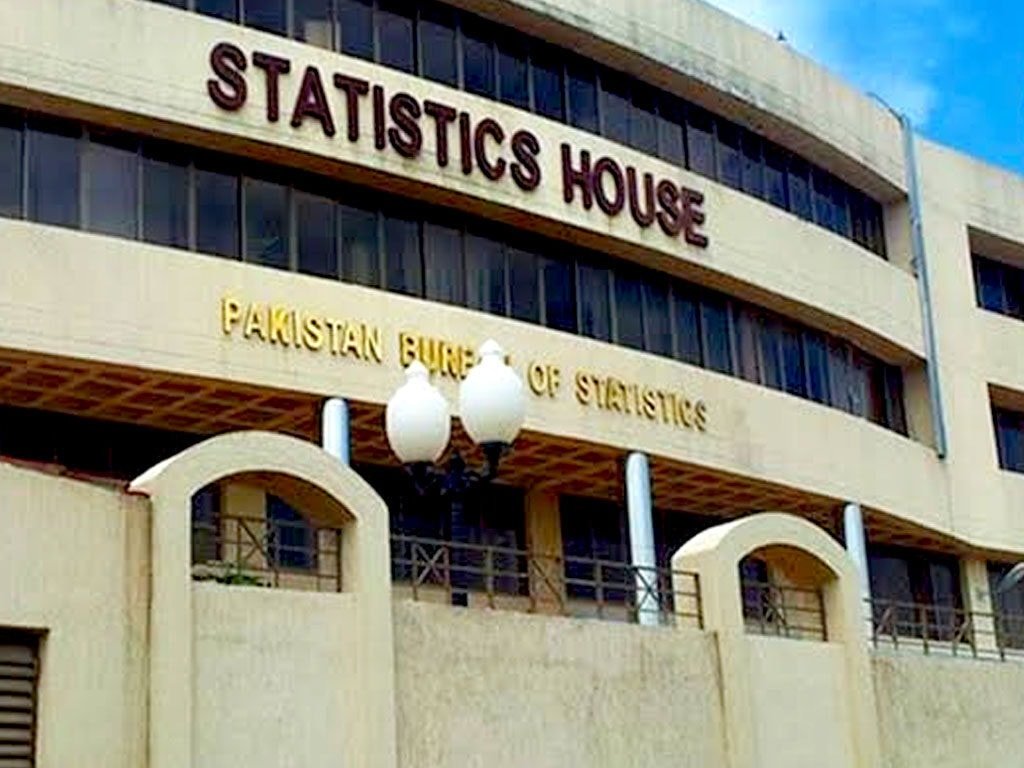
ISLAMABAD — Pakistan’s food group exports witnessed a growth of 2.47% in July 2023 compared to the same month last year, according to the latest data released by the Pakistan Bureau of Statistics (PBS). This increase marks a positive start to the financial year, reflecting resilience in the country’s agricultural sector amid global economic challenges. What Happened The Pakistan Bureau of Statistics reported that the food group exports for July 2023 reached a significant value, indicating a 2.47% rise compared to July 2022. The increase in exports is attributed to a variety of factors, including improved agricultural practices, favorable weather conditions, and enhanced market access. Key contributors to this growth included rice, fruits, and vegetables, which saw substantial demand in international markets. Rice exports, a major component of Pakistan’s food export sector, showed a commendable increase. The demand for Pakistani basmati and non-basmati rice varieties remained strong, particularly in Middle Eastern and European markets. Additionally, fruit exports, especially mangoes, also contributed to the rise, with Pakistan’s mangoes being highly sought after in regions such as the Gulf and Southeast Asia. The PBS data further highlighted that the export of vegetables, including onions and potatoes, also saw an uptick. This growth is seen as a result of strategic trade agreements and the opening of new markets, which have provided an impetus to the country’s export capabilities. Background Historically, Pakistan’s economy has been heavily reliant on its agricultural sector, which contributes significantly to the GDP and employs a large portion of the workforce. The food export sector, in particular, has been a vital component of the country’s trade balance. In recent years, the government has implemented various initiatives to boost agricultural productivity and export potential, including subsidies, improved irrigation systems, and the introduction of high-yield crop varieties. In the past decade, Pakistan has faced challenges such as water scarcity, outdated farming techniques, and limited access to international markets. However, recent policy shifts and technological advancements have started to address these issues, leading to gradual improvements in export figures. Why It Matters The increase in food group exports is significant for Pakistan’s economy, as it not only boosts foreign exchange reserves but also strengthens the agricultural sector’s role in economic development. This growth can potentially lead to increased investment in agriculture, fostering innovation and sustainability in farming practices. Economically, the rise in exports helps in narrowing the trade deficit, a persistent issue for Pakistan. By enhancing export revenues, the country can better manage its balance of payments and reduce reliance on external borrowing. This is crucial for maintaining economic stability and fostering growth in other sectors. Socially, the growth in food exports supports rural economies, where agriculture is the primary livelihood. Increased demand for agricultural produce can lead to higher incomes for farmers, improved living standards, and reduced poverty levels in rural areas. Additionally, it encourages the adoption of modern farming techniques, which can lead to more sustainable agricultural practices. On an international level, the growth in food exports enhances Pakistan’s trade relationships and opens up opportunities for further bilateral agreements. Strengthening these ties can lead to more diversified export markets, reducing dependency on a few key trading partners. Key Takeaways Pakistan’s food group exports rose by 2.47% in July 2023 compared to July 2022. Key contributors to this growth include increased exports of rice, fruits, and vegetables. The rise in exports aids in narrowing the trade deficit and boosting foreign exchange reserves. Growth in the agricultural sector supports rural economies and improves farmers’ livelihoods. Enhanced trade relationships can lead to more diversified export markets for Pakistan. Source Attribution This article is based on official government statements, press releases, and public communications from relevant authorities. Author: NEN Editorial Desk | Editor: NEN Newsroom | Fact Checked By: NEN Editorial Team Author: NEN Editorial Desk  |  Editor: NEN Newsroom  |  Last Updated: August 20, 2026  |  Source: NEN Reporter This article was produced by the NEN Editorial Desk in accordance with NEN Agency’s Editorial Policy and Fact-Checking Policy.
Pakistan

Rupee Strengthens Marginally Against US Dollar in Interbank Market

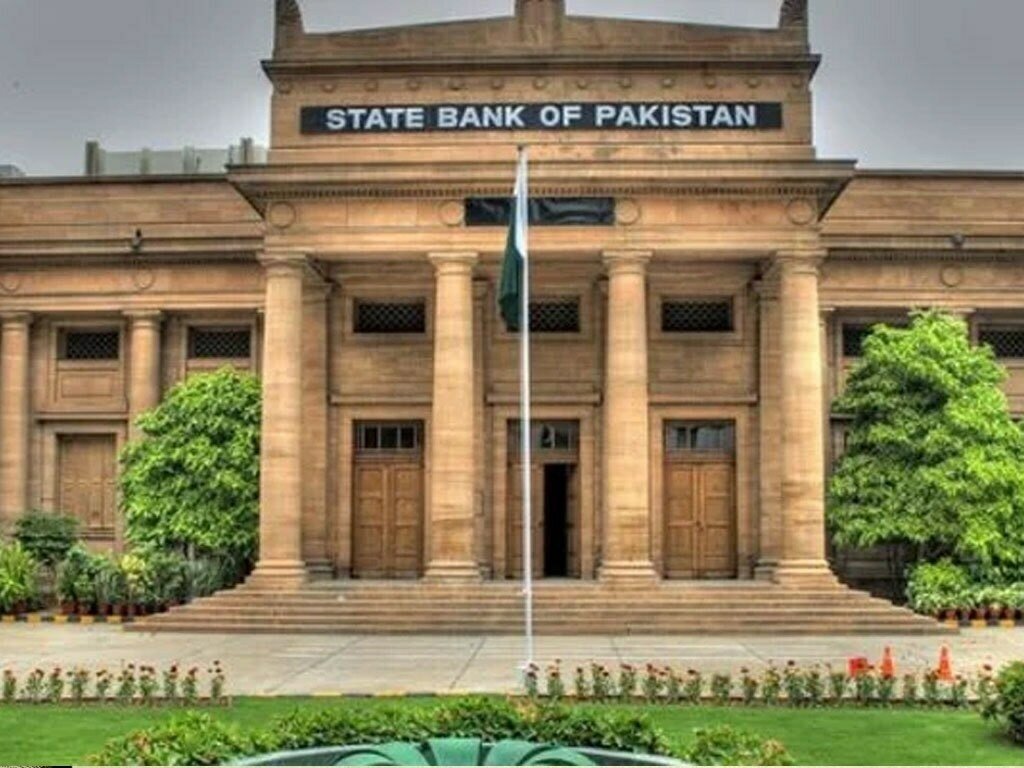
ISLAMABAD — The Pakistani Rupee appreciated by three paisa against the US Dollar in interbank trading on Thursday, closing at Rs 277.57 compared to the previous day’s closing of Rs 277.60. This slight increase reflects ongoing fluctuations in the currency market amid broader economic challenges. What Happened On Thursday, the Pakistani Rupee saw a minor appreciation against the US Dollar, closing at Rs 277.57 in interbank trading, as reported by the Forex Association of Pakistan (FAP). The buying and selling rates of the dollar in the open market were recorded at Rs 278 and Rs 278.65, respectively. This movement comes as part of a series of small adjustments in the currency market, reflecting the dynamic nature of foreign exchange rates in Pakistan. In addition to the US Dollar, the Rupee’s exchange rates against other major currencies showed varied trends. The Euro appreciated by Rs 2.56, closing at Rs 324.55 compared to the previous day’s Rs 321.99, according to data from the State Bank of Pakistan (SBP). Meanwhile, the Japanese Yen increased by one paisa, closing at Rs 1.75. The British Pound also saw an increase, rising by Rs 2.16 to close at Rs 378.41 from the previous day’s Rs 376.25. Conversely, the exchange rates for the Emirati Dirham and the Saudi Riyal each decreased by one paisa, closing at Rs 75.57 and Rs 73.92, respectively. These fluctuations highlight the ongoing volatility in the foreign exchange market, influenced by both domestic and international economic factors. Background The Pakistani Rupee has experienced significant volatility over the past year, driven by various factors including political instability, economic challenges, and global market trends. The currency’s performance is closely watched as it impacts inflation, import costs, and overall economic stability. Historically, the Rupee has faced pressure due to a high import bill, dwindling foreign reserves, and external debt obligations. In recent months, the government and the State Bank of Pakistan have implemented measures to stabilize the currency, including monetary policy adjustments and securing financial assistance from international partners. These efforts aim to bolster foreign reserves and provide a buffer against external economic shocks. Why It Matters The Rupee’s exchange rate is a critical indicator of Pakistan’s economic health. A stable or appreciating Rupee can help reduce inflationary pressures by lowering the cost of imported goods, which is crucial for a country heavily reliant on imports for essential commodities and raw materials. Conversely, a depreciating Rupee can exacerbate inflation and increase the cost of living for ordinary citizens. For businesses, especially those involved in import and export, currency stability is vital for planning and financial forecasting. Fluctuations in the exchange rate can affect profit margins, pricing strategies, and competitiveness in international markets. A stronger Rupee could potentially make Pakistani exports more expensive, impacting trade balances. On a broader scale, the Rupee’s performance affects investor confidence. A stable currency can attract foreign investment, as it signals economic stability and reduces the risk associated with currency depreciation. This is particularly important for Pakistan, which is seeking to attract foreign direct investment to spur economic growth and development. Key Takeaways The Pakistani Rupee appreciated by three paisa against the US Dollar, closing at Rs 277.57 in interbank trading. The Euro and British Pound also saw increases against the Rupee, while the Emirati Dirham and Saudi Riyal slightly decreased. Currency fluctuations are influenced by domestic economic policies and international market trends. A stable Rupee is crucial for controlling inflation and maintaining economic stability. Exchange rate stability can enhance investor confidence and attract foreign investment. Source Attribution This article is based on official government statements, press releases, and public communications from relevant authorities. Author: NEN Editorial Desk | Editor: NEN Newsroom | Fact Checked By: NEN Editorial Team Author: NEN Editorial Desk  |  Editor: NEN Newsroom  |  Last Updated: August 20, 2026  |  Source: NEN Reporter This article was produced by the NEN Editorial Desk in accordance with NEN Agency’s Editorial Policy and Fact-Checking Policy.
Pakistan

Maryam Nawaz Orders Timely Salaries for Suthra Punjab Workers

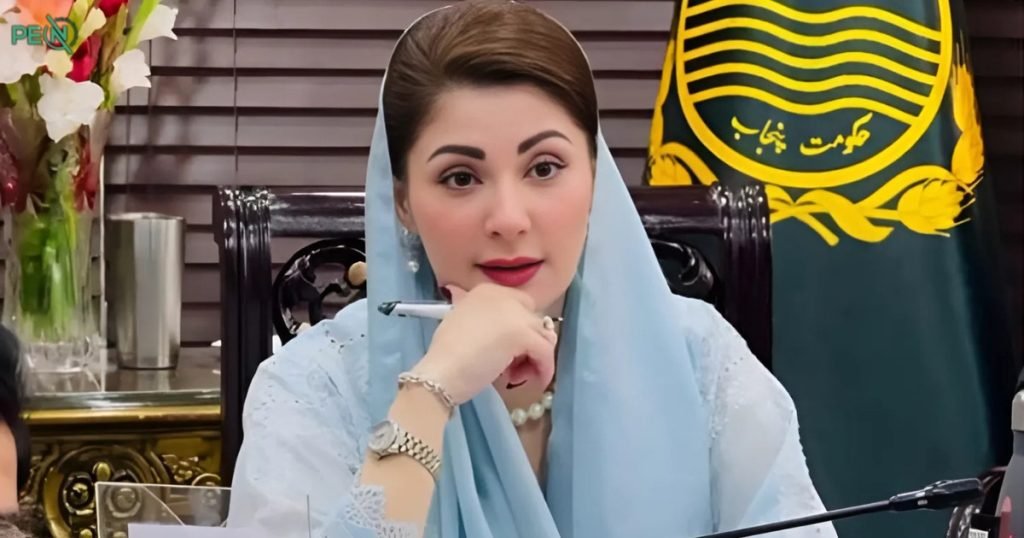
LAHORE — Punjab Chief Minister Maryam Nawaz has mandated that workers under the Suthra Punjab cleanliness initiative receive their salaries before the 5th of each month. This directive aims to enhance the effectiveness of the cleanliness operations and ensure financial stability for the workers involved. What Happened On August 20, Chief Minister Maryam Nawaz issued a series of directives to improve the operations of the Suthra Punjab initiative. She emphasized the need for timely salary payments to the workers, stating that any delay would result in strict legal action against the responsible parties. As of now, payments have been completed for workers in 149 out of 151 companies under the Suthra Punjab program. Maryam Nawaz also announced that companies failing to disburse salaries on time would face consequences. She stressed that negligence or financial irregularities in the cleanliness operations would not be tolerated. To encourage public participation, the Chief Minister introduced “Environment Friendly Citizen” stickers for those maintaining cleanliness in their areas. Additionally, citizens who uphold cleanliness standards will receive gifts or certificates. The Chief Minister instructed the Managing Director of WASA to spend at least two hours daily in the field, while Town Municipal Officers (TMOs) and Field Monitoring Officers (FMOs) are to visit at least five union councils each day to assess cleanliness. A Clean Punjab Anti-Littering Squad will be mobilized at divisional headquarters to monitor public spaces using e-bikes. Further directives included the requirement for Clean Punjab workers to carry garbage bags, similar to practices in Murree, and to address absenteeism among staff in both urban and rural areas. The authorities have been tasked with cleaning empty plots, maintaining waste enclosures, repairing infrastructure, and ensuring the proper functioning of mechanical sweepers. The de-salting process for drainage improvement and prompt resolution of public complaints were also highlighted. Maryam Nawaz instructed the MD, FMOs, and TMOs of Suthra Punjab to implement Key Performance Indicators (KPIs) to monitor the performance of each city’s cleanliness operations. She warned that MDs with poor performance records would not receive postings for the next three years. The Chief Minister expressed dissatisfaction with the state of waste enclosures on main roads and insisted on daily improvements in cleanliness efforts. Background The Suthra Punjab initiative is part of the provincial government’s broader efforts to improve sanitation and public health across Punjab. The program aims to tackle waste management issues, enhance urban and rural cleanliness, and promote environmental awareness among citizens. Historically, waste management in Punjab has faced challenges due to inadequate infrastructure, funding constraints, and administrative inefficiencies. Previous administrations have launched similar initiatives, but sustained success has often been elusive. The current directives by Maryam Nawaz are part of a renewed push to address these longstanding issues and ensure that the program achieves its objectives. Why It Matters The timely payment of salaries to Suthra Punjab workers is crucial for maintaining morale and ensuring the continuity of cleanliness operations. Delays in payments can lead to dissatisfaction and reduced productivity among workers, potentially undermining the effectiveness of the initiative. By enforcing strict timelines for salary disbursement, the government aims to foster a more committed and efficient workforce. The emphasis on public participation and recognition through “Environment Friendly Citizen” stickers and awards is an innovative approach to engage citizens in maintaining cleanliness. This strategy not only encourages individual responsibility but also fosters a sense of community ownership over public spaces. Economically, improved waste management and sanitation can lead to healthier communities, reducing healthcare costs and improving the quality of life for residents. Politically, successful implementation of the Suthra Punjab initiative could bolster the government’s standing among constituents, demonstrating its commitment to addressing everyday issues faced by the public. Key Takeaways Maryam Nawaz mandates salary payments for Suthra Punjab workers by the 5th of each month. Strict legal action will be taken against companies delaying payments. Public participation encouraged through awards and recognition for maintaining cleanliness. New measures include field visits by officials and the deployment of anti-littering squads. Focus on improving waste management infrastructure and addressing absenteeism among staff. Source Attribution The article is based on official government statements and public communications from relevant authorities. Author: NEN Editorial Desk | Editor: NEN Newsroom | Fact Checked By: NEN Editorial Team Author: NEN Editorial Desk  |  Editor: NEN Newsroom  |  Last Updated: August 20, 2026  |  Source: Press Release from Government of Pakistan This article was produced by the NEN Editorial Desk in accordance with NEN Agency’s Editorial Policy and Fact-Checking Policy.
Pakistan

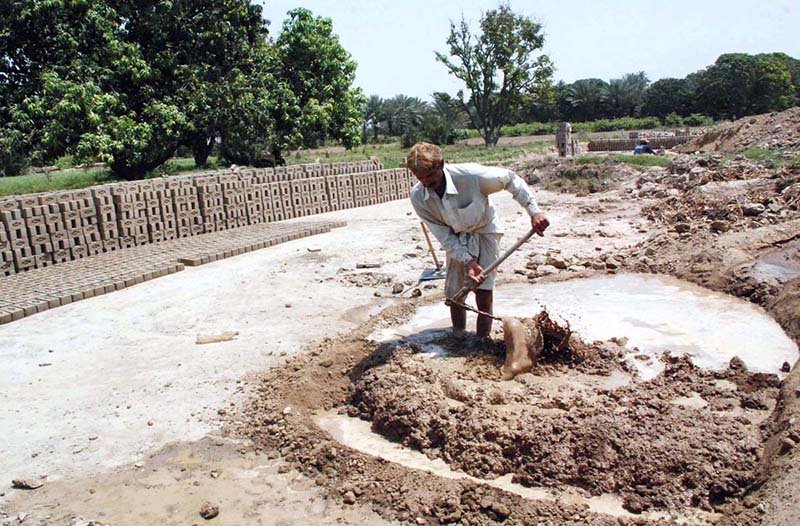
Labourers in Bahawalpur Prepare Clay for Brick-Making Amid Rising Demand

BAHAWALPUR — Labourers at a local brick kiln in Bahawalpur are engaged in the meticulous process of preparing clay for brick-making, a crucial step in meeting the rising demand for construction materials in the region. This activity underscores the ongoing significance of traditional brick kilns in Pakistan’s construction industry, particularly in the southern Punjab area. What Happened In Bahawalpur, a city known for its historical significance and architectural heritage, local brick kilns are bustling with activity as labourers diligently prepare clay for brick production. The process involves mixing soil with water to achieve the right consistency, followed by moulding and drying before the bricks are fired in kilns. This traditional method, while labor-intensive, remains integral to the region’s construction sector. According to local kiln operators, the demand for bricks has surged due to ongoing infrastructure projects and private construction activities. A kiln worker, Muhammad Aslam, shared, “We are working tirelessly to meet the orders. Each brick is crafted with care to ensure quality, as our reputation depends on it.” The kiln industry in Bahawalpur provides employment to hundreds of workers, many of whom rely on this seasonal work as their primary source of income. Despite the physical demands of the job, workers like Aslam take pride in their contribution to the local economy. The brick-making process, which begins with the preparation of clay, is a skill passed down through generations, and workers are keen to maintain the quality standards that their predecessors set. Background Brick-making in Pakistan has a long history, with kilns scattered across the country, particularly in Punjab. The industry plays a pivotal role in supporting the construction sector, which is a significant component of Pakistan’s economy. Traditionally, brick kilns have operated with minimal mechanization, relying heavily on manual labour. In recent years, there have been efforts to modernize the industry and introduce more environmentally friendly practices. However, many kilns continue to operate using age-old methods due to financial constraints and the availability of cheap labour. The Punjab government’s regulations on kiln emissions and labour rights have been implemented to improve working conditions and reduce environmental impact. Why It Matters The activity at Bahawalpur’s brick kilns highlights the broader economic and social dynamics at play in Pakistan’s construction industry. As the country continues to urbanize and develop infrastructure, the demand for construction materials like bricks remains high. This demand drives employment in rural areas, providing livelihoods for many families. However, the reliance on traditional methods raises concerns about worker safety and environmental sustainability. The physical toll on workers, who often endure long hours in harsh conditions, is a significant issue that requires attention. Moreover, the environmental impact of kiln emissions contributes to air pollution, which has been a growing concern in urban and rural areas alike. Efforts to modernize the industry by introducing cleaner technologies and improving labour conditions could enhance the sustainability of brick-making. Such changes would not only benefit the workers but also contribute to broader environmental goals, aligning with Pakistan’s commitments to reduce emissions and improve air quality. Key Takeaways Labourers in Bahawalpur are actively preparing clay for brick-making to meet rising construction demands. The brick kiln industry is a significant source of employment in rural Pakistan, particularly in Punjab. Traditional brick-making methods are labor-intensive and have environmental and safety implications. Modernization efforts are needed to improve worker conditions and reduce environmental impact. The ongoing demand for bricks is driven by infrastructure projects and urbanization in Pakistan. Source Attribution This article is based on official statements and public communications from relevant authorities. Author: NEN Editorial Desk | Editor: NEN Newsroom | Fact Checked By: NEN Editorial Team Author: NEN Editorial Desk  |  Editor: NEN Newsroom  |  Last Updated: August 20, 2026  |  Source: NEN Reporter This article was produced by the NEN Editorial Desk in accordance with NEN Agency’s Editorial Policy and Fact-Checking Policy.
Pakistan

Ahsan Iqbal Calls for Strengthened Food Quality Controls Across Pakistan

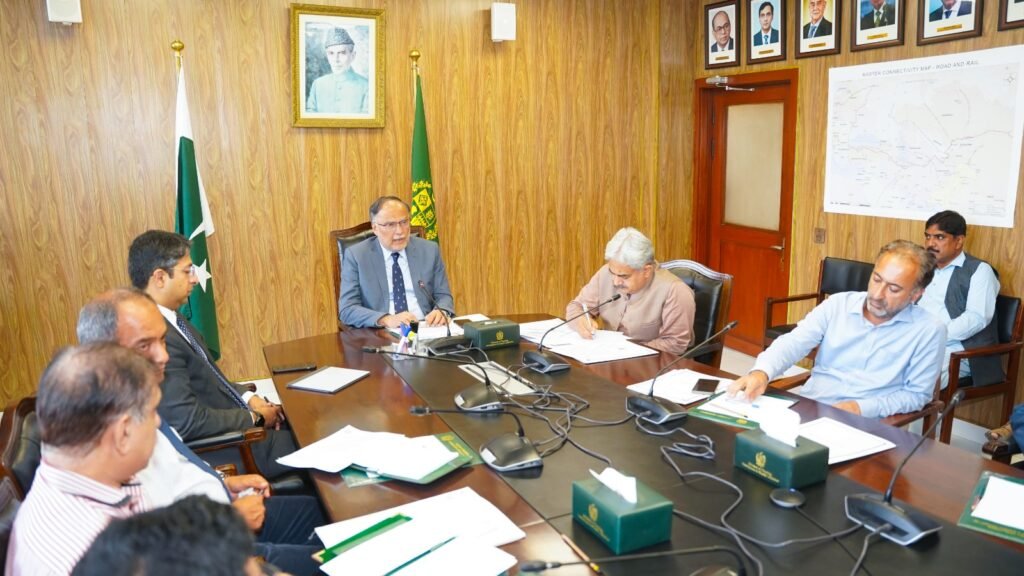
ISLAMABAD — Federal Minister for Planning, Development and Special Initiatives, Professor Ahsan Iqbal, has directed regulatory authorities to enhance food quality and safety measures nationwide. This initiative aims to safeguard public health and potentially increase Pakistan’s food exports. What Happened On Wednesday, Professor Ahsan Iqbal emphasized the need for a coordinated national framework to ensure food quality and safety across Pakistan. He instructed relevant authorities to bolster enforcement mechanisms to protect consumers and improve the country’s export potential. The minister’s directive comes amid growing concerns about food safety standards and their impact on public health and economic growth. Iqbal highlighted the importance of having a robust system in place to monitor and control food quality, stating, “Ensuring the safety and quality of food is not only crucial for public health but also for enhancing our export capabilities.” He urged the authorities to collaborate effectively to establish a comprehensive nationwide mechanism that can address the challenges in food safety and quality control. The minister’s call to action is part of a broader strategy to align Pakistan’s food safety standards with international benchmarks, thereby facilitating access to global markets. By improving food quality controls, Pakistan aims to boost consumer confidence both domestically and internationally, which could lead to increased demand for Pakistani food products abroad. Background Food safety has been a persistent issue in Pakistan, with several incidents in recent years highlighting the need for improved regulatory oversight. The country has faced challenges in maintaining consistent food quality standards, which has affected consumer trust and hindered export growth. Historically, Pakistan’s food industry has struggled with issues such as contamination, inadequate storage facilities, and lack of standardized practices. The government’s current focus on enhancing food quality controls is part of a series of initiatives aimed at revitalizing the agricultural and food sectors. Previous efforts have included the introduction of new regulations and the establishment of agencies tasked with overseeing food safety. However, implementation has often been inconsistent, leading to calls for more effective enforcement and coordination among regulatory bodies. Why It Matters The emphasis on food quality controls holds significant implications for Pakistan’s economy and public health. Strengthening these measures can lead to improved health outcomes by reducing the incidence of foodborne illnesses, which are a major public health concern. Better food safety standards can also enhance consumer confidence, leading to increased domestic consumption of locally produced goods. Economically, aligning food safety standards with international norms can open new markets for Pakistani exports. The global food market is highly competitive, and meeting international quality standards is essential for gaining access to lucrative markets in Europe, North America, and other regions. By improving food quality controls, Pakistan can position itself as a reliable supplier of high-quality food products, potentially boosting export revenues. Furthermore, this initiative supports Pakistan’s broader economic goals by contributing to sustainable agricultural development. By ensuring that food products meet safety and quality standards, the country can enhance the value of its agricultural exports, supporting rural economies and promoting economic growth. Key Takeaways Federal Minister Ahsan Iqbal has called for enhanced food quality and safety measures across Pakistan. The initiative aims to protect public health and boost Pakistan’s food export potential. Improved food safety standards can lead to better health outcomes and increased consumer confidence. Aligning with international standards can open new export markets for Pakistani food products. Strengthening food quality controls supports sustainable agricultural development and economic growth. Source Attribution This article is based on official government statements, press releases, and public communications from relevant authorities. Author: NEN Editorial Desk | Editor: NEN Newsroom | Fact Checked By: NEN Editorial Team Author: NEN Editorial Desk  |  Editor: NEN Newsroom  |  Last Updated: August 20, 2026  |  Source: NEN Reporter This article was produced by the NEN Editorial Desk in accordance with NEN Agency’s Editorial Policy and Fact-Checking Policy.
Pakistan

PRA Chairman Meets Travel Agents to Address Taxation Concerns

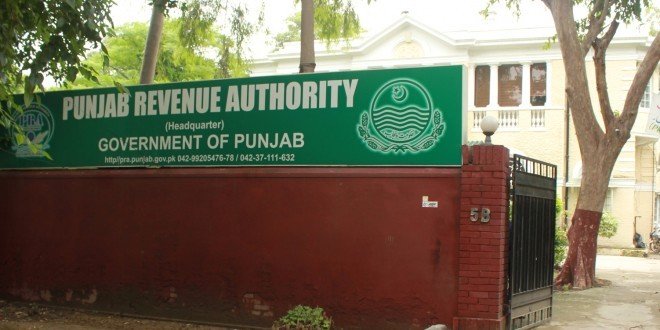
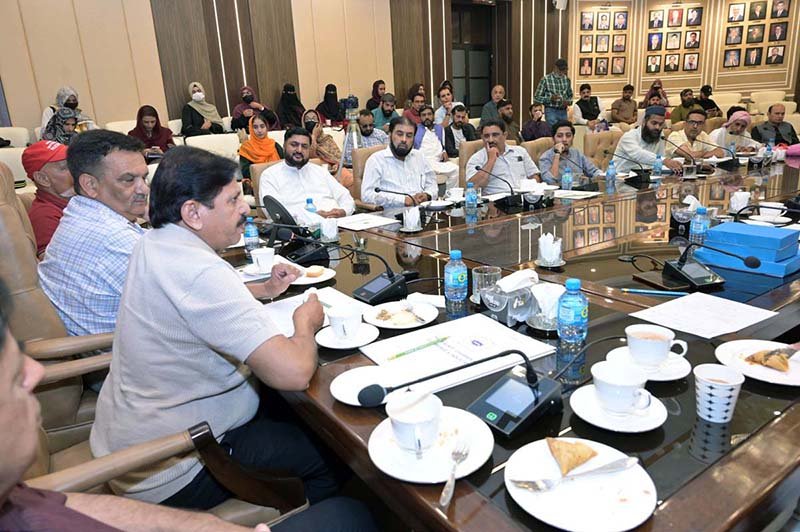
LAHORE — Punjab Revenue Authority (PRA) Chairman Moazzam Iqbal Sipra met with representatives from the Travel Agents Association of Pakistan on Wednesday to address ongoing taxation issues. The meeting focused on the implications of the Punjab Sales Tax on Services for travel agents and tour operators. What Happened The meeting, held in Lahore, brought together key stakeholders from the travel industry and the provincial tax authority to discuss concerns related to the Punjab Sales Tax on Services. Travel agents and tour operators have been vocal about the challenges posed by the current taxation framework, which they argue is burdensome and affects their operational efficiency. Moazzam Iqbal Sipra, the PRA Chairman, acknowledged the concerns raised by the travel agents and assured them of the authority’s commitment to finding a balanced solution. “We are aware of the issues faced by the travel industry and are open to discussions to make the tax system more conducive for business,” said Sipra during the meeting. The representatives from the Travel Agents Association of Pakistan highlighted specific areas where they seek relief, including the tax rates and the administrative burden of compliance. They argued that the current tax regime could potentially stifle growth in the travel sector, which is still recovering from the impacts of the COVID-19 pandemic. The PRA Chairman promised to review the existing policies and consider the suggestions put forth by the travel agents. He emphasized the importance of collaboration between the government and the private sector to ensure a fair and effective taxation system. Background The Punjab Sales Tax on Services was introduced as part of the provincial government’s efforts to increase revenue through indirect taxation. Travel agents and tour operators are subject to this tax, which is levied on the services they provide. The tax rate and compliance requirements have been a point of contention, leading to calls for reform from industry stakeholders. Historically, the travel industry in Pakistan has faced various regulatory challenges, including taxation issues. The sector is a significant contributor to the economy, providing employment and facilitating tourism, which is a vital source of foreign exchange. However, the imposition of high taxes has often been criticized for hindering the growth of this industry. Why It Matters The dialogue between the PRA and the travel agents is crucial as it signals a potential shift towards a more business-friendly tax environment in Punjab. The travel industry plays a pivotal role in the economy, and any measures that ease the tax burden could lead to increased investment and job creation. For travel agents, a reduction in tax rates or a simplification of compliance procedures could significantly enhance their competitiveness. This is particularly important in the post-pandemic era, where the travel sector is striving to regain its footing amid changing consumer behaviors and global travel restrictions. Economically, a thriving travel industry can boost tourism, leading to increased revenue for both the private sector and the government. Politically, addressing the concerns of the travel industry could enhance the provincial government’s image as a pro-business administration, potentially attracting more investment into the region. Internationally, a more favorable tax regime could position Punjab as a more attractive destination for tourists, thereby increasing its global tourism footprint. This could have a ripple effect on related sectors such as hospitality, transport, and retail, further bolstering economic growth. Key Takeaways PRA Chairman Moazzam Iqbal Sipra met with travel agents to discuss taxation issues. The meeting focused on the Punjab Sales Tax on Services and its impact on the travel industry. Travel agents seek relief from high tax rates and complex compliance requirements. The PRA is open to reviewing policies to create a more business-friendly tax environment. A favorable tax regime could boost investment and growth in Punjab’s travel sector. Source Attribution This article is based on official government statements, press releases, and public communications from relevant authorities. Author: NEN Editorial Desk | Editor: NEN Newsroom | Fact Checked By: NEN Editorial Team Author: NEN Editorial Desk  |  Editor: NEN Newsroom  |  Last Updated: August 20, 2026  |  Source: NEN Reporter This article was produced by the NEN Editorial Desk in accordance with NEN Agency’s Editorial Policy and Fact-Checking Policy.
Pakistan

Gulraiz Ghouri Highlights Sialkot’s Heritage at World Photography Day Seminar

ISLAMABAD — Renowned photographer and Tamgha-e-Imtiaz recipient Gulraiz Ghouri addressed a seminar titled “Tasveer-e-Sialkot: From Heritage to Tourism,” organized by the Tourism and Culture Committee of the Sialkot Chamber of Commerce and Industry (SCCI) to commemorate World Photography Day. The event took place at the SCCI Auditorium, bringing together local stakeholders to explore the potential of photography in promoting Sialkot’s rich heritage. What Happened On World Photography Day, Gulraiz Ghouri, a celebrated photographer known for his contributions to Pakistani art and culture, delivered a keynote speech at the SCCI Auditorium. The seminar, “Tasveer-e-Sialkot: From Heritage to Tourism,” was organized by the SCCI’s Tourism and Culture Committee. Ghouri emphasized the role of photography in capturing and promoting the historical and cultural essence of Sialkot, a city known for its vibrant history and industrial prowess. During his address, Ghouri stated, “Photography is not just an art form; it is a powerful medium to document and share our heritage with the world. Sialkot, with its rich history, offers a plethora of opportunities for photographers to showcase its beauty and significance.” He encouraged local photographers to use their skills to highlight the city’s landmarks and cultural sites, thereby attracting tourists and boosting the local economy. The seminar featured discussions on how photography can be leveraged to enhance tourism in Sialkot. Participants included local photographers, tourism experts, and members of the business community, all of whom shared insights on integrating photography into tourism strategies. The event also showcased a photography exhibition, displaying works that captured the essence of Sialkot’s heritage and modern-day life. Background Sialkot is a city with a rich historical background, known for its contributions to Pakistan’s industrial sector, particularly in sports goods and surgical instruments. The city has a deep-rooted cultural heritage, with landmarks such as the Iqbal Manzil, the birthplace of Allama Iqbal, and several ancient sites that attract visitors. World Photography Day, celebrated annually on August 19, provides an opportunity for photographers worldwide to share their work and inspire others through the art of photography. The Sialkot Chamber of Commerce and Industry has been actively promoting cultural and tourism initiatives to enhance the city’s profile both nationally and internationally. The seminar aligns with these efforts, aiming to harness the power of photography to boost tourism and preserve the city’s cultural identity. Why It Matters The seminar underscores the potential of photography as a tool for cultural preservation and tourism promotion. By highlighting Sialkot’s heritage through photography, the city can attract more tourists, leading to economic growth and increased cultural exchange. This initiative aligns with broader national efforts to promote tourism as a means of economic diversification. For local photographers, the event provided a platform to showcase their work and gain recognition, potentially opening up new opportunities for collaboration and professional growth. By engaging the local community in tourism promotion, the seminar also fosters a sense of pride and ownership over Sialkot’s cultural assets. Economically, increased tourism can lead to job creation and business opportunities in sectors such as hospitality, transportation, and retail. Politically, promoting cultural heritage strengthens national identity and fosters unity, which is crucial in a diverse country like Pakistan. Key Takeaways Gulraiz Ghouri emphasized the role of photography in promoting Sialkot’s heritage and tourism. The seminar aimed to integrate photography into tourism strategies to boost the local economy. World Photography Day served as a platform for local photographers to gain recognition. Increased tourism can lead to economic growth and cultural exchange in Sialkot. The event aligns with national efforts to diversify Pakistan’s economy through tourism. Source Attribution This article is based on official government statements, press releases, and public communications from relevant authorities. Author: NEN Editorial Desk | Editor: NEN Newsroom | Fact Checked By: NEN Editorial Team Author: NEN Editorial Desk  |  Editor: NEN Newsroom  |  Last Updated: August 20, 2026  |  Source: NEN Reporter This article was produced by the NEN Editorial Desk in accordance with NEN Agency’s Editorial Policy and Fact-Checking Policy.
Pakistan

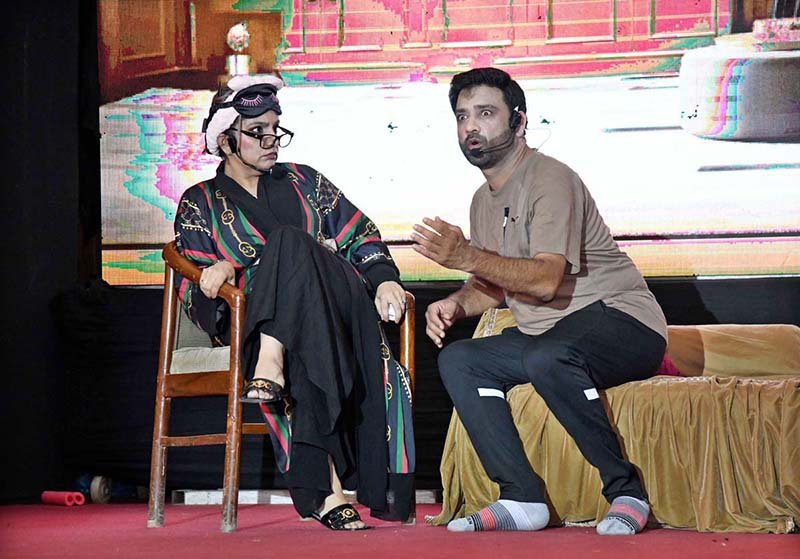
Comedy Play ‘AnarKali’ Staged at Chandka Medical College

LARKANA — A comedy and improvisational stage play titled ‘AnarKali’ was performed at the Latif Auditorium Hall of Chandka Medical College. The event, held in collaboration with Shaheed Mohtarma Benazir Bhutto Medical University, was organized by Koohi Goth Women’s Hospital Karachi. What Happened The play ‘AnarKali’ captivated audiences with its unique blend of comedy and improvisation, showcasing the talents of local artists. The performance took place at the Latif Auditorium Hall, a venue known for hosting cultural and educational events in Larkana. The collaboration between Chandka Medical College and Shaheed Mohtarma Benazir Bhutto Medical University aimed to provide a platform for artists to express their creativity while engaging the community in cultural activities. Koohi Goth Women’s Hospital Karachi, the organizer of the event, is renowned for its efforts in promoting health and education, particularly for women. By supporting cultural endeavors like ‘AnarKali’, the hospital extends its mission to enrich the community’s cultural landscape. The play drew a diverse audience, including students, faculty members, and local residents, all eager to experience the humor and spontaneity of the performance. According to the organizers, the play was designed to not only entertain but also to foster a sense of community and cultural appreciation. The actors, through their improvisational skills, engaged the audience, making each performance unique and interactive. The event highlighted the importance of arts in education and community development. Background The staging of ‘AnarKali’ at Chandka Medical College is part of a broader initiative to integrate cultural activities into educational settings. Historically, the college has been a hub for both medical education and cultural events, reflecting a commitment to holistic development. Shaheed Mohtarma Benazir Bhutto Medical University, named after the former Prime Minister of Pakistan, has a legacy of supporting educational and cultural programs that align with its mission to foster well-rounded individuals. Koohi Goth Women’s Hospital Karachi, established with the aim of improving women’s health care, has expanded its role to include educational and cultural initiatives. These efforts are part of a larger trend in Pakistan where educational institutions collaborate with cultural organizations to enhance the educational experience through arts and culture. Why It Matters The performance of ‘AnarKali’ at Chandka Medical College is significant for several reasons. Culturally, it underscores the role of arts in enhancing community engagement and education. By integrating cultural activities into the academic environment, institutions like Chandka Medical College and Shaheed Mohtarma Benazir Bhutto Medical University are promoting a more inclusive and holistic approach to education. Economically, events like these can stimulate local economies by attracting visitors and encouraging spending in the area. Socially, they provide a platform for artists to showcase their talents and for communities to come together in shared cultural experiences. This aligns with broader national efforts to promote cultural heritage and support the arts as a means of community development. Furthermore, the involvement of Koohi Goth Women’s Hospital Karachi highlights the intersection of health, education, and culture. By supporting such events, the hospital is contributing to the well-being of the community not just through healthcare but also through cultural enrichment. Key Takeaways ‘AnarKali’ is a comedy and improvisational play performed at Chandka Medical College. The event was organized by Koohi Goth Women’s Hospital Karachi in collaboration with Shaheed Mohtarma Benazir Bhutto Medical University. The play aimed to entertain and foster community engagement through cultural activities. Such events highlight the integration of arts in education and community development. The initiative reflects broader efforts to promote cultural heritage and support the arts in Pakistan. Source Attribution This article is based on official statements and public communications from relevant authorities. Author: NEN Editorial Desk | Editor: NEN Newsroom | Fact Checked By: NEN Editorial Team Author: NEN Editorial Desk  |  Editor: NEN Newsroom  |  Last Updated: August 20, 2026  |  Source: NEN Reporter This article was produced by the NEN Editorial Desk in accordance with NEN Agency’s Editorial Policy and Fact-Checking Policy.

Pakistan

RCAK U-15 Cricket Tournament Set to Launch on August 23 in Karachi

KARACHI — The Regional Cricket Association Karachi (RCAK) is gearing up to launch the first phase of its Talent Hunt Programme with the Touchme Trophy U-15 Inter-Zonal Cricket Tournament, commencing on August 23 at the KCCA Stadium. Organisers announced the event details on Wednesday, highlighting the collaborative efforts with the Medicam Group of Companies to foster young cricket talent in Karachi. What Happened The RCAK Talent Hunt Programme, an initiative aimed at identifying and nurturing young cricket talent, will kick off with the U-15 Inter-Zonal Cricket Tournament. The event is scheduled to start on Sunday, August 23, at the Karachi City Cricket Association (KCCA) Stadium. This tournament marks the beginning of an extensive programme designed to scout and develop promising cricketers from various zones across Karachi. The tournament is being organised in collaboration with the Medicam Group of Companies, a key partner in this initiative. The Chairman of the Tournament Committee expressed enthusiasm about the event, stating that it provides a crucial platform for young players to showcase their skills and potentially secure a pathway to professional cricket. “This tournament is not just about competition; it’s about giving young players the opportunity to shine and be noticed by selectors,” he said. The Touchme Trophy will feature teams from different zones within Karachi, each competing for the top honors. The tournament is expected to attract significant attention from local cricket enthusiasts and scouts looking for emerging talent. The RCAK has emphasized the importance of such tournaments in building a strong foundation for the future of cricket in the region. Background The RCAK Talent Hunt Programme is part of a broader strategy to revitalize cricket at the grassroots level in Karachi. Historically, Karachi has been a breeding ground for some of Pakistan’s most celebrated cricketers. However, in recent years, there has been a growing concern about the lack of structured opportunities for young players to develop their skills and gain visibility. In response to these challenges, the RCAK has launched several initiatives aimed at creating more opportunities for youth engagement in cricket. The U-15 Inter-Zonal Cricket Tournament is one such initiative, designed to provide a competitive platform for young players and to ensure that the city continues to produce world-class talent. Why It Matters The launch of the U-15 Inter-Zonal Cricket Tournament is significant for several reasons. Firstly, it addresses the need for structured talent development programmes in Karachi, a city with a rich cricketing history. By providing young players with a competitive platform, the RCAK is helping to ensure that the next generation of cricketers has the opportunity to develop their skills and gain recognition. Economically, the tournament could have a positive impact on local businesses, particularly those related to sports equipment and services. The involvement of the Medicam Group of Companies also highlights the potential for corporate partnerships in sports development, which can lead to increased investment and resources for future initiatives. Socially, the tournament promotes healthy competition and physical activity among youth, contributing to community well-being and engagement. It also serves as a unifying event, bringing together young athletes from diverse backgrounds to compete in the spirit of sportsmanship. On a broader scale, the success of such tournaments can influence national cricket policies by demonstrating the effectiveness of grassroots programmes in talent development. This could lead to increased support from national cricket bodies and further investment in similar initiatives across Pakistan. Key Takeaways The RCAK U-15 Inter-Zonal Cricket Tournament begins on August 23 at KCCA Stadium, Karachi. The event is part of the RCAK Talent Hunt Programme, aimed at nurturing young cricket talent. The tournament is organised in collaboration with the Medicam Group of Companies. It provides a platform for young players to showcase their skills and gain recognition. The initiative highlights the importance of grassroots programmes in developing future cricket talent. Source Attribution This article is based on official statements and public communications from the Regional Cricket Association Karachi and the Medicam Group of Companies. Author: NEN Editorial Desk | Editor: NEN Newsroom | Fact Checked By: NEN Editorial Team Author: NEN Editorial Desk  |  Editor: NEN Newsroom  |  Last Updated: August 19, 2026  |  Source: NEN Reporter This article was produced by the NEN Editorial Desk in accordance with NEN Agency’s Editorial Policy and Fact-Checking Policy.

Scroll to Top