

Pakistan

News related to Pakistan in Pakistan and around the world.

Pakistan

Gold Price Per Tola Rises by Rs 13,700 in Pakistan

ISLAMABAD — The price of gold in Pakistan has seen a substantial increase, with the cost per tola rising by Rs 13,700 in the local exchange markets. This surge, recorded on Thursday, reflects significant fluctuations in the precious metals market, impacting both gold and silver prices across the country. What Happened The local bullion markets in Pakistan have reported a historic rise in the prices of gold and silver. The price of one tola of gold has surged by Rs 13,700, marking a significant increase that has caught the attention of investors and market analysts alike. Similarly, the price of silver has also experienced an upward trend, rising by Rs 369 per tola. Market experts attribute this sharp increase to a combination of factors, including international market trends, currency fluctuations, and domestic demand dynamics. The gold market is particularly sensitive to global economic indicators, and recent geopolitical tensions have contributed to the volatility in prices. According to a local bullion dealer, “The increase in gold prices is largely driven by international market conditions and the depreciation of the Pakistani rupee against the US dollar.” This sentiment is echoed by other market participants who note that gold prices are often influenced by external economic factors beyond local control. Background Historically, gold has been a preferred investment in Pakistan, often seen as a safe haven during times of economic uncertainty. The country’s gold market is heavily influenced by global trends, with prices fluctuating in response to international events and currency exchange rates. In recent years, the Pakistani rupee has experienced depreciation against major currencies, further impacting the cost of imported goods, including gold. Additionally, geopolitical tensions and economic policies have played a role in shaping the market dynamics for precious metals. The local demand for gold, driven by cultural and economic factors, also contributes to price changes. Gold is traditionally used in weddings and other cultural ceremonies, maintaining a steady demand even during periods of price volatility. Why It Matters The significant rise in gold prices has several implications for the Pakistani economy and its citizens. For investors, the increase represents both an opportunity and a challenge. While higher prices can lead to increased returns for those holding gold, they also pose a barrier to new investors looking to enter the market. For the average consumer, the rise in gold prices may affect purchasing power, particularly for those planning weddings or other events where gold is traditionally exchanged. This could lead to adjustments in consumer behavior, with some opting for alternative investments or reducing the quantity of gold purchased. On a broader scale, the increase in gold prices can impact inflation rates, as higher costs for precious metals can contribute to overall price increases in the economy. This, in turn, may influence monetary policy decisions by the State Bank of Pakistan, as it seeks to balance inflation control with economic growth. Internationally, the rise in gold prices highlights the interconnectedness of global markets and the impact of geopolitical events on local economies. As Pakistan navigates these challenges, the government and financial institutions may need to implement measures to stabilize the currency and manage inflationary pressures. Key Takeaways The price of gold per tola in Pakistan has increased by Rs 13,700. Silver prices have also risen, with an increase of Rs 369 per tola. International market trends and currency fluctuations are key factors driving the price surge. The rise in prices impacts both investors and consumers, influencing purchasing decisions and economic behavior. Monetary policy adjustments may be necessary to address inflationary pressures resulting from increased gold prices. Source Attribution This article is based on official government statements, press releases, and public communications from relevant authorities. Author: NEN Editorial Desk | Editor: NEN Newsroom | Fact Checked By: NEN Editorial Team Author: NEN Editorial Desk  |  Editor: NEN Newsroom  |  Last Updated: August 21, 2026  |  Source: NEN Reporter This article was produced by the NEN Editorial Desk in accordance with NEN Agency’s Editorial Policy and Fact-Checking Policy.
Pakistan

Pakistan Intensifies Efforts to Address Malnutrition and Nutrient Deficiencies

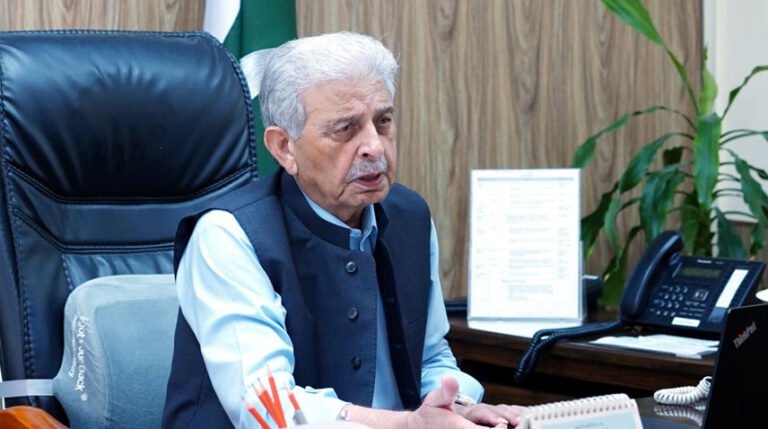
ISLAMABAD — Pakistan has launched an intensified national initiative to tackle malnutrition and micronutrient deficiencies, as announced by Federal Minister for National Food Security and Research Rana Tanveer Hussain on Thursday. The government aims to enhance nutrition outcomes through coordinated efforts between federal and provincial authorities. What Happened In a recent statement, Federal Minister Rana Tanveer Hussain highlighted the critical need for a unified approach to combat malnutrition and nutrient deficiencies across Pakistan. He stressed that improving the nutritional status of the population requires a concerted effort involving both federal and provincial governments. The minister’s remarks underscore the government’s commitment to addressing these pressing health issues that affect millions of Pakistanis. The initiative aims to implement comprehensive strategies to improve dietary intake and address the root causes of malnutrition. This includes increasing access to nutritious food, enhancing public awareness about healthy eating habits, and ensuring the availability of essential vitamins and minerals. The government plans to collaborate with international organizations, non-governmental organizations, and the private sector to amplify the impact of these efforts. Minister Hussain stated, “It is imperative that we work together to ensure that every citizen has access to the nutrients they need for a healthy life. This requires strong coordination and commitment from all levels of government.” The initiative will also focus on vulnerable populations, including children and women, who are disproportionately affected by malnutrition. Background Malnutrition has been a persistent issue in Pakistan, with significant implications for public health and economic development. According to the Global Nutrition Report, Pakistan ranks among the countries with the highest rates of malnutrition, affecting nearly 40% of children under five years of age. The prevalence of stunting, wasting, and micronutrient deficiencies such as iron and vitamin A is alarmingly high. Previous efforts to address malnutrition in Pakistan have included various government programs and international aid initiatives. However, challenges such as inadequate funding, lack of infrastructure, and insufficient coordination among stakeholders have hindered progress. The current initiative seeks to overcome these barriers by fostering greater collaboration and resource allocation. Why It Matters The intensified focus on combating malnutrition and nutrient deficiencies is crucial for Pakistan’s future. Malnutrition not only affects individual health but also has broader social and economic implications. Children who suffer from malnutrition are at risk of impaired cognitive development, reduced educational attainment, and lower productivity in adulthood. This, in turn, affects the country’s human capital and economic growth potential. By addressing malnutrition, Pakistan can improve health outcomes, reduce healthcare costs, and enhance the quality of life for its citizens. Moreover, tackling nutrient deficiencies can prevent a range of health issues, including anemia, weakened immune systems, and increased susceptibility to infections. The initiative also aligns with Pakistan’s commitment to achieving the United Nations Sustainable Development Goals, particularly Goal 2, which aims to end hunger and improve nutrition by 2030. Internationally, Pakistan’s efforts to combat malnutrition can serve as a model for other developing countries facing similar challenges. By demonstrating effective strategies and fostering partnerships, Pakistan can contribute to global efforts to eradicate malnutrition and promote health and well-being. Key Takeaways Pakistan has launched a national initiative to combat malnutrition and nutrient deficiencies, emphasizing coordination between federal and provincial governments. The initiative aims to improve dietary intake, increase access to nutritious food, and focus on vulnerable populations such as children and women. Malnutrition affects nearly 40% of children under five in Pakistan, with significant implications for public health and economic development. Addressing malnutrition can improve health outcomes, reduce healthcare costs, and enhance the country’s human capital. The initiative aligns with Pakistan’s commitment to the United Nations Sustainable Development Goals, particularly Goal 2. Source Attribution This article is based on official government statements, press releases, and public communications from relevant authorities. Author: NEN Editorial Desk | Editor: NEN Newsroom | Fact Checked By: NEN Editorial Team Author: NEN Editorial Desk  |  Editor: NEN Newsroom  |  Last Updated: August 21, 2026  |  Source: NEN Reporter This article was produced by the NEN Editorial Desk in accordance with NEN Agency’s Editorial Policy and Fact-Checking Policy.
Pakistan

Pakistan Aims for Full Dialogue Partnership with ASEAN, Says Minister Khichi

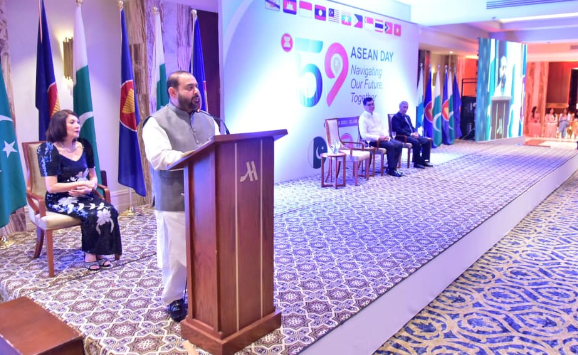
ISLAMABAD — Pakistan is actively pursuing a full dialogue partnership with the Association of Southeast Asian Nations (ASEAN), Federal Minister for Cultural Heritage Aurangzeb Khichi announced on Thursday. The move is part of Pakistan’s broader strategy to enhance trade, investment, and economic cooperation with ASEAN member states. What Happened During a ceremony in Islamabad, Minister Aurangzeb Khichi emphasized Pakistan’s commitment to forging stronger ties with ASEAN. He stated, “Pakistan aspires to become a full dialogue partner of ASEAN to unlock new opportunities in trade, investment, and economic cooperation.” This announcement underscores Pakistan’s strategic interest in deepening its engagement with Southeast Asia, a region known for its dynamic economic growth and significant geopolitical influence. The minister highlighted the potential benefits of such a partnership, including increased market access for Pakistani goods and services, enhanced bilateral trade, and collaboration in various sectors such as technology, education, and cultural exchange. Khichi also pointed out that ASEAN’s collective economic strength presents a valuable opportunity for Pakistan to diversify its trade partners and reduce reliance on traditional markets. Khichi’s remarks come at a time when Pakistan is seeking to expand its economic horizons and integrate more closely with regional economies. The pursuit of a full dialogue partnership with ASEAN is seen as a strategic move to align with the economic dynamism of Southeast Asia, which is home to some of the world’s fastest-growing economies. Background ASEAN, established in 1967, is a regional organization comprising 10 Southeast Asian countries, including Indonesia, Malaysia, the Philippines, Singapore, and Thailand. It aims to promote economic growth, cultural exchange, and political stability in the region. Pakistan has been an ASEAN Sectoral Dialogue Partner since 1993, which allows it to engage with ASEAN on specific issues of mutual interest. Over the years, Pakistan has sought to elevate its status within ASEAN to a full dialogue partner, a designation that would enable more comprehensive cooperation across a broader range of sectors. Full dialogue partners of ASEAN include countries like China, Japan, and India, which have established extensive economic and strategic ties with the region. Why It Matters The pursuit of a full dialogue partnership with ASEAN is significant for Pakistan’s economic and geopolitical strategy. As Pakistan faces economic challenges, including a trade deficit and the need for foreign investment, closer ties with ASEAN could provide a much-needed boost to its economy. The ASEAN region, with a combined GDP of over $3 trillion, offers vast opportunities for trade and investment that could help Pakistan diversify its economic partnerships. Moreover, a full dialogue partnership with ASEAN would enhance Pakistan’s geopolitical standing in the Asia-Pacific region. It would allow Pakistan to participate more actively in regional discussions on economic and security issues, thereby increasing its influence in a strategically important area. This could also lead to greater collaboration in addressing regional challenges such as climate change, terrorism, and maritime security. For ASEAN, strengthening ties with Pakistan could provide access to a market of over 220 million people and a gateway to South Asia. It would also support ASEAN’s goal of expanding its partnerships beyond its immediate neighborhood, thereby enhancing its global reach and influence. Key Takeaways Pakistan is seeking a full dialogue partnership with ASEAN to enhance trade and economic cooperation. Minister Aurangzeb Khichi emphasized the potential benefits of increased market access and bilateral trade. ASEAN is a key regional organization with significant economic and geopolitical influence. Closer ties with ASEAN could boost Pakistan’s economy and geopolitical standing. The partnership would benefit ASEAN by providing access to Pakistan’s large market and strategic location. Source Attribution This article is based on official government statements and public communications from relevant authorities. Author: NEN Editorial Desk | Editor: NEN Newsroom | Fact Checked By: NEN Editorial Team Author: NEN Editorial Desk  |  Editor: NEN Newsroom  |  Last Updated: August 21, 2026  |  Source: NEN Reporter This article was produced by the NEN Editorial Desk in accordance with NEN Agency’s Editorial Policy and Fact-Checking Policy.

Pakistan

CCoSOEs Approves Independent Directors for PPL and OGDCL Boards

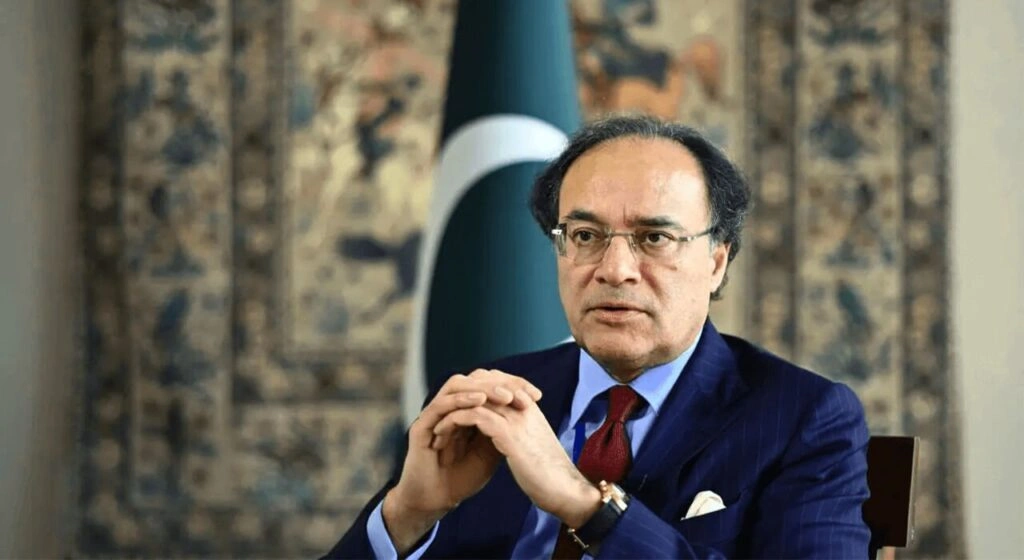
ISLAMABAD — The Cabinet Committee on State-Owned Enterprises (CCoSOEs) has approved the appointment of an Independent Director to the Board of Directors of Pakistan Petroleum Limited (PPL) and endorsed three nominations for Independent Director positions on the Board of Oil & Gas Development Company Limited (OGDCL). This decision was made during a meeting held on Thursday, aiming to enhance corporate governance in these key state-owned enterprises. What Happened The CCoSOEs, chaired by Finance Minister Ishaq Dar, convened to discuss and approve appointments to the boards of major state-owned enterprises. The committee approved the appointment of an Independent Director to PPL’s board and endorsed three new Independent Directors for OGDCL. These appointments are part of the government’s ongoing effort to improve transparency and efficiency in state-owned enterprises by bringing in professionals with diverse expertise. Finance Minister Ishaq Dar emphasized the importance of these appointments, stating, “The inclusion of independent directors is crucial for the enhancement of governance standards and operational efficiency in our state-owned enterprises.” The newly appointed directors are expected to bring a wealth of experience and independent oversight, which is anticipated to drive better decision-making processes within these organizations. The selection process for these positions involved a rigorous evaluation of candidates’ qualifications and experience to ensure that the appointed individuals possess the necessary skills and expertise to contribute effectively to the boards. The move is seen as a step towards aligning the governance of these enterprises with international best practices. Background Pakistan Petroleum Limited and Oil & Gas Development Company Limited are two of the largest state-owned enterprises in Pakistan, playing a critical role in the country’s energy sector. Historically, the governance of such enterprises has been a subject of scrutiny, with calls for reforms to enhance transparency and accountability. The CCoSOEs was established to oversee the management and governance of state-owned enterprises, ensuring that they operate efficiently and in the best interest of the public. The committee’s role includes approving key appointments and providing strategic direction to these entities. In recent years, there has been a concerted effort by the government to reform the governance structures of state-owned enterprises. This includes the appointment of independent directors who can provide unbiased oversight and contribute to more effective management practices. Why It Matters The appointment of independent directors to the boards of PPL and OGDCL is significant for several reasons. Firstly, it marks a continued effort by the government to improve the governance of state-owned enterprises, which are vital to Pakistan’s economy. These enterprises are responsible for a substantial portion of the country’s energy production and have a direct impact on the national economy. Improved governance can lead to more efficient operations, better financial performance, and increased investor confidence. By bringing in independent directors, the government aims to ensure that these enterprises are managed in a manner that is transparent and accountable, thereby reducing the potential for mismanagement and corruption. Furthermore, these appointments are likely to have a positive impact on Pakistan’s international standing. As state-owned enterprises align their governance structures with international standards, it enhances the country’s attractiveness to foreign investors, who often seek assurance that their investments will be managed prudently. For the citizens of Pakistan, better governance of these enterprises could lead to more reliable energy production, potentially resulting in more stable energy prices and improved service delivery. This is particularly important in a country where energy shortages have been a persistent issue. Key Takeaways The CCoSOEs approved the appointment of an Independent Director for PPL and endorsed three for OGDCL. These appointments aim to enhance governance standards in state-owned enterprises. Independent directors are expected to bring diverse expertise and improve decision-making. The move aligns with international best practices, potentially boosting investor confidence. Improved governance could lead to better energy production and service delivery in Pakistan. Source Attribution This article is based on official government statements, press releases, and public communications from relevant authorities. Author: NEN Editorial Desk | Editor: NEN Newsroom | Fact Checked By: NEN Editorial Team Author: NEN Editorial Desk  |  Editor: NEN Newsroom  |  Last Updated: August 20, 2026  |  Source: NEN Reporter This article was produced by the NEN Editorial Desk in accordance with NEN Agency’s Editorial Policy and Fact-Checking Policy.
Pakistan

Gold Price Surges By Rs13,700 Per Tola, Reaching Rs471,936

ISLAMABAD — The price of gold in Pakistan experienced a significant increase on Thursday, with the cost of 24-karat gold rising by Rs13,700 to reach Rs471,936 per tola. This sharp rise was reported by the All Pakistan Sarafa Gems and Jewellers Association, reflecting ongoing volatility in the precious metals market. What Happened The latest surge in gold prices marks one of the most substantial single-day increases in recent months. According to the All Pakistan Sarafa Gems and Jewellers Association, the price of 10 grams of 24-karat gold also saw a corresponding increase, climbing to Rs404,400. The association attributed this rise to fluctuations in the international gold market, where prices have been affected by various economic factors, including changes in currency valuations and global demand. In addition to the domestic factors, the international market has seen gold prices rise due to geopolitical tensions and economic uncertainties, which have traditionally driven investors towards safe-haven assets like gold. The ongoing economic challenges, including inflationary pressures and currency devaluation, have further compounded the situation, leading to increased demand for gold as a hedge against economic instability. Jewellers across the country have noted a surge in inquiries and purchases as consumers attempt to secure their investments against the backdrop of an unpredictable economic landscape. “The demand for gold has been steadily increasing, not just for investment purposes but also for traditional uses such as weddings and other cultural ceremonies,” a jeweller in Karachi stated. Background Gold prices in Pakistan are influenced by several factors, including international market trends, currency exchange rates, and local demand. Historically, gold has been a preferred investment in Pakistan, serving as a hedge against inflation and currency depreciation. The All Pakistan Sarafa Gems and Jewellers Association regularly updates gold prices based on fluctuations in the international market and domestic conditions. Over the past year, the price of gold has been on an upward trajectory, driven by global economic uncertainties and local market dynamics. The depreciation of the Pakistani rupee against the US dollar has further exacerbated the situation, making gold more expensive in local terms. Additionally, the COVID-19 pandemic has had a lasting impact on global supply chains, affecting the availability and pricing of gold. Why It Matters The increase in gold prices holds significant implications for various stakeholders in Pakistan. For consumers, the rising cost of gold affects affordability, particularly for those planning weddings or other traditional ceremonies where gold is a customary gift. The higher prices may lead to a shift in consumer behavior, with some opting for alternative investments or reducing the quantity of gold purchased. Economically, the rising gold prices reflect broader inflationary trends within the country. As a key indicator of economic health, the price of gold can signal underlying issues such as currency devaluation and economic instability. For investors, the surge in gold prices presents both opportunities and challenges. While it offers a potential hedge against inflation, it also raises concerns about the sustainability of such high prices and the potential for a market correction. On an international level, Pakistan’s gold market is closely linked to global trends, and fluctuations in local prices can affect trade balances and foreign exchange reserves. The country’s reliance on imports for gold means that any increase in international prices can have a direct impact on the domestic market, further influencing economic policy and financial stability. Key Takeaways Gold prices in Pakistan increased by Rs13,700 per tola, reaching Rs471,936. The rise is attributed to international market fluctuations and local economic conditions. Higher gold prices impact consumer affordability and investment strategies. The increase reflects broader inflationary pressures and economic uncertainties. Pakistan’s gold market is influenced by global trends and currency exchange rates. Source Attribution This article is based on official government statements, press releases, and public communications from relevant authorities. Author: NEN Editorial Desk | Editor: NEN Newsroom | Fact Checked By: NEN Editorial Team Author: NEN Editorial Desk  |  Editor: NEN Newsroom  |  Last Updated: August 20, 2026  |  Source: NEN Reporter This article was produced by the NEN Editorial Desk in accordance with NEN Agency’s Editorial Policy and Fact-Checking Policy.
Pakistan

CDA Moves To Digitize Property Transfer System For Enhanced Transparency

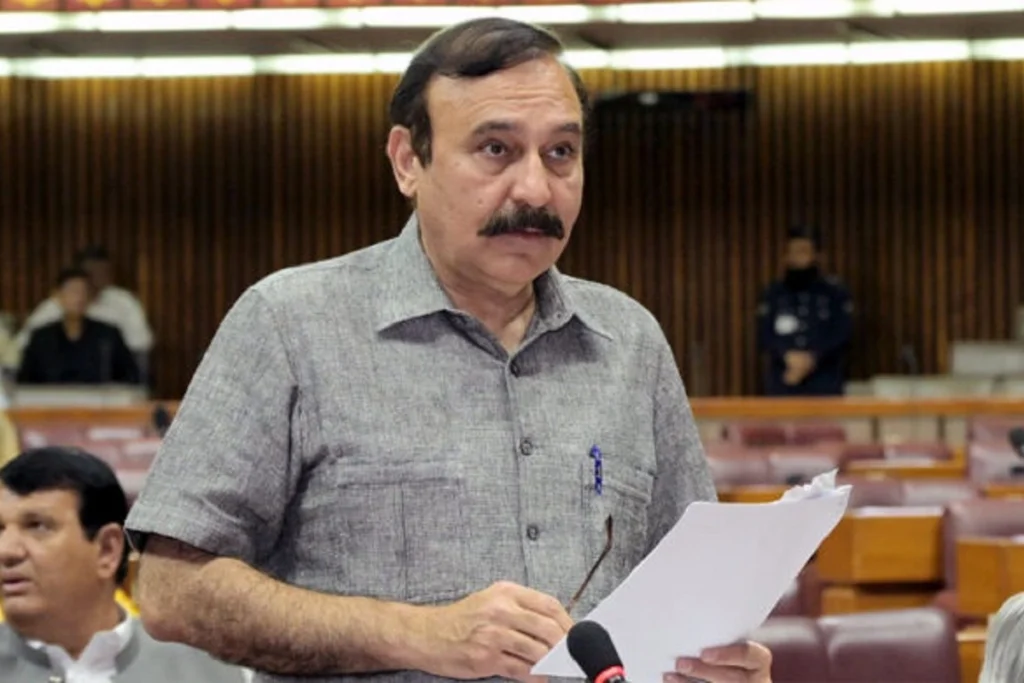
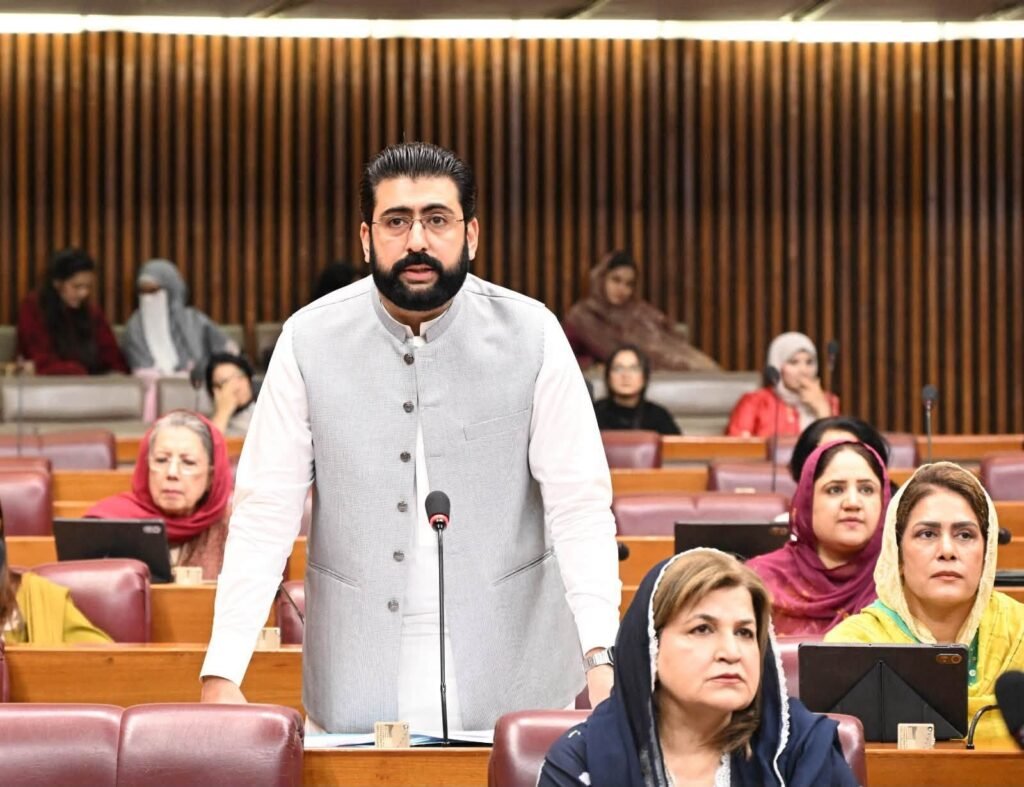
ISLAMABAD — The Capital Development Authority (CDA) is set to digitize its property transfer system to bolster transparency and combat fraudulent activities, as informed by Federal Minister for Parliamentary Affairs Tariq Fazal Chaudhry in the National Assembly on Thursday. What Happened During a session of the National Assembly, Federal Minister for Parliamentary Affairs Tariq Fazal Chaudhry announced the CDA’s plan to digitize its property transfer system. This initiative is part of a broader effort to ensure transparency and prevent fraudulent practices within the property sector. Chaudhry emphasized that the existing formal mechanism for property transfers would be strictly adhered to, with the new digital system enhancing the process’s efficiency and reliability. Chaudhry highlighted the importance of this move, noting that digitization would not only streamline operations but also provide a robust framework to safeguard against fraud. “The digitization of the property transfer system is a crucial step towards ensuring transparency and protecting the rights of property owners,” he stated. The minister assured the assembly that the CDA is committed to implementing this system effectively, with a focus on maintaining public trust and confidence. The transition to a digital system is expected to include the development of an online portal where property transactions can be processed with greater speed and accuracy. This portal will allow stakeholders, including property owners and potential buyers, to access necessary information and complete transactions without the need for physical visits to CDA offices, thus reducing the potential for corruption and errors. Background The Capital Development Authority, established in 1960, is responsible for municipal services in Islamabad, including the regulation of property transfers. Over the years, the CDA has faced criticism for inefficiencies and allegations of corruption within its operations. The digitization of the property transfer system is seen as a response to these challenges, aiming to modernize the authority’s processes and improve service delivery. Historically, property transactions in Pakistan have been plagued by issues such as fraudulent documentation and lengthy bureaucratic procedures. The introduction of a digital system aligns with broader governmental efforts to embrace technology in public administration, as seen in other sectors like tax collection and public service delivery. Why It Matters The digitization of the CDA’s property transfer system holds significant implications for Islamabad’s real estate market and its stakeholders. By reducing the reliance on paper-based processes, the new system is expected to cut down on the time and resources required for property transactions, making the market more accessible and efficient. For property owners, this initiative promises enhanced security and peace of mind, as digital records are less susceptible to tampering compared to traditional paper documents. This move could also attract more investors to the Islamabad property market, as a transparent and efficient system reduces the perceived risks associated with property investments. On a broader scale, the digitization effort reflects Pakistan’s commitment to leveraging technology for governance improvements. As the country continues to modernize its infrastructure, such initiatives are critical in fostering an environment conducive to economic growth and development. The success of the CDA’s digital transformation could serve as a model for other municipal bodies across Pakistan, encouraging similar reforms nationwide. Key Takeaways The CDA is digitizing its property transfer system to enhance transparency and prevent fraud. This initiative is part of a broader governmental effort to modernize public administration through technology. The digital system will streamline property transactions, reducing time and resources required. Property owners and investors are expected to benefit from increased security and market efficiency. The success of this initiative could inspire similar reforms across Pakistan’s municipal bodies. Source Attribution This article is based on official government statements, press releases, and public communications from relevant authorities. Author: NEN Editorial Desk | Editor: NEN Newsroom | Fact Checked By: NEN Editorial Team Author: NEN Editorial Desk  |  Editor: NEN Newsroom  |  Last Updated: August 20, 2026  |  Source: Press Release from Government of Pakistan This article was produced by the NEN Editorial Desk in accordance with NEN Agency’s Editorial Policy and Fact-Checking Policy.
Pakistan

KP Government Approves Land Records Issuance via NADRA Centers

PESHAWAR — The Khyber Pakhtunkhwa government has granted in-principle approval for issuing land records, known as Fard, through NADRA E-Service Centers. This initiative aims to facilitate citizens across the province by streamlining the process. What Happened In a high-level meeting focused on revenue department reforms, chaired by Chief Minister Muhammad Sohail Khan Afridi in Peshawar, the decision to issue land records through NADRA E-Service Centers was finalized. The meeting highlighted the integration of these centers with the existing Revenue Department’s Service Delivery Centers to enhance service delivery. Chief Minister Afridi emphasized that the new system would employ cashless payment methods for official fees and service charges, promoting transparency and ease for the public. “We believe in people-friendly governance, and providing easy, transparent, and timely services to citizens remains our top priority,” Afridi stated during the meeting. The initiative is expected to reduce the time and resources citizens spend on obtaining land records, minimizing the need for multiple visits to government offices. This move aligns with the provincial government’s broader strategy to digitize public services and eliminate bureaucratic inefficiencies. Additionally, the meeting reviewed the draft of the Land Acquisition Bill 2026. The chief minister directed the inclusion of clauses to prevent delays in the land acquisition process, urging that the bill be finalized and presented for approval promptly. Afridi described the bill as a reflection of the PTI’s vision, prioritizing public interest and continuing the reform process to ensure transparency and effective governance. Background The issuance of land records has historically been a cumbersome process in Pakistan, often plagued by inefficiencies and corruption. The introduction of NADRA E-Service Centers is part of a series of reforms aimed at digitizing public services in Khyber Pakhtunkhwa. NADRA, the National Database and Registration Authority, has been instrumental in modernizing various governmental services, offering a robust platform for digital transactions and record-keeping. The provincial government’s decision to utilize NADRA’s infrastructure for land records issuance is part of ongoing efforts to improve service delivery and public trust in government operations. The Land Acquisition Bill 2026 is another step in this direction, aiming to streamline land acquisition processes and reduce bureaucratic hurdles. Why It Matters The approval to issue land records through NADRA centers is significant for several reasons. Economically, it reduces the cost and time associated with obtaining land records, which can be a barrier to property transactions and development projects. By simplifying this process, the government is likely to stimulate economic activity and investment in the region. Socially, this initiative enhances accessibility to essential services, particularly for those in remote areas who previously faced challenges in accessing government offices. The use of cashless payment systems also reduces the risk of corruption, ensuring that citizens receive services transparently and efficiently. Politically, these reforms demonstrate the provincial government’s commitment to improving governance and public service delivery. By aligning with the PTI’s vision of transparent and citizen-centric governance, the KP government strengthens its political standing and public trust. Key Takeaways The KP government approved the issuance of land records through NADRA E-Service Centers to facilitate citizens. Cashless payment methods will be used to ensure transparency and ease for the public. The initiative is part of a broader strategy to digitize public services and reduce bureaucratic hurdles. The Land Acquisition Bill 2026 aims to streamline the land acquisition process, reflecting the PTI’s vision. These reforms are expected to enhance economic activity, social accessibility, and political trust in governance. Source Attribution This article is based on official government statements, press releases, and public communications from relevant authorities. Author: NEN Editorial Desk | Editor: NEN Newsroom | Fact Checked By: NEN Editorial Team Author: NEN Editorial Desk  |  Editor: NEN Newsroom  |  Last Updated: August 20, 2026  |  Source: Press Release from Government of Pakistan This article was produced by the NEN Editorial Desk in accordance with NEN Agency’s Editorial Policy and Fact-Checking Policy.
Pakistan

Technical Issue Causes Delays in Hajj Flights, NA Informed

ISLAMABAD — A technical issue has caused delays in the schedule of Hajj flights, as reported by Parliamentary Secretary for Defence Division Raja Osama Sarwar to the National Assembly on Thursday. The disruption affected a flight bound for Jeddah and subsequently impacted four additional flights. What Happened During a session of the National Assembly, Raja Osama Sarwar addressed concerns regarding the delay of Hajj flights. He explained that a technical issue with a flight scheduled to depart for Jeddah was the primary cause of the disruption. This initial delay had a cascading effect, leading to the rescheduling of four subsequent flights. Raja Osama Sarwar provided these details in response to a question raised during the Question Hour. He assured the assembly that efforts were underway to resolve the technical issues promptly to minimize further inconvenience to the pilgrims. “The technical team is actively working to address the problem and ensure the smooth operation of the remaining flights,” he stated. The delay in Hajj flights has raised concerns among the pilgrims and their families, as the pilgrimage is a significant religious obligation for Muslims, and any disruption can cause considerable distress. The parliamentary secretary emphasized the importance of addressing these issues swiftly to uphold the commitments made to the pilgrims. Background Hajj, the annual Islamic pilgrimage to Mecca, is one of the largest religious gatherings in the world. Each year, millions of Muslims from around the globe travel to Saudi Arabia to perform the pilgrimage, which is a mandatory religious duty for Muslims who meet the necessary criteria of physical and financial capability. Pilgrims from Pakistan constitute a significant portion of the attendees, and the government makes extensive arrangements to facilitate their travel and stay. The Ministry of Religious Affairs and Interfaith Harmony coordinates with airlines and other stakeholders to ensure a seamless experience for the pilgrims. Technical issues and delays in flight schedules are not uncommon, given the scale of operations involved. However, such disruptions can lead to significant logistical challenges, affecting the overall experience of the pilgrims. Why It Matters The delay in Hajj flights is a matter of concern not only for the pilgrims directly affected but also for the broader community. Hajj holds immense spiritual significance, and any hindrance in fulfilling this religious duty can cause emotional and psychological stress for the pilgrims and their families. Economically, delays can result in additional costs for both the pilgrims and the airlines involved. These costs may include extended accommodation, changes in travel arrangements, and potential penalties. Such financial implications can strain the resources of the pilgrims, many of whom save for years to undertake the pilgrimage. Politically, the government’s ability to manage Hajj operations efficiently is often seen as a reflection of its competence in handling national affairs. Any failure to address logistical challenges can lead to public dissatisfaction and criticism. On an international level, the smooth conduct of Hajj is crucial for maintaining Pakistan’s reputation as a country capable of managing large-scale religious events. Successful management of Hajj operations can enhance diplomatic relations with Saudi Arabia and other Muslim-majority countries. Key Takeaways A technical issue caused delays in a Jeddah-bound Hajj flight, affecting four subsequent flights. Parliamentary Secretary for Defence Division Raja Osama Sarwar informed the National Assembly about the issue. The government is working to resolve the technical problems to minimize inconvenience to the pilgrims. Hajj holds significant religious, economic, and political implications for Pakistan. Efficient management of Hajj operations is crucial for maintaining Pakistan’s international reputation. Source Attribution This article is based on official government statements and public communications from relevant authorities. Author: NEN Editorial Desk | Editor: NEN Newsroom | Fact Checked By: NEN Editorial Team Author: NEN Editorial Desk  |  Editor: NEN Newsroom  |  Last Updated: August 20, 2026  |  Source: NEN Reporter This article was produced by the NEN Editorial Desk in accordance with NEN Agency’s Editorial Policy and Fact-Checking Policy.
Pakistan

67,000 Pilgrims Pay Initial Installment for Hajj 2027, Rs42 Billion Collected

ISLAMABAD — The Ministry of Religious Affairs has announced the collection of Rs42 billion from 67,000 pilgrims who have deposited their first installment under the government’s Hajj Scheme 2027. This substantial collection marks a significant step in the preparation for the upcoming pilgrimage. What Happened The Ministry of Religious Affairs has confirmed that 67,000 intending pilgrims have successfully deposited their first installment for Hajj 2027, resulting in a total collection of Rs42 billion. This installment is part of the government’s structured payment plan for the pilgrimage. According to the ministry’s spokesperson, the available seats for the Hajj packages are rapidly being filled. Out of the total, 30,000 seats have already been secured under the 25-day short Hajj package, while 40,000 seats remain available for the 40-day long Hajj package. The financial commitment required for these packages is substantial. The first installment for the 40-day package has been set at Rs600,000, while those opting for the shorter 25-day package are required to pay Rs650,000 as their initial payment. The ministry has facilitated the payment process through the National IT Board’s Hajj Digital Portal, ensuring a streamlined and efficient method for pilgrims to secure their participation. Additionally, three payment channels have been introduced, including the Pak Hajj app, Hajj portal, OneLink PSID, bank card, and the traditional Pak Hajj manual challan. For pilgrims seeking additional comfort during their stay in Makkah, the ministry offers the option of separate room accommodations. A two-bed room will incur an additional cost of Rs210,000 per person, while a three-bed room will require an extra Rs70,000 per person. Background Hajj, one of the five pillars of Islam, is an annual pilgrimage to Mecca that is mandatory for Muslims who are physically and financially capable of undertaking the journey. The government of Pakistan, through the Ministry of Religious Affairs, facilitates this religious obligation by organizing Hajj schemes that allow pilgrims to perform Hajj under structured and government-supported arrangements. Over the years, the ministry has introduced various digital initiatives to simplify the registration and payment processes for Hajj aspirants. The use of digital platforms and payment systems has been part of a broader government effort to modernize and enhance the efficiency of public services. The Hajj Digital Portal and associated apps are examples of this initiative, aimed at reducing manual paperwork and providing a more user-friendly experience for pilgrims. Why It Matters The successful collection of Rs42 billion as the first installment for Hajj 2027 is a testament to the trust and confidence that the public places in the government’s Hajj Scheme. This financial milestone not only reflects the dedication of the pilgrims but also underscores the importance of Hajj in the religious and cultural life of Pakistani Muslims. Economically, the funds collected for Hajj contribute significantly to the national exchequer and the religious tourism sector. The influx of funds helps support various services associated with the pilgrimage, including transportation, accommodation, and other logistical arrangements, thereby creating economic opportunities and employment. Socially, the organization of Hajj is a crucial aspect of fostering community and religious solidarity. It provides an opportunity for Muslims from different backgrounds to come together in a shared spiritual experience, reinforcing the values of unity and equality. On an international level, Pakistan’s effective management of Hajj arrangements enhances its reputation as a country capable of organizing large-scale religious events. It also strengthens bilateral relations with Saudi Arabia, the host country, through cooperation in facilitating the pilgrimage. Key Takeaways Rs42 billion has been collected from 67,000 pilgrims as the first installment for Hajj 2027. The Ministry of Religious Affairs offers both 40-day and 25-day Hajj packages with varying costs. Digital platforms like the Hajj Digital Portal are used to streamline payment processes. Additional costs apply for separate room accommodations in Makkah. The Hajj scheme supports economic, social, and international relations for Pakistan. Source Attribution This article is based on official government statements, press releases, and public communications from relevant authorities. Author: NEN Editorial Desk | Editor: NEN Newsroom | Fact Checked By: NEN Editorial Team Author: NEN Editorial Desk  |  Editor: NEN Newsroom  |  Last Updated: August 20, 2026  |  Source: Press Release from Government of Pakistan This article was produced by the NEN Editorial Desk in accordance with NEN Agency’s Editorial Policy and Fact-Checking Policy.

Pakistan

Rare Jinnah Photographs Highlight Pakistan’s Historical Struggle

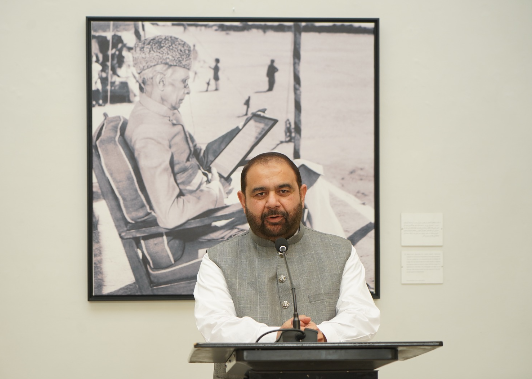
ISLAMABAD — Federal Minister for National Heritage and Culture Division, Aurangzeb Khan Khichi, emphasized the importance of rare photographs of Quaid-i-Azam Muhammad Ali Jinnah as a reminder of Pakistan’s historical struggle and sacrifices. Speaking on Thursday, he noted that these images serve not only as historical records but also as powerful messages for the younger generation about the dedication and sacrifices involved in the creation of Pakistan. What Happened The Federal Minister highlighted the significance of these rare photographs during a recent event aimed at educating the youth about Pakistan’s history. Aurangzeb Khichi stated that the photographs of Jinnah, the founding father of Pakistan, offer a visual narrative of the country’s arduous journey to independence. “These images are not just about the past; they are a call to the youth to remember and honor the sacrifices made for our nation,” he said. The event showcased a collection of photographs depicting Jinnah in various pivotal moments leading up to the independence of Pakistan in 1947. The images were displayed as part of an exhibition organized by the National Heritage and Culture Division, drawing attention to the personal and political challenges faced by Jinnah and his contemporaries during the struggle for a separate homeland for Muslims in the Indian subcontinent. Aurangzeb Khichi further explained that the exhibition aims to instill a sense of pride and responsibility among young Pakistanis. “Understanding our history is crucial for shaping our future. These photographs are a testament to the vision and resilience of our leaders,” he added. Background Quaid-i-Azam Muhammad Ali Jinnah played a crucial role in the creation of Pakistan. As the leader of the All-India Muslim League, he advocated for the rights of Muslims in British India and was instrumental in the partition that led to the formation of Pakistan on August 14, 1947. Jinnah’s leadership and vision were pivotal in navigating the complex political landscape of the time, which involved negotiations with the British and the Indian National Congress. The struggle for Pakistan’s independence was marked by significant sacrifices, including communal violence, mass migrations, and the loss of countless lives. Jinnah’s efforts are commemorated in various forms, including educational programs and exhibitions, to keep the spirit of his leadership alive in the nation’s consciousness. Why It Matters The exhibition of Jinnah’s photographs holds profound significance for Pakistan, particularly in the current socio-political climate. By revisiting the history of Pakistan’s formation, the nation can draw lessons on unity, resilience, and leadership. As Pakistan continues to face challenges such as political instability, economic pressures, and social issues, the legacy of Jinnah serves as a guiding light for overcoming adversity. For the younger generation, these photographs provide a tangible connection to the past, fostering a deeper understanding of the values and principles upon which Pakistan was founded. This historical awareness is crucial for nurturing informed and responsible citizens who can contribute positively to the country’s future. Moreover, the exhibition underscores the role of cultural heritage in national identity. By preserving and promoting historical artifacts, Pakistan can strengthen its cultural narrative and promote a sense of pride among its citizens. Key Takeaways Federal Minister Aurangzeb Khichi emphasized the educational value of rare photographs of Quaid-i-Azam Muhammad Ali Jinnah. The exhibition aims to remind the youth of the sacrifices and struggles behind Pakistan’s independence. Jinnah’s leadership is highlighted as a source of inspiration for overcoming contemporary challenges. The event seeks to instill pride and responsibility among young Pakistanis through historical awareness. Preserving cultural heritage is crucial for strengthening national identity and unity. Source Attribution This article is based on official government statements and public communications from the National Heritage and Culture Division. Author: NEN Editorial Desk | Editor: NEN Newsroom | Fact Checked By: NEN Editorial Team Author: NEN Editorial Desk  |  Editor: NEN Newsroom  |  Last Updated: August 20, 2026  |  Source: NEN Reporter This article was produced by the NEN Editorial Desk in accordance with NEN Agency’s Editorial Policy and Fact-Checking Policy.

Scroll to Top