
Pakistan

News related to Pakistan in Pakistan and around the world.

Pakistan

PHF Initiates Grassroots Hockey Program in Punjab Schools

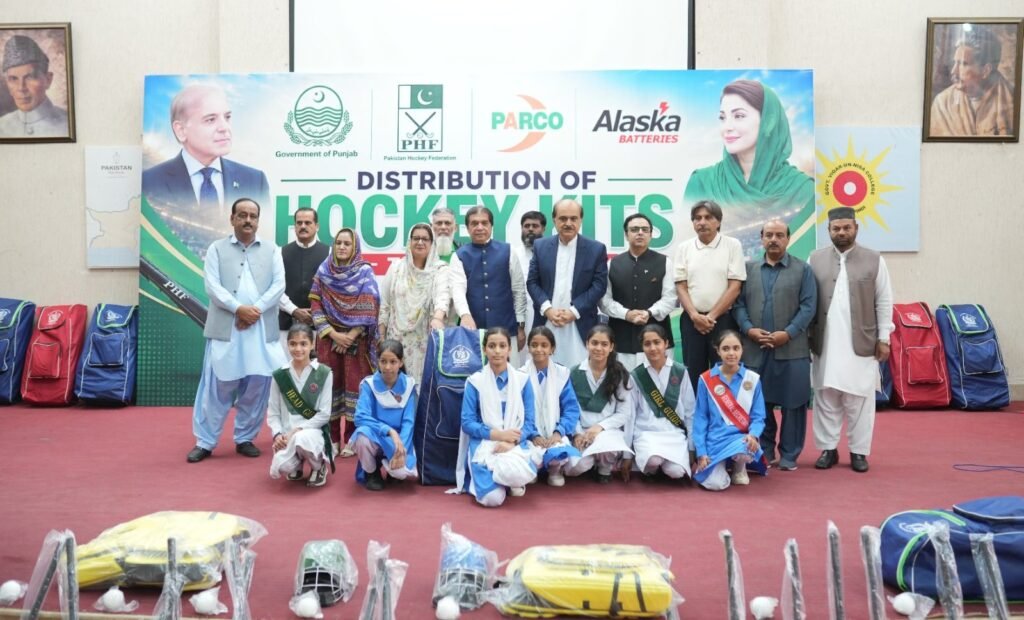
RAWALPINDI — The Pakistan Hockey Federation (PHF) has embarked on a significant initiative to rejuvenate hockey at the grassroots level by launching a school hockey development program in Punjab. As part of this initiative, hockey kits were distributed to 145 schools in Rawalpindi, marking a substantial step towards fostering young talent in the sport. What Happened The PHF’s new program aims to revive interest and participation in hockey among schoolchildren, which has been waning over the years. On Wednesday, the federation distributed hockey kits to 145 schools in Rawalpindi, a move that is expected to benefit thousands of students. The distribution ceremony was attended by local officials, school representatives, and PHF members who emphasized the importance of grassroots development in sports. PHF President Brigadier (R) Khalid Sajjad Khokhar highlighted the federation’s commitment to restoring Pakistan’s former glory in hockey. “Our goal is to provide young players with the necessary resources and training to excel in hockey,” he stated. The initiative is part of a broader strategy to identify and nurture talent from a young age, ensuring a steady pipeline of skilled players for national teams in the future. The hockey kits provided include sticks, balls, and protective gear, ensuring that schools have the basic equipment needed to conduct regular training sessions. This effort is complemented by planned workshops and training camps that will be organized by the PHF to enhance the skills of young players and coaches alike. Background Pakistan has a rich history in field hockey, having won multiple Olympic gold medals and World Cups in the past. However, the sport has seen a decline in recent decades due to various factors, including lack of funding, inadequate infrastructure, and limited grassroots development. The PHF has been actively working to address these issues through various initiatives aimed at reviving the sport across the country. In recent years, the PHF has focused on improving the domestic hockey league structure and enhancing training facilities. The school hockey development program is a continuation of these efforts, targeting the foundational level to ensure long-term growth and success. Why It Matters The launch of the grassroots hockey program is crucial for several reasons. Firstly, it addresses the critical need for early sports education and development, which is essential for producing world-class athletes. By engaging children at the school level, the PHF hopes to instill a passion for hockey and develop the next generation of players who can compete internationally. Economically, the program could have a positive impact by creating opportunities for sports-related employment, such as coaching and sports management. It also aligns with broader national goals of promoting physical education and healthy lifestyles among youth, which can lead to improved public health outcomes. Socially, the initiative fosters community engagement and teamwork, providing a constructive outlet for young people. It also helps in building a sense of national pride and unity through sports, which has historically been a unifying factor in Pakistan. Key Takeaways The PHF has launched a grassroots hockey development program in Punjab, distributing kits to 145 schools in Rawalpindi. This initiative aims to revive interest in hockey among schoolchildren and develop future talent. The program includes the provision of essential equipment and plans for training camps and workshops. Reviving hockey at the grassroots level is vital for restoring Pakistan’s historical success in the sport. The initiative is expected to have positive economic, social, and health impacts across the region. Source Attribution This article is based on official statements and public communications from the Pakistan Hockey Federation and relevant authorities. Author: NEN Editorial Desk | Editor: NEN Newsroom | Fact Checked By: NEN Editorial Team Author: NEN Editorial Desk  |  Editor: NEN Newsroom  |  Last Updated: August 21, 2026  |  Source: NEN Reporter This article was produced by the NEN Editorial Desk in accordance with NEN Agency’s Editorial Policy and Fact-Checking Policy.
Pakistan

PHF Initiates Hockey Development Program Across Punjab Schools

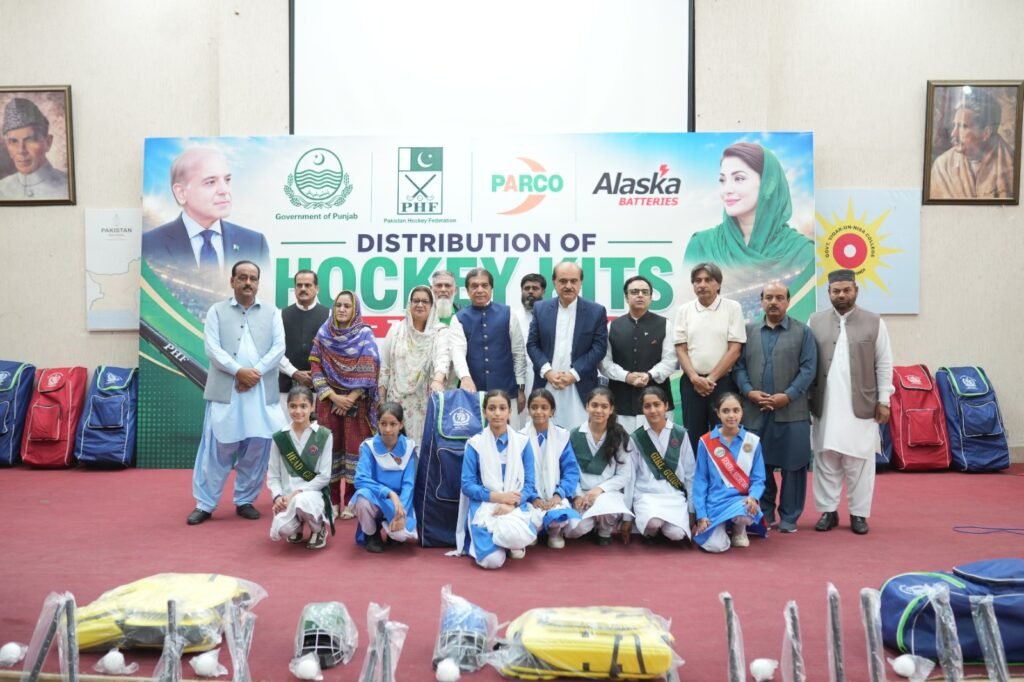
RAWALPINDI — The Pakistan Hockey Federation (PHF) has launched an ambitious grassroots hockey initiative aimed at revitalizing the sport in Punjab. On Tuesday, the federation distributed hockey kits to 145 schools in Rawalpindi, marking the formal commencement of the school hockey development program. What Happened The PHF’s latest initiative is part of a broader strategy to rejuvenate field hockey in Pakistan by focusing on the youth. The distribution of hockey kits to 145 schools in Rawalpindi is intended to encourage young students to take up the sport, thereby strengthening the foundation of hockey in the country. The kits, which include hockey sticks, balls, and protective gear, were handed over to the schools in a ceremony attended by PHF officials and local education authorities. PHF President Brigadier (Retd) Khalid Sajjad Khokhar emphasized the importance of nurturing talent from a young age. “Our aim is to revive hockey in Pakistan by starting at the grassroots level. We believe that by providing the necessary equipment and support, we can inspire a new generation of players,” he stated during the event. The initiative is part of a series of efforts by the PHF to address the decline in Pakistan’s hockey performance on the international stage. By focusing on school-level engagement, the federation hopes to identify and develop talent early, ensuring a steady pipeline of skilled players for the future. Background Pakistan has a storied history in field hockey, having won three Olympic gold medals and four World Cup titles. However, the country’s performance has waned in recent decades due to a lack of investment in youth development and infrastructure. The PHF has been under pressure to reverse this trend and restore Pakistan’s status as a hockey powerhouse. In recent years, the federation has launched several initiatives aimed at improving the sport’s infrastructure and coaching standards. The school hockey development program is the latest in these efforts, reflecting a strategic shift towards grassroots engagement. This approach is seen as crucial for rebuilding the sport from the ground up and ensuring long-term success. Why It Matters The revival of hockey in Pakistan is not just a matter of national pride but also has significant implications for the country’s sports culture and youth development. By investing in grassroots programs, the PHF is addressing the root causes of the sport’s decline, such as the lack of access to quality equipment and training facilities for young players. This initiative is expected to have a positive impact on the local communities in Punjab, where hockey has historically been a popular sport. By engaging schools and encouraging student participation, the program aims to foster a culture of sportsmanship and teamwork among the youth. This could lead to improved physical health and social cohesion in the region. Moreover, the success of this program could serve as a model for other provinces, potentially leading to a nationwide revival of field hockey. Such a development would not only enhance Pakistan’s international standing in the sport but also contribute to the country’s broader goals of youth empowerment and community development. Key Takeaways The PHF has launched a grassroots hockey initiative in Punjab, distributing kits to 145 schools in Rawalpindi. This program aims to revive field hockey in Pakistan by focusing on youth engagement and development. PHF President Khalid Sajjad Khokhar highlighted the importance of nurturing young talent to restore Pakistan’s hockey legacy. The initiative is part of broader efforts to address the decline in Pakistan’s international hockey performance. Successful implementation could lead to a nationwide revival of field hockey and contribute to youth empowerment. Source Attribution This article is based on official statements and public communications from the Pakistan Hockey Federation and local education authorities. Author: NEN Editorial Desk | Editor: NEN Newsroom | Fact Checked By: NEN Editorial Team Author: NEN Editorial Desk  |  Editor: NEN Newsroom  |  Last Updated: August 21, 2026  |  Source: NEN Reporter This article was produced by the NEN Editorial Desk in accordance with NEN Agency’s Editorial Policy and Fact-Checking Policy.

Pakistan

Commerce Minister Advocates AI-Powered Trade Ecosystem for Pakistan

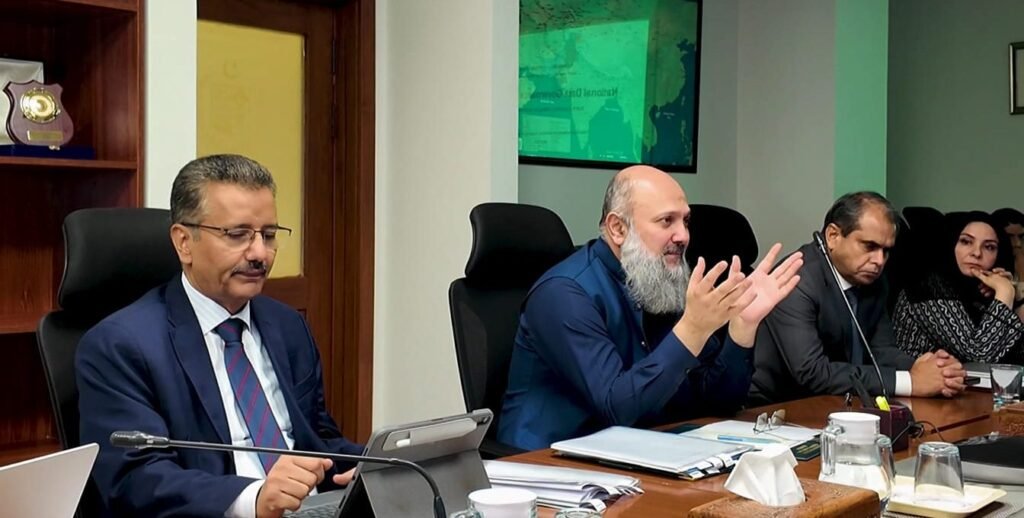
ISLAMABAD — Federal Minister for Commerce Jam Kamal Khan has initiated discussions with key stakeholders to establish a sovereign cloud and AI-powered trade ecosystem in Pakistan. The meetings, held with representatives from the Pakistan Digital Authority (PDA) and Sky47, aim to create a secure and integrated digital framework for the Ministry of Commerce and its associated entities. What Happened In a series of meetings, Commerce Minister Jam Kamal Khan engaged with the Pakistan Digital Authority and Sky47 to explore the potential development of an advanced digital ecosystem. The proposed system would leverage artificial intelligence and cloud technology to enhance the efficiency and security of trade operations within the Ministry of Commerce and its affiliated organizations. The discussions focused on creating a digital infrastructure that would facilitate seamless data management and secure transactions, thereby modernizing Pakistan’s trade mechanisms. According to the Ministry of Commerce, the initiative aims to integrate AI technologies to streamline processes, reduce bureaucratic inefficiencies, and improve service delivery. Minister Khan emphasized the importance of adopting cutting-edge technologies to keep pace with global trade practices and enhance Pakistan’s competitiveness in international markets. “The development of a sovereign cloud and AI-enabled ecosystem is crucial for the modernization of our trade infrastructure,” Minister Khan stated. The meetings also highlighted the potential benefits of such a system, including enhanced data security, improved decision-making capabilities, and increased transparency in trade operations. The collaboration with Sky47, a key player in cloud technology, is expected to bring technical expertise and innovative solutions to the project. Background Pakistan’s trade sector has long been a critical component of its economy, contributing significantly to GDP and employment. However, the sector faces challenges such as outdated infrastructure, inefficiencies, and security concerns. In recent years, there has been a growing emphasis on digital transformation to address these issues and align with global standards. The government’s Digital Pakistan initiative, launched in 2019, aims to harness technology to improve governance, economic growth, and public service delivery. The proposed AI-powered trade ecosystem aligns with this vision, seeking to leverage technology to enhance trade operations and economic performance. Why It Matters The establishment of a sovereign cloud and AI-powered trade ecosystem holds significant implications for Pakistan’s economic future. By modernizing trade infrastructure, the initiative could lead to increased efficiency, reduced costs, and improved competitiveness in global markets. This is particularly important as Pakistan seeks to expand its export base and attract foreign investment. Economically, the integration of AI and cloud technology could drive innovation and productivity, contributing to GDP growth. The enhanced security and transparency offered by the system could also boost investor confidence, making Pakistan a more attractive destination for international trade partnerships. Socially, the initiative could lead to job creation in the tech sector and related industries, providing new opportunities for skilled workers. The digital transformation of trade operations could also improve service delivery, benefiting businesses and consumers alike. Politically, the move underscores the government’s commitment to digitalization and modernization, aligning with broader efforts to improve governance and public sector efficiency. The successful implementation of such a system could serve as a model for other sectors, furthering Pakistan’s digital transformation agenda. Key Takeaways Commerce Minister Jam Kamal Khan is advocating for a sovereign cloud and AI-powered trade ecosystem. The initiative aims to modernize trade infrastructure and enhance efficiency and security. Meetings were held with the Pakistan Digital Authority and Sky47 to explore development options. The project aligns with the Digital Pakistan initiative to improve governance and economic growth. The proposed system could boost competitiveness, attract investment, and create job opportunities. Source Attribution This article is based on official government statements, press releases, and public communications from relevant authorities. Author: NEN Editorial Desk | Editor: NEN Newsroom | Fact Checked By: NEN Editorial Team Author: NEN Editorial Desk  |  Editor: NEN Newsroom  |  Last Updated: August 21, 2026  |  Source: Press Release from Ministry of Commerce This article was produced by the NEN Editorial Desk in accordance with NEN Agency’s Editorial Policy and Fact-Checking Policy.
Pakistan

NBP Releases Updated Exchange Rates for Major Currencies in Karachi

KARACHI — On August 21, the National Bank of Pakistan (NBP) announced the latest exchange rates for currency notes in Karachi, reflecting the current buying and selling prices for major international currencies. These rates are crucial for businesses, travelers, and investors who engage in foreign exchange transactions. What Happened The NBP has updated its exchange rates for several major currencies, including the US dollar, British pound, euro, Japanese yen, Saudi riyal, and UAE dirham. According to the latest figures, the US dollar is being sold at PKR 279.34 and bought at PKR 276.34. The British pound is priced at PKR 381.16 for selling and PKR 376.63 for buying. The euro stands at a selling price of PKR 326.64 and a buying price of PKR 322.79. Other currencies like the Japanese yen, Saudi riyal, and UAE dirham also have updated rates, with the yen selling at PKR 1.7565 and buying at PKR 1.7359, the riyal at PKR 74.40 for selling and PKR 73.52 for buying, and the dirham at PKR 76.06 for selling and PKR 75.17 for buying. Additionally, the London Interbank Offered Rate (LIBOR) for calculating interest on special US dollar bonds has been released. The rates are 3.6587% for one month, 3.7406% for three months, and 3.8440% for six months. These rates are indicative of the cost of borrowing in international markets and are a benchmark for setting various financial products. The NBP also provided indicative forward buying and selling rates (FBP) for the US dollar, euro, and British pound, which are essential for businesses planning future transactions. For instance, the US dollar’s indicative rates range from PKR 276.11 for sight/15 days to PKR 261.36 for six months, reflecting expectations of currency fluctuations over time. Background The National Bank of Pakistan regularly updates its exchange rates to reflect changes in the global currency markets. These rates are influenced by various factors, including international economic conditions, trade balances, and geopolitical developments. The exchange rate system in Pakistan is managed by the State Bank of Pakistan, which oversees monetary policy and foreign exchange regulations to stabilize the national economy. Historically, Pakistan’s currency has faced challenges due to economic volatility, inflation, and external debt pressures. The government and financial institutions like the NBP play a critical role in managing these challenges by providing transparent and timely financial information to the public. Why It Matters Exchange rates have a significant impact on Pakistan’s economy, affecting everything from import and export prices to inflation and foreign investment. For businesses engaged in international trade, understanding and anticipating changes in exchange rates is crucial for financial planning and risk management. A stronger US dollar, for example, can make imports more expensive, affecting the cost of goods and services in Pakistan. For individual consumers, exchange rates influence the cost of travel, education abroad, and remittances. With a large diaspora sending money back home, fluctuations in these rates can affect the purchasing power of remittances, which are a vital source of foreign exchange for the country. On a broader scale, stable and predictable exchange rates are essential for economic growth and investor confidence. They help maintain a balance of payments and support the government’s efforts to attract foreign investment by providing a stable economic environment. Key Takeaways The NBP updated exchange rates for major currencies including USD, GBP, and EUR. LIBOR rates for USD bonds are provided, indicating international borrowing costs. Exchange rates directly impact Pakistan’s economy, affecting trade and consumer prices. Stable exchange rates are crucial for economic growth and investor confidence. Forward buying and selling rates help businesses plan for future currency fluctuations. Source Attribution This article is based on official government statements, press releases, and public communications from relevant authorities. Author: NEN Editorial Desk | Editor: NEN Newsroom | Fact Checked By: NEN Editorial Team Author: NEN Editorial Desk  |  Editor: NEN Newsroom  |  Last Updated: August 21, 2026  |  Source: NEN Reporter This article was produced by the NEN Editorial Desk in accordance with NEN Agency’s Editorial Policy and Fact-Checking Policy.
Pakistan

Government Prioritizes Grassroots Sports Promotion, Says Barrister Danyal

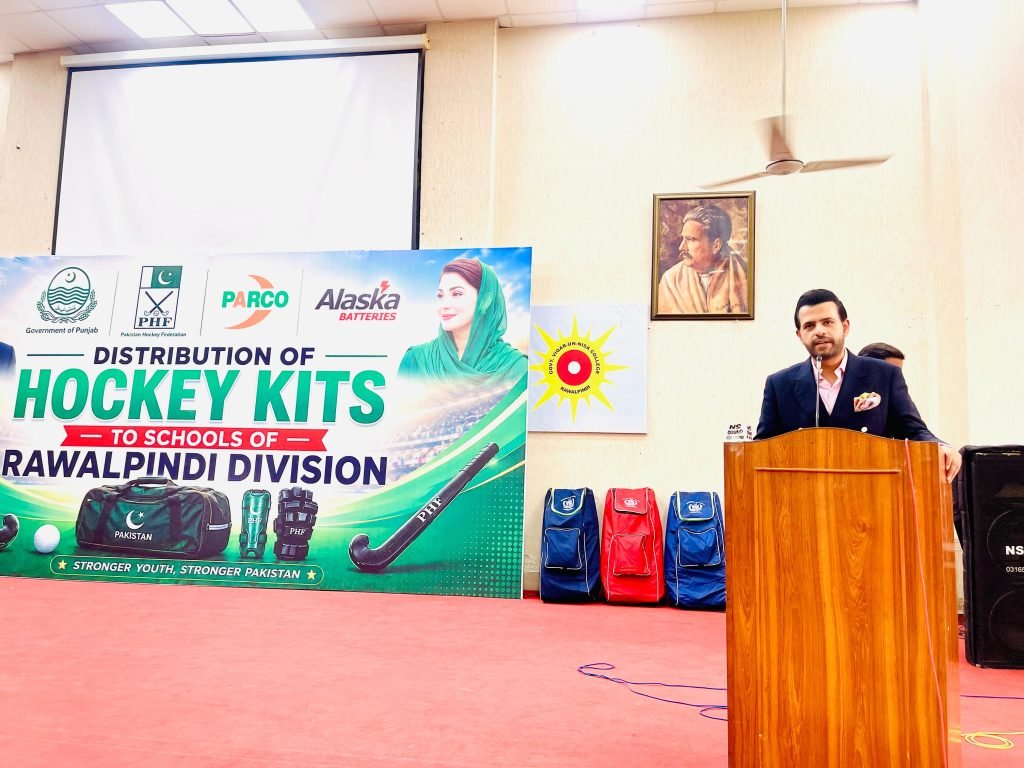
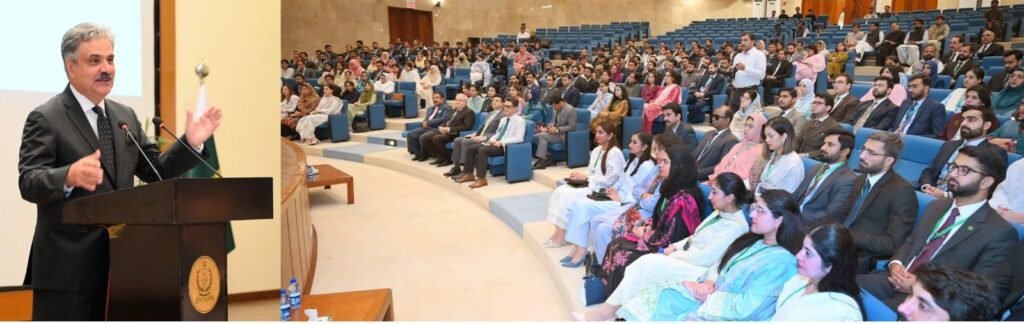
ISLAMABAD — The Federal Parliamentary Secretary for Information and Broadcasting, Barrister Danyal Chaudhry, emphasized the government’s commitment to promoting sports at the grassroots level. He stated that enhancing facilities for young athletes is a key priority, aiming to foster talent development across Pakistan. What Happened Barrister Danyal Chaudhry, speaking at a recent event, outlined the government’s strategy to bolster sports infrastructure and opportunities for youth. He highlighted that the initiative seeks to nurture budding athletes from the grassroots, ensuring they have access to necessary resources and training. “Our focus is on creating an environment where young talent can thrive,” Chaudhry remarked, underscoring the administration’s dedication to sports development. The government’s approach includes the construction of new sports facilities, upgrading existing ones, and organizing local competitions to identify and support potential athletes. Chaudhry noted that these efforts are part of a broader policy to engage youth in constructive activities, thereby contributing to their personal and professional growth. Chaudhry also mentioned collaborations with educational institutions to integrate sports into their curricula, ensuring that students have ample opportunities to participate in various sporting activities. This integration aims to cultivate a culture of sportsmanship and physical fitness among the younger generation. Background Sports development in Pakistan has historically faced challenges, including inadequate funding, lack of infrastructure, and limited access to training facilities. Previous governments have made attempts to address these issues, but progress has been inconsistent. The current administration’s focus on grassroots sports promotion represents a renewed effort to overcome these longstanding obstacles. In recent years, there has been a growing recognition of the role sports play in national development, not only in terms of health and fitness but also as a means of promoting social cohesion and national pride. The government’s current initiatives are part of a broader vision to harness sports as a tool for positive societal change. Why It Matters The emphasis on grassroots sports promotion is significant for several reasons. Economically, investing in sports infrastructure can lead to job creation and stimulate local economies. By developing sports complexes and facilities, the government can generate employment opportunities in construction, maintenance, and sports management. Socially, engaging youth in sports can have profound impacts on their development. It provides a constructive outlet for energy, reduces the likelihood of involvement in negative activities, and promotes teamwork and discipline. These attributes are essential for personal development and can translate into other areas of life, including education and future employment. Politically, the government’s focus on sports can enhance its image both domestically and internationally. By demonstrating a commitment to youth development and national pride through sports, the administration can foster a sense of unity and national identity. This can also improve Pakistan’s standing on the global stage, as successful athletes often become ambassadors for their country. Internationally, a strong sports program can lead to increased participation in global competitions, potentially bringing prestige and recognition to Pakistan. This can also open doors for international collaborations and exchanges, further enriching the country’s sports culture. Key Takeaways The government is prioritizing the promotion of sports at the grassroots level to nurture young talent. Initiatives include building new facilities, upgrading existing ones, and integrating sports into educational curricula. These efforts aim to engage youth in constructive activities, contributing to their personal and professional growth. Investing in sports infrastructure can stimulate local economies and create job opportunities. Promoting sports can enhance national pride and improve Pakistan’s international standing. Source Attribution This article is based on official government statements, press releases, and public communications from relevant authorities. Author: NEN Editorial Desk | Editor: NEN Newsroom | Fact Checked By: NEN Editorial Team Author: NEN Editorial Desk  |  Editor: NEN Newsroom  |  Last Updated: August 21, 2026  |  Source: NEN Reporter This article was produced by the NEN Editorial Desk in accordance with NEN Agency’s Editorial Policy and Fact-Checking Policy.
Pakistan

Chief Justice Engages Officers On Governance And Public Service

ISLAMABAD — Chief Justice of Pakistan engaged with probationary officers on Friday to discuss constitutional governance and responsive public service. The meeting, held at the Supreme Court, was part of the 54th Common Training Programme at the Civil Services Academy in Lahore. What Happened A delegation of probationary officers from the Civil Services Academy visited the Supreme Court as part of their mandatory exposure visits to state institutions. During their visit, the officers met with the Chief Justice of Pakistan, who provided insights into the workings of the judicial system and the importance of upholding constitutional governance. The Chief Justice emphasized the role of the judiciary in ensuring justice and maintaining the rule of law in Pakistan. The Chief Justice highlighted the significance of responsive public service, urging the officers to prioritize the needs of the citizens in their future roles. He stated, “The judiciary plays a crucial role in safeguarding the rights of the people and ensuring that justice is served without delay.” The officers were encouraged to adopt a service-oriented approach in their careers to effectively address the challenges faced by the public sector. Throughout the session, the officers were briefed on various aspects of constitutional law and the responsibilities of public servants in implementing these laws. The Chief Justice shared his experiences and challenges faced in the judiciary, providing a comprehensive understanding of the legal framework within which they would operate. Background The 54th Common Training Programme is a foundational course for newly inducted civil servants in Pakistan. Conducted at the Civil Services Academy in Lahore, the programme aims to equip probationary officers with the necessary skills and knowledge required for effective public administration. The training includes exposure visits to various state institutions, enabling officers to gain firsthand experience of the functioning of these bodies. The role of the judiciary in Pakistan has been pivotal in upholding the constitution and ensuring the separation of powers among the branches of government. Over the years, the judiciary has played a significant role in interpreting laws, protecting fundamental rights, and providing checks and balances to the executive and legislative branches. Why It Matters The engagement between the Chief Justice and the probationary officers is significant as it underscores the importance of constitutional governance and public service in Pakistan. As future leaders in the civil service, these officers will be responsible for implementing policies and ensuring that the rule of law is upheld in their respective domains. The insights gained from this interaction will help shape their understanding of the legal and administrative frameworks within which they will operate. In a country where governance challenges are prevalent, the emphasis on constitutional governance and responsive public service is crucial. It highlights the need for a public sector that is not only efficient but also accountable and transparent. By instilling these values in probationary officers, the judiciary aims to foster a culture of integrity and service-oriented governance. The meeting also reflects the judiciary’s commitment to engaging with other branches of government and civil society to promote a holistic understanding of governance. It reinforces the idea that effective governance requires collaboration and communication between different state institutions. Key Takeaways The Chief Justice of Pakistan engaged with probationary officers on constitutional governance and public service. The meeting was part of the 54th Common Training Programme at the Civil Services Academy in Lahore. The Chief Justice emphasized the importance of responsive public service and the role of the judiciary in upholding the rule of law. The engagement aims to instill values of integrity and service-oriented governance in future civil servants. The judiciary’s interaction with probationary officers highlights the need for collaboration among state institutions. Source Attribution This article is based on official government statements, press releases, and public communications from relevant authorities. Author: NEN Editorial Desk | Editor: NEN Newsroom | Fact Checked By: NEN Editorial Team Author: NEN Editorial Desk  |  Editor: NEN Newsroom  |  Last Updated: August 21, 2026  |  Source: NEN Reporter This article was produced by the NEN Editorial Desk in accordance with NEN Agency’s Editorial Policy and Fact-Checking Policy.
Pakistan

Punjab and Ontario Ministers Explore Trade and Investment Opportunities

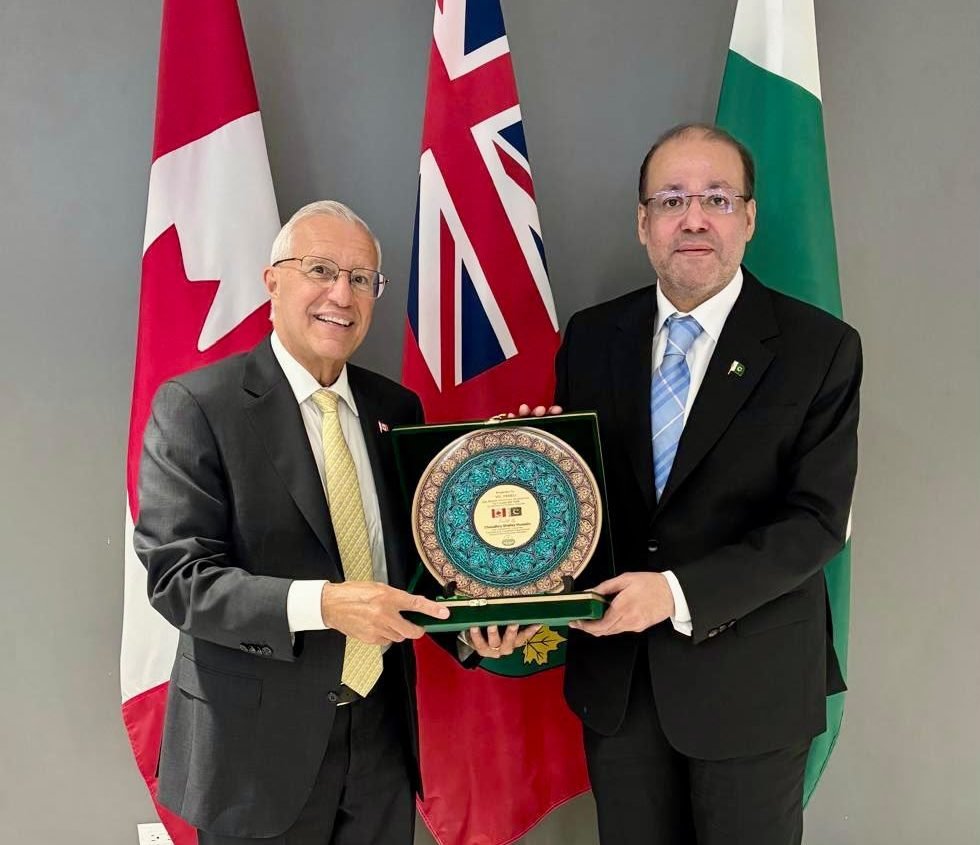
LAHORE — Punjab Minister of Industries, Commerce and Investment Shafay Hussain met with Ontario’s Minister of Economic Development, Job Creation and Trade Victor Fedeli on Friday to discuss strategies for enhancing trade and investment between the two regions. The meeting, held in Lahore, aimed to strengthen economic ties and explore mutual opportunities for growth. What Happened The meeting between Minister Shafay Hussain and Minister Victor Fedeli marked a significant step in fostering economic collaboration between Punjab, Pakistan, and Ontario, Canada. During the discussions, both ministers expressed a strong commitment to boosting bilateral trade and investment. They explored various sectors where cooperation could be enhanced, including technology, agriculture, and manufacturing. Minister Hussain highlighted Punjab’s strategic position as an economic hub in Pakistan, emphasizing the province’s potential to attract foreign investment. He stated, “Punjab offers a conducive environment for investors, with policies that support industrial growth and innovation.” The minister also invited Canadian businesses to explore opportunities in Punjab’s emerging markets. Minister Fedeli, on his part, acknowledged the potential for collaboration and shared Ontario’s interest in expanding its economic footprint in South Asia. He remarked, “Ontario is keen to build on its existing relationships and explore new avenues for trade and investment with Punjab.” The Canadian delegation expressed interest in sectors such as information technology, renewable energy, and agri-business, which align with Ontario’s economic strengths. The meeting concluded with both parties agreeing to establish a joint working group to identify specific projects and initiatives that could be pursued in the near future. This group will focus on facilitating business-to-business interactions and easing the process for potential investors from both regions. Background Punjab, as Pakistan’s most populous province, plays a crucial role in the country’s economy. It has been actively seeking to attract foreign investment to boost its industrial and commercial sectors. The province has implemented several reforms to create a more investor-friendly environment, including tax incentives and streamlined regulatory processes. Ontario is Canada’s most populous province and a leading economic powerhouse, known for its diverse economy and strong industrial base. The province has a robust trade relationship with several countries and is continuously looking to expand its international partnerships. Historically, Pakistan and Canada have enjoyed cordial relations, with trade and investment being key components of their bilateral ties. The recent meeting between the ministers of Punjab and Ontario is part of ongoing efforts to deepen these economic connections. Why It Matters The discussions between Punjab and Ontario ministers hold significant implications for both regions. For Punjab, attracting investment from a developed economy like Ontario could lead to increased industrial activity, job creation, and technological advancements. This aligns with Pakistan’s broader economic goals of enhancing industrial output and reducing unemployment. For Ontario, establishing a stronger presence in Punjab opens up new markets for Canadian businesses, particularly in sectors where Ontario has a competitive advantage. This could lead to increased exports and economic diversification, benefiting Ontario’s economy. Moreover, the collaboration between Punjab and Ontario could serve as a model for other provinces and regions, encouraging more international partnerships and fostering a global economic network. Such initiatives are crucial for addressing global economic challenges and promoting sustainable development. Key Takeaways Punjab and Ontario ministers discussed enhancing trade and investment ties. The meeting focused on sectors like technology, agriculture, and manufacturing. A joint working group will be established to identify specific projects. Punjab aims to attract foreign investment to boost its economy. Ontario seeks to expand its economic footprint in South Asia. Source Attribution This article is based on official government statements, press releases, and public communications from relevant authorities. Author: NEN Editorial Desk | Editor: NEN Newsroom | Fact Checked By: NEN Editorial Team Author: NEN Editorial Desk  |  Editor: NEN Newsroom  |  Last Updated: August 21, 2026  |  Source: NEN Reporter This article was produced by the NEN Editorial Desk in accordance with NEN Agency’s Editorial Policy and Fact-Checking Policy.
Pakistan

Astore Officials Assess Compensation for Goreekot–Shaghurthang Road Project

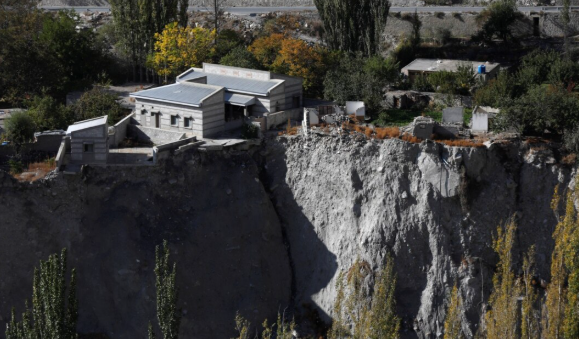
ASTORE — Deputy Commissioner Astore Madam Neelam Ali and Assistant Commissioner Shounter Taufeeq Ahmed conducted a comprehensive review of the compensation process for properties affected by the Goreekot–Shaghurthang Road project. The officials visited the project site to oversee the efforts of the revenue team responsible for evaluating and compensating land and property owners impacted by the development. What Happened The visit by Deputy Commissioner Neelam Ali and Assistant Commissioner Taufeeq Ahmed to the Goreekot–Shaghurthang Road project site marks a significant step in ensuring fair compensation for those whose properties lie in the path of the road’s expansion. The officials engaged with the revenue team, which has been tasked with meticulously assessing the value of the affected properties to determine appropriate compensation. During their visit, the officials reviewed the ongoing work and provided guidance to ensure that the compensation process is conducted transparently and efficiently. The project, which aims to improve connectivity in the region, has necessitated the acquisition of land, impacting several property owners along the proposed route. Deputy Commissioner Neelam Ali emphasized the importance of a fair and timely compensation process, stating, “Our primary goal is to ensure that all affected parties receive just compensation for their properties. This project is crucial for regional development, and we are committed to addressing the concerns of the local community.” Assistant Commissioner Taufeeq Ahmed added, “We are closely monitoring the progress and are in constant communication with the revenue team to expedite the process. Transparency and fairness are our top priorities.” Background The Goreekot–Shaghurthang Road project is part of a broader initiative to enhance infrastructure in the Astore district. The road is expected to significantly improve transportation links, facilitating economic growth and access to essential services for local residents. However, the project requires the acquisition of land, which has raised concerns among property owners regarding fair compensation. Historically, infrastructure projects in Pakistan have faced challenges related to land acquisition and compensation. Ensuring that affected parties are adequately compensated has been a recurring issue, often leading to delays and disputes. The involvement of district officials in the current project aims to mitigate such challenges and ensure a smooth execution of the compensation process. Why It Matters The Goreekot–Shaghurthang Road project holds significant economic and social implications for the Astore region. Improved road infrastructure is expected to boost local commerce by facilitating easier access to markets, reducing transportation costs, and attracting investment. This, in turn, could lead to job creation and improved livelihoods for residents. From a social perspective, better connectivity will enhance access to healthcare, education, and other essential services, contributing to an improved quality of life for the community. However, the success of the project hinges on the fair treatment of affected property owners. The involvement of district officials in overseeing the compensation process underscores the government’s commitment to addressing local concerns and ensuring equitable outcomes. Moreover, the project is a reflection of broader national efforts to improve infrastructure and promote regional development. Successful execution of such projects can serve as a model for other regions, demonstrating the benefits of transparent and fair compensation practices in infrastructure development. Key Takeaways Deputy Commissioner Neelam Ali and Assistant Commissioner Taufeeq Ahmed reviewed the compensation process for the Goreekot–Shaghurthang Road project. The project aims to improve connectivity and economic growth in the Astore district. Ensuring fair compensation for affected property owners is a priority for local officials. Improved infrastructure is expected to enhance access to markets and essential services. The project reflects broader efforts to promote regional development in Pakistan. Source Attribution This article is based on official government statements, press releases, and public communications from relevant authorities. Author: NEN Editorial Desk | Editor: NEN Newsroom | Fact Checked By: NEN Editorial Team Author: NEN Editorial Desk  |  Editor: NEN Newsroom  |  Last Updated: August 21, 2026  |  Source: NEN Reporter This article was produced by the NEN Editorial Desk in accordance with NEN Agency’s Editorial Policy and Fact-Checking Policy.
Pakistan

ICT Police Enhance Officer Performance Through Psychological Testing

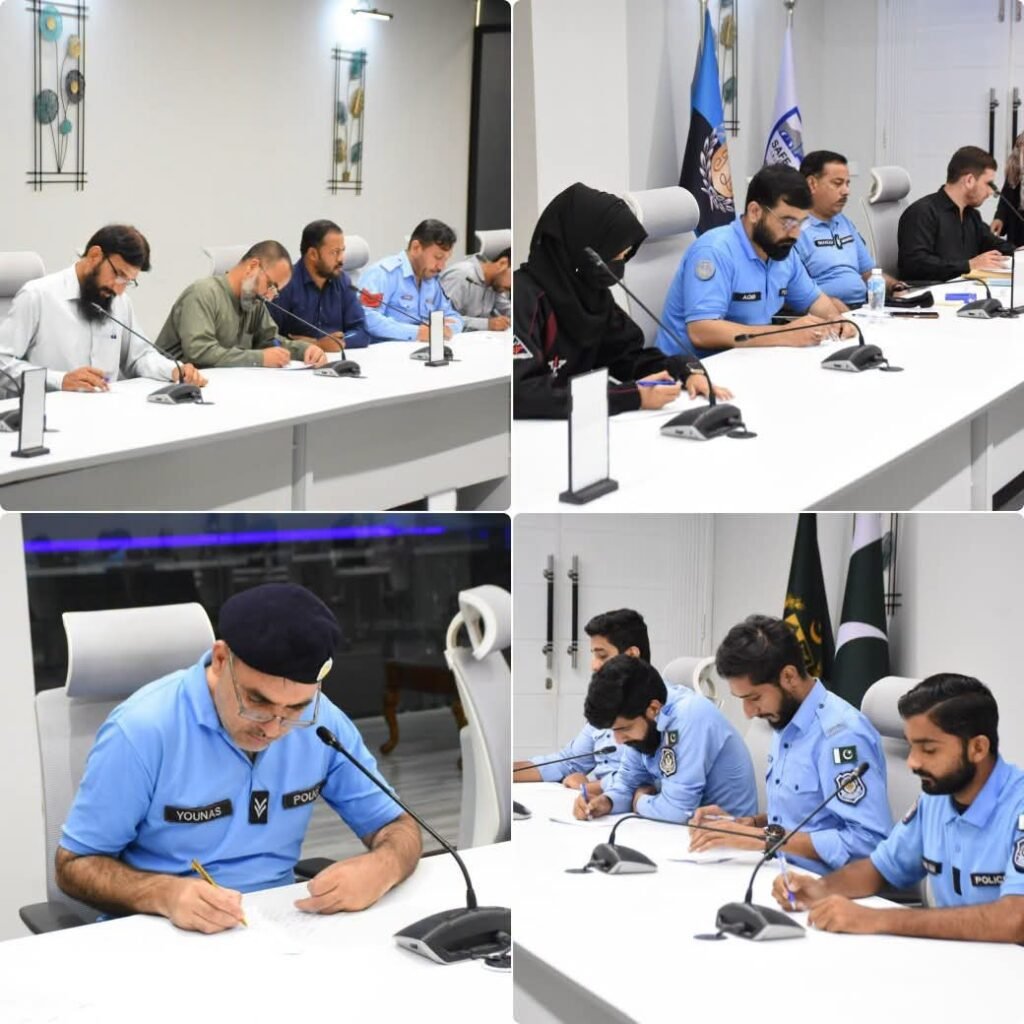
ISLAMABAD — The Islamabad Capital Territory (ICT) Police have initiated a comprehensive psychological testing program for their officers and personnel. This initiative, directed by Inspector General of Police (IGP) Islamabad Syed Ali Nasir Rizvi, aims to bolster the mental capabilities, professional performance, and overall efficiency of the police force. What Happened The ICT Police have embarked on a systematic approach to improve the mental acuity and professional skills of their officers through psychological assessments. These tests are designed to identify areas where officers may require further development or support, thereby enhancing their ability to perform their duties effectively. According to official statements, the program is part of a broader strategy to ensure that the police force is not only physically fit but also mentally resilient. IGP Syed Ali Nasir Rizvi emphasized the importance of mental health in law enforcement, stating, “The psychological well-being of our officers is crucial for maintaining high standards of law enforcement and public safety.” The testing involves a series of evaluations that measure various cognitive and emotional aspects, ensuring that officers are equipped to handle the stresses and challenges of their roles. This initiative is not a one-time effort but part of an ongoing commitment to professional development within the ICT Police. The assessments are expected to be followed by tailored training programs and support systems to address any identified needs. This proactive approach is anticipated to result in a more competent and responsive police force. Background The ICT Police have been at the forefront of implementing modern policing techniques in Pakistan. Over the years, there has been a growing recognition of the need for psychological support and development in law enforcement agencies worldwide. Historically, police forces have focused predominantly on physical training, but recent trends highlight the importance of mental health and psychological resilience. In Pakistan, the move towards integrating psychological assessments into police training aligns with similar initiatives globally. Countries like the United States and the United Kingdom have long incorporated psychological evaluations as a standard part of police training and development. This shift reflects a broader understanding of the complex nature of policing and the diverse challenges officers face in their line of duty. Why It Matters The introduction of psychological testing within the ICT Police holds significant implications for the effectiveness and efficiency of law enforcement in Islamabad. By focusing on the mental health of officers, the police force can better manage stress, reduce incidents of burnout, and improve decision-making under pressure. This not only enhances individual performance but also contributes to the overall safety and security of the community. Moreover, this initiative reflects a progressive attitude towards policing in Pakistan, aligning with international best practices. It underscores a commitment to modernizing the police force, which is crucial in a rapidly changing socio-political landscape. As crime becomes more sophisticated, the need for a mentally agile and resilient police force becomes paramount. For the citizens of Islamabad, this development promises a more effective and empathetic police service. Officers who are psychologically well-equipped are more likely to engage positively with the community, fostering trust and cooperation between the police and the public. This can lead to improved crime prevention and resolution, ultimately enhancing the quality of life in the capital. Key Takeaways The ICT Police have launched psychological testing to enhance officer performance. This initiative is directed by IGP Syed Ali Nasir Rizvi and focuses on mental resilience. The program aligns with international best practices in law enforcement. Psychological assessments are expected to improve officer decision-making and community relations. This effort reflects a modernization of policing strategies in Pakistan. Source Attribution This article is based on official government statements and public communications from relevant authorities. Author: NEN Editorial Desk | Editor: NEN Newsroom | Fact Checked By: NEN Editorial Team Author: NEN Editorial Desk  |  Editor: NEN Newsroom  |  Last Updated: August 21, 2026  |  Source: NEN Reporter This article was produced by the NEN Editorial Desk in accordance with NEN Agency’s Editorial Policy and Fact-Checking Policy.

Pakistan

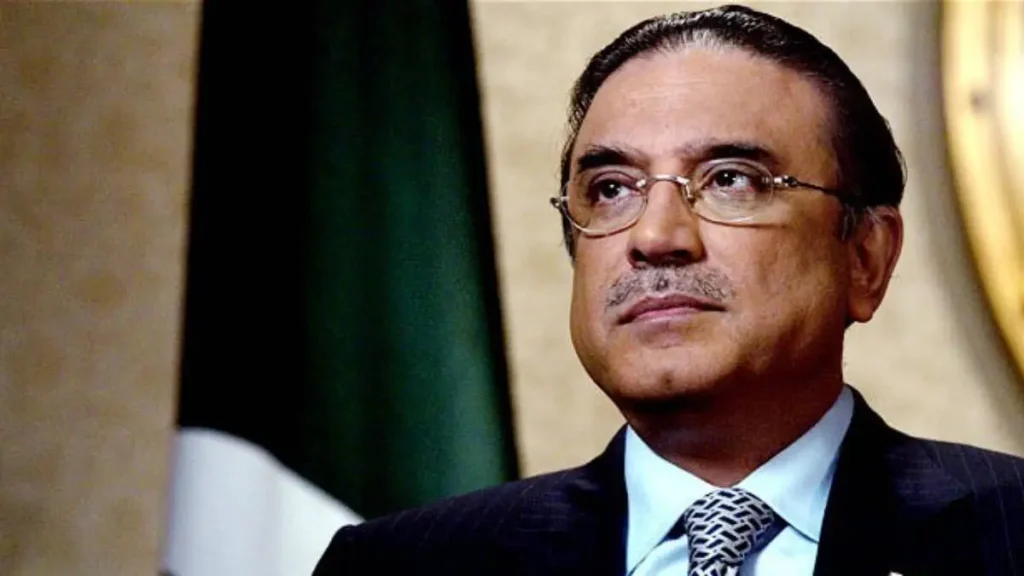
President Zardari Calls for Support System for Terrorism Victims

ISLAMABAD — President Asif Ali Zardari emphasized the need for a structured and survivor-focused support system for victims of terrorism, underscoring the importance of providing assistance as a matter of justice and national duty. This statement was made during a recent address aimed at highlighting the plight of those affected by terrorism across Pakistan. What Happened In a recent address, President Asif Ali Zardari called for the establishment of a comprehensive support system for victims of terrorism in Pakistan. He stressed that the assistance provided to these individuals and their families should be viewed as an obligation rooted in justice and human dignity, rather than as an act of charity. The President highlighted the need for a coordinated approach that ensures sustained support for those affected by terrorism, which has been a persistent issue in the country. President Zardari’s remarks come at a time when Pakistan continues to grapple with the aftermath of numerous terrorist attacks that have left thousands of families in distress. He stated, “The support for victims of terrorism is not merely a charitable act but a national responsibility that reflects our commitment to justice and human dignity.” The President urged government agencies, non-governmental organizations, and international partners to collaborate in creating a robust framework that addresses the immediate and long-term needs of terrorism survivors. Background Pakistan has been one of the countries most affected by terrorism over the past two decades. The country has witnessed numerous attacks targeting civilians, security forces, and infrastructure, resulting in significant loss of life and property. The government has implemented various measures to combat terrorism, including military operations and legal reforms. However, the focus on providing comprehensive support to victims has often been overshadowed by security concerns. Historically, support for terrorism victims in Pakistan has been inconsistent, with many families struggling to access financial assistance, healthcare, and psychological support. The absence of a centralized system has led to fragmented efforts, often leaving survivors to fend for themselves. President Zardari’s call for a survivor-centred approach aims to address these gaps by fostering a more organized and empathetic response to the needs of affected individuals and communities. Why It Matters The President’s call for a coordinated support system is significant for several reasons. Firstly, it acknowledges the ongoing challenges faced by terrorism victims and recognizes their right to receive adequate support. By framing assistance as a matter of justice and dignity, the President is advocating for a shift in perspective that prioritizes the well-being of survivors. Economically, a structured support system could alleviate the financial burdens faced by affected families, enabling them to rebuild their lives and contribute to society. Socially, it could foster a sense of community and resilience, as survivors receive the necessary resources to heal and integrate back into society. Politically, this initiative could enhance Pakistan’s international standing by demonstrating a commitment to human rights and social justice. Furthermore, the establishment of a survivor-focused support system could serve as a model for other countries facing similar challenges. By prioritizing the needs of victims, Pakistan could set a precedent for how nations address the aftermath of terrorism, emphasizing the importance of empathy and responsibility in the recovery process. Key Takeaways President Zardari calls for a coordinated, survivor-centred support system for terrorism victims. Assistance to victims is framed as a matter of justice, dignity, and national responsibility. Pakistan has faced significant challenges in providing consistent support to terrorism survivors. A structured support system could have economic, social, and political benefits for the country. This initiative could serve as a model for other nations dealing with terrorism’s aftermath. Source Attribution This article is based on official government statements and public communications from relevant authorities. Author: NEN Editorial Desk | Editor: NEN Newsroom | Fact Checked By: NEN Editorial Team Author: NEN Editorial Desk  |  Editor: NEN Newsroom  |  Last Updated: August 21, 2026  |  Source: Press Release from Government of Pakistan This article was produced by the NEN Editorial Desk in accordance with NEN Agency’s Editorial Policy and Fact-Checking Policy.

Scroll to Top