
Pakistan

News related to Pakistan in Pakistan and around the world.

Pakistan

Justice Syed Hasan Azhar Rizvi Sworn In As Acting Chief Justice Of Pakistan

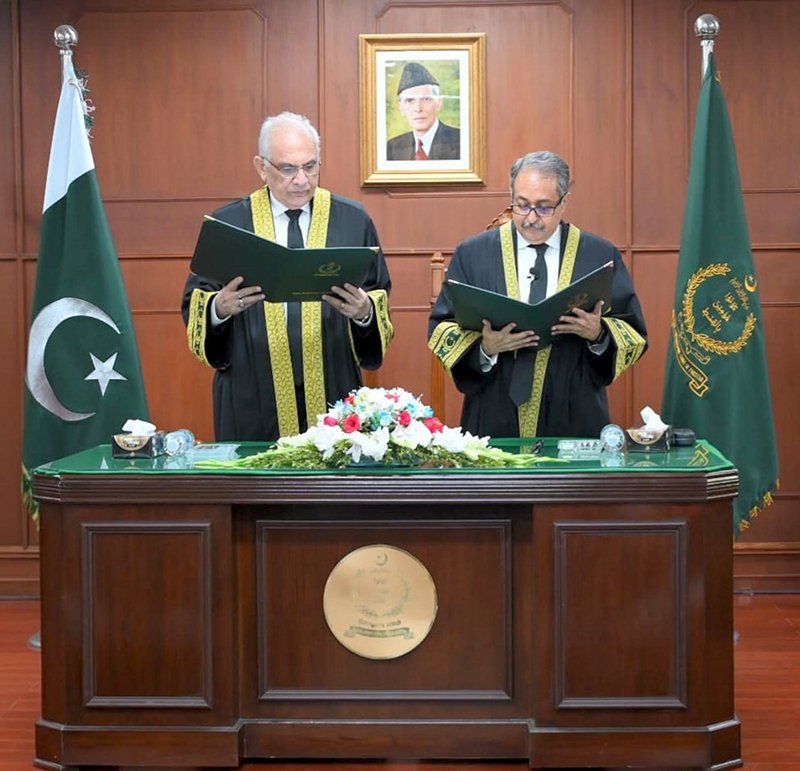
ISLAMABAD — Justice Syed Hasan Azhar Rizvi was sworn in as the Acting Chief Justice of the Federal Constitutional Court of Pakistan, ensuring the continuity of the court’s judicial and administrative functions. The ceremony took place on Monday, marking a significant moment for the judiciary as it continues to dispense constitutional justice without interruption. What Happened Justice Syed Hasan Azhar Rizvi assumed the role of Acting Chief Justice following an official oath-taking ceremony held in Islamabad. The event was attended by senior judges, legal luminaries, and government officials, underscoring the importance of maintaining stability within the judiciary. Justice Rizvi, known for his extensive legal acumen and experience, steps into this role at a critical time, ensuring that the Federal Constitutional Court continues its operations smoothly. The transition in leadership comes as the previous Chief Justice is temporarily unavailable, necessitating the appointment of an acting chief to oversee the court’s functions. Justice Rizvi’s appointment is expected to uphold the court’s mandate to interpret constitutional matters and deliver justice efficiently. In his remarks, Justice Rizvi emphasized his commitment to maintaining the integrity and independence of the judiciary. “I am honored to serve in this capacity and will strive to uphold the principles of justice and fairness,” he stated. Background The Federal Constitutional Court of Pakistan plays a pivotal role in the country’s legal system, primarily dealing with constitutional matters and ensuring that laws and government actions comply with the constitution. The court’s leadership is crucial in maintaining the rule of law and addressing complex legal issues that affect the nation. Historically, the court has been instrumental in interpreting constitutional provisions and resolving disputes that have far-reaching implications for governance and civil liberties. Justice Rizvi, prior to his appointment as Acting Chief Justice, has served in various capacities within the judiciary, earning a reputation for his judiciousness and dedication to the law. His extensive background in constitutional law positions him well to lead the court during this interim period. Why It Matters The appointment of Justice Rizvi as Acting Chief Justice is significant for several reasons. Firstly, it ensures the uninterrupted functioning of the Federal Constitutional Court, which is vital for maintaining the rule of law and constitutional governance in Pakistan. The court’s decisions often have profound implications for the country’s political landscape, affecting everything from electoral processes to civil rights. Economically, a stable judiciary is essential for investor confidence and the overall business climate. Legal certainty and the assurance that constitutional disputes will be handled promptly and fairly are crucial for both domestic and international investors. Socially, the court’s role in safeguarding fundamental rights and freedoms is indispensable, particularly in a country where legal challenges often intersect with issues of human rights and civil liberties. Politically, the judiciary’s independence is a cornerstone of democracy in Pakistan. The seamless transition to an acting chief justice reflects the judiciary’s resilience and its ability to function autonomously, free from political influence. This is particularly important in times of political uncertainty, where the judiciary often serves as a stabilizing force. Key Takeaways Justice Syed Hasan Azhar Rizvi has been appointed as the Acting Chief Justice of the Federal Constitutional Court of Pakistan. The appointment ensures the continuity of the court’s judicial and administrative functions. Justice Rizvi’s leadership is crucial for maintaining the rule of law and constitutional governance in Pakistan. The Federal Constitutional Court plays a key role in interpreting constitutional matters and safeguarding civil liberties. The judiciary’s stability is vital for economic confidence and political independence in Pakistan. Source Attribution This article is based on official government statements, press releases, and public communications from relevant authorities. Author: NEN Editorial Desk | Editor: NEN Newsroom | Fact Checked By: NEN Editorial Team Author: NEN Editorial Desk  |  Editor: NEN Newsroom  |  Last Updated: August 21, 2026  |  Source: NEN Reporter This article was produced by the NEN Editorial Desk in accordance with NEN Agency’s Editorial Policy and Fact-Checking Policy.

Pakistan

PFF Completes Second Safeguarding Training for District Focal Persons

LAHORE — The Pakistan Football Federation (PFF) has successfully completed the second batch of its safeguarding training program for District Safeguarding Focal Persons. This initiative is part of the preparations for the upcoming District Football Championship (DFC) 2026, with the training session conducted online. What Happened The Pakistan Football Federation has been actively working to ensure the safety and well-being of participants in its football events. As part of these efforts, the PFF organized a second round of safeguarding training specifically tailored for District Safeguarding Focal Persons. These individuals are tasked with implementing and overseeing safeguarding measures at the district level during the DFC 2026. The training session was conducted online, allowing participants from various districts to join and engage with the material effectively. This digital approach not only facilitated wider participation but also ensured that the training was accessible to all designated focal persons without the need for travel. The session covered essential topics such as child protection policies, emergency response protocols, and the identification and reporting of safeguarding concerns. A spokesperson from the PFF highlighted the importance of these training sessions, stating, “Our goal is to create a safe and supportive environment for all participants in our football events. The safeguarding training equips our focal persons with the necessary skills and knowledge to handle any issues that may arise.” Background The Pakistan Football Federation has been committed to promoting football across the country while ensuring the safety of its players and participants. The safeguarding training program is a part of PFF’s broader strategy to align with international standards and best practices in sports management. This initiative reflects the federation’s dedication to fostering a culture of safety and respect within the football community. The District Football Championship is a significant event in Pakistan’s sports calendar, attracting teams and players from across the nation. With the 2026 championship on the horizon, the PFF is taking proactive steps to ensure that all safeguarding measures are in place well ahead of time. Why It Matters The safeguarding training program is crucial for several reasons. Firstly, it underscores the PFF’s commitment to player safety, which is paramount in any sporting event. By equipping District Safeguarding Focal Persons with the appropriate training, the federation is taking a proactive stance against potential risks and ensuring that any issues are addressed swiftly and effectively. Secondly, the initiative aligns with global standards for sports safety and management. By adopting these practices, the PFF is not only enhancing the reputation of football in Pakistan but also setting a precedent for other sports federations in the country. This move could lead to a broader adoption of safeguarding measures across different sports, thereby elevating the overall safety standards within Pakistan’s sports ecosystem. Moreover, the successful implementation of these training sessions could have a positive impact on the participation levels in football. Parents and guardians are more likely to encourage their children to participate in sports when they are assured of their safety. This, in turn, could lead to increased talent development and a stronger future for football in Pakistan. Key Takeaways The Pakistan Football Federation completed its second safeguarding training session for District Safeguarding Focal Persons. The training is part of preparations for the District Football Championship 2026. Sessions were conducted online to ensure wide accessibility and participation. The initiative aligns with international sports safety standards and practices. Enhanced safeguarding measures could boost participation and talent development in football. Source Attribution This article is based on official statements and public communications from the Pakistan Football Federation. Author: NEN Editorial Desk | Editor: NEN Newsroom | Fact Checked By: NEN Editorial Team Author: NEN Editorial Desk  |  Editor: NEN Newsroom  |  Last Updated: August 21, 2026  |  Source: NEN Reporter This article was produced by the NEN Editorial Desk in accordance with NEN Agency’s Editorial Policy and Fact-Checking Policy.

Pakistan

State Bank Infuses Rs 2.85 Trillion to Stabilize Market Liquidity

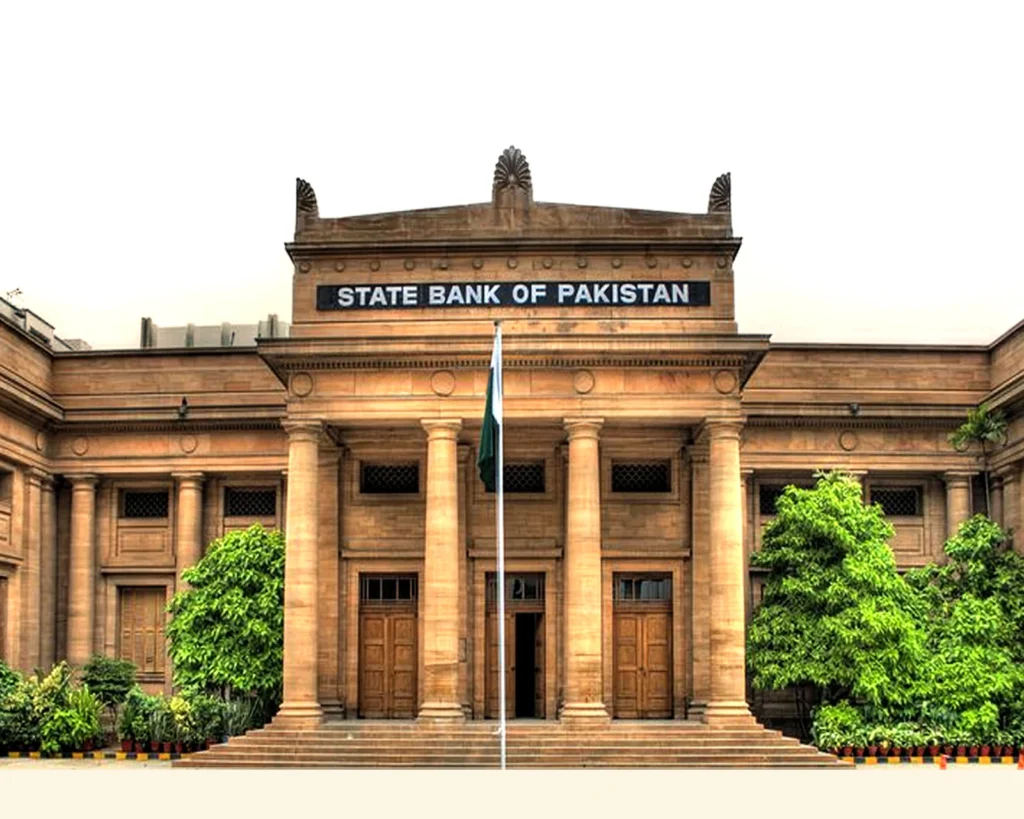
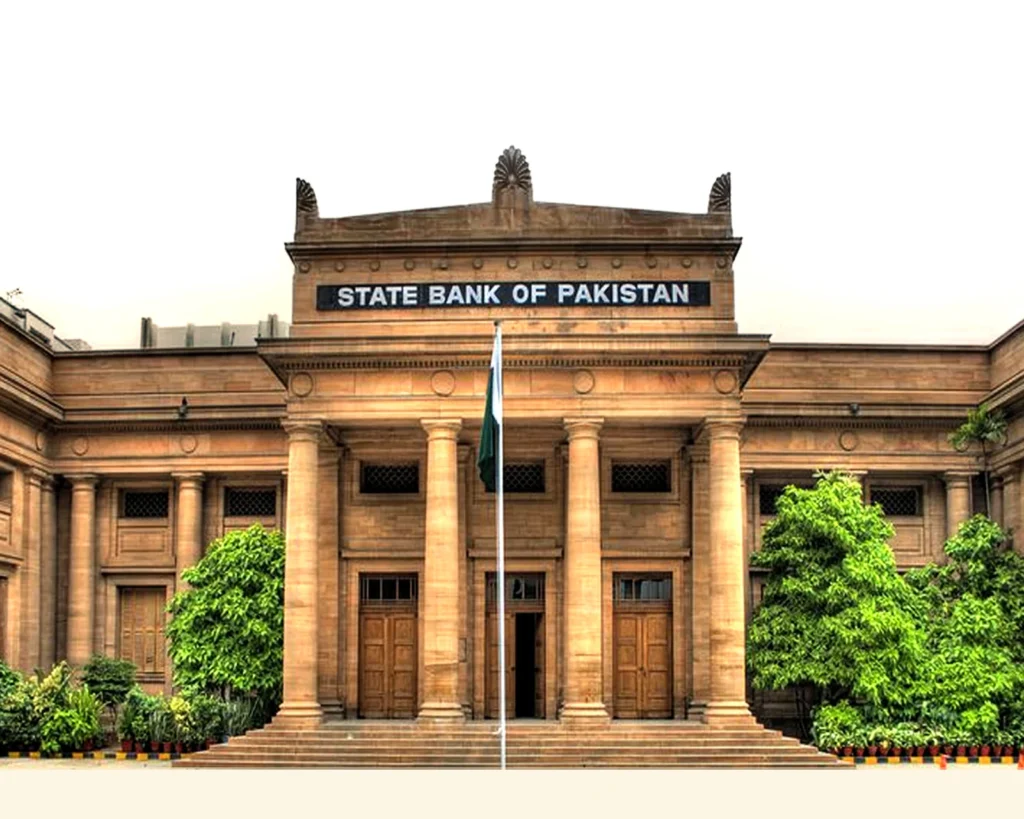
ISLAMABAD — The State Bank of Pakistan (SBP) has injected Rs 2,850.55 billion into the financial market on Friday. This substantial infusion was executed through Reverse Repo Purchase and Shariah Compliant Mudarabah based Open Market Operations (OMO) to ensure adequate liquidity within the banking system. What Happened The State Bank of Pakistan took a decisive step to inject Rs 2,850.55 billion into the market, aiming to stabilize liquidity levels among financial institutions. This measure was carried out through two primary mechanisms: Reverse Repo Purchase and Shariah Compliant Mudarabah based Open Market Operations. The decision to inject such a significant amount underscores the central bank’s commitment to maintaining financial stability and supporting economic activity amid fluctuating market conditions. According to the SBP, the Reverse Repo Purchase mechanism allows the central bank to provide short-term loans to commercial banks in exchange for government securities. This helps banks manage their liquidity needs effectively, ensuring they have sufficient funds to meet their daily operational requirements. The Shariah Compliant Mudarabah based OMO, on the other hand, aligns with Islamic banking principles, offering an alternative to conventional interest-based transactions. The SBP’s intervention comes at a time when the banking sector is navigating through a challenging economic environment, characterized by inflationary pressures and fluctuating interest rates. By injecting liquidity, the SBP aims to facilitate smoother financial operations and prevent any potential liquidity crunch that could hinder economic growth. Background The State Bank of Pakistan regularly engages in Open Market Operations as part of its monetary policy toolkit to manage liquidity in the banking system. These operations are crucial for controlling short-term interest rates and ensuring that the financial system operates smoothly. In recent years, Pakistan’s economy has faced various challenges, including rising inflation, a widening fiscal deficit, and external debt obligations, which have put pressure on the central bank to adopt proactive measures to stabilize the financial system. Historically, the SBP has utilized both conventional and Islamic financial instruments to address liquidity issues, reflecting the diverse nature of Pakistan’s banking sector. The use of Shariah Compliant Mudarabah based operations highlights the central bank’s commitment to catering to the needs of Islamic financial institutions, which constitute a significant portion of the country’s banking landscape. Why It Matters The SBP’s decision to inject Rs 2.85 trillion into the market carries significant implications for Pakistan’s economy. Firstly, it provides much-needed liquidity to banks, enabling them to continue lending to businesses and consumers. This is particularly important in the current economic climate, where access to credit is vital for sustaining business operations and promoting economic growth. Moreover, by stabilizing liquidity levels, the SBP helps to prevent potential disruptions in the financial system that could arise from liquidity shortages. Such disruptions could lead to increased borrowing costs and reduced access to credit, which would negatively impact businesses and consumers alike. On a broader scale, the SBP’s actions reflect its commitment to maintaining financial stability and supporting the government’s economic objectives. By ensuring that banks have sufficient liquidity, the central bank is playing a crucial role in fostering an environment conducive to economic recovery and growth. Additionally, the use of Shariah Compliant Mudarabah based operations underscores the importance of Islamic finance in Pakistan’s banking sector. This approach not only supports the liquidity needs of Islamic banks but also aligns with the preferences of a significant portion of the population, thereby enhancing financial inclusion. Key Takeaways The State Bank of Pakistan injected Rs 2,850.55 billion to stabilize market liquidity. The intervention was executed through Reverse Repo Purchase and Shariah Compliant Mudarabah based Open Market Operations. This move aims to ensure adequate liquidity within the banking system amid economic challenges. The SBP’s action supports financial stability and aligns with both conventional and Islamic banking needs. Maintaining liquidity is crucial for economic growth and preventing financial disruptions. Source Attribution This article is based on official government statements, press releases, and public communications from relevant authorities. Author: NEN Editorial Desk | Editor: NEN Newsroom | Fact Checked By: NEN Editorial Team Author: NEN Editorial Desk  |  Editor: NEN Newsroom  |  Last Updated: August 21, 2026  |  Source: NEN Reporter This article was produced by the NEN Editorial Desk in accordance with NEN Agency’s Editorial Policy and Fact-Checking Policy.
Pakistan

Gold Price Surges By Rs5,200 Per Tola, Reaches Rs477,136

ISLAMABAD — The price of gold in Pakistan experienced a significant surge on Friday, with the cost of 24-karat gold increasing by Rs5,200 to reach Rs477,136 per tola. This sharp rise was reported by the All Pakistan Sarafa Gems and Jewellers Association, reflecting ongoing trends in the global precious metals market. What Happened The All Pakistan Sarafa Gems and Jewellers Association announced that the price of 24-karat gold saw an increase of Rs5,200 per tola, bringing the new price to Rs477,136. This increase is attributed to fluctuations in the international gold market, where prices have been volatile due to various economic factors. The association’s report highlights that the local gold market is closely tied to international trends, and any changes in global prices are quickly reflected in the domestic market. According to market analysts, several factors have contributed to the recent surge in gold prices. These include geopolitical tensions, inflationary pressures, and changes in currency exchange rates. Gold is often seen as a safe-haven asset, and its demand typically rises during times of economic uncertainty. The current global economic climate, marked by rising inflation and geopolitical instability, has led investors to turn to gold as a means of preserving wealth. The increase in gold prices is also linked to the depreciation of the Pakistani rupee against the US dollar. As the rupee weakens, the cost of importing gold increases, leading to higher prices in the local market. This trend has been observed over the past few months, with the rupee facing pressure due to economic challenges and external debt obligations. Background Historically, gold prices in Pakistan have been influenced by both domestic and international factors. The country’s gold market is primarily driven by consumer demand, particularly during the wedding season and religious festivals. Additionally, gold serves as a traditional store of value in Pakistani households, making it a popular investment choice. In recent years, the global gold market has been affected by various economic and political developments. The COVID-19 pandemic, for instance, led to a surge in gold prices as investors sought safe-haven assets amid economic uncertainty. Similarly, ongoing geopolitical tensions, such as those involving major economies, have contributed to fluctuations in gold prices. Why It Matters The rise in gold prices has significant implications for the Pakistani economy and its citizens. For consumers, higher gold prices mean increased costs for jewelry and other gold-related products, which are an integral part of cultural and social practices in Pakistan. This can affect consumer spending and impact the overall demand for gold in the market. From an economic perspective, the increase in gold prices can exacerbate inflationary pressures. As the cost of gold rises, it can lead to higher prices for goods and services, contributing to overall inflation. This can pose challenges for policymakers who are already grappling with economic stability and growth issues. On the international front, the rise in gold prices reflects broader economic trends and uncertainties. It highlights the interconnectedness of global markets and the impact of international developments on domestic economies. For Pakistan, this underscores the need for strategic economic planning and diversification to mitigate the effects of external shocks. Key Takeaways The price of 24-karat gold in Pakistan increased by Rs5,200, reaching Rs477,136 per tola. Global economic factors, including inflation and geopolitical tensions, are driving the rise in gold prices. The depreciation of the Pakistani rupee against the US dollar has contributed to higher local gold prices. Higher gold prices impact consumer spending and can exacerbate inflationary pressures in Pakistan. The situation underscores the need for strategic economic planning to address external economic challenges. Source Attribution This article is based on official statements from the All Pakistan Sarafa Gems and Jewellers Association and public communications from relevant authorities. Author: NEN Editorial Desk | Editor: NEN Newsroom | Fact Checked By: NEN Editorial Team Author: NEN Editorial Desk  |  Editor: NEN Newsroom  |  Last Updated: August 21, 2026  |  Source: NEN Reporter This article was produced by the NEN Editorial Desk in accordance with NEN Agency’s Editorial Policy and Fact-Checking Policy.
Pakistan

Pakistan’s Weekly Inflation Rises by 0.49 Percent, Says PBS

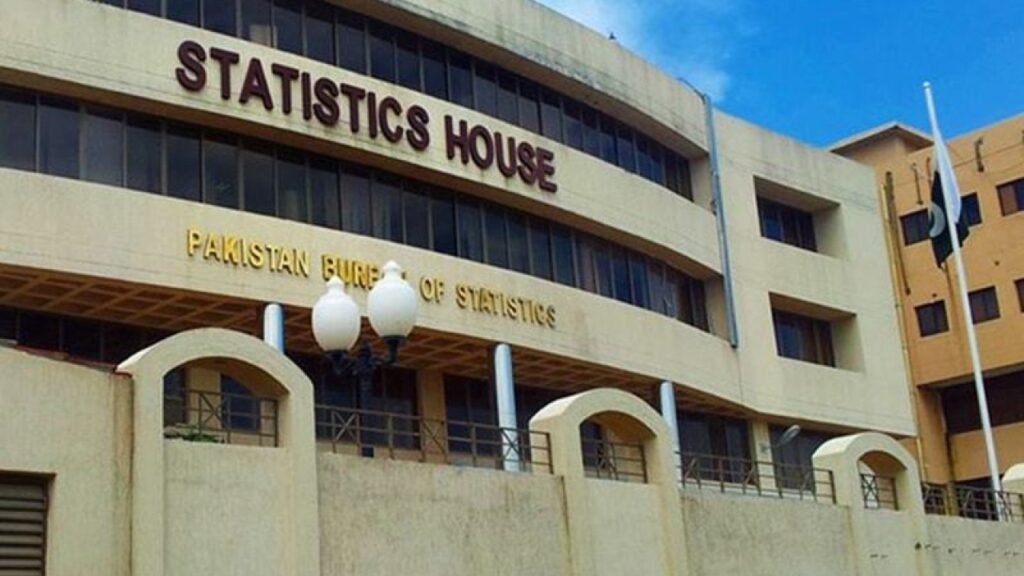
ISLAMABAD — The Pakistan Bureau of Statistics (PBS) reported a 0.49 percent increase in the Sensitive Price Indicator (SPI)-based weekly inflation for the week ending August 20, 2026. This rise affects the combined consumption group across the country, highlighting ongoing economic challenges. What Happened The latest figures from the Pakistan Bureau of Statistics indicate a continued upward trend in weekly inflation, with the SPI increasing by 0.49 percent. This data was released on Friday, August 20, 2026, and reflects the price changes of essential commodities impacting the average consumer. The SPI is a crucial measure as it tracks the price movement of 51 essential items, including food, fuel, and utilities, which significantly affect the cost of living for ordinary citizens. According to the PBS, several items contributed to the inflationary pressure. Notably, the prices of tomatoes, onions, and chicken saw significant hikes. Tomatoes, in particular, experienced a sharp increase, which is attributed to seasonal supply shortages. Additionally, the cost of electricity also rose, further straining household budgets. The PBS report also highlighted that while some items saw price increases, others experienced a decrease. For instance, the prices of pulses and certain vegetables showed a downward trend, offering slight relief to consumers. Despite these reductions, the overall impact remained an increase in the SPI, reflecting the broader inflationary trend in the economy. Background Pakistan has been grappling with inflationary pressures for several years, driven by various factors including currency depreciation, global commodity price fluctuations, and domestic supply chain disruptions. The Sensitive Price Indicator is a critical tool used by the government to monitor and manage inflation, especially as it affects the most vulnerable segments of the population. Historically, inflation in Pakistan has been influenced by both external and internal factors. The country’s reliance on imported goods means that global price changes can have a direct impact on domestic markets. Additionally, local issues such as agricultural productivity, energy supply, and policy decisions also play significant roles in shaping inflation trends. Why It Matters The increase in weekly inflation has significant implications for both the economy and the everyday lives of Pakistani citizens. Economically, rising inflation can erode purchasing power, leading to decreased consumer spending and potential slowdowns in economic growth. For policymakers, managing inflation is crucial to maintaining economic stability and ensuring that the cost of living does not become prohibitively high for the average citizen. Socially, inflation disproportionately affects low-income households, who spend a larger portion of their income on essential goods. As prices rise, these households may struggle to afford basic necessities, leading to increased financial stress and potential social unrest. The government must address these challenges through targeted interventions, such as subsidies or price controls, to mitigate the impact on vulnerable populations. Internationally, persistent inflation can affect Pakistan’s economic reputation, influencing foreign investment and trade relations. Investors may be wary of entering markets with high inflation rates, fearing instability and reduced returns. Thus, controlling inflation is not only a domestic priority but also a critical component of Pakistan’s broader economic strategy. Key Takeaways The Sensitive Price Indicator (SPI) for Pakistan increased by 0.49 percent for the week ending August 20, 2026. Key contributors to the inflation rise include higher prices of tomatoes, onions, and electricity. Inflation impacts low-income households the most, affecting their ability to purchase essential goods. Managing inflation is crucial for economic stability and maintaining consumer purchasing power. Persistent inflation could impact Pakistan’s international economic relations and investment prospects. Source Attribution This article is based on official statements and data released by the Pakistan Bureau of Statistics and other relevant authorities. Author: NEN Editorial Desk | Editor: NEN Newsroom | Fact Checked By: NEN Editorial Team Author: NEN Editorial Desk  |  Editor: NEN Newsroom  |  Last Updated: August 21, 2026  |  Source: NEN Reporter This article was produced by the NEN Editorial Desk in accordance with NEN Agency’s Editorial Policy and Fact-Checking Policy.

Pakistan

SBP Names Domestic Systemically Important Banks for 2026

KARACHI — The State Bank of Pakistan (SBP) announced on Friday the designation of Domestic Systemically Important Banks (D-SIBs) for the year 2026. This designation, part of the SBP’s regulatory framework, includes United Bank Limited, Habib Bank Limited, and National Bank of Pakistan. What Happened The State Bank of Pakistan, in a statement released on August 21, outlined the selection of three major banks as Domestic Systemically Important Banks for the year 2026. This decision follows a comprehensive evaluation process aligned with the SBP’s framework for D-SIBs. The banks identified—United Bank Limited, Habib Bank Limited, and National Bank of Pakistan—are recognized for their significant role in the stability and functioning of the country’s financial system. The designation process involves a rigorous assessment of the banks’ size, interconnectedness, substitutability, and complexity. These criteria are crucial in determining the impact that a bank’s distress or failure could have on the broader financial system and economy. The SBP’s framework aims to ensure that these banks maintain higher capital buffers and adhere to stricter regulatory requirements to mitigate systemic risks. In its announcement, the SBP emphasized the importance of these banks in maintaining economic stability. “The identification of D-SIBs underscores our commitment to safeguarding the financial system,” stated an SBP official. The central bank also noted that these institutions would be subject to enhanced supervisory measures to ensure their resilience. Background The concept of Domestic Systemically Important Banks was introduced following the global financial crisis of 2008, which highlighted the need for stronger regulatory oversight of large financial institutions. In Pakistan, the SBP developed a framework to identify and regulate D-SIBs, aiming to prevent any potential threats to the financial system. Historically, the SBP has designated D-SIBs annually, with the criteria and framework evolving to address emerging risks and challenges. The framework requires designated banks to hold additional capital reserves, conduct regular stress testing, and implement recovery and resolution plans. In previous years, the SBP has consistently identified major banks such as United Bank Limited and Habib Bank Limited as D-SIBs, reflecting their significant market presence and critical role in the economy. Why It Matters The designation of D-SIBs is crucial for maintaining financial stability in Pakistan. These banks play a pivotal role in the economy, handling a substantial portion of the country’s deposits and loans. Their failure could have severe repercussions, leading to a loss of confidence in the banking sector and broader economic instability. By imposing stricter regulatory requirements on D-SIBs, the SBP aims to ensure that these banks remain resilient in the face of financial shocks. This is particularly important given the current economic challenges facing Pakistan, including inflationary pressures and external debt obligations. Furthermore, the designation aligns with international best practices, as seen in other countries where systemically important banks are subject to heightened scrutiny. This not only protects the domestic financial system but also enhances Pakistan’s credibility in the global financial community. For citizens, the stability of these banks means greater confidence in the safety of their deposits and the reliability of financial services. It also reassures investors and businesses, fostering a conducive environment for economic growth and development. Key Takeaways The SBP has designated United Bank Limited, Habib Bank Limited, and National Bank of Pakistan as D-SIBs for 2026. The designation is part of the SBP’s framework to enhance financial stability by imposing stricter regulatory requirements on these banks. D-SIBs are required to maintain higher capital buffers and adhere to enhanced supervisory measures. The designation is crucial for preventing systemic risks and ensuring the resilience of Pakistan’s financial system. This initiative aligns with international practices and bolsters confidence in Pakistan’s banking sector. Source Attribution This article is based on official statements from the State Bank of Pakistan and public communications from relevant authorities. Author: NEN Editorial Desk | Editor: NEN Newsroom | Fact Checked By: NEN Editorial Team Author: NEN Editorial Desk  |  Editor: NEN Newsroom  |  Last Updated: August 21, 2026  |  Source: NEN Reporter This article was produced by the NEN Editorial Desk in accordance with NEN Agency’s Editorial Policy and Fact-Checking Policy.

Pakistan

Pakistani And Malaysian Leaders Affirm Strengthened Bilateral Relations

ISLAMABAD — Prime Minister Shehbaz Sharif and Malaysian Prime Minister Dato Seri Anwar bin Ibrahim expressed satisfaction over the positive trajectory of bilateral ties during a telephone conversation on Friday evening. The discussion, which was described as warm and cordial, focused on matters of mutual interest, including economic cooperation and regional stability. What Happened Prime Minister Shehbaz Sharif reached out to his Malaysian counterpart, Dato Seri Anwar bin Ibrahim, to discuss the progress in bilateral relations between Pakistan and Malaysia. The conversation took place on Friday evening, where both leaders acknowledged the strengthening of ties and the promising direction in which their relationship is heading. Prime Minister Sharif also inquired about Prime Minister Anwar’s health, extending his wishes for a swift and complete recovery. During the call, the two leaders emphasized the importance of enhancing economic cooperation and exploring new avenues for trade and investment. They discussed potential sectors for collaboration, including technology, agriculture, and renewable energy. Both leaders agreed that there is significant potential to increase bilateral trade, which currently stands at approximately $1.3 billion annually, according to recent trade figures. Prime Minister Sharif and Prime Minister Anwar also touched upon regional security issues, reaffirming their commitment to peace and stability in the Asia-Pacific region. They underscored the importance of collective efforts to address challenges such as terrorism and climate change, which affect both nations. Background Pakistan and Malaysia have enjoyed a longstanding relationship, marked by shared cultural and religious ties as well as mutual economic interests. The two countries established diplomatic relations in 1957, and since then, have collaborated on various international platforms, including the United Nations and the Organisation of Islamic Cooperation (OIC). In recent years, both nations have sought to deepen their economic partnership. In 2007, Pakistan and Malaysia signed a Free Trade Agreement (FTA), which was the first of its kind for Pakistan. This agreement has facilitated increased trade and investment flows between the two countries. Additionally, Malaysia is home to a significant Pakistani diaspora, which further strengthens the bilateral relationship. Why It Matters The reaffirmation of strong bilateral ties between Pakistan and Malaysia is significant for several reasons. Economically, both countries stand to benefit from increased trade and investment. With Malaysia being one of the leading economies in Southeast Asia, Pakistan can leverage this relationship to boost its own economic growth and development. For Pakistan, enhancing ties with Malaysia could lead to increased foreign direct investment, particularly in sectors such as technology and renewable energy. This aligns with Pakistan’s broader economic strategy to diversify its economy and reduce reliance on traditional sectors such as textiles and agriculture. Politically, the strengthened relationship with Malaysia can provide Pakistan with greater influence in the Asia-Pacific region. Both countries are members of the Association of Southeast Asian Nations (ASEAN) Regional Forum, and closer ties could enhance Pakistan’s engagement with other ASEAN member states. Furthermore, the collaboration on regional security and environmental issues highlights the shared challenges both countries face. By working together, Pakistan and Malaysia can contribute to regional stability and address global concerns such as climate change more effectively. Key Takeaways Prime Minister Shehbaz Sharif and Malaysian Prime Minister Anwar Ibrahim expressed satisfaction over the positive trajectory of bilateral relations. The leaders discussed enhancing economic cooperation, with a focus on trade, investment, and potential sectors like technology and renewable energy. Both countries reaffirmed their commitment to regional peace and stability, addressing shared challenges such as terrorism and climate change. The relationship between Pakistan and Malaysia is underpinned by shared cultural and religious ties, as well as mutual economic interests. Strengthened ties could lead to increased foreign direct investment in Pakistan and greater influence in the Asia-Pacific region. Source Attribution This article is based on official government statements and public communications from relevant authorities. Author: NEN Editorial Desk | Editor: NEN Newsroom | Fact Checked By: NEN Editorial Team Author: NEN Editorial Desk  |  Editor: NEN Newsroom  |  Last Updated: August 21, 2026  |  Source: Press Release from Government of Pakistan This article was produced by the NEN Editorial Desk in accordance with NEN Agency’s Editorial Policy and Fact-Checking Policy.
Pakistan

Chairman Senate Meets Malaysian Home Affairs Minister at Parliament House

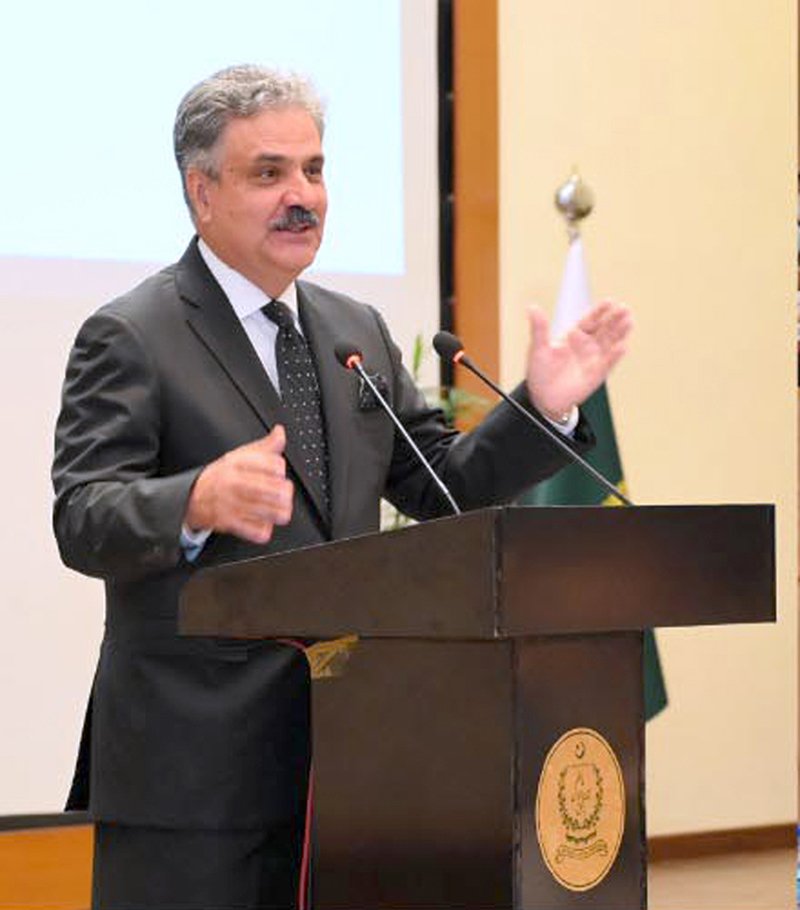
ISLAMABAD — Chairman Senate Syed Yousuf Raza Gilani held a meeting with Saifuddin Nasution Ismail, Malaysia’s Minister of Home Affairs, at the Parliament House on August 21. The meeting focused on enhancing bilateral relations and exploring avenues for cooperation between Pakistan and Malaysia. What Happened The meeting between Chairman Senate Syed Yousuf Raza Gilani and Malaysian Minister of Home Affairs Saifuddin Nasution Ismail took place at the Parliament House in Islamabad. The discussions revolved around strengthening the diplomatic ties between the two nations, with a particular emphasis on security cooperation and mutual interests in regional stability. During the meeting, both leaders expressed their commitment to deepening collaboration in various sectors, including trade, investment, and education. They acknowledged the historical ties between Pakistan and Malaysia and emphasized the need to build on this foundation for future growth. Gilani highlighted Pakistan’s strategic location and its potential as a gateway to Central Asia, which could be beneficial for Malaysian businesses looking to expand their reach. Saifuddin Nasution Ismail, representing the Malaysian delegation, underscored the importance of people-to-people contact and cultural exchanges to foster a better understanding between the two countries. He also expressed interest in learning from Pakistan’s experiences in counter-terrorism and security management. Both parties agreed to continue dialogue on these issues and explore new areas of cooperation, particularly in the context of the evolving geopolitical landscape in the region. Background Pakistan and Malaysia have maintained cordial relations since the establishment of diplomatic ties in 1957. Over the years, both countries have engaged in various bilateral agreements and have been active members of international forums such as the Organisation of Islamic Cooperation (OIC) and the United Nations. In recent years, there have been several high-level visits between the two nations, aimed at enhancing economic and political cooperation. The focus has often been on trade and investment, with Malaysia being one of the key investors in Pakistan’s telecom and energy sectors. The two countries have also collaborated on educational initiatives, with numerous Pakistani students pursuing higher education in Malaysia. Additionally, both nations have shared concerns regarding regional security and have worked together in various capacities to address these issues. Why It Matters The meeting between Chairman Senate Gilani and Minister Saifuddin Nasution Ismail is significant as it reinforces the commitment of both nations to strengthen their bilateral relationship amidst a complex international environment. As both countries face challenges related to security and economic development, such high-level engagements are crucial for fostering mutual understanding and cooperation. For Pakistan, enhancing ties with Malaysia could lead to increased foreign investment and economic opportunities. Malaysia’s experience in sectors such as technology and infrastructure can provide valuable insights for Pakistan’s own development initiatives. Additionally, collaboration in security and counter-terrorism efforts can help both nations address common threats more effectively. On the international stage, a stronger Pakistan-Malaysia relationship could contribute to greater regional stability, particularly in the context of South Asia and Southeast Asia. As both countries navigate their roles in the broader geopolitical landscape, their partnership can serve as a model for other nations seeking to balance economic growth with security concerns. Key Takeaways Chairman Senate Syed Yousuf Raza Gilani met with Malaysian Home Affairs Minister Saifuddin Nasution Ismail to discuss bilateral cooperation. The meeting focused on enhancing ties in trade, investment, education, and security. Both leaders emphasized the importance of people-to-people contact and cultural exchanges. Pakistan and Malaysia have a history of diplomatic relations dating back to 1957. The meeting highlights the strategic importance of strengthening Pakistan-Malaysia relations in the current geopolitical context. Source Attribution This article is based on official government statements, press releases, and public communications from relevant authorities. Author: NEN Editorial Desk | Editor: NEN Newsroom | Fact Checked By: NEN Editorial Team Author: NEN Editorial Desk  |  Editor: NEN Newsroom  |  Last Updated: August 21, 2026  |  Source: Press Release from Government of Pakistan This article was produced by the NEN Editorial Desk in accordance with NEN Agency’s Editorial Policy and Fact-Checking Policy.
Pakistan

Chief Justice Yahya Afridi Addresses Civil Services Probationary Officers

ISLAMABAD — Chief Justice of Pakistan, Justice Yahya Afridi, addressed a delegation of probationary officers from the 54th Common Training Program at the Civil Services Academy (CSA) during a session at the Supreme Court of Pakistan. The event, held on Tuesday, aimed to enlighten the officers on the judiciary’s role and responsibilities in upholding the rule of law. What Happened Justice Yahya Afridi engaged with the probationary officers, emphasizing the critical role that civil servants play in the governance and administration of the country. He highlighted the importance of integrity, dedication, and impartiality in their duties. “The judiciary and civil services are pillars of the state, and it is imperative that both work in harmony to ensure justice and good governance,” Justice Afridi stated. The Chief Justice elaborated on the judiciary’s function in interpreting the law and protecting citizens’ rights. He encouraged the officers to maintain a strong ethical foundation and to serve the nation with a commitment to fairness and transparency. The discussion also touched upon the challenges faced by the judiciary, including case backlogs and the need for judicial reforms to enhance efficiency. Justice Afridi’s address was part of a broader initiative to familiarize new civil servants with the workings of various state institutions. The session included a question-and-answer segment, where officers had the opportunity to engage directly with the Chief Justice, seeking insights into the legal system and its intersection with civil administration. Background The 54th Common Training Program is part of the foundational training for new entrants into Pakistan’s civil services. The Civil Services Academy, located in Lahore, is responsible for equipping these officers with the necessary skills and knowledge to perform their roles effectively. The program includes various modules covering administrative, legal, and policy aspects, aimed at developing well-rounded public servants. Pakistan’s judiciary has historically played a pivotal role in shaping the country’s legal and political landscape. The Supreme Court, as the apex court, has been instrumental in interpreting constitutional matters and ensuring the enforcement of fundamental rights. The interaction between the judiciary and civil services is crucial for maintaining the balance of power and ensuring effective governance. Why It Matters The engagement between the Chief Justice and the probationary officers underscores the importance of collaboration between the judiciary and civil services. As future leaders in public administration, these officers will be at the forefront of implementing policies and ensuring the rule of law. Their understanding of the judiciary’s role is vital for fostering a culture of accountability and transparency within government institutions. The session also reflects ongoing efforts to address systemic challenges within Pakistan’s judicial system. By fostering dialogue and understanding between different branches of government, there is potential for reforms that could reduce case backlogs and improve access to justice for ordinary citizens. Furthermore, this interaction highlights the judiciary’s commitment to engaging with other state institutions to promote good governance. Such initiatives are essential in building a more robust and responsive legal framework that can adapt to the needs of a changing society. Key Takeaways Chief Justice Yahya Afridi addressed probationary officers from the Civil Services Academy at the Supreme Court. The discussion focused on the roles of the judiciary and civil services in governance and justice. Justice Afridi emphasized integrity, dedication, and impartiality in public service. The session is part of efforts to enhance understanding between state institutions and promote judicial reforms. The interaction aims to prepare future civil servants for effective governance and policy implementation. Source Attribution This article is based on official government statements, press releases, and public communications from relevant authorities. Author: NEN Editorial Desk | Editor: NEN Newsroom | Fact Checked By: NEN Editorial Team Author: NEN Editorial Desk  |  Editor: NEN Newsroom  |  Last Updated: August 21, 2026  |  Source: Press Release from Government of Pakistan This article was produced by the NEN Editorial Desk in accordance with NEN Agency’s Editorial Policy and Fact-Checking Policy.

Pakistan

Thousands Gather for 403rd Urs of Sufi Saint Hazrat Mian Mir in Lahore

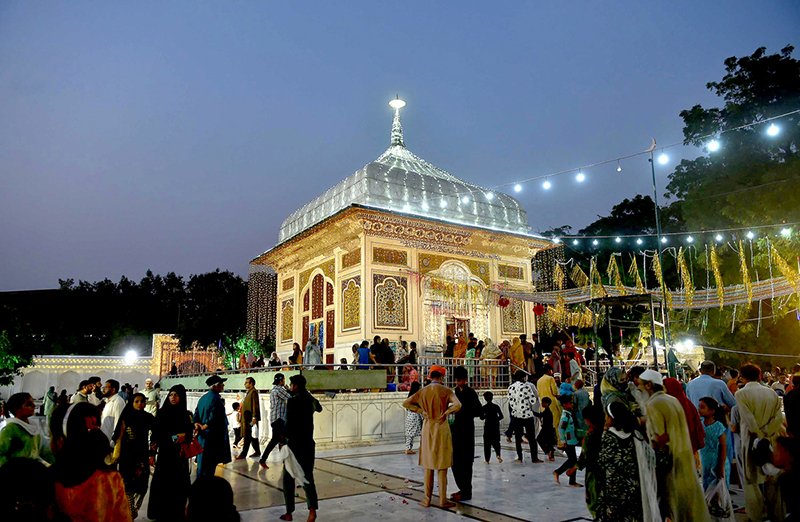
LAHORE — Thousands of devotees gathered at the shrine of Sufi saint Hazrat Mian Mir in Lahore on August 21 to celebrate the 403rd Urs, a traditional commemoration of the saint’s death anniversary. The event was marked by spiritual activities, including the lighting of candles and earthen lamps, as well as the performance of dhamal, a form of Sufi dance. What Happened The 403rd Urs of Hazrat Mian Mir, a revered Sufi saint, drew a large number of attendees to his shrine in Lahore. The annual celebration, which honors the saint’s spiritual legacy, featured a series of devotional activities. Devotees from various parts of the country participated in the event, showcasing their reverence and spiritual connection to the saint. Participants engaged in traditional rituals such as lighting candles and earthen lamps, symbolizing the illumination of the soul and the continuation of the saint’s spiritual guidance. A Malang, or devotee, was seen performing dhamal, a rhythmic Sufi dance that embodies spiritual ecstasy and devotion. The atmosphere was charged with a sense of communal spirituality and reverence. Security measures were heightened to ensure the safety of the attendees. The local administration coordinated with law enforcement agencies to manage the large crowds and maintain order during the event. The celebration provided an opportunity for devotees to express their faith and seek blessings at the shrine. Background Hazrat Mian Mir, born in 1550, is a prominent figure in the Sufi tradition, known for his teachings on love, tolerance, and spirituality. He is credited with bridging the gap between different religious communities during his lifetime. His shrine in Lahore has been a site of pilgrimage for centuries, attracting followers who seek spiritual solace and guidance. The Urs of Hazrat Mian Mir is an annual event that commemorates his death anniversary. It is a time when devotees gather to pay homage to the saint, reflecting on his teachings and the impact he has had on their lives. The celebration is characterized by devotional music, prayers, and communal gatherings, fostering a sense of unity and spiritual renewal among participants. Why It Matters The Urs celebration of Hazrat Mian Mir holds significant cultural and spiritual importance in Pakistan. It serves as a reminder of the enduring influence of Sufi saints in promoting values of peace, tolerance, and unity in a diverse society. The event highlights the rich spiritual heritage of the region and its role in shaping cultural identity. Economically, the Urs attracts visitors from across the country, boosting local businesses and the hospitality sector in Lahore. The influx of pilgrims provides a temporary economic uplift to the area, as attendees often spend on accommodation, food, and transportation. Socially, the event fosters a sense of community and shared purpose among participants. It provides a platform for people from different backgrounds to come together in celebration of a common spiritual heritage, promoting social cohesion and understanding. In a broader context, the Urs of Hazrat Mian Mir underscores the importance of preserving cultural and spiritual traditions in the face of modern challenges. It serves as a testament to the resilience of spiritual practices that continue to inspire and guide individuals in their personal and communal lives. Key Takeaways The 403rd Urs of Hazrat Mian Mir in Lahore attracted thousands of devotees, marking a significant spiritual event. Traditional rituals such as lighting candles and performing dhamal were central to the celebration. The event underscores the cultural and spiritual significance of Sufi traditions in Pakistan. The Urs provides economic benefits to the local community through increased tourism and spending. The celebration promotes social cohesion by bringing together people from diverse backgrounds. Source Attribution This article is based on official government statements, press releases, and public communications from relevant authorities. Author: NEN Editorial Desk | Editor: NEN Newsroom | Fact Checked By: NEN Editorial Team Author: NEN Editorial Desk  |  Editor: NEN Newsroom  |  Last Updated: August 21, 2026  |  Source: NEN Reporter This article was produced by the NEN Editorial Desk in accordance with NEN Agency’s Editorial Policy and Fact-Checking Policy.

Scroll to Top