

Pakistan

News related to Pakistan in Pakistan and around the world.

Pakistan

Ambassador Muddasir Pledges to Strengthen Pakistan-Uzbekistan Relations

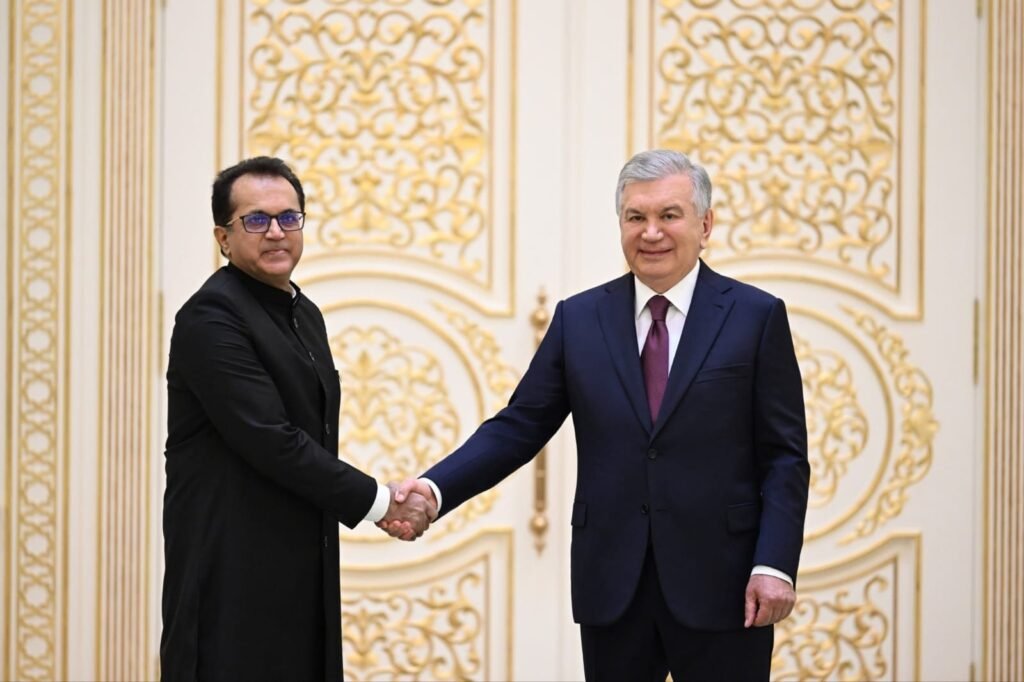
ISLAMABAD — Ambassador Muddasir on Tuesday presented his credentials to the President of Uzbekistan, Shavkat Mirziyoyev, reaffirming Pakistan’s commitment to enhancing bilateral relations. The ceremony took place in Tashkent, where the ambassador emphasized the importance of expanding cooperation in trade, tourism, and regional connectivity. What Happened In a formal ceremony held in Tashkent, Ambassador Muddasir officially assumed his diplomatic role by presenting his credentials to President Shavkat Mirziyoyev. This event marks a significant step in reinforcing the diplomatic ties between Pakistan and Uzbekistan. Ambassador Muddasir expressed his enthusiasm for the role and highlighted his commitment to fostering stronger ties between the two nations. Following the ceremony, Ambassador Muddasir took to social media to express his sentiments, stating, “Privileged to present my credentials to the President of Uzbekistan. Looking forward to reinforcing our bilateral ties in trade, tourism, and regional connectivity.” His statement underscores the areas of focus that both countries are keen to develop further. The ambassador’s presentation of credentials is a customary diplomatic procedure that signifies the official start of his tenure. It also serves as a platform for discussing mutual interests and potential areas of cooperation. The meeting between Ambassador Muddasir and President Mirziyoyev was characterized by a mutual desire to strengthen diplomatic and economic relations. Background Pakistan and Uzbekistan have enjoyed cordial relations since the establishment of diplomatic ties in 1992. Over the years, both countries have engaged in various bilateral agreements and cooperative initiatives. The focus has often been on enhancing trade, cultural exchange, and regional security. In recent years, there has been a renewed emphasis on regional connectivity, particularly through initiatives such as the China-Pakistan Economic Corridor (CPEC) and the development of the Trans-Afghan Railway project. These projects aim to improve trade routes and economic integration in Central and South Asia, with Uzbekistan being a key partner in these endeavors. Uzbekistan’s strategic location and its rich cultural heritage make it an important partner for Pakistan in terms of trade and tourism. The two countries have been working on increasing people-to-people contacts and boosting tourism, which is seen as a vital area for economic growth. Why It Matters The strengthening of ties between Pakistan and Uzbekistan holds significant implications for both countries and the broader region. Economically, enhanced trade relations can lead to increased market access and investment opportunities. Uzbekistan’s burgeoning economy and its role as a transit hub in Central Asia present numerous opportunities for Pakistani businesses. Politically, the partnership can contribute to regional stability and security. Both nations share common interests in combating extremism and fostering peace in Afghanistan, which is crucial for regional prosperity. Enhanced cooperation can also lead to more effective collaboration in international forums, strengthening their collective voice on global issues. Socially, increased tourism and cultural exchanges can lead to a deeper understanding and appreciation of each other’s heritage, fostering goodwill and mutual respect. These exchanges can also stimulate economic activity in sectors such as hospitality and services, contributing to job creation and economic diversification. On an international level, the collaboration between Pakistan and Uzbekistan can serve as a model for regional cooperation, demonstrating the benefits of diplomatic engagement and economic partnership in addressing common challenges. Key Takeaways Ambassador Muddasir presented his credentials to Uzbek President Shavkat Mirziyoyev, marking the start of his diplomatic tenure. The focus of Pakistan-Uzbekistan relations includes trade, tourism, and regional connectivity. Both countries have a history of cooperation since establishing diplomatic ties in 1992. Enhanced relations can contribute to regional stability, economic growth, and cultural exchange. The partnership holds potential benefits for regional trade routes and international collaboration. Source Attribution This article is based on official government statements, press releases, and public communications from relevant authorities. Author: NEN Editorial Desk | Editor: NEN Newsroom | Fact Checked By: NEN Editorial Team Author: NEN Editorial Desk  |  Editor: NEN Newsroom  |  Last Updated: July 28, 2026  |  Source: Press Release from Government of Pakistan This article was produced by the NEN Editorial Desk in accordance with NEN Agency’s Editorial Policy and Fact-Checking Policy.

Pakistan

Ambassador Mudassir Strengthens Ties with Uzbekistan During Credential Ceremony

ISLAMABAD — On Tuesday, Ambassador Mudassir presented his credentials to President Shavkat Mirziyoyev of Uzbekistan, marking a significant step in reinforcing Pakistan-Uzbekistan relations. The ceremony underscored a mutual commitment to enhancing cooperation in trade, tourism, and regional connectivity. What Happened Ambassador Mudassir, representing Pakistan, formally presented his credentials to Uzbek President Shavkat Mirziyoyev in a ceremony held in Tashkent. This diplomatic gesture is a traditional process that signifies the beginning of an ambassador’s official duties in a foreign country. During the meeting, Ambassador Mudassir expressed his dedication to strengthening bilateral ties between the two nations. He emphasized the potential for collaboration in various sectors, including trade and tourism, which are seen as pivotal areas for mutual growth. In a message shared on his official social media account, Ambassador Mudassir stated, “Privileged to present my credentials to the President of Uzbekistan. Looking forward to advancing our shared goals in trade, tourism, and regional connectivity.” This statement highlights the ambassador’s enthusiasm and commitment to fostering a robust partnership with Uzbekistan. President Mirziyoyev reciprocated the sentiment, acknowledging the historical ties between Pakistan and Uzbekistan and expressing a desire to explore new avenues for cooperation. The Uzbek leader highlighted the importance of regional connectivity projects that could enhance economic opportunities for both countries. Background Pakistan and Uzbekistan have shared diplomatic relations since Uzbekistan’s independence from the Soviet Union in 1991. Over the years, both nations have engaged in various bilateral agreements to enhance cooperation in multiple sectors. The recent focus has been on improving trade relations and exploring joint ventures in tourism, given Uzbekistan’s rich cultural heritage and Pakistan’s diverse landscapes. In recent years, both countries have shown interest in participating in regional connectivity projects, such as the China-Pakistan Economic Corridor (CPEC) and the Central Asia Regional Economic Cooperation (CAREC) program. These initiatives aim to improve infrastructure links and boost economic development across the region. Why It Matters The strengthening of diplomatic ties between Pakistan and Uzbekistan is significant for several reasons. Economically, both countries stand to benefit from increased trade and investment opportunities. Uzbekistan, with its strategic location in Central Asia, serves as a vital gateway for Pakistan to access markets in the region. Enhanced trade relations could lead to increased exports and imports, benefiting industries in both countries. Socially, the promotion of tourism between Pakistan and Uzbekistan could foster greater cultural exchange and understanding. Both nations boast rich histories and cultural landmarks that attract international tourists. By collaborating in this sector, they can boost tourism revenues and create new jobs. Politically, the reinforcement of bilateral ties aligns with Pakistan’s broader foreign policy goals of strengthening regional cooperation and connectivity. As both countries participate in regional initiatives, such as CAREC, they can work together to address common challenges, including security concerns and economic development. Internationally, the collaboration between Pakistan and Uzbekistan can contribute to regional stability and prosperity. By working together on connectivity projects, they can enhance the region’s infrastructure, facilitating smoother trade routes and economic integration. Key Takeaways Ambassador Mudassir presented his credentials to Uzbek President Shavkat Mirziyoyev, marking a new chapter in Pakistan-Uzbekistan relations. The focus of the bilateral ties is on enhancing cooperation in trade, tourism, and regional connectivity. Pakistan and Uzbekistan have shared diplomatic relations since 1991, with recent emphasis on regional connectivity projects. The strengthened ties are expected to boost economic opportunities, cultural exchange, and regional stability. Both countries aim to participate in regional initiatives like CAREC to address common challenges and improve infrastructure. Source Attribution This article is based on official government statements, press releases, and public communications from relevant authorities. Author: NEN Editorial Desk | Editor: NEN Newsroom | Fact Checked By: NEN Editorial Team Author: NEN Editorial Desk  |  Editor: NEN Newsroom  |  Last Updated: July 28, 2026  |  Source: Press Release from Government of Pakistan This article was produced by the NEN Editorial Desk in accordance with NEN Agency’s Editorial Policy and Fact-Checking Policy.

Pakistan

Rupee Appreciates Marginally Against US Dollar in Interbank Market

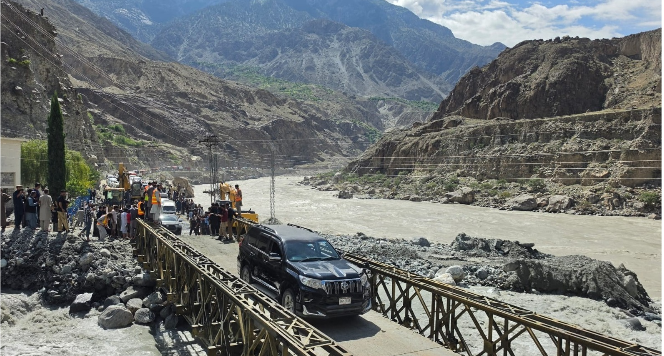
ISLAMABAD — The Pakistani Rupee appreciated by one paisa against the US Dollar in interbank trading on Tuesday, closing at Rs 277.85 compared to the previous day’s rate of Rs 277.86. This minor gain was reported by the Forex Association of Pakistan (FAP), reflecting a slight improvement in the currency’s value amid ongoing economic challenges. What Happened On Tuesday, the Rupee’s value saw a modest increase of one paisa against the US Dollar in the interbank market. The currency closed at Rs 277.85, a slight improvement from the previous closing rate of Rs 277.86. This change, although minimal, indicates a momentary stabilization in the exchange rate, which has been under pressure due to various economic factors. The Forex Association of Pakistan reported that the buying and selling rates of the Dollar in the open market were recorded at Rs 277.50 and Rs 278.50, respectively. This reflects a consistent demand for the Dollar, which continues to influence the Rupee’s performance in both the interbank and open markets. Currency traders and analysts attribute this minor appreciation to the recent measures taken by the State Bank of Pakistan (SBP) to stabilize the currency. These measures include interventions in the foreign exchange market and adjustments in monetary policy to control inflation and support the Rupee. Background The Pakistani Rupee has experienced significant volatility in recent years, largely due to economic instability, inflation, and external debt pressures. The currency has depreciated considerably against the US Dollar, driven by a widening current account deficit and declining foreign exchange reserves. In response, the government and the SBP have implemented various policies to curb inflation and stabilize the Rupee. These include interest rate adjustments, import restrictions, and seeking financial assistance from international institutions such as the International Monetary Fund (IMF). Historically, the Rupee has faced challenges due to Pakistan’s reliance on imports and the need for foreign currency to service external debt. These factors have made the currency vulnerable to fluctuations in global markets and changes in investor sentiment. Why It Matters The slight appreciation of the Rupee, although marginal, is significant in the context of Pakistan’s ongoing economic challenges. A stable currency is crucial for maintaining investor confidence and controlling inflation, which directly impacts the cost of living for ordinary citizens. For businesses, a stable Rupee means more predictable costs for imported goods and raw materials, which can help in planning and budgeting. This stability is essential for sectors such as manufacturing and retail, which rely heavily on imported inputs. On a broader scale, the Rupee’s performance is a key indicator of economic health. Persistent depreciation can lead to higher inflation, eroding purchasing power and increasing the cost of imports. This can further exacerbate economic inequality and put additional pressure on low-income households. Internationally, the Rupee’s stability is crucial for maintaining Pakistan’s creditworthiness and attracting foreign investment. Investors closely monitor currency trends as part of their risk assessment, and a stable Rupee can enhance Pakistan’s attractiveness as an investment destination. Key Takeaways The Pakistani Rupee appreciated by one paisa against the US Dollar, closing at Rs 277.85 in the interbank market. The Forex Association of Pakistan reported buying and selling rates of Rs 277.50 and Rs 278.50, respectively, in the open market. State Bank of Pakistan’s interventions and monetary policy adjustments have contributed to this slight appreciation. A stable Rupee is crucial for controlling inflation and maintaining investor confidence. The Rupee’s performance is a key indicator of Pakistan’s economic health and international creditworthiness. Source Attribution This article is based on official government statements, press releases, and public communications from relevant authorities. Author: NEN Editorial Desk | Editor: NEN Newsroom | Fact Checked By: NEN Editorial Team Author: NEN Editorial Desk  |  Editor: NEN Newsroom  |  Last Updated: July 28, 2026  |  Source: NEN Reporter This article was produced by the NEN Editorial Desk in accordance with NEN Agency’s Editorial Policy and Fact-Checking Policy.
Pakistan

SECP Issues Updated Master Circular for Mutual Fund Industry

ISLAMABAD — The Securities and Exchange Commission of Pakistan (SECP) has issued an updated Master Circular to streamline regulatory requirements for Asset Management Companies (AMCs) and Investment Advisers (IAs). Released on July 28, the circular aims to consolidate all existing rules, directions, and clarifications to facilitate the mutual fund industry. What Happened The SECP’s updated Master Circular is designed to serve as a comprehensive guide for AMCs and IAs, incorporating all relevant regulatory materials into a single document. This initiative is intended to simplify compliance processes and enhance the operational efficiency of the mutual fund industry in Pakistan. The circular consolidates various circulars, directions, and clarifications previously issued by the SECP, ensuring that all stakeholders have access to a unified set of guidelines. According to the SECP, the updated circular is part of a broader effort to improve the regulatory framework governing mutual funds. By providing a single, updated source of regulatory requirements, the SECP aims to reduce the administrative burden on AMCs and IAs, allowing them to focus more on their core business activities. The circular covers a wide range of topics, including investment limits, disclosure requirements, and risk management practices. An official from the SECP stated, “The updated Master Circular is a significant step towards enhancing the transparency and efficiency of the mutual fund industry. It reflects our commitment to providing clear and concise regulatory guidance to market participants.” Background The mutual fund industry in Pakistan has been subject to a complex regulatory environment, with numerous circulars and directives issued over the years. This has often led to confusion among industry participants, who must navigate a maze of regulations to ensure compliance. The SECP, as the primary regulatory authority for the financial sector, has been working to address these challenges by streamlining and updating its regulatory framework. In recent years, the SECP has introduced several initiatives aimed at modernizing the regulatory landscape for mutual funds. These include the introduction of risk-based supervision, enhanced disclosure requirements, and the promotion of investor education. The updated Master Circular is the latest in a series of measures designed to support the growth and development of the mutual fund industry in Pakistan. Why It Matters The issuance of the updated Master Circular is significant for several reasons. Firstly, it provides clarity and certainty for AMCs and IAs, enabling them to operate more efficiently and effectively. By consolidating all relevant regulatory materials into a single document, the SECP has made it easier for industry participants to understand and comply with the rules governing their activities. Secondly, the updated circular is expected to enhance investor confidence in the mutual fund industry. By ensuring that AMCs and IAs adhere to a clear set of guidelines, the SECP is promoting transparency and accountability, which are critical for maintaining trust in the financial markets. This, in turn, could lead to increased investment in mutual funds, providing a boost to the industry and the broader economy. Finally, the updated Master Circular aligns with international best practices, positioning Pakistan’s mutual fund industry to compete more effectively on the global stage. By adopting a more streamlined and efficient regulatory framework, the SECP is helping to create a more attractive environment for both domestic and foreign investors. Key Takeaways The SECP has issued an updated Master Circular for Asset Management Companies and Investment Advisers. The circular consolidates all applicable regulatory requirements into a single document. This initiative aims to simplify compliance and enhance operational efficiency in the mutual fund industry. The updated circular is expected to boost investor confidence and promote transparency. It aligns with international best practices, enhancing the competitiveness of Pakistan’s mutual fund industry. Source Attribution This article is based on official government statements, press releases, and public communications from relevant authorities. Author: NEN Editorial Desk | Editor: NEN Newsroom | Fact Checked By: NEN Editorial Team Author: NEN Editorial Desk  |  Editor: NEN Newsroom  |  Last Updated: July 28, 2026  |  Source: NEN Reporter This article was produced by the NEN Editorial Desk in accordance with NEN Agency’s Editorial Policy and Fact-Checking Policy.
Pakistan

NHA Reopens Haramosh Bridge on Jaglot-Skardu Road After Restoration

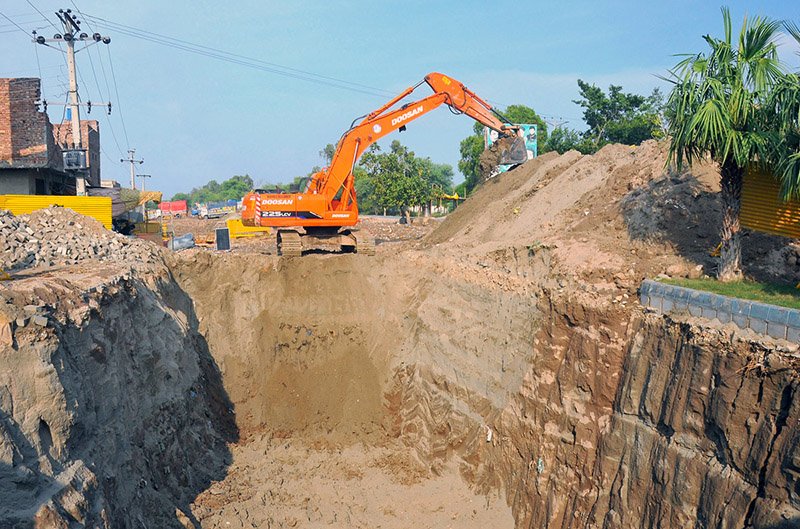
ISLAMABAD — The National Highway Authority (NHA) has announced the successful restoration and reopening of the Haramosh Bridge on the Jaglot-Skardu Road (JSR) after it was damaged by heavy rainfall. The bridge, located at RD 25, is now operational for all types of traffic, facilitating the smooth flow of vehicles in the region. What Happened The Haramosh Bridge, a critical infrastructure component on the Jaglot-Skardu Road, was recently rendered impassable due to severe weather conditions. Heavy rainfall in the area had caused significant damage, disrupting the movement of vehicles and affecting the daily lives of residents and travelers. The NHA, responsible for maintaining the country’s highways, promptly initiated restoration efforts to address the situation. According to an NHA spokesperson, the restoration work was completed swiftly to minimize inconvenience. “The bridge has been fully restored and reopened for all types of traffic, ensuring uninterrupted movement across this vital route,” the spokesperson stated. The reopening of the bridge is expected to significantly ease transportation and logistics in the region, which had been severely impacted by the closure. The Jaglot-Skardu Road is a major artery that connects various towns and facilitates the transport of goods and people across the region. The timely restoration of the Haramosh Bridge underscores the NHA’s commitment to maintaining infrastructure and ensuring connectivity, especially in areas prone to adverse weather conditions. Background The Jaglot-Skardu Road is a crucial link in Pakistan’s northern areas, providing access to Skardu, a key tourist destination and gateway to some of the world’s highest peaks, including K2. The region is known for its challenging terrain and unpredictable weather, which often pose risks to infrastructure. The NHA has been actively involved in maintaining and upgrading roads and bridges in these areas to support tourism and local economies. In recent years, Pakistan has experienced an increase in extreme weather events, attributed to climate change, which have put additional pressure on the country’s infrastructure. The government has been working to enhance the resilience of its road networks to withstand such challenges, with the NHA playing a pivotal role in these efforts. Why It Matters The restoration of the Haramosh Bridge is significant for several reasons. Economically, it ensures the continuity of trade and commerce in the region, as the Jaglot-Skardu Road is a vital route for transporting goods. The reopening of the bridge will help local businesses and traders, who rely on this road for the supply of essential goods and services. Socially, the bridge’s restoration is crucial for the residents of the area, who depend on the road for access to healthcare, education, and other essential services. The disruption caused by the bridge’s closure had a direct impact on their daily lives, and its reopening is expected to restore normalcy and improve their quality of life. Politically, the swift action taken by the NHA reflects the government’s commitment to infrastructure development and maintenance, which is vital for the country’s progress. Ensuring reliable transportation networks is essential for national integration and the development of remote areas. Internationally, maintaining robust infrastructure in tourist regions like Skardu is vital for promoting tourism, which is a significant source of revenue for Pakistan. The restoration of the Haramosh Bridge supports the government’s efforts to attract more tourists by ensuring safe and reliable access to the region’s natural attractions. Key Takeaways The NHA has successfully restored the Haramosh Bridge on the Jaglot-Skardu Road after damage from heavy rainfall. The bridge is now open for all types of traffic, ensuring uninterrupted movement in the region. The restoration supports local economies by facilitating trade and access to essential services. The swift action reflects the government’s commitment to infrastructure development and resilience against extreme weather. The reopening is crucial for promoting tourism in the Skardu region, a key economic driver. Source Attribution This article is based on official government statements and public communications from the National Highway Authority. Author: NEN Editorial Desk | Editor: NEN Newsroom | Fact Checked By: NEN Editorial Team Author: NEN Editorial Desk  |  Editor: NEN Newsroom  |  Last Updated: July 28, 2026  |  Source: NEN Reporter This article was produced by the NEN Editorial Desk in accordance with NEN Agency’s Editorial Policy and Fact-Checking Policy.
Pakistan

Excavation Begins for New Sewerage System Near Vehari Chowk, Multan

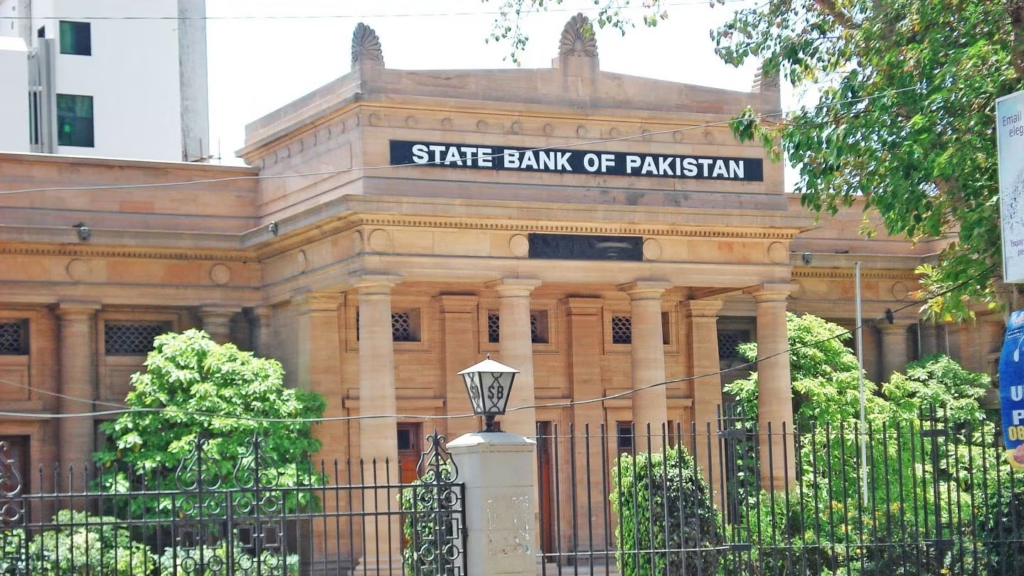
MULTAN — Excavation work has commenced for the installation of a new sewerage and drainage system near Vehari Chowk in Multan, as part of the city’s ongoing infrastructure development project. The initiative aims to improve the urban infrastructure and address the long-standing issues of waterlogging and sanitation in the area. What Happened The local authorities in Multan have embarked on a significant infrastructure project aimed at revamping the city’s sewerage and drainage system. An excavator was seen at work near Vehari Chowk, initiating the excavation process necessary for laying down new sewer lines. This project is part of a broader plan to enhance the city’s infrastructure and is expected to alleviate problems related to poor drainage and sanitation, which have been a cause of concern for residents. The project is being closely monitored by the local municipal administration to ensure timely completion and adherence to quality standards. According to an official from the municipal department, “The new sewerage system will not only improve sanitation but also help in managing rainwater more effectively, reducing the risk of urban flooding during the monsoon season.” This development comes as a response to the growing demands from the local population for improved infrastructure facilities. The project is expected to be completed in several phases, with the first phase focusing on critical areas prone to waterlogging. Background Multan, a city with a rich historical background, has been facing challenges related to urban infrastructure due to rapid population growth and urbanization. The existing sewerage and drainage systems have been under strain, often leading to waterlogging and sanitation issues, especially during the rainy season. In recent years, the city administration has been working on various projects to upgrade its infrastructure, including roads, water supply, and waste management systems. The current initiative near Vehari Chowk is part of a larger urban development strategy aimed at modernizing the city’s infrastructure. Previous projects have included road expansions and the installation of new water pipelines, which have been instrumental in improving the quality of life for the residents. Why It Matters The installation of a new sewerage and drainage system near Vehari Chowk is crucial for several reasons. Firstly, it addresses the immediate need for better sanitation facilities in one of the city’s densely populated areas. Improved drainage will help prevent waterlogging, which can lead to property damage and health hazards due to stagnant water. Economically, the project is expected to have a positive impact by potentially increasing property values in the area and attracting new businesses. Better infrastructure can lead to increased commercial activity, benefiting local businesses and contributing to the city’s economic growth. Socially, the project demonstrates the local government’s commitment to addressing public concerns and improving living conditions. By investing in infrastructure, the authorities are taking proactive steps to ensure the city’s development keeps pace with its growing population. Additionally, the project aligns with national efforts to improve urban infrastructure across Pakistan. It reflects the broader governmental agenda to enhance urban living standards, which is crucial for sustainable development in the country’s rapidly growing cities. Key Takeaways Excavation work has begun for a new sewerage and drainage system near Vehari Chowk in Multan. The project aims to address waterlogging and sanitation issues in the area. This initiative is part of Multan’s broader infrastructure development plan. Improved infrastructure is expected to boost economic activity and enhance living conditions. The project aligns with national goals for urban development and sustainability. Source Attribution This article is based on official government statements, press releases, and public communications from relevant authorities. Author: NEN Editorial Desk | Editor: NEN Newsroom | Fact Checked By: NEN Editorial Team Author: NEN Editorial Desk  |  Editor: NEN Newsroom  |  Last Updated: July 28, 2026  |  Source: NEN Reporter This article was produced by the NEN Editorial Desk in accordance with NEN Agency’s Editorial Policy and Fact-Checking Policy.

Pakistan

SBP Maintains Policy Rate at 11.5% Amid Inflation and Geopolitical Concerns

KARACHI — The State Bank of Pakistan (SBP) announced on Monday that it would maintain the policy rate at 11.5 percent. This decision comes amidst a backdrop of improving economic indicators and emerging geopolitical risks, particularly due to the resurgence of conflict in the Middle East. What Happened Governor of the State Bank of Pakistan, Jameel Ahmad, addressed a press conference in Karachi, alongside deputy governors, to explain the rationale behind maintaining the current policy rate. The decision to keep the rate unchanged is primarily influenced by the inflation outlook and the evolving geopolitical landscape, which poses potential risks to the economic stability of Pakistan. Governor Ahmad noted that while there have been some positive developments in the economic indicators, such as a slight improvement in the fiscal deficit and foreign exchange reserves, the situation remains precarious due to external factors. “The resurgence of conflict in the Middle East has added a layer of uncertainty to the global economic environment, which could have repercussions for Pakistan,” he stated. The central bank’s decision reflects a cautious approach to monetary policy, aiming to balance the need for economic growth with the imperative of controlling inflation. The SBP’s Monetary Policy Committee (MPC) evaluated the current economic conditions, considering both domestic and international factors, before arriving at this decision. Background The policy rate, a critical tool for central banks to control inflation and stabilize the currency, has been a focal point for Pakistan’s economic strategy. In recent years, the SBP has adjusted the rate in response to fluctuating inflation rates and economic challenges. Historically, the rate has been used to curb inflationary pressures and stabilize the Pakistani rupee. In the past, the SBP has faced challenges in maintaining a balance between fostering economic growth and managing inflation. The current rate of 11.5 percent has been in place for several months, reflecting the bank’s cautious stance in a volatile economic environment. Why It Matters The decision to keep the policy rate unchanged at 11.5 percent is significant for several reasons. Economically, it signals the SBP’s focus on maintaining stability amidst external uncertainties. The ongoing conflict in the Middle East has the potential to disrupt global oil supplies, which could lead to increased energy prices and inflationary pressures in Pakistan. Socially, the decision impacts the cost of borrowing for businesses and consumers. A stable policy rate can help businesses plan their investments and manage costs more effectively, contributing to economic growth. However, if inflationary pressures increase, it could affect the purchasing power of consumers, leading to higher costs of living. Politically, the SBP’s decision underscores the importance of maintaining economic stability in a region fraught with geopolitical tensions. The central bank’s cautious approach aims to mitigate risks and ensure that Pakistan’s economy remains resilient in the face of external shocks. Internationally, the decision reflects Pakistan’s commitment to maintaining a stable economic environment, which is crucial for attracting foreign investment. Stability in monetary policy can enhance investor confidence, which is vital for economic growth and development. Key Takeaways The State Bank of Pakistan has maintained the policy rate at 11.5 percent due to inflation concerns and geopolitical risks. Governor Jameel Ahmad highlighted improvements in economic indicators but noted external uncertainties. The decision aims to balance economic growth with inflation control amidst Middle East tensions. The policy rate stability is crucial for business investment planning and consumer cost management. Maintaining a stable economic environment is essential for attracting foreign investment to Pakistan. Source Attribution This article is based on official statements and public communications from the State Bank of Pakistan. Author: NEN Editorial Desk | Editor: NEN Newsroom | Fact Checked By: NEN Editorial Team Author: NEN Editorial Desk  |  Editor: NEN Newsroom  |  Last Updated: July 28, 2026  |  Source: NEN Reporter This article was produced by the NEN Editorial Desk in accordance with NEN Agency’s Editorial Policy and Fact-Checking Policy.
Pakistan

Punjab Allocates Farmland to 22 Families Under New Programme

HAFIZABAD — The Punjab government has allocated agricultural land to 22 landless families in the district as part of its “Apna Khet Apna Rozgar” (Own Farm, Own Livelihood) programme, officials announced on Tuesday. The initiative aims to provide sustainable livelihoods through farming opportunities. What Happened In a ceremony held in Hafizabad, allotment letters were distributed to the beneficiary families. The event was attended by Member of National Assembly Saira Afzal Tarar, Deputy Commissioner Abdul Razzaq, and other provincial officials. The programme seeks to empower landless families by granting them access to agricultural resources, thereby promoting self-sufficiency. The “Apna Khet Apna Rozgar” programme is designed to address rural poverty by enabling families to cultivate their own land. “This initiative is a step towards eradicating poverty and empowering our rural communities,” said Saira Afzal Tarar during her address at the ceremony. She emphasized the government’s commitment to improving the livelihoods of marginalized groups through targeted interventions. Deputy Commissioner Abdul Razzaq highlighted the programme’s potential to transform the economic landscape of rural areas. “By providing land to these families, we are not only giving them a source of income but also a sense of ownership and responsibility,” he stated. The initiative is expected to enhance agricultural productivity and contribute to food security in the region. Background The “Apna Khet Apna Rozgar” programme is part of the Punjab government’s broader strategy to alleviate poverty and boost agricultural output. Historically, landlessness has been a significant barrier to economic progress for many rural families in Pakistan. Previous efforts to address this issue have included various land reform initiatives, but challenges such as land distribution inequities and bureaucratic hurdles have often impeded progress. In recent years, the Punjab government has intensified its focus on agricultural development as a means to drive economic growth. The province’s economy is heavily reliant on agriculture, with a significant portion of the population engaged in farming. By allocating land to landless families, the government aims to harness this potential and create more equitable opportunities for rural communities. Why It Matters The allocation of farmland under the “Apna Khet Apna Rozgar” programme holds significant implications for economic and social development in Punjab. By providing land to landless families, the government is addressing a critical issue that has long hindered rural prosperity. This initiative is expected to reduce poverty levels by enabling families to generate income through agriculture, thereby improving their quality of life. Economically, the programme could lead to increased agricultural productivity and diversification. As more families engage in farming, the region may experience a boost in crop yields and a greater variety of produce, contributing to local food security. Additionally, the programme could stimulate rural economies by creating demand for agricultural inputs and services. Socially, the initiative empowers marginalized communities by granting them access to land, a valuable asset that can enhance their social status and bargaining power. By fostering a sense of ownership and responsibility, the programme encourages beneficiaries to invest in their land and adopt sustainable farming practices, which could have long-term environmental benefits. Politically, the programme demonstrates the government’s commitment to inclusive development and social justice. By prioritizing the needs of landless families, the Punjab government is taking a proactive approach to addressing inequality and fostering social cohesion in rural areas. Key Takeaways The Punjab government has allocated farmland to 22 landless families under the “Apna Khet Apna Rozgar” programme. The initiative aims to empower rural communities by providing sustainable livelihoods through agriculture. Officials believe the programme will enhance agricultural productivity and contribute to food security. The programme addresses historical issues of landlessness and aims to reduce rural poverty. It reflects the government’s commitment to inclusive development and social justice. Source Attribution This article is based on official government statements, press releases, and public communications from relevant authorities. Author: NEN Editorial Desk | Editor: NEN Newsroom | Fact Checked By: NEN Editorial Team Author: NEN Editorial Desk  |  Editor: NEN Newsroom  |  Last Updated: July 28, 2026  |  Source: NEN Reporter This article was produced by the NEN Editorial Desk in accordance with NEN Agency’s Editorial Policy and Fact-Checking Policy.
Pakistan

Monsoon Rains Forecast Across Pakistan From July 29, PMD Warns of Flooding

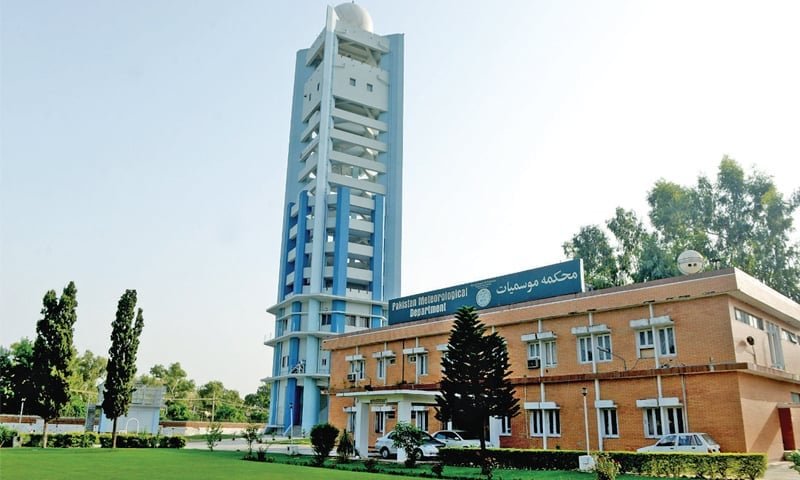
ISLAMABAD — The Pakistan Meteorological Department (PMD) has forecast another widespread spell of monsoon rains across the country from July 29 to August 5, cautioning against potential urban flooding, flash floods, and landslides. The warning includes major cities and hilly areas, with concerns about possible damage to weak infrastructure due to heavy rainfall, windstorms, and lightning. What Happened The PMD issued a weather advisory on Tuesday, alerting citizens and authorities to prepare for a new wave of monsoon rains expected to impact various regions of Pakistan. The forecast predicts significant rainfall across the country, with the potential for severe weather conditions including urban flooding in densely populated areas, flash floods in local streams and nullahs, and landslides in mountainous regions. According to the PMD, the monsoon system is likely to affect the country starting July 29, with the intensity and duration varying across different regions. Major cities such as Karachi, Lahore, Islamabad, and Peshawar are at risk of urban flooding due to the expected heavy downpours. The department has also highlighted the vulnerability of infrastructure in these areas, particularly structures that are poorly constructed or already weakened by previous weather events. The advisory further warns of potential flash floods in the northern and western parts of the country, where local streams and nullahs could overflow due to the heavy rains. In hilly areas, the risk of landslides is elevated, posing a threat to both residents and travelers in these regions. Officials have urged local administrations to take proactive measures to mitigate the impact of the anticipated weather conditions. This includes clearing drainage systems, reinforcing vulnerable infrastructure, and ensuring that emergency response teams are on standby to deal with any arising situations. Background Pakistan experiences its monsoon season from July to September, a period characterized by heavy rainfall and thunderstorms. The monsoon is a crucial component of the country’s climate system, providing much-needed water for agriculture but also posing significant risks of flooding and landslides. In recent years, Pakistan has faced increasing challenges related to climate change, with monsoon patterns becoming more erratic and intense. The country has witnessed severe flooding events that have resulted in loss of life, displacement of communities, and substantial economic damage. The government and relevant agencies have been working to improve their forecasting capabilities and disaster preparedness to better manage the impacts of such events. Why It Matters The forecasted monsoon rains hold significant implications for Pakistan’s urban and rural populations. Urban flooding in major cities can disrupt daily life, damage property, and hinder economic activities. In rural areas, flash floods and landslides can devastate agricultural lands, affecting food security and livelihoods. The potential for infrastructure damage is also a critical concern, particularly in regions where buildings and roads are not designed to withstand severe weather conditions. This can lead to prolonged disruptions in transportation and communication networks, complicating relief and recovery efforts. Moreover, the anticipated weather conditions underscore the broader challenges posed by climate change in Pakistan. As monsoon patterns become increasingly unpredictable, the need for comprehensive climate adaptation and resilience strategies becomes more urgent. This includes investing in infrastructure improvements, enhancing early warning systems, and strengthening community preparedness to reduce vulnerability to extreme weather events. Key Takeaways The PMD forecasts monsoon rains from July 29 to August 5, warning of urban flooding, flash floods, and landslides. Major cities like Karachi, Lahore, Islamabad, and Peshawar are at risk of urban flooding due to heavy rainfall. Local administrations are urged to take preventive measures, including clearing drainage systems and reinforcing infrastructure. The forecast highlights the ongoing challenges of climate change and the need for improved disaster preparedness in Pakistan. Source Attribution This article is based on official government statements and public communications from the Pakistan Meteorological Department. Author: NEN Editorial Desk | Editor: NEN Newsroom | Fact Checked By: NEN Editorial Team Author: NEN Editorial Desk  |  Editor: NEN Newsroom  |  Last Updated: July 28, 2026  |  Source: NEN Reporter This article was produced by the NEN Editorial Desk in accordance with NEN Agency’s Editorial Policy and Fact-Checking Policy.

Pakistan

New Vice-Chancellors Appointed for Three Public Universities in Bangladesh

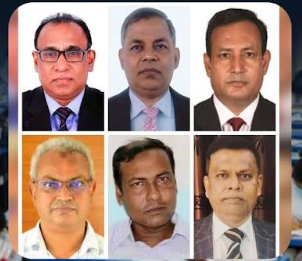
DHAKA — The Bangladeshi government has announced the appointment of new vice-chancellors for three public universities, aiming to enhance academic leadership and institutional development. The appointments were made for Habiganj Agricultural University, Kishoreganj University, and Netrokona University, as per official notifications issued by the Secondary and Higher Education Division under the Ministry of Education on July 28. What Happened The Ministry of Education’s Secondary and Higher Education Division released separate notifications confirming the appointments of new vice-chancellors for three public universities in Bangladesh. These appointments are part of the government’s efforts to strengthen higher education and ensure effective governance within these institutions. Prof Dr Md Mozammel Haque, from the Department of Food Engineering and Tea Technology at Shahjalal University of Science and Technology (SUST), has been appointed as the vice-chancellor of Habiganj Agricultural University. His appointment falls under Section 10(1) of the Habiganj Agricultural University Act, 2020. Dr Haque’s extensive experience in food engineering and technology is expected to contribute significantly to the university’s growth and focus on agricultural advancements. Prof Dr Md Habibur Rahman, of the Department of Zoology at the University of Rajshahi, has been appointed as the vice-chancellor of Kishoreganj University. His appointment is in accordance with Section 10(1) of the Kishoreganj University Act, 2020. Dr Rahman’s background in zoology and research will likely enhance the university’s academic programs and research initiatives. Prof Dr Md Khaled Uzzaman, from the Institute of Education and Research (IER) at the University of Rajshahi, will serve as the vice-chancellor of Netrokona University. His appointment is under Section 10(1) of the Netrokona University Act, 2018, which was amended in 2025. Dr Uzzaman’s expertise in education and research is expected to drive the university’s educational strategies and research capabilities. Background The appointment of vice-chancellors is a critical process in Bangladesh’s higher education system, as these leaders play a pivotal role in shaping the academic and administrative frameworks of universities. The Habiganj Agricultural University Act, 2020, and the Kishoreganj University Act, 2020, along with the amended Netrokona University Act, 2018, provide the legal framework for these appointments, ensuring that qualified individuals are selected to lead these institutions. Historically, the role of vice-chancellors in Bangladesh has been instrumental in driving academic excellence and fostering an environment conducive to research and innovation. These appointments are part of a broader strategy to align university leadership with national educational goals and international standards. Why It Matters The appointment of new vice-chancellors at these universities is significant for several reasons. Firstly, it reflects the government’s commitment to enhancing the quality of higher education in Bangladesh. By appointing individuals with strong academic and research backgrounds, the government aims to improve the universities’ academic standards and research outputs, which are crucial for the country’s socio-economic development. Economically, universities play a vital role in producing a skilled workforce that meets the demands of various industries. The new vice-chancellors are expected to implement policies that align academic programs with market needs, thereby improving employability and contributing to economic growth. Socially, universities are centers of learning and innovation that can address societal challenges through research and community engagement. The leadership of these institutions is crucial in fostering an environment that encourages critical thinking, innovation, and social responsibility among students. Internationally, enhancing the reputation of Bangladeshi universities can attract foreign students and collaborations, contributing to the country’s global academic standing. The new appointments are a step towards achieving these objectives by ensuring effective governance and strategic planning within these institutions. Key Takeaways The Bangladeshi government has appointed new vice-chancellors for three public universities. Prof Dr Md Mozammel Haque, Prof Dr Md Habibur Rahman, and Prof Dr Md Khaled Uzzaman will lead Habiganj Agricultural University, Kishoreganj University, and Netrokona University, respectively. The appointments are part of efforts to enhance academic leadership and institutional development. These appointments are expected to improve academic standards, research outputs, and align educational programs with market needs. The new leadership aims to boost the universities’ contributions to socio-economic development and international reputation. Source Attribution This article is based on official government statements, press releases, and public communications from relevant authorities. Author: NEN Editorial Desk | Editor: NEN Newsroom | Fact Checked By: NEN Editorial Team Author: NEN Editorial Desk  |  Editor: NEN Newsroom  |  Last Updated: July 28, 2026  |  Source: Press Release from Ministry of Federal Education This article was produced by the NEN Editorial Desk in accordance with NEN Agency’s Editorial Policy and Fact-Checking Policy.

Scroll to Top