
Pakistan

News related to Pakistan in Pakistan and around the world.

Pakistan

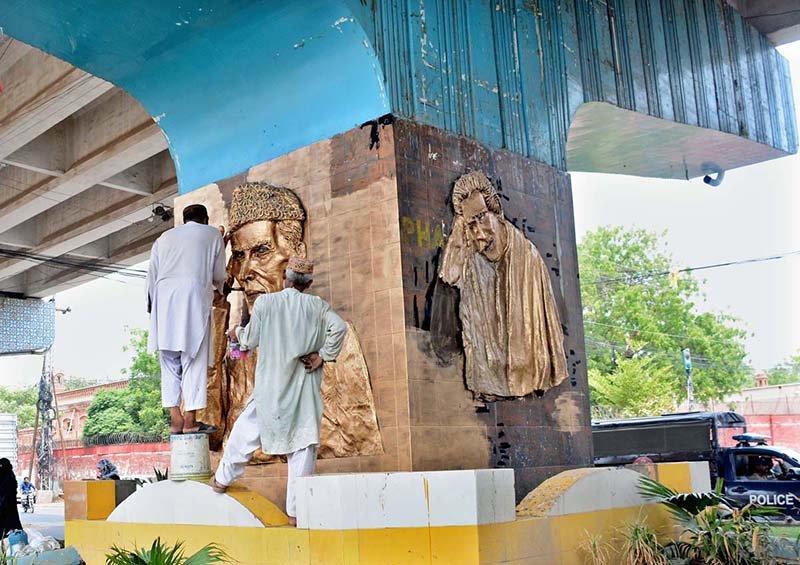
Artist Completes Mural Of Quaid-e-Azam Ahead Of Independence Day

ISLAMABAD — An artist has completed a golden relief mural of Quaid-e-Azam Muhammad Ali Jinnah on a pillar beneath the Kachehry Chowk flyover, as part of preparations for the upcoming Independence Day celebrations in the city. What Happened The mural, which depicts the Founder of Pakistan, Quaid-e-Azam Muhammad Ali Jinnah, has been installed on a prominent pillar under the Kachehry Chowk flyover. The artist, whose identity has not been disclosed, was seen giving the final touches to the artwork, which is expected to be a focal point during the Independence Day festivities. The mural is crafted in golden relief, a technique that adds depth and prominence to the artwork, making it visible from a distance. The installation of the mural is part of a broader initiative to beautify the city and instill a sense of national pride among citizens as Pakistan prepares to celebrate its 76th Independence Day. The city administration has been actively involved in various projects to enhance the aesthetic appeal of public spaces, with a special focus on historical and cultural themes. According to a city official, “This mural is not just an artistic endeavor but a tribute to the vision and leadership of Quaid-e-Azam. It serves as a reminder of the values he stood for and the nation he envisioned.” The official further noted that such projects are crucial in promoting cultural heritage and national identity. Background Independence Day in Pakistan is celebrated annually on August 14th, marking the day in 1947 when Pakistan gained independence from British rule. The day is observed with patriotic zeal across the country, featuring flag-hoisting ceremonies, parades, and cultural events. The Kachehry Chowk flyover, a significant landmark in the city, has often been used as a canvas for public art, reflecting national themes and historical figures. Public art projects, such as murals and sculptures, have been increasingly used in Pakistan to engage communities and enhance urban environments. These initiatives often coincide with national holidays and significant anniversaries, providing an opportunity for artists to contribute to the cultural landscape. Why It Matters The installation of the Quaid-e-Azam mural holds significant cultural and social importance. As Pakistan approaches its Independence Day, such artistic projects serve to reinforce national unity and pride. They remind citizens of the country’s founding principles and the struggles endured to achieve independence. Economically, beautification projects can boost local tourism by attracting visitors to key landmarks, thereby supporting local businesses. The mural, located at a busy intersection, is likely to draw attention from both residents and tourists, enhancing the city’s cultural appeal. Politically, the mural underscores the government’s commitment to preserving and promoting Pakistan’s historical legacy. By investing in public art, the authorities aim to foster a sense of belonging and national identity among the populace, which is crucial in a diverse and multi-ethnic society like Pakistan. On an international level, such initiatives can project a positive image of Pakistan as a country that values its heritage and invests in cultural development. This can enhance diplomatic relations and attract international interest in Pakistan’s rich history and culture. Key Takeaways An artist has completed a golden relief mural of Quaid-e-Azam Muhammad Ali Jinnah beneath the Kachehry Chowk flyover. The mural is part of preparations for Pakistan’s 76th Independence Day celebrations. Public art projects like this promote national pride and cultural heritage. The mural is expected to attract tourists and boost local economic activity. Such initiatives reflect the government’s commitment to preserving Pakistan’s historical legacy. Source Attribution This article is based on official government statements, press releases, and public communications from relevant authorities. Author: NEN Editorial Desk | Editor: NEN Newsroom | Fact Checked By: NEN Editorial Team Author: NEN Editorial Desk  |  Editor: NEN Newsroom  |  Last Updated: July 26, 2026  |  Source: NEN Reporter This article was produced by the NEN Editorial Desk in accordance with NEN Agency’s Editorial Policy and Fact-Checking Policy.
Pakistan

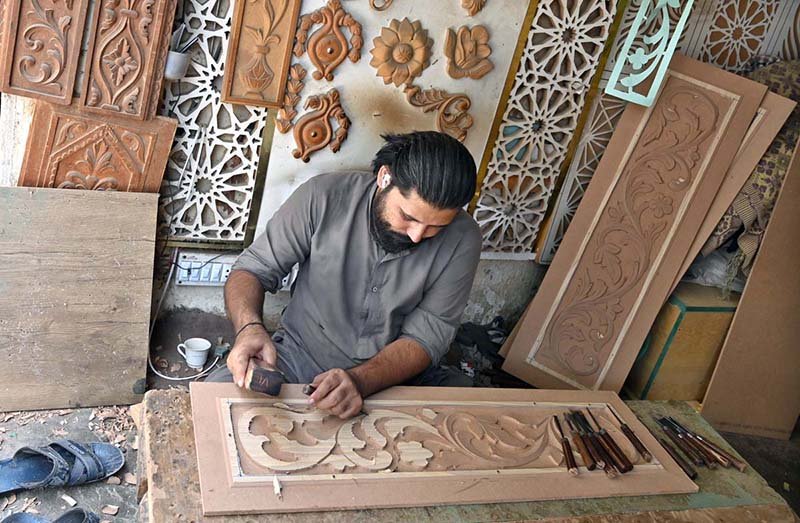
Artisan Crafts Intricate Designs on Metal Sheets in Rawalpindi Workshop

RAWALPINDI — In a small workshop on Saidpur Road, a skilled artisan meticulously carves intricate designs into metal sheets, showcasing a traditional craft that continues to thrive in the bustling city of Rawalpindi. This artisan, whose work reflects both cultural heritage and personal creativity, is part of a community of craftsmen dedicated to preserving this age-old art form. What Happened The artisan, working in his modest workshop, spends hours each day transforming plain metal sheets into works of art. Using a variety of tools, he etches detailed patterns that are both functional and decorative. This craft, which requires precision and patience, is a testament to the artisan’s dedication and skill. The workshop, located on the busy Saidpur Road, is a hub of activity where traditional methods meet modern demands. According to the artisan, each piece takes several hours to complete, depending on the complexity of the design. “Every design tells a story,” he explains, “and I take pride in creating something unique for each customer.” His work is not only a source of income but also a way to keep the cultural heritage alive. The designs range from traditional motifs to contemporary patterns, catering to a diverse clientele. Despite the challenges posed by modern manufacturing techniques and mass-produced goods, there is still a significant demand for handcrafted items. Customers appreciate the uniqueness and quality of handmade products, which cannot be replicated by machines. The artisan’s workshop is a testament to the enduring appeal of traditional craftsmanship in a rapidly changing world. Background Craftsmanship in Pakistan has a rich history, with various regions known for their unique styles and techniques. The art of metalwork, in particular, has been practiced for centuries, with artisans creating everything from household items to intricate jewelry. Rawalpindi, a city with a vibrant cultural scene, has long been a center for traditional crafts. Historically, these crafts were passed down through generations, with skills being taught from master to apprentice. However, in recent years, the number of artisans has dwindled due to economic pressures and the allure of more lucrative professions. Despite these challenges, some workshops, like the one on Saidpur Road, continue to thrive, supported by a loyal customer base and a renewed interest in traditional arts. Why It Matters The preservation of traditional crafts is crucial for maintaining cultural identity and heritage. In a globalized world where mass production often takes precedence, the work of artisans serves as a reminder of the value of handmade goods. These crafts not only provide economic opportunities for skilled workers but also contribute to the cultural richness of the community. For Pakistan, supporting traditional crafts can have significant economic and social benefits. By promoting these skills, the country can attract tourists interested in cultural heritage, thus boosting the local economy. Moreover, initiatives to support artisans can lead to job creation and skill development, providing livelihoods for many families. On a broader scale, the survival of traditional crafts is essential for cultural diversity. It allows future generations to connect with their past and appreciate the artistry and craftsmanship that define their heritage. As such, efforts to support artisans and promote their work are vital for preserving Pakistan’s cultural legacy. Key Takeaways An artisan in Rawalpindi carves intricate designs on metal sheets, preserving traditional craftsmanship. The workshop on Saidpur Road showcases the enduring appeal of handmade goods. Traditional crafts in Pakistan face challenges but remain crucial for cultural heritage. Supporting artisans can boost the local economy and promote cultural tourism. Preserving traditional crafts ensures cultural diversity and heritage for future generations. Source Attribution This article is based on official government statements, press releases, and public communications from relevant authorities. Author: NEN Editorial Desk | Editor: NEN Newsroom | Fact Checked By: NEN Editorial Team Author: NEN Editorial Desk  |  Editor: NEN Newsroom  |  Last Updated: July 26, 2026  |  Source: NEN Reporter This article was produced by the NEN Editorial Desk in accordance with NEN Agency’s Editorial Policy and Fact-Checking Policy.
Pakistan

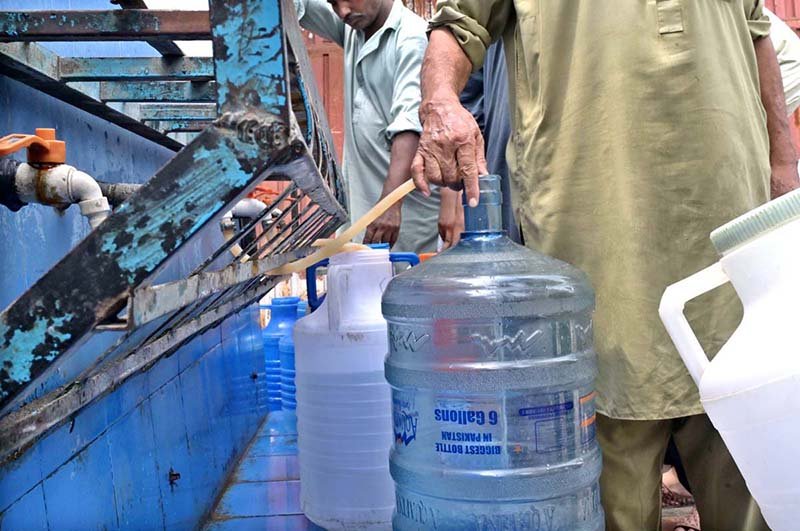
Residents Access Clean Water from Dhoke Kala Khan Filtration Plant

RAWALPINDI — Residents of Dhoke Kala Khan are utilizing a local filtration plant to fill their pots with clean drinking water, addressing a crucial need for safe water access in the area. The plant, which has become a vital resource for the community, provides an essential service to the residents who rely on it for their daily water needs. What Happened The filtration plant at Dhoke Kala Khan has become a focal point for the community, with many residents seen filling their containers with clean drinking water. This facility is part of a broader initiative to ensure safe drinking water is accessible to all, particularly in areas where water quality has been a persistent issue. The plant operates efficiently, allowing residents to collect water throughout the day. Local authorities have emphasized the importance of such facilities in maintaining public health. A representative from the municipal water department stated, “Providing access to clean water is a top priority for us, and we are committed to maintaining these facilities to serve the community effectively.” The plant’s operation is part of a larger effort to combat waterborne diseases and improve the overall quality of life for residents. Background Access to clean drinking water has been a longstanding issue in many parts of Pakistan, including Rawalpindi. The government has initiated several projects to install water filtration plants across the country, aiming to improve water quality and accessibility. These projects are part of a national strategy to address water scarcity and contamination, which have historically plagued urban and rural areas alike. The Dhoke Kala Khan filtration plant is one of many established under this initiative, providing a reliable source of potable water to the local population. Such efforts are crucial in regions where infrastructure for water supply is inadequate or outdated, leading to reliance on alternative sources that may not meet health standards. Why It Matters The availability of clean drinking water is a fundamental human right and a critical component of public health. In Pakistan, where waterborne diseases have been a significant health challenge, ensuring access to safe water is imperative. The filtration plant at Dhoke Kala Khan not only provides clean water but also reduces the risk of illnesses caused by contaminated water sources. Economically, the provision of clean water can lead to reduced healthcare costs for families, as fewer resources are spent on treating water-related illnesses. Socially, it empowers communities by improving health outcomes, which can enhance productivity and quality of life. Additionally, such initiatives align with international efforts to achieve Sustainable Development Goals (SDGs), particularly Goal 6, which aims to ensure availability and sustainable management of water and sanitation for all. On a broader scale, the success of these filtration plants can serve as a model for other regions facing similar challenges, demonstrating the effectiveness of community-based solutions in addressing water scarcity and quality issues. As Pakistan continues to grapple with environmental and infrastructural challenges, such initiatives are vital in building resilience and ensuring sustainable development. Key Takeaways The Dhoke Kala Khan filtration plant provides clean drinking water to local residents, addressing a critical need. Access to safe water reduces the risk of waterborne diseases and improves public health. The initiative is part of a national strategy to improve water quality and accessibility across Pakistan. Ensuring clean water access aligns with global Sustainable Development Goals, particularly SDG 6. Such projects can serve as models for other regions facing similar water challenges. Source Attribution This article is based on official government statements, press releases, and public communications from relevant authorities. Author: NEN Editorial Desk | Editor: NEN Newsroom | Fact Checked By: NEN Editorial Team Author: NEN Editorial Desk  |  Editor: NEN Newsroom  |  Last Updated: July 26, 2026  |  Source: NEN Reporter This article was produced by the NEN Editorial Desk in accordance with NEN Agency’s Editorial Policy and Fact-Checking Policy.

Pakistan

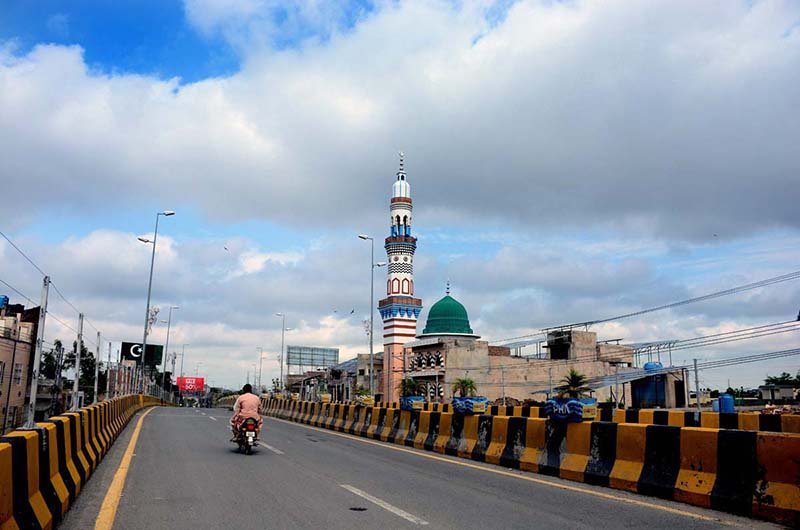
Clouds Blanket City Skies, Offering Respite From Heat

ISLAMABAD — A picturesque view of clouds enveloped the skies over the city on Tuesday, providing a welcome respite from the recent spell of heat. The weather phenomenon brought cooler temperatures and a sense of relief to residents who have been enduring the sweltering heat of the past few weeks. What Happened On Tuesday, the city experienced a significant change in weather as clouds gathered, casting a shadow over the urban landscape. This development was greeted with enthusiasm by residents who have been dealing with high temperatures and humidity. The cloud cover, which began forming in the early hours, persisted throughout the day, leading to a noticeable drop in temperature. According to the Pakistan Meteorological Department (PMD), the cloud formation is part of a larger weather system moving across the region. “This cloud cover is expected to bring down temperatures by a few degrees, offering much-needed relief from the heat,” a PMD spokesperson stated. The department also indicated that there might be light rain in some areas, which could further contribute to cooling the environment. Local residents took to social media to share images and express their delight at the change in weather. Many noted the refreshing breeze that accompanied the cloud cover, making outdoor activities more enjoyable. “It’s such a relief to see the clouds after such a long period of intense heat,” said Ayesha Khan, a local resident. “The city feels alive again.” Background The city has been experiencing unusually high temperatures for this time of year, with the mercury frequently soaring above 40 degrees Celsius. This heatwave has been attributed to climate change and shifting weather patterns that have affected the region in recent years. Historically, the city experiences a hot and dry climate, with temperatures peaking during the summer months. However, the intensity and duration of the heat have increased, prompting concerns among residents and authorities. Efforts to mitigate the effects of extreme weather have been ongoing, with the government and local authorities implementing measures such as public awareness campaigns and the establishment of cooling centers. The PMD has also been working on improving its forecasting capabilities to provide timely warnings and updates to the public. Why It Matters The arrival of cloud cover and potential rainfall is significant for several reasons. Firstly, it provides immediate relief to residents who have been struggling with the heat. Prolonged exposure to high temperatures can lead to health issues such as heat exhaustion and dehydration, making the cooler weather a welcome change. Economically, the cooler weather can have a positive impact on energy consumption. During heatwaves, the demand for electricity spikes as residents rely heavily on air conditioning to stay cool. This increased demand can strain the power grid, leading to outages and increased costs. A reduction in temperature can alleviate some of this pressure, resulting in more stable energy supply and potentially lower electricity bills for consumers. Additionally, the cloud cover and potential rainfall can benefit agriculture in the region. Many farmers depend on rain to water their crops, and a timely downpour can improve yields and boost local food production. This is particularly important in a country where agriculture plays a crucial role in the economy. Key Takeaways Cloud cover over the city has brought relief from the recent heatwave. The Pakistan Meteorological Department expects a drop in temperatures and possible light rain. Residents have welcomed the change, noting the cooler temperatures and refreshing breeze. Cooler weather can reduce energy consumption and benefit local agriculture. The city has been experiencing higher than usual temperatures due to climate change. Source Attribution This article is based on official statements from the Pakistan Meteorological Department and public communications from local authorities. Author: NEN Editorial Desk | Editor: NEN Newsroom | Fact Checked By: NEN Editorial Team Author: NEN Editorial Desk  |  Editor: NEN Newsroom  |  Last Updated: July 26, 2026  |  Source: NEN Reporter This article was produced by the NEN Editorial Desk in accordance with NEN Agency’s Editorial Policy and Fact-Checking Policy.
Pakistan

PCB Revamps Quaid-e-Azam Trophy Format to Enhance Domestic Cricket

ISLAMABAD — The Pakistan Cricket Board (PCB) has introduced a new format for the Quaid-e-Azam Trophy, aiming to invigorate domestic cricket by making it more competitive. The changes, announced on Sunday, include the introduction of Gold and Silver groups and a promotion and relegation system, which have been praised by former national coach Sabih Azhar. What Happened The PCB’s decision to revamp the Quaid-e-Azam Trophy format is seen as a strategic move to enhance the competitiveness of domestic cricket in Pakistan. The new format divides teams into two groups, Gold and Silver, with a system of promotion and relegation based on performance. This structure is expected to increase the stakes for participating teams, encouraging them to perform at their best to either maintain their status or achieve promotion. Sabih Azhar, a former national coach and first-class cricketer, expressed his approval of the PCB’s initiative. “This new format is a significant step toward boosting our domestic cricket. It will make the competition more intense and rewarding,” Azhar stated. He emphasized that such changes are crucial for nurturing talent and preparing players for international challenges. The Quaid-e-Azam Trophy, Pakistan’s premier first-class cricket tournament, has long been a cornerstone of the country’s cricketing structure. The introduction of a tiered system is expected to bring a fresh dynamic to the competition, potentially leading to higher standards of play and better preparation for international competitions. Background The Quaid-e-Azam Trophy has been a pivotal part of Pakistan’s cricket landscape since its inception. Traditionally, it has served as a breeding ground for aspiring cricketers aiming to make their mark on the international stage. However, over the years, there have been calls for reforms to ensure that the tournament remains relevant and continues to produce world-class talent. Previous formats of the tournament have been criticized for their lack of competitiveness and the absence of a clear incentive structure for teams. The PCB’s decision to introduce a promotion and relegation system aligns with global trends in domestic cricket, where such systems are employed to maintain high standards and competitiveness. Why It Matters The revamping of the Quaid-e-Azam Trophy is significant for several reasons. Economically, a more competitive domestic league can attract greater sponsorship and viewership, providing much-needed financial support to the sport at the grassroots level. Socially, it offers a platform for young and emerging players to showcase their skills, thereby contributing to the development of cricket in Pakistan. Politically, the move demonstrates the PCB’s commitment to reforming domestic cricket, which has been a topic of discussion among stakeholders for some time. By aligning the tournament with international standards, the PCB is also likely to enhance its reputation and influence within the global cricketing community. On an international level, a stronger domestic competition will better prepare Pakistani players for the rigors of international cricket, potentially leading to improved performances on the world stage. This is crucial for maintaining Pakistan’s status as a competitive cricketing nation. Key Takeaways The PCB has introduced a new format for the Quaid-e-Azam Trophy, featuring Gold and Silver groups with promotion and relegation. Former coach Sabih Azhar has praised the move, citing its potential to enhance competitiveness. The changes aim to improve the quality of domestic cricket and prepare players for international challenges. The revamp aligns with global trends in domestic cricket, emphasizing competitiveness and high standards. This initiative is expected to have economic, social, and international benefits for Pakistan cricket. Source Attribution This article is based on official statements and public communications from the Pakistan Cricket Board and relevant authorities. Author: NEN Editorial Desk | Editor: NEN Newsroom | Fact Checked By: NEN Editorial Team Author: NEN Editorial Desk  |  Editor: NEN Newsroom  |  Last Updated: July 26, 2026  |  Source: NEN Reporter This article was produced by the NEN Editorial Desk in accordance with NEN Agency’s Editorial Policy and Fact-Checking Policy.

Pakistan

DHQ Wana Emerges as Leading Healthcare Facility in South Waziristan

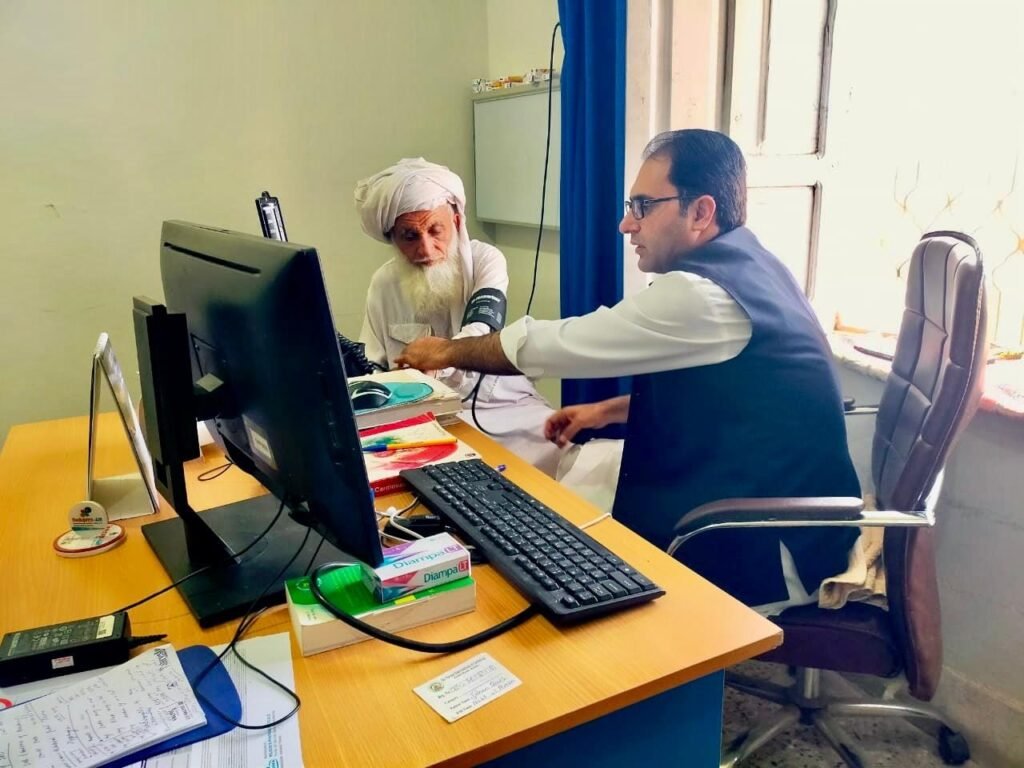
WANA — The District Headquarters (DHQ) Hospital in Wana has undergone significant improvements in management and infrastructure, establishing itself as a leading healthcare institution in South Waziristan. The transformation is attributed to enhanced governance, upgraded medical facilities, and a patient-centred approach, according to official sources. What Happened In recent months, the DHQ Hospital Wana has seen a series of strategic improvements aimed at elevating the quality of healthcare services provided to the local population. These enhancements include the introduction of advanced medical equipment, the recruitment of specialized medical staff, and the implementation of efficient management practices. The hospital’s administration has focused on creating a more patient-friendly environment, which has contributed to its growing reputation as a trusted healthcare provider in the region. According to the hospital administration, these changes have led to a notable increase in patient satisfaction and trust. “Our goal was to ensure that the people of South Waziristan have access to quality healthcare services without having to travel long distances,” a hospital official stated. The improvements have also resulted in a higher patient turnover, with more individuals opting for treatment at DHQ Wana rather than seeking medical care in distant urban centres. The hospital’s upgraded facilities now include a modern emergency department, improved diagnostic services, and expanded inpatient and outpatient services. These developments have been supported by the local government and health authorities, who have recognized the critical need for robust healthcare infrastructure in the region. Background South Waziristan, a district in Pakistan’s Khyber Pakhtunkhwa province, has historically faced challenges in healthcare provision due to its remote location and socio-economic conditions. The region has been affected by conflict and instability, which have further complicated efforts to establish reliable healthcare services. In the past, residents often had to travel to larger cities to receive adequate medical treatment, which was both time-consuming and costly. The government’s recent focus on improving healthcare infrastructure in remote areas is part of a broader strategy to enhance public services and promote regional development. The transformation of DHQ Wana is seen as a pilot project that could serve as a model for similar initiatives in other underserved areas. Why It Matters The transformation of DHQ Wana into a trusted healthcare institution holds significant implications for the people of South Waziristan. Access to quality healthcare is a fundamental right, and the improvements at DHQ Wana are a critical step towards ensuring that residents of this remote region can exercise that right. The hospital’s enhanced capabilities mean that patients can receive timely and effective treatment, which is crucial for improving health outcomes and reducing mortality rates in the area. Economically, the availability of reliable healthcare services can reduce the financial burden on families who previously had to travel long distances for medical care. This can lead to increased economic stability and improved quality of life for residents. Furthermore, the hospital’s success could attract more healthcare professionals to the area, addressing the shortage of skilled medical personnel that has long plagued the region. Politically, the government’s investment in healthcare infrastructure in South Waziristan demonstrates a commitment to addressing the needs of marginalized communities. This could enhance trust between the government and local populations, fostering a sense of inclusion and participation in national development efforts. Key Takeaways DHQ Wana has significantly improved its healthcare services through better management and upgraded facilities. The hospital now offers advanced medical equipment and specialized staff, increasing patient satisfaction. The transformation addresses long-standing healthcare access issues in the remote region of South Waziristan. Improved healthcare services can reduce the financial burden on families and enhance economic stability. The initiative reflects the government’s commitment to improving public services in marginalized areas. Source Attribution This article is based on official government statements, press releases, and public communications from relevant authorities. Author: NEN Editorial Desk | Editor: NEN Newsroom | Fact Checked By: NEN Editorial Team Author: NEN Editorial Desk  |  Editor: NEN Newsroom  |  Last Updated: July 26, 2026  |  Source: NEN Reporter This article was produced by the NEN Editorial Desk in accordance with NEN Agency’s Editorial Policy and Fact-Checking Policy.
Pakistan

Afghanistan Freedom Front Downs Two Taliban Drones In Badakhshan

ISLAMABAD — The Afghanistan Freedom Front (AFF) has reportedly shot down two Taliban military drones in the Zebak district of Badakhshan province, Afghanistan. This incident, which occurred on July 25, 2023, highlights ongoing tensions between the Taliban and opposition groups within the region. What Happened According to a statement released by the Afghanistan Freedom Front, the Taliban drones were engaged in operations over territories controlled by the AFF in Badakhshan’s Zebak district. The AFF claims that the drones were part of a broader Taliban strategy to exert control over areas held by resistance forces. These drones were reportedly conducting reconnaissance missions to gather intelligence on AFF positions. The AFF’s statement further indicated that the Taliban had recently attempted a large-scale advance in the region, which prompted the group to take defensive measures, including the downing of the drones. The AFF, a resistance group opposing Taliban rule, has been active in various parts of Afghanistan, particularly in regions where the Taliban’s control is contested. While the Taliban has not yet responded to the AFF’s claims, this incident underscores the ongoing conflict and instability in Afghanistan, particularly in areas where opposition groups remain active. The use of drones by the Taliban signifies a shift towards more technologically advanced military tactics, which opposition groups like the AFF are now countering. Background The Afghanistan Freedom Front emerged as one of several resistance groups following the Taliban’s takeover of Afghanistan in August 2021. The group comprises former Afghan military personnel, local militias, and other anti-Taliban factions. Badakhshan province, located in northeastern Afghanistan, has been a focal point for resistance activities due to its challenging terrain and historical significance as a stronghold for anti-Taliban forces. The Taliban’s use of drones marks an evolution in their military capabilities, allowing them to conduct surveillance and gather intelligence on opposition movements. This technological adaptation reflects the Taliban’s efforts to consolidate power and suppress resistance in areas like Badakhshan, where opposition remains strong. Why It Matters The downing of Taliban drones by the Afghanistan Freedom Front is significant for several reasons. Firstly, it highlights the ongoing conflict between the Taliban and resistance groups, which continues to destabilize regions like Badakhshan. This instability poses challenges not only for the local population but also for international efforts to bring peace and security to Afghanistan. Economically, the persistent conflict in Afghanistan affects regional trade and development. Badakhshan, with its rich mineral resources, has the potential to contribute significantly to Afghanistan’s economy. However, ongoing conflict disrupts mining activities and deters investment, thereby hindering economic growth. Politically, the presence of active resistance groups like the AFF challenges the Taliban’s authority and complicates their efforts to establish a stable governance structure. This ongoing resistance could lead to further fragmentation of power within Afghanistan, making it difficult for the Taliban to maintain control over the entire country. Internationally, the situation in Afghanistan remains a concern for neighboring countries and global powers. The potential for Afghanistan to become a breeding ground for extremist activities poses a threat to regional and global security. The international community continues to monitor developments closely, with some nations providing support to resistance groups as part of broader efforts to counter the Taliban’s influence. Key Takeaways The Afghanistan Freedom Front claims to have shot down two Taliban military drones in Badakhshan’s Zebak district. This incident underscores ongoing tensions and conflict between the Taliban and resistance groups in Afghanistan. The Taliban’s use of drones signifies an advancement in their military tactics, posing new challenges for opposition forces. Persistent conflict in regions like Badakhshan affects economic development and regional stability. International attention remains focused on Afghanistan due to potential security threats and ongoing instability. Source Attribution This article is based on official statements and public communications from relevant authorities. Author: NEN Editorial Desk | Editor: NEN Newsroom | Fact Checked By: NEN Editorial Team Author: NEN Editorial Desk  |  Editor: NEN Newsroom  |  Last Updated: July 26, 2026  |  Source: Press Release from Government of Pakistan This article was produced by the NEN Editorial Desk in accordance with NEN Agency’s Editorial Policy and Fact-Checking Policy.
Pakistan

Elderly Vendor Showcases Fresh Dates on Rawalpindi Streets

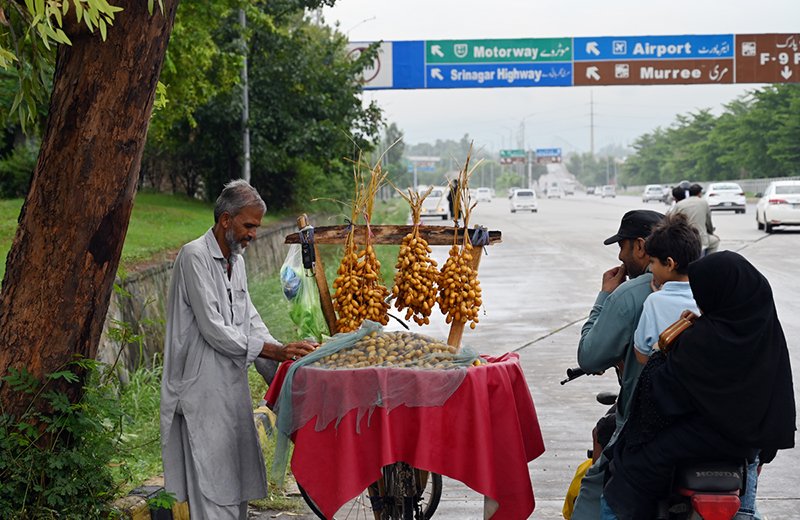
RAWALPINDI — An elderly street vendor in Rawalpindi has become a focal point for local residents as he displays freshly harvested dates hanging in bunches on his roadside cart. The vendor’s cart, adorned with the seasonal produce, attracts a steady stream of customers eager to purchase the dates, a staple fruit in Pakistani diets. What Happened The scene is a familiar one in Rawalpindi, where street vendors play a crucial role in the local economy by providing fresh produce directly to consumers. The vendor, whose identity remains undisclosed, has set up his cart at a busy intersection, drawing passersby with the vibrant display of dates. The dates, sourced from the recent harvest, are presented in large, enticing bunches that hang from the sides of the cart. Customers, ranging from local families to individual shoppers, stop by to examine and purchase the dates. The vendor’s strategic location on a bustling street ensures a constant flow of potential buyers. According to eyewitnesses, the vendor engages with customers, offering them information about the quality and origin of the dates, which are known for their sweetness and nutritional value. One customer, who identified herself as Ayesha, expressed her satisfaction with the quality of the dates. “These dates are fresh and delicious. It’s wonderful to have access to such quality produce right on the street,” she said. The vendor’s initiative highlights the importance of street markets in providing accessible and affordable food options to the community. Background Rawalpindi, a city known for its vibrant street markets, has a long-standing tradition of street vending, particularly for fresh produce. Vendors like the one selling dates contribute significantly to the local economy by offering fresh, seasonal fruits and vegetables directly to consumers. This practice not only supports the livelihoods of the vendors but also provides an essential service to the community, offering fresh produce at competitive prices. Dates hold cultural and nutritional significance in Pakistan, often consumed during the holy month of Ramadan and throughout the year as a healthy snack. The fruit is rich in essential nutrients and provides a natural source of energy, making it a popular choice among consumers. Why It Matters The presence of street vendors selling fresh produce like dates is crucial for urban areas in Pakistan, where access to fresh fruits and vegetables can be limited by economic and logistical barriers. Street vendors help bridge this gap by bringing produce directly to consumers, often at lower prices than those found in supermarkets. Economically, street vending supports a significant portion of the informal sector, providing employment and income for many families. This sector is particularly important in urban areas, where formal employment opportunities may be scarce. The vendor’s success in Rawalpindi underscores the resilience and adaptability of small-scale entrepreneurs in Pakistan’s urban economy. Socially, the availability of fresh dates and other produce on the streets of Rawalpindi enhances food security and nutritional diversity for local residents. It also fosters a sense of community, as street markets often serve as social hubs where residents can gather, interact, and support local businesses. Key Takeaways An elderly vendor in Rawalpindi is attracting customers with fresh, seasonal dates. Street vending plays a vital role in providing affordable produce to urban consumers. Dates are culturally significant and nutritionally beneficial, popular across Pakistan. Street vendors contribute significantly to the informal economy and local employment. Access to fresh produce through street markets enhances food security and community interaction. Source Attribution This article is based on official government statements, press releases, and public communications from relevant authorities. Author: NEN Editorial Desk | Editor: NEN Newsroom | Fact Checked By: NEN Editorial Team Author: NEN Editorial Desk  |  Editor: NEN Newsroom  |  Last Updated: July 25, 2026  |  Source: NEN Reporter This article was produced by the NEN Editorial Desk in accordance with NEN Agency’s Editorial Policy and Fact-Checking Policy.
Pakistan

Monsoon Brings Fresh Consignments of Ornamental Plants to Islamabad Nursery

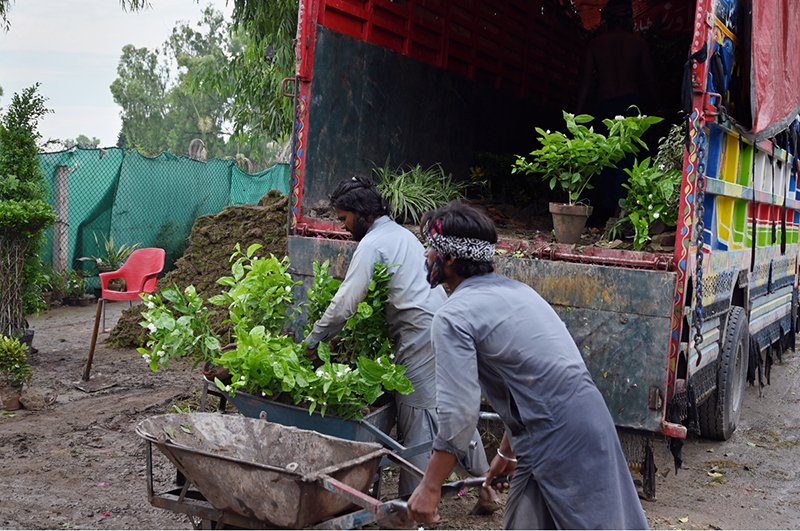
ISLAMABAD — Labourers were seen unloading flowering and ornamental plants from a truck at a local nursery in the H-9 area of the Federal Capital. This activity marks the arrival of fresh consignments of plants coinciding with the monsoon season, which is a critical period for horticulture in the region. What Happened The bustling scene at the H-9 nursery involved labourers using wheelbarrows to efficiently transport a variety of flowering and ornamental plants from delivery trucks to their respective display areas. The monsoon season, which typically spans from July to September, is a peak time for nurseries as the increased rainfall provides optimal conditions for planting and growing new stock. Nursery owners in Islamabad have reported a surge in demand for both flowering and ornamental plants during this period. The monsoon rains not only help in the growth of these plants but also encourage more people to engage in gardening activities. A local nursery manager stated, “The monsoon season is the best time for us to replenish our stock and offer a wider variety of plants to our customers, who are eager to beautify their homes and gardens.” With the arrival of these new consignments, nurseries are preparing for a busy season ahead. The plants, which include a range of species suitable for the local climate, are expected to attract both amateur and professional gardeners. The influx of plants is also anticipated to boost local sales and provide a temporary increase in employment opportunities for labourers involved in the unloading and arrangement of the plants. Background Islamabad’s nurseries have long been a staple for residents looking to enhance their gardens with a variety of plants. The H-9 area, known for its concentration of nurseries, becomes particularly vibrant during the monsoon season. This period is crucial for the horticultural industry as the natural rainfall reduces the need for artificial irrigation, making it an economically favorable time for planting. The monsoon season in Pakistan is characterized by heavy rains that replenish water tables and provide much-needed moisture to the soil. This natural irrigation is essential for the successful cultivation of both ornamental and flowering plants. Historically, the monsoon has been a time when nurseries stock up on new varieties to meet the increased demand from both local residents and businesses looking to enhance their landscapes. Why It Matters The arrival of fresh plant consignments during the monsoon season is significant for several reasons. Economically, it supports local businesses and provides employment opportunities for labourers involved in the horticultural supply chain. The increased activity in nurseries also stimulates related sectors, such as landscaping services and garden supplies, contributing to the local economy. Socially, the availability of a diverse range of plants encourages community engagement in gardening, which has been shown to have positive effects on mental health and well-being. Gardening activities can foster a sense of community as individuals share tips and experiences, and it promotes environmental awareness and stewardship. Environmentally, the monsoon season’s natural irrigation supports sustainable gardening practices. By reducing reliance on artificial watering systems, nurseries and gardeners can lower their water consumption, contributing to conservation efforts. The planting of ornamental and flowering plants also enhances urban green spaces, improving air quality and providing habitats for local wildlife. Key Takeaways Labourers are actively unloading new consignments of ornamental plants at Islamabad’s H-9 nursery during the monsoon season. The monsoon season provides optimal conditions for planting, boosting demand for flowering and ornamental plants. This period supports local nurseries economically and offers temporary employment opportunities for labourers. Gardening during the monsoon season promotes community engagement and environmental sustainability. The increased activity in nurseries contributes to the local economy and enhances urban green spaces. Source Attribution This article is based on official government statements, press releases, and public communications from relevant authorities. Author: NEN Editorial Desk | Editor: NEN Newsroom | Fact Checked By: NEN Editorial Team Author: NEN Editorial Desk  |  Editor: NEN Newsroom  |  Last Updated: July 25, 2026  |  Source: NEN Reporter This article was produced by the NEN Editorial Desk in accordance with NEN Agency’s Editorial Policy and Fact-Checking Policy.

Pakistan

Camel-Drawn Cart Highlights Traditional Transport in Multan

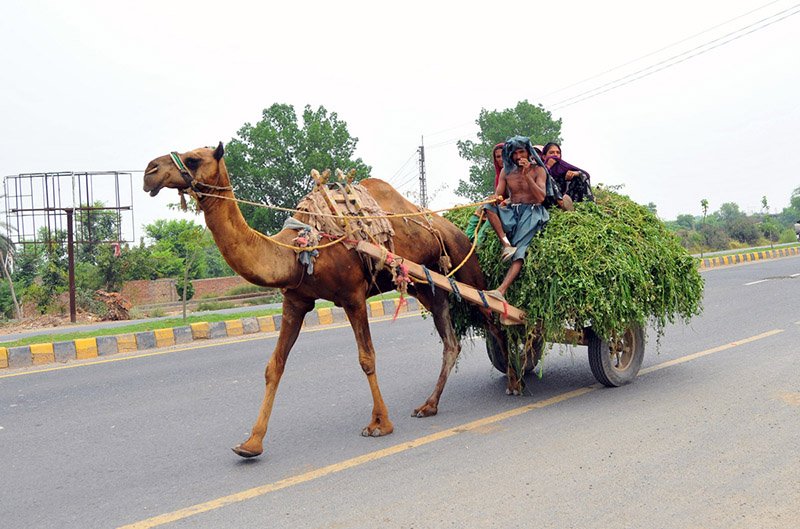
MULTAN — A camel pulling a cart laden with fresh green fodder while simultaneously carrying a family was spotted navigating a city road in Multan, illustrating a traditional mode of transport that remains a vital part of daily life for many residents. What Happened In Multan, a city known for its rich history and cultural heritage, a camel-drawn cart was observed making its way through the bustling streets. The cart, heavily loaded with fresh green fodder, also carried a family, showcasing a scene that is both a nod to traditional practices and a practical solution for transportation and livelihood. The use of camels for transport in Multan is not uncommon, as these animals are well-suited to the region’s climate and terrain. They provide an economical and efficient means of moving goods and people, especially in areas where modern vehicles may not be as accessible or affordable. Local residents often rely on camel carts for transporting agricultural produce, household goods, and even as a means of personal transport. The sight of a camel cart in the city serves as a reminder of the enduring significance of traditional practices in the face of modernity. It also highlights the adaptability and resilience of communities that continue to embrace these age-old methods. Background Multan, one of the oldest cities in the Indian subcontinent, has a long history of using animals for transport. The camel, often referred to as the ‘ship of the desert,’ has been an integral part of life in the region for centuries. Historically, camels have been used for trade caravans, agricultural work, and transportation across the arid landscapes of South Asia. Despite the advent of modern vehicles, many areas in Pakistan, including parts of Multan, still rely on traditional modes of transport. This is due to various factors such as economic constraints, cultural preferences, and the geographical landscape that can make modern vehicles impractical. The camel cart is a symbol of the region’s enduring cultural heritage and its ability to adapt to changing times while preserving traditional practices. Why It Matters The continued use of camel carts in Multan is significant for several reasons. Economically, it provides a cost-effective transportation option for many families who may not afford motorized vehicles. This is particularly important in rural and semi-urban areas where economic opportunities can be limited. Socially, the camel cart is a cultural icon that reinforces community identity and continuity. It represents a way of life that has been passed down through generations, offering a sense of stability and tradition in a rapidly modernizing world. From an environmental perspective, camel carts offer a sustainable alternative to motorized transport, reducing reliance on fossil fuels and lowering carbon emissions. This aligns with global efforts to promote environmentally friendly practices and reduce the carbon footprint of transportation systems. Furthermore, the presence of camel carts in urban settings like Multan underscores the diverse transport needs of the population and highlights the importance of inclusive transport policies that cater to all segments of society. It also raises awareness about the need to preserve cultural heritage while embracing technological advancements. Key Takeaways Camel carts remain a practical and economical mode of transport in Multan. The use of camel carts highlights the cultural heritage and traditional practices of the region. Camel-drawn transport offers an environmentally friendly alternative to motorized vehicles. The persistence of traditional transport methods reflects the diverse needs of the population. Preserving traditional practices is vital for cultural continuity amid modernization. Source Attribution This article is based on official government statements, press releases, and public communications from relevant authorities. Author: NEN Editorial Desk | Editor: NEN Newsroom | Fact Checked By: NEN Editorial Team Author: NEN Editorial Desk  |  Editor: NEN Newsroom  |  Last Updated: July 25, 2026  |  Source: NEN Reporter This article was produced by the NEN Editorial Desk in accordance with NEN Agency’s Editorial Policy and Fact-Checking Policy.

Scroll to Top