

Pakistan

News related to Pakistan in Pakistan and around the world.

Pakistan

March Train Crash Inquiry Blames Nine Employees for Accidents

ISLAMABAD — Pakistan Railways has concluded its investigation into two major train accidents that occurred in March 2026, identifying human error and technical failures as the primary causes. The inquiry has led to departmental actions against nine employees, including a station master and head train examiner, who were found culpable in the incidents. What Happened The inquiry by Pakistan Railways focused on two significant accidents involving the Shalimar Express and the Tezgam Express. The Shalimar Express collision was attributed to errors by six employees, including a station master and a head train examiner, who were deemed responsible for the mishap. Meanwhile, the derailment of the Tezgam Express was linked to the actions of three employees. These findings have prompted Pakistan Railways to initiate disciplinary measures against the involved personnel. According to the investigation, both accidents were exacerbated by inadequate safety protocols at railway crossings and poor track maintenance. A senior official from Pakistan Railways stated, “The inquiry has revealed critical lapses in adherence to safety standards, which, if addressed, could prevent future incidents.” The report highlighted the need for improved training and oversight to ensure compliance with safety regulations. The Shalimar Express accident occurred when the train collided with another stationary train due to miscommunication and negligence, resulting in significant damage and disruptions. The Tezgam Express derailment, on the other hand, was caused by a failure to adhere to speed limits and track conditions, leading to the train leaving the tracks and causing injuries to several passengers. Background Pakistan’s railway system has a long history of accidents, often attributed to outdated infrastructure, insufficient maintenance, and human error. The rail network, one of the oldest in the region, has struggled with modernization and safety improvements due to financial constraints and bureaucratic hurdles. Previous incidents have prompted calls for comprehensive reforms, but progress has been slow. In recent years, the government has announced several initiatives to upgrade the railway infrastructure, including collaborations with international partners. However, challenges remain in implementing these plans effectively, with safety concerns continuing to pose significant risks to passengers and operations. Why It Matters The findings of the March train crash inquiry underscore the persistent safety challenges facing Pakistan Railways. With millions of passengers relying on train services annually, ensuring the safety and reliability of the railway network is crucial for public confidence and economic stability. The recent accidents highlight the urgent need for systemic reforms to address both human and technical deficiencies. Economically, railway accidents can lead to substantial financial losses, not only in terms of damage to infrastructure and rolling stock but also through disruptions to trade and passenger services. These incidents can deter potential investments in the sector, further hindering efforts to modernize and expand the railway network. Socially, train accidents have a significant impact on communities, often resulting in injuries, fatalities, and long-term trauma for those involved. The lack of safety can erode public trust in the railway system, pushing passengers towards alternative, often more expensive, modes of transportation. Internationally, improving railway safety is essential for Pakistan’s connectivity and trade with neighboring countries. As part of regional economic corridors, a reliable railway system can facilitate smoother trade flows and enhance Pakistan’s position in regional logistics networks. Key Takeaways Pakistan Railways’ inquiry into March 2026 train accidents blames nine employees for human errors. Accidents were linked to inadequate safety protocols at crossings and poor track maintenance. Disciplinary actions have been initiated against responsible personnel to prevent future incidents. Historical challenges in Pakistan’s railway system include outdated infrastructure and slow reforms. Improving railway safety is crucial for public confidence, economic stability, and regional connectivity. Source Attribution This article is based on official government statements, press releases, and public communications from relevant authorities. Author: NEN Editorial Desk | Editor: NEN Newsroom | Fact Checked By: NEN Editorial Team Author: NEN Editorial Desk  |  Editor: NEN Newsroom  |  Last Updated: July 06, 2026  |  Source: NEN Reporter This article was produced by the NEN Editorial Desk in accordance with NEN Agency’s Editorial Policy and Fact-Checking Policy.


Pakistan

Chief Secretary Gilgit-Baltistan Reviews Diamer Basha Dam Progress

GILGIT — Chief Secretary Gilgit-Baltistan (GB) Arshad Majeed visited the Diamer district on July 5 to assess the ongoing progress of the Diamer Basha Dam Project. His visit focused on addressing land acquisition and resettlement challenges, implementing confidence-building measures, and evaluating key development initiatives associated with the project. What Happened During his visit, Chief Secretary Arshad Majeed engaged with local officials and project stakeholders to gain insights into the current status of the Diamer Basha Dam Project. The project, which is a critical component of Pakistan’s energy and water management strategy, has faced several challenges, particularly in terms of land acquisition and the resettlement of affected communities. Chief Secretary Majeed emphasized the importance of resolving these issues promptly to ensure the project’s smooth progression. He stated, “The government is committed to addressing all outstanding issues and will work towards strengthening inter-agency coordination to facilitate the project’s timely completion.” His remarks underscored the government’s dedication to overcoming bureaucratic hurdles and fostering collaboration among various stakeholders. The visit also included discussions on confidence-building measures aimed at gaining the trust and cooperation of local communities. These measures are crucial in ensuring that the affected populations are adequately compensated and resettled, thereby minimizing disruptions and grievances. The Chief Secretary highlighted that the government of Gilgit-Baltistan (GoGB) is fully supportive of these efforts and will provide the necessary resources to achieve these objectives. Background The Diamer Basha Dam Project is a significant infrastructure initiative in Pakistan, designed to enhance the country’s water storage capacity and generate hydroelectric power. Located on the Indus River, the dam is expected to produce 4,500 megawatts of electricity and store 8.1 million acre-feet of water. The project has been in the planning stages for several decades, with construction officially commencing in 2020. The project has faced numerous challenges, including financial constraints, legal disputes over land acquisition, and concerns from local communities about displacement and environmental impacts. Despite these hurdles, the government has remained steadfast in its commitment to completing the dam, recognizing its potential to contribute significantly to Pakistan’s energy security and agricultural productivity. Why It Matters The Diamer Basha Dam Project holds immense significance for Pakistan’s economic and social development. As a major component of the country’s energy strategy, the dam is expected to alleviate power shortages and reduce reliance on fossil fuels, thereby contributing to a more sustainable energy mix. The hydroelectric power generated by the dam will provide a reliable source of electricity, supporting industrial growth and improving the quality of life for millions of citizens. Furthermore, the dam’s water storage capacity will play a crucial role in managing the country’s water resources, particularly in the face of climate change and increasing water scarcity. By regulating river flows and providing irrigation water, the dam will enhance agricultural productivity and food security, benefiting farmers and rural communities across Pakistan. The project’s successful completion also has geopolitical implications, as it strengthens Pakistan’s infrastructure and economic resilience. This, in turn, enhances the country’s ability to engage in regional cooperation and attract foreign investment, bolstering its position on the international stage. Key Takeaways Chief Secretary Gilgit-Baltistan Arshad Majeed visited Diamer to review the Diamer Basha Dam Project. The visit focused on land acquisition, resettlement issues, and confidence-building measures. The Diamer Basha Dam is crucial for Pakistan’s energy and water management strategies. Successful completion of the dam will enhance energy security and agricultural productivity. The project has significant economic, social, and geopolitical implications for Pakistan. Source Attribution The article is based on official government statements, press releases, and public communications from relevant authorities. Author: NEN Editorial Desk | Editor: NEN Newsroom | Fact Checked By: NEN Editorial Team Author: NEN Editorial Desk  |  Editor: NEN Newsroom  |  Last Updated: July 06, 2026  |  Source: NEN Reporter This article was produced by the NEN Editorial Desk in accordance with NEN Agency’s Editorial Policy and Fact-Checking Policy.

Pakistan

Government Initiatives Aim to Revive Pakistan’s Real Estate Sector

LAHORE — The Federal Parliamentary Secretary for the Ministry of Planning & Development, Hafiz Mian Muhammad Nauman, announced on Saturday that the government has implemented a series of relief measures designed to rejuvenate Pakistan’s real estate sector. These initiatives are intended to boost investment, restore market confidence, and stimulate broader economic activity. What Happened During a seminar titled “Relief given by government to real estate sector and its impact,” Hafiz Mian Muhammad Nauman outlined the government’s strategy to revitalize the real estate market. The measures include tax incentives, streamlined regulatory processes, and financial support mechanisms aimed at encouraging both domestic and foreign investment in the sector. Nauman emphasized that these steps are crucial for reviving a sector that has been significantly impacted by economic downturns and the COVID-19 pandemic. Nauman highlighted that the real estate sector is a key driver of economic growth, contributing significantly to GDP and employment. “The government is committed to providing a conducive environment for investors and developers,” he stated, adding that these measures are expected to generate thousands of jobs and spur related industries such as construction, manufacturing, and services. The seminar, attended by industry stakeholders, policymakers, and investors, served as a platform for discussing the potential impacts of these relief measures. Participants expressed optimism about the government’s approach, noting that a revitalized real estate sector could lead to increased economic stability and growth. Background The real estate sector in Pakistan has faced numerous challenges over the past few years, including regulatory hurdles, fluctuating market conditions, and the global economic impact of the COVID-19 pandemic. Historically, the sector has been a significant contributor to Pakistan’s economy, accounting for a substantial portion of GDP and providing employment to millions. However, recent years have seen a decline in investment and development activity. In response, the government has periodically introduced policies aimed at revitalizing the sector. Previous initiatives have included tax amnesties, reductions in capital gains tax, and incentives for overseas Pakistanis to invest in real estate. Despite these efforts, the sector has struggled to regain its former momentum. Why It Matters The revitalization of the real estate sector is crucial for Pakistan’s economic recovery. As one of the largest sectors in the country, it has a multiplier effect on the economy, influencing a wide range of industries from construction to financial services. By stimulating real estate activity, the government hopes to create jobs, increase demand for building materials, and boost related sectors. Furthermore, a thriving real estate market can attract foreign direct investment, which is essential for improving Pakistan’s balance of payments and foreign exchange reserves. The government’s measures are also expected to enhance urban development and infrastructure, contributing to improved living standards and urban planning. On a social level, increased real estate activity can lead to more affordable housing options, addressing the housing deficit faced by many urban areas in Pakistan. This not only improves quality of life but also supports social stability by reducing overcrowding and improving access to essential services. Key Takeaways The government has introduced relief measures to revive the real estate sector, focusing on investment and market confidence. These measures include tax incentives and streamlined regulatory processes to attract both domestic and foreign investors. The real estate sector is a key economic driver, with potential to create jobs and stimulate related industries. Revitalizing the sector can enhance urban development and improve housing affordability. Increased real estate activity is expected to attract foreign direct investment, boosting economic stability. Source Attribution This article is based on official government statements and public communications from relevant authorities. Author: NEN Editorial Desk | Editor: NEN Newsroom | Fact Checked By: NEN Editorial Team Author: NEN Editorial Desk  |  Editor: NEN Newsroom  |  Last Updated: July 05, 2026  |  Source: NEN Reporter This article was produced by the NEN Editorial Desk in accordance with NEN Agency’s Editorial Policy and Fact-Checking Policy.
Pakistan

NDMA Warns of Potential Flood Risks in Northern Pakistan, July 6–10

ISLAMABAD — The National Disaster Management Authority (NDMA) has issued a warning regarding an active weather system set to impact northern Pakistan from July 6 to 10. The system is expected to bring widespread rain and thunderstorms, potentially increasing river flows and heightening the risk of flash floods, urban flooding, and landslides in vulnerable regions. What Happened The NDMA has mapped out the potential rainfall and river situation in anticipation of the approaching weather system. According to the authority, the northern areas of Pakistan, including parts of Khyber Pakhtunkhwa, Gilgit-Baltistan, and Azad Jammu and Kashmir, are likely to experience significant rainfall. The NDMA has emphasized the need for preparedness, urging local administrations to take precautionary measures to mitigate the impact of potential flooding. In a statement, the NDMA highlighted that the expected weather conditions could lead to increased river flows, particularly in the Indus River and its tributaries. This increase may result in flash floods and urban flooding, especially in low-lying areas. The authority has also warned of possible landslides in hilly regions, which could disrupt transportation and communication networks. The NDMA has advised residents in the affected areas to remain vigilant and follow the instructions of local authorities. They have also recommended that people avoid unnecessary travel during the forecasted period of heavy rainfall. Emergency services are on high alert, and contingency plans have been activated to ensure a swift response to any incidents arising from the adverse weather conditions. Background Pakistan is no stranger to the challenges posed by monsoon rains, which typically occur from July to September. The country has experienced severe flooding in the past, with significant loss of life and property. In 2010, Pakistan faced one of its worst floods in history, affecting over 20 million people and causing widespread devastation. The NDMA, established in 2007, plays a crucial role in coordinating disaster management efforts across the country, working closely with provincial disaster management authorities and other stakeholders. Over the years, the NDMA has developed comprehensive strategies to address the risks associated with natural disasters, focusing on preparedness, response, and recovery. The authority regularly issues weather advisories and collaborates with meteorological departments to ensure timely dissemination of information to the public and relevant agencies. Why It Matters The potential for flooding and landslides poses significant risks to life and property in northern Pakistan. The impact of such natural disasters can be devastating, particularly for communities living in vulnerable areas. Flooding can lead to the displacement of populations, destruction of infrastructure, and disruption of essential services, including healthcare and education. Economically, the damage caused by floods can be substantial, affecting agriculture, industry, and trade. Crops may be destroyed, leading to food shortages and increased prices. Infrastructure damage can hinder economic activities, affecting livelihoods and slowing down development efforts. The cost of recovery and reconstruction can strain government resources, diverting funds from other critical areas. Socially, the aftermath of natural disasters can exacerbate existing inequalities, with marginalized communities often bearing the brunt of the impact. Access to relief and recovery resources may be limited, further entrenching poverty and vulnerability. Ensuring effective disaster management and response is crucial to minimizing these impacts and supporting affected communities in rebuilding their lives. Key Takeaways The NDMA has issued a warning for potential flash floods, urban flooding, and landslides in northern Pakistan from July 6 to 10. Widespread rain and thunderstorms are expected to increase river flows, particularly in the Indus River and its tributaries. Residents in affected areas are advised to remain vigilant and follow local authorities’ instructions to ensure safety. Past experiences with monsoon floods highlight the importance of preparedness and effective disaster management. The economic and social impacts of flooding can be severe, affecting livelihoods and exacerbating inequalities. Source Attribution This article is based on official government statements, press releases, and public communications from relevant authorities. Author: NEN Editorial Desk | Editor: NEN Newsroom | Fact Checked By: NEN Editorial Team Author: NEN Editorial Desk  |  Editor: NEN Newsroom  |  Last Updated: July 05, 2026  |  Source: NEN Reporter This article was produced by the NEN Editorial Desk in accordance with NEN Agency’s Editorial Policy and Fact-Checking Policy.
Pakistan

Over 232,000 Register Online for Hajj 2027 Within First Two Weeks

ISLAMABAD — The Ministry of Religious Affairs and Interfaith Harmony announced that over 232,000 individuals have registered online for Hajj 2027 within the first 14 days of the campaign. This substantial number reflects a strong public interest in participating in the pilgrimage. What Happened The Ministry of Religious Affairs and Interfaith Harmony reported an impressive turnout for the Hajj 2027 registration, with more than 232,000 aspiring pilgrims signing up online in the initial two weeks. The registration process, which commenced on June 21, 2023, was designed to be user-friendly, allowing applicants to complete their registrations from the comfort of their homes. A ministry spokesperson highlighted the success of the online platform, noting that it facilitated a smooth and efficient registration experience for the applicants. The ministry has implemented several measures to ensure the registration process is accessible and efficient. These include detailed guidance on the official website and a dedicated helpline to assist applicants with any queries or technical issues. The spokesperson emphasized the importance of this digital approach, stating, “Our aim is to make the Hajj registration process as convenient as possible for all aspiring pilgrims.” The registration period for Hajj 2027 is part of a broader initiative covering the years 2027 to 2030, allowing the ministry to plan and manage the logistics of the pilgrimage effectively. The overwhelming response in the first two weeks suggests that the ministry’s efforts to streamline the process have been well-received by the public. Background Hajj, one of the five pillars of Islam, is an annual pilgrimage to Mecca that Muslims are required to perform at least once in their lifetime, provided they have the means to do so. The Ministry of Religious Affairs and Interfaith Harmony is responsible for organizing and managing the pilgrimage for Pakistani citizens. In recent years, the ministry has increasingly relied on digital platforms to facilitate the registration and management of Hajj applications. Historically, the registration process involved physical forms and in-person submissions, which often led to long queues and delays. In response, the ministry introduced an online registration system to streamline the process and reduce the burden on applicants. This digital shift aligns with the government’s broader strategy to enhance e-governance and improve public service delivery. Why It Matters The significant number of registrations for Hajj 2027 underscores the enduring importance of the pilgrimage in the lives of Pakistani Muslims. It also highlights the effectiveness of the ministry’s efforts to modernize the registration process through digital means. By facilitating online registrations, the ministry has not only made the process more accessible but also reduced the administrative burden associated with handling large volumes of paper applications. Economically, the streamlined registration process can lead to cost savings for both the government and the applicants. By reducing the need for physical infrastructure and personnel to manage registrations, the ministry can allocate resources more efficiently. For applicants, the convenience of online registration eliminates the need for travel and time off work, thereby minimizing associated costs. On a broader scale, the successful implementation of the online registration system serves as a model for other government services aiming to transition to digital platforms. It reflects the potential for technology to enhance public service delivery and improve citizen engagement with government processes. Key Takeaways Over 232,000 individuals registered online for Hajj 2027 within the first 14 days. The Ministry of Religious Affairs and Interfaith Harmony facilitated the process through a user-friendly online platform. The initiative is part of a broader plan covering Hajj registrations from 2027 to 2030. The digital registration system reflects a successful shift towards e-governance in Pakistan. The process offers economic benefits by reducing administrative costs and applicant expenses. Source Attribution This article is based on official government statements and public communications from the Ministry of Religious Affairs and Interfaith Harmony. Author: NEN Editorial Desk | Editor: NEN Newsroom | Fact Checked By: NEN Editorial Team Author: NEN Editorial Desk  |  Editor: NEN Newsroom  |  Last Updated: July 05, 2026  |  Source: NEN Reporter This article was produced by the NEN Editorial Desk in accordance with NEN Agency’s Editorial Policy and Fact-Checking Policy.

Pakistan

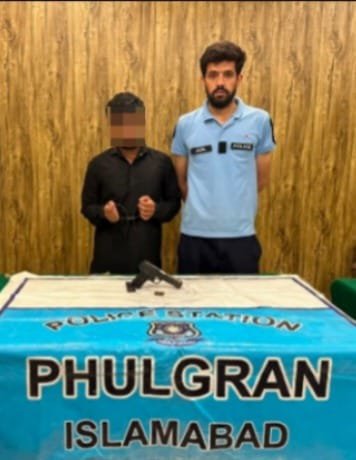
Police Capture Suspect in PAF Officer’s Murder Within Nine Hours

ISLAMABAD — Islamabad Capital Territory (ICT) Police successfully apprehended the prime suspect in the murder of Pakistan Air Force (PAF) Group Captain Asim Tariq Shaheed within nine hours of the incident. The swift operation, which took place on July 5, 2023, was led by Inspector General of Police (IGP) Rizvi and involved a coordinated effort by 11 police teams. What Happened Group Captain Asim Tariq Shaheed, a respected officer in the Pakistan Air Force, was tragically murdered, prompting a rapid response from the ICT Police. The operation to capture the suspect was extensive, involving over 1,100 police personnel. The police utilized a combination of Safe City surveillance, Artificial Intelligence (AI) technology, and human intelligence to track down the suspect. IGP Rizvi stated that the operation was a testament to the police force’s commitment to swiftly bringing perpetrators to justice. “The use of advanced technology and the dedication of our officers played a crucial role in the quick resolution of this case,” he said. The suspect was apprehended in a location identified through surveillance and intelligence gathering, although specific details of the arrest were not disclosed to the public. The murder of Group Captain Asim Tariq Shaheed has sent shockwaves through the military and civilian communities, highlighting the risks faced by those in service. The swift action by the police has been praised by both government officials and the general public as a demonstration of effective law enforcement. Background Group Captain Asim Tariq Shaheed was a distinguished officer in the Pakistan Air Force, known for his dedication and service. His murder marks a significant and tragic event, drawing attention to the security challenges faced by military personnel in Pakistan. The ICT Police, under the leadership of IGP Rizvi, have been focusing on enhancing their operational capabilities through the integration of technology and intelligence to combat crime more effectively. The Safe City project, which played a significant role in this operation, is an initiative aimed at improving urban safety through the use of surveillance cameras and AI. This project has been pivotal in solving various high-profile cases in the past, and its role in the current operation underscores its importance in modern policing strategies. Why It Matters The swift capture of the suspect in Group Captain Asim Tariq Shaheed’s murder case is significant for several reasons. Firstly, it demonstrates the effectiveness of the ICT Police’s operational strategies, particularly their use of technology and intelligence in solving crimes. This success may bolster public confidence in law enforcement agencies, which is crucial for maintaining social order and safety. Secondly, the incident underscores the ongoing security challenges faced by military personnel in Pakistan. The murder of a high-ranking officer like Group Captain Asim Tariq Shaheed raises concerns about the safety of those serving in the armed forces and may prompt a review of security measures for military personnel. Finally, the case highlights the broader implications of crime on national security and the importance of rapid response capabilities. The ability of law enforcement agencies to quickly resolve such cases is vital for deterring future crimes and maintaining stability in the region. Key Takeaways The ICT Police arrested the suspect in Group Captain Asim Tariq Shaheed’s murder within nine hours. The operation involved 11 police teams and over 1,100 personnel, utilizing AI and Safe City surveillance. The swift action demonstrates the effectiveness of modern policing strategies in Pakistan. The incident raises concerns about the security of military personnel in the country. The case highlights the importance of rapid response in maintaining national security. Source Attribution This article is based on official government statements, press releases, and public communications from relevant authorities. Author: NEN Editorial Desk | Editor: NEN Newsroom | Fact Checked By: NEN Editorial Team Author: NEN Editorial Desk  |  Editor: NEN Newsroom  |  Last Updated: July 05, 2026  |  Source: NEN Reporter This article was produced by the NEN Editorial Desk in accordance with NEN Agency’s Editorial Policy and Fact-Checking Policy.
Pakistan

Babar Azam Appointed Pakistan Test Captain for West Indies, England Series

LAHORE — The Pakistan Cricket Board (PCB) Selection Committee announced on Sunday that Babar Azam will replace Shan Masood as the captain of Pakistan’s Test cricket team for the upcoming series against the West Indies and England. The decision was made public during a press conference held at the Gaddafi Stadium. What Happened The PCB Selection Committee, led by Aqib Javed and including members such as Misbah ul Haq, has decided to make a leadership change in the Test cricket team by appointing Babar Azam as the new captain. This decision comes as part of a strategic move to strengthen the team’s performance in the forthcoming international series. Shan Masood, who previously held the captaincy, has been relieved of his duties. In addition to the captaincy change, the committee also announced that fast bowler Shaheen Afridi has been dropped from the squad. The reasons for Afridi’s exclusion were not detailed during the announcement, but it is speculated that recent performance metrics and strategic considerations played a role in this decision. During the press conference, Aqib Javed stated, “We have made these decisions with the future of Pakistan cricket in mind. Babar Azam has proven his leadership capabilities in the limited-overs formats, and we believe he can bring the same success to the Test arena.” Babar Azam, who has been a prominent figure in Pakistan cricket, expressed his enthusiasm and readiness to take on this new challenge. “It is an honor to lead the team, and I am committed to delivering my best for Pakistan cricket,” he said. Background Babar Azam has been a standout performer for Pakistan across all formats of the game. He has previously captained the national team in One Day Internationals (ODIs) and Twenty20 Internationals (T20Is), where his leadership has been praised for its tactical acumen and ability to inspire team cohesion. Shan Masood, who was appointed as Test captain in 2022, had a mixed record with the team. While he led the team to several victories, the recent series losses and inconsistent performances may have influenced the decision to make a change in leadership. Shaheen Afridi, a key player in Pakistan’s bowling lineup, has been a regular feature in the team due to his pace and ability to take wickets. However, his recent form has been under scrutiny, leading to his exclusion from the upcoming series. Why It Matters The appointment of Babar Azam as Test captain is significant for several reasons. First, it signals a shift towards a more unified leadership across all formats of the game, which could lead to a more consistent team strategy. Babar’s experience and success in ODIs and T20Is provide a strong foundation for his new role in Test cricket. Economically, a strong performance in the upcoming series against the West Indies and England could boost the PCB’s revenues through increased viewership and sponsorships. A successful series could also enhance Pakistan’s standing in the ICC Test rankings, attracting more international fixtures and opportunities. Socially, cricket is a major unifying factor in Pakistan, and leadership changes in the national team often have a significant impact on public morale. Babar Azam’s popularity and leadership style are expected to galvanize support from fans and stakeholders alike. Politically, the move reflects the PCB’s commitment to fostering young talent and ensuring that leadership roles are filled by individuals with proven track records. This decision could set a precedent for future selections and leadership appointments within the team. Key Takeaways Babar Azam has been appointed as the new captain of Pakistan’s Test cricket team. Shan Masood has been relieved of his captaincy duties. Shaheen Afridi has been dropped from the squad for the West Indies and England series. The decision aims to bring consistency and success across all formats of the game. This leadership change could have significant economic and social impacts for Pakistan cricket. Source Attribution This article is based on official statements from the Pakistan Cricket Board and public communications from relevant authorities. Author: NEN Editorial Desk | Editor: NEN Newsroom | Fact Checked By: NEN Editorial Team Author: NEN Editorial Desk  |  Editor: NEN Newsroom  |  Last Updated: July 05, 2026  |  Source: NEN Reporter This article was produced by the NEN Editorial Desk in accordance with NEN Agency’s Editorial Policy and Fact-Checking Policy.
Pakistan

DIG Islamabad Reviews Police Development Projects And Readiness

ISLAMABAD — Deputy Inspector General (DIG) Islamabad Muhammad Jawad Tariq chaired a comprehensive meeting on July 5 to assess the administrative affairs, ongoing development projects, financial management, and operational preparedness of the Islamabad Police. The meeting, held in the capital, was attended by senior officials including SSP Security and Administration Suleman Zafar, accountants from the Operations Division, and other relevant officers. What Happened The meeting, led by DIG Muhammad Jawad Tariq, focused on evaluating the progress of various development projects within the Islamabad Police. These projects are part of a broader initiative to enhance the operational capabilities and administrative efficiency of the police force. During the session, detailed presentations were made on the status of ongoing projects, highlighting both achievements and areas requiring further attention. Officials provided updates on financial management strategies, ensuring that resources are being allocated effectively to meet the operational demands of the police force. The meeting also included a review of the operational readiness of the Islamabad Police, with discussions centered on improving response times and enhancing the overall security framework in the capital. According to an official statement, DIG Tariq emphasized the importance of maintaining high standards of operational readiness and urged officers to remain vigilant and proactive in their duties. He stressed the need for continuous training and development of personnel to keep pace with evolving security challenges. Background The Islamabad Police have been undergoing a series of reforms aimed at modernizing the force and improving its efficiency. These reforms include the introduction of new technologies, infrastructure development, and enhanced training programs for personnel. The focus on development projects is part of a larger strategy to strengthen the security apparatus in the capital, which has seen an increase in both population and security threats over the years. Historically, the Islamabad Police have faced challenges related to resource allocation and operational efficiency. Previous efforts to address these issues have included partnerships with international agencies for training and development, as well as government initiatives to increase funding and support for the police force. Why It Matters The review of development projects and operational readiness by the Islamabad Police is crucial for maintaining law and order in the capital. As the administrative and political hub of Pakistan, Islamabad requires a robust security framework to ensure the safety of its residents and the smooth functioning of government operations. Economically, the security of Islamabad is vital for attracting investments and fostering a stable business environment. The capital’s security situation directly impacts the perception of Pakistan’s overall stability, influencing both domestic and international stakeholders. Socially, the effectiveness of the police force in Islamabad sets a precedent for other regions in Pakistan. Successful implementation of development projects and operational strategies can serve as a model for police forces in other cities, contributing to a unified national approach to law enforcement and public safety. Politically, maintaining a secure and well-functioning capital is essential for the government’s credibility and ability to govern effectively. The Islamabad Police play a critical role in this regard, making their operational readiness and administrative efficiency a matter of national importance. Key Takeaways DIG Islamabad Muhammad Jawad Tariq chaired a meeting to review police development projects and operational readiness. The meeting focused on administrative affairs, financial management, and enhancing the operational capabilities of the police force. Ongoing reforms aim to modernize the Islamabad Police through technology, infrastructure, and training. The security of Islamabad is crucial for economic stability and political governance in Pakistan. Effective policing in the capital can serve as a model for other regions in the country. Source Attribution This article is based on official government statements, press releases, and public communications from relevant authorities. Author: NEN Editorial Desk | Editor: NEN Newsroom | Fact Checked By: NEN Editorial Team Author: NEN Editorial Desk  |  Editor: NEN Newsroom  |  Last Updated: July 05, 2026  |  Source: NEN Reporter This article was produced by the NEN Editorial Desk in accordance with NEN Agency’s Editorial Policy and Fact-Checking Policy.
Pakistan

Livestock Farmers in Faisalabad Urged to Settle Outstanding Loans

FAISALABAD — Livestock farmers in Faisalabad have been called upon to clear all outstanding loans under the Phase-I Livestock Card Scheme. Additional Director Livestock Faisalabad, Rubina Anjum, emphasized the importance of settling these dues at the Bank of Punjab to ensure eligibility for the forthcoming Phase-II program. What Happened Rubina Anjum, the Additional Director of Livestock in Faisalabad, has issued a directive urging livestock farmers to promptly settle their outstanding loans and liabilities. These financial obligations were incurred under the Phase-I Livestock Card Scheme, a government initiative aimed at supporting livestock breeders through financial assistance. The call to action is crucial for farmers who wish to participate in the upcoming Phase-II of the program. In her statement, Anjum highlighted that failure to clear these dues would result in ineligibility for the next phase of the scheme. “It is imperative for all livestock cardholders to deposit their outstanding amounts at the Bank of Punjab to benefit from the new phase,” she stated. This directive comes as the government prepares to launch the next phase of the scheme, which promises additional support for livestock farmers. The Livestock Card Scheme, initiated by the government, provides financial assistance to farmers to enhance livestock production and improve their livelihoods. The scheme’s first phase saw numerous farmers receiving loans to invest in their livestock operations. However, the outstanding dues have become a barrier for many who wish to continue benefiting from the program. Background The Livestock Card Scheme was introduced as part of the government’s broader strategy to boost the agricultural sector, particularly livestock farming, which is a significant component of Pakistan’s economy. The initiative was designed to provide financial resources to farmers, enabling them to purchase feed, veterinary services, and other essentials for livestock management. Historically, livestock farming has been a backbone of rural economies in Pakistan, contributing significantly to the livelihoods of millions. The government’s support through schemes like the Livestock Card is aimed at modernizing this sector, increasing productivity, and ensuring food security. The Phase-I of the scheme provided loans to numerous farmers across the region, with the expectation that these funds would be repaid to facilitate further lending. Why It Matters The call for clearing outstanding dues is not merely an administrative requirement; it holds significant implications for the economic stability and growth of the livestock sector in Faisalabad and beyond. By settling these debts, farmers ensure their continued participation in government support programs, which are vital for sustaining and expanding their operations. Economically, the livestock sector is crucial for Pakistan, contributing to GDP and providing employment. The inability of farmers to access further financial support due to outstanding debts could hinder growth and development in this sector. This, in turn, affects food supply chains and the broader economy. Socially, the scheme supports rural communities by providing financial stability and improving living standards. The continuation of such programs is essential for poverty alleviation and rural development. Ensuring that farmers can access Phase-II of the scheme is critical for maintaining these social benefits. Politically, the government’s ability to implement and sustain such programs reflects its commitment to agricultural development and rural prosperity. Successfully managing the transition from Phase-I to Phase-II of the Livestock Card Scheme will be a testament to effective governance and policy implementation. Key Takeaways Livestock farmers in Faisalabad are urged to clear outstanding loans from Phase-I of the Livestock Card Scheme. Failure to settle dues will result in ineligibility for the upcoming Phase-II program. The Livestock Card Scheme is part of a broader government initiative to support the agricultural sector. Clearing debts is crucial for economic stability and continued access to government support. The scheme plays a significant role in rural development and poverty alleviation. Source Attribution This article is based on official government statements, press releases, and public communications from relevant authorities. Author: NEN Editorial Desk | Editor: NEN Newsroom | Fact Checked By: NEN Editorial Team Author: NEN Editorial Desk  |  Editor: NEN Newsroom  |  Last Updated: July 05, 2026  |  Source: NEN Reporter This article was produced by the NEN Editorial Desk in accordance with NEN Agency’s Editorial Policy and Fact-Checking Policy.

Pakistan

Rwanda Celebrates 32nd Liberation Day in Islamabad, Highlights Economic Progress

ISLAMABAD — Rwanda celebrated its 32nd Liberation Day in Islamabad, marking the nation’s progress from the 1994 Genocide against the Tutsi to its current status as one of Africa’s fastest-growing economies. The event was attended by federal ministers, diplomats, parliamentarians, business leaders, and members of the diplomatic community, who gathered to honor Rwanda’s journey toward unity and resilience. What Happened The commemorative event, held in the capital city of Islamabad, was a vibrant affair, reflecting the patriotic spirit and the strong bilateral relations between Rwanda and Pakistan. Federal ministers and diplomats from various countries participated in the celebration, underscoring the importance of international solidarity and cooperation. The gathering served as a platform to showcase Rwanda’s remarkable transformation over the past three decades. During the event, speakers highlighted Rwanda’s economic achievements and its commitment to unity and reconciliation. The Rwandan ambassador to Pakistan emphasized the significance of Liberation Day, stating, “This day is a reminder of our resilience and determination to overcome adversity and build a prosperous nation.” The ambassador also acknowledged Pakistan’s support and friendship, which have been instrumental in fostering bilateral ties. Rwanda’s journey from the devastation of the 1994 genocide to becoming a model of economic growth and stability was a focal point of the celebration. Attendees were reminded of the importance of learning from history to ensure a peaceful and prosperous future. The event concluded with cultural performances that showcased Rwanda’s rich heritage and vibrant culture. Background Rwanda’s Liberation Day, known as Kwibohora, commemorates the end of the 1994 Genocide against the Tutsi, which resulted in the deaths of an estimated 800,000 people. The genocide was halted by the Rwandan Patriotic Front (RPF), led by current President Paul Kagame, who has since guided the country through a period of significant transformation. In the years following the genocide, Rwanda has implemented policies focused on reconciliation, economic development, and poverty reduction. These efforts have led to impressive economic growth, with the country achieving an average annual GDP growth rate of over 7% in the past decade. Rwanda has also made strides in improving healthcare, education, and infrastructure, contributing to its reputation as a stable and progressive nation. Why It Matters Rwanda’s Liberation Day celebration in Islamabad is significant for several reasons. Firstly, it highlights the strong diplomatic relations between Rwanda and Pakistan, which have been built on mutual respect and shared goals of economic development and peace. The event serves as a reminder of the importance of international partnerships in addressing global challenges such as poverty, conflict, and climate change. Economically, Rwanda’s transformation is a testament to the potential for growth and development in Africa. As one of the continent’s fastest-growing economies, Rwanda offers valuable lessons in governance, economic policy, and social cohesion. Its success story can inspire other nations facing similar challenges, demonstrating that progress is possible with the right leadership and policies. Socially, Rwanda’s journey underscores the power of reconciliation and unity in overcoming past atrocities. The country’s efforts to heal and rebuild after the genocide are a powerful example of resilience and hope, offering a blueprint for other nations grappling with conflict and division. Key Takeaways Rwanda celebrated its 32nd Liberation Day in Islamabad, highlighting its economic and social progress. The event underscored the strong bilateral relations between Rwanda and Pakistan. Rwanda’s transformation from the 1994 genocide to a thriving economy was a focal point of the celebration. The country’s success story serves as an inspiration for other nations facing similar challenges. Rwanda’s journey emphasizes the importance of reconciliation and unity in overcoming adversity. Source Attribution This article is based on official government statements, press releases, and public communications from relevant authorities. Author: NEN Editorial Desk | Editor: NEN Newsroom | Fact Checked By: NEN Editorial Team Author: NEN Editorial Desk  |  Editor: NEN Newsroom  |  Last Updated: July 05, 2026  |  Source: NEN Reporter This article was produced by the NEN Editorial Desk in accordance with NEN Agency’s Editorial Policy and Fact-Checking Policy.

Scroll to Top