
World

Welcome to the World section of NEN Agency, your window to the stories shaping our planet. From global politics and economic shifts to science breakthroughs, cultural moments, and humanitarian crises, we connect you to events that matter — wherever they happen.

Inside This Category

  • Global Politics & Diplomacy: International relations, summits, and policy shifts.

  • World Economy & Trade: Market trends, trade agreements, and financial developments.

  • Conflicts & Security: Coverage of wars, peace efforts, and security challenges.

  • Science & Environment: Climate change, technological advances, and space exploration.

  • Culture & Society: Arts, sports, and lifestyle stories from around the globe.

Why Our World Coverage Stands Out
We deliver global news with context, helping readers see how events beyond borders influence life in Pakistan and the wider region.

World

GCWUF Unveils 6th Fashion Design Thesis Display in Faisalabad

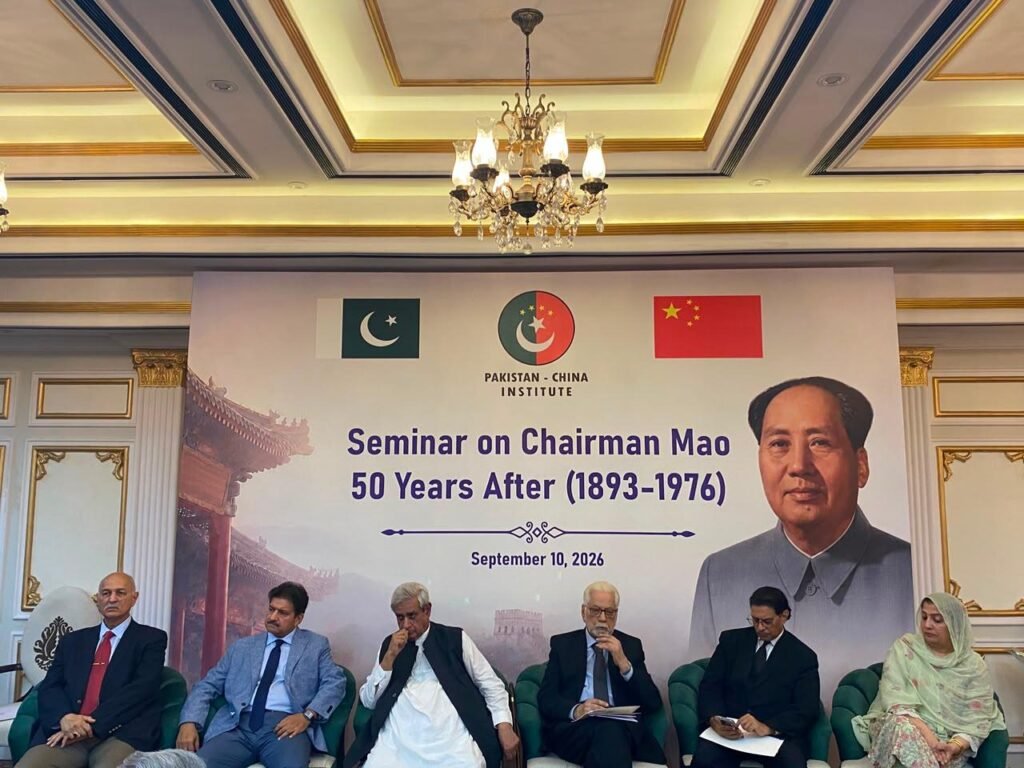
FAISALABAD — The Government College Women University Faisalabad (GCWUF) inaugurated its 6th Fashion Design Thesis Display at the Lyallpur Galleria on June 23, showcasing the creative talents of its students from the Department of Fashion and Textile Design. The event was inaugurated by GCWUF Vice Chancellor Prof Dr Kanwal Amin alongside renowned textile industrialist Amina Khurram. What Happened The 6th Fashion Design Thesis Display at GCWUF aimed to highlight the innovative potential of young female designers. The event, held at Lyallpur Galleria, featured a wide array of fashion projects that demonstrated the students’ skills in textile and fashion design. The thesis display is an annual event that provides a platform for final-year students to present their work to industry professionals, faculty, and the public. Vice Chancellor Prof Dr Kanwal Amin, during the inauguration, emphasized the importance of such platforms in nurturing young talent and preparing students for the competitive fashion industry. “This display not only showcases the hard work and creativity of our students but also serves as a bridge between academia and industry,” she stated. Amina Khurram, a key figure in the textile industry, praised the quality of work presented by the students. She highlighted the importance of innovation in fashion and textile design, noting that these young designers are the future of Pakistan’s fashion industry. “Their creativity and originality are commendable, and events like these are crucial for their professional growth,” Khurram remarked. The display included a variety of fashion pieces ranging from traditional attire to contemporary designs, reflecting a blend of cultural heritage and modern aesthetics. The students’ work was evaluated by a panel of judges comprising industry experts and academic professionals, who provided feedback and guidance to the budding designers. Background The Government College Women University Faisalabad has been a pioneer in women’s education in the region, offering a range of programs in arts, sciences, and humanities. The Department of Fashion and Textile Design has been instrumental in fostering creativity and innovation among its students, encouraging them to explore new trends and techniques in fashion design. The annual thesis display has become a significant event in the university’s calendar, attracting attention from industry leaders and potential employers. It serves as a stepping stone for students to enter the professional world, providing them with exposure and networking opportunities. Why It Matters The fashion and textile industry is a vital sector in Pakistan’s economy, contributing significantly to exports and employment. Events like the GCWUF Fashion Design Thesis Display play a crucial role in preparing the next generation of designers who will drive the industry forward. By showcasing their work, students gain valuable experience and exposure, which is essential for their career development. Furthermore, the event highlights the growing importance of women’s education and empowerment in Pakistan. By providing a platform for female designers to showcase their talent, GCWUF is contributing to the broader goal of gender equality and women’s participation in the workforce. The display also underscores the potential for innovation within the fashion industry. As global trends shift towards sustainable and ethical fashion, young designers from institutions like GCWUF are well-positioned to lead the way in creating environmentally friendly and socially responsible fashion solutions. Key Takeaways The 6th Fashion Design Thesis Display was held at GCWUF, showcasing student talent. Vice Chancellor Prof Dr Kanwal Amin and Amina Khurram inaugurated the event. The display featured a mix of traditional and contemporary fashion designs. The event serves as a bridge between academia and the fashion industry. It highlights the role of women’s education in advancing Pakistan’s fashion sector. Source Attribution The information in this article is sourced from the Associated Press of Pakistan (APP). The details provided are based on the official inauguration event and statements from key participants. Author: NEN Editorial Desk | Editor: NEN Newsroom | Fact Checked By: NEN Editorial Team Author: NEN Editorial Desk  |  Editor: NEN Newsroom  |  Last Updated: June 23, 2026  |  Source: Associated Press of Pakistan (APP) This article was produced by the NEN Editorial Desk in accordance with NEN Agency’s Editorial Policy and Fact-Checking Policy.
World

Training Empowers Women To Turn Kitchen Waste Into Organic Compost

QUETTA — A training session aimed at empowering women to convert kitchen waste into nutrient-rich organic compost was organized in Quetta on June 23. The session, held in collaboration with the World Food Programme (WFP) and ACT International, focused on recycling vegetable and fruit waste from the WFP School Meal Program into high-quality compost for agricultural use. What Happened The training session was chaired by Dr. Qasim Kakar, Director General of the Agriculture Research Institute (ARI) in Balochistan. It was designed to educate women on sustainable waste management practices by transforming kitchen waste into valuable compost. The initiative is part of a broader effort to promote environmental sustainability and enhance agricultural productivity in the region. During the session, participants were taught methods to convert vegetable and fruit waste into compost, which can be used to enrich soil and improve crop yields. This initiative not only aims to reduce waste but also to provide women with skills that can contribute to their economic empowerment. The training included practical demonstrations and interactive discussions led by experts from the WFP and ACT International. Team Leader from WFP emphasized the importance of such initiatives, stating, “Empowering women with these skills not only helps in waste management but also contributes to food security and economic stability in their communities.” The session highlighted the role of women in sustainable agriculture and how their involvement can lead to more resilient food systems. Background Balochistan, Pakistan’s largest province by area, faces significant challenges in waste management and agricultural productivity. The region’s arid climate and limited resources make sustainable agricultural practices crucial. The WFP School Meal Program, which provides meals to children in schools, generates a considerable amount of organic waste. This training session is part of an ongoing effort to address these challenges by promoting the recycling of organic waste into compost. Historically, waste management in Pakistan has been a pressing issue, with large amounts of organic waste ending up in landfills. Initiatives like this training session aim to change this trend by encouraging the use of organic waste as a resource rather than a burden. Why It Matters This training session is significant for several reasons. Economically, it provides women with skills that can lead to new income-generating opportunities. By learning to produce and sell organic compost, women can contribute to their household income and improve their economic standing. Socially, the initiative empowers women by involving them in community development and environmental sustainability efforts. It recognizes the crucial role women play in agriculture and waste management, offering them a platform to contribute meaningfully to their communities. Environmentally, the project promotes sustainable waste management practices, reducing the amount of organic waste that ends up in landfills. By converting waste into compost, the initiative supports healthier soil and more productive agricultural practices, which are essential for food security in the region. Internationally, this initiative aligns with global sustainability goals, such as the United Nations’ Sustainable Development Goals, particularly those related to responsible consumption and production, and climate action. It showcases Pakistan’s commitment to addressing environmental challenges through innovative and community-driven solutions. Key Takeaways The training session in Quetta focused on converting kitchen waste into organic compost. Women participants were empowered with skills for sustainable waste management. The initiative supports economic empowerment and environmental sustainability. It aligns with global sustainability goals and addresses local agricultural challenges. The project is a collaboration between WFP, ACT International, and ARI Balochistan. Source Attribution The information in this article was sourced from the Associated Press of Pakistan (APP), which reported on the training session organized in collaboration with the World Food Programme and ACT International. The details provided are based on official statements and the event’s proceedings as reported by APP. Author: NEN Editorial Desk | Editor: NEN Newsroom | Fact Checked By: NEN Editorial Team Author: NEN Editorial Desk  |  Editor: NEN Newsroom  |  Last Updated: June 23, 2026  |  Source: Associated Press of Pakistan This article was produced by the NEN Editorial Desk in accordance with NEN Agency’s Editorial Policy and Fact-Checking Policy.
World

President Zardari Honors Women for Contributions to Global Diplomacy

ISLAMABAD — On June 23, President Asif Ali Zardari commemorated the ‘International Day of Women in Diplomacy’ by honoring the contributions of women who have played pivotal roles in fostering international dialogue and cooperation. He emphasized their significant impact on strengthening global engagement and resolving conflicts. What Happened President Asif Ali Zardari, in a statement issued from Islamabad, acknowledged the invaluable contributions of women in diplomacy. On the occasion of the ‘International Day of Women in Diplomacy,’ he praised their efforts in advancing dialogue, understanding, and cooperation among nations. President Zardari highlighted that these women have been instrumental in supporting the peaceful resolution of disputes, often in challenging and uncertain circumstances. The President noted, “Their work has strengthened international engagement and supported the peaceful resolution of disputes in difficult and often uncertain circumstances.” This acknowledgment comes as part of a broader initiative to recognize the role of women in various fields, particularly in diplomacy, where their influence has been significant yet often underappreciated. President Zardari’s tribute aligns with global efforts to highlight the importance of gender equality in diplomatic roles. The ‘International Day of Women in Diplomacy’ serves as a reminder of the progress made and the challenges that remain in achieving equal representation in international relations. Background The ‘International Day of Women in Diplomacy’ is observed globally to recognize the contributions of women in diplomatic services. This day aims to promote gender equality and empower women in leadership roles within international relations. Historically, diplomacy has been a male-dominated field, but recent years have seen a gradual shift towards more inclusive representation. In Pakistan, the role of women in diplomacy has evolved significantly over the years. Women diplomats have been at the forefront of several key negotiations and peacekeeping efforts, both regionally and globally. The government’s commitment to gender equality in diplomatic services is reflected in its policies and initiatives aimed at increasing female representation in the Foreign Service. Why It Matters The recognition of women in diplomacy by President Zardari is not just a ceremonial gesture but a critical acknowledgment of their role in shaping international relations. Women’s participation in diplomacy brings diverse perspectives and approaches to conflict resolution, which are essential in today’s complex geopolitical landscape. Economically, empowering women in diplomacy can lead to more comprehensive and sustainable policy outcomes. Studies have shown that gender-diverse teams are more effective in decision-making, which can translate into more robust international agreements and collaborations. Socially, this recognition helps break down stereotypes and encourages more women to pursue careers in diplomacy. It sends a strong message about the value of inclusivity and equality in all sectors, including those traditionally dominated by men. Internationally, Pakistan’s emphasis on gender equality in diplomacy enhances its image as a progressive nation committed to global norms and values. This can improve bilateral and multilateral relations, opening doors for more collaborative efforts on issues such as climate change, trade, and security. Key Takeaways President Zardari honored women diplomats on the ‘International Day of Women in Diplomacy’ for their contributions to global dialogue and cooperation. Women in diplomacy have played crucial roles in conflict resolution and strengthening international engagement. The recognition highlights the importance of gender equality in diplomatic services and its impact on effective decision-making. Pakistan’s acknowledgment of women’s contributions in diplomacy enhances its international image as a nation committed to inclusivity and progress. Empowering women in diplomacy can lead to more comprehensive and sustainable international policies. Source Attribution The information in this article is based on a statement from President Asif Ali Zardari reported by the Associated Press of Pakistan (APP). The source material provides a direct quote from the President and outlines the context of the ‘International Day of Women in Diplomacy.’ While the statement offers a comprehensive overview, further details on specific initiatives or examples of women’s contributions in diplomacy were not provided. Author: NEN Editorial Desk | Editor: NEN Newsroom | Fact Checked By: NEN Editorial Team Author: NEN Editorial Desk  |  Editor: NEN Newsroom  |  Last Updated: June 23, 2026  |  Source: APP This article was produced by the NEN Editorial Desk in accordance with NEN Agency’s Editorial Policy and Fact-Checking Policy.
World

Pakistan Stock Exchange Sees Continued Decline, Loses 778 Points

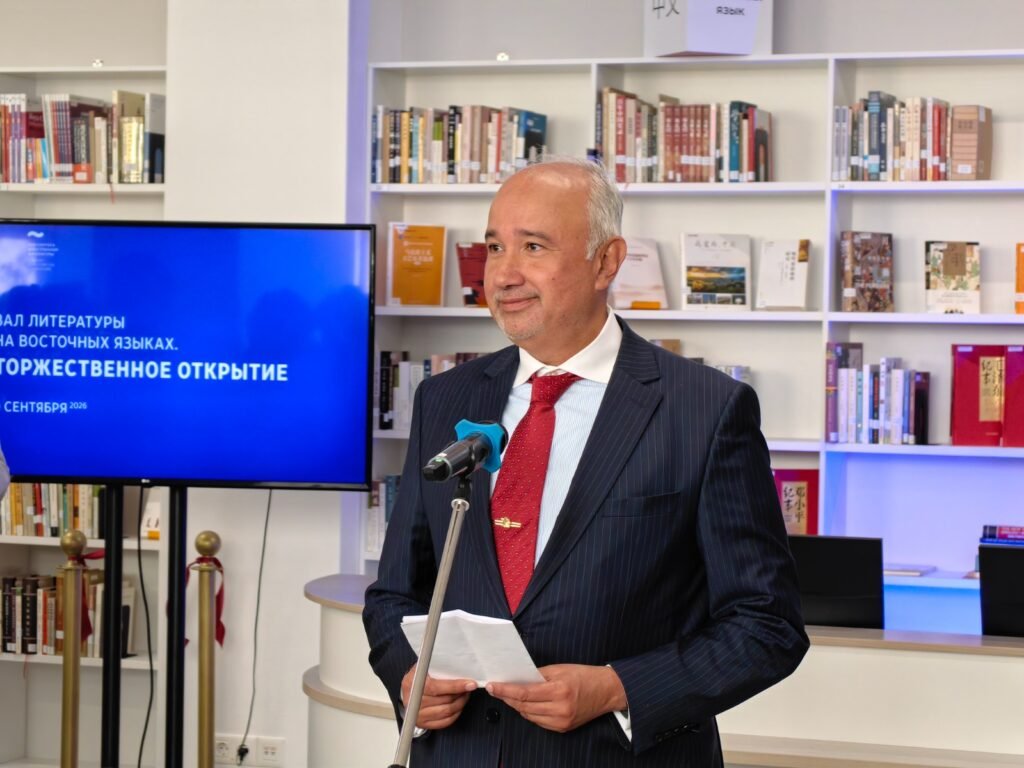
ISLAMABAD — The Pakistan Stock Exchange (PSX) witnessed a continued bearish trend on Tuesday as the benchmark KSE-100 Index fell by 778.95 points, marking a 0.44 percent decline. The index closed at 177,692.92 points, down from 178,471.87 points recorded on the previous trading day. What Happened The PSX’s performance on Tuesday reflected a persistent downturn, with the KSE-100 Index shedding a significant 778.95 points. This decline brought the index to a close of 177,692.92 points. The trading session saw a considerable volume of activity, with the ready market recording a trading volume of 765.143 million shares. The negative sentiment in the market was attributed to various factors, including investor concerns over the economic outlook and external pressures on Pakistan’s financial markets. Market analysts noted that the decline was influenced by a mix of domestic and international factors. The ongoing economic challenges, including inflationary pressures and currency depreciation, have contributed to investor caution. Additionally, global market trends and geopolitical tensions have also played a role in shaping investor sentiment. According to a market analyst, “The PSX is experiencing a challenging period as investors remain wary of the economic indicators and the impact of global market fluctuations. The current trend reflects a cautious approach by investors as they navigate through uncertain economic conditions.” Background The Pakistan Stock Exchange has faced a series of challenges over the past year, with fluctuations in the index driven by both domestic and international developments. The country’s economy has been grappling with high inflation rates, a depreciating currency, and fiscal deficits, which have collectively impacted investor confidence. The government has been implementing various measures to stabilize the economy, including seeking assistance from international financial institutions and introducing economic reforms. Historically, the PSX has been sensitive to political and economic changes, with indices often reflecting broader economic trends. The recent decline is part of a broader pattern observed in emerging markets, where external shocks and internal economic challenges have led to volatility in stock markets. Why It Matters The continued bearish trend at the PSX is significant for several reasons. Economically, it reflects underlying concerns about the stability and growth prospects of Pakistan’s economy. The decline in the stock market can affect investor confidence, potentially leading to reduced investment inflows and slower economic growth. For businesses, a bearish market can impact their ability to raise capital and expand operations, which in turn affects employment and economic activity. Socially, the stock market’s performance can influence public sentiment regarding the economic health of the country. A prolonged downturn may lead to increased public concern over economic policies and the government’s ability to manage economic challenges effectively. Politically, the stock market’s performance can be a barometer for the government’s economic management, influencing public opinion and potentially affecting political stability. Internationally, the performance of the PSX is closely watched by foreign investors and financial institutions. A declining market may deter foreign investment, which is crucial for economic growth and development. The government’s ability to address the factors contributing to the bearish trend will be critical in restoring investor confidence and ensuring economic stability. Key Takeaways The KSE-100 Index of the PSX fell by 778.95 points, a 0.44 percent decline. The index closed at 177,692.92 points, with a trading volume of 765.143 million shares. Investor concerns over economic challenges and global market trends contributed to the decline. The bearish trend reflects broader economic challenges facing Pakistan, including inflation and currency depreciation. The performance of the PSX has significant economic, social, and political implications for the country. Source Attribution The information in this article is based on a report from the Associated Press of Pakistan (APP). The source provides a factual account of the PSX’s performance but does not delve into detailed economic analysis or future projections. Author: NEN Editorial Desk | Editor: NEN Newsroom | Fact Checked By: NEN Editorial Team Author: NEN Editorial Desk  |  Editor: NEN Newsroom  |  Last Updated: June 23, 2026  |  Source: Associated Press of Pakistan This article was produced by the NEN Editorial Desk in accordance with NEN Agency’s Editorial Policy and Fact-Checking Policy.

World

CCP Approves Kemyion’s Acquisition Of BASF Pakistan

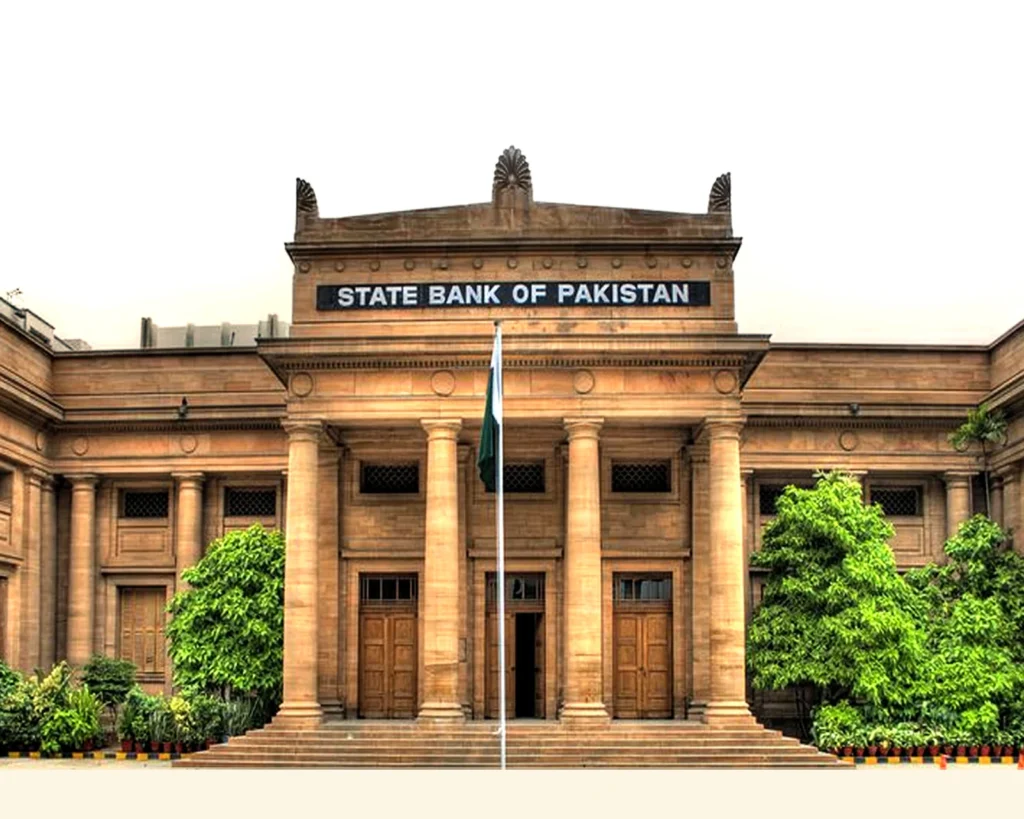
ISLAMABAD — The Competition Commission of Pakistan (CCP) has approved the acquisition of BASF Pakistan (Private) Limited by Kemyion Chemical Solutions Trading FZCO, a company based in the United Arab Emirates. The decision, announced on Tuesday, follows a Phase-I review under the Competition Act, 2010. What Happened The CCP’s approval came after Kemyion Chemical Solutions Trading FZCO submitted a pre-merger application to acquire the entire shareholding of BASF Pakistan. The review process, conducted under the guidelines of the Competition Act, 2010, ensured that the acquisition would not substantially lessen competition in the relevant market. The Phase-I review is the initial stage of assessment where the commission evaluates the potential impact of a merger or acquisition on market competition. The CCP’s decision allows Kemyion to proceed with the acquisition, marking a significant step for the UAE-based company in expanding its footprint in Pakistan’s chemical industry. BASF Pakistan, a subsidiary of the global chemical giant BASF, has been a key player in the local market, providing a range of chemical products and solutions. This acquisition is part of Kemyion’s strategic expansion plans, aiming to enhance its capabilities and market presence in the region. The transaction is expected to bring operational synergies and strengthen Kemyion’s portfolio in the chemical sector. Background The Competition Commission of Pakistan is responsible for ensuring fair competition in the market and preventing anti-competitive practices. Under the Competition Act, 2010, the commission has the authority to review mergers and acquisitions to prevent market dominance that could harm consumer interests. The Phase-I review is a preliminary assessment, and if concerns arise, a more detailed Phase-II investigation may be conducted. BASF Pakistan has been operating in the country for several decades, contributing to various sectors including agriculture, construction, and industrial chemicals. The company is known for its innovation and sustainable solutions, aligning with global standards set by its parent company, BASF SE. Kemyion Chemical Solutions Trading FZCO, headquartered in the UAE, is involved in the trading and distribution of chemical products across the Middle East and South Asia. The acquisition of BASF Pakistan aligns with its strategy to expand its market reach and diversify its product offerings. Why It Matters The approval of this acquisition has significant implications for Pakistan’s chemical industry. It reflects the growing interest of international companies in the Pakistani market, which is seen as a strategic location for expansion due to its large consumer base and growing industrial sector. For Kemyion, acquiring BASF Pakistan is a strategic move to enhance its market position and leverage BASF’s established brand and customer base in Pakistan. This acquisition could lead to increased competition in the chemical sector, potentially benefiting consumers through better pricing and innovative products. Economically, the acquisition may lead to increased foreign investment in Pakistan, signaling confidence in the country’s regulatory framework and market potential. It could also create job opportunities and foster technological advancements in the chemical industry. Politically, this move may strengthen economic ties between Pakistan and the UAE, encouraging further bilateral trade and investment. It also highlights the role of the CCP in maintaining a balanced competitive environment, crucial for attracting foreign investment. Key Takeaways The CCP approved Kemyion’s acquisition of BASF Pakistan following a Phase-I review. This acquisition is part of Kemyion’s strategy to expand its presence in Pakistan’s chemical industry. The transaction is expected to enhance competition and bring operational synergies. BASF Pakistan has been a significant player in the local market, contributing to various sectors. The acquisition may lead to increased foreign investment and economic growth in Pakistan. Source Attribution The information for this article was sourced from the Associated Press Of Pakistan (APP). The APP report provided details on the CCP’s approval process and the strategic implications of the acquisition. As a government news agency, APP’s reports are considered reliable, although they may not cover all aspects of the transaction or its broader implications. Author: NEN Editorial Desk | Editor: NEN Newsroom | Fact Checked By: NEN Editorial Team Author: NEN Editorial Desk  |  Editor: NEN Newsroom  |  Last Updated: June 23, 2026  |  Source: APP This article was produced by the NEN Editorial Desk in accordance with NEN Agency’s Editorial Policy and Fact-Checking Policy.
World

Pakistan Reaffirms Commitment to Women’s Empowerment, Says Talal Chaudhry

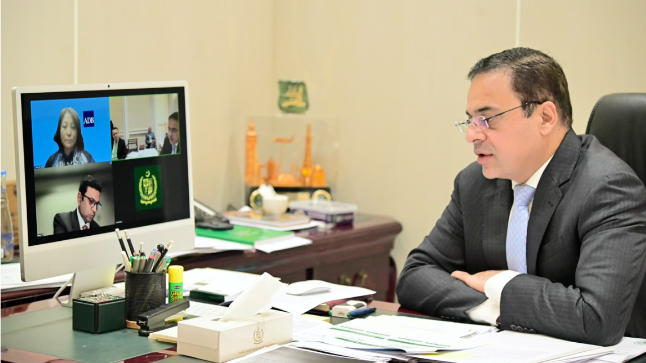
ISLAMABAD — Minister of State for Interior Talal Chaudhry stated on Monday that the Government of Pakistan remains steadfast in its commitment to women’s empowerment, underscoring the essential role of women in national progress, economic growth, social cohesion, and sustainable peace. Chaudhry made these remarks during a public address, emphasizing the government’s dedication to ensuring women’s meaningful participation in all spheres of national life. What Happened During a public address on June 23, 2023, Minister Talal Chaudhry highlighted the government’s ongoing efforts to promote women’s empowerment in Pakistan. He stressed that empowering women is not only a matter of social justice but also a crucial component for achieving economic development and national stability. Chaudhry stated, “Empowering women is essential for national progress, economic growth, social cohesion, and sustainable peace.” His comments reflect the government’s broader strategy to integrate women into various sectors, thereby enhancing their role in society. Chaudhry’s address comes at a time when Pakistan is striving to improve its global standing in gender equality. The government has been implementing policies aimed at increasing women’s participation in the workforce, education, and politics. These initiatives include legislative measures, educational reforms, and economic incentives designed to create a more inclusive environment for women. The Minister also acknowledged the challenges that remain in achieving these goals, including cultural barriers and systemic inequalities. However, he reaffirmed the government’s resolve to overcome these obstacles through sustained policy efforts and collaboration with civil society organizations. Background Pakistan has historically faced significant challenges in terms of gender equality. According to the Global Gender Gap Report 2022, Pakistan ranks among the lowest in terms of gender parity. Despite these challenges, there have been notable efforts to improve the situation. The government has introduced various initiatives aimed at empowering women, such as the Benazir Income Support Programme and the Women’s Protection Bill. In recent years, there has been a growing recognition of the importance of women’s contributions to the economy and society at large. This has led to increased advocacy for women’s rights and the implementation of policies aimed at reducing gender disparities. The government’s commitment to women’s empowerment is part of a broader agenda to meet international commitments, such as the United Nations Sustainable Development Goals (SDGs), which emphasize gender equality as a key objective. Why It Matters The empowerment of women is a critical issue with far-reaching implications for Pakistan’s social and economic development. Women’s participation in the workforce can significantly boost economic growth by increasing household incomes and reducing poverty levels. Furthermore, when women are empowered, they are more likely to invest in the health and education of their children, leading to better outcomes for future generations. On a social level, empowering women contributes to greater social cohesion and stability. It helps to break down gender stereotypes and promotes a more inclusive society where individuals are valued for their contributions regardless of gender. This can lead to a reduction in gender-based violence and discrimination, fostering a more harmonious community. Politically, women’s empowerment is essential for a more representative and democratic society. Increasing the number of women in decision-making positions can lead to more balanced and inclusive policy-making, reflecting the needs and interests of the entire population. This is particularly important in Pakistan, where women have historically been underrepresented in political and leadership roles. Key Takeaways Minister Talal Chaudhry reaffirmed the government’s commitment to women’s empowerment in Pakistan. Empowering women is seen as essential for national progress, economic growth, and social cohesion. Pakistan faces challenges in gender equality but is implementing policies to improve women’s participation. Women’s empowerment has significant economic, social, and political implications for the country. The government’s efforts align with international commitments to gender equality and sustainable development. Source Attribution The information in this article is based on a report from the Associated Press of Pakistan (APP), which provided details of Minister Talal Chaudhry’s address on the government’s commitment to women’s empowerment. The source material was limited to Chaudhry’s public statements and did not include specific policy details or statistical data. Author: NEN Editorial Desk | Editor: NEN Newsroom | Fact Checked By: NEN Editorial Team Author: NEN Editorial Desk  |  Editor: NEN Newsroom  |  Last Updated: June 23, 2026  |  Source: Associated Press of Pakistan This article was produced by the NEN Editorial Desk in accordance with NEN Agency’s Editorial Policy and Fact-Checking Policy.
World

Sarfraz Bugti Emphasizes Merit-Based Reforms and Educational Excellence

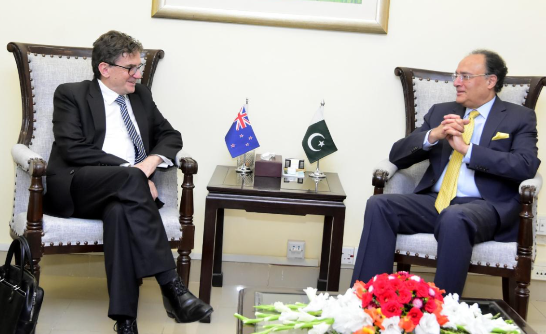
QUETTA — Chief Minister Balochistan Mir Sarfraz Bugti reiterated the provincial government’s dedication to merit-based reforms on Tuesday, June 23. In a series of meetings with provincial ministers, parliamentary secretaries, and members of the provincial assembly, Bugti emphasized the importance of transparency and equal opportunities to empower the youth through education and competitive examinations. What Happened During the meetings held in Quetta, Chief Minister Sarfraz Bugti underscored the provincial government’s ongoing efforts to implement merit-based reforms. He stated that these reforms are essential for ensuring transparency and providing equal opportunities for all, particularly focusing on the youth of Balochistan. Bugti highlighted the government’s commitment to practical measures that aim to harness the potential of young individuals by encouraging them to excel in their educational pursuits and competitive exams. Bugti’s discussions with various government officials and political figures centered around strategies to enhance the educational framework in the province. He stressed the need for a robust educational system that could serve as a foundation for the youth to compete at national and international levels. According to Bugti, “Our focus remains on creating an environment where merit prevails and every young person has the opportunity to succeed based on their abilities and hard work.” The Chief Minister also called for collaborative efforts among government departments to ensure that the reforms are effectively implemented. He urged officials to work towards eliminating any barriers that might hinder the progress of deserving students and to facilitate their access to quality education and resources. Background Balochistan, Pakistan’s largest province by area, has historically faced challenges in educational development due to its remote geography and limited infrastructure. Over the years, successive governments have attempted to address these issues through various educational reforms and initiatives aimed at improving literacy rates and educational outcomes. The current administration under Chief Minister Sarfraz Bugti has prioritized educational reforms as a means to uplift the socio-economic status of the province. The emphasis on merit-based systems is part of a broader strategy to combat nepotism and favoritism, which have been persistent issues in the region’s governance and public sector employment. Why It Matters The focus on merit-based reforms in Balochistan is significant for several reasons. Firstly, it addresses the long-standing issue of unequal access to educational and employment opportunities, which has contributed to socio-economic disparities in the province. By promoting a system where merit is the primary criterion for success, the government aims to create a more equitable society. Economically, these reforms could lead to a more skilled and competitive workforce, attracting investment and fostering development in the region. Education is a key driver of economic growth, and by improving educational outcomes, Balochistan could see enhanced productivity and innovation. Socially, empowering the youth through education can lead to greater civic engagement and stability. Educated individuals are more likely to participate in democratic processes and contribute positively to their communities. This could result in a more vibrant and participatory society in Balochistan. Politically, the emphasis on transparency and merit can strengthen public trust in the government. By demonstrating a commitment to fairness and accountability, the provincial administration can build confidence among citizens, which is crucial for effective governance and policy implementation. Key Takeaways Chief Minister Sarfraz Bugti reaffirms commitment to merit-based reforms in Balochistan. The focus is on transparency and equal opportunities for youth in education and competitive exams. Educational reforms aim to address historical challenges and improve socio-economic outcomes. Merit-based systems could enhance economic growth and social stability in the province. The initiative seeks to build public trust in government through fairness and accountability. Source Attribution The information in this article is based on a report from the Associated Press of Pakistan (APP). The source provides an official account of the Chief Minister’s statements and the provincial government’s initiatives. Limitations of the source material include the lack of detailed statistical data and independent verification of the claims made during the meetings. Author: NEN Editorial Desk | Editor: NEN Newsroom | Fact Checked By: NEN Editorial Team Author: NEN Editorial Desk  |  Editor: NEN Newsroom  |  Last Updated: June 23, 2026  |  Source: Associated Press of Pakistan (APP) This article was produced by the NEN Editorial Desk in accordance with NEN Agency’s Editorial Policy and Fact-Checking Policy.
World

Minister Bilal Akbar Oversees Muharram Security Preparations in Jhang

FAISALABAD — Provincial Transport Minister Bilal Akbar Khan, accompanied by Advisor to Chief Minister on Political Affairs Zeeshan Malik, conducted a comprehensive review of security and administrative arrangements for Muharram-ul-Haram processions in Jhang district on June 23, 2023. What Happened During the visit, Minister Bilal Akbar Khan and Advisor Zeeshan Malik were briefed on the measures being implemented to ensure the safety and security of participants in the Muharram processions. The review session included discussions with key officials such as Divisional Commissioner Musarrat Jabeen, Regional Police Officer (RPO) Sohail Akhtar Sukhera, Deputy Commissioner (DC) Jhang Ali Akbar Bhinder, and District Police Officer (DPO) Jhang. Minister Akbar emphasized the importance of maintaining law and order during Muharram, a time of significant religious observance for the Shia Muslim community. He stated, “The safety of our citizens is paramount, and we are committed to ensuring that the Muharram processions proceed peacefully.” The minister also stressed the need for coordination among various departments, including police, health services, and local administration, to address any potential challenges. The security plan includes deploying additional police personnel, setting up checkpoints, and monitoring procession routes through CCTV cameras. The authorities have also planned for emergency medical services to be readily available along the procession paths. Minister Akbar noted that these measures are crucial in preventing any untoward incidents and ensuring a peaceful observance of Muharram. Background Muharram, the first month of the Islamic lunar calendar, holds significant religious importance, particularly for the Shia Muslim community. It commemorates the martyrdom of Imam Hussain, the grandson of Prophet Muhammad, at the Battle of Karbala. The month is marked by processions and gatherings, especially on the 9th and 10th days, known as Tasu’a and Ashura, respectively. In Pakistan, Muharram processions are held across the country, drawing large crowds. Given the historical sectarian tensions, security arrangements are a critical focus for the government to prevent any violence or disruptions. The government typically enhances security measures during this period to safeguard participants and maintain public order. Why It Matters The security arrangements for Muharram processions are of paramount importance due to the potential for sectarian violence. Ensuring the safety of participants not only protects lives but also upholds religious freedoms and social harmony. Effective security measures during Muharram can prevent sectarian tensions from escalating, which is crucial for maintaining peace in a diverse society like Pakistan. Moreover, the government’s proactive approach in Jhang, a district with a history of sectarian strife, reflects its commitment to preventing violence and fostering unity. The involvement of high-level officials in reviewing security plans underscores the seriousness with which the government views these potential threats. Economically, maintaining peace during Muharram can prevent disruptions to local businesses and daily life, which are often affected by unrest. Socially, it reinforces the government’s responsibility to protect all citizens and their rights to religious expression. Internationally, a peaceful Muharram can enhance Pakistan’s image as a country capable of managing its internal security challenges effectively. Key Takeaways Minister Bilal Akbar Khan reviewed security plans for Muharram processions in Jhang. Coordination among police, health, and local administration is emphasized for safety. Muharram is a significant period requiring heightened security due to potential sectarian tensions. The government’s proactive measures aim to ensure peaceful observance of religious events. Effective security during Muharram can positively impact Pakistan’s social and economic stability. Source Attribution The information in this article is based on a report by the Associated Press of Pakistan (APP). The coverage provides an overview of the security preparations for Muharram in Jhang, highlighting the involvement of various government officials and the measures being implemented. Author: NEN Editorial Desk | Editor: NEN Newsroom | Fact Checked By: NEN Editorial Team Author: NEN Editorial Desk  |  Editor: NEN Newsroom  |  Last Updated: June 23, 2026  |  Source: Associated Press of Pakistan This article was produced by the NEN Editorial Desk in accordance with NEN Agency’s Editorial Policy and Fact-Checking Policy.
World

Karachi Cash Van Heist Solved, Rs 200 Million Recovered

KARACHI — The Karachi police have successfully solved the high-profile cash van heist that resulted in the theft of Rs 300 million. The authorities have arrested the main suspect and recovered Rs 200 million of the stolen amount, as announced during a press conference at the office of the Deputy Inspector General (DIG) West on Tuesday. What Happened The daring robbery occurred when a cash van, transporting a substantial sum from a local bank, was intercepted by armed assailants. The incident took place in a busy area of Karachi, causing significant concern among the public and prompting a swift response from law enforcement agencies. Within a few days of the heist, the police managed to track down and apprehend the principal accused, thanks to coordinated efforts and intelligence-led operations. During the press conference, the DIG West detailed the investigative process that led to the breakthrough. “Our teams worked tirelessly, analyzing CCTV footage and gathering intelligence from various sources. This collaborative effort was crucial in identifying and capturing the suspect,” he stated. The recovery of Rs 200 million was a significant success, although efforts are ongoing to retrieve the remaining stolen funds. The arrested suspect is believed to have orchestrated the heist with the help of accomplices, who are still at large. The police have launched a manhunt to apprehend the remaining members of the gang. The DIG West assured the public that all necessary resources are being deployed to ensure the swift capture of the fugitives and the recovery of the remaining money. Background Cash van heists have been a recurring issue in Karachi, often involving well-planned operations by criminal gangs. The city has seen several such incidents over the years, prompting authorities to enhance security measures for cash transportation. The police have been working closely with banks and security companies to develop strategies to prevent such robberies, including the use of GPS tracking and increased surveillance. In recent years, the Sindh police have made significant strides in combating organized crime, but challenges remain. The successful resolution of this case is seen as a testament to the improved capabilities and coordination among law enforcement agencies in the region. Why It Matters The resolution of the cash van heist is significant for several reasons. Economically, the recovery of Rs 200 million is a substantial relief for the affected bank and its customers. Such incidents can undermine public confidence in financial institutions and the security of cash transactions, making the swift action by the police crucial in maintaining trust. Socially, the case highlights the ongoing struggle against organized crime in Karachi. The city’s reputation has often been marred by incidents of violence and theft, affecting both local businesses and foreign investment. Successful law enforcement operations like this one are essential in improving the city’s image and ensuring a safer environment for its residents. Politically, the case underscores the importance of effective policing and the need for continued investment in law enforcement resources and training. It also highlights the role of community cooperation in solving crimes, as public tips and information were instrumental in the investigation. Key Takeaways The Karachi police have solved a major cash van heist, recovering Rs 200 million. The main suspect has been arrested, while accomplices remain at large. Cash van heists have been a recurring issue, prompting enhanced security measures. The case highlights the importance of effective policing and community cooperation. The successful resolution is crucial for maintaining public trust in financial security. Source Attribution The information in this article is based on a report from the Associated Press of Pakistan (APP), which provided details from a press conference held by the Deputy Inspector General (DIG) West. The source material was limited to the official statements given during the press conference. Author: NEN Editorial Desk | Editor: NEN Newsroom | Fact Checked By: NEN Editorial Team Author: NEN Editorial Desk  |  Editor: NEN Newsroom  |  Last Updated: June 23, 2026  |  Source: APP This article was produced by the NEN Editorial Desk in accordance with NEN Agency’s Editorial Policy and Fact-Checking Policy.

World

SPAL Conducts Zero Waste Initiative in Lahore’s Gulberg Town

LAHORE — The Suthra Punjab Agency Lahore (SPAL) executed a comprehensive zero-waste operation in Gulberg Town on Tuesday, aligning with the environmental vision of Punjab Chief Minister Maryam Nawaz Sharif. The initiative saw the deployment of over 1,000 sanitation workers and 134 operational vehicles to ensure the town was thoroughly cleaned. What Happened The zero-waste operation in Gulberg Town was part of SPAL’s broader strategy to enhance cleanliness and environmental sustainability across Lahore. The operation, which took place on June 23, involved a massive workforce of over 1,000 sanitation workers who were tasked with cleaning streets, collecting waste, and ensuring proper disposal. A fleet of 134 vehicles was utilized to facilitate the collection and transportation of waste to designated disposal sites. SPAL’s operation was conducted under the directives of Punjab Chief Minister Maryam Nawaz Sharif, who has emphasized the importance of sustainable waste management practices in urban areas. The initiative is part of a series of efforts aimed at transforming Lahore into a cleaner and more environmentally friendly city. The agency focused on key areas within Gulberg Town, ensuring that public spaces, residential areas, and commercial zones were all included in the operation. The comprehensive nature of the cleanup was designed to not only address immediate waste issues but also to set a precedent for ongoing waste management practices in the region. Background The Suthra Punjab Agency Lahore (SPAL) was established as part of the provincial government’s efforts to address waste management challenges in urban areas. Lahore, being one of the largest cities in Pakistan, faces significant challenges related to waste management due to its dense population and rapid urbanization. In recent years, the Punjab government has launched several initiatives to improve waste management and promote environmental sustainability. These efforts include the introduction of modern waste collection and disposal systems, public awareness campaigns, and the implementation of policies aimed at reducing waste generation. Chief Minister Maryam Nawaz Sharif has been a vocal advocate for environmental issues, and her administration has prioritized initiatives that align with sustainable development goals. The zero-waste operation in Gulberg Town is one of many steps taken by the provincial government to enhance urban cleanliness and promote a healthier environment for residents. Why It Matters The zero-waste operation in Gulberg Town is significant for several reasons. Firstly, it addresses the immediate need for effective waste management in one of Lahore’s key urban areas. By mobilizing a large workforce and utilizing numerous vehicles, SPAL demonstrated its commitment to tackling waste issues head-on. Economically, effective waste management can lead to cost savings for the city by reducing the need for frequent cleanups and minimizing the environmental impact of waste. Socially, cleaner urban environments contribute to improved public health and quality of life for residents, reducing the risk of disease transmission and enhancing the overall livability of the city. Politically, the operation reflects the Punjab government’s commitment to environmental sustainability, which is increasingly important in the face of global climate challenges. By prioritizing such initiatives, the government positions itself as a leader in sustainable urban development, potentially attracting investment and support from international agencies focused on environmental issues. Key Takeaways SPAL conducted a zero-waste operation in Lahore’s Gulberg Town, deploying over 1,000 workers and 134 vehicles. The operation aligns with the environmental vision of Punjab Chief Minister Maryam Nawaz Sharif. Efforts are part of broader initiatives to improve waste management and promote sustainability in Lahore. Effective waste management can lead to economic savings and improved public health. The initiative reflects the Punjab government’s commitment to sustainable urban development. Source Attribution The information in this article was sourced from the Associated Press of Pakistan (APP). The report provided details on the operation conducted by the Suthra Punjab Agency Lahore (SPAL) and the involvement of Punjab Chief Minister Maryam Nawaz Sharif. While the source provided a comprehensive overview of the event, further details on the long-term impact of the initiative were not included. Author: NEN Editorial Desk | Editor: NEN Newsroom | Fact Checked By: NEN Editorial Team Author: NEN Editorial Desk  |  Editor: NEN Newsroom  |  Last Updated: June 23, 2026  |  Source: APP This article was produced by the NEN Editorial Desk in accordance with NEN Agency’s Editorial Policy and Fact-Checking Policy.

Scroll to Top