
World

Welcome to the World section of NEN Agency, your window to the stories shaping our planet. From global politics and economic shifts to science breakthroughs, cultural moments, and humanitarian crises, we connect you to events that matter — wherever they happen.

Inside This Category

  • Global Politics & Diplomacy: International relations, summits, and policy shifts.

  • World Economy & Trade: Market trends, trade agreements, and financial developments.

  • Conflicts & Security: Coverage of wars, peace efforts, and security challenges.

  • Science & Environment: Climate change, technological advances, and space exploration.

  • Culture & Society: Arts, sports, and lifestyle stories from around the globe.

Why Our World Coverage Stands Out
We deliver global news with context, helping readers see how events beyond borders influence life in Pakistan and the wider region.

World

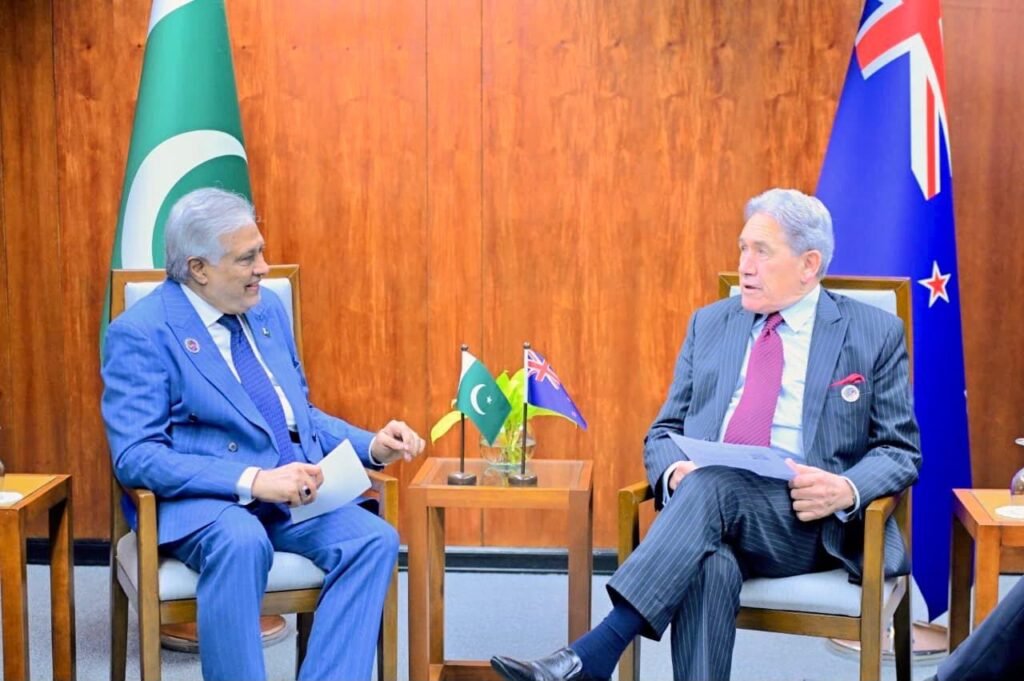
Pakistan And New Zealand Commit To Boosting Trade And Investment Relations

ISLAMABAD — Pakistan and New Zealand have expressed a mutual commitment to enhancing their trade and investment relations, following a high-level meeting between Deputy Prime Minister and Foreign Minister Senator Mohammad Ishaq Dar and New Zealand’s Foreign Minister Winston Peters. The meeting, held on Thursday, focused on strengthening bilateral ties through increased institutional cooperation and regular high-level exchanges. What Happened The meeting between the two foreign ministers took place to review and discuss the current state of Pakistan-New Zealand relations. Both officials underscored the importance of enhancing institutional linkages and maintaining regular engagement to foster stronger economic ties. They agreed on the need for high-level exchanges to facilitate a deeper understanding and collaboration between the two nations. Senator Mohammad Ishaq Dar emphasized Pakistan’s interest in expanding trade with New Zealand, highlighting the potential for increased exports in sectors such as textiles, agriculture, and technology. He stated, “Pakistan is keen to explore new avenues of cooperation with New Zealand, particularly in areas that promise mutual benefits and economic growth.” Foreign Minister Winston Peters acknowledged the potential for growth in bilateral trade and investment, noting New Zealand’s interest in exploring opportunities within Pakistan’s burgeoning market. Peters remarked, “New Zealand sees Pakistan as a valuable partner in South Asia, and we are committed to building a robust economic relationship that benefits both countries.” The meeting concluded with both ministers agreeing to establish a framework for regular dialogue and cooperation, aimed at identifying and overcoming barriers to trade and investment. They also discussed the possibility of organizing trade delegations and business forums to further explore opportunities for collaboration. Background Pakistan and New Zealand have maintained diplomatic relations since the early 1950s. Over the years, both countries have engaged in various bilateral initiatives, primarily focused on trade, education, and cultural exchanges. However, trade volumes have remained modest, with room for significant growth. Historically, New Zealand’s exports to Pakistan have included dairy products, meat, and machinery, while Pakistan has exported textiles, rice, and leather goods to New Zealand. Despite these exchanges, the overall trade balance has been relatively small, prompting both nations to seek ways to enhance their economic partnership. In recent years, Pakistan has been actively seeking to diversify its trade partners and expand its export base. The government has implemented various policy measures aimed at improving the ease of doing business, attracting foreign investment, and fostering international trade relations. Why It Matters The commitment to strengthen trade and investment ties between Pakistan and New Zealand holds significant implications for both countries. For Pakistan, enhancing trade relations with New Zealand offers an opportunity to diversify its export markets and reduce its reliance on traditional trading partners. This diversification is crucial for bolstering economic resilience and fostering sustainable growth. For New Zealand, engaging with Pakistan presents an opportunity to tap into a large and growing market in South Asia. With a population of over 220 million, Pakistan offers considerable potential for New Zealand’s exports, particularly in sectors like agriculture and technology. The strengthening of economic ties between the two countries could also lead to increased foreign direct investment, technological exchange, and collaboration in areas such as education and research. These developments could contribute to job creation, innovation, and economic development in both nations. Furthermore, the enhanced bilateral relationship aligns with Pakistan’s broader strategic goals of fostering regional and international partnerships. By building stronger economic ties with countries like New Zealand, Pakistan can enhance its global standing and influence, while also contributing to regional stability and prosperity. Key Takeaways Pakistan and New Zealand have agreed to strengthen their trade and investment relations through enhanced institutional cooperation and regular high-level exchanges. The meeting between the foreign ministers focused on exploring new avenues for economic collaboration, particularly in sectors like textiles, agriculture, and technology. Both countries aim to establish a framework for regular dialogue to overcome barriers to trade and investment. Enhancing trade relations with New Zealand aligns with Pakistan’s strategic goal of diversifying its export markets and reducing reliance on traditional partners. The strengthened bilateral relationship holds potential for increased foreign direct investment, technological exchange, and collaboration in education and research. Source Attribution This article is based on official government statements, press releases, and public communications from relevant authorities. Author: NEN Editorial Desk | Editor: NEN Newsroom | Fact Checked By: NEN Editorial Team Author: NEN Editorial Desk  |  Editor: NEN Newsroom  |  Last Updated: July 23, 2026  |  Source: Press Release from Government of Pakistan This article was produced by the NEN Editorial Desk in accordance with NEN Agency’s Editorial Policy and Fact-Checking Policy.
World

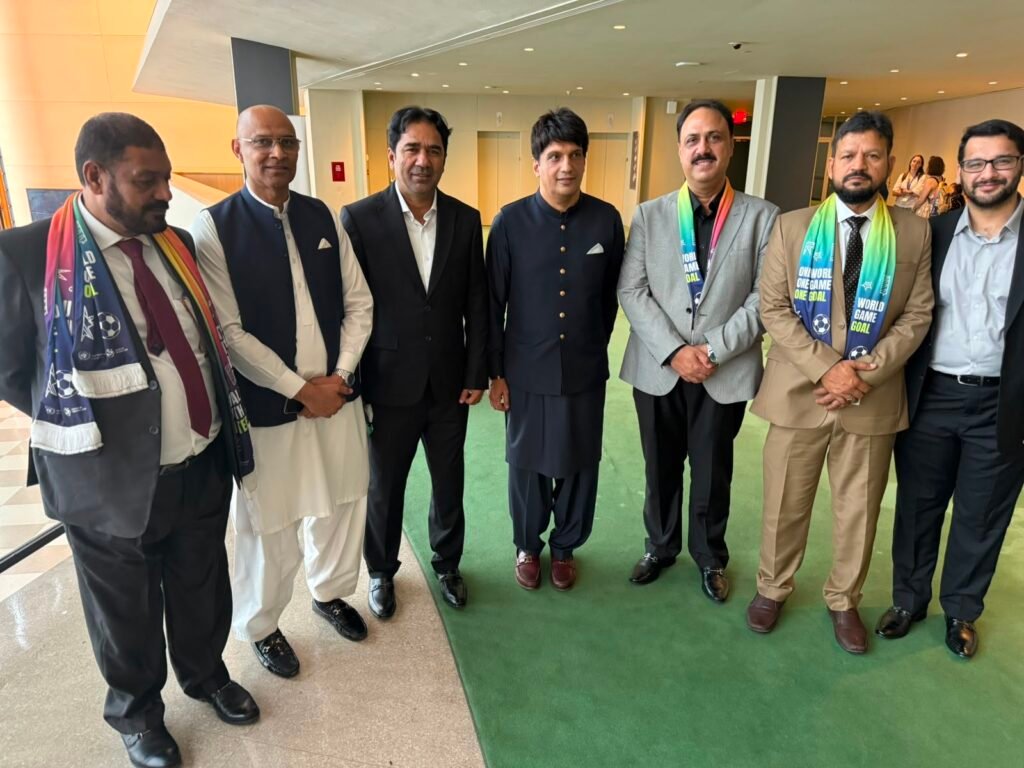
UN Honors Pakistan’s Football Initiative for Mental Health Advocacy

ISLAMABAD — Pakistan’s “Football for Mental Health Programme” has received international recognition from the United Nations, marking a significant achievement in the country’s sports diplomacy. The accolade was announced during a recent UN event, highlighting Pakistan’s commitment to leveraging sports for social causes and enhancing its global image. What Happened The United Nations recently acknowledged Pakistan’s innovative “Football for Mental Health Programme,” which aims to use the sport as a tool for promoting mental health awareness and support. This recognition was part of a broader initiative by the UN to spotlight programs that effectively integrate sports into social development strategies. The acknowledgement places Pakistan’s efforts on the international stage, showcasing the country’s ability to harness the power of football beyond mere entertainment. The programme, which has been operational for several years, focuses on engaging youth and communities through football, providing them with a platform to discuss mental health issues openly. It also aims to reduce the stigma associated with mental health challenges by using the universal appeal of football to foster dialogue and understanding. The initiative has been praised for its innovative approach and its potential to create lasting social impact. Officials from the Pakistan Football Federation expressed their gratitude for the UN’s recognition, stating that it validates the hard work and dedication of all those involved in the programme. “This recognition by the United Nations is a testament to our commitment to using football as a means to address critical social issues,” said a spokesperson from the federation. Background Pakistan has a rich history in sports, with cricket traditionally being the most popular. However, football has been gaining traction, particularly in regions like Balochistan and Khyber Pakhtunkhwa, where the sport is deeply rooted in local culture. The “Football for Mental Health Programme” was launched as part of a broader strategy to diversify Pakistan’s sports initiatives and address pressing social issues through sports. The programme aligns with global trends where sports are increasingly used as a vehicle for social change. Internationally, similar initiatives have been implemented, focusing on various social issues such as education, gender equality, and health. Pakistan’s programme specifically targets mental health, a topic that has gained prominence globally but remains stigmatized in many societies, including Pakistan. Why It Matters The UN’s recognition of Pakistan’s programme is significant for several reasons. Economically, it opens up opportunities for international funding and partnerships, which can further enhance the programme’s reach and effectiveness. Socially, it underscores the importance of addressing mental health, a critical issue that affects millions yet often goes unaddressed due to cultural stigmas. Politically, the recognition bolsters Pakistan’s image on the international stage, portraying it as a country committed to progressive social policies. This can have positive implications for diplomatic relations, as countries often seek to collaborate on initiatives that have a proven social impact. Additionally, it positions Pakistan as a leader in sports diplomacy within the region, potentially influencing neighboring countries to adopt similar approaches. On a broader scale, the programme’s success could inspire other nations to explore sports as a medium for social change, particularly in areas where traditional interventions have failed. By integrating mental health advocacy into a popular sport like football, Pakistan is setting a precedent for innovative solutions to global challenges. Key Takeaways Pakistan’s “Football for Mental Health Programme” has been recognized by the United Nations for its innovative approach to mental health advocacy. The programme uses football to engage communities and reduce the stigma surrounding mental health issues. This recognition enhances Pakistan’s global image and opens up opportunities for international collaboration and funding. The initiative aligns with global trends of using sports for social change, positioning Pakistan as a leader in sports diplomacy. The success of the programme could inspire similar initiatives worldwide, promoting sports as a tool for addressing social issues. Source Attribution This article is based on official government statements, press releases, and public communications from relevant authorities. Author: NEN Editorial Desk | Editor: NEN Newsroom | Fact Checked By: NEN Editorial Team Author: NEN Editorial Desk  |  Editor: NEN Newsroom  |  Last Updated: July 22, 2026  |  Source: NEN Reporter This article was produced by the NEN Editorial Desk in accordance with NEN Agency’s Editorial Policy and Fact-Checking Policy.
World

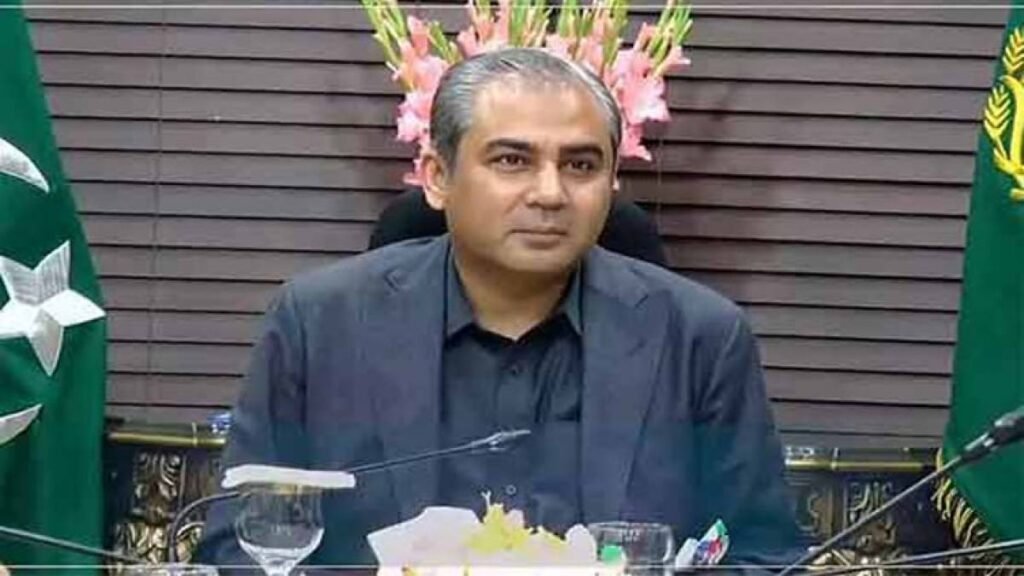
Interior Minister Praises Forces for Neutralizing Militants in Balochistan

ISLAMABAD — Interior Minister Mohsin Naqvi has lauded the efforts of Pakistan’s security forces in a recent operation that resulted in the elimination of 10 militants in Balochistan. The operation, conducted in the districts of Mastung and Sohrab, was aimed at dismantling networks allegedly backed by foreign elements, contributing to the region’s peace and stability. What Happened The operation took place in the volatile districts of Mastung and Sohrab in Balochistan, where security forces conducted intelligence-based operations. According to official sources, these operations targeted militant groups believed to be receiving support from foreign entities, specifically from India. The security forces successfully neutralized 10 militants during these operations. Interior Minister Mohsin Naqvi commended the security forces for their precise execution of the operations. He emphasized that such actions are crucial in maintaining the sovereignty and security of Pakistan, particularly in regions like Balochistan, which have been plagued by insurgency and unrest. “The successful execution of these operations is a testament to the dedication and professionalism of our security forces,” Naqvi stated. He further highlighted the importance of continued vigilance and intelligence gathering to thwart any threats to national security. The operations are part of a broader strategy to combat militancy and terrorism in Pakistan, with a focus on disrupting networks that pose a threat to national stability. The government has reiterated its commitment to rooting out militancy and ensuring the safety of its citizens. Background Balochistan has long been a hotspot for insurgency, with various militant groups operating in the region. The province’s strategic location and rich natural resources have made it a focal point for both domestic and international interests. Over the years, the Pakistani government has launched numerous operations to curb militancy in the area. Historically, Balochistan has faced issues related to separatist movements, with some groups seeking autonomy or independence. The Pakistani government has accused neighboring India of supporting these movements, a claim that India has consistently denied. The operations in Mastung and Sohrab are seen as part of Pakistan’s ongoing efforts to stabilize the region and counteract any foreign-backed insurgencies. Why It Matters The successful operation in Balochistan holds significant implications for Pakistan’s internal security and regional stability. By neutralizing militants allegedly backed by foreign entities, Pakistan sends a strong message about its resolve to protect its sovereignty and territorial integrity. Economically, stability in Balochistan is crucial for the success of projects like the China-Pakistan Economic Corridor (CPEC), which passes through the province. Ensuring security in the region is vital for attracting foreign investment and fostering economic development. Politically, the operation underscores the government’s commitment to combating terrorism and militancy, which remains a top priority. It also highlights the importance of international cooperation in addressing cross-border terrorism, as Pakistan continues to call for global recognition of its efforts in combating terrorism. Socially, the operation may improve the confidence of local communities in the government’s ability to provide security and stability. This could lead to better cooperation between the local populace and security forces, further aiding in intelligence gathering and future operations. Key Takeaways Pakistan’s security forces eliminated 10 militants in Balochistan’s Mastung and Sohrab districts. The operation targeted groups allegedly backed by foreign entities, particularly India. Interior Minister Mohsin Naqvi praised the forces for their successful operation. The operation is part of Pakistan’s broader strategy to combat militancy and ensure regional stability. Stability in Balochistan is crucial for economic projects like CPEC and attracting foreign investment. Source Attribution This article is based on official government statements, press releases, and public communications from relevant authorities. Author: NEN Editorial Desk | Editor: NEN Newsroom | Fact Checked By: NEN Editorial Team Author: NEN Editorial Desk  |  Editor: NEN Newsroom  |  Last Updated: July 22, 2026  |  Source: NEN Reporter This article was produced by the NEN Editorial Desk in accordance with NEN Agency’s Editorial Policy and Fact-Checking Policy.
World

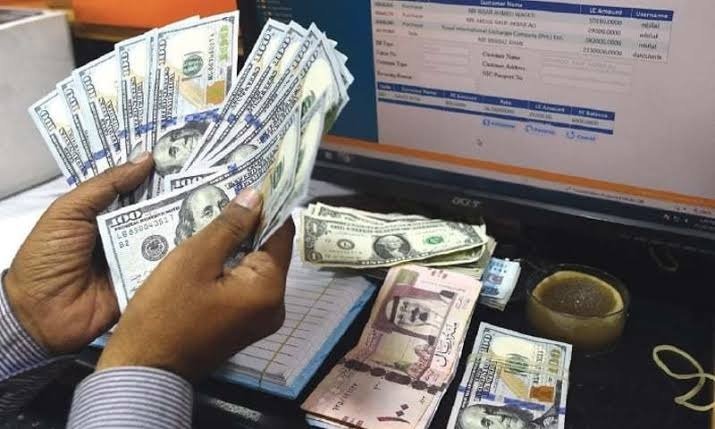
Financial Markets Association Releases New Foreign Exchange Rates

KARACHI — The Exchange Rates Committee of the Financial Markets Association of Pakistan released the latest foreign exchange rates bulletin on Wednesday, providing updated conversion rates for major currencies as of July 22, 2026. The bulletin outlines the rates applicable for forward cover for deposits, excluding FE-25 deposits, with the State Bank of Pakistan’s settlement value date set for July 24, 2026. What Happened The Financial Markets Association of Pakistan, through its Exchange Rates Committee, has issued the latest foreign exchange rates for July 22, 2026. These rates are crucial for businesses and financial institutions engaging in international trade and currency exchange. The rates are set for forward cover for deposits, which are financial instruments used to hedge against currency risk in future transactions. According to the bulletin, the conversion rate for the US Dollar (USD) stands at 277.8921 Pakistani Rupees. The British Pound (GBP) is valued at 373.4869 Rupees, while the Euro (EUR) is listed at 317.4361 Rupees. The Japanese Yen (JPY) is priced at 1.7082 Rupees. These rates are set to be effective with the State Bank of Pakistan’s settlement value date on July 24, 2026. The issuance of these rates is a routine but essential task carried out by the Financial Markets Association to ensure that market participants have access to reliable and up-to-date currency conversion data. This information is pivotal for companies involved in import and export activities, as well as for investors dealing in foreign currency-denominated assets. Background The Financial Markets Association of Pakistan plays a significant role in the country’s financial sector by providing standardized exchange rates that facilitate smooth transactions in the foreign exchange market. The association’s Exchange Rates Committee regularly reviews and updates these rates to reflect the current market conditions and economic factors influencing currency values. Historically, Pakistan’s foreign exchange market has been influenced by various factors, including trade balances, foreign direct investment, and remittances from overseas Pakistanis. The State Bank of Pakistan, as the central bank, also plays a crucial role in regulating and stabilizing the currency market through its monetary policies and interventions. Why It Matters The release of updated foreign exchange rates is of significant importance to Pakistan’s economy, which is heavily reliant on international trade. Accurate and timely exchange rate information enables businesses to make informed financial decisions, manage currency risk, and optimize their foreign exchange transactions. For importers and exporters, these rates determine the cost of goods and services traded across borders. A stable and predictable exchange rate environment helps in maintaining competitive pricing and profitability in international markets. Moreover, foreign exchange rates impact inflation and purchasing power, influencing the overall economic stability of the country. On a broader scale, the exchange rate also affects foreign investment flows into Pakistan. A stable currency can attract more foreign direct investment, as investors seek markets with predictable financial environments. Conversely, volatile exchange rates can deter investment due to the increased risk of currency depreciation. Furthermore, the foreign exchange rates are crucial for the government in managing its foreign debt obligations. Fluctuations in the exchange rate can affect the cost of servicing foreign debt, impacting the country’s fiscal health and budgetary allocations. Key Takeaways The Financial Markets Association of Pakistan has issued updated foreign exchange rates effective July 22, 2026. The US Dollar is valued at 277.8921 Rupees, the British Pound at 373.4869 Rupees, the Euro at 317.4361 Rupees, and the Japanese Yen at 1.7082 Rupees. The rates are crucial for businesses and financial institutions involved in international trade and currency exchange. Accurate exchange rates help manage currency risk and influence foreign investment flows into Pakistan. The State Bank of Pakistan’s settlement value date for these rates is July 24, 2026. Source Attribution This article is based on official government statements, press releases, and public communications from relevant authorities. Author: NEN Editorial Desk | Editor: NEN Newsroom | Fact Checked By: NEN Editorial Team Author: NEN Editorial Desk  |  Editor: NEN Newsroom  |  Last Updated: July 22, 2026  |  Source: NEN Reporter This article was produced by the NEN Editorial Desk in accordance with NEN Agency’s Editorial Policy and Fact-Checking Policy.
World

Deputy PM Dar Attends ASEAN Forum in Manila for Regional Security Talks

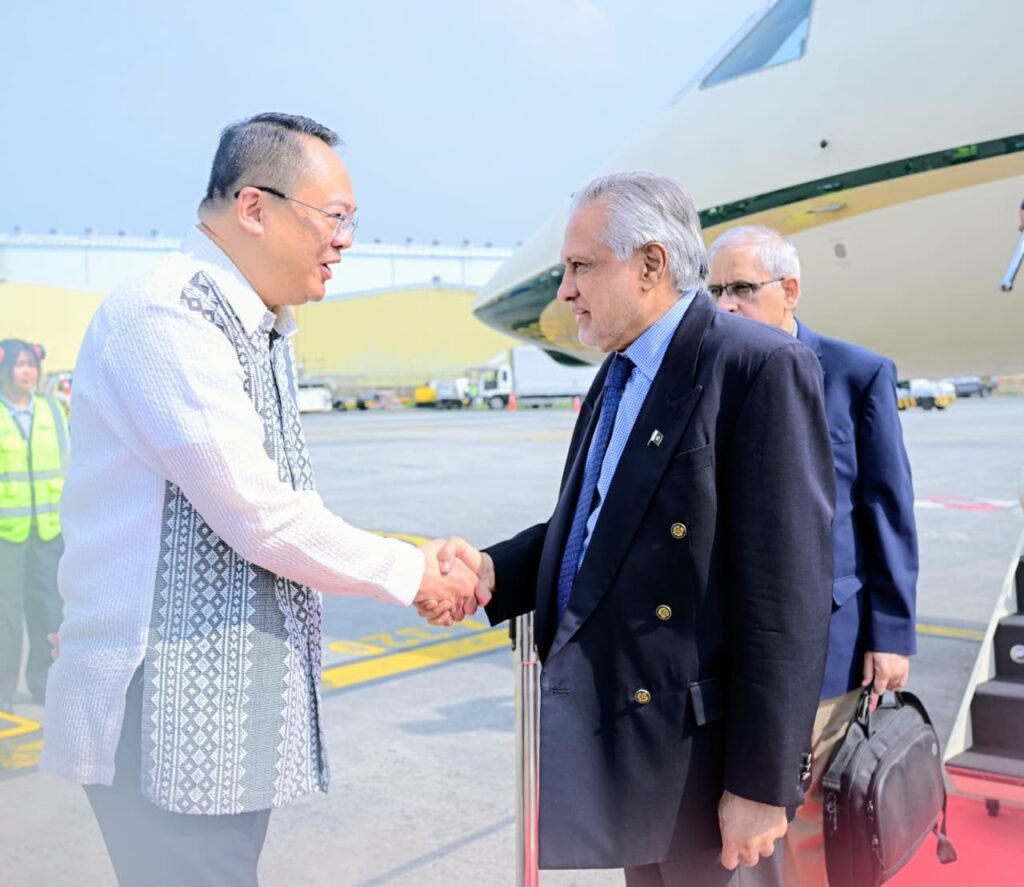
MANILA — Deputy Prime Minister and Foreign Minister Senator Mohammad Ishaq Dar arrived in Manila on Wednesday to participate in the 33rd ASEAN Regional Forum (ARF) Ministerial Meeting. The event, which gathers foreign ministers and delegates from 27 ARF member states, including the Secretary-General of ASEAN, aims to address political and security issues within the Asia-Pacific region. What Happened Upon his arrival at Manila’s airport, Deputy Prime Minister Dar was welcomed by Elmer G. Cato, Assistant Secretary for the Office of Intelligence and Security Services (OISS) at the Department of Foreign Affairs (DFA) of the Philippines, along with Pakistan’s Ambassador to the Philippines, Asima Rabbani, and other officials from the Embassy of Pakistan. The ARF Ministerial Meeting is a significant diplomatic gathering that focuses on promoting peace, stability, and mutual cooperation through dialogue and diplomacy. During the forum, Deputy Prime Minister Dar is expected to engage in discussions centered on the political and security dynamics affecting the Asia-Pacific region. The agenda includes topics such as regional security threats, economic cooperation, and strategies to enhance diplomatic relations among member states. Dar will also hold bilateral meetings with his Philippine counterpart and other dignitaries attending the forum, aiming to strengthen Pakistan’s diplomatic ties and explore opportunities for collaboration. Background The ASEAN Regional Forum was established in 1994 as a platform for dialogue and consultation on political and security issues in the Asia-Pacific region. It comprises 27 member states, including ASEAN’s ten member countries and other key players such as the United States, China, Japan, and the European Union. The forum seeks to foster constructive dialogue and consultation on political and security issues of common interest and concern, contributing to efforts towards confidence-building and preventive diplomacy in the region. Pakistan has been an active participant in the ARF since its inception, consistently advocating for peaceful resolutions to conflicts and promoting regional stability through diplomatic engagement. The forum serves as an opportunity for Pakistan to articulate its foreign policy objectives and collaborate with other nations on regional security matters. Why It Matters The participation of Deputy Prime Minister Dar in the ARF Ministerial Meeting underscores Pakistan’s commitment to regional peace and stability. The Asia-Pacific region is home to some of the world’s most dynamic economies and complex security challenges. By engaging in these discussions, Pakistan aims to contribute to the development of a secure and prosperous regional environment. Economically, the Asia-Pacific region is crucial for Pakistan as it seeks to expand its trade relations and attract foreign investment. The ARF provides a platform to discuss economic cooperation, which could lead to increased trade opportunities and economic partnerships for Pakistan. Furthermore, the forum allows Pakistan to engage with major global powers, enhancing its diplomatic standing and influence in international affairs. On a broader scale, Pakistan’s active participation in the ARF aligns with its foreign policy goals of fostering peaceful relations and resolving conflicts through dialogue. The discussions at the forum could lead to collaborative efforts to address security threats such as terrorism, piracy, and cyber threats, which are of mutual concern to all member states. Key Takeaways Deputy Prime Minister Mohammad Ishaq Dar is attending the 33rd ASEAN Regional Forum Ministerial Meeting in Manila. The forum focuses on political and security issues affecting the Asia-Pacific region. Pakistan aims to promote peace, stability, and mutual cooperation through sustained dialogue. Dar will hold bilateral meetings to strengthen diplomatic ties and explore collaboration opportunities. The ARF serves as a platform for Pakistan to engage with major global powers on regional security matters. Source Attribution This article is based on official government statements, press releases, and public communications from relevant authorities. Author: NEN Editorial Desk | Editor: NEN Newsroom | Fact Checked By: NEN Editorial Team Author: NEN Editorial Desk  |  Editor: NEN Newsroom  |  Last Updated: July 22, 2026  |  Source: Press Release from Government of Pakistan This article was produced by the NEN Editorial Desk in accordance with NEN Agency’s Editorial Policy and Fact-Checking Policy.
World

China Unveils World’s Fastest Self-Unloading Vessel

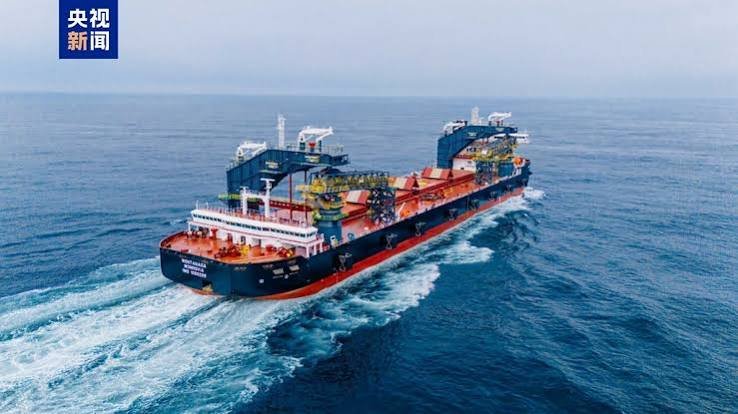
BEIJING — China has introduced a groundbreaking self-discharging vessel, touted as the world’s fastest in cargo self-unloading capabilities, according to the China State Shipbuilding Corporation (CSSC). The vessel was delivered on Tuesday in Jiangsu Province, marking a significant advancement in maritime technology. What Happened The China State Shipbuilding Corporation (CSSC) announced the delivery of a state-of-the-art self-unloading vessel in Jiangsu Province. This vessel, with a capacity of 41,800 tonnes, is designed to revolutionize cargo handling with its unprecedented speed in self-unloading operations. Measuring 215 meters in length and 42 meters in breadth, the vessel can handle a maximum capacity of 29,000 cubic meters, making it a formidable addition to China’s maritime fleet. The CSSC highlighted that this vessel represents a leap forward in shipbuilding technology, integrating advanced systems that significantly reduce unloading times. This innovation is expected to enhance efficiency in cargo operations, offering substantial benefits to the shipping industry by reducing turnaround times and operational costs. The vessel’s delivery is part of China’s broader strategy to strengthen its maritime capabilities and expand its influence in global shipping. The CSSC has emphasized the importance of this development, noting that the vessel’s capabilities align with China’s goals to lead in maritime technology and logistics. Background China has been at the forefront of maritime innovation, with a focus on developing advanced shipping technologies to support its expansive trade networks. The CSSC, a key player in China’s shipbuilding industry, has been instrumental in designing and delivering cutting-edge vessels that meet international standards. Historically, self-unloading vessels have been integral to efficient cargo handling, particularly in bulk shipping. These vessels are equipped with conveyor belt systems that automate the unloading process, minimizing the need for port infrastructure and manual labor. China’s latest vessel builds on this technology, setting a new benchmark for speed and efficiency. In recent years, China has invested heavily in modernizing its shipping fleet, recognizing the strategic importance of maritime trade to its economy. This includes the development of eco-friendly ships, automated ports, and advanced logistics systems. Why It Matters The introduction of the world’s fastest self-unloading vessel has significant implications for the global shipping industry. By reducing unloading times, the vessel can increase the throughput of goods, enhancing supply chain efficiency. This is particularly crucial as global trade volumes continue to rise, necessitating faster and more reliable shipping solutions. Economically, the vessel’s capabilities can lead to cost savings for shipping companies, as quicker turnaround times reduce port fees and fuel consumption. This efficiency can translate into lower shipping costs for exporters and importers, potentially impacting global trade dynamics. Politically, China’s advancement in maritime technology underscores its commitment to becoming a leader in global shipping. This development aligns with China’s Belt and Road Initiative, which aims to create a vast network of trade routes connecting Asia, Africa, and Europe. By enhancing its shipping capabilities, China is better positioned to facilitate trade along these routes, strengthening its economic ties with partner countries. On an international level, the vessel’s delivery may prompt other countries to invest in similar technologies to remain competitive. This could lead to a wave of innovations in the shipping industry, driving advancements in efficiency and sustainability. Key Takeaways China has delivered the world’s fastest self-unloading vessel, enhancing its maritime capabilities. The vessel can handle a capacity of 41,800 tonnes and measures 215 meters in length. This advancement is part of China’s strategy to lead in global shipping technology. The vessel’s efficiency can reduce shipping costs and improve supply chain dynamics. China’s maritime innovations align with its broader economic and political goals. Source Attribution This article is based on official government statements, press releases, and public communications from relevant authorities. Author: NEN Editorial Desk | Editor: NEN Newsroom | Fact Checked By: NEN Editorial Team Author: NEN Editorial Desk  |  Editor: NEN Newsroom  |  Last Updated: July 21, 2026  |  Source: NEN Reporter This article was produced by the NEN Editorial Desk in accordance with NEN Agency’s Editorial Policy and Fact-Checking Policy.
World

Rupee Appreciates Slightly Against US Dollar in Interbank Market

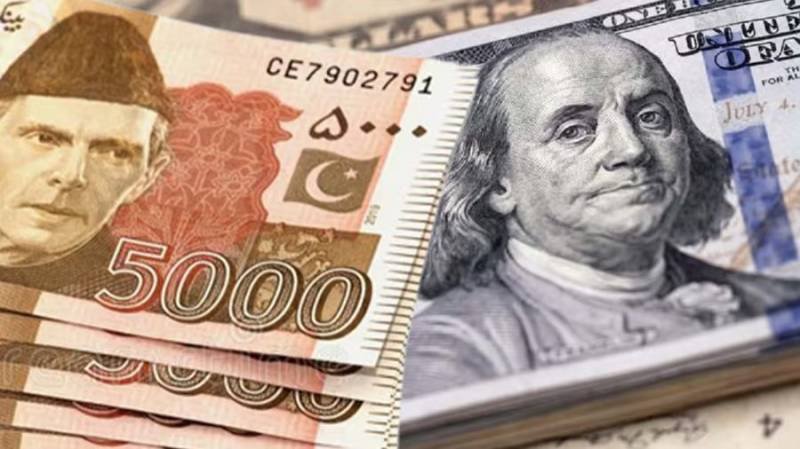
ISLAMABAD — The Pakistani Rupee experienced a modest appreciation against the US Dollar in interbank trading on Tuesday, gaining 03 paisa to close at Rs 277.92. This marks a minor improvement from the previous day’s closing rate of Rs 277.95, according to the Forex Association of Pakistan (FAP). What Happened On Tuesday, the Rupee appreciated by 03 paisa against the US Dollar in the interbank market, closing at Rs 277.92. The Forex Association of Pakistan reported that the buying and selling rates of the dollar in the open market were recorded at Rs 278.95 and Rs 279.15, respectively. This slight gain comes amid fluctuating currency dynamics influenced by various economic factors. In addition to the Rupee’s performance against the US Dollar, other currencies also saw changes. The Euro decreased by Rs 0.50 paisa, closing at Rs 317.49, down from the previous day’s Rs 317.99, as per the State Bank of Pakistan (SBP). The Japanese Yen fell by 01 paisa to close at Rs 1.70, while the British Pound saw a decrease of Rs 0.88, ending the day at Rs 373.53 compared to Rs 374.41 the previous day. The Emirate Dirham experienced a decline of 01 paisa, closing at Rs 75.67, whereas the Saudi Riyal increased by 01 paisa, closing at Rs 74.02. These fluctuations reflect ongoing adjustments in the foreign exchange market, which are influenced by both domestic and international economic conditions. Background The Pakistani Rupee’s value against the US Dollar has been subject to significant volatility in recent years, impacted by various factors including economic policies, international trade dynamics, and geopolitical developments. Historically, the Rupee has faced pressures due to trade imbalances, inflation, and external debt obligations. The State Bank of Pakistan has periodically intervened in the currency market to stabilize the Rupee, employing measures such as adjusting interest rates and foreign exchange reserves management. In recent months, the Rupee has shown signs of stabilization due to improved foreign exchange reserves and remittances from overseas Pakistanis. However, the currency remains sensitive to global economic trends, including changes in oil prices and the US Federal Reserve’s monetary policy. Why It Matters The appreciation of the Rupee, albeit slight, is a positive indicator for Pakistan’s economy, reflecting a momentary easing of pressure on the currency. A stronger Rupee can help reduce the cost of imports, which is crucial for a country that relies heavily on imported goods and services. This can lead to lower inflationary pressures, benefiting consumers and businesses alike. For the government, a stable or appreciating Rupee can ease the burden of external debt repayments, which are often denominated in foreign currencies. This can improve the country’s fiscal health and create more room for public spending on development projects and social services. On the international front, the Rupee’s performance can influence investor confidence in Pakistan’s economy. A stable currency environment can attract foreign direct investment, as investors seek predictable and stable returns. This can lead to job creation and economic growth, contributing to the country’s long-term development goals. Key Takeaways The Rupee appreciated by 03 paisa against the US Dollar, closing at Rs 277.92 in interbank trading. Other currencies, including the Euro, Japanese Yen, and British Pound, saw fluctuations against the Rupee. A stronger Rupee can help reduce import costs and inflationary pressures in Pakistan. Currency stability can improve investor confidence and attract foreign investment. The Rupee’s performance is influenced by both domestic and international economic factors. Source Attribution This article is based on official government statements, press releases, and public communications from relevant authorities. Author: NEN Editorial Desk | Editor: NEN Newsroom | Fact Checked By: NEN Editorial Team Author: NEN Editorial Desk  |  Editor: NEN Newsroom  |  Last Updated: July 21, 2026  |  Source: NEN Reporter This article was produced by the NEN Editorial Desk in accordance with NEN Agency’s Editorial Policy and Fact-Checking Policy.
World

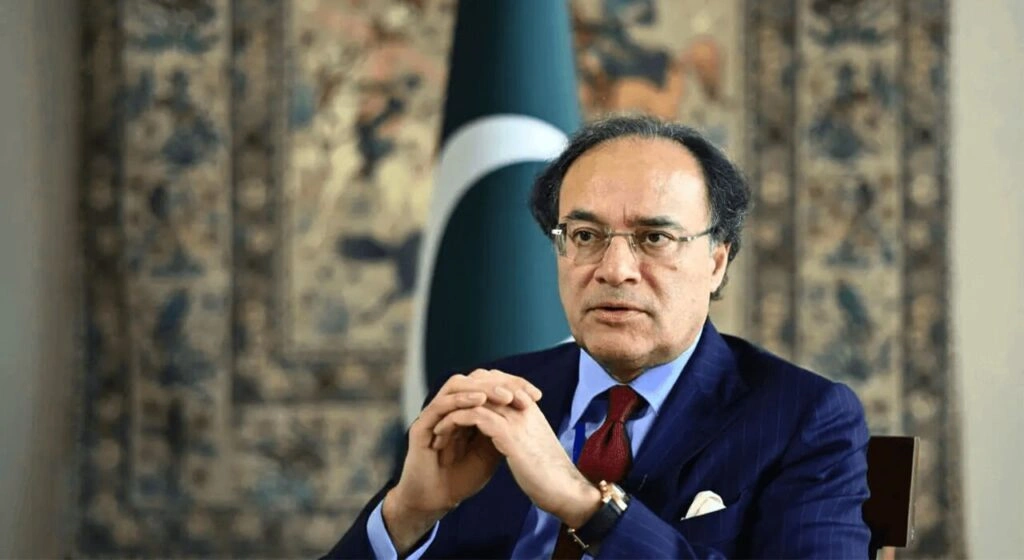
Ijaz Khokhar Elected Vice President of International Apparel Federation

ISLAMABAD — Pakistan’s apparel industry has achieved a significant milestone as Ijaz A. Khokhar, a prominent figure in the textile sector, has been elected Vice President of the International Apparel Federation (IAF). Khokhar’s election marks a notable recognition of Pakistan’s growing influence in the global apparel industry. What Happened Ijaz A. Khokhar, former Chairman of the Pakistan Readymade Garments Manufacturers and Exporters Association (PRGMEA) and a leading exporter from Sialkot, has been elected as the Vice President of the International Apparel Federation (IAF). The IAF, a global association representing the apparel industry, announced Khokhar’s election as part of its efforts to include diverse international perspectives in its leadership. Khokhar’s election to this prestigious position is seen as a testament to his extensive experience and leadership in the apparel sector. With decades of involvement in the industry, Khokhar has been instrumental in promoting Pakistan’s textile exports and enhancing the country’s reputation as a competitive player in the global market. In his new role, he is expected to advocate for the interests of apparel manufacturers worldwide and contribute to the federation’s mission of fostering collaboration and innovation in the industry. Speaking on his election, Khokhar expressed gratitude and highlighted the potential for Pakistan’s apparel industry to further expand its global footprint. “This is not just an individual achievement but a recognition of Pakistan’s capabilities in the textile sector,” he stated. Khokhar emphasized the importance of leveraging this platform to address challenges faced by the industry, including sustainability and technological advancements. Background The International Apparel Federation (IAF) is a leading global association that represents the interests of the apparel industry, bringing together manufacturers, brands, and other stakeholders. Established in 1976, the IAF aims to promote best practices, innovation, and collaboration across the sector. It serves as a platform for dialogue and exchange of ideas among industry leaders from different countries. Pakistan’s textile industry has long been a cornerstone of its economy, contributing significantly to exports and employment. The sector has evolved over the years, with a focus on value-added products and diversification into new markets. Organizations like PRGMEA have played a crucial role in supporting manufacturers and exporters, advocating for favorable policies, and enhancing competitiveness. Why It Matters Ijaz Khokhar’s election as Vice President of the IAF holds considerable significance for Pakistan’s apparel industry. It underscores the country’s growing stature in the global textile market and highlights the potential for increased collaboration with international partners. This development is likely to boost confidence among local manufacturers and exporters, encouraging them to pursue new opportunities and expand their reach. From an economic perspective, Khokhar’s role in the IAF could lead to increased foreign investment and partnerships, benefiting Pakistan’s economy. The apparel industry is a major contributor to Pakistan’s GDP and a key source of employment, particularly for women. Enhancing the sector’s global competitiveness can drive economic growth and create more jobs. On a broader scale, Khokhar’s position in the IAF provides Pakistan with a platform to influence global discussions on important issues such as sustainability, fair trade, and technological innovation. By participating in these conversations, Pakistan can contribute to shaping the future of the apparel industry and advocate for policies that align with its national interests. Key Takeaways Ijaz A. Khokhar has been elected Vice President of the International Apparel Federation. Khokhar’s election highlights Pakistan’s growing influence in the global apparel industry. The IAF is a global association representing the interests of the apparel sector. Khokhar’s role may lead to increased foreign investment and partnerships for Pakistan. Pakistan can leverage this position to influence global industry discussions. Source Attribution This article is based on official government statements, press releases, and public communications from relevant authorities. Author: NEN Editorial Desk | Editor: NEN Newsroom | Fact Checked By: NEN Editorial Team Author: NEN Editorial Desk  |  Editor: NEN Newsroom  |  Last Updated: July 21, 2026  |  Source: NEN Reporter This article was produced by the NEN Editorial Desk in accordance with NEN Agency’s Editorial Policy and Fact-Checking Policy.
World

Pakistan Engages International Banks for GMTN and Sukuk Initiatives

ISLAMABAD — The Pakistani government has initiated strategic partnerships with international banking consortiums as part of its Global Medium-Term Note (GMTN) and International Sukuk programs. This development was announced following a virtual meeting on Tuesday, led by Federal Minister for Finance and Revenue, Senator Muhammad Aurangzeb. What Happened On Tuesday, Federal Minister for Finance and Revenue, Senator Muhammad Aurangzeb, conducted a virtual meeting with representatives from various international banking consortiums. This meeting marked the beginning of Pakistan’s collaboration with these financial institutions under the GMTN and International Sukuk programs. The initiative is part of a broader strategy to secure financial resources through global markets. During the meeting, Minister Aurangzeb emphasized the importance of these partnerships in enhancing Pakistan’s financial standing on the international stage. He stated, “Following an evaluation process conducted in accordance with the criteria and procedures prescribed, we have selected consortiums that align with our strategic financial goals.” The minister highlighted the role of these programs in diversifying Pakistan’s financial instruments and accessing a wider pool of international investors. The GMTN program allows Pakistan to issue bonds in various currencies, providing flexibility in managing its debt portfolio. Meanwhile, the International Sukuk program is aimed at tapping into the Islamic finance market, which has shown significant growth potential. These initiatives are expected to bolster Pakistan’s foreign exchange reserves and provide necessary funding for development projects. Background The Global Medium-Term Note (GMTN) program is a framework that enables countries to issue bonds over a period, offering flexibility in terms of currency and maturity. Pakistan has previously utilized this program to manage its external debt obligations effectively. The International Sukuk program, on the other hand, involves the issuance of Islamic bonds, which comply with Shariah law. These bonds are asset-backed and have been increasingly popular among investors seeking ethical investment opportunities. Pakistan’s engagement with international financial markets is not new. The country has been active in issuing Eurobonds and Sukuks to meet its financing needs. These instruments have been crucial in managing the balance of payments and supporting the country’s fiscal policies. The current initiative is a continuation of these efforts, aimed at ensuring sustainable economic growth and financial stability. Why It Matters The engagement with international banking consortiums under the GMTN and Sukuk programs is significant for several reasons. Economically, it provides Pakistan with access to a diverse range of financial instruments, enabling the country to manage its debt more effectively. By tapping into global markets, Pakistan can secure funding at competitive rates, which is crucial for its development agenda. Socially, the successful implementation of these programs can lead to increased investment in infrastructure and social projects, directly benefiting the Pakistani population. Improved infrastructure can enhance connectivity, boost trade, and create job opportunities, contributing to overall economic growth. Politically, the partnerships with international banks signal Pakistan’s commitment to maintaining strong economic ties with the global community. This can enhance the country’s reputation as a reliable investment destination, attracting more foreign direct investment in the long run. Internationally, the issuance of Sukuks positions Pakistan as a key player in the Islamic finance market, which is growing rapidly. By capitalizing on this trend, Pakistan can attract investors from Islamic countries and regions where Shariah-compliant financial products are in demand. Key Takeaways Pakistan has engaged international banks for its GMTN and Sukuk programs. The initiatives aim to diversify financial instruments and attract global investors. These programs are expected to enhance Pakistan’s foreign exchange reserves. The GMTN allows bond issuance in various currencies, providing debt management flexibility. The Sukuk program targets the growing Islamic finance market. Source Attribution This article is based on official government statements, press releases, and public communications from relevant authorities. Author: NEN Editorial Desk | Editor: NEN Newsroom | Fact Checked By: NEN Editorial Team Author: NEN Editorial Desk  |  Editor: NEN Newsroom  |  Last Updated: July 21, 2026  |  Source: NEN Reporter This article was produced by the NEN Editorial Desk in accordance with NEN Agency’s Editorial Policy and Fact-Checking Policy.

World

Pak-China Educational Ties Crucial for Workforce Development: PCJCCI

LAHORE — The Pakistan China Joint Chamber of Commerce and Industry (PCJCCI) has emphasized the importance of educational collaboration between Pakistan and China to foster a skilled workforce. Adeel Munawar, the Commercial Ambassador of PCJCCI, highlighted on Tuesday that such cooperation is essential for advancing agricultural modernization and enhancing Pakistan’s position in the global knowledge economy. What Happened Adeel Munawar, representing the PCJCCI, stressed the need for strengthening educational ties between Pakistan and China during a recent address. He noted that the collaboration is not only crucial for developing a skilled workforce but also for boosting agricultural modernization efforts in Pakistan. Munawar pointed out that by leveraging China’s expertise in various educational fields, Pakistan can significantly enhance its competitiveness on a global scale. Munawar stated, “Strengthening educational cooperation between Pakistan and China is vital for developing a skilled workforce, accelerating agricultural modernization, and enhancing Pakistan’s competitiveness in the global knowledge economy.” This statement underscores the strategic importance of educational partnerships in driving economic growth and development. The PCJCCI has been actively promoting educational exchanges and joint ventures between Pakistani and Chinese institutions. These efforts are aimed at facilitating knowledge transfer and innovation, which are critical for addressing the skill gaps in Pakistan’s workforce. The chamber believes that such initiatives will play a pivotal role in transforming Pakistan’s educational landscape and preparing its youth for future challenges. Background Pakistan and China have a long-standing relationship that spans various sectors, including education, infrastructure, and trade. The China-Pakistan Economic Corridor (CPEC) has been a cornerstone of this partnership, bringing significant investments and development projects to Pakistan. In recent years, educational collaboration has emerged as a key area of focus, with both countries recognizing the potential benefits of joint academic programs and research initiatives. Historically, Pakistan has faced challenges in developing a skilled workforce that meets the demands of a rapidly changing global economy. The country’s educational system has struggled with issues such as outdated curricula, inadequate infrastructure, and limited access to quality education. By partnering with China, Pakistan aims to address these challenges and create a more robust educational framework that can support economic growth. Why It Matters The emphasis on educational collaboration between Pakistan and China is significant for several reasons. Economically, a skilled workforce is essential for driving innovation and productivity, which are critical components of sustainable growth. By enhancing its educational ties with China, Pakistan can access advanced knowledge and technologies that can help modernize its agricultural sector and other key industries. Socially, educational partnerships can lead to improved access to quality education for Pakistani students, particularly in rural and underserved areas. This can help bridge the educational divide and provide opportunities for young people to acquire the skills needed for high-demand jobs in the global market. Politically, strengthening educational ties with China reinforces the strategic partnership between the two countries. It aligns with Pakistan’s broader foreign policy goals of fostering regional cooperation and economic integration. Moreover, it positions Pakistan as a key player in the Belt and Road Initiative, which aims to enhance connectivity and trade across Asia and beyond. Key Takeaways PCJCCI emphasizes the importance of Pak-China educational collaboration for workforce development. Such collaboration is seen as vital for accelerating agricultural modernization in Pakistan. Educational partnerships can enhance Pakistan’s competitiveness in the global knowledge economy. Strengthening ties with China aligns with Pakistan’s strategic and economic goals. Improved educational access can help bridge the skill gap and provide opportunities for Pakistani youth. Source Attribution This article is based on official statements and public communications from the Pakistan China Joint Chamber of Commerce and Industry. Author: NEN Editorial Desk | Editor: NEN Newsroom | Fact Checked By: NEN Editorial Team Author: NEN Editorial Desk  |  Editor: NEN Newsroom  |  Last Updated: July 21, 2026  |  Source: NEN Reporter This article was produced by the NEN Editorial Desk in accordance with NEN Agency’s Editorial Policy and Fact-Checking Policy.

Scroll to Top