World

Welcome to the World section of NEN Agency, your window to the stories shaping our planet. From global politics and economic shifts to science breakthroughs, cultural moments, and humanitarian crises, we connect you to events that matter — wherever they happen.

Inside This Category

  • Global Politics & Diplomacy: International relations, summits, and policy shifts.

  • World Economy & Trade: Market trends, trade agreements, and financial developments.

  • Conflicts & Security: Coverage of wars, peace efforts, and security challenges.

  • Science & Environment: Climate change, technological advances, and space exploration.

  • Culture & Society: Arts, sports, and lifestyle stories from around the globe.

Why Our World Coverage Stands Out
We deliver global news with context, helping readers see how events beyond borders influence life in Pakistan and the wider region.

Pakistan’s Foreign Reserves Decline Amid External Debt Payments
World

Pakistan’s Foreign Reserves Decline Amid External Debt Payments

KARACHI — Pakistan’s total liquid foreign reserves have been reported at $21.48 billion as of June 19, 2026, according to the State Bank of Pakistan (SBP). This marks a decrease in reserves held by the central bank, attributed primarily to external debt obligations. What Happened The State Bank of Pakistan’s recent statement highlights a decline in the nation’s foreign reserves, which now stand at $21,484.7 million. The reserves held by the central bank have decreased to $15,916.4 million, a drop influenced by the repayment of external debts. The announcement was made as part of the SBP’s routine weekly update on the country’s liquid foreign reserves. The decrease in reserves is significant, considering the financial challenges faced by Pakistan, including a balance of payments deficit and the need for foreign exchange to support imports and service external debts. The SBP’s statement did not specify the exact amount of debt repaid, but it emphasized the impact of these payments on the overall reserve position. Foreign reserves are crucial for maintaining the stability of the national currency and ensuring the country’s ability to meet its international financial obligations. The current reserve levels are a reflection of ongoing economic pressures and the need for effective fiscal management. Background Pakistan’s foreign reserves have been under pressure for several years due to a combination of factors, including a high import bill, fluctuating export revenues, and substantial external debt repayments. The country has previously sought assistance from international financial institutions, such as the International Monetary Fund (IMF), to bolster its reserves and stabilize the economy. Historically, Pakistan has faced challenges in maintaining adequate foreign reserves, which are essential for managing exchange rate volatility and ensuring economic stability. The government has implemented various measures to enhance foreign exchange inflows, including encouraging remittances from overseas Pakistanis and securing foreign investments. In recent years, the SBP has also taken steps to improve foreign reserve management through policy adjustments and strategic interventions in the foreign exchange market. Why It Matters The decline in foreign reserves is a critical issue for Pakistan’s economy, impacting its ability to manage external obligations and maintain currency stability. A reduction in reserves can lead to increased pressure on the Pakistani rupee, potentially resulting in depreciation and higher inflation rates. Economically, lower reserves limit the government’s capacity to finance imports, which could affect the availability of essential goods and services in the domestic market. This situation may also deter foreign investors, who view stable reserves as an indicator of economic health and investment security. Politically, the management of foreign reserves is a significant concern for the government, as it reflects on its ability to handle economic challenges and maintain public confidence. The government may need to explore additional measures to enhance reserve levels, such as negotiating new financial assistance packages or implementing policies to boost export revenues. Internationally, Pakistan’s reserve position is closely monitored by credit rating agencies and global financial markets, which assess the country’s creditworthiness and investment potential. A sustained decline in reserves could affect Pakistan’s credit ratings, leading to higher borrowing costs and reduced access to international capital markets. Key Takeaways Pakistan’s total liquid foreign reserves are reported at $21.48 billion as of June 19, 2026. Reserves held by the State Bank of Pakistan have decreased to $15,916.4 million due to external debt payments. The decline in reserves poses challenges for currency stability and economic management. Lower reserves may impact import financing and investor confidence. Effective fiscal management and policy measures are crucial to address reserve pressures. Source Attribution This article is based on official government statements, press releases, and public communications from relevant authorities. Author: NEN Editorial Desk | Editor: NEN Newsroom | Fact Checked By: NEN Editorial Team Author: NEN Editorial Desk  |  Editor: NEN Newsroom  |  Last Updated: June 29, 2026  |  Source: NEN Reporter This article was produced by the NEN Editorial Desk in accordance with NEN Agency’s Editorial Policy and Fact-Checking Policy.
UN Envoy Meets Pakistan Officials to Address Islamophobia and Human Rights
World

UN Envoy Meets Pakistan Officials to Address Islamophobia and Human Rights

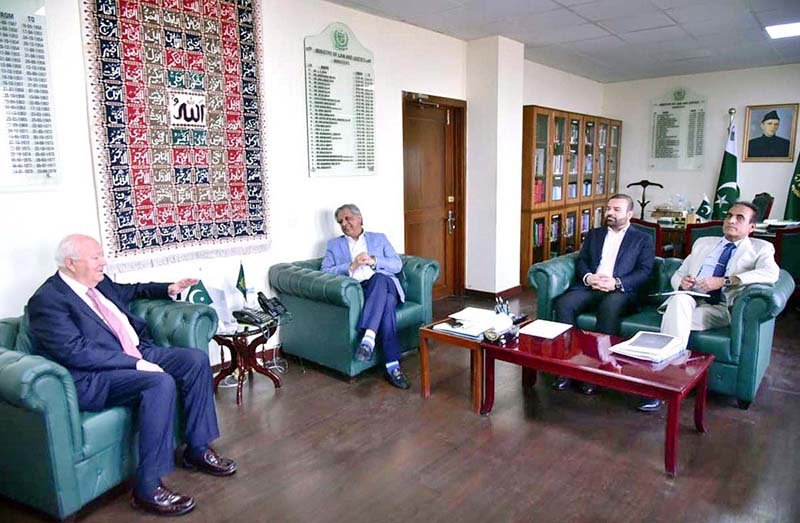
ISLAMABAD — Miguel Ángel Moratinos, United Nations Special Envoy to Combat Islamophobia and High Representative for the United Nations Alliance of Civilizations (UNAOC), met with Federal Minister for Human Rights, Senator Azam Nazeer Tarar, to discuss collaborative efforts in addressing Islamophobia and enhancing interfaith harmony. The meeting, held in Islamabad, also included Barrister Aqeel Malik, Minister of State for Law and Justice. What Happened During the meeting, Miguel Ángel Moratinos emphasized the importance of global cooperation in combating Islamophobia, a growing concern that affects millions worldwide. The discussions focused on developing strategies to promote interfaith dialogue and understanding, which are crucial in reducing religious tensions and fostering peace. Moratinos highlighted the need for a concerted effort by nations to address the root causes of Islamophobia and to implement educational programs that promote tolerance and respect among different faith communities. Senator Azam Nazeer Tarar expressed Pakistan’s commitment to working with international partners to combat religious discrimination and promote human rights. He noted, “Pakistan has always been at the forefront of advocating for the rights of all religious communities, and we are eager to strengthen our cooperation with the United Nations in this regard.” The meeting underscored Pakistan’s role in international forums advocating for policies that protect minority rights and promote religious harmony. Barrister Aqeel Malik, who was also present, reiterated the government’s dedication to upholding human rights and ensuring justice for all citizens. He stated, “Our legal framework is designed to protect the rights of all individuals, regardless of their religious beliefs, and we are committed to enforcing these laws to prevent discrimination and promote equality.” Background Islamophobia has been a persistent issue globally, with incidents of discrimination and violence against Muslims reported in various countries. The United Nations has been actively working to address this issue through initiatives like the UNAOC, which aims to foster intercultural dialogue and understanding. Pakistan, a predominantly Muslim country, has been vocal in international platforms about the need to combat Islamophobia and protect the rights of religious minorities. Historically, Pakistan has faced challenges related to religious harmony, with instances of sectarian violence and discrimination against minority communities. The government has implemented several measures to address these issues, including legal reforms and awareness campaigns aimed at promoting tolerance and coexistence. Why It Matters The meeting between Moratinos and Pakistani officials is significant as it highlights the country’s proactive stance in addressing global challenges related to religious discrimination. By engaging with the United Nations, Pakistan is positioning itself as a key player in the international effort to combat Islamophobia and promote human rights. Economically, fostering interfaith harmony can lead to a more stable and peaceful society, which is conducive to economic growth and development. Socially, promoting tolerance and understanding among different religious communities can reduce tensions and prevent conflicts, creating a more inclusive society. Politically, Pakistan’s collaboration with international organizations like the UNAOC enhances its diplomatic standing and reinforces its commitment to global human rights standards. This cooperation can also lead to stronger ties with other nations that share similar values and objectives. On an international level, addressing Islamophobia is crucial for maintaining global peace and security. By working together, countries can develop comprehensive strategies to counteract discrimination and promote a culture of peace and respect for all individuals, regardless of their religious beliefs. Key Takeaways Miguel Ángel Moratinos met with Pakistani officials to discuss efforts to combat Islamophobia. The meeting focused on promoting interfaith harmony and strengthening human rights cooperation. Pakistan is committed to working with the UN to address religious discrimination globally. Fostering interfaith dialogue is crucial for social stability and economic development. International collaboration is essential for combating Islamophobia and promoting global peace. Source Attribution This article is based on official government statements, press releases, and public communications from relevant authorities. Author: NEN Editorial Desk | Editor: NEN Newsroom | Fact Checked By: NEN Editorial Team Author: NEN Editorial Desk  |  Editor: NEN Newsroom  |  Last Updated: June 29, 2026  |  Source: Press Release from Government of Pakistan This article was produced by the NEN Editorial Desk in accordance with NEN Agency’s Editorial Policy and Fact-Checking Policy.
PAL Launches Poetry Competition for Quaid-e-Azam’s 150th Birth Anniversary
World

PAL Launches Poetry Competition for Quaid-e-Azam’s 150th Birth Anniversary

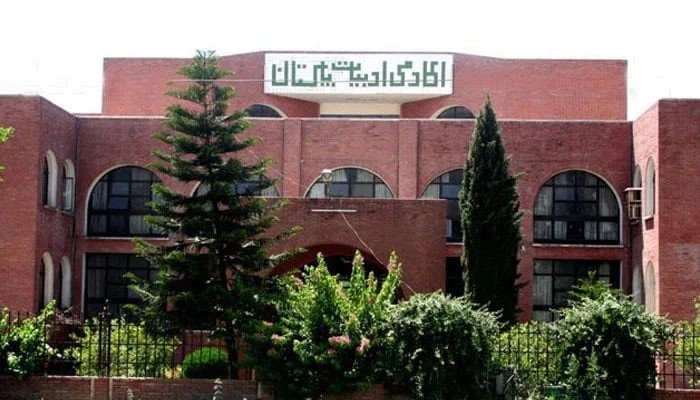
ISLAMABAD — The Pakistan Academy of Letters (PAL) has announced a nationwide poetry competition to celebrate the 150th birth anniversary of Quaid-e-Azam Muhammad Ali Jinnah, the founding father of Pakistan. The event, themed “Leader of the Caravan – Muhammad Ali Jinnah,” invites poets from across the country to submit original works that honor Jinnah’s life, vision, and legacy. What Happened The Pakistan Academy of Letters (PAL) has initiated a poetry competition as part of the commemorations for Quaid-e-Azam Muhammad Ali Jinnah’s 150th birth anniversary. The competition is designed to engage poets from all over Pakistan, encouraging them to create original poetry that reflects on the profound impact of Jinnah’s leadership and his enduring influence on the nation’s history. The theme, “Leader of the Caravan – Muhammad Ali Jinnah,” aims to inspire participants to delve into the multifaceted contributions of Jinnah, from his role in the independence movement to his vision for a unified and progressive Pakistan. According to PAL, the competition is open to poets of all ages and backgrounds, with submissions being accepted in multiple languages spoken across Pakistan. This inclusivity reflects Jinnah’s own commitment to a diverse and united nation. The academy has emphasized the importance of creativity and originality in the submissions, encouraging poets to explore Jinnah’s ideals and principles through their unique perspectives. The submission deadline is set for September 15, 2023, providing ample time for participants to craft their works. PAL has announced that a panel of esteemed literary figures will judge the entries, and winners will be awarded at a special ceremony later in the year. The top entries will also be published in a commemorative anthology, further extending the reach of Jinnah’s legacy through the power of poetry. Background Quaid-e-Azam Muhammad Ali Jinnah, born on December 25, 1876, played a pivotal role in the creation of Pakistan. As a prominent leader of the All-India Muslim League, Jinnah was instrumental in advocating for the rights of Muslims in the Indian subcontinent, ultimately leading to the establishment of Pakistan as an independent state in 1947. His vision for Pakistan was one of a democratic, inclusive, and progressive nation where all citizens could thrive regardless of their religious or ethnic backgrounds. The Pakistan Academy of Letters, established in 1976, has been a key institution in promoting literature and culture in Pakistan. By organizing events such as this poetry competition, PAL continues to foster a deeper understanding of Pakistan’s cultural and historical heritage, while also providing a platform for contemporary voices to contribute to the nation’s literary landscape. Why It Matters The poetry competition holds significant cultural and educational value as it not only commemorates a landmark anniversary of Quaid-e-Azam Muhammad Ali Jinnah but also reinforces his ideals and vision for Pakistan. By encouraging poets to reflect on Jinnah’s legacy, the event serves as a reminder of the values upon which Pakistan was founded. It highlights the importance of unity, diversity, and progress, which are crucial for the nation’s continued development. Furthermore, the competition provides an opportunity for emerging poets to gain recognition and contribute to the national discourse through their creative expressions. By publishing the winning entries, PAL ensures that these voices are heard, promoting a culture of literary appreciation and critical engagement with Pakistan’s history and future. In a broader context, the competition underscores the role of literature and the arts in shaping national identity and fostering dialogue. As Pakistan navigates contemporary challenges, revisiting the principles of its founding leaders through artistic expression can inspire new generations to uphold and advance the nation’s core values. Key Takeaways The Pakistan Academy of Letters has launched a poetry competition for Quaid-e-Azam’s 150th birth anniversary. The competition invites poets nationwide to submit works under the theme “Leader of the Caravan – Muhammad Ali Jinnah.” Submissions are open until September 15, 2023, with winners to be featured in a commemorative anthology. The event emphasizes Jinnah’s vision of unity, diversity, and progress for Pakistan. The competition promotes literary engagement and national discourse through creative expression. Source Attribution This article is based on official statements and public communications from the Pakistan Academy of Letters. Author: NEN Editorial Desk | Editor: NEN Newsroom | Fact Checked By: NEN Editorial Team Author: NEN Editorial Desk  |  Editor: NEN Newsroom  |  Last Updated: June 29, 2026  |  Source: NEN Reporter This article was produced by the NEN Editorial Desk in accordance with NEN Agency’s Editorial Policy and Fact-Checking Policy.

Pakistan Transfers Management of PIACL to Investor Consortium
World

Pakistan Transfers Management of PIACL to Investor Consortium

ISLAMABAD — The Government of Pakistan has transferred management control of Pakistan International Airlines Corporation Limited (PIACL) to an investor consortium led by Arif Habib Corporation Limited. This transfer follows the successful first financial closing of the airline’s divestment, as announced by the Privatization Commission on Monday. What Happened The Privatization Commission of Pakistan announced the successful first closing of the divestment of PIACL, marking a significant step in the country’s privatization efforts. The management control of the national carrier has been handed over to a consortium led by Arif Habib Corporation Limited. This transition occurred after the fulfillment of all conditions precedent outlined in the Share Purchase and Subscription Agreement (SPSA). This move is part of the government’s broader strategy to privatize state-owned enterprises to improve efficiency and reduce financial burdens on the national exchequer. The investor consortium, which now holds management control, is expected to bring in expertise and capital to revitalize the struggling airline. The successful closing is seen as a pivotal moment in Pakistan’s ongoing efforts to restructure its public sector enterprises. According to the Privatization Commission, the transaction was completed after a rigorous process that ensured transparency and compliance with legal and regulatory frameworks. The completion of this phase allows the investor group to begin implementing strategic changes aimed at turning around the fortunes of PIACL. Background Pakistan International Airlines, once a symbol of national pride, has faced numerous challenges over the past decades, including financial losses, management inefficiencies, and operational setbacks. The airline has been struggling to maintain profitability, with mounting debts and operational costs weighing heavily on its balance sheets. The privatization of PIACL has been a topic of discussion for several years, with successive governments considering various strategies to address the airline’s financial woes. The current administration’s decision to proceed with privatization aligns with its broader economic reform agenda aimed at enhancing the performance of state-owned enterprises. The Share Purchase and Subscription Agreement (SPSA) is a critical component of this privatization process, setting forth the terms and conditions under which the investor consortium assumes management control. This agreement ensures that the transition adheres to the legal and regulatory standards, providing a framework for the future operations of the airline under new management. Why It Matters The transfer of management control of PIACL is a significant development in Pakistan’s economic landscape, with potential implications for the aviation sector and the broader economy. By involving private investors, the government aims to inject much-needed capital and expertise into the airline, potentially reversing years of financial decline. Economically, the successful privatization of PIACL could serve as a catalyst for further privatization initiatives, encouraging investor confidence in Pakistan’s market. It demonstrates the government’s commitment to reforming state-owned enterprises, which could lead to improved efficiency and competitiveness in various sectors. Socially, the revitalization of PIACL could lead to job creation and improved services for passengers, enhancing the airline’s reputation and customer satisfaction. Politically, the move reflects the government’s resolve to tackle long-standing challenges within the public sector, potentially bolstering its standing domestically and internationally. Internationally, the involvement of private investors in PIACL’s management could enhance the airline’s global competitiveness, opening up new routes and partnerships. This could lead to increased connectivity for Pakistan, boosting tourism and trade opportunities. Key Takeaways The Government of Pakistan has transferred management control of PIACL to a consortium led by Arif Habib Corporation Limited. This transfer follows the successful first financial closing of the airline’s divestment process. The privatization aims to improve the airline’s efficiency and financial performance. The move is part of broader economic reforms targeting state-owned enterprises. Successful privatization could enhance investor confidence and economic growth in Pakistan. Source Attribution This article is based on official government statements, press releases, and public communications from relevant authorities. Author: NEN Editorial Desk | Editor: NEN Newsroom | Fact Checked By: NEN Editorial Team Author: NEN Editorial Desk  |  Editor: NEN Newsroom  |  Last Updated: June 29, 2026  |  Source: NEN Reporter This article was produced by the NEN Editorial Desk in accordance with NEN Agency’s Editorial Policy and Fact-Checking Policy.

South Korea to Invest $650 Billion in AI Data Centers by 2035
World

South Korea to Invest $650 Billion in AI Data Centers by 2035

SEOUL — South Korea has announced an ambitious plan to invest over a quadrillion won (approximately $650 billion USD) in the development of artificial intelligence (AI) data centers by the year 2035. This initiative, unveiled by Science Minister Bae Kyung-hoon, aims to position the country as a leader in the global AI industry. What Happened During a national investment briefing chaired by President Lee Jae Myung at Cheong Wa Dae, Minister Bae Kyung-hoon detailed the government’s strategy to enhance South Korea’s standing in the physical AI sector. Emphasizing the critical role of data in achieving this goal, Bae stated, “The next three years will be the golden time to become the No. 1 in the area of physical AI.” The plan includes an initial investment of 550 trillion won to construct 8.4 gigawatts (GW) of AI data centers by 2029. The infrastructure will be expanded by an additional 10 GW by 2035. This extensive development will be concentrated in non-capital regions to ensure balanced regional growth, as highlighted by Minister Bae. Quoting Nvidia’s chief, Jensen Huang, Bae underscored the magnitude of the current AI boom, describing it as the “largest infrastructure build-up in human history.” He also highlighted the global investment earmarked for data centers over the next five years, amounting to $5.5 trillion or 8.4 quadrillion won. To support the burgeoning sector, the ministry plans to localize equipment and solutions used in the data centers, offering tax incentives and fostering a cluster ecosystem. Additionally, ultra-large test labs will be established to optimize and validate AI models. The ministry’s roadmap includes developing a general-purpose foundation model for physical AI within the next three years, utilizing AI tools that comprehend real-world dynamics. This model aims to boost productivity in key industries by 20 percent, thereby creating a competitive edge for South Korea. Background South Korea has been at the forefront of technological innovation, with a strong emphasis on AI and semiconductor industries. The government’s focus on AI data centers is part of a broader strategy to enhance its technological infrastructure and maintain a competitive position in the global market. Historically, South Korea has invested heavily in technology sectors, recognizing their potential to drive economic growth and job creation. The country’s commitment to AI development aligns with its long-term vision of becoming a digital powerhouse. Why It Matters The proposed investment in AI data centers is significant for several reasons. Economically, it represents a substantial commitment to technological advancement, which is expected to stimulate growth in related industries and create numerous job opportunities. The focus on non-capital regions for infrastructure development is likely to promote regional economic balance and reduce disparities. Socially, the initiative underscores the importance of AI in enhancing productivity and efficiency across various sectors, including manufacturing, healthcare, and logistics. By boosting productivity by 20 percent, the initiative could lead to improved services and products, benefiting consumers and businesses alike. Internationally, South Korea’s investment signals its intent to be a major player in the global AI landscape. As countries worldwide compete for technological dominance, South Korea’s strategic investments could enhance its influence and partnerships in the international arena. Key Takeaways South Korea plans to invest over a quadrillion won ($650 billion USD) in AI data centers by 2035. The initiative aims to position South Korea as a leader in the global AI industry. Infrastructure development will focus on non-capital regions to promote balanced regional growth. The plan includes localizing equipment, offering tax incentives, and creating ultra-large test labs. The initiative is expected to boost productivity in key industries by 20 percent, enhancing competitiveness. Source Attribution This article is based on official government statements, press releases, and public communications from relevant authorities. Author: NEN Editorial Desk | Editor: NEN Newsroom | Fact Checked By: NEN Editorial Team Author: NEN Editorial Desk  |  Editor: NEN Newsroom  |  Last Updated: June 29, 2026  |  Source: Press Release from Government of Pakistan This article was produced by the NEN Editorial Desk in accordance with NEN Agency’s Editorial Policy and Fact-Checking Policy.

Oil Prices Increase Amid Tensions Affecting Strait of Hormuz
World

Oil Prices Increase Amid Tensions Affecting Strait of Hormuz

LONDON — Oil prices experienced an uptick on Monday as Brent crude and US West Texas Intermediate (WTI) both recorded gains, driven by geopolitical tensions affecting a critical maritime route. Brent crude futures rose by 50 cents, reaching $72.49 per barrel, while WTI crude futures increased by 73 cents to $69.96 per barrel as of 2204 GMT. What Happened The increase in oil prices comes in the wake of renewed concerns over potential supply disruptions. These concerns have been fueled by recent military exchanges between the United States and Iran, which have escalated tensions in the Middle East. The Strait of Hormuz, a vital chokepoint through which a significant portion of the world’s oil supply is transported, is at the center of these tensions. The heightened uncertainty over the security of this strategic waterway has contributed to the upward pressure on oil prices. According to market analysts, the geopolitical developments have injected a sense of volatility into the oil markets. “The market is reacting to the geopolitical risks associated with the Strait of Hormuz,” said a commodities analyst. The potential for conflict in the region raises concerns about the safe passage of oil tankers, which could lead to supply bottlenecks and further price increases. In addition to geopolitical factors, the oil market is also responding to broader economic indicators. Recent data showing a rebound in global economic activity has bolstered demand expectations, providing additional support for oil prices. However, the primary driver of the current price movements remains the geopolitical landscape. Background The Strait of Hormuz is a narrow passage connecting the Persian Gulf with the Gulf of Oman and the Arabian Sea. It is one of the most strategically important waterways globally, with approximately 20% of the world’s petroleum passing through it. Historically, tensions in this region have had significant implications for global oil markets. The United States and Iran have had a contentious relationship, with periodic escalations impacting global oil supply perceptions. In recent years, incidents such as the targeting of oil tankers and military confrontations have periodically disrupted the flow of oil through the Strait, leading to fluctuations in global oil prices. Furthermore, the global oil market has been navigating the impacts of the COVID-19 pandemic, which initially led to a sharp decline in demand. As economies recover, the demand for oil has been gradually increasing, although the market remains sensitive to geopolitical developments. Why It Matters The rise in oil prices has significant implications for the global economy, particularly for countries heavily reliant on oil imports. Higher oil prices can lead to increased costs for transportation and manufacturing, potentially contributing to inflationary pressures. For Pakistan, which imports a substantial portion of its energy needs, rising oil prices could exacerbate the current account deficit and put additional pressure on foreign exchange reserves. On a broader scale, the situation underscores the vulnerability of global energy markets to geopolitical tensions. The Strait of Hormuz is a critical artery for oil transportation, and any disruptions could have far-reaching consequences for energy security worldwide. The potential for conflict in the region highlights the need for diversified energy sources and the importance of diplomatic efforts to ensure the stability of vital trade routes. Additionally, the current scenario may influence future energy policies and investments. Countries may accelerate their transition to renewable energy sources to mitigate the risks associated with oil dependency and geopolitical instability. Key Takeaways Brent crude rose to $72.49 per barrel, while WTI increased to $69.96 per barrel. Geopolitical tensions between the US and Iran have heightened concerns over the Strait of Hormuz. The Strait of Hormuz is a critical chokepoint for global oil transportation. Rising oil prices could impact inflation and economic stability, particularly in import-dependent countries like Pakistan. The situation may accelerate the transition to renewable energy sources globally. Source Attribution This article is based on official government statements, press releases, and public communications from relevant authorities. Author: NEN Editorial Desk | Editor: NEN Newsroom | Fact Checked By: NEN Editorial Team Author: NEN Editorial Desk  |  Editor: NEN Newsroom  |  Last Updated: June 29, 2026  |  Source: NEN Reporter This article was produced by the NEN Editorial Desk in accordance with NEN Agency’s Editorial Policy and Fact-Checking Policy.
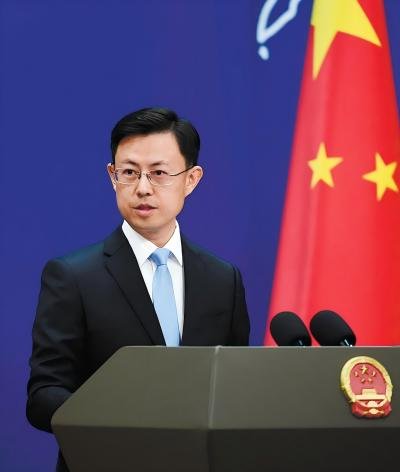
China Pledges Enhanced Ties with Arab League Under New Secretary-General
World

China Pledges Enhanced Ties with Arab League Under New Secretary-General

BEIJING — China has extended its congratulations to Nabil Fahmy, the former Egyptian Foreign Minister, on his appointment as the new Secretary-General of the Arab League. The Chinese government expressed optimism that relations between China and Arab states will strengthen during Fahmy’s tenure. China’s Commitment to Arab League On June 27, 2023, Chinese Foreign Ministry spokesperson Guo Jiakun conveyed congratulations to Nabil Fahmy during a routine media briefing. Guo emphasized China’s commitment to deepening cooperation with Arab nations under Fahmy’s leadership. According to Guo, “We are confident that under Secretary-General Fahmy’s guidance, the Arab League will continue to play a significant role in regional and international affairs.” Historically, China has maintained robust diplomatic relations with Arab countries. This announcement reaffirms China’s strategic interest in the Middle East. The spokesperson highlighted that China views the Arab League as a crucial partner in promoting peace, stability, and development. Guo reiterated China’s support for the Arab League’s efforts in addressing regional challenges and fostering economic growth. The Role of the Arab League Consisting of 22 member states, the Arab League plays a pivotal role in coordinating political, economic, and cultural cooperation. Fahmy’s appointment comes at a time of significant regional challenges, including political instability, economic diversification, and security threats. The Arab League, established in 1945, aims to strengthen ties among member states and coordinate their policies. Over the years, it has been involved in initiatives aimed at resolving conflicts and promoting economic integration within the Arab world. Evolution of China-Arab Relations In recent decades, China’s relationship with the Arab League has evolved significantly. They have engaged in numerous bilateral and multilateral dialogues, focusing on trade, investment, and cultural exchanges. China is particularly interested in the Arab world’s energy resources, while Arab states have sought Chinese investment in infrastructure and technology. Nabil Fahmy, a seasoned diplomat, served as Egypt’s Foreign Minister from 2013 to 2014 and has been involved in various diplomatic missions within the Arab world. His appointment is seen as a strategic move to enhance the Arab League’s influence on the global stage. Significance of Strengthened Ties The strengthening of ties between China and the Arab League holds significant implications for both regions. Economically, China is a major trading partner for many Arab countries. Enhanced cooperation could lead to increased trade volumes and investment opportunities. The Belt and Road Initiative, China’s global development strategy, has already led to significant investment in Arab infrastructure projects, and this relationship is likely to expand. Politically, China’s engagement with the Arab League could influence regional dynamics, particularly in conflict resolution and peace-building efforts. China’s non-interventionist policy and emphasis on sovereignty have been well-received by Arab states, providing an alternative to Western diplomatic approaches. For Pakistan, stronger China-Arab relations could open new avenues for trilateral cooperation, particularly in trade and energy sectors. As a member of the Organization of Islamic Cooperation (OIC), Pakistan has vested interests in the stability and prosperity of the Arab world. Key Takeaways China congratulated Nabil Fahmy on his appointment as the Arab League’s Secretary-General. China aims to deepen cooperation with Arab states under Fahmy’s leadership.

China Announces Emergency Humanitarian Aid for Venezuela
World

China Announces Emergency Humanitarian Aid for Venezuela

BEIJING — China has announced plans to provide emergency humanitarian assistance to Venezuela, addressing the South American nation’s ongoing crises. The aid will be delivered by the Chinese government in collaboration with the Red Cross Society of China. This initiative was unveiled by Chinese Foreign Ministry spokesperson Guo Jiakun during a Friday press briefing. Details of China’s Aid The collaboration between the Chinese government and the Red Cross Society of China promises emergency assistance as Venezuela faces severe economic and social challenges. These issues are intensified by natural disasters and political instability. Guo Jiakun revealed China’s readiness to extend further support depending on the situation’s evolution. Guo emphasized China’s dedication to international humanitarian efforts, focusing on alleviating Venezuela’s immediate needs. While the specifics of the aid package were not disclosed, China is closely monitoring the situation to adapt its response effectively. China’s Role in Global Aid Efforts During the press briefing, Guo responded to inquiries about China’s role in addressing global humanitarian crises. He reiterated China’s commitment to supporting nations in distress and the crucial nature of international cooperation during challenging times. Venezuela’s Crisis Venezuela has been in the throes of a prolonged economic crisis, with hyperinflation, shortages of essentials, and a collapse of public services. The country’s plight has worsened due to disasters like recent floods and landslides, displacing thousands. In response, Venezuela has sought international assistance. Over the years, China and Venezuela have maintained robust diplomatic and economic relations. As one of Venezuela’s major trading partners, China has significantly invested in its oil and infrastructure sectors. This humanitarian aid aligns with China’s broader strategy of engaging with Latin American countries through aid and investment. Implications of the Aid The Chinese aid initiative highlights China’s expanding role in global humanitarian efforts. As a significant economic power, China’s involvement in international aid reflects its strategic interests in maintaining and bolstering bilateral relations with countries like Venezuela. Not only does this initiative address immediate needs, but it also enhances China’s regional influence. For Venezuela, the aid offers much-needed relief amid the humanitarian crisis. It underscores the importance of international support in tackling the complex challenges faced by the nation. China’s humanitarian efforts may also influence geopolitical dynamics in Latin America by altering alliances and economic dependencies, potentially impacting the influence of other global powers in the region. Key Takeaways China and the Red Cross Society of China to provide emergency humanitarian aid to Venezuela. The aid targets essential needs amidst economic and social crises in Venezuela. China’s engagement underscores its increasing role in global humanitarian initiatives. This effort reinforces China’s strategic interests and influence in the region.

Senator Highlights Historical Significance Of Hazrat Imam Hussain’s Sacrifice
World

Senator Highlights Historical Significance Of Hazrat Imam Hussain’s Sacrifice

ISLAMABAD — Senator Azam Nazeer Tarar, Federal Minister for Law, Justice and Human Rights, highlighted the enduring significance of Hazrat Imam Hussain’s sacrifice at Karbala. He emphasized it as a monumental example of courage and truth prevailing over oppression. His remarks, made on Friday, underscored the historical and moral importance of the Karbala events. Historical Context Senator Azam Nazeer Tarar reflected on the sacrifice made by Hazrat Imam Hussain (AS) and his companions during the Battle of Karbala. He praised the courage and steadfastness of Imam Hussain and his followers facing Yazid’s oppressive forces. The senator noted that the 680 AD events of Karbala resonate as a powerful symbol of the fight for justice and truth. “The timeless sacrifice of Hazrat Imam Hussain (AS) and his devoted companions at Karbala remains one of history’s greatest examples of courage, steadfastness, and the triumph of truth over oppression,” stated Senator Tarar. He elaborated on how the sacrifice continues to inspire generations against tyranny and injustice. Global Relevance Senator Tarar’s comments come as the teachings of Imam Hussain gain renewed relevance. Communities worldwide reflect on justice and sacrifice principles during the Islamic month of Muharram. This period involves mourning and remembrance of Karbala, where Imam Hussain and his followers were martyred. Internationally, commemorating Imam Hussain’s sacrifice unites Muslims, fostering unity and offering opportunities for interfaith dialogue. The universal story of Karbala is appreciated by diverse audiences. Event Significance The Battle of Karbala, occurring on the 10th of Muharram in 680 AD, is pivotal in Islamic history. Hazrat Imam Hussain, Prophet Muhammad’s grandson, opposed the Umayyad caliph Yazid’s oppressive rule. Imam Hussain’s refusal to pledge allegiance to Yazid led to the Karbala confrontation in present-day Iraq. Despite being outnumbered, Imam Hussain and his followers chose to fight for their principles, leading to martyrdom. This event is commemorated annually during Muharram, especially on Ashura, serving as a reminder of standing up for justice and righteousness. Impact on Society The sacrifice of Hazrat Imam Hussain at Karbala holds deep significance for Muslims and all who value justice and moral integrity. The Karbala narrative transcends religious boundaries, offering a universal message about standing up against tyranny. For Pakistan, a nation built on justice and equality, Karbala’s lessons are particularly strong. Imam Hussain’s story inspires citizens and leaders to uphold these values amidst challenges. Senator Tarar’s remarks remind us of these historical events’ impact on contemporary society. Key Takeaways Senator Tarar emphasized the historical significance of Imam Hussain’s sacrifice at Karbala. The Battle of Karbala is annually commemorated during Muharram, focusing on justice and courage themes. Imam Hussain’s stand against tyranny continuously inspires global justice movements. The Karbala events transcend religious boundaries, offering universal lessons on moral integrity. Pakistan’s leaders and citizens are reminded of justice and equality’s importance.

EU, UK Support Pakistan’s Right To Defend Against TTP Threat
World

EU, UK Support Pakistan’s Right To Defend Against TTP Threat

ISLAMABAD — The European Union (EU) and United Kingdom (UK) have affirmed their support for Pakistan’s right to self-defense against the Tehrik-i-Taliban Pakistan (TTP), a militant group in the region. This affirmation follows concerns about the presence of multiple terrorist organizations in Afghanistan, as observed by the United Nations Security Council Monitoring Team. International Backing Against Terrorism The EU and UK envoys reasserted their backing of Pakistan’s terrorism combat efforts, especially due to the rising TTP threat. The UN Security Council Monitoring Team has reported over 20 terrorist organizations operating with relative freedom under the Taliban regime in Afghanistan. Among these are between 13,000 to 23,000 terrorist fighters, including members of TTP, Al-Qaida, Islamic State Khorasan Province (ISKP), Eastern Turkistan Islamic Movement (ETIM), Islamic Movement of Uzbekistan (IMU), and Jamaat Ansarullah. This situation highlights the international community’s recognition of the security challenges Pakistan faces due to these militant groups’ activities. The EU and UK support represents a significant diplomatic gesture, emphasizing regional stability and the need for coordinated anti-terrorism efforts. Security Challenges and Diplomatic Significance Pakistan has expressed concern over security risks from Afghanistan, especially after the Taliban’s return to power in August 2021. The resurgence of TTP and other groups has led to increased cross-border attacks, threatening Pakistan’s national security directly. The TTP, known as the Pakistani Taliban, is responsible for numerous attacks in Pakistan, targeting civilian and military sites. It aims to overthrow the Pakistani government and establish its version of Islamic law. The Taliban takeover in Afghanistan has emboldened TTP, allowing it to regroup and plan attacks using Afghanistan as a safe haven. Impact on Bilateral Relations and Economic Growth Support from the EU and UK is vital for Pakistan as it navigates the complex geopolitical environment of South Asia. Affirming Pakistan’s right to self-defense not only strengthens bilateral ties but also reinforces global anti-terrorism efforts. This international support could boost collaboration in intelligence-sharing, counter-terrorism training, and financial aid to enhance Pakistan’s security infrastructure. Economically, terrorism has impeded Pakistan’s growth, deterring foreign investment and affecting tourism. Resolving these security issues can help Pakistan foster a more favorable environment for economic development and regional trade. Global Security Implications The international community’s stance against Afghan-based terrorist organizations necessitates a unified approach for regional stability. These groups not only threaten Pakistan but also pose a risk to global security with their potential for international attacks. Key Takeaways The EU and UK have affirmed Pakistan’s right to self-defense against TTP threats. Over 20 terrorist organizations, including TTP, operate freely in Afghanistan. UN estimates suggest up to 23,000 terrorist fighters are present in the region. International support is crucial for Pakistan’s counter-terrorism efforts.

Scroll to Top