

World

Welcome to the World section of NEN Agency, your window to the stories shaping our planet. From global politics and economic shifts to science breakthroughs, cultural moments, and humanitarian crises, we connect you to events that matter — wherever they happen.

Inside This Category

  • Global Politics & Diplomacy: International relations, summits, and policy shifts.

  • World Economy & Trade: Market trends, trade agreements, and financial developments.

  • Conflicts & Security: Coverage of wars, peace efforts, and security challenges.

  • Science & Environment: Climate change, technological advances, and space exploration.

  • Culture & Society: Arts, sports, and lifestyle stories from around the globe.

Why Our World Coverage Stands Out
We deliver global news with context, helping readers see how events beyond borders influence life in Pakistan and the wider region.

World

Pakistani Envoy to Tanzania, LCCI President Discuss Trade Expansion

LAHORE — Pakistan’s Designate High Commissioner to Tanzania, Hasnain Yousaf, met with Lahore Chamber of Commerce and Industry (LCCI) President Faheem Ur Rehman Saigol on Tuesday to explore avenues for enhancing trade and economic relations between Pakistan and African nations. The meeting focused on strategies to boost exports and identify new market opportunities. What Happened In a significant meeting held at the Lahore Chamber of Commerce and Industry, Hasnain Yousaf, who is set to assume his role as Pakistan’s High Commissioner to Tanzania, engaged in discussions with LCCI President Faheem Ur Rehman Saigol. The primary agenda was to explore potential strategies for strengthening trade ties between Pakistan and African countries, particularly Tanzania. During the meeting, both officials emphasized the importance of diversifying Pakistan’s export portfolio to include more African markets. Hasnain Yousaf highlighted the untapped potential in sectors such as textiles, pharmaceuticals, and agricultural products, which could significantly benefit from increased export activity. “We must look beyond traditional markets and explore new opportunities in Africa,” Yousaf stated. Faheem Ur Rehman Saigol echoed these sentiments, stressing the need for Pakistani businesses to adopt a more proactive approach in seeking out partnerships and collaborations in Africa. He noted, “The African continent offers a vast array of opportunities for Pakistani exporters, and we must capitalize on this potential to enhance our economic footprint.” The discussion also touched upon the logistical challenges faced by exporters, such as transportation and regulatory hurdles, and the need for government intervention to facilitate smoother trade operations. Background Pakistan has been actively seeking to expand its trade relations with African countries as part of its ‘Look Africa Policy’ initiated in recent years. This policy aims to diversify Pakistan’s trade partners and reduce dependency on traditional markets in the West and Middle East. Historically, trade between Pakistan and African nations has been limited, with a focus primarily on a few key commodities. The Lahore Chamber of Commerce and Industry, as one of Pakistan’s leading business advocacy groups, plays a crucial role in facilitating trade and investment opportunities for its members. The LCCI has been instrumental in organizing trade delegations and exhibitions to promote Pakistani products abroad. Why It Matters The meeting between Hasnain Yousaf and Faheem Ur Rehman Saigol is a critical step towards realizing Pakistan’s ambitions of increasing its trade footprint in Africa. With a population exceeding 1.3 billion and a rapidly growing middle class, Africa presents a lucrative market for Pakistani exporters. Economically, expanding into African markets could help Pakistan address its trade deficit by increasing export revenues. This is particularly important given the current economic challenges faced by the country, including inflation and foreign exchange constraints. Politically, strengthening ties with African nations could enhance Pakistan’s diplomatic influence on the continent, providing a platform for greater collaboration in international forums. This could also lead to increased bilateral cooperation in areas such as technology transfer, education, and infrastructure development. For Pakistani businesses, entering African markets could lead to diversification of risk and increased resilience against economic fluctuations in traditional markets. The potential for growth in sectors like textiles, pharmaceuticals, and agriculture is immense, offering opportunities for innovation and expansion. Key Takeaways Pakistan’s Designate High Commissioner to Tanzania and LCCI President discussed enhancing trade with Africa. The meeting focused on increasing exports and exploring new market opportunities in Africa. Pakistan aims to diversify its trade partners under the ‘Look Africa Policy’. Expanding into African markets could help address Pakistan’s trade deficit. Strengthening ties with Africa could enhance Pakistan’s diplomatic and economic influence. Source Attribution This article is based on official government statements and public communications from relevant authorities. Author: NEN Editorial Desk | Editor: NEN Newsroom | Fact Checked By: NEN Editorial Team Author: NEN Editorial Desk  |  Editor: NEN Newsroom  |  Last Updated: July 21, 2026  |  Source: Press Release from Government of Pakistan This article was produced by the NEN Editorial Desk in accordance with NEN Agency’s Editorial Policy and Fact-Checking Policy.

World

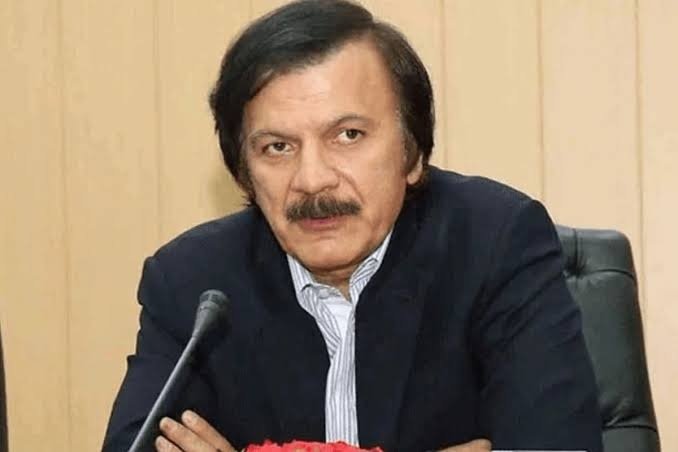
Haroon Akhtar Oversees MoU to Boost Pakistan’s Electric Vehicle Sector

ISLAMABAD — Special Assistant to the Prime Minister on Industries and Production Haroon Akhtar Khan on Tuesday attended a significant event where a Memorandum of Understanding (MoU) was signed between StarCharge, StarCharge Energy Pakistan, and Bahum Global Ltd. The agreement aims to enhance Pakistan’s electric vehicle (EV) ecosystem by fostering collaboration among key industry players. What Happened The MoU signing ceremony took place in Islamabad, marking a strategic partnership intended to advance the infrastructure and adoption of electric vehicles in Pakistan. Haroon Akhtar Khan, representing the government’s interest in promoting sustainable energy solutions, witnessed the agreement between StarCharge, a leading EV charging solutions provider, StarCharge Energy Pakistan, and Bahum Global Ltd, a company focused on renewable energy projects. During the event, Haroon Akhtar Khan emphasized the government’s commitment to transitioning towards greener technologies. “This partnership is a step forward in our journey to make Pakistan a hub for electric vehicles,” Khan stated. The collaboration is expected to focus on the development of EV charging stations, enhancing the accessibility and convenience of electric vehicles for the Pakistani populace. StarCharge, known for its innovative charging solutions, will bring its expertise to Pakistan, while Bahum Global Ltd will leverage its local market knowledge to facilitate the implementation of these technologies. This partnership is anticipated to play a crucial role in reducing Pakistan’s carbon footprint and aligning with global environmental standards. Background Pakistan has been gradually shifting its focus towards renewable energy and sustainable practices. In recent years, the government has introduced various policies to encourage the adoption of electric vehicles. The National Electric Vehicle Policy, approved in 2019, aims to promote the use of EVs by providing incentives and establishing necessary infrastructure. Despite these efforts, the adoption rate of electric vehicles in Pakistan remains low due to challenges such as inadequate charging infrastructure and high initial costs. The collaboration between StarCharge and Bahum Global Ltd seeks to address these issues by enhancing the availability of charging stations and potentially reducing costs through technological advancements and economies of scale. Why It Matters The signing of this MoU is significant for several reasons. Economically, it represents a potential boost to Pakistan’s automotive industry by attracting investment and creating jobs in the EV sector. The development of a robust EV infrastructure is expected to stimulate local manufacturing and ancillary industries, contributing to economic growth. Socially, the increased availability of electric vehicles and charging stations could lead to a reduction in air pollution, particularly in urban areas where vehicular emissions are a major concern. This aligns with public health goals and could improve the quality of life for citizens by providing cleaner air and a healthier environment. On an international level, Pakistan’s commitment to enhancing its EV ecosystem positions the country as a proactive participant in global efforts to combat climate change. By reducing reliance on fossil fuels, Pakistan can improve its energy security and reduce its carbon emissions, contributing to international climate agreements and goals. Key Takeaways An MoU was signed between StarCharge, StarCharge Energy Pakistan, and Bahum Global Ltd to enhance Pakistan’s EV infrastructure. Special Assistant to the Prime Minister Haroon Akhtar Khan emphasized the government’s commitment to sustainable energy solutions. The partnership aims to develop EV charging stations and promote the adoption of electric vehicles in Pakistan. This initiative supports Pakistan’s National Electric Vehicle Policy and aims to reduce the country’s carbon footprint. The collaboration is expected to boost the local economy and improve air quality by reducing vehicular emissions. Source Attribution This article is based on official government statements, press releases, and public communications from relevant authorities. Author: NEN Editorial Desk | Editor: NEN Newsroom | Fact Checked By: NEN Editorial Team Author: NEN Editorial Desk  |  Editor: NEN Newsroom  |  Last Updated: July 21, 2026  |  Source: NEN Reporter This article was produced by the NEN Editorial Desk in accordance with NEN Agency’s Editorial Policy and Fact-Checking Policy.

World

Pakistan Issues Latest Foreign Exchange Rates for July 21, 2026

KARACHI — The Exchange Rates Committee of the Financial Markets Association of Pakistan released the latest foreign exchange rates on Tuesday, July 21, 2026. These rates are crucial for financial transactions, including forward cover and deposits, excluding FE-25 deposits, with the State Bank of Pakistan (SBP) settlement date set for July 23, 2026. What Happened The Financial Markets Association of Pakistan’s Exchange Rates Committee announced the conversion rates for several major foreign currencies. The rates are applicable for forward cover and deposits, providing a benchmark for financial institutions and businesses engaged in international trade and finance. The exchange rate for the United States Dollar (USD) was set at 277.9060 Pakistani Rupees (PKR), while the British Pound (GBP) was pegged at 374.3116 PKR. The Euro (EUR) was valued at 317.9245 PKR, and the Japanese Yen (JPY) stood at 1.7115 PKR. The announcement of these rates is part of a routine procedure conducted by the Exchange Rates Committee to ensure transparency and consistency in the financial markets. The rates are determined based on a variety of economic indicators, including market demand and supply, international currency trends, and the overall economic outlook of Pakistan. Background The Financial Markets Association of Pakistan regularly issues exchange rates to guide financial institutions and businesses in their currency-related transactions. This practice is aligned with global standards where central banks or financial authorities release exchange rates to facilitate economic activities. The exchange rates are particularly significant for importers, exporters, and investors who require accurate and timely information to make informed decisions. Historically, Pakistan’s exchange rate policy has been influenced by various economic factors, including inflation, trade balance, and foreign exchange reserves. The State Bank of Pakistan plays a pivotal role in managing the exchange rate through monetary policy instruments and interventions in the foreign exchange market when necessary. Why It Matters The release of exchange rates is crucial for Pakistan’s economy, impacting a wide range of sectors. Accurate exchange rates help businesses manage their foreign exchange risk, particularly in a country like Pakistan, where currency volatility can affect profit margins and cost structures. For importers, a stronger PKR against foreign currencies can reduce the cost of imported goods, benefiting consumers through lower prices. Conversely, exporters benefit from a weaker PKR, which makes their goods more competitive in international markets. Furthermore, the exchange rates influence monetary policy decisions by the State Bank of Pakistan. A stable exchange rate is often a reflection of sound economic management, which can enhance investor confidence and attract foreign investment. On the international front, exchange rates affect Pakistan’s trade relations and balance of payments, playing a critical role in the country’s economic stability. In the broader context, exchange rates are an indicator of economic health and can influence inflation rates. A devaluation of the PKR can lead to higher import costs, contributing to inflationary pressures. Therefore, the management of exchange rates is a key aspect of economic policy, impacting the daily lives of citizens and the strategic planning of businesses and government alike. Key Takeaways The USD is valued at 277.9060 PKR, GBP at 374.3116 PKR, EUR at 317.9245 PKR, and JPY at 1.7115 PKR. Exchange rates are essential for financial transactions, impacting importers, exporters, and investors. Stable exchange rates can enhance investor confidence and attract foreign investment. Exchange rates influence inflation and monetary policy decisions in Pakistan. The State Bank of Pakistan’s interventions help manage currency volatility and economic stability. Source Attribution This article is based on official government statements, press releases, and public communications from relevant authorities. Author: NEN Editorial Desk | Editor: NEN Newsroom | Fact Checked By: NEN Editorial Team Author: NEN Editorial Desk  |  Editor: NEN Newsroom  |  Last Updated: July 21, 2026  |  Source: NEN Reporter This article was produced by the NEN Editorial Desk in accordance with NEN Agency’s Editorial Policy and Fact-Checking Policy.

World

World Cup Spurs Debate on Future of Global Climate Governance

ISLAMABAD — As the 2026 FIFA World Cup concluded, it not only marked a new chapter in football history with its expanded format but also sparked a critical dialogue on global climate governance. The tournament, held across 16 cities in three countries, was the largest in FIFA’s history, with 48 teams and 104 matches. However, the event’s significant carbon footprint has become a focal point for international discussions on environmental sustainability. What Happened The 2026 FIFA World Cup, hosted by the United States, Canada, and Mexico, was a landmark event in terms of scale and participation. The expansion to 48 teams and the inclusion of 104 matches aimed to increase global engagement and inclusivity in the sport. However, this expansion also brought about environmental challenges. The carbon emissions associated with the event, from international travel to energy consumption at stadiums, have raised concerns among environmentalists and policymakers alike. FIFA had previously committed to making the World Cup more sustainable, but the sheer scale of the 2026 event has highlighted the difficulties in balancing such ambitions with the realities of hosting a global tournament. The organization has faced criticism for not fully mitigating the environmental impact, despite efforts to implement green initiatives, such as using renewable energy sources and promoting public transportation for fans. “The World Cup’s carbon footprint is a wake-up call for us all,” said an environmental analyst. “It underscores the need for a comprehensive approach to climate governance that includes major international events.” Background Climate change has been a growing concern in recent years, with international bodies like the United Nations emphasizing the need for urgent action. The Paris Agreement, adopted in 2015, set out a global framework to limit global warming to well below 2 degrees Celsius. However, the implementation of effective climate policies has been uneven across countries, and events like the World Cup highlight the challenges of aligning large-scale activities with environmental goals. Previous World Cups have also faced scrutiny over their environmental impacts. The 2014 World Cup in Brazil and the 2018 tournament in Russia both drew criticism for their carbon emissions and resource use. FIFA has since pledged to improve the sustainability of its events, but the 2026 World Cup’s scale has brought these issues back to the forefront. Why It Matters The environmental impact of the 2026 World Cup is a microcosm of the broader challenges facing global climate governance. As one of the most-watched events worldwide, the World Cup has the potential to influence public opinion and policy on environmental issues. The significant carbon footprint of the tournament serves as a reminder of the urgent need for effective climate action. Economically, the World Cup is a boon for host countries, generating significant revenue from tourism and global exposure. However, the environmental costs could offset these benefits if not addressed. The event’s carbon emissions contribute to global warming, which poses long-term risks to economies worldwide, including increased natural disasters and resource scarcity. Socially, the World Cup’s environmental impact highlights the responsibility of major organizations and governments to prioritize sustainability. It calls for a reevaluation of how international events are planned and executed, with a focus on reducing carbon footprints and promoting eco-friendly practices. Key Takeaways The 2026 FIFA World Cup was the largest in history, with 48 teams and 104 matches. The event’s significant carbon footprint has sparked international debate on climate governance. Efforts to make the World Cup sustainable were challenged by the tournament’s scale. The environmental impact underscores the need for comprehensive climate policies. The World Cup’s influence can drive public and policy focus on sustainability issues. Source Attribution This article is based on official government statements, press releases, and public communications from relevant authorities. Author: NEN Editorial Desk | Editor: NEN Newsroom | Fact Checked By: NEN Editorial Team Author: NEN Editorial Desk  |  Editor: NEN Newsroom  |  Last Updated: July 21, 2026  |  Source: NEN Reporter This article was produced by the NEN Editorial Desk in accordance with NEN Agency’s Editorial Policy and Fact-Checking Policy.
World

China-Pakistan Corn Partnership Crucial for Food Security and Trade

BEIJING — Researchers from China and Pakistan have underscored the critical importance of their countries’ collaboration in the corn sector, emphasizing its potential to enhance food security and agricultural trade. This discussion took place at the 2026 Beijing-Tianjin-Hebei Fresh Edible Corn Industry Development Conference, where experts highlighted the benefits of bilateral cooperation in corn production, seed technology, and cross-border grain trade. What Happened The conference, held in Beijing, brought together foreign and Chinese researchers who focused on the growing agricultural ties between China and Pakistan. They discussed the pivotal role of these partnerships in increasing corn production and advancing seed technology. The event was part of the larger Sino-Foreign collaboration framework aimed at boosting agricultural productivity and trade between the two nations. Experts at the conference pointed out that the partnership has already led to significant advancements in corn production techniques and seed innovation. These developments are expected to contribute to the stability of food supplies in both countries, which is increasingly important in the face of global food security challenges. “Our collaboration with Pakistan in the corn sector is not only about trade but also about ensuring food security for both nations,” said a Chinese agricultural expert during the conference. The discussions also covered the potential for expanding cross-border grain trade, which could open new markets and enhance economic ties between the two countries. The conference served as a platform for experts to exchange ideas on how to further strengthen this partnership, with a focus on sustainable agricultural practices and technological innovation. Background The China-Pakistan Economic Corridor (CPEC), a flagship project under China’s Belt and Road Initiative, has been a significant driver of economic cooperation between the two countries. Agriculture is a key component of CPEC, with several projects aimed at enhancing agricultural productivity and trade. The corn partnership is part of this broader framework, which seeks to leverage China’s technological expertise and Pakistan’s agricultural potential. Historically, Pakistan has been an agrarian economy, with agriculture contributing significantly to its GDP. However, challenges such as outdated farming techniques and climate change have hindered growth. The partnership with China offers an opportunity to address these issues through technology transfer and investment in modern agricultural practices. Why It Matters The collaboration between China and Pakistan in the corn sector is crucial for several reasons. Economically, it provides Pakistan with access to advanced agricultural technologies and practices, which can boost productivity and increase exports. This, in turn, can help stabilize Pakistan’s economy, which has been facing challenges such as inflation and trade deficits. Socially, the partnership has the potential to improve food security in Pakistan, where a significant portion of the population is dependent on agriculture for their livelihoods. By increasing corn production and improving seed technology, the partnership can help ensure a stable food supply, reducing the risk of food shortages and price volatility. On an international level, the partnership strengthens the economic ties between China and Pakistan, reinforcing their strategic alliance. It also positions both countries as key players in the global agricultural market, with the potential to influence grain trade dynamics in the region. Key Takeaways China and Pakistan are deepening their collaboration in the corn sector to enhance food security and trade. The partnership focuses on advancing corn production techniques and seed technology. Economic benefits include increased agricultural productivity and potential export growth for Pakistan. The collaboration is part of the broader China-Pakistan Economic Corridor initiative. This partnership strengthens the strategic and economic ties between the two nations. Source Attribution This article is based on official government statements, press releases, and public communications from relevant authorities. Author: NEN Editorial Desk | Editor: NEN Newsroom | Fact Checked By: NEN Editorial Team Author: NEN Editorial Desk  |  Editor: NEN Newsroom  |  Last Updated: July 21, 2026  |  Source: NEN Reporter This article was produced by the NEN Editorial Desk in accordance with NEN Agency’s Editorial Policy and Fact-Checking Policy.
World

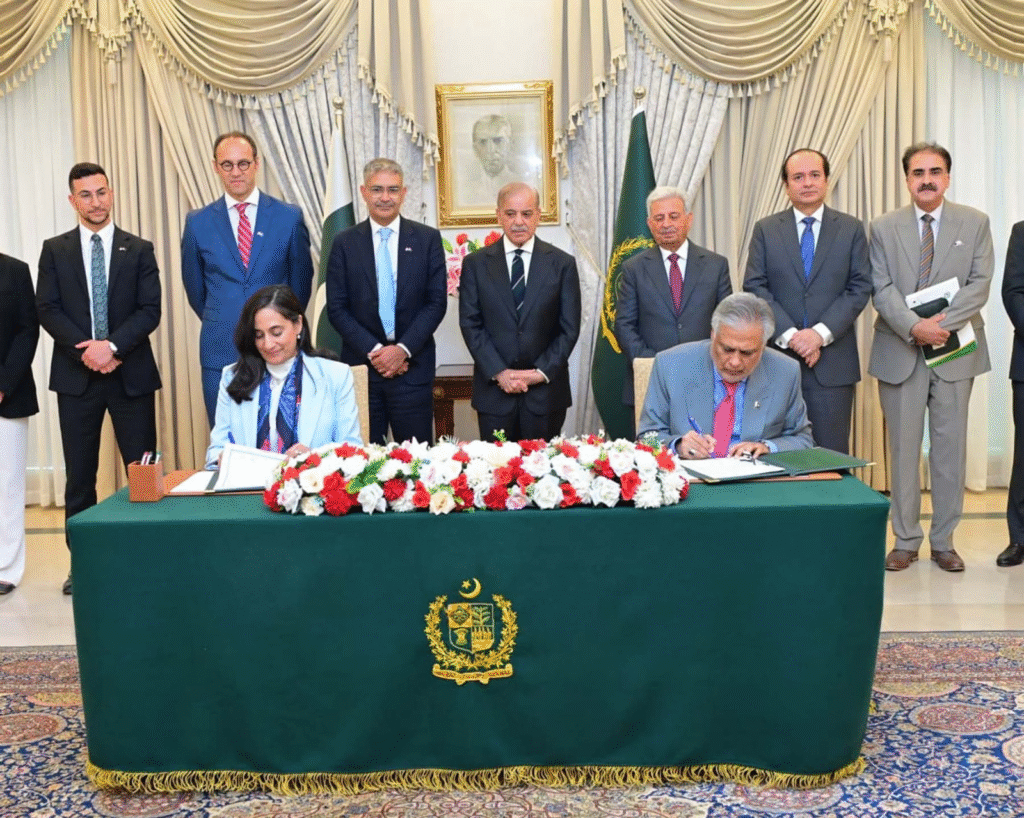
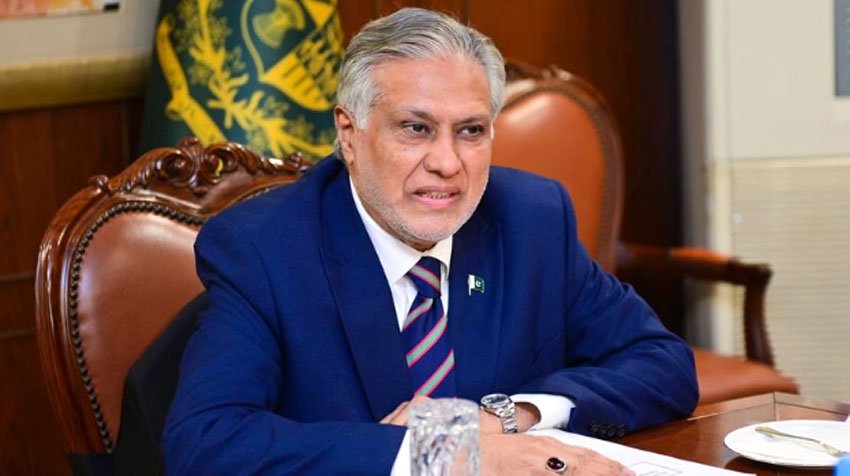
Pakistan, Canada Commit to Strengthening Strategic Collaboration

ISLAMABAD — Pakistan and Canada have reaffirmed their commitment to strengthening bilateral consultations and exploring new avenues for strategic collaboration. This was highlighted during a meeting between Pakistan’s Deputy Prime Minister and Minister of Foreign Affairs, Senator Mohammad Ishaq Dar, and Canada’s Minister for Foreign Affairs, Anita Anand, during her official visit to Pakistan on July 20, 2026. What Happened The meeting marked Foreign Minister Anita Anand’s first visit to Pakistan since assuming office. The two leaders engaged in a series of discussions aimed at enhancing Pakistan-Canada bilateral relations. A joint statement issued by both countries emphasized the successful holding of the 6th round of Bilateral Consultations in February 2026, which set the stage for renewed momentum in their diplomatic engagement. During the talks, both sides expressed a shared resolve to boost trade and investment, as well as to foster people-to-people exchanges. The Deputy Prime Minister updated Minister Anand on Pakistan’s mediation efforts in the regional conflict, acknowledging the Islamabad Memorandum of Understanding as a significant step toward a sustainable ceasefire. Both ministers underscored the importance of upholding commitments under this agreement. The discussions also highlighted the contributions of the Pakistani diaspora in Canada, which numbers over 300,000, and the presence of more than 9,000 Pakistani students in Canadian institutions. The ministers agreed on the importance of strengthening cultural exchanges, tourism, and mobility between the two nations. They also recognized the value of parliamentary exchanges and pledged to enhance cooperation between their respective legislatures. Emphasizing trade and investment as key drivers for mutual prosperity, the ministers welcomed progress toward a Pakistan-Canada Foreign Investment Protection and Promotion Agreement (FIPA). They agreed to revive the Pakistan-Canada Joint Working Group on Trade and Investment to expedite negotiations and explore business opportunities in sectors such as clean energy, mining, infrastructure, and emerging technologies. The ministers noted the strategic importance of energy security and diversification, agreeing to encourage investments in renewable energy sectors, including solar, wind, and battery storage technologies. They highlighted Canadian company JCM Power’s successful bid for the 240 MW Dhabeji Hybrid Wind-Solar Project in partnership with K-Electric, which has received necessary regulatory approvals. Background Pakistan and Canada have a long-standing relationship characterized by cooperation in various fields, including trade, education, and cultural exchanges. The two countries have held multiple rounds of bilateral consultations to address mutual interests and challenges. The Islamabad Memorandum of Understanding, referenced during the meeting, represents a significant diplomatic effort by Pakistan to mediate regional conflicts and promote peace. The Pakistani diaspora in Canada plays a vital role in bridging cultural and economic ties between the two nations. Over the years, both countries have worked to enhance these connections through educational exchanges and trade agreements. The potential for increased collaboration in renewable energy and technology sectors aligns with global trends towards sustainability and innovation. Why It Matters The reaffirmation of strategic collaboration between Pakistan and Canada holds significant implications for both countries. Economically, the focus on trade and investment could lead to increased business opportunities and economic resilience. The potential conclusion of the FIPA and the revival of the Joint Working Group on Trade and Investment signal a commitment to facilitating smoother business operations and attracting foreign investments. Socially, the emphasis on people-to-people exchanges and cultural ties enhances mutual understanding and cooperation. The acknowledgment of the Pakistani diaspora’s contributions underscores the importance of inclusive policies that benefit citizens of both nations. Politically, Pakistan’s mediation efforts in regional conflicts and the resulting agreements, such as the Islamabad MoU, demonstrate its role as a proactive player in promoting peace and stability. Canada’s support for these initiatives reflects a shared commitment to addressing global challenges collaboratively. Key Takeaways Pakistan and Canada reaffirmed their commitment to strategic collaboration during a high-level meeting. Both countries aim to boost trade, investment, and people-to-people exchanges. The Islamabad Memorandum of Understanding is a cornerstone of their diplomatic efforts for regional peace. Renewable energy and technology sectors are key areas for future collaboration. The Pakistani diaspora in Canada plays a crucial role in strengthening bilateral ties. Source Attribution This article is based on official government statements, press releases, and public communications from relevant authorities. Author: NEN Editorial Desk | Editor: NEN Newsroom | Fact Checked By: NEN Editorial Team Author: NEN Editorial Desk  |  Editor: NEN Newsroom  |  Last Updated: July 21, 2026  |  Source: Press Release from Ministry of Foreign Affairs This article was produced by the NEN Editorial Desk in accordance with NEN Agency’s Editorial Policy and Fact-Checking Policy.
World

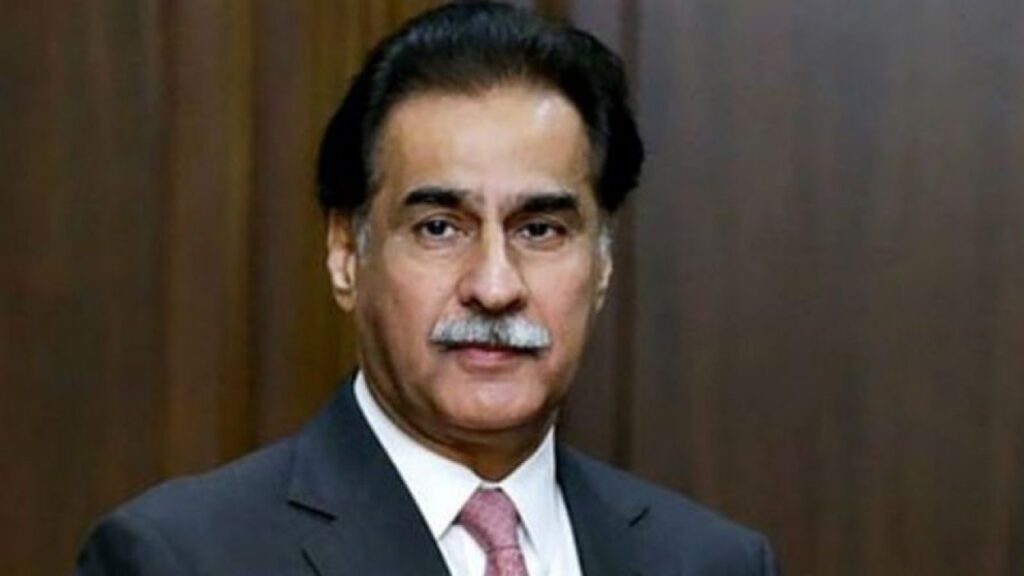
NA Speaker Congratulates UK Prime Minister Andy Burnham on Election

ISLAMABAD — Speaker of the National Assembly, Sardar Ayaz Sadiq, has extended his heartfelt congratulations to Andy Burnham on his election as the Prime Minister of the United Kingdom. The congratulatory message was conveyed on July 20, highlighting the Speaker’s warm wishes for the newly elected leader. What Happened Sardar Ayaz Sadiq, the Speaker of Pakistan’s National Assembly, reached out to Andy Burnham to offer his congratulations following Burnham’s successful election as the Prime Minister of the United Kingdom. In his message, Sadiq expressed his warmest felicitations and best wishes for Burnham as he assumes his new role. The Speaker’s message reflects the diplomatic ties and mutual respect between Pakistan and the United Kingdom, emphasizing the importance of continued collaboration and friendship between the two nations. Andy Burnham, who has been a prominent figure in British politics, was elected as the Prime Minister following a decisive electoral victory. His election marks a significant moment in UK politics, as he is expected to bring new perspectives and policies to the forefront. The election results have been closely watched by international observers, given the UK’s influential role on the global stage. In his congratulatory message, Speaker Sadiq highlighted the shared history and values between Pakistan and the UK, expressing optimism for strengthened bilateral relations under Burnham’s leadership. The message underscored the potential for enhanced cooperation in various sectors, including trade, education, and cultural exchanges. Background Andy Burnham’s rise to the position of Prime Minister comes after a notable political career, including his tenure as the Mayor of Greater Manchester. Known for his progressive policies and focus on social justice, Burnham has been a vocal advocate for issues such as healthcare reform and economic equality. His leadership style and policy priorities are expected to shape the UK’s domestic and international agenda in the coming years. The United Kingdom and Pakistan have a long-standing relationship, characterized by historical ties and significant diaspora communities. Over the years, both countries have engaged in diplomatic, economic, and cultural exchanges, fostering a partnership that benefits both nations. The election of a new Prime Minister in the UK presents an opportunity to further enhance these relations, building on existing agreements and exploring new avenues for collaboration. Why It Matters The election of Andy Burnham as the UK Prime Minister holds significant implications for international relations, particularly in the context of UK-Pakistan ties. As both countries navigate complex global challenges, including economic recovery post-pandemic, climate change, and security concerns, effective leadership and diplomatic engagement are crucial. For Pakistan, maintaining strong relations with the UK is vital, given the substantial Pakistani diaspora in Britain and the economic ties between the two nations. The UK is one of Pakistan’s largest trading partners in Europe, and continued collaboration can lead to increased trade opportunities, investment, and economic growth. Moreover, Burnham’s leadership may influence the UK’s foreign policy priorities, impacting global issues such as climate action and international development. Pakistan, as a developing nation facing its own environmental challenges, stands to benefit from potential partnerships in sustainable development and green technology. On a broader scale, Burnham’s election could signal shifts in the UK’s approach to international diplomacy, affecting its relationships with key allies and global institutions. As a member of the Commonwealth, Pakistan is poised to engage with the UK on multilateral platforms, addressing shared concerns and advocating for common interests. Key Takeaways NA Speaker Sardar Ayaz Sadiq congratulated Andy Burnham on becoming the UK Prime Minister. Burnham’s election is significant for UK politics and international relations. Pakistan-UK relations may strengthen under Burnham’s leadership, with potential for increased cooperation. Burnham’s policies could impact global issues, including climate change and economic development. The UK remains a key partner for Pakistan, with opportunities for enhanced trade and investment. Source Attribution This article is based on official government statements and public communications from relevant authorities. Author: NEN Editorial Desk | Editor: NEN Newsroom | Fact Checked By: NEN Editorial Team Author: NEN Editorial Desk  |  Editor: NEN Newsroom  |  Last Updated: July 21, 2026  |  Source: Press Release from Government of Pakistan This article was produced by the NEN Editorial Desk in accordance with NEN Agency’s Editorial Policy and Fact-Checking Policy.
World

Deputy Prime Minister Congratulates Ed Miliband on New UK Role

ISLAMABAD — Deputy Prime Minister and Foreign Minister Senator Muhammad Ishaq Dar extended his congratulations to Ed Miliband on his appointment as the United Kingdom’s Secretary of State for Foreign, Commonwealth and Development Affairs. The congratulatory message was shared on social media on Monday, highlighting the enduring relationship between Pakistan and the UK. What Happened On July 20, Deputy Prime Minister Muhammad Ishaq Dar publicly congratulated Ed Miliband, who has recently taken office as the UK’s Secretary of State for Foreign, Commonwealth and Development Affairs. In a post on X, formerly known as Twitter, Dar expressed his warm regards and noted the longstanding diplomatic ties between Pakistan and the United Kingdom. He stated, “Pakistan and the United Kingdom share a longstanding and valued relationship, and I look forward to working closely with you to further strengthen our bilateral ties.” Ed Miliband, a prominent figure in the UK’s Labour Party, assumed his new role amidst a reshuffling of the UK cabinet. His appointment is seen as a strategic move by the UK government to bolster its foreign policy initiatives, particularly in the context of global challenges such as climate change, international trade, and development cooperation. The Deputy Prime Minister’s message underscores the importance of the UK-Pakistan relationship, which has been characterized by mutual cooperation in various fields including trade, education, and security. The UK is one of Pakistan’s largest trading partners in Europe, and both countries have historically collaborated on numerous international platforms. Background The diplomatic relationship between Pakistan and the United Kingdom dates back to Pakistan’s independence in 1947. Over the years, both nations have engaged in extensive collaboration across various sectors. The UK has been a significant partner in Pakistan’s development efforts, providing aid and support in areas such as education, health, and infrastructure. Ed Miliband, who previously served as the Leader of the Labour Party and Leader of the Opposition from 2010 to 2015, is known for his focus on social justice and climate change. His appointment as Secretary of State for Foreign, Commonwealth and Development Affairs is expected to bring a renewed emphasis on these issues within the UK’s foreign policy agenda. Historically, the UK has played a pivotal role in Pakistan’s socio-economic development. The two countries have also maintained strong people-to-people ties, with a significant Pakistani diaspora residing in the UK, contributing to the multicultural fabric of British society. Why It Matters The appointment of Ed Miliband to a key foreign affairs position in the UK government holds significant implications for Pakistan-UK relations. As Pakistan seeks to strengthen its international alliances, maintaining a robust relationship with the UK is crucial. The UK has been a consistent supporter of Pakistan on various international forums, advocating for economic aid and development assistance. Economically, the UK is an important market for Pakistani goods, with bilateral trade reaching approximately £3 billion annually. The continuation of strong diplomatic ties ensures that trade relations can be further enhanced, benefiting both economies. Additionally, the UK’s support in educational initiatives has been instrumental in improving literacy and educational standards in Pakistan. Politically, the collaboration between the two countries can contribute to regional stability. Both nations have a vested interest in counter-terrorism and ensuring peace in South Asia. The UK’s influence in global politics can serve as a platform for Pakistan to address its concerns on international issues, including climate change and sustainable development. Key Takeaways Deputy Prime Minister Ishaq Dar congratulated Ed Miliband on his appointment as the UK’s Secretary of State for Foreign, Commonwealth and Development Affairs. The UK-Pakistan relationship is characterized by strong diplomatic, economic, and educational ties. Ed Miliband’s focus on climate change and social justice could influence UK foreign policy towards Pakistan. The UK is a major trading partner for Pakistan, with bilateral trade reaching approximately £3 billion annually. Maintaining strong relations with the UK is crucial for Pakistan’s international diplomatic and economic strategies. Source Attribution This article is based on official government statements, press releases, and public communications from relevant authorities. Author: NEN Editorial Desk | Editor: NEN Newsroom | Fact Checked By: NEN Editorial Team Author: NEN Editorial Desk  |  Editor: NEN Newsroom  |  Last Updated: July 21, 2026  |  Source: NEN Reporter This article was produced by the NEN Editorial Desk in accordance with NEN Agency’s Editorial Policy and Fact-Checking Policy.
World

CCP Penalizes Firm Rs. 5 Million Over Fraudulent Trademark Use

ISLAMABAD — The Competition Commission of Pakistan (CCP) has levied a Rs. 5 million fine on M/s MCI-Bureau of Inspection & Certifications Pakistan for the unauthorized use of a trademark resembling that of Bureau Veritas, a prominent French company in the testing and certification sector. This decision comes under Section 10 of the Competition Act, 2010, aimed at preventing deceptive marketing practices. What Happened The CCP’s action against M/s MCI-Bureau of Inspection & Certifications Pakistan was prompted by the firm’s adoption of a trademark and logo that closely mirrored those of Bureau Veritas. Bureau Veritas is a globally recognized entity in testing, inspection, and certification services, headquartered in France. The CCP found that MCI’s use of a similar trademark could mislead consumers into believing that they were affiliated with or endorsed by Bureau Veritas, thereby violating competitive practices outlined in the Competition Act. The CCP’s decision to impose a substantial penalty underscores its commitment to maintaining fair competition and protecting consumer interests. According to the CCP, the infringement was a clear attempt to capitalize on the established reputation and goodwill of Bureau Veritas, potentially confusing consumers and harming the competitive landscape. In a statement, the CCP emphasized the importance of distinguishing one’s brand identity and warned other firms against engaging in similar deceptive practices. The commission reiterated its dedication to upholding the principles of fair competition and ensuring that businesses operate within the legal framework set by Pakistani law. Background The Competition Act, 2010, serves as a cornerstone in Pakistan’s regulatory framework for promoting fair competition. Section 10 specifically addresses deceptive marketing practices, prohibiting businesses from engaging in conduct that can mislead consumers about the nature, characteristics, or quality of goods and services. The act empowers the CCP to investigate and penalize entities that breach these provisions. Bureau Veritas, established in 1828, is a leader in the global testing, inspection, and certification industry, with operations spanning over 140 countries. Its brand and logo are well-known and trusted worldwide, making unauthorized use a significant issue in terms of intellectual property rights and consumer protection. Why It Matters This case highlights the challenges faced by regulatory bodies in safeguarding intellectual property rights and ensuring fair competition in Pakistan’s business environment. The CCP’s decision to impose a hefty fine serves as a deterrent to other companies that might consider similar practices. By enforcing the Competition Act, the CCP aims to foster a business climate where innovation and fair competition thrive, ultimately benefiting consumers and the economy. The implications of this ruling extend beyond the immediate parties involved. For consumers, it reinforces the assurance that regulatory bodies are actively working to protect their interests against misleading practices. For businesses, it underscores the necessity of adhering to ethical marketing practices and respecting intellectual property rights. On an international level, the CCP’s action demonstrates Pakistan’s commitment to aligning with global standards in competition law and intellectual property protection. This can enhance the country’s reputation as a fair and competitive market, potentially attracting more foreign investment. Key Takeaways The CCP fined M/s MCI-Bureau of Inspection & Certifications Pakistan Rs. 5 million for trademark infringement. The penalty was imposed for using a logo similar to Bureau Veritas, violating the Competition Act, 2010. The case emphasizes the importance of protecting intellectual property rights and maintaining fair competition. This action by the CCP serves as a warning to other firms against deceptive marketing practices. The decision aligns Pakistan’s regulatory practices with international standards, potentially boosting foreign investment. Source Attribution This article is based on official government statements, press releases, and public communications from relevant authorities. Author: NEN Editorial Desk | Editor: NEN Newsroom | Fact Checked By: NEN Editorial Team Author: NEN Editorial Desk  |  Editor: NEN Newsroom  |  Last Updated: July 20, 2026  |  Source: Press Release from Government of Pakistan This article was produced by the NEN Editorial Desk in accordance with NEN Agency’s Editorial Policy and Fact-Checking Policy.

World

Pakistan Emerges As Leading Halal Meat Exporter, Experts Highlight Policy Success

ISLAMABAD — Pakistan is rapidly establishing itself as a prominent exporter of halal meat, driven by effective policy measures and strategic industry advancements, experts revealed at a recent seminar in Islamabad. The event, held on July 20, underscored the potential of Pakistan’s livestock and meat sector to significantly contribute to the nation’s economic growth, export diversification, and employment generation. What Happened The seminar, attended by industry leaders, policymakers, and agricultural experts, focused on the transformative potential of Pakistan’s halal meat industry. Experts emphasized that with the right policies, technological innovations, and adherence to international quality standards, Pakistan could further solidify its position in the global halal meat market. Speakers at the seminar highlighted the importance of value addition in the meat processing sector, which could enhance product quality and increase export revenues. They pointed out that Pakistan’s geographical location and agricultural resources provide a competitive advantage in meeting the growing global demand for halal meat. Dr. Ahmed Khan, a leading agricultural economist, stated, “Pakistan’s halal meat industry has the potential to become a key driver of economic growth. By investing in modern technology and ensuring compliance with international standards, we can expand our market share significantly.” Participants also discussed the need for government support in terms of subsidies and incentives to encourage private sector investment in the meat industry. This, they argued, would help in overcoming challenges such as inadequate infrastructure and limited access to international markets. Background Pakistan’s journey towards becoming a leading halal meat exporter has been marked by significant policy shifts and strategic investments. Historically, the country has relied heavily on traditional agricultural practices, but recent years have seen a concerted effort to modernize the sector. The government has introduced several initiatives aimed at improving livestock management, enhancing meat quality, and expanding export markets. These include the establishment of modern slaughterhouses, the introduction of quality certification programs, and partnerships with international organizations to boost compliance with global standards. Pakistan’s halal meat exports have traditionally been directed towards the Middle East, but there is a growing interest in tapping into markets in Southeast Asia, Europe, and Africa. Why It Matters The rise of Pakistan as a leading halal meat exporter holds significant implications for the country’s economy and its international trade relationships. Economically, the sector’s growth could lead to increased foreign exchange earnings, reduced unemployment, and greater economic diversification. Socially, the expansion of the halal meat industry could result in improved livelihoods for rural communities involved in livestock farming. As demand for halal meat increases globally, Pakistan’s farmers stand to benefit from higher incomes and improved living standards. On the international stage, Pakistan’s enhanced role in the halal meat market could strengthen its trade ties with key partners, particularly in the Middle East and Southeast Asia. This could lead to increased geopolitical influence and opportunities for broader economic collaboration. The successful expansion of the halal meat industry also underscores the importance of strategic policy-making and innovation in driving economic growth. It serves as a model for other sectors seeking to enhance their global competitiveness. Key Takeaways Pakistan is emerging as a leading exporter of halal meat, driven by effective policies and industry advancements. Experts emphasize the importance of value addition and compliance with international quality standards. The halal meat sector’s growth could significantly boost Pakistan’s economy and employment rates. Government support and private sector investment are crucial for overcoming industry challenges. Pakistan’s enhanced role in the global halal meat market could strengthen international trade relationships. Source Attribution This article is based on official government statements, press releases, and public communications from relevant authorities. Author: NEN Editorial Desk | Editor: NEN Newsroom | Fact Checked By: NEN Editorial Team Author: NEN Editorial Desk  |  Editor: NEN Newsroom  |  Last Updated: July 20, 2026  |  Source: NEN Reporter This article was produced by the NEN Editorial Desk in accordance with NEN Agency’s Editorial Policy and Fact-Checking Policy.

Scroll to Top