
World

Welcome to the World section of NEN Agency, your window to the stories shaping our planet. From global politics and economic shifts to science breakthroughs, cultural moments, and humanitarian crises, we connect you to events that matter — wherever they happen.

Inside This Category

  • Global Politics & Diplomacy: International relations, summits, and policy shifts.

  • World Economy & Trade: Market trends, trade agreements, and financial developments.

  • Conflicts & Security: Coverage of wars, peace efforts, and security challenges.

  • Science & Environment: Climate change, technological advances, and space exploration.

  • Culture & Society: Arts, sports, and lifestyle stories from around the globe.

Why Our World Coverage Stands Out
We deliver global news with context, helping readers see how events beyond borders influence life in Pakistan and the wider region.

World

Pakistani Food Exporters Embark on Dubai Mission to Expand Gulf Market Reach

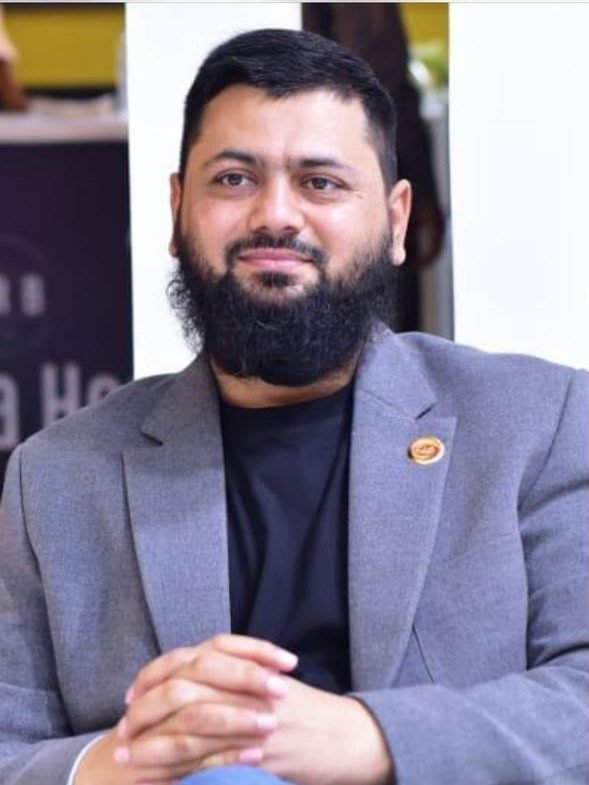
LAHORE — A delegation of food exporters from South Punjab departed for Dubai on Sunday, aiming to explore business opportunities and promote Pakistani food products in the Gulf markets. This initiative comes amid a growing demand for diverse food items in the region. What Happened The delegation, led by Shahid Imran, Convener of the Federation of Pakistan Chambers of Commerce and Industry (FPCCI) Regional Committee on Food, is set to engage with key stakeholders in the Gulf food market. The group plans to hold meetings with leading importers, distributors, retail chains, and trade organizations during their visit to Dubai. The primary objective is to establish direct business-to-business links that can facilitate the expansion of Pakistani food products in the region. Before departing, Shahid Imran addressed a gathering of women entrepreneurs, led by Amna Abdullah Arain, highlighting the strategic importance of the visit. He emphasized that recent disruptions in regional supply chains, particularly following geopolitical tensions involving the US, Israel, and Iran, have opened new avenues for Pakistani exporters. “This visit is crucial for us to capture a larger share of the Gulf market,” Imran stated. The delegation will showcase a variety of Pakistani food products, including rice, spices, fruits, vegetables, processed foods, and value-added agricultural products such as Zia Snacks. Imran expressed optimism that these efforts would not only boost food exports but also strengthen trade ties with Gulf countries, thereby contributing to Pakistan’s foreign exchange earnings. Background The Gulf Cooperation Council (GCC) countries, including the United Arab Emirates, have long been significant markets for Pakistani food products. Historically, Pakistan has exported a range of agricultural products to these markets, leveraging its rich agricultural base. The FPCCI has been instrumental in promoting trade relations and facilitating exporters to tap into these lucrative markets. In recent years, geopolitical tensions in the Middle East have affected traditional supply routes, creating a demand for alternative sources. This situation presents an opportunity for countries like Pakistan to fill the void and increase their market share. The FPCCI’s initiative to send a delegation is part of a broader strategy to capitalize on these emerging opportunities. Why It Matters The mission to Dubai holds significant economic implications for Pakistan. The Gulf region is a major hub for international trade, and securing a larger share of the food market can substantially boost Pakistan’s export revenues. As the country grapples with economic challenges, increasing foreign exchange earnings through enhanced exports is crucial for economic stability. Socially, the initiative can lead to job creation and economic development within Pakistan, particularly in the agricultural sector. By establishing direct trade links, Pakistani exporters can ensure better prices for their products, benefiting farmers and producers back home. Politically, strengthening trade ties with Gulf countries can enhance bilateral relations, providing Pakistan with a strategic advantage in the region. As the Gulf states continue to diversify their economies away from oil dependency, partnerships in sectors like agriculture become increasingly important. Key Takeaways A delegation of food exporters from South Punjab is visiting Dubai to explore business opportunities in the Gulf market. The mission aims to establish direct business-to-business links and promote a variety of Pakistani food products. Geopolitical tensions in the Middle East have created new opportunities for Pakistani exporters to increase their market share. The initiative is expected to boost Pakistan’s food exports, strengthen trade ties, and contribute to foreign exchange earnings. Enhancing trade relations with Gulf countries can have significant economic, social, and political benefits for Pakistan. Source Attribution This article is based on official government statements, press releases, and public communications from relevant authorities. Author: NEN Editorial Desk | Editor: NEN Newsroom | Fact Checked By: NEN Editorial Team Author: NEN Editorial Desk  |  Editor: NEN Newsroom  |  Last Updated: July 19, 2026  |  Source: NEN Reporter This article was produced by the NEN Editorial Desk in accordance with NEN Agency’s Editorial Policy and Fact-Checking Policy.
World

Pakistan-China Conference Yields $1.4 Billion in Investment Agreements

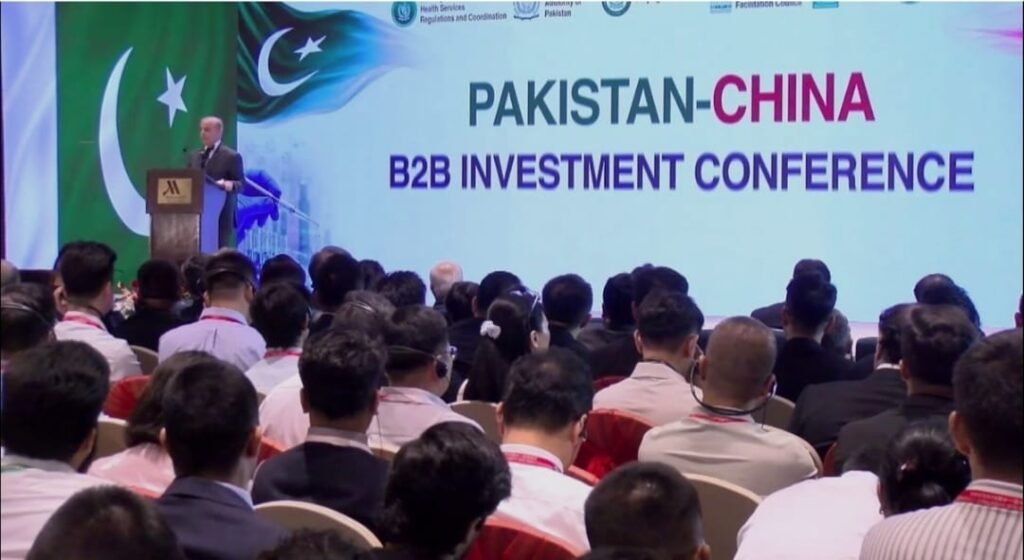
ISLAMABAD — Pakistan and China have solidified their economic ties with the signing of investment and business agreements valued at approximately $1.4 billion. These agreements were finalized at the conclusion of the two-day Pakistan-China Business Conference held in Islamabad, aimed at enhancing bilateral economic and industrial cooperation. What Happened The Pakistan-China Business Conference, which took place over two days in Islamabad, concluded with the signing of investment agreements totaling $1.4 billion. This event was a significant gathering of business leaders and government officials from both nations, focused on exploring and expanding economic opportunities. The agreements span various sectors, including energy, infrastructure, and technology, reflecting the diverse interests and collaborative potential between the two countries. During the conference, representatives from both countries engaged in discussions to identify areas of mutual interest and potential investment. The agreements signed are expected to bolster Pakistan’s economic landscape by introducing new projects and enhancing existing ones. A Pakistani official stated, “This conference has been a pivotal platform for fostering deeper economic ties with China, and the agreements signed today are a testament to our shared vision for economic growth.” Chinese delegates emphasized the importance of these agreements in strengthening the China-Pakistan Economic Corridor (CPEC), a flagship project under China’s Belt and Road Initiative. They highlighted the strategic importance of Pakistan in regional connectivity and economic development. A Chinese official remarked, “Our partnership with Pakistan is crucial for the success of CPEC, and these agreements will further enhance our collaborative efforts.” Background The Pakistan-China Business Conference is part of ongoing efforts to deepen economic relations between the two countries. Historically, China has been one of Pakistan’s largest trading partners and a significant source of foreign investment. The China-Pakistan Economic Corridor, launched in 2013, has been a cornerstone of this relationship, involving multi-billion dollar investments in infrastructure, energy, and industrial projects across Pakistan. Previous conferences have resulted in numerous agreements that have facilitated infrastructure development and energy projects, contributing to Pakistan’s economic growth. The current conference builds on this foundation, aiming to expand the scope of cooperation to include emerging sectors such as technology and renewable energy. Why It Matters The $1.4 billion in agreements signed at the conference is a substantial boost to Pakistan’s economy, which has been seeking foreign investment to spur growth and development. These investments are expected to create jobs, enhance infrastructure, and improve energy availability, directly impacting the lives of Pakistani citizens. Economically, the agreements align with Pakistan’s strategic goals of improving industrial output and increasing exports. By attracting Chinese investment, Pakistan can leverage technology transfer and expertise, which are crucial for modernizing its industrial base. Additionally, these investments are likely to strengthen Pakistan’s position within the Belt and Road Initiative, enhancing its role as a regional hub for trade and connectivity. Politically, the strengthened economic ties with China may provide Pakistan with greater leverage in regional and international forums. The successful conclusion of the conference demonstrates Pakistan’s commitment to fostering a stable and conducive environment for foreign investment, which is essential for long-term economic stability. Key Takeaways Pakistan and China signed $1.4 billion in investment agreements at a business conference in Islamabad. The agreements cover sectors such as energy, infrastructure, and technology. The conference is part of ongoing efforts to strengthen the China-Pakistan Economic Corridor. These investments are expected to create jobs and enhance Pakistan’s economic growth. The agreements bolster Pakistan’s role in the Belt and Road Initiative. Source Attribution This article is based on official government statements, press releases, and public communications from relevant authorities. Author: NEN Editorial Desk | Editor: NEN Newsroom | Fact Checked By: NEN Editorial Team Author: NEN Editorial Desk  |  Editor: NEN Newsroom  |  Last Updated: July 19, 2026  |  Source: NEN Reporter This article was produced by the NEN Editorial Desk in accordance with NEN Agency’s Editorial Policy and Fact-Checking Policy.
World

Punjab CM Advocates UN-Led Resolution for Kashmir Peace

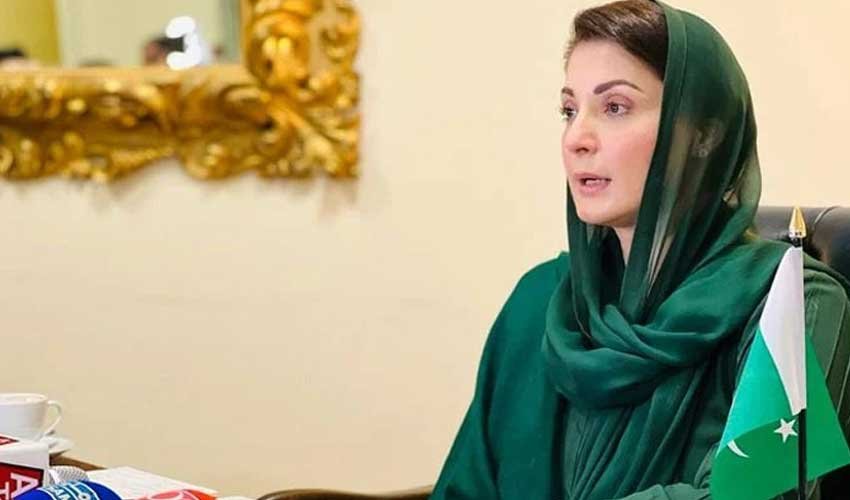
LAHORE — Punjab Chief Minister Maryam Nawaz Sharif emphasized the critical need for a peaceful resolution to the Kashmir dispute under United Nations resolutions, asserting that such a resolution is vital for regional stability. Her comments came on Sunday as she reiterated Pakistan’s unwavering diplomatic, political, and moral support for the people of Indian Illegally Occupied Jammu and Kashmir (IIOJK). What Happened During a statement issued on Sunday, Chief Minister Maryam Nawaz Sharif reaffirmed Pakistan’s commitment to advocating for the rights of the Kashmiri people. She highlighted the importance of resolving the Kashmir issue in line with United Nations Security Council (UNSC) resolutions, which call for a plebiscite to allow the Kashmiri people to determine their own future. “The peaceful resolution of the Kashmir dispute is not only crucial for the Kashmiri people but also essential for lasting peace and stability in the region,” stated the Chief Minister. Her remarks underscore Pakistan’s long-standing position on the Kashmir issue, which has been a central point of contention between Pakistan and India since 1947. Maryam Nawaz Sharif’s statement comes amid ongoing tensions in the region, with frequent skirmishes reported along the Line of Control (LoC) and continued reports of human rights violations in IIOJK. The Chief Minister’s call for a peaceful resolution aligns with Pakistan’s broader diplomatic efforts to bring international attention to the plight of the Kashmiri people. Background The Kashmir conflict dates back to the partition of British India in 1947, which led to the creation of the independent states of India and Pakistan. Both countries claim the region in full but control only parts of it. The conflict has resulted in several wars and continuous military skirmishes, making it one of the most protracted and volatile disputes in the world. The United Nations has been involved in the Kashmir issue since its inception, with the UNSC passing resolutions that call for a plebiscite to determine the region’s future. However, these resolutions have yet to be implemented, and the situation remains tense, with both India and Pakistan maintaining significant military presences in the region. In recent years, the situation in IIOJK has drawn international concern due to reports of human rights abuses, including restrictions on freedom of movement, communication blackouts, and arbitrary detentions. The region has been under a heightened security lockdown since August 2019, when India revoked its special autonomous status. Why It Matters The Kashmir dispute is a significant geopolitical issue with implications for regional and international peace. The unresolved conflict has the potential to escalate into a larger military confrontation between two nuclear-armed states, posing a threat to global security. For Pakistan, the Kashmir issue is not just a territorial dispute but a matter of principle and humanitarian concern. The government’s stance is rooted in the belief that the Kashmiri people should have the right to self-determination, as promised by international law and UNSC resolutions. Economically, the ongoing conflict diverts resources that could be used for development and improving the lives of citizens in both countries. Socially, it affects the lives of millions of Kashmiris who live under constant uncertainty and fear. Politically, it remains a core issue in Pakistan-India relations, affecting bilateral ties and regional cooperation. Internationally, the Kashmir issue tests the effectiveness of global governance institutions like the United Nations in resolving long-standing conflicts and upholding human rights. The international community’s response to the situation in Kashmir could set precedents for handling similar disputes worldwide. Key Takeaways Punjab Chief Minister Maryam Nawaz Sharif calls for a peaceful resolution of the Kashmir dispute under UN resolutions. The Kashmir conflict remains a central issue between Pakistan and India, with significant regional and international implications. UNSC resolutions have called for a plebiscite in Kashmir, but these have yet to be implemented. The situation in IIOJK has drawn international concern due to reports of human rights violations. The resolution of the Kashmir issue is crucial for regional peace and stability. Source Attribution This article is based on official government statements and public communications from relevant authorities. Author: NEN Editorial Desk | Editor: NEN Newsroom | Fact Checked By: NEN Editorial Team Author: NEN Editorial Desk  |  Editor: NEN Newsroom  |  Last Updated: July 19, 2026  |  Source: NEN Reporter This article was produced by the NEN Editorial Desk in accordance with NEN Agency’s Editorial Policy and Fact-Checking Policy.
World

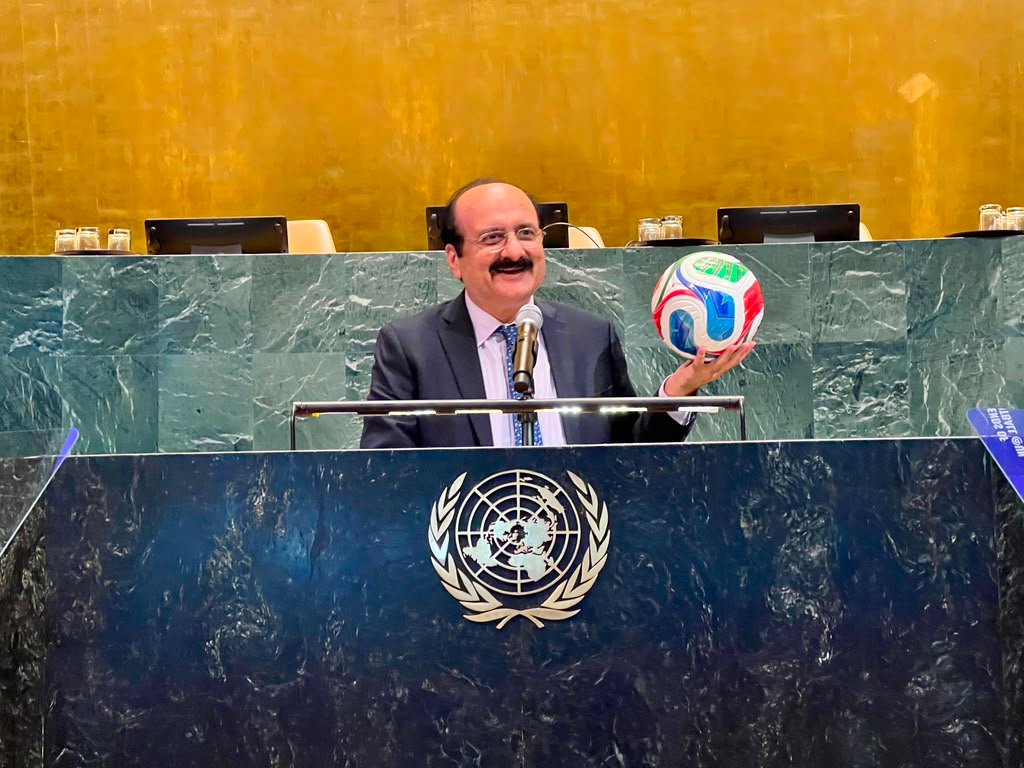
Rana Mashood Ahmed Khan Highlights Football’s Role in Youth Mental Health at UN

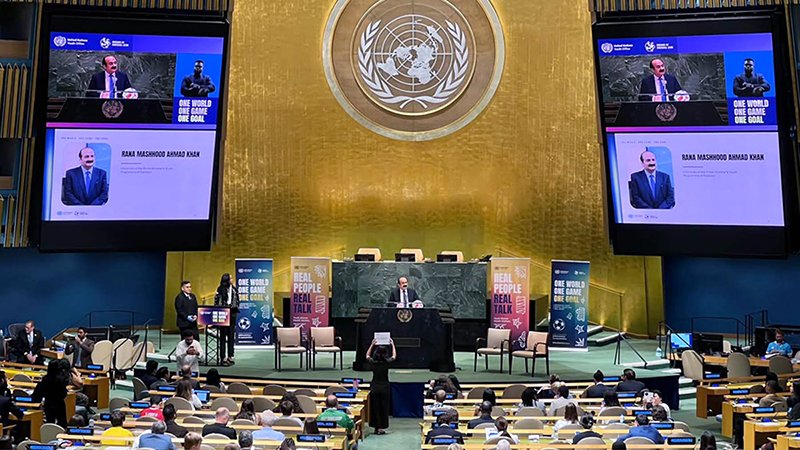
NEW YORK — Chairman of the Prime Minister’s Youth Programme, Rana Mashood Ahmed Khan, addressed a United Nations event titled “One World, One Game, One Goal: Football as a Catalyst for Youth Mental Health and Well-being” on Wednesday. The event focused on leveraging the global appeal of football to enhance mental health and well-being among young people worldwide. What Happened During his address at the UN event, Rana Mashood Ahmed Khan emphasized the transformative power of football in promoting mental health and well-being among youth. He highlighted how the sport can serve as a unifying force that transcends cultural and national boundaries, fostering a sense of community and belonging. “Football is more than just a game; it is a powerful tool for social change and mental well-being,” Khan stated. The event brought together global leaders, mental health experts, and sports professionals to discuss strategies for using football as a means to improve mental health outcomes for young people. Khan shared insights from Pakistan’s initiatives that integrate sports into mental health programs, noting the positive impact observed in communities where these initiatives have been implemented. Khan also underscored the importance of international collaboration in addressing youth mental health challenges. He called for increased investment in sports infrastructure and mental health services, particularly in developing countries, to ensure that young people have access to the resources they need to thrive. Background Football has long been recognized as a global sport with significant cultural and social influence. The United Nations has previously highlighted the role of sports in achieving sustainable development goals, including health and well-being. In recent years, there has been a growing recognition of the mental health benefits of physical activity, including team sports like football. The Prime Minister’s Youth Programme in Pakistan has been actively involved in promoting sports as a means to enhance youth development and well-being. The program includes various initiatives aimed at increasing youth participation in sports, providing training and resources, and fostering an environment where young people can develop physically and mentally. Why It Matters The focus on football as a catalyst for youth mental health is particularly relevant in the current global context, where mental health issues among young people are on the rise. The COVID-19 pandemic has exacerbated these challenges, with increased isolation and stress impacting youth worldwide. By promoting sports as a means of improving mental health, initiatives like those discussed at the UN event can play a crucial role in addressing these issues. For Pakistan, the integration of sports into mental health strategies aligns with broader efforts to improve public health and youth development. By investing in sports infrastructure and programs, the country can create opportunities for young people to engage in positive, health-promoting activities. This approach not only supports mental health but also contributes to social cohesion and community building. Internationally, the event underscores the potential for sports to serve as a bridge between nations, fostering collaboration and understanding. By focusing on shared goals like youth mental health, countries can work together to develop innovative solutions that benefit young people globally. Key Takeaways Rana Mashood Ahmed Khan addressed a UN event on football’s role in youth mental health. The event highlighted football as a tool for social change and mental well-being. Pakistan’s initiatives integrate sports into mental health programs with positive outcomes. Increased investment in sports infrastructure is crucial for youth development. International collaboration is essential for addressing global youth mental health challenges. Source Attribution This article is based on official government statements and public communications from relevant authorities. Author: NEN Editorial Desk | Editor: NEN Newsroom | Fact Checked By: NEN Editorial Team Author: NEN Editorial Desk  |  Editor: NEN Newsroom  |  Last Updated: July 19, 2026  |  Source: Press Release from Government of Pakistan This article was produced by the NEN Editorial Desk in accordance with NEN Agency’s Editorial Policy and Fact-Checking Policy.
World

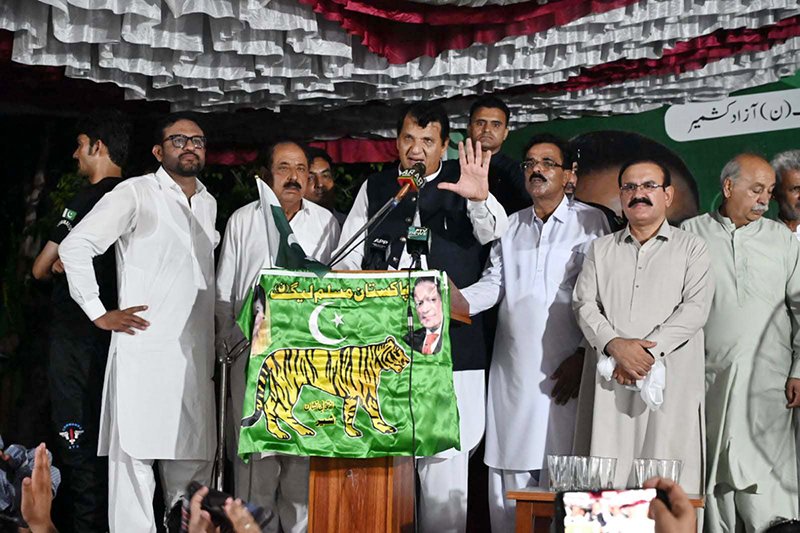
Federal Minister Amir Muqam Campaigns in Azad Jammu & Kashmir

BHIMBER, AJK — Federal Minister for Kashmir Affairs, Gilgit Baltistan, and SAFRON, Engr. Amir Muqam, along with leaders from the Pakistan Muslim League-Nawaz (PML-N) in Azad Jammu & Kashmir (AJK), addressed a public gathering in LA-06, Bhimber, as part of their election campaign efforts. What Happened During a public gathering in Bhimber, Azad Jammu & Kashmir, Federal Minister Amir Muqam, accompanied by PML-N AJK leaders, rallied support for the party’s candidate in the upcoming elections for the LA-06 constituency. The event, held on July 26, 2023, saw a significant turnout of party supporters and local residents. In his address, Minister Muqam emphasized the developmental projects initiated under the PML-N government, highlighting their commitment to the region’s progress. He stated, “The PML-N has always prioritized the development and prosperity of Azad Jammu & Kashmir. Our projects are a testament to our dedication to the people of this region.” The minister also criticized opposition parties, accusing them of failing to deliver on their promises and neglecting the needs of the people. He urged voters to support the PML-N candidate to ensure continued progress and stability in the region. The gathering was part of a broader campaign strategy by the PML-N to consolidate its position in AJK ahead of the elections. Party leaders present at the event echoed Muqam’s sentiments, calling for unity and a strong voter turnout to secure victory. Background Azad Jammu & Kashmir has a unique political and administrative setup, with its own legislative assembly and government. The region’s elections are closely watched, as they reflect the political dynamics and public sentiment in an area that holds significant geopolitical importance. The PML-N has been a dominant political force in AJK, often competing with the Pakistan Peoples Party (PPP) and Pakistan Tehreek-e-Insaf (PTI) for control. The upcoming elections are crucial for the PML-N as they aim to maintain their influence and continue their developmental agenda in the region. Historically, election campaigns in AJK have been intense, with parties focusing on issues like infrastructure development, education, healthcare, and employment opportunities. The region’s strategic location and its role in the broader Kashmir conflict add layers of complexity to its political landscape. Why It Matters The election campaign in Azad Jammu & Kashmir is significant for several reasons. Firstly, it serves as a litmus test for the PML-N’s popularity in the region, particularly after recent political shifts in Pakistan. A strong performance in AJK could bolster the party’s standing nationally. Secondly, the outcome of the elections will impact the region’s development trajectory. With parties promising various projects and initiatives, the elected government will play a crucial role in shaping AJK’s future. The PML-N’s emphasis on development during their campaign underscores the importance of governance in addressing local needs and aspirations. Furthermore, the elections in AJK are often viewed through the lens of the broader Kashmir issue. Political stability and effective governance in the region can influence perceptions and policies related to the Kashmir conflict, both domestically and internationally. Lastly, the elections are a reflection of democratic processes in AJK, showcasing the region’s engagement with political discourse and citizen participation. High voter turnout and active campaigning indicate a vibrant political environment, essential for the region’s democratic health. Key Takeaways Federal Minister Amir Muqam and PML-N leaders campaigned in Bhimber, AJK, for the LA-06 elections. The PML-N emphasized development projects and criticized opposition parties during the gathering. Azad Jammu & Kashmir’s elections are crucial for regional development and political dynamics. The outcome will influence AJK’s governance and its role in the broader Kashmir conflict. The elections reflect democratic engagement and political participation in the region. Source Attribution This article is based on official government statements, press releases, and public communications from relevant authorities. Author: NEN Editorial Desk | Editor: NEN Newsroom | Fact Checked By: NEN Editorial Team Author: NEN Editorial Desk  |  Editor: NEN Newsroom  |  Last Updated: July 19, 2026  |  Source: Press Release from Government of Pakistan This article was produced by the NEN Editorial Desk in accordance with NEN Agency’s Editorial Policy and Fact-Checking Policy.

World

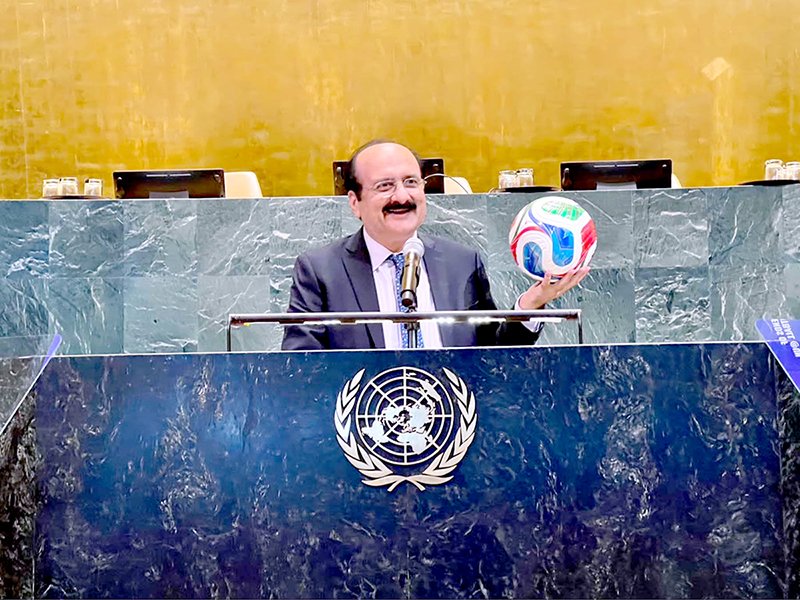
Pakistan’s TRIONDA Ball Showcased at UN FIFA Youth Event

ISLAMABAD — Pakistan’s commitment to youth development and global sports was highlighted at a recent United Nations Youth Office and FIFA side event in New York. The event prominently featured TRIONDA, the official match ball for the FIFA World Cup 2026, which is manufactured in Pakistan. What Happened The United Nations Youth Office, in collaboration with FIFA, hosted a side event in New York to emphasize the role of sports in promoting peace, inclusion, and youth well-being. During the event, Pakistan’s TRIONDA ball was showcased as a symbol of the country’s growing influence in the global sports manufacturing industry. Rana Mashhood Ahmad Khan, Chairman of the Prime Minister’s Youth Programme, represented Pakistan and reiterated the nation’s dedication to fostering youth engagement through sports. Rana Mashhood Ahmad Khan emphasized the importance of sports in building bridges between nations and promoting peace. He stated, “Sports have the power to unite people across borders and cultures, and Pakistan is proud to contribute to this global movement through our quality sports manufacturing.” The TRIONDA ball, manufactured in Sialkot, a city renowned for its sports goods industry, was displayed as a testament to Pakistan’s craftsmanship and dedication to quality. The event also featured discussions on how sports can be leveraged to achieve the United Nations’ Sustainable Development Goals, particularly in areas related to youth empowerment and peacebuilding. Participants included representatives from various countries, FIFA officials, and youth leaders, all advocating for the transformative power of sports. Background Paksitan has a long-standing history of producing high-quality sports goods, particularly in Sialkot, which is known as the hub of sports manufacturing. The city has been producing footballs for international tournaments for decades, with many World Cup balls being crafted there. The introduction of the TRIONDA ball as the official match ball for the FIFA World Cup 2026 marks another milestone in Pakistan’s sports manufacturing legacy. The Prime Minister’s Youth Programme, under which this initiative falls, aims to empower young people through various projects, including sports. The programme focuses on providing opportunities for youth to engage in constructive activities that promote personal and professional development. Why It Matters The showcasing of the TRIONDA ball at a prestigious international event underscores Pakistan’s role in the global sports industry. It highlights the country’s ability to produce world-class products that meet international standards, thereby enhancing its reputation on the global stage. This achievement is significant not only for Pakistan’s economy but also for its international relations, as it fosters goodwill and collaboration with other nations. Economically, the sports manufacturing sector is a vital part of Pakistan’s export economy, providing jobs and contributing to the country’s GDP. The global recognition of products like the TRIONDA ball can lead to increased demand and further investment in the sector, boosting economic growth and development. Socially, the emphasis on youth development through sports aligns with broader efforts to engage young people in positive activities that can deter them from negative influences. By promoting sports, Pakistan aims to cultivate a generation that values teamwork, discipline, and healthy competition. Internationally, Pakistan’s involvement in events like the UN FIFA youth event positions it as a key player in discussions about sports and development. It allows the country to share its experiences and learn from others, contributing to global efforts to use sports as a tool for peace and development. Key Takeaways Pakistan’s TRIONDA ball was showcased at a UN FIFA youth event in New York. The event highlighted the role of sports in promoting peace and youth well-being. Rana Mashhood Ahmad Khan represented Pakistan, emphasizing the country’s commitment to youth development through sports. Pakistan’s sports manufacturing sector, particularly in Sialkot, plays a crucial role in the global market. The initiative aligns with the United Nations’ Sustainable Development Goals related to youth empowerment. Source Attribution This article is based on official government statements, press releases, and public communications from relevant authorities. Author: NEN Editorial Desk | Editor: NEN Newsroom | Fact Checked By: NEN Editorial Team Author: NEN Editorial Desk  |  Editor: NEN Newsroom  |  Last Updated: July 19, 2026  |  Source: NEN Reporter This article was produced by the NEN Editorial Desk in accordance with NEN Agency’s Editorial Policy and Fact-Checking Policy.

World

Lahore Qalandars Emphasize Youth as Team Departs for GSL 2026 in Guyana

LAHORE — Lahore Qalandars owner Atif Rana has expressed confidence in the franchise’s strategy of nurturing emerging talent as the team departs for Guyana to participate in the ExxonMobil Global Super League (GSL) 2026. The squad, constructed around young cricketers, aims to prepare future stars for international cricket. What Happened On July 18, the Lahore Qalandars, a prominent franchise in Pakistan’s cricketing landscape, announced their departure for Guyana, where they will compete in the GSL 2026. Atif Rana, the owner of the Qalandars, emphasized the team’s commitment to fostering young talent, stating that the squad is strategically built around emerging players. “The Qalandars’ squad is based on the potential of young cricketers who we believe can become the future stars of international cricket,” Rana stated. The franchise has been known for its focus on youth development, and this year’s squad selection reflects that philosophy. The Qalandars have consistently invested in cricket academies and talent hunts across Pakistan, aiming to discover and nurture raw talent from various regions. This approach has not only strengthened their team but also contributed to the broader cricketing ecosystem in Pakistan. The GSL 2026, sponsored by ExxonMobil, is an international cricket tournament that attracts teams from around the world. By participating, the Lahore Qalandars hope to provide their young players with exposure to high-level competition, which is crucial for their development and readiness for international cricket. Background Lahore Qalandars, one of the original franchises of the Pakistan Super League (PSL), have a history of prioritizing the development of young cricketers. The franchise’s Player Development Program (PDP) has been instrumental in identifying and grooming talent from across Pakistan. This program has successfully launched the careers of several players who have gone on to represent Pakistan at the international level. The GSL, a relatively new addition to the global cricket calendar, offers a platform for franchises and national teams to compete at an international level. The tournament’s format is designed to provide competitive matches that test the skills and resilience of participating teams, making it an ideal venue for young players to gain valuable experience. Why It Matters The Lahore Qalandars’ focus on emerging talent is significant for several reasons. Economically, it represents an investment in the future of Pakistani cricket, ensuring that the country continues to produce world-class players. Socially, it provides opportunities for young athletes from diverse backgrounds to pursue professional cricket, potentially transforming their lives and communities. Politically, the success of the Qalandars’ youth-focused strategy could influence other franchises and cricketing bodies in Pakistan to adopt similar approaches, thereby enhancing the overall standard of cricket in the country. Internationally, the participation of a youth-centric team in the GSL highlights Pakistan’s commitment to developing cricketing talent and maintaining its competitive edge on the global stage. The exposure gained by young players in the GSL could also have a ripple effect, inspiring more young people in Pakistan to take up cricket and strive for excellence. This aligns with the broader goals of the Pakistan Cricket Board (PCB) to expand the talent pool and improve the national team’s performance in international competitions. Key Takeaways Lahore Qalandars are committed to developing young talent as they head to the GSL 2026 in Guyana. The franchise’s strategy focuses on building a squad around emerging cricketers to prepare them for international cricket. The Qalandars’ Player Development Program has been pivotal in nurturing future cricket stars from Pakistan. The GSL provides a platform for young players to gain exposure to high-level international competition. This approach could influence other cricketing bodies in Pakistan to prioritize youth development. Source Attribution This article is based on official statements and public communications from Lahore Qalandars and relevant cricketing authorities. Author: NEN Editorial Desk | Editor: NEN Newsroom | Fact Checked By: NEN Editorial Team Author: NEN Editorial Desk  |  Editor: NEN Newsroom  |  Last Updated: July 18, 2026  |  Source: NEN Reporter This article was produced by the NEN Editorial Desk in accordance with NEN Agency’s Editorial Policy and Fact-Checking Policy.
World

Gold Prices Surge by Rs2,400 Per Tola in Local Markets

ISLAMABAD — Gold prices have surged by Rs2,400 per tola in Pakistan’s local markets as of Saturday, reflecting significant movements in both domestic and international markets. This increase marks a continued trend of rising gold prices, influenced by global economic factors and local demand. What Happened On Saturday, gold prices in Pakistan experienced a notable rise, with the cost per tola increasing by Rs2,400. This adjustment in price aligns with fluctuations seen in international gold markets, where economic uncertainties and currency valuations have played a crucial role in driving up the demand for the precious metal. The local bullion markets in major cities such as Karachi, Lahore, and Islamabad reported the new price, adjusting to the global market trends. According to market analysts, the increase in gold prices is attributed to several factors, including inflationary pressures and changes in the international currency exchange rates. The weakening of the Pakistani rupee against the US dollar has further exacerbated the price hike, as gold is traded globally in dollars. “The current economic climate, coupled with geopolitical tensions, has led investors to seek refuge in gold, which is traditionally seen as a safe-haven asset,” said a local market expert. In addition to the international influences, local demand has also contributed to the price rise. With the wedding season underway in Pakistan, there is a heightened demand for gold jewelry, which traditionally sees increased purchases during this period. This seasonal demand has compounded the effects of the global market trends, pushing prices higher. Background Gold has long been a preferred investment in Pakistan, serving as a hedge against inflation and currency devaluation. Historically, gold prices have been influenced by a combination of global market dynamics and local economic conditions. In recent years, the volatility in the international markets, particularly due to economic policies in major economies like the United States and China, has had a direct impact on gold prices in Pakistan. The State Bank of Pakistan’s monetary policies, aimed at stabilizing the national currency and controlling inflation, also play a role in determining the local gold prices. However, external factors such as global economic slowdowns or accelerated growth can often override local monetary measures, leading to fluctuations in gold prices. Why It Matters The surge in gold prices holds significant implications for various sectors of the Pakistani economy. For consumers, especially those planning weddings or other events requiring substantial gold purchases, the increased prices could lead to higher expenses. This might result in reduced spending in other areas, affecting overall consumer spending patterns. For investors, the rising gold prices could present an opportunity to capitalize on the precious metal’s value as a stable investment. As economic uncertainties continue to loom globally, gold remains an attractive option for those looking to preserve wealth. This trend could lead to increased investment in gold, both in physical form and through financial instruments like gold certificates and exchange-traded funds (ETFs). On a broader scale, the rising gold prices reflect underlying economic challenges, such as inflation and currency devaluation, that Pakistan continues to face. These challenges necessitate careful economic planning and policy adjustments to stabilize the currency and manage inflation, ensuring sustainable economic growth. Key Takeaways Gold prices in Pakistan have increased by Rs2,400 per tola as of Saturday. The price surge is influenced by global economic factors and local demand, particularly during the wedding season. The weakening of the Pakistani rupee against the US dollar has contributed to the rise in gold prices. Rising gold prices impact consumer spending and present investment opportunities in the precious metal. Economic challenges such as inflation and currency devaluation continue to affect Pakistan’s economy. Source Attribution This article is based on official government statements, press releases, and public communications from relevant authorities. Author: NEN Editorial Desk | Editor: NEN Newsroom | Fact Checked By: NEN Editorial Team Author: NEN Editorial Desk  |  Editor: NEN Newsroom  |  Last Updated: July 18, 2026  |  Source: NEN Reporter This article was produced by the NEN Editorial Desk in accordance with NEN Agency’s Editorial Policy and Fact-Checking Policy.
World

Rana Mashood Ahmed Khan Highlights Football’s Role in Youth Mental Health at UN Event

NEW YORK — Chairman of the Prime Minister’s Youth Programme, Rana Mashood Ahmed Khan, addressed a United Nations event on Wednesday, emphasizing the role of football in promoting mental health and well-being among youth. The event, titled “One World, One Game, One Goal: Football as a Catalyst for Youth Mental Health and Wellbeing,” brought together global leaders to discuss sports as a tool for positive youth development. What Happened At the United Nations headquarters in New York, Rana Mashood Ahmed Khan spoke at a high-profile event dedicated to exploring how football can be leveraged to enhance the mental health and well-being of young people worldwide. The session, part of a broader initiative by the UN to integrate sports into youth development programs, highlighted the potential of football to foster resilience, teamwork, and a sense of community among young people. Khan underscored the importance of sports, particularly football, in building mental resilience and promoting physical health. “Football is more than just a game; it is a powerful tool for social change and personal development,” he stated. He noted that engaging in sports can significantly reduce stress and anxiety levels among youth, thereby improving their overall mental health. The event featured various speakers from different sectors, including health professionals, sports organizations, and youth representatives, all advocating for increased investment in sports infrastructure and programs. Khan called on governments and international bodies to prioritize sports as a key component of youth development strategies. Background The United Nations has long recognized the potential of sports as a vehicle for promoting peace, development, and human rights. The UN Office on Sport for Development and Peace (UNOSDP) has been instrumental in advocating for the inclusion of sports in development agendas. Football, as the world’s most popular sport, has been at the forefront of these initiatives due to its widespread appeal and ability to engage diverse populations. In Pakistan, the Prime Minister’s Youth Programme has been actively involved in promoting sports as a means to empower young people. The program aims to provide opportunities for youth to participate in sports, thereby enhancing their physical and mental well-being. Rana Mashood Ahmed Khan, as chairman, has been pivotal in driving these efforts forward. Why It Matters The emphasis on football as a catalyst for youth mental health is particularly significant in the context of rising mental health challenges among young people globally. The World Health Organization (WHO) reports that mental health conditions account for a substantial proportion of the global burden of disease among adolescents. By integrating sports into mental health strategies, there is potential for a holistic approach that addresses both physical and psychological well-being. For Pakistan, where youth make up a significant portion of the population, such initiatives are crucial. Engaging young people in sports can help mitigate issues such as unemployment, social isolation, and mental health disorders. It also aligns with broader national goals of fostering a healthy, active, and socially responsible youth demographic. Internationally, the UN event serves as a platform to share best practices and foster collaboration among countries. By participating in such forums, Pakistan can both contribute to and benefit from global knowledge and resources aimed at enhancing youth development through sports. Key Takeaways Rana Mashood Ahmed Khan addressed a UN event on football’s role in youth mental health. The event highlighted football as a tool for building resilience and community among youth. The UN has long advocated for sports as a means of promoting peace and development. Pakistan’s Prime Minister’s Youth Programme actively promotes sports for youth empowerment. Engaging youth in sports can help address mental health challenges and social issues. Source Attribution This article is based on official government statements, press releases, and public communications from relevant authorities. Author: NEN Editorial Desk | Editor: NEN Newsroom | Fact Checked By: NEN Editorial Team Author: NEN Editorial Desk  |  Editor: NEN Newsroom  |  Last Updated: July 18, 2026  |  Source: Press Release from Government of Pakistan This article was produced by the NEN Editorial Desk in accordance with NEN Agency’s Editorial Policy and Fact-Checking Policy.

World

UN Chief Urges Global Action to Eradicate Poverty on Mandela Day

UNITED NATIONS — On July 18, United Nations Secretary-General Antonio Guterres issued a compelling call to action on Nelson Mandela International Day, urging the global community to intensify efforts to eradicate poverty and combat systemic inequality. Guterres emphasized that the responsibility to tackle these pressing issues remains within our grasp. What Happened In a message delivered on Mandela Day, which commemorates the legacy of Nelson Mandela, the first democratically elected President of South Africa, UN Secretary-General Antonio Guterres highlighted the urgent need to address poverty and inequality worldwide. Guterres stated, “Ending poverty is not merely charity, but a matter of justice and human rights.” He underscored the importance of collective action to dismantle systemic barriers that perpetuate poverty and inequality. Guterres’ message comes at a time when the world is grappling with the socio-economic impacts of the COVID-19 pandemic, which has exacerbated existing inequalities and pushed millions into extreme poverty. The UN chief called for renewed commitment from all sectors of society, including governments, civil society, and the private sector, to work collaboratively towards sustainable development goals. The Secretary-General also paid tribute to Nelson Mandela’s enduring legacy, noting that Mandela’s fight against apartheid and his dedication to justice and equality continue to inspire global efforts to create a more equitable world. Guterres encouraged individuals and communities to reflect on Mandela’s values and to take concrete actions that contribute to poverty eradication and social justice. Background Nelson Mandela International Day, observed annually on July 18, was established by the United Nations in 2009 to honor Mandela’s contributions to peace and freedom. The day serves as a global call to action, encouraging individuals to dedicate 67 minutes of their time to volunteerism and community service, reflecting the 67 years Mandela spent fighting for social justice. The UN’s Sustainable Development Goals (SDGs), adopted in 2015, include the eradication of poverty as a primary objective. Goal 1 of the SDGs aims to end poverty in all its forms everywhere by 2030. Despite progress in some areas, the COVID-19 pandemic has reversed years of advancements, with an estimated 120 million people pushed back into extreme poverty in 2020 alone. Why It Matters The call to eradicate poverty holds significant implications for global economic stability and social cohesion. Poverty is a root cause of many societal issues, including poor health outcomes, limited educational opportunities, and heightened vulnerability to conflict and displacement. Addressing poverty is crucial for achieving sustainable development and ensuring that all individuals have the opportunity to lead dignified lives. In Pakistan, poverty remains a critical challenge. According to the World Bank, approximately 24.3% of Pakistan’s population lived below the national poverty line in 2015, and the economic disruptions caused by the pandemic have likely worsened this situation. Efforts to eradicate poverty in Pakistan are essential for improving the quality of life for millions and fostering economic growth. Internationally, Guterres’ call to action aligns with broader efforts to address inequality and promote social justice. The UN’s emphasis on poverty eradication highlights the interconnectedness of global challenges and the need for comprehensive strategies that address the root causes of inequality. Key Takeaways UN Secretary-General Antonio Guterres calls for global action to eradicate poverty on Mandela Day. Guterres emphasizes that ending poverty is a matter of justice and human rights. The COVID-19 pandemic has exacerbated global poverty and inequality. Nelson Mandela International Day encourages community service and reflection on Mandela’s legacy. Poverty eradication is crucial for sustainable development and social justice. Source Attribution This article is based on official statements from the United Nations and public communications from relevant authorities. Author: NEN Editorial Desk | Editor: NEN Newsroom | Fact Checked By: NEN Editorial Team Author: NEN Editorial Desk  |  Editor: NEN Newsroom  |  Last Updated: July 18, 2026  |  Source: NEN Reporter This article was produced by the NEN Editorial Desk in accordance with NEN Agency’s Editorial Policy and Fact-Checking Policy.

Scroll to Top