

World

Welcome to the World section of NEN Agency, your window to the stories shaping our planet. From global politics and economic shifts to science breakthroughs, cultural moments, and humanitarian crises, we connect you to events that matter — wherever they happen.

Inside This Category

  • Global Politics & Diplomacy: International relations, summits, and policy shifts.

  • World Economy & Trade: Market trends, trade agreements, and financial developments.

  • Conflicts & Security: Coverage of wars, peace efforts, and security challenges.

  • Science & Environment: Climate change, technological advances, and space exploration.

  • Culture & Society: Arts, sports, and lifestyle stories from around the globe.

Why Our World Coverage Stands Out
We deliver global news with context, helping readers see how events beyond borders influence life in Pakistan and the wider region.

World

Usama Butt Secures Bronze at ARA Festival Mas-Wrestling in Mongolia

LAHORE — Usama Butt, a promising Mas-Wrestling athlete from Gujranwala, Pakistan, has added to his accolades by clinching a bronze medal at the ARA Festival Mas-Wrestling Championship in Mongolia. The event, which concluded on July 17, saw Butt competing against some of the world’s elite Mas-Wrestlers, including top-ranked competitors from Russia and the host nation, Mongolia. What Happened Usama Butt’s performance at the ARA Festival was a testament to his skill and determination. The championship, held annually, attracts top Mas-Wrestlers from around the globe. This year, the competition was particularly fierce, with athletes from more than 20 countries participating. Butt’s journey to the podium was marked by intense matches, where he showcased his strength and strategic prowess. In the preliminary rounds, Butt faced off against competitors from Kazakhstan and Uzbekistan, securing victories that propelled him into the semi-finals. Although he narrowly missed advancing to the finals after a closely contested match against a Russian athlete, Butt’s efforts earned him a well-deserved bronze medal. “It was a challenging competition, and I am proud to have represented Pakistan and secured a medal,” Butt stated. The ARA Festival is renowned for its high level of competition, and Butt’s achievement is a significant milestone in his career. His success not only highlights his personal dedication but also brings attention to the sport of Mas-Wrestling in Pakistan, which is gradually gaining popularity. Background Mas-Wrestling, a traditional sport originating from Yakutia, Russia, involves two competitors pulling on a stick while sitting opposite each other, with the goal of overpowering the opponent. It is a test of strength, technique, and endurance. The sport has gained international recognition and is now practiced in various countries, including Pakistan. Usama Butt has been a prominent figure in Pakistan’s Mas-Wrestling scene. He has previously competed in international tournaments, earning accolades and establishing himself as a formidable competitor. The ARA Festival, held in Mongolia, is one of the premier events in the Mas-Wrestling calendar, attracting top athletes and providing a platform for showcasing talent on a global stage. Why It Matters Usama Butt’s achievement at the ARA Festival holds significant implications for the sport and for Pakistan. Firstly, it underscores the growing talent pool in Pakistan’s Mas-Wrestling community, which has been steadily developing over recent years. Butt’s success serves as an inspiration for aspiring athletes in the country, highlighting the potential for international recognition in this niche sport. Economically, such achievements can lead to increased investment and support for Mas-Wrestling in Pakistan. With more athletes gaining international exposure, there is potential for enhanced sponsorship opportunities and funding, which can further develop the sport at the grassroots level. This, in turn, can contribute to the broader sports culture in Pakistan, encouraging youth participation and diversification of sports. On an international level, Butt’s success at the ARA Festival places Pakistan on the map in the Mas-Wrestling community. It fosters international sports relations and opens avenues for future collaborations and exchanges. Such achievements can also enhance Pakistan’s reputation in the global sports arena, showcasing the country’s diverse athletic talent. Key Takeaways Usama Butt won a bronze medal at the ARA Festival Mas-Wrestling Championship in Mongolia. The competition featured athletes from over 20 countries, including top-ranked wrestlers from Russia and Mongolia. Butt’s success highlights the growing prominence of Mas-Wrestling in Pakistan. The achievement could lead to increased investment and support for the sport in Pakistan. Butt’s performance enhances Pakistan’s reputation in the international sports community. Source Attribution This article is based on official government statements, press releases, and public communications from relevant authorities. Author: NEN Editorial Desk | Editor: NEN Newsroom | Fact Checked By: NEN Editorial Team Author: NEN Editorial Desk  |  Editor: NEN Newsroom  |  Last Updated: July 18, 2026  |  Source: NEN Reporter This article was produced by the NEN Editorial Desk in accordance with NEN Agency’s Editorial Policy and Fact-Checking Policy.
World

BOI Minister Engages with Chinese Delegation at Pakistan–China B2B Conference

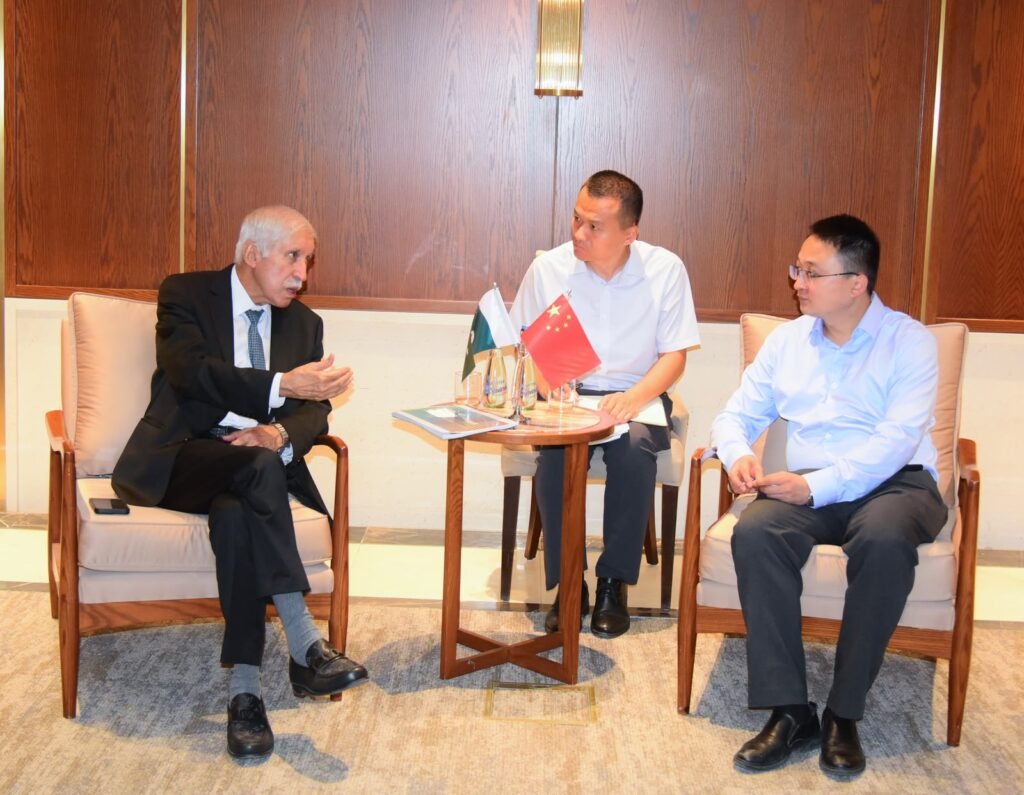
ISLAMABAD — Federal Minister for the Board of Investment (BOI), Qaiser Ahmed Sheikh, convened with a high-level delegation from the Shandong Hi-Speed Group (SDHS) on the sidelines of the Pakistan–China B2B Conference at the Marriott Hotel in Islamabad. The meeting, which took place on Wednesday, aimed to strengthen economic ties and explore investment opportunities between Pakistan and China. What Happened The meeting was attended by Mr. Xu Xiang, Chairman of SDHS, along with Mr. Wang Zhenrong, Country Director, and representatives from the Tabani Group. Discussions centered around potential collaborations in infrastructure development and investment projects in Pakistan. The SDHS delegation expressed keen interest in exploring opportunities in Pakistan’s infrastructure sector, particularly in road construction and energy projects. Minister Qaiser Ahmed Sheikh highlighted Pakistan’s strategic location and its potential as a gateway for Chinese investments into South Asia and the Middle East. He stated, “Pakistan offers a conducive environment for foreign investors with its pro-business policies and strategic partnerships.” The minister also emphasized the government’s commitment to facilitating Chinese businesses and ensuring a seamless investment process. Mr. Xu Xiang, reflecting on the discussions, noted the promising investment landscape in Pakistan and the mutual benefits of strengthening economic cooperation. He remarked, “We see significant potential in Pakistan’s infrastructure sector and are eager to explore collaborative ventures that can contribute to the country’s economic growth.” The meeting concluded with both parties agreeing to continue dialogue and explore specific projects for potential collaboration. Background The Pakistan–China B2B Conference serves as a platform to enhance bilateral trade and investment relations between the two countries. Historically, China has been a significant economic partner for Pakistan, with both nations sharing a robust trade relationship. The China-Pakistan Economic Corridor (CPEC), a flagship project under China’s Belt and Road Initiative, has been pivotal in fostering economic connectivity and development in the region. The Shandong Hi-Speed Group is a prominent Chinese state-owned enterprise with extensive experience in infrastructure development, including highways, bridges, and energy projects. The group’s interest in Pakistan aligns with the broader objectives of CPEC, aiming to enhance infrastructure and energy capabilities in Pakistan. Why It Matters The engagement between the BOI and SDHS is significant for several reasons. Economically, it underscores Pakistan’s ongoing efforts to attract foreign investment and boost its infrastructure sector, which is crucial for economic development and job creation. The potential collaboration with SDHS could lead to substantial investments in infrastructure, enhancing connectivity and supporting Pakistan’s economic growth trajectory. Socially, improved infrastructure can lead to better access to services, reduced travel times, and enhanced quality of life for citizens. Politically, strengthening ties with China, a longstanding ally, reinforces Pakistan’s strategic partnerships and enhances its geopolitical standing in the region. This meeting also reflects Pakistan’s commitment to leveraging its strategic location to become a hub for regional trade and investment. Internationally, the collaboration aligns with China’s Belt and Road Initiative, promoting regional connectivity and economic integration. For Pakistan, successful partnerships with Chinese enterprises can attract further international investment, showcasing the country’s potential as a viable investment destination. Key Takeaways BOI Minister Qaiser Ahmed Sheikh met with SDHS to discuss investment opportunities in Pakistan. The meeting focused on infrastructure development, particularly in road construction and energy projects. Pakistan’s strategic location and pro-business policies were highlighted as advantages for Chinese investors. The engagement aligns with the objectives of CPEC and China’s Belt and Road Initiative. Strengthening economic ties with China is crucial for Pakistan’s economic growth and regional connectivity. Source Attribution This article is based on official government statements, press releases, and public communications from relevant authorities. Author: NEN Editorial Desk | Editor: NEN Newsroom | Fact Checked By: NEN Editorial Team Author: NEN Editorial Desk  |  Editor: NEN Newsroom  |  Last Updated: July 18, 2026  |  Source: Press Release from Government of Pakistan This article was produced by the NEN Editorial Desk in accordance with NEN Agency’s Editorial Policy and Fact-Checking Policy.
World

Minister Praises $850 Million Deals at Pakistan–China Investment Conference

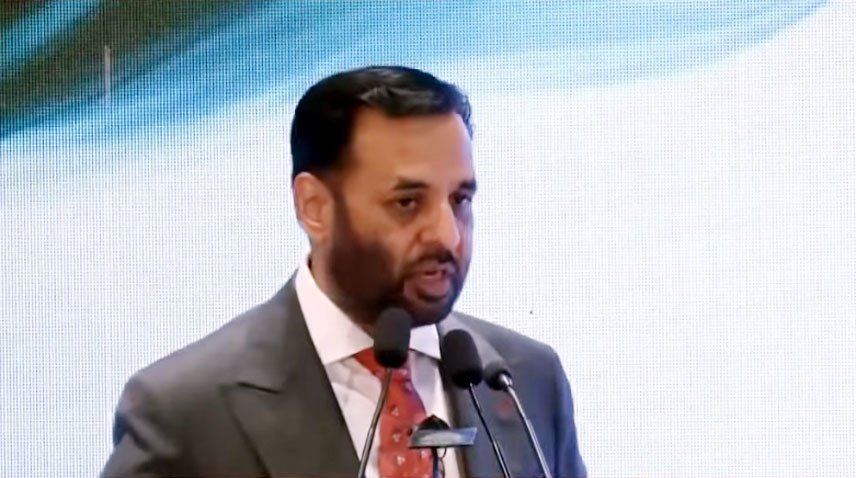
ISLAMABAD — Federal Minister for National Health Services, Regulations and Coordination Syed Mustafa Kamal on Saturday commended the successful conclusion of the Pakistan–China Pharmaceutical & Healthcare B2B Investment Conference 2026. The conference, held in Islamabad, is expected to result in agreements worth approximately $850 million, including 16 formal agreements and 80 Memoranda of Understanding (MoUs). What Happened The Pakistan–China Pharmaceutical & Healthcare B2B Investment Conference 2026 brought together key stakeholders from both nations to explore collaborative opportunities in the pharmaceutical and healthcare sectors. The event, which took place in Islamabad, saw the participation of industry leaders, government officials, and business representatives aiming to strengthen bilateral ties and foster economic growth. Minister Syed Mustafa Kamal expressed optimism about the outcomes of the conference, highlighting the potential for substantial foreign investment and technological advancement in Pakistan’s healthcare sector. “The agreements and MoUs signed during the conference signify a major step forward in our bilateral relations with China, particularly in the healthcare and pharmaceutical industries,” Kamal stated. The conference facilitated discussions on various topics, including joint ventures, technology transfer, and capacity building. The agreements are expected to enhance Pakistan’s pharmaceutical manufacturing capabilities and improve healthcare infrastructure, ultimately benefiting the country’s healthcare system and its citizens. Background Pakistan and China have a longstanding history of economic and strategic cooperation, often referred to as an “all-weather” partnership. The two countries have collaborated on numerous projects under the China-Pakistan Economic Corridor (CPEC), a flagship initiative of China’s Belt and Road Initiative (BRI). This conference is a continuation of efforts to deepen economic ties and expand cooperation into new sectors such as healthcare and pharmaceuticals. In recent years, Pakistan has been focusing on enhancing its healthcare infrastructure and pharmaceutical industry to meet the growing demands of its population. The government has introduced various policies to attract foreign investment and foster innovation in these sectors, recognizing their critical role in national development. Why It Matters The agreements reached at the conference are significant for several reasons. Economically, the expected $850 million investment will provide a substantial boost to Pakistan’s healthcare and pharmaceutical sectors, creating jobs and fostering technological advancements. This influx of capital and expertise is crucial for addressing the country’s healthcare challenges and improving access to quality medical services. Socially, the collaboration with China is likely to lead to improved healthcare outcomes for Pakistani citizens. The transfer of technology and knowledge from Chinese partners can enhance local manufacturing capabilities, reduce reliance on imports, and make essential medicines more affordable and accessible. Politically, the conference underscores the strength of Pakistan-China relations and their commitment to expanding cooperation beyond traditional areas such as infrastructure and energy. By diversifying their partnership to include healthcare and pharmaceuticals, both countries are demonstrating a shared vision for sustainable development and mutual prosperity. Internationally, this development positions Pakistan as a more attractive destination for foreign investment in the healthcare sector, potentially encouraging other countries to explore similar partnerships. It also aligns with global trends of increasing collaboration in healthcare innovation and pharmaceutical research, further integrating Pakistan into the international economic landscape. Key Takeaways The Pakistan–China Pharmaceutical & Healthcare B2B Investment Conference 2026 resulted in $850 million in expected agreements. 16 formal agreements and 80 MoUs were signed, focusing on enhancing Pakistan’s healthcare and pharmaceutical sectors. The conference is part of ongoing efforts to strengthen Pakistan-China economic and strategic ties. The investment is expected to boost local manufacturing capabilities and improve healthcare access in Pakistan. This development highlights the diversification of Pakistan-China relations into new sectors beyond traditional areas. Source Attribution This article is based on official government statements, press releases, and public communications from relevant authorities. Author: NEN Editorial Desk | Editor: NEN Newsroom | Fact Checked By: NEN Editorial Team Author: NEN Editorial Desk  |  Editor: NEN Newsroom  |  Last Updated: July 18, 2026  |  Source: Press Release from Government of Pakistan This article was produced by the NEN Editorial Desk in accordance with NEN Agency’s Editorial Policy and Fact-Checking Policy.
World

Deputy PM Emphasizes Ceasefire Adherence Under Islamabad MoU

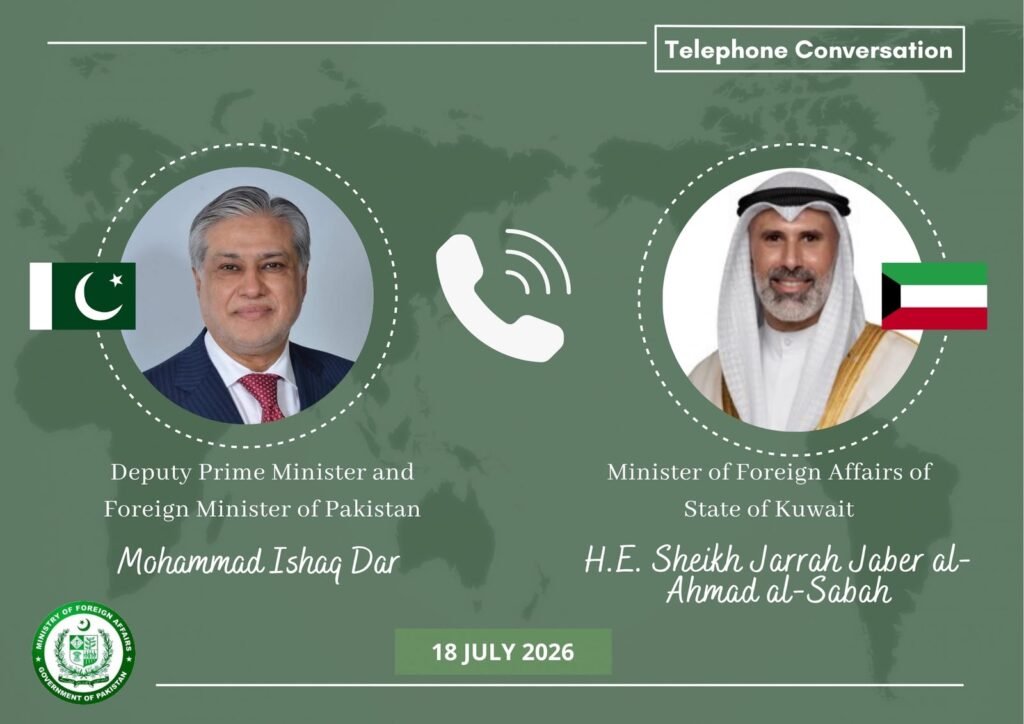
ISLAMABAD — Deputy Prime Minister and Foreign Minister Senator Muhammad Ishaq Dar emphasized the importance of adhering to ceasefire commitments under the Islamabad Memorandum of Understanding (MoU) during a telephone conversation with Sheikh Jarrah Jaber Al-Ahmad Al-Sabah, the Foreign Minister of Kuwait, on Saturday. The discussion highlighted the need to avoid actions that could escalate tensions in the region. What Happened On July 18, Deputy Prime Minister and Foreign Minister Senator Muhammad Ishaq Dar engaged in a significant dialogue with Kuwait’s Foreign Minister Sheikh Jarrah Jaber Al-Ahmad Al-Sabah. The conversation centered on the critical importance of maintaining the ceasefire commitments outlined in the Islamabad MoU. Senator Dar stressed that both parties should exercise restraint and avoid any provocations that might lead to heightened tensions. The Islamabad MoU, a key diplomatic agreement, serves as a framework for maintaining peace and stability in the region. During the call, both ministers reiterated their commitment to the principles of the MoU, emphasizing the necessity of diplomatic engagement and dialogue to resolve any disputes. Senator Dar underscored Pakistan’s dedication to peace and stability in the region, urging all parties involved to adhere to the agreed-upon terms. Sheikh Jarrah Jaber Al-Ahmad Al-Sabah conveyed Kuwait’s support for the MoU and its objectives, expressing a shared interest in regional peace and cooperation. The conversation concluded with both ministers agreeing to continue their diplomatic efforts to uphold the ceasefire and prevent any potential conflicts. Background The Islamabad MoU, signed in 2019, is a strategic agreement aimed at fostering peace and stability in the region through mutual understanding and cooperation. The agreement was established following a series of diplomatic engagements between Pakistan and its regional partners, including Kuwait. It outlines specific commitments to ceasefire and non-aggression, serving as a critical tool for conflict prevention and resolution. Historically, the region has experienced periods of tension and conflict, often necessitating international diplomatic interventions. The Islamabad MoU represents a proactive approach by regional powers to address these challenges internally, reducing reliance on external mediation. Why It Matters The adherence to the Islamabad MoU is crucial for maintaining peace and stability in a region historically plagued by conflict. The agreement not only serves as a preventive measure against potential escalations but also as a framework for diplomatic dialogue and conflict resolution. By emphasizing the importance of the MoU, Senator Dar reinforces Pakistan’s commitment to regional stability and its role as a proactive peace broker. The conversation between Senator Dar and Sheikh Jarrah Jaber Al-Ahmad Al-Sabah highlights the collaborative efforts of regional powers to uphold peace agreements and prevent conflicts. This dialogue is significant as it reflects a shared understanding of the importance of diplomatic engagement and cooperation. The successful implementation of the Islamabad MoU could serve as a model for other regions facing similar challenges, demonstrating the efficacy of regional agreements in conflict prevention. For Pakistan, maintaining the ceasefire commitments is not only a matter of regional security but also of national interest. Stability in the region can lead to economic growth, increased foreign investment, and improved international relations. It also enhances Pakistan’s standing as a responsible and influential player on the global stage, capable of fostering peace and cooperation. Key Takeaways Deputy Prime Minister Muhammad Ishaq Dar emphasized the importance of upholding ceasefire commitments under the Islamabad MoU during a call with Kuwait’s Foreign Minister. The Islamabad MoU is a strategic agreement aimed at maintaining peace and stability in the region through mutual cooperation. Both ministers reiterated their commitment to the MoU and the necessity of diplomatic engagement to prevent conflicts. The conversation underscores the collaborative efforts of regional powers to uphold peace agreements and prevent escalations. Adherence to the MoU is crucial for regional stability, economic growth, and Pakistan’s international standing. Source Attribution This article is based on official government statements and public communications from relevant authorities. Author: NEN Editorial Desk | Editor: NEN Newsroom | Fact Checked By: NEN Editorial Team Author: NEN Editorial Desk  |  Editor: NEN Newsroom  |  Last Updated: July 18, 2026  |  Source: Press Release from Government of Pakistan This article was produced by the NEN Editorial Desk in accordance with NEN Agency’s Editorial Policy and Fact-Checking Policy.

World

China-Pakistan Microbial Research Collaboration Expands Amid Strengthening Academic Ties

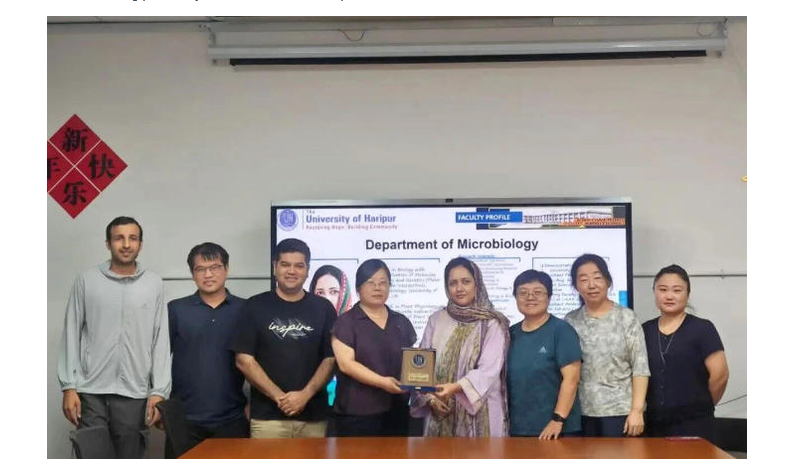
BEIJING — Representatives from Shihezi University’s College of Life Sciences and the University of Haripur recently convened at a symposium focused on microbiomics, revealing plans for joint academic initiatives. The event underscored the deepening academic collaboration between China and Pakistan, particularly in the field of microbial research. What Happened The symposium, held in Beijing, brought together experts from both universities to discuss advancements in microbiomics and explore potential areas for joint research. Professor Syeda Asma Bano of the University of Haripur presented her team’s recent breakthroughs in molecular plant pathology, biocontrol, and the use of beneficial microbes to combat soil-borne crop diseases. Her insights were complemented by Professor Sun Yanfei from Shihezi University, who shared findings on plant-microbe interaction mechanisms and the functional analysis of rhizobacteria. The collaboration aims to leverage the strengths of both institutions in arid-region microbiology and molecular biology. Planned initiatives include the application for joint international research grants, the establishment of joint postgraduate training programs, and the facilitation of academic exchanges. These efforts are intended to foster practical cooperation and advance scientific understanding in these critical areas. As part of the broader China-Pakistan Economic Corridor (CPEC) initiative, this academic partnership is seen as a reflection of the growing ties between the two nations. Shihezi University has already established extensive partnerships with Pakistani institutions such as the University of Haripur and PMAS-Arid Agriculture University, covering a range of disciplines including life sciences, information technology, agriculture, and basic sciences. These collaborations encompass joint research projects, faculty and student exchanges, joint graduate programs, and the co-construction of laboratories. Background The China-Pakistan Economic Corridor (CPEC) is a significant component of China’s Belt and Road Initiative, aimed at enhancing regional connectivity and economic integration. As CPEC enters its second phase, there is an increased focus on socio-economic development, including education and scientific research. The collaboration between Shihezi University and the University of Haripur is part of this broader strategy to enhance academic ties and foster innovation. Historically, China and Pakistan have maintained strong bilateral relations, with academic and scientific cooperation playing an increasingly important role. The partnership between these universities is a continuation of this trend, aiming to address common challenges in agriculture and environmental sustainability through advanced research and technology. Why It Matters The expansion of microbial research cooperation between China and Pakistan holds significant implications for both countries. For Pakistan, advancements in microbiomics and related fields can lead to improved agricultural practices, increased crop yields, and enhanced food security. This is particularly important given the challenges posed by climate change and the need for sustainable agricultural practices. Economically, the collaboration can open new avenues for research funding and international partnerships, boosting the capabilities of Pakistani institutions and contributing to the country’s scientific and technological development. The joint initiatives also provide opportunities for capacity building, with Pakistani researchers and students gaining access to advanced training and resources. On a broader scale, the collaboration strengthens the academic and cultural ties between China and Pakistan, fostering mutual understanding and cooperation. This partnership not only contributes to the scientific community but also enhances the strategic relationship between the two nations, supporting their shared goals of regional stability and development. Key Takeaways China and Pakistan are expanding their academic collaboration in microbial research, focusing on microbiomics. The partnership includes joint research initiatives, postgraduate training programs, and academic exchanges. This collaboration is part of the broader CPEC initiative, emphasizing socio-economic development. Advancements in microbial research can significantly impact agriculture and food security in Pakistan. The partnership enhances bilateral ties and supports regional stability and development goals. Source Attribution This article is based on official government statements, press releases, and public communications from relevant authorities. Author: NEN Editorial Desk | Editor: NEN Newsroom | Fact Checked By: NEN Editorial Team Author: NEN Editorial Desk  |  Editor: NEN Newsroom  |  Last Updated: July 18, 2026  |  Source: NEN Reporter This article was produced by the NEN Editorial Desk in accordance with NEN Agency’s Editorial Policy and Fact-Checking Policy.
World

Gold Prices Plummet by Rs3,600 Per Tola in Pakistan

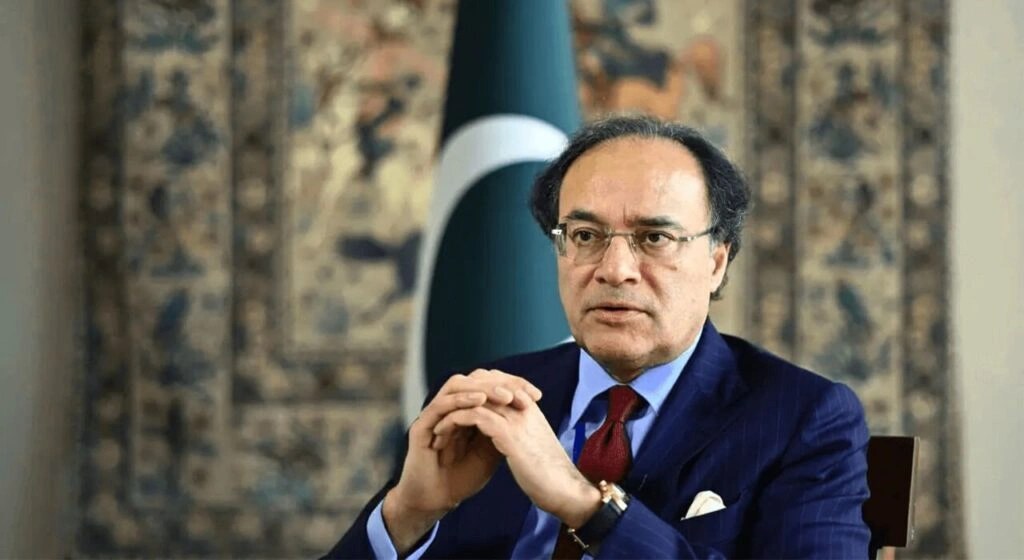
LAHORE — Gold prices in Pakistan experienced a significant drop as the international bullion market witnessed a decline, resulting in a substantial decrease in the prices of both gold and silver locally. On July 17, the price of gold per tola in the local market fell by Rs3,600 to Rs421,836, reflecting the global market trends. What Happened The international bullion market saw a sharp decline in gold prices, with the price per ounce falling by $36 to $3,994. This decrease in the global market had a direct impact on the local bullion market in Pakistan. As a result, the price of gold per tola dropped by Rs3,600, settling at Rs421,836. Similarly, the price for 10 grams of gold fell by Rs3,086, bringing it down to Rs361,656. Silver prices were not immune to this trend, as they also experienced a decline. The price of silver per tola decreased by Rs126, reaching Rs6,029, while the price for 10 grams of silver fell by Rs108 to Rs5,168. This trend reflects the interconnected nature of global and local markets, where changes in international prices have immediate effects on domestic markets. Background Gold and silver prices are influenced by a variety of factors, including global economic conditions, currency fluctuations, and investor sentiment. Historically, precious metals have been viewed as safe-haven assets, particularly during times of economic uncertainty. However, fluctuations in the global market can lead to significant changes in prices, affecting local markets as well. In recent years, the global bullion market has experienced volatility due to various factors such as geopolitical tensions, changes in monetary policies by major economies, and fluctuations in the value of the US dollar. These factors contribute to the dynamic nature of gold and silver prices, impacting both international and local markets. Why It Matters The decline in gold prices holds significant implications for various stakeholders in Pakistan. For investors and traders in the bullion market, this drop represents a potential opportunity to purchase gold at lower prices. However, it also poses challenges for those who have invested in gold as a hedge against inflation or economic instability. For the general public, changes in gold prices can affect consumer behavior, particularly in a country like Pakistan where gold is often purchased for weddings and other cultural events. A decrease in prices may encourage more purchases, while an increase could lead to reduced consumer spending on gold. Economically, the fluctuation in gold prices can impact the country’s trade balance. Pakistan, being an importer of gold, may benefit from lower prices in terms of reduced import costs. However, it also means that local jewelers and traders may face reduced margins, affecting their profitability. On a broader scale, the changes in gold prices can reflect underlying economic conditions, both globally and locally. A decline may indicate a stronger US dollar or changing investor sentiment, which can have ripple effects on other aspects of the economy, including currency exchange rates and stock market performance. Key Takeaways Gold prices in Pakistan dropped by Rs3,600 per tola, influenced by a $36 decline per ounce in the international market. The price of 10 grams of gold fell by Rs3,086, while silver prices also decreased, with a Rs126 drop per tola. Fluctuations in global bullion prices directly impact local markets, affecting investors, traders, and consumers. The decline in prices may offer buying opportunities but also poses challenges for those relying on gold as a stable investment. Changes in gold prices can have broader economic implications, influencing trade balances and reflecting global economic conditions. Source Attribution This article is based on official government statements, press releases, and public communications from relevant authorities. Author: NEN Editorial Desk | Editor: NEN Newsroom | Fact Checked By: NEN Editorial Team Author: NEN Editorial Desk  |  Editor: NEN Newsroom  |  Last Updated: July 18, 2026  |  Source: NEN Reporter This article was produced by the NEN Editorial Desk in accordance with NEN Agency’s Editorial Policy and Fact-Checking Policy.
World

Finance Minister Evaluates National Faceless Centre’s Implementation Progress

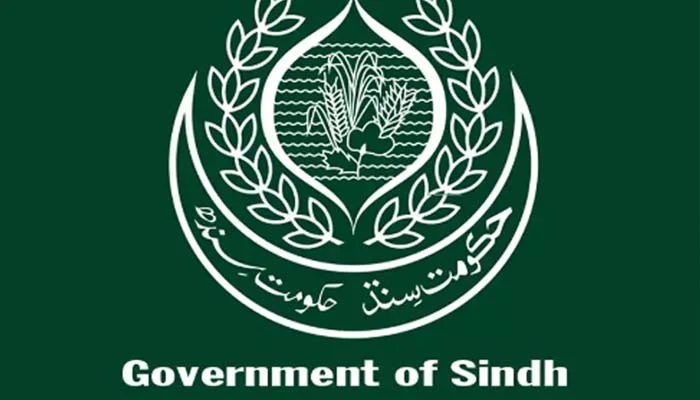
ISLAMABAD — Federal Minister for Finance and Revenue, Senator Muhammad Aurangzeb, conducted a meeting on Friday to assess the progress and operational readiness of the Federal Board of Revenue’s (FBR) National Faceless Centre. This initiative is a pivotal component of the new Tax Operating Model, designed to create a technology-driven, centralized, and transparent tax administration framework. What Happened During the meeting held in Islamabad, Finance Minister Muhammad Aurangzeb reviewed the implementation roadmap of the National Faceless Centre, which aims to enhance the efficiency and transparency of Pakistan’s tax system. The centre is part of a broader strategy to modernize tax administration through digital means, reducing human interaction and thereby minimizing opportunities for corruption and inefficiency. The National Faceless Centre is expected to streamline tax processes by leveraging technology to handle tax assessments and audits without the need for physical presence. This approach is intended to foster a more taxpayer-friendly environment, encouraging compliance and broadening the tax base. Minister Aurangzeb emphasized the need for timely execution of the project, highlighting its importance in improving revenue collection and accountability. He stated, “The National Faceless Centre is a cornerstone of our efforts to reform the tax system. Its successful implementation will be a significant step towards a transparent and efficient tax administration.” The meeting also involved discussions on potential challenges and strategies to overcome them, ensuring that the centre becomes fully operational within the stipulated timeframe. Key stakeholders from the FBR and the Ministry of Finance participated in the discussions, providing insights and updates on the ongoing developments. Background The establishment of the National Faceless Centre is part of a series of reforms initiated by the Pakistani government to modernize its tax administration. Historically, the tax system in Pakistan has faced challenges such as low compliance rates, tax evasion, and a narrow tax base. These issues have been exacerbated by bureaucratic inefficiencies and a lack of transparency. In recent years, the government has undertaken several initiatives to address these problems, including the introduction of technology in tax processes. The National Faceless Centre represents a significant shift towards a digital tax ecosystem, aligning with global trends where countries are increasingly adopting technology to enhance tax administration and compliance. Why It Matters The successful implementation of the National Faceless Centre holds considerable significance for Pakistan’s economic landscape. By reducing human intervention in tax processes, the centre aims to minimize corruption and increase efficiency, which are critical factors for improving the country’s revenue collection. Economically, a more efficient tax system can lead to increased government revenues, providing the necessary funds for public services and infrastructure development. This is particularly important for Pakistan, where fiscal deficits have been a persistent challenge, impacting economic growth and stability. Socially, the move towards a faceless tax system can enhance trust between taxpayers and the government. By ensuring transparency and reducing opportunities for corruption, the initiative can encourage more individuals and businesses to comply with tax regulations, thereby broadening the tax base and distributing the tax burden more equitably. Politically, the reform aligns with the government’s broader agenda of digital transformation and good governance. It reflects a commitment to improving public sector efficiency and accountability, which can strengthen public confidence in governmental institutions. Key Takeaways The National Faceless Centre is part of Pakistan’s effort to modernize its tax system through digital transformation. Finance Minister Aurangzeb emphasized the importance of timely implementation to enhance transparency and efficiency. The initiative aims to reduce human interaction in tax processes, minimizing corruption and inefficiencies. Successful implementation can increase government revenues, aiding in economic stability and growth. The reform aligns with global trends towards digital tax administration, promoting compliance and broadening the tax base. Source Attribution This article is based on official government statements, press releases, and public communications from relevant authorities. Author: NEN Editorial Desk | Editor: NEN Newsroom | Fact Checked By: NEN Editorial Team Author: NEN Editorial Desk  |  Editor: NEN Newsroom  |  Last Updated: July 17, 2026  |  Source: Press Release from Federal Board of Revenue (FBR) This article was produced by the NEN Editorial Desk in accordance with NEN Agency’s Editorial Policy and Fact-Checking Policy.
World

Sindh Launches Forum to Connect Youth with Jobs and Private Sector

KARACHI — The Sindh government has announced the establishment of a Public-Private Partnership (PPP) Forum aimed at bridging the gap between youth and employment opportunities, skills development, and the private sector. This initiative was unveiled during a meeting held on Friday, chaired by Sindh Secretary for Sports and Youth Affairs, Munawar Ali Mahesar, alongside representatives from the United Nations Population Fund (UNFPA) and other stakeholders. What Happened The meeting, convened at a private hotel in Karachi, brought together key figures from various sectors, including UNFPA representatives Golden Melillo, Zahra Jabeen, and Renuka Swamy, as well as officials from public and private institutions. The discussions focused on the creation of the PPP Forum, which aims to foster collaboration between the government, private sector, educational institutions, industries, development partners, and civil society. Munawar Ali Mahesar, the Sindh Secretary for Sports and Youth Affairs, emphasized the forum’s role in facilitating joint initiatives that will promote employment, skills training, entrepreneurship, sports, social inclusion, and access to modern technology for the youth of Sindh. He highlighted the importance of aligning policymaking with the needs of young people, encouraging private investment, and ensuring institutional cooperation. The forum is expected to implement a joint strategy for the economic, social, and welfare development of youth, with commitments from various stakeholders to provide technical support, training, and skills development. The private sector has pledged to activate youth centers across Sindh, offering merit-based employment opportunities to the province’s talented youth. Mahesar underscored the need for industrialists to give proper representation to the skilled youth of Sindh and called for collective efforts to secure a brighter future for the region’s educated young population. The Department of Sports and Youth Affairs is committed to providing opportunities in sports, positive activities, skills, and leadership development. Background Sindh, Pakistan’s second-largest province, has been grappling with high youth unemployment rates and a lack of adequate skills development programs. The provincial government has been seeking ways to engage the private sector in addressing these challenges. The PPP Forum is part of a broader strategy to create sustainable employment opportunities and equip young people with the skills needed to thrive in a competitive job market. Historically, public-private partnerships in Sindh have focused on infrastructure development, but this new initiative marks a shift towards human capital development. By leveraging the expertise and resources of both the public and private sectors, the government aims to create a more inclusive and dynamic economy that can absorb the growing youth population. Why It Matters The establishment of the PPP Forum is a significant step towards addressing youth unemployment and underemployment in Sindh. With a large portion of the population under the age of 30, the province faces a demographic challenge that requires urgent attention. By connecting young people with employment opportunities and skills development programs, the forum aims to reduce unemployment rates and improve the socio-economic conditions of the region. Economically, this initiative could lead to increased productivity and innovation as more young people enter the workforce with relevant skills. Socially, it has the potential to reduce poverty and inequality by providing equitable access to job opportunities and career advancement. Politically, the success of this forum could strengthen the government’s standing by demonstrating its commitment to addressing youth issues and fostering economic growth. Internationally, the PPP Forum aligns with global development goals, such as the United Nations Sustainable Development Goals (SDGs), which emphasize decent work and economic growth. By collaborating with international partners like UNFPA, Sindh can leverage global expertise and resources to enhance the effectiveness of its youth development strategies. Key Takeaways The Sindh government is establishing a PPP Forum to connect youth with employment and skills development. The forum aims to foster collaboration between the government, private sector, and educational institutions. Stakeholders have committed to providing technical support and activating youth centers across Sindh. This initiative addresses high youth unemployment and aims to improve socio-economic conditions. The forum aligns with global development goals and seeks to leverage international partnerships. Source Attribution This article is based on official government statements, press releases, and public communications from relevant authorities. Author: NEN Editorial Desk | Editor: NEN Newsroom | Fact Checked By: NEN Editorial Team Author: NEN Editorial Desk  |  Editor: NEN Newsroom  |  Last Updated: July 17, 2026  |  Source: Press Release from Government of Sindh This article was produced by the NEN Editorial Desk in accordance with NEN Agency’s Editorial Policy and Fact-Checking Policy.
World

Financial Markets Association Releases July 17 Exchange Rates Bulletin

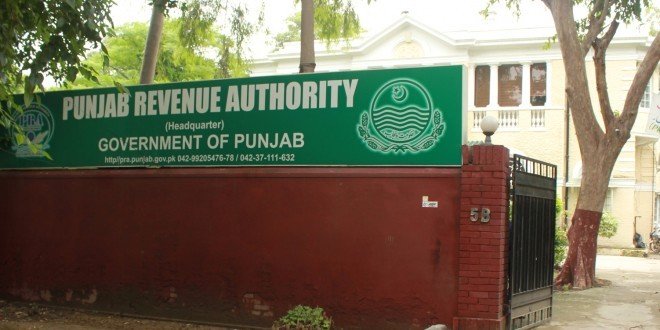
KARACHI — The Exchange Rates Committee of the Financial Markets Association of Pakistan has issued its latest bulletin on foreign exchange rates, effective July 17, 2026. The bulletin provides critical data for financial institutions and businesses engaged in international trade and finance. What Happened On July 17, 2026, the Exchange Rates Committee released the latest conversion rates for foreign currency, applicable for forward cover for deposits, excluding FE-25 deposits. These rates are crucial for financial planning and transactions involving foreign currencies. The State Bank of Pakistan (SBP) has set the settlement value date for these rates as July 21, 2026. The rates announced are as follows: the US dollar (USD) is pegged at 277.9464 Pakistani rupees, the British pound (GBP) at 375.8391 rupees, the euro (EUR) at 318.6377 rupees, and the Japanese yen (JPY) at 1.7144 rupees. These rates are significant for businesses and individuals involved in foreign exchange transactions, impacting importers, exporters, and investors alike. According to the Financial Markets Association, these rates are determined based on current market conditions and are subject to fluctuations influenced by various economic factors, including international trade dynamics, geopolitical developments, and monetary policy decisions. Background Foreign exchange rates are a critical component of the global financial system. They determine the relative value of currencies and influence international trade and investment flows. In Pakistan, the Financial Markets Association plays a pivotal role in setting these rates, providing a standardized reference for financial institutions and businesses. The State Bank of Pakistan, as the central bank, oversees the country’s monetary policy and foreign exchange regulations. The SBP’s involvement ensures that exchange rates are aligned with broader economic goals, such as controlling inflation and maintaining financial stability. Historically, Pakistan’s exchange rates have been influenced by factors such as trade deficits, foreign direct investment, remittances, and global economic conditions. The country’s exchange rate policy has evolved over time, moving from a fixed exchange rate system to a more market-driven approach. Why It Matters The release of exchange rates by the Financial Markets Association is of paramount importance for Pakistan’s economy. Accurate and timely exchange rate information is essential for businesses engaged in international trade, as it affects pricing, profitability, and competitiveness. Importers and exporters rely on these rates to make informed decisions about purchasing and selling goods and services across borders. For the financial sector, exchange rates impact the valuation of foreign currency-denominated assets and liabilities. Banks and financial institutions use these rates to manage foreign exchange risk, ensuring that their portfolios remain balanced and aligned with market conditions. On a macroeconomic level, exchange rates influence inflation, interest rates, and economic growth. A stable exchange rate environment can foster investor confidence, attract foreign investment, and support sustainable economic development. Conversely, volatile exchange rates can lead to economic uncertainty and pose challenges for policymakers. Internationally, Pakistan’s exchange rates affect its trade relationships and competitiveness in the global market. A favorable exchange rate can enhance the country’s export potential, while an unfavorable rate may increase the cost of imports, impacting domestic prices and inflation. Key Takeaways The Financial Markets Association of Pakistan released the latest exchange rates for July 17, 2026. Rates include USD at 277.9464 PKR, GBP at 375.8391 PKR, EUR at 318.6377 PKR, and JPY at 1.7144 PKR. The State Bank of Pakistan’s settlement value date is set for July 21, 2026. Exchange rates are crucial for international trade, financial planning, and economic stability. Volatile exchange rates can impact inflation, interest rates, and investor confidence. Source Attribution This article is based on official government statements, press releases, and public communications from relevant authorities. Author: NEN Editorial Desk | Editor: NEN Newsroom | Fact Checked By: NEN Editorial Team Author: NEN Editorial Desk  |  Editor: NEN Newsroom  |  Last Updated: July 17, 2026  |  Source: NEN Reporter This article was produced by the NEN Editorial Desk in accordance with NEN Agency’s Editorial Policy and Fact-Checking Policy.

World

Punjab Revenue Authority Boosts Business Registration and Tax Compliance Efforts

LAHORE — The Punjab Revenue Authority (PRA) has intensified its efforts to implement province-wide business registration and an Invoice Monitoring System (IMS) aimed at enhancing tax compliance and reducing tax evasion. This initiative was discussed during a video-link meeting chaired by PRA Chairman Moazzam Iqbal Sipra on Friday, which included commissioners and relevant officers from all districts of Punjab. What Happened The meeting focused on accelerating the implementation of business registration and IMS across Punjab. Chairman Moazzam Iqbal Sipra emphasized the importance of these measures in strengthening tax compliance and curbing tax evasion. Commissioners provided updates on the progress of new business registrations and enforcement actions against non-filers. During the session, a detailed review of district-wise performance and progress towards achieving monthly revenue targets was conducted. The PRA Chairman directed officers to adopt effective strategies to ensure timely and transparent filing of tax returns. He highlighted the need for efficiency in the registration process and tax collection from the services sector to broaden the tax base. Moazzam Iqbal Sipra also instructed commissioners to engage actively with the business community to raise awareness about government initiatives and tax laws, facilitating the prompt resolution of taxpayers’ issues. He stressed the importance of timely follow-up on pending cases and special measures for recovering outstanding tax payments. The Chairman reiterated the Authority’s commitment to transparency and digitalization, urging the acceleration of efforts to meet revenue targets. He directed enforcement teams to expedite operational activities, respond promptly to public complaints, and intensify actions against fraudulent practices, such as fake invoicing and tax manipulation. Background The Punjab Revenue Authority, established to streamline tax administration in the province, has been actively working to enhance tax compliance through various initiatives. The introduction of the Invoice Monitoring System (IMS) is part of a broader strategy to digitize tax processes and improve transparency. The system is designed to monitor and verify invoices in real-time, reducing opportunities for tax evasion. Historically, tax compliance in Pakistan has been a challenge, with a significant portion of the economy operating in the informal sector. Efforts to broaden the tax base have been ongoing, with the government introducing various reforms to encourage formalization and compliance. Why It Matters The implementation of province-wide business registration and the IMS is crucial for enhancing tax compliance in Punjab, Pakistan’s most populous province. By broadening the tax base and ensuring timely tax payments, the PRA aims to increase provincial revenue, which is vital for funding public services and infrastructure projects. The initiative also aligns with national efforts to improve tax collection and reduce the fiscal deficit. As Pakistan seeks to stabilize its economy, increasing tax revenues is essential to reducing reliance on external borrowing and fostering sustainable economic growth. For businesses, the new measures represent a push towards greater formalization, which could lead to increased access to credit and investment opportunities. However, it also requires them to adapt to more stringent compliance requirements, which could pose challenges for smaller enterprises. Internationally, improving tax compliance and administration is seen as a positive step towards enhancing Pakistan’s economic credibility. It could improve the country’s standing with international financial institutions and investors, potentially leading to increased foreign investment. Key Takeaways The Punjab Revenue Authority is intensifying efforts to implement province-wide business registration and an Invoice Monitoring System. The initiative aims to strengthen tax compliance and curb tax evasion across Punjab. Chairman Moazzam Iqbal Sipra has directed officers to ensure timely tax filings and broaden the tax base. Engagement with the business community and addressing taxpayer issues are key components of the strategy. Improving tax compliance is crucial for increasing provincial revenue and supporting economic stability. Source Attribution This article is based on official government statements, press releases, and public communications from relevant authorities. Author: NEN Editorial Desk | Editor: NEN Newsroom | Fact Checked By: NEN Editorial Team Author: NEN Editorial Desk  |  Editor: NEN Newsroom  |  Last Updated: July 17, 2026  |  Source: Press Release from Government of Pakistan This article was produced by the NEN Editorial Desk in accordance with NEN Agency’s Editorial Policy and Fact-Checking Policy.

Scroll to Top