
World

Welcome to the World section of NEN Agency, your window to the stories shaping our planet. From global politics and economic shifts to science breakthroughs, cultural moments, and humanitarian crises, we connect you to events that matter — wherever they happen.

Inside This Category

  • Global Politics & Diplomacy: International relations, summits, and policy shifts.

  • World Economy & Trade: Market trends, trade agreements, and financial developments.

  • Conflicts & Security: Coverage of wars, peace efforts, and security challenges.

  • Science & Environment: Climate change, technological advances, and space exploration.

  • Culture & Society: Arts, sports, and lifestyle stories from around the globe.

Why Our World Coverage Stands Out
We deliver global news with context, helping readers see how events beyond borders influence life in Pakistan and the wider region.

World

SCCI Hosts International Business Excellence Conference in Tashkent

PESHAWAR — The Sarhad Chamber of Commerce and Industry (SCCI) organized the 4th International Business Excellence Award and Investment Conference 2026, a four-day event held in Tashkent, Uzbekistan. The conference, which commenced on July 17, aimed to bolster trade and economic ties between Pakistan and Uzbekistan. What Happened The International Business Excellence Award and Investment Conference 2026 was inaugurated by Shokhrukh Gulamov, Uzbekistan’s Deputy Minister of Investments, Industry and Trade. The event was attended by prominent figures, including SCCI President Junaid Altaf, Pakistan’s Ambassador to Uzbekistan, and various officials from Uzbekistan’s government and business sectors. In his opening remarks, President Junaid Altaf emphasized the potential for business and trade between Pakistan and Uzbekistan, advocating for joint ventures to enhance bilateral economic relations. He highlighted the importance of regular exchanges of business delegations to fully leverage the opportunities available in both countries. Deputy Minister Gulamov praised the SCCI for organizing the event, which he described as a significant step towards strengthening economic cooperation between the two nations. He called for initiatives to overcome barriers to mutual trade and expressed Uzbekistan’s eagerness to deepen its economic ties with Pakistan. The conference featured a 75-member delegation from Khyber Pakhtunkhwa, who participated in various sessions and activities. Awards, gold medals, and trophies were distributed to recognize achievements in different sectors. Additionally, the event included a visit to the Embassy of Pakistan, the Uzbekistan Chamber of Commerce and Industry, and the Bio Pharma Park. A key feature of the conference was the Uzbekistan-Pakistan Trade and Investment Potential Awareness and Business-to-Business Session. Presentations were delivered by Zaheer Abbas, Trade and Investment Counsellor at the Pakistan Embassy in Tashkent, and other Uzbek officials, highlighting the opportunities for enhancing bilateral trade and economic cooperation. Background The Sarhad Chamber of Commerce and Industry has been actively involved in promoting trade and investment opportunities between Pakistan and other countries. The International Business Excellence Award and Investment Conference is part of SCCI’s efforts to facilitate dialogue and collaboration between business communities in Pakistan and Uzbekistan. Historically, Pakistan and Uzbekistan have shared a cordial relationship, with both countries expressing interest in expanding their economic and trade ties. The conference in Tashkent represents a continuation of these efforts, with a focus on exploring new avenues for cooperation in various sectors. Why It Matters The conference holds significant implications for the economic relationship between Pakistan and Uzbekistan. By fostering dialogue and collaboration, the event aims to address existing challenges in bilateral trade and explore new opportunities for investment. This is particularly important given the strategic location of both countries and their potential to serve as gateways to larger regional markets. For Pakistan, enhancing trade relations with Uzbekistan can lead to increased exports and investment opportunities, particularly in sectors such as textiles, pharmaceuticals, and agriculture. Similarly, Uzbekistan stands to benefit from access to Pakistan’s markets and expertise in various industries. The conference also underscores the importance of regional cooperation in Central Asia, where economic partnerships can contribute to stability and growth. By strengthening ties with Uzbekistan, Pakistan can play a pivotal role in promoting regional integration and development. Key Takeaways The SCCI organized a four-day International Business Excellence Award and Investment Conference in Tashkent. Uzbekistan’s Deputy Minister of Investments, Industry and Trade inaugurated the event. The conference aimed to enhance trade and economic ties between Pakistan and Uzbekistan. A 75-member delegation from Khyber Pakhtunkhwa participated in the event. Presentations highlighted opportunities for bilateral trade and economic cooperation. Source Attribution This article is based on official government statements, press releases, and public communications from relevant authorities. Author: NEN Editorial Desk | Editor: NEN Newsroom | Fact Checked By: NEN Editorial Team Author: NEN Editorial Desk  |  Editor: NEN Newsroom  |  Last Updated: July 17, 2026  |  Source: Press Release from Government of Pakistan This article was produced by the NEN Editorial Desk in accordance with NEN Agency’s Editorial Policy and Fact-Checking Policy.
World

Pakistan Clinches Seven Medals, Best Under-16 Title at Asian Ju-jitsu Championship

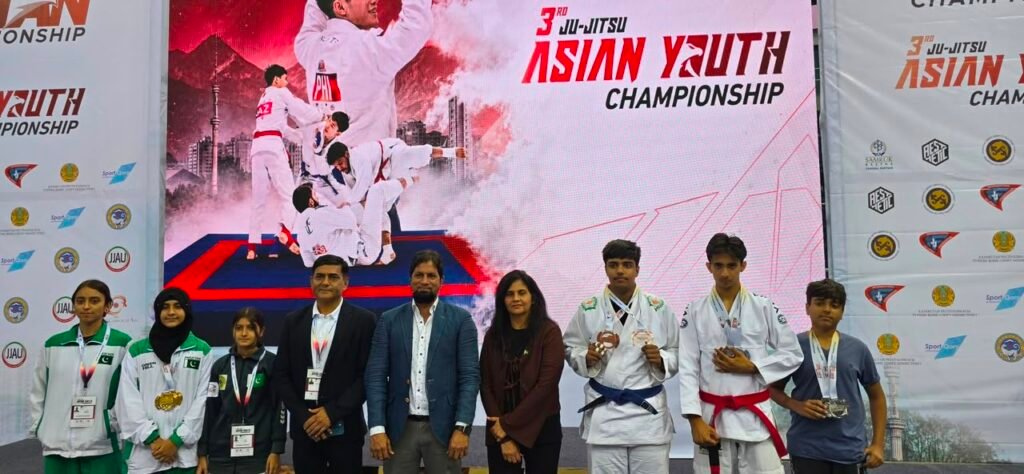
ISLAMABAD — Pakistan achieved a remarkable feat at the Asian Ju-jitsu Championship 2026 held in Almaty, Kazakhstan, by securing seven medals and earning the title of Best Under-16 Team of Asia. This accomplishment marks a significant milestone for the country’s ju-jitsu program, reflecting years of dedication and strategic development. What Happened The championship concluded with Pakistan’s tally standing at two gold, three silver, and two bronze medals. The event, which took place in Almaty, saw fierce competition among young athletes from across Asia. On the final day, Ebad ur Rehman secured a bronze medal in the Under-18 Fighting System (85kg) category by defeating his Indian counterpart. Additionally, in the Under-21 Men’s Duo Show System, the pair of Umer Yaseen and Ebad ur Rehman clinched silver medals, bringing Pakistan’s total medal count to seven. The medal and closing ceremony was attended by prominent figures, including Secretary General of the South Asian Ju-jitsu Regional Association and Pakistan Ju-jitsu Federation Tariq Ali, and Trade and Investment Counsellor at the Embassy of Pakistan in Kazakhstan, Rizwana Qazi. The Chairman of the Pakistan Ju-jitsu Federation expressed his pride in the athletes, coaches, and officials, attributing the success to their collective commitment and strategic planning. Tariq Ali, who also serves as the Secretary General of the Pakistan Ju-jitsu Federation and team leader, highlighted the significance of this achievement. He stated, “The performance demonstrated the growing strength of Pakistan’s ju-jitsu programme and will motivate the team ahead of future Asian and World Championships.” Background Ju-jitsu, a martial art focusing on grappling and ground fighting, has been gaining popularity in Pakistan over the past decade. The Pakistan Ju-jitsu Federation has been actively working to promote the sport at both national and international levels. Historically, Pakistan has participated in various international ju-jitsu competitions, gradually improving its performance and standing in the global arena. The Asian Ju-jitsu Championship is a prestigious event that attracts top talent from across the continent. It provides a platform for young athletes to showcase their skills and compete at an international level. Pakistan’s participation and success in these championships reflect the country’s growing capabilities in martial arts. Why It Matters The success of Pakistani athletes at the Asian Ju-jitsu Championship holds significant implications for the country’s sports landscape. Firstly, it highlights the potential of young athletes in Pakistan to excel in international competitions, thereby enhancing the country’s reputation in the global sports community. Economically, such achievements can attract investment in sports infrastructure and training facilities, which are crucial for nurturing future talent. The government and private sector may be more inclined to support sports initiatives, seeing the potential for international success. Socially, the success serves as an inspiration for young people across Pakistan, encouraging them to pursue sports as a viable career option. It also promotes a healthy lifestyle and the values of discipline and teamwork among the youth. Internationally, Pakistan’s growing prowess in ju-jitsu could lead to stronger ties with other countries through sports diplomacy. Participating in and hosting international sports events can foster goodwill and cultural exchange, contributing to Pakistan’s soft power on the global stage. Key Takeaways Pakistan won seven medals at the Asian Ju-jitsu Championship 2026 in Almaty, Kazakhstan. The team secured the title of Best Under-16 Team of Asia. The event showcased the growing strength of Pakistan’s ju-jitsu programme. Success in international sports can inspire youth and attract investment in sports infrastructure. Pakistan’s achievements in ju-jitsu enhance its reputation in the global sports community. Source Attribution This article is based on official government statements, press releases, and public communications from relevant authorities. Author: NEN Editorial Desk | Editor: NEN Newsroom | Fact Checked By: NEN Editorial Team Author: NEN Editorial Desk  |  Editor: NEN Newsroom  |  Last Updated: July 17, 2026  |  Source: NEN Reporter This article was produced by the NEN Editorial Desk in accordance with NEN Agency’s Editorial Policy and Fact-Checking Policy.
World

Six Vessels Dock at Port Qasim with Diverse Cargo

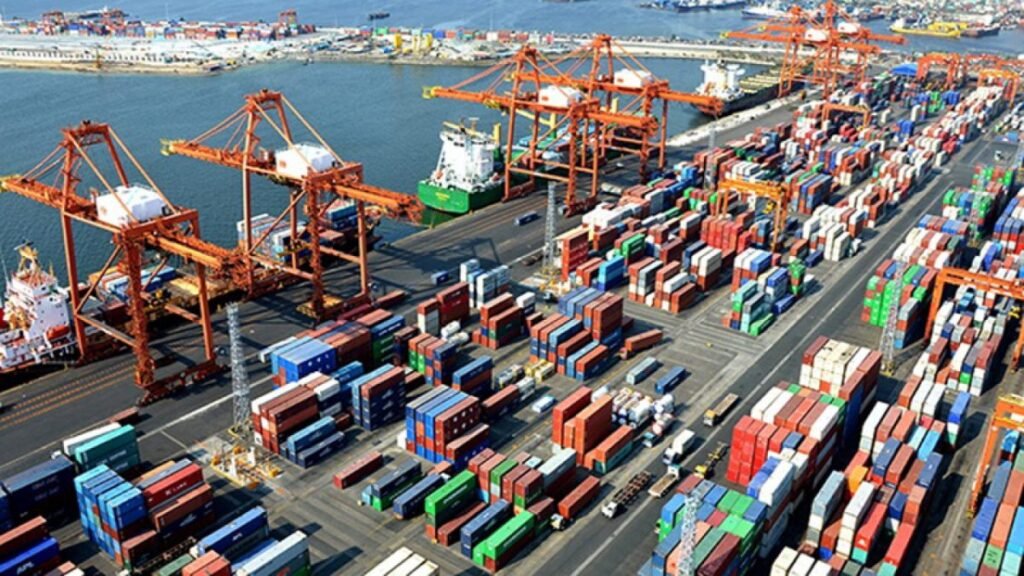
KARACHI — Six vessels, including Bai Chay Bridge and APL Qingdao, arrived at Port Qasim on Thursday, carrying diverse cargo such as containers, palm oil, LNG, and coal, marking a significant day in shipping activity. What Happened On Thursday, Port Qasim witnessed the arrival of six ships, enhancing its role as a vital hub for Pakistan’s maritime trade. The vessels, Bai Chay Bridge, APL Qingdao, Zeal Start, British Contributor, Feng De Hai, and Akij Pearl, berthed at various terminals within the port, including the Qasim International Container Terminal, Liquid Cargo Terminal, Engro Elengy Terminal, Port Qasim Electric Power Terminal, and Bulk Cargo Terminal-4. These ships brought in a variety of essential goods, including containers, palm oil, liquefied natural gas (LNG), and coal. The docking of these vessels underscores the port’s capacity to handle a wide range of cargo types, reflecting its strategic importance in facilitating Pakistan’s trade and energy supply. The Bai Chay Bridge and APL Qingdao, in particular, are noted for their container shipments, while the Zeal Start and British Contributor carried palm oil and LNG, respectively. The Feng De Hai and Akij Pearl delivered coal, which is crucial for energy production in the country. Port Qasim’s efficient handling of these shipments is critical for maintaining the flow of goods and energy resources, which are vital for Pakistan’s economy. The port’s ability to accommodate such diverse cargo types highlights its operational flexibility and strategic significance. Background Port Qasim, located in Karachi, is one of Pakistan’s busiest and most strategically important ports. Established in the 1970s, it has grown to become a key player in the country’s maritime trade. The port’s facilities have been continually upgraded to handle increasing volumes of cargo, including containers, bulk goods, and liquid cargo. It serves as a crucial gateway for imports and exports, contributing significantly to the national economy. Historically, Port Qasim has played a vital role in supporting Pakistan’s industrial and energy sectors. The port’s terminals are equipped to handle a variety of cargo, from agricultural products to industrial raw materials and energy resources. Its strategic location and comprehensive facilities make it an essential component of Pakistan’s trade infrastructure. Why It Matters The arrival of these six ships at Port Qasim is significant for several reasons. Economically, the import of containers, palm oil, LNG, and coal supports various sectors critical to Pakistan’s growth. Containers often carry consumer goods, industrial equipment, and raw materials necessary for manufacturing. Palm oil is a staple in the food industry, while LNG is increasingly vital for energy generation as Pakistan seeks to diversify its energy sources away from traditional fossil fuels. Coal remains an essential component of Pakistan’s energy mix, despite global shifts towards renewable energy. The delivery of coal by Feng De Hai and Akij Pearl ensures continuity in power generation, which is crucial for both industrial operations and household consumption. Socially, the efficient operation of Port Qasim supports employment and economic stability in the region. The port’s activities create jobs and stimulate economic activity, contributing to the livelihoods of thousands of people. Furthermore, the timely import of goods helps stabilize prices and ensures the availability of essential commodities in the market. Internationally, the port’s operations reflect Pakistan’s integration into global trade networks. By efficiently handling diverse cargo types, Port Qasim strengthens Pakistan’s trade relationships and enhances its reputation as a reliable trade partner. Key Takeaways Six ships, including Bai Chay Bridge and APL Qingdao, arrived at Port Qasim with diverse cargo. The vessels carried containers, palm oil, LNG, and coal, highlighting the port’s operational capacity. Port Qasim plays a crucial role in supporting Pakistan’s economy and energy needs. The port’s activities contribute to employment and economic stability in the region. Efficient cargo handling enhances Pakistan’s international trade relationships. Source Attribution This article is based on official government statements, press releases, and public communications from relevant authorities. Author: NEN Editorial Desk | Editor: NEN Newsroom | Fact Checked By: NEN Editorial Team Author: NEN Editorial Desk  |  Editor: NEN Newsroom  |  Last Updated: July 17, 2026  |  Source: NEN Reporter This article was produced by the NEN Editorial Desk in accordance with NEN Agency’s Editorial Policy and Fact-Checking Policy.
World

DI Khan Wildlife Park Expansion Aims to Boost Eco-Tourism and Conservation

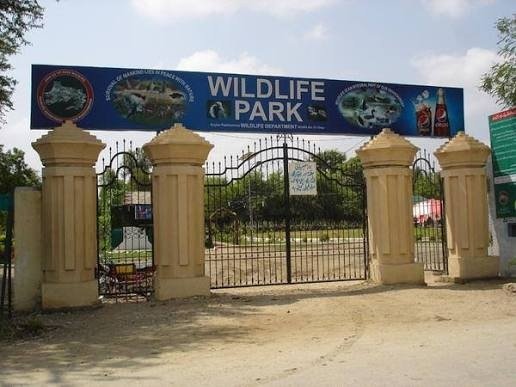
DERA ISMAIL KHAN — The expansion project of the Dera Ismail Khan Wildlife Park officially commenced with the laying of the foundation stone at a ceremony attended by Member of the National Assembly Faisal Amin Khan Gandapur. The event, held on July 17, was also graced by Conservator Wildlife, Southern Circle Bannu, Muhammad Niaz, and Project Director Khan Malook Khan, who outlined the project’s scope and objectives. What Happened The expansion of the Dera Ismail Khan Wildlife Park is a significant initiative aimed at enhancing wildlife conservation and promoting eco-tourism in the region. The ceremony marked the beginning of this ambitious project, with key stakeholders emphasizing its potential benefits. Faisal Amin Khan Gandapur highlighted that the expansion would facilitate species breeding, eco-tourism, wildlife-based research, and environmental awareness while generating sustainable revenue. He noted that the project would not only offer modern recreational facilities but also contribute to biodiversity conservation and bolster the local economy. Conservator Wildlife, Muhammad Niaz, described the project as an important milestone for the Wildlife Department, expressing optimism about its role in advancing wildlife conservation, scientific research, and public awareness. Project Director Khan Malook Khan provided a comprehensive briefing, noting that the park, established in 2014 over 30 kanals, had achieved its primary objectives of wildlife conservation and eco-tourism promotion. He explained that the growing number of visitors, especially during peak seasons like Eid and Independence Day, necessitated the park’s expansion. The expansion project involves the transfer of an additional 160 kanals from the Agriculture Department to the Wildlife Department, as approved by the provincial cabinet. The Khyber Pakhtunkhwa government has sanctioned the project under the Annual Development Programme (ADP), with construction progressing rapidly. The expanded park will feature modern animal enclosures, a walk-through aviary, bird cages, landscaped areas, walking tracks, a cafeteria, and various public amenities, enhancing its capacity to accommodate more visitors and support conservation efforts. Background The Dera Ismail Khan Wildlife Park was inaugurated in 2014, driven by the vision of the then provincial administration to conserve wildlife and promote eco-tourism. Initially spanning 30 kanals, the park aimed to provide a semi-natural habitat for wildlife, facilitate breeding programs, and serve as a center for environmental education and scientific research. Over the years, it has become a popular destination for recreation and wildlife observation, drawing visitors from across the region. The decision to expand the park stems from its success in achieving its initial goals and the increasing demand from tourists. The provincial government’s support, including the land transfer and financial backing through the ADP, underscores its commitment to enhancing the park’s facilities and capacity. Why It Matters The expansion of the Dera Ismail Khan Wildlife Park is significant for several reasons. Economically, it is expected to boost local tourism, providing a source of income for the community and creating job opportunities. The park’s development aligns with broader efforts to promote eco-tourism in Khyber Pakhtunkhwa, positioning the region as a leading destination for nature-based tourism. Environmentally, the project enhances wildlife conservation efforts, providing improved habitats for various species and supporting breeding programs. It also serves as an educational platform, raising public awareness about biodiversity and environmental protection. The park’s expansion is poised to strengthen scientific research capabilities, offering new opportunities for studies in wildlife management and conservation. Socially, the park offers recreational facilities that improve the quality of life for residents and visitors alike. By fostering a greater appreciation for nature and wildlife, the park contributes to a more environmentally conscious society. Key Takeaways The Dera Ismail Khan Wildlife Park expansion project has officially commenced, with the foundation stone laid on July 17. The project aims to enhance wildlife conservation, eco-tourism, and environmental education in the region. An additional 160 kanals of land have been allocated for the park’s expansion, approved by the provincial government. The expanded park will feature modern facilities, including animal enclosures, walking tracks, and public amenities. The initiative is expected to boost local tourism, create jobs, and support sustainable economic development. Source Attribution This article is based on official government statements, press releases, and public communications from relevant authorities. Author: NEN Editorial Desk | Editor: NEN Newsroom | Fact Checked By: NEN Editorial Team Author: NEN Editorial Desk  |  Editor: NEN Newsroom  |  Last Updated: July 17, 2026  |  Source: Press Release from Government of Pakistan This article was produced by the NEN Editorial Desk in accordance with NEN Agency’s Editorial Policy and Fact-Checking Policy.
World

Pakistan-Saudi Arabia Relations Strengthened by Economic Summit in Islamabad

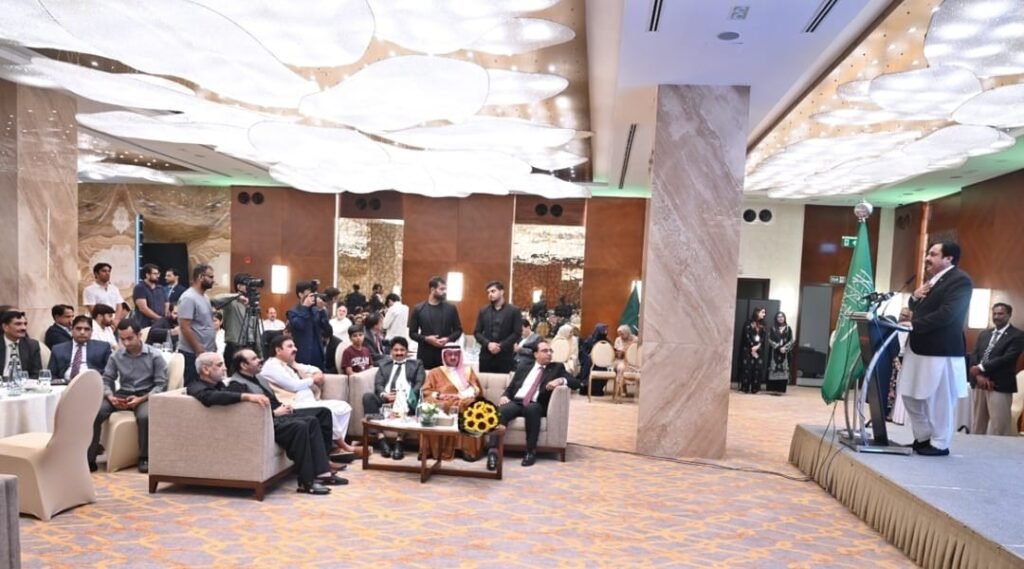
ISLAMABAD — The Deputy Chairman of the Senate, Syedaal Khan Nasir, emphasized the enduring and robust relationship between Pakistan and Saudi Arabia, underpinned by faith, mutual trust, and shared progress. His remarks were made during the Saudi Company Formation and Business Expansion Summit 2026, held in Islamabad, which aimed to bolster economic ties and expand business opportunities between the two nations. What Happened The summit, organized by the Al Raee Group, was a significant event that brought together key stakeholders, including foreign diplomats, investors, and corporate executives from both national and international companies. Syedaal Khan Nasir highlighted the importance of Saudi Vision 2030, which has opened new avenues for global investment and private sector growth, offering substantial opportunities for the Pakistani business community. “Saudi Vision 2030 has created a conducive environment for investment, and the Pakistani business community stands to benefit immensely from these opportunities,” Nasir stated. He further assured that the Senate of Pakistan and the government would continue to support initiatives that promote economic growth, employment, and technology transfer. Bilal M. Zubair, Chairman of Al Raee Group, welcomed the guests and underscored Saudi Arabia’s business-friendly policies. He noted that the Kingdom now allows 100% foreign ownership, simplified banking procedures, and has removed the minimum capital requirement for various business activities, thus creating an ideal corporate environment for Pakistani businesses. The summit also saw the signing of Memorandums of Understanding (MoUs) between Al Raee Group and representatives of 12 prominent Pakistani companies from various sectors. These agreements will facilitate the establishment of operations and large-scale investments by these companies in Saudi Arabia, marking a significant milestone in bilateral investment cooperation. Background Pakistan and Saudi Arabia have historically enjoyed a close relationship, characterized by mutual support and cooperation in various fields. The ties between the two countries are deeply rooted in shared religious beliefs and cultural affinities. Over the years, both nations have worked together on numerous economic and strategic fronts, reinforcing their bilateral relationship. Saudi Vision 2030, launched by Crown Prince Mohammed bin Salman, aims to diversify the Kingdom’s economy and reduce its dependence on oil. This vision has been instrumental in attracting foreign investment and fostering economic partnerships worldwide, including with Pakistan. Why It Matters The strengthening of economic ties between Pakistan and Saudi Arabia has significant implications for both countries. For Pakistan, increased investment from Saudi Arabia can lead to job creation, technology transfer, and enhanced economic growth. The opportunities presented by Saudi Vision 2030 align with Pakistan’s own economic goals, providing a platform for Pakistani businesses to expand into new markets. For Saudi Arabia, engaging with Pakistan’s dynamic private sector can contribute to the Kingdom’s diversification efforts. The collaboration can also enhance Saudi Arabia’s strategic partnerships in South Asia, a region of growing economic importance. Moreover, the summit serves as a testament to the strong diplomatic relations between the two countries, reinforcing their commitment to mutual progress and development. The agreements signed during the summit are expected to lay the groundwork for a long-term, resilient economic partnership, benefiting both nations in the years to come. Key Takeaways The Saudi Company Formation and Business Expansion Summit 2026 was held in Islamabad to strengthen economic ties between Pakistan and Saudi Arabia. Saudi Vision 2030 offers significant opportunities for Pakistani businesses to invest and expand in Saudi Arabia. Memorandums of Understanding were signed between Al Raee Group and 12 Pakistani companies for investment in Saudi Arabia. The summit highlighted the strong diplomatic and economic relationship between the two countries. Increased investment from Saudi Arabia is expected to boost economic growth and job creation in Pakistan. Source Attribution This article is based on official government statements, press releases, and public communications from relevant authorities. Author: NEN Editorial Desk | Editor: NEN Newsroom | Fact Checked By: NEN Editorial Team Author: NEN Editorial Desk  |  Editor: NEN Newsroom  |  Last Updated: July 17, 2026  |  Source: Press Release from Government of Pakistan This article was produced by the NEN Editorial Desk in accordance with NEN Agency’s Editorial Policy and Fact-Checking Policy.

World

PM Praises $440 Million Pakistan-China Pharma Agreements

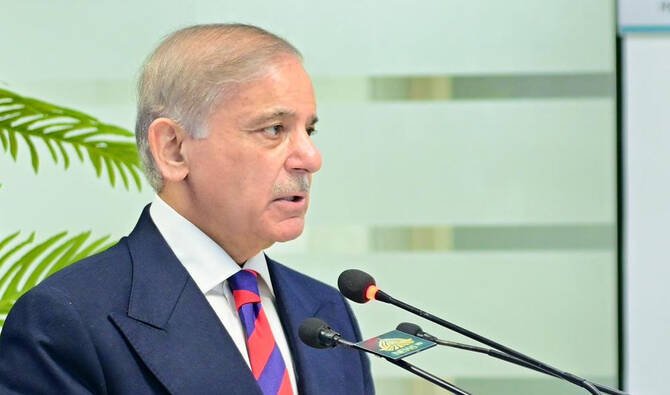
ISLAMABAD — Prime Minister Shehbaz Sharif on Friday commended the signing of nine agreements totaling $440 million between Pakistani and Chinese private enterprises in the pharmaceutical sector. This development is seen as a significant boost to bilateral economic cooperation and is expected to advance the next phase of the China-Pakistan Economic Corridor (CPEC 2.0). What Happened The agreements, signed on July 17, 2023, mark a substantial collaboration between Pakistan and China, focusing on the pharmaceutical industry. Prime Minister Shehbaz Sharif highlighted the importance of these agreements, stating that they represent a major step forward in strengthening economic ties between the two nations. The deals were formalized during a ceremony attended by representatives from both countries’ private sectors, underscoring the growing interest in collaborative ventures. Prime Minister Sharif emphasized that these agreements would not only enhance the pharmaceutical sector but also contribute significantly to the broader economic landscape of Pakistan. “This partnership will pave the way for technological advancements and increased production capabilities in our pharmaceutical industry,” he stated. The Prime Minister also noted that these agreements are aligned with the objectives of CPEC 2.0, which aims to expand economic cooperation beyond infrastructure to include sectors like health, agriculture, and technology. The agreements are expected to facilitate the transfer of technology and expertise, which will help Pakistan improve its pharmaceutical production standards and meet international quality benchmarks. This collaboration is anticipated to lead to job creation and skill development within the country, further boosting the local economy. Background The China-Pakistan Economic Corridor (CPEC) is a flagship project under China’s Belt and Road Initiative (BRI), aimed at enhancing regional connectivity and economic integration. Launched in 2013, CPEC has primarily focused on infrastructure development, including roads, energy projects, and port facilities. However, CPEC 2.0 represents a shift towards diversifying the areas of cooperation to include sectors such as technology, agriculture, and health. Historically, Pakistan and China have maintained strong diplomatic and economic relations, with China being one of Pakistan’s largest trading partners. The pharmaceutical sector in Pakistan has been growing steadily, with an increasing demand for both domestic and export markets. The collaboration with Chinese firms is expected to further accelerate this growth by introducing advanced manufacturing techniques and expanding production capacities. Why It Matters The signing of these agreements is significant for several reasons. Economically, it represents a substantial influx of investment into Pakistan’s pharmaceutical sector, which is crucial for the country’s industrial diversification and economic resilience. As Pakistan seeks to reduce its reliance on imported medicines, these agreements could help boost local production, ensuring a more self-reliant healthcare system. Socially, the collaboration is poised to enhance healthcare outcomes by providing access to affordable and high-quality medicines. This is particularly important for a country like Pakistan, where access to essential medicines remains a challenge for many. The agreements are likely to lead to improved healthcare infrastructure and services, benefiting millions of citizens. Politically, the strengthening of economic ties with China through these agreements reinforces Pakistan’s strategic partnership with its neighbor. This collaboration is expected to enhance Pakistan’s standing in the region and provide a counterbalance to other geopolitical influences. Key Takeaways Nine agreements worth $440 million were signed between Pakistani and Chinese private enterprises in the pharmaceutical sector. The agreements are part of efforts to advance CPEC 2.0, focusing on economic cooperation beyond infrastructure. The collaboration is expected to boost local pharmaceutical production and meet international quality standards. This partnership is anticipated to improve healthcare outcomes and create job opportunities in Pakistan. The agreements reinforce the strategic economic partnership between Pakistan and China. Source Attribution This article is based on official government statements, press releases, and public communications from relevant authorities. Author: NEN Editorial Desk | Editor: NEN Newsroom | Fact Checked By: NEN Editorial Team Author: NEN Editorial Desk  |  Editor: NEN Newsroom  |  Last Updated: July 17, 2026  |  Source: NEN Reporter This article was produced by the NEN Editorial Desk in accordance with NEN Agency’s Editorial Policy and Fact-Checking Policy.
World

Deputy Commissioner Evaluates Sambrial Hospital and Civic Services

SIALKOT — Deputy Commissioner Sialkot Awais Mushtaq conducted a comprehensive inspection of healthcare and civic services in Sambrial tehsil on July 17. The visit aimed to assess the quality and efficiency of healthcare facilities, sanitation arrangements, and other civic services in the area. What Happened During his visit, Deputy Commissioner Awais Mushtaq toured the Tehsil Headquarters (THQ) Hospital in Sambrial. He interacted with patients and thoroughly inspected various departments, including the pathology laboratory, drug store, pharmacy, outpatient department (OPD), and emergency ward. Emphasizing the importance of quality healthcare, Mushtaq directed the hospital administration to relocate the emergency ward to a newly constructed building and shift the paediatrics and gynaecology wards to newly built blocks. He stressed the need for maintaining cleanliness and ensuring the availability of medicines to provide optimal healthcare services to patients. In addition to the hospital visit, the deputy commissioner also evaluated the state of civic services in Sambrial. He inspected green belts, sanitation work under the Suthra Punjab programme, drainage channels, and the disposal station. Mushtaq visited Rehri Bazaar and the Main Bazaar, where he instructed relevant departments to enhance the sanitation system, maintain cleanliness in public spaces, and ensure the regular upkeep of green belts. To improve public safety, he ordered the construction of a protective boundary wall around the disposal station pond. Furthermore, he directed that construction debris and building materials be confined to designated sites and adequately covered to reduce dust and environmental pollution. Background Sambrial tehsil, located in the Sialkot district, is an area that has been undergoing various developmental projects aimed at improving infrastructure and public services. The Suthra Punjab programme, under which the sanitation work is being carried out, is a provincial initiative focused on enhancing cleanliness and waste management across Punjab. The programme seeks to address environmental concerns and improve the quality of life for residents through systematic waste disposal and sanitation improvements. The THQ Hospital in Sambrial serves as a critical healthcare facility for the local population, providing essential medical services. The recent inspection by the deputy commissioner highlights ongoing efforts to upgrade healthcare infrastructure and ensure the delivery of quality medical services to the community. Why It Matters The deputy commissioner’s inspection of healthcare and civic services in Sambrial is significant for several reasons. Firstly, it underscores the government’s commitment to improving public health and sanitation, which are crucial for the well-being of residents. By prioritizing the relocation and upgrading of hospital wards, the administration aims to enhance healthcare delivery and patient experience. Improved sanitation and waste management are vital for maintaining public health and preventing disease outbreaks. The directives issued by the deputy commissioner to strengthen the sanitation system and manage construction debris reflect a proactive approach to environmental management. This not only benefits the immediate community but also contributes to broader public health goals. Furthermore, the inspection serves as a reminder of the importance of accountability and oversight in public service delivery. By actively engaging with local facilities and providing directives for improvement, the deputy commissioner is fostering a culture of transparency and efficiency within government operations. Overall, these efforts align with the broader objectives of regional development and public welfare, contributing to the socio-economic progress of the Sialkot district and Punjab province as a whole. Key Takeaways Deputy Commissioner Awais Mushtaq inspected Sambrial’s THQ Hospital and civic services on July 17. He directed the relocation of hospital wards to newly constructed buildings to improve healthcare delivery. Sanitation and environmental management were key focuses, with directives to enhance cleanliness and public safety. The inspection reflects ongoing efforts to improve public health and infrastructure in the Sialkot district. These initiatives contribute to the socio-economic development of the region and align with provincial objectives. Source Attribution This article is based on official government statements, press releases, and public communications from relevant authorities. Author: NEN Editorial Desk | Editor: NEN Newsroom | Fact Checked By: NEN Editorial Team Author: NEN Editorial Desk  |  Editor: NEN Newsroom  |  Last Updated: July 17, 2026  |  Source: NEN Reporter This article was produced by the NEN Editorial Desk in accordance with NEN Agency’s Editorial Policy and Fact-Checking Policy.
World

Ambassador Moin ul Haque Takes Helm as ISSI Director-General

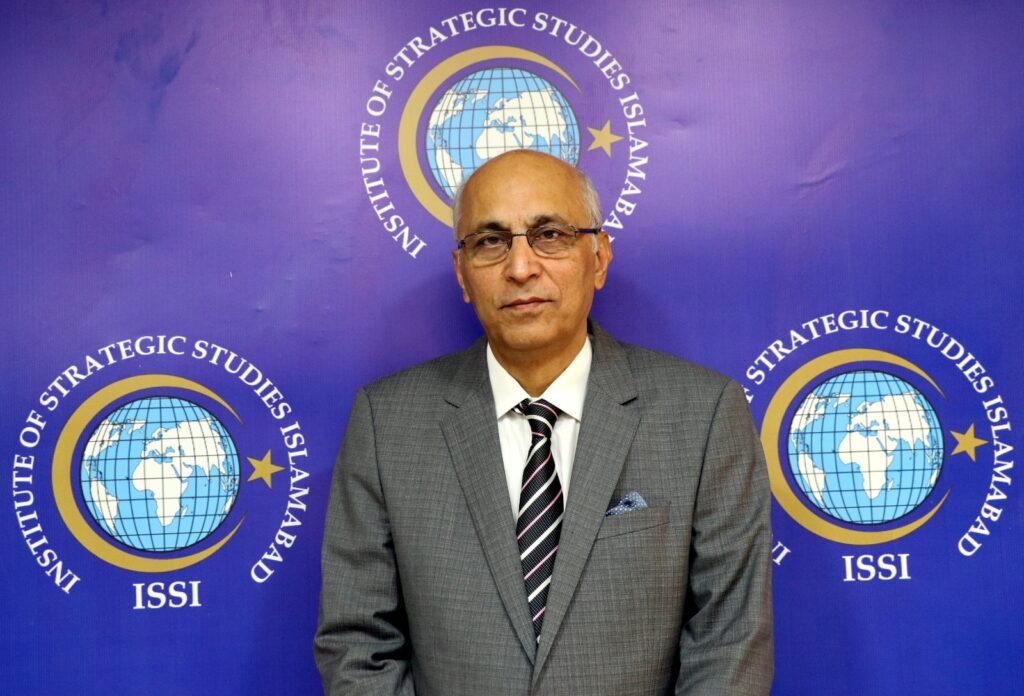
ISLAMABAD — Ambassador Moin ul Haque has officially taken over as the Director-General of the Institute of Strategic Studies Islamabad (ISSI), following the tenure completion of Ambassador Sohail Mahmood. The transition marks a new chapter for the ISSI, an influential think tank in Pakistan’s foreign policy landscape. What Happened Ambassador Moin ul Haque, a seasoned diplomat with nearly 35 years of experience, assumed the role of Director-General at the ISSI on July 17, 2023. He succeeds Ambassador Sohail Mahmood, who completed his tenure, leaving behind a legacy of strategic insights and policy recommendations. The ISSI, known for its pivotal role in shaping Pakistan’s foreign policy discourse, will now benefit from Haque’s extensive diplomatic background. Haque’s diplomatic career is marked by significant postings, including his most recent role as Pakistan’s Ambassador to China from 2020 to 2023. During his tenure in Beijing, Haque played a crucial role in strengthening Pakistan-China relations, a cornerstone of Pakistan’s foreign policy. Prior to this, he served as Ambassador to France from 2016 to 2020, where he was instrumental in enhancing bilateral ties and promoting cultural exchanges. His earlier assignments include serving as Consul General in Vancouver from 2007 to 2010 and holding key positions within the Ministry of Foreign Affairs, such as Additional Secretary (Administration), Chief of Protocol, and Director-General (Europe). Haque’s experience also spans roles in Pakistan’s embassies in Brussels, Colombo, and Ankara, as well as a Counsellor position at Pakistan’s Permanent Mission to the United Nations in New York. Background The Institute of Strategic Studies Islamabad (ISSI) is a premier research institution in Pakistan, established to provide policy recommendations and strategic insights on national and international issues. It plays a critical role in advising the government on foreign policy matters and fostering dialogue on regional security and international relations. Ambassador Sohail Mahmood, Haque’s predecessor, led the ISSI through a period of significant geopolitical shifts, focusing on regional stability and international cooperation. Under his leadership, the institute produced numerous research papers and policy briefs that contributed to Pakistan’s diplomatic strategies. Why It Matters Ambassador Moin ul Haque’s appointment as Director-General of the ISSI comes at a time when Pakistan is navigating complex international dynamics. His extensive diplomatic experience, particularly in China and Europe, positions him well to lead the institute in addressing contemporary challenges such as regional security, economic partnerships, and global diplomatic engagements. The ISSI’s research and policy recommendations are crucial for Pakistan as it seeks to balance its relations with major powers like the United States and China, while also addressing regional issues involving India and Afghanistan. Haque’s leadership is expected to bring fresh perspectives and strategies to these ongoing challenges. Furthermore, Haque’s experience in multilateral diplomacy, particularly at the United Nations, will be invaluable as Pakistan continues to engage with international institutions and forums. His tenure could also see a renewed focus on enhancing Pakistan’s soft power and cultural diplomacy, areas he emphasized during his postings in France and China. Key Takeaways Ambassador Moin ul Haque has assumed the role of Director-General at the ISSI, succeeding Ambassador Sohail Mahmood. Haque brings nearly 35 years of diplomatic experience, including recent roles as Ambassador to China and France. The ISSI plays a critical role in shaping Pakistan’s foreign policy through research and strategic insights. Haque’s leadership is expected to focus on regional security, economic partnerships, and global diplomatic engagements. His experience in multilateral diplomacy will aid Pakistan’s international relations and soft power initiatives. Source Attribution This article is based on official government statements, press releases, and public communications from relevant authorities. Author: NEN Editorial Desk | Editor: NEN Newsroom | Fact Checked By: NEN Editorial Team Author: NEN Editorial Desk  |  Editor: NEN Newsroom  |  Last Updated: July 17, 2026  |  Source: Press Release from Ministry of Foreign Affairs This article was produced by the NEN Editorial Desk in accordance with NEN Agency’s Editorial Policy and Fact-Checking Policy.
World

Finance Minister Leads Review on GM Maize Commercialization Policy

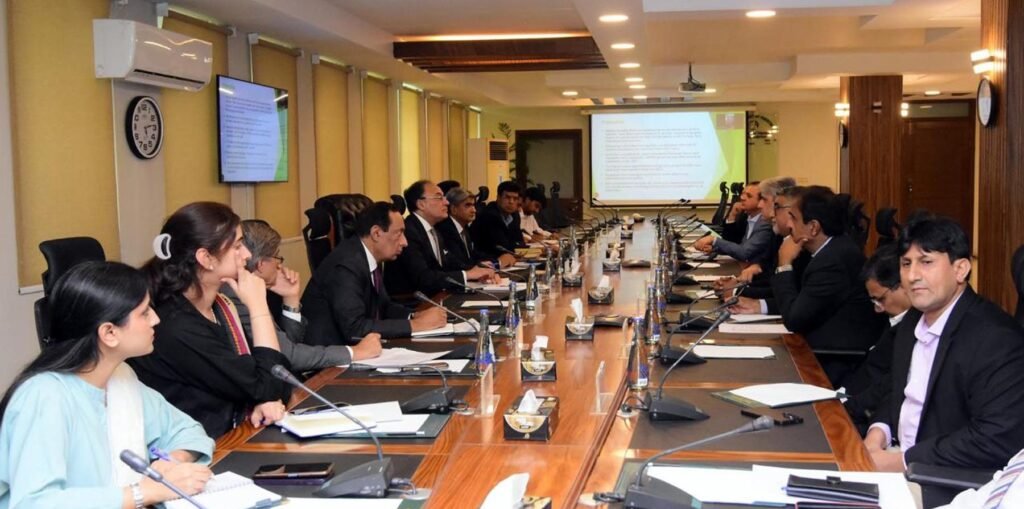
ISLAMABAD — Federal Minister for Finance and Revenue Senator Muhammad Aurangzeb chaired the first meeting of the Prime Minister’s Committee on Genetically Modified (GM) Corn on Thursday. The committee is tasked with conducting a comprehensive review of Pakistan’s policy on the commercialization of genetically modified maize, emphasizing an objective, science-based, and evidence-driven approach. What Happened The inaugural meeting, held in Islamabad, marked the beginning of a critical evaluation process concerning the introduction and commercialization of genetically modified maize in Pakistan. Minister Aurangzeb underscored the importance of a thorough review, directing the committee members to base their analysis on scientific evidence and factual data. During the meeting, the committee discussed various aspects of GM maize, including its potential benefits and risks. The focus was on understanding the implications of GM maize on agriculture, food security, and the economy. The committee aims to develop a balanced policy that considers both the technological advancements in agriculture and the concerns related to health and environmental safety. Minister Aurangzeb highlighted the need for transparency and inclusivity in the review process. He stated, “Our objective is to ensure that any policy decision regarding GM maize is in the best interest of our farmers and the nation. We must consider scientific evidence and the experiences of other countries that have adopted GM crops.” Background The debate over genetically modified organisms (GMOs) in agriculture has been ongoing globally, with countries adopting varying stances based on their agricultural needs and public opinion. In Pakistan, the introduction of GM crops has been a contentious issue, with stakeholders divided over its potential benefits and risks. Historically, Pakistan’s agriculture sector has faced challenges such as low crop yields, pest infestations, and climate change impacts. Proponents of GM crops argue that genetic modification can enhance crop resilience, increase yields, and reduce reliance on chemical pesticides. However, critics raise concerns about the long-term environmental impacts, biodiversity loss, and potential health risks associated with GMOs. The current policy review by the Prime Minister’s Committee is part of a broader effort to modernize Pakistan’s agricultural sector and align it with international standards. The committee’s findings will play a crucial role in shaping the future of GM crop commercialization in the country. Why It Matters The outcome of this policy review holds significant implications for Pakistan’s agricultural landscape and food security. With a growing population and increasing demand for food, enhancing agricultural productivity is a national priority. GM maize could potentially offer a solution by providing higher yields and reducing crop losses due to pests and diseases. Economically, the adoption of GM maize could lead to increased agricultural exports, contributing to Pakistan’s GDP and foreign exchange reserves. However, it also requires careful consideration of market access, as some countries have strict regulations on GM imports. Socially, the decision to commercialize GM maize impacts farmers directly. It could provide them with new opportunities to improve their livelihoods through higher productivity. However, it also necessitates education and support to ensure farmers can effectively manage GM crops and understand their implications. Internationally, Pakistan’s stance on GMOs can influence its trade relationships and alignments with global agricultural policies. The review process and subsequent policy decisions will be closely watched by international stakeholders, including trading partners and environmental organizations. Key Takeaways The Prime Minister’s Committee on GM Corn is reviewing Pakistan’s policy on genetically modified maize. The review emphasizes a science-based, evidence-driven approach to policy-making. GM maize commercialization could impact agricultural productivity, food security, and economic growth. The decision will affect farmers’ livelihoods and requires careful consideration of health and environmental factors. Pakistan’s policy on GMOs will influence its international trade relations and agricultural strategies. Source Attribution This article is based on official government statements, press releases, and public communications from relevant authorities. Author: NEN Editorial Desk | Editor: NEN Newsroom | Fact Checked By: NEN Editorial Team Author: NEN Editorial Desk  |  Editor: NEN Newsroom  |  Last Updated: July 17, 2026  |  Source: NEN Reporter This article was produced by the NEN Editorial Desk in accordance with NEN Agency’s Editorial Policy and Fact-Checking Policy.

World

FPCCI Hosts Event Celebrating 250 Years Of US Independence

LAHORE — The Federation of Pakistan Chambers of Commerce and Industry (FPCCI) organized a ceremony on July 16 to commemorate the 250th anniversary of the United States’ independence. The event took place at the FPCCI Regional Office in Lahore and was attended by various dignitaries, including the US Consul General in Lahore, Mr. Stetson Sanders. What Happened The FPCCI’s event marked a significant occasion, celebrating the longstanding relationship between Pakistan and the United States. Mr. Stetson Sanders, the US Consul General, expressed his gratitude towards the FPCCI for organizing the ceremony. He highlighted the importance of the bilateral ties between the two nations, stating, “The relationship between the United States and Pakistan is built on mutual respect and shared interests. Celebrating this milestone together reflects our commitment to furthering these bonds.” The ceremony featured speeches from key figures in the business community, emphasizing the economic and cultural ties that have developed over the years. FPCCI President Irfan Iqbal Sheikh spoke about the historical cooperation between the two countries, particularly in trade and commerce. “The United States has been a vital partner for Pakistan in various sectors, and our collaboration has yielded significant benefits for both sides,” he remarked. In addition to speeches, the event included cultural performances that showcased the diverse heritage of both nations. Attendees were treated to a blend of American and Pakistani music and dance, symbolizing the fusion of cultures and the spirit of friendship. Background The United States declared its independence on July 4, 1776, marking the birth of a nation that would grow to become a global superpower. Over the years, Pakistan and the United States have developed a multifaceted relationship encompassing economic, political, and cultural dimensions. The FPCCI, established in 1950, has played a crucial role in fostering economic ties and facilitating dialogue between the business communities of both countries. Historically, the US has been one of Pakistan’s largest trading partners, with bilateral trade reaching approximately $6.5 billion in recent years. The two countries have engaged in various initiatives to enhance cooperation in areas such as energy, education, and security. Why It Matters The celebration of the US Independence Day by the FPCCI underscores the importance of the bilateral relationship in the current global context. As Pakistan seeks to strengthen its economic position, the United States remains a key ally in providing trade opportunities and investment. The event highlights the ongoing efforts to deepen economic ties, which are crucial for Pakistan’s economic growth and stability. Economically, the US is a significant market for Pakistani exports, including textiles, surgical instruments, and agricultural products. Enhancing this relationship could lead to increased trade volumes, benefiting various sectors of Pakistan’s economy. Furthermore, American investment in Pakistan has the potential to spur job creation and technological advancement, contributing to the country’s development goals. Politically, the US-Pakistan relationship plays a pivotal role in regional stability. The two countries have collaborated on counter-terrorism efforts and regional security initiatives, which are vital for maintaining peace in South Asia. Strengthening diplomatic ties could lead to more robust cooperation in addressing regional challenges. Key Takeaways The FPCCI hosted a ceremony in Lahore to celebrate the 250th anniversary of US independence. US Consul General Stetson Sanders emphasized the strong bilateral ties between Pakistan and the US. The event featured cultural performances and speeches highlighting economic and cultural cooperation. The US is a major trading partner for Pakistan, with significant bilateral trade and investment opportunities. Strengthening US-Pakistan relations is crucial for economic growth and regional stability. Source Attribution This article is based on official government statements, press releases, and public communications from relevant authorities. Author: NEN Editorial Desk | Editor: NEN Newsroom | Fact Checked By: NEN Editorial Team Author: NEN Editorial Desk  |  Editor: NEN Newsroom  |  Last Updated: July 17, 2026  |  Source: NEN Reporter This article was produced by the NEN Editorial Desk in accordance with NEN Agency’s Editorial Policy and Fact-Checking Policy.

Scroll to Top