
World

Welcome to the World section of NEN Agency, your window to the stories shaping our planet. From global politics and economic shifts to science breakthroughs, cultural moments, and humanitarian crises, we connect you to events that matter — wherever they happen.

Inside This Category

  • Global Politics & Diplomacy: International relations, summits, and policy shifts.

  • World Economy & Trade: Market trends, trade agreements, and financial developments.

  • Conflicts & Security: Coverage of wars, peace efforts, and security challenges.

  • Science & Environment: Climate change, technological advances, and space exploration.

  • Culture & Society: Arts, sports, and lifestyle stories from around the globe.

Why Our World Coverage Stands Out
We deliver global news with context, helping readers see how events beyond borders influence life in Pakistan and the wider region.

World

Punjab Food Authority Fines Three Outlets for Food Safety Violations

LAYYAH — The Punjab Food Authority (PFA) has intensified its efforts against food adulteration in Layyah, imposing fines totaling Rs 335,000 on three food business operators for breaching food safety regulations. This action forms part of a broader initiative to ensure food quality and safety across the province. What Happened Under the supervision of Director Operations South-I and following directives from Director General Syed Musa Raza, PFA food safety teams conducted a targeted operation in Layyah. The crackdown resulted in significant penalties for three food outlets found violating food safety standards. A hotel was sealed for selling milk that did not meet the prescribed fat content, and a legal case was filed against its owner. Additionally, the teams disposed of 250 litres of substandard milk to prevent its distribution to consumers. The PFA spokesperson detailed the violations, which included the sale of substandard milk, the use of broken and unhygienic eggs, and the maintenance of poor sanitation and hygiene standards at the food outlets. These actions underscore the authority’s commitment to maintaining high food safety standards in the region. Syed Musa Raza, Director General of the PFA, emphasized the authority’s ongoing commitment to enforcing food safety laws across Punjab. He encouraged citizens to report any food-related complaints through the PFA helpline 1223, reiterating the authority’s dedication to protecting public health through strict regulatory measures. Background The Punjab Food Authority has been actively working to combat food adulteration and ensure the provision of safe food to consumers. Established under the Punjab Food Authority Act, the PFA is responsible for regulating and monitoring food safety standards across the province. Over the years, the authority has conducted numerous operations to identify and penalize those violating food safety regulations. Food adulteration has been a persistent issue in Pakistan, with authorities continuously striving to address the problem through stringent enforcement of laws and public awareness campaigns. The PFA’s operations are part of a broader strategy to enhance food safety and quality, thereby safeguarding consumer health. Why It Matters The recent actions by the PFA in Layyah are significant in several respects. Firstly, they highlight the ongoing challenges of food adulteration in Pakistan, a problem that poses serious health risks to the population. By imposing fines and taking legal action against violators, the PFA is sending a strong message about the importance of adhering to food safety standards. Economically, these measures are crucial in ensuring that food businesses comply with regulations, thereby maintaining consumer trust and confidence in the food supply chain. The financial penalties serve as a deterrent to other businesses that might consider compromising on food quality for profit. Socially, the PFA’s actions contribute to public health by preventing the distribution of substandard and potentially harmful food products. This is particularly important in a country where access to safe and nutritious food is a major public health concern. Politically, the enforcement of food safety regulations reflects the government’s commitment to improving public health and safety. It also demonstrates the effectiveness of regulatory bodies like the PFA in executing their mandates and holding violators accountable. Key Takeaways The Punjab Food Authority fined three food outlets in Layyah Rs 335,000 for food safety violations. A hotel was sealed for selling milk with inadequate fat content, and a legal case was filed against the owner. 250 litres of substandard milk were discarded to prevent consumer exposure. The PFA continues to enforce food safety laws to protect public health across Punjab. Citizens are encouraged to report food safety issues via the PFA helpline 1223. Source Attribution This article is based on official government statements, press releases, and public communications from relevant authorities. Author: NEN Editorial Desk | Editor: NEN Newsroom | Fact Checked By: NEN Editorial Team Author: NEN Editorial Desk  |  Editor: NEN Newsroom  |  Last Updated: July 02, 2026  |  Source: Press Release from Federal Board of Revenue (FBR) This article was produced by the NEN Editorial Desk in accordance with NEN Agency’s Editorial Policy and Fact-Checking Policy.

World

Pakistan Releases Latest Foreign Exchange Rates for July 2026

KARACHI — The Exchange Rates Committee of the Financial Markets Association of Pakistan released the latest foreign exchange rates bulletin on Thursday, detailing conversion rates applicable for July 2, 2026. This update provides critical insights into the current financial landscape and aids in economic planning and transactions. What Happened The bulletin issued by the Exchange Rates Committee outlines the conversion rates for various foreign currencies applicable for forward cover and deposits, excluding FE-25 deposits. The State Bank of Pakistan (SBP) has set the settlement value date for these rates as July 6, 2026. The exchange rate for the US Dollar (USD) is set at 278.1227 Pakistani Rupees, while the British Pound (GBP) stands at 367.9007 Rupees. The Euro (EUR) is valued at 316.8652 Rupees, and the Japanese Yen (JPY) is listed at 1.7136 Rupees. These rates are crucial for businesses, investors, and policymakers as they navigate the complexities of international trade and finance. The rates are determined based on various economic indicators and market conditions, reflecting the current state of the global and local economy. Background Foreign exchange rates are a vital component of the financial system, influencing trade balances, inflation, and economic growth. In Pakistan, the Exchange Rates Committee of the Financial Markets Association plays a pivotal role in setting these rates, ensuring they reflect the prevailing economic conditions and market trends. Historically, Pakistan’s foreign exchange rates have been influenced by factors such as trade deficits, foreign investments, and remittances from overseas Pakistanis. The State Bank of Pakistan regularly intervenes in the foreign exchange market to stabilize the currency and manage inflation. The central bank’s policies, along with global economic trends, significantly impact the exchange rates. In recent years, fluctuations in oil prices and geopolitical tensions have also played a role in shaping the foreign exchange landscape in Pakistan. Why It Matters The release of the latest foreign exchange rates is significant for several reasons. Firstly, it impacts the cost of imports and exports, directly affecting the trade balance. A higher exchange rate for the US Dollar, for instance, makes imports more expensive, which can lead to increased prices for goods and services within the country. Conversely, it can make Pakistani exports more competitive in international markets. For businesses engaged in international trade, these rates are critical for financial planning and risk management. Companies must hedge against currency fluctuations to protect their profit margins. This is particularly important for importers and exporters who deal with long-term contracts and need to predict future costs and revenues accurately. On a macroeconomic level, foreign exchange rates influence inflation and interest rates. A weaker Rupee can lead to higher inflation as the cost of imported goods rises. This, in turn, can prompt the central bank to adjust interest rates to control inflationary pressures, affecting borrowing costs for businesses and consumers. Moreover, the exchange rates are a barometer of the country’s economic health and investor confidence. A stable and strong currency can attract foreign investment, boosting economic growth and job creation. Conversely, a volatile currency can deter investment and lead to economic instability. Key Takeaways The Exchange Rates Committee released the latest foreign exchange rates for July 2, 2026. The US Dollar is valued at 278.1227 Rupees, and the British Pound at 367.9007 Rupees. The State Bank of Pakistan has set the settlement value date as July 6, 2026. Exchange rates impact trade balances, inflation, and economic growth. Stable exchange rates can attract foreign investment and boost economic stability. Source Attribution This article is based on official government statements, press releases, and public communications from relevant authorities. Author: NEN Editorial Desk | Editor: NEN Newsroom | Fact Checked By: NEN Editorial Team Author: NEN Editorial Desk  |  Editor: NEN Newsroom  |  Last Updated: July 02, 2026  |  Source: NEN Reporter This article was produced by the NEN Editorial Desk in accordance with NEN Agency’s Editorial Policy and Fact-Checking Policy.

World

NBP Releases Latest Foreign Exchange Rates for July 2026

KARACHI — The Treasury Management Division of the National Bank of Pakistan (NBP) announced the latest foreign exchange rates on Thursday, providing updated figures for various global currencies against the Pakistani Rupee. These rates are crucial for businesses, investors, and individuals engaged in foreign transactions. What Happened The National Bank of Pakistan’s Treasury Management Division has released the exchange rates applicable as of July 2, 2026. The rates include both Telegraphic Transfer (TT) Selling and TT Buying rates for a range of currencies. The US Dollar, a major currency in international trade, is listed at a TT Selling rate of 278.55 PKR and a TT Buying rate of 278.05 PKR. The Euro is pegged at 317.13 PKR for selling and 316.56 PKR for buying. Other significant currencies include the British Pound, which stands at 370.17 PKR for selling and 369.50 PKR for buying. The Japanese Yen, often used in regional trade, is listed at 1.7149 PKR for selling and 1.7118 PKR for buying. Additionally, the Swiss Franc is available at a selling rate of 344.42 PKR and a buying rate of 343.80 PKR. For the Canadian Dollar, the TT Selling rate is 195.94 PKR, while the TT Buying rate is 195.59 PKR. The Australian Dollar is priced at 191.96 PKR for selling and 191.62 PKR for buying. Other currencies such as the Swedish Krona, Norwegian Krone, and Danish Krone have also been updated, reflecting their respective positions in the global market. The bank also provided conversion rates for frozen foreign currency deposits, with the US Dollar set at 278.12 PKR, the British Pound at 367.90 PKR, and the Euro at 316.86 PKR. These rates are set for the settlement date of July 6, 2026. Background The National Bank of Pakistan, as a key player in the country’s financial sector, regularly updates foreign exchange rates to reflect market conditions. These rates are essential for facilitating international trade and investment, as well as for individuals and businesses engaged in currency exchange. The NBP’s role in providing these rates underscores its importance in maintaining economic stability and supporting financial transactions across borders. Historically, exchange rates have been influenced by a range of factors including economic policies, market demand, and geopolitical events. The NBP’s regular updates help ensure transparency and provide guidance to stakeholders in the financial markets. Why It Matters The release of updated exchange rates by the NBP holds significant importance for Pakistan’s economy. Exchange rates impact the cost of imports and exports, influencing trade balances and economic growth. For businesses, accurate and timely exchange rate information is crucial for pricing strategies and financial planning. On a broader scale, exchange rates affect inflation, purchasing power, and overall economic stability. Changes in rates can lead to fluctuations in the cost of goods and services, impacting consumers directly. For investors, exchange rates play a critical role in assessing the value of international investments and managing currency risk. Moreover, as Pakistan continues to engage in international trade and attract foreign investment, maintaining competitive exchange rates is vital for economic development. The NBP’s updates provide a benchmark for currency valuation, aiding in the decision-making process for policymakers and financial analysts. Key Takeaways The NBP has released updated exchange rates for July 2, 2026, covering a range of global currencies. The US Dollar is set at 278.55 PKR for TT Selling and 278.05 PKR for TT Buying. Conversion rates for frozen foreign currency deposits have also been provided, with the settlement date set for July 6, 2026. Exchange rates play a crucial role in impacting trade, investment, and economic stability in Pakistan. The NBP’s regular updates ensure transparency and assist stakeholders in financial decision-making. Source Attribution This article is based on official government statements, press releases, and public communications from relevant authorities. Author: NEN Editorial Desk | Editor: NEN Newsroom | Fact Checked By: NEN Editorial Team Author: NEN Editorial Desk  |  Editor: NEN Newsroom  |  Last Updated: July 02, 2026  |  Source: NEN Reporter This article was produced by the NEN Editorial Desk in accordance with NEN Agency’s Editorial Policy and Fact-Checking Policy.

World

Pakistani Products Highlighted at Hunan Expo for Trade and Pharma Cooperation

ZHUZHOU — Six Pakistani enterprises showcased their handicrafts at the 2026 Hunan Integrated Development of Domestic and Foreign Trade Expo, held in Zhuzhou from June 26 to 28. The event also provided a platform for Pakistani diplomats to explore new avenues of bilateral cooperation in traditional Chinese medicine and medical devices. What Happened The Hunan Integrated Development of Domestic and Foreign Trade Expo, an annual event aimed at promoting international trade and cooperation, featured a diverse array of products and innovations from around the world. This year, six Pakistani enterprises participated, displaying a range of handicrafts that highlighted the country’s rich cultural heritage. The expo served as an opportunity for Pakistani businesses to engage with international buyers and expand their market reach. In addition to showcasing handicrafts, Pakistani diplomats focused on strengthening ties with China in the pharmaceutical sector. Discussions centered around collaboration in traditional Chinese medicine and the development of medical devices, areas where both countries see potential for mutual benefit. The expo provided a conducive environment for these discussions, with representatives from both nations expressing optimism about future partnerships. Pakistani officials emphasized the importance of such events in fostering economic ties and exploring new business opportunities. “Our participation in the Hunan Expo underscores our commitment to expanding trade relations with China,” said a representative from the Pakistani delegation. “We are particularly interested in the pharmaceutical sector, where we see significant potential for collaboration.” Background Pakistan and China have a long-standing relationship characterized by strong economic and strategic ties. The China-Pakistan Economic Corridor (CPEC), a flagship project under China’s Belt and Road Initiative, has been a cornerstone of this relationship, facilitating infrastructure development and trade between the two nations. In recent years, both countries have sought to diversify their economic cooperation beyond infrastructure projects. The pharmaceutical sector has emerged as a promising area for collaboration, with Pakistan keen to leverage China’s expertise in traditional medicine and medical technology. This interest aligns with Pakistan’s broader strategy to enhance its healthcare sector and improve access to affordable medicines and medical devices. Why It Matters The participation of Pakistani enterprises in the Hunan Expo is significant for several reasons. Economically, it provides an avenue for Pakistani businesses to access the Chinese market, one of the largest in the world. By showcasing their products at such events, these enterprises can attract new customers and establish valuable business connections. On a broader scale, the focus on pharmaceutical cooperation reflects a strategic shift in Pakistan’s economic engagement with China. By exploring partnerships in traditional Chinese medicine and medical devices, Pakistan aims to enhance its healthcare infrastructure and provide better services to its population. This collaboration could lead to the introduction of new medical technologies and treatments in Pakistan, improving healthcare outcomes and reducing costs. Politically, the strengthening of ties in the pharmaceutical sector underscores the deepening relationship between Pakistan and China. As both countries continue to collaborate on various fronts, such initiatives contribute to the overall stability and prosperity of the region. The potential for joint ventures and technology transfers in the pharmaceutical industry could also spur innovation and economic growth in Pakistan. Key Takeaways Six Pakistani enterprises showcased handicrafts at the 2026 Hunan Expo in Zhuzhou. Pakistani diplomats explored cooperation in traditional Chinese medicine and medical devices. The expo provided a platform for strengthening trade relations between Pakistan and China. Pharmaceutical cooperation is seen as a strategic area for enhancing Pakistan’s healthcare sector. The event underscores the deepening economic ties between Pakistan and China. Source Attribution This article is based on official government statements, press releases, and public communications from relevant authorities. Author: NEN Editorial Desk | Editor: NEN Newsroom | Fact Checked By: NEN Editorial Team Author: NEN Editorial Desk  |  Editor: NEN Newsroom  |  Last Updated: July 02, 2026  |  Source: NEN Reporter This article was produced by the NEN Editorial Desk in accordance with NEN Agency’s Editorial Policy and Fact-Checking Policy.
World

Pakistan Launches ESG Mutual Funds Framework to Boost Sustainable Investments

ISLAMABAD — Pakistan has taken a significant stride in sustainable finance with the Securities and Exchange Commission of Pakistan (SECP) unveiling the nation’s first Environmental, Social, and Governance (ESG) Mutual Funds Framework. Announced on Wednesday, this initiative marks Pakistan’s entry into the global sustainable investment market. What Happened The SECP’s newly introduced framework allows Asset Management Companies (AMCs) to establish ESG-focused mutual funds. This move aligns Pakistan’s capital market with international sustainable investment practices. According to a press release from the SECP, the framework is designed to foster responsible investment strategies that integrate financial returns with ethical business practices. Globally, the sustainable investment sector has seen rapid growth, with assets exceeding $16 trillion managed under such strategies. As global investors increasingly prioritize investments that not only promise financial returns but also adhere to responsible and ethical standards, regulators worldwide are developing frameworks to facilitate ESG investing. In Pakistan, this initiative is crucial given the country’s vulnerability to climate change. The framework aims to create a transparent regulatory environment for ESG-aligned collective investment schemes, thereby integrating Pakistan into the expanding global sustainable investment ecosystem. Equity-based ESG mutual funds under this framework will primarily invest in companies listed on the Pakistan Stock Exchange’s Sustainability Index and those complying with SECP’s ESG Disclosure Guidelines. Meanwhile, debt-based ESG mutual funds will focus on green, social, and sustainability-linked debt instruments, adhering to Pakistan’s Green Taxonomy and Sustainable Finance Framework. The framework mandates that ESG mutual funds invest at least 50 percent of their net assets in ESG-aligned investments. It also introduces governance, disclosure, and independent assurance requirements to prevent greenwashing and enhance transparency and accountability. Background The SECP’s ESG Mutual Funds Framework is part of a broader sustainability reform agenda. In recent years, the Commission has implemented several initiatives to bolster the sustainable finance ecosystem in Pakistan. These include ESG Disclosure Guidelines for listed companies, the adoption of IFRS Sustainability Disclosure Standards (IFRS S1 and S2), the launch of the ESG Sustain Platform, and the development of Pakistan’s Green Taxonomy. These reforms aim to strengthen Pakistan’s sustainable finance infrastructure, positioning the country’s capital market to attract responsible and long-term investments. The introduction of the ESG Mutual Funds Framework is a continuation of these efforts, reflecting a commitment to integrating sustainable practices into the financial sector. Why It Matters The launch of the ESG Mutual Funds Framework is a pivotal development for Pakistan’s financial sector. As one of the countries most vulnerable to climate change, Pakistan’s engagement with sustainable finance is vital for its economic resilience and environmental sustainability. By encouraging companies to adopt better environmental, social, and governance practices, the framework enhances their access to sustainable investment capital and promotes responsible corporate behavior. Economically, this framework could attract foreign investment by aligning Pakistan’s financial market with global ESG standards. It offers investors opportunities to engage in ethical investing, potentially increasing the inflow of capital into the country. This could lead to job creation, technological advancements, and overall economic growth. Socially, the framework promotes corporate responsibility and transparency, which can lead to improved corporate governance and ethical business practices. This can enhance public trust in the financial sector and contribute to social stability. Internationally, by adopting ESG standards, Pakistan positions itself as a responsible participant in the global financial community. This can improve the country’s international standing and foster stronger economic ties with other nations committed to sustainable development. Key Takeaways The SECP has launched Pakistan’s first ESG Mutual Funds Framework, marking a significant step towards sustainable finance. The framework aligns Pakistan’s capital market with global sustainable investment practices and aims to attract responsible and long-term investments. It mandates that ESG mutual funds invest at least 50 percent of their net assets in ESG-aligned investments. The initiative is crucial for Pakistan, one of the world’s most climate-vulnerable nations, and aims to enhance corporate responsibility and transparency. This framework is part of SECP’s broader sustainability reform agenda, which includes various initiatives to strengthen Pakistan’s sustainable finance ecosystem. Source Attribution This article is based on official government statements, press releases, and public communications from relevant authorities. Author: NEN Editorial Desk | Editor: NEN Newsroom | Fact Checked By: NEN Editorial Team Author: NEN Editorial Desk  |  Editor: NEN Newsroom  |  Last Updated: July 02, 2026  |  Source: Press Release from Government of Pakistan This article was produced by the NEN Editorial Desk in accordance with NEN Agency’s Editorial Policy and Fact-Checking Policy.

World

UN Warns Israeli Expansion in Gaza Threatens Civilians and Aid Efforts

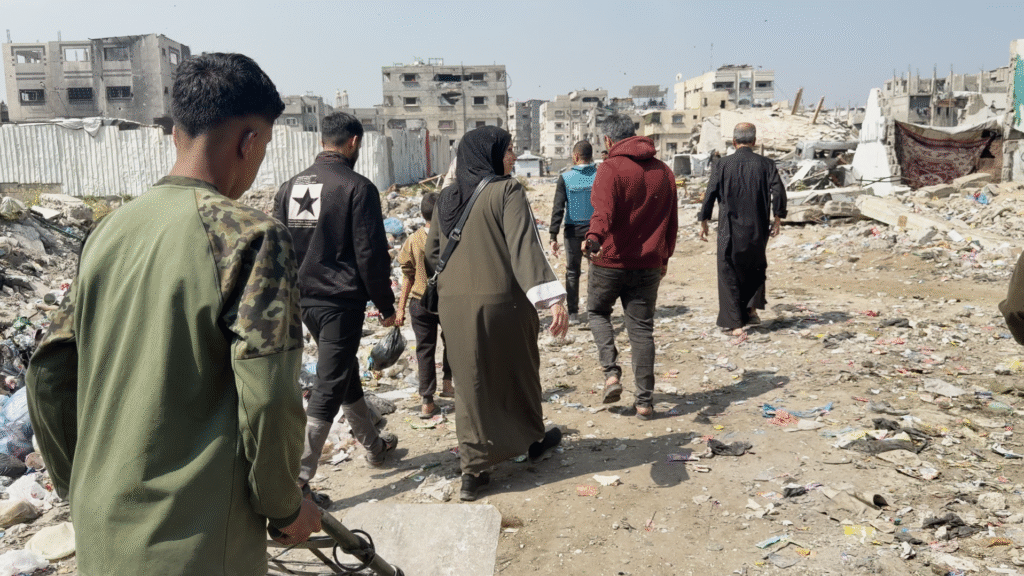
NEW YORK — The United Nations has issued a warning regarding the expansion of areas under Israeli control in Gaza, stating that it poses significant risks to civilians and hampers humanitarian relief efforts. This development follows the ceasefire agreement reached in October, which was intended to de-escalate tensions in the region. What Happened According to the United Nations and its humanitarian partners, the expansion of Israeli-controlled areas in Gaza has intensified since the ceasefire agreement was implemented. The UN highlighted that this expansion has exacerbated the vulnerability of civilians living in these areas, who are already facing dire conditions. The increased control has also restricted the movement of humanitarian aid, making it challenging for relief organizations to deliver essential supplies to those in need. In a statement released on Wednesday, the UN emphasized the urgent need for all parties involved to adhere to international humanitarian laws and ensure the protection of civilians. “The expansion of controlled areas not only endangers the lives of civilians but also severely limits the capacity of humanitarian agencies to operate effectively,” the statement read. The UN further reported that the ongoing expansion has led to the displacement of numerous families, adding to the already significant number of internally displaced persons in Gaza. This situation has placed additional strain on local resources and infrastructure, which are already overstretched due to the prolonged conflict. Background The ceasefire agreement reached in October was a pivotal moment aimed at halting the hostilities between Israel and Palestinian factions in Gaza. This agreement was brokered after a period of intense conflict that resulted in significant casualties and destruction on both sides. Historically, the region has been a flashpoint for conflict, with numerous ceasefires being brokered and subsequently broken over the years. Gaza, a densely populated area with a population of over two million people, has been under a blockade since 2007. This has severely impacted the region’s economy and infrastructure, leading to widespread poverty and unemployment. The humanitarian situation in Gaza has been a focal point for international organizations, which have repeatedly called for increased access to deliver aid and support to the affected population. Why It Matters The expansion of Israeli control in Gaza has significant implications for the region’s stability and the well-being of its inhabitants. For the civilian population, this expansion means increased insecurity and uncertainty about their future. The restriction of humanitarian aid exacerbates the already critical living conditions, potentially leading to a humanitarian crisis if not addressed promptly. From a geopolitical perspective, the continued expansion could further strain relations between Israel and Palestine, complicating efforts to achieve a long-term peace solution. The international community, including key stakeholders in the Middle East peace process, has expressed concern over these developments, urging both parties to engage in dialogue and uphold the terms of the ceasefire agreement. Economically, the restriction of aid and movement in Gaza could lead to further deterioration of the local economy, which is heavily reliant on external assistance. This could result in increased poverty levels and further destabilize the region, impacting not only Gaza but also neighboring areas. Key Takeaways The UN warns that Israeli expansion in Gaza endangers civilians and restricts humanitarian aid. Since the October ceasefire, Israeli-controlled areas in Gaza have increased, affecting civilian safety. The expansion has led to further displacement and strained local resources in Gaza. The situation poses risks to regional stability and complicates peace efforts between Israel and Palestine. International organizations call for adherence to humanitarian laws to protect civilians and aid operations. Source Attribution This article is based on official statements from the United Nations and public communications from relevant authorities. Author: NEN Editorial Desk | Editor: NEN Newsroom | Fact Checked By: NEN Editorial Team Author: NEN Editorial Desk  |  Editor: NEN Newsroom  |  Last Updated: July 02, 2026  |  Source: NEN Reporter This article was produced by the NEN Editorial Desk in accordance with NEN Agency’s Editorial Policy and Fact-Checking Policy.
World

Polish Skier Andrzej Bargiel Completes Historic Descent of Nanga Parbat

CHILAS — Polish extreme skier Andrzej Bargiel has achieved a remarkable feat by completing a flawless descent from the summit of Nanga Parbat to Base Camp without the use of supplemental oxygen. This accomplishment marks him as the first individual to ski down all five of Pakistan’s 8,000-meter peaks without bottled oxygen, further cementing his legacy in the mountaineering world. What Happened On July 1, Andrzej Bargiel, a 38-year-old athlete sponsored by Red Bull, successfully descended from the 8,126-meter summit of Nanga Parbat, known as Earth’s “Killer Mountain.” Bargiel’s descent was executed entirely without the aid of supplemental oxygen, showcasing his exceptional skill and endurance in extreme conditions. This achievement places him in the annals of mountaineering history as the first to ski down all five of Pakistan’s 8,000-meter peaks without bottled oxygen. Bargiel’s descent was part of a larger expedition that saw a diverse group of climbers reaching the summit. The team included Nepali climbers from the Kathmandu-based Seven Summit Treks, such as Mingtemba Sherpa, Pasang Dukpa Sherpa, Dawa Rinji Sherpa, Pasang Nurbu Sherpa, and others. Pakistani climber Abbas Ali Mehdi was also part of the group, along with international climbers like Chinese Tao Hu, Ukrainian Antonina Samoilova, and Lithuanian Mindaugas Satkauskas, all of whom are pursuing the challenge of climbing the world’s 14 peaks above 8,000 meters. The expedition was supported by a team of skilled Nepali rope-fixing climbers, who played a crucial role in ensuring the safety and success of the summit push. The climbers reached the summit on a Tuesday morning, marking another successful ascent of one of the world’s most challenging peaks. Background Nanga Parbat, standing at 8,126 meters, is the ninth-highest mountain in the world and one of the most formidable peaks for climbers. Its nickname, “Killer Mountain,” stems from the numerous fatalities that have occurred during attempts to summit it. The mountain is notorious for its difficult terrain and harsh weather conditions, making any ascent a significant achievement. Andrzej Bargiel is no stranger to high-altitude skiing. He has previously completed descents from other 8,000-meter peaks, including K2, which he skied down in 2018, becoming the first person to do so. His accomplishments have been recognized globally, and he continues to push the boundaries of what is possible in extreme skiing and mountaineering. Why It Matters Bargiel’s successful descent of Nanga Parbat without supplemental oxygen is a testament to human endurance and the spirit of adventure. It highlights the potential for human achievement in the face of extreme adversity and serves as an inspiration for climbers and adventurers worldwide. This feat not only adds to Bargiel’s impressive resume but also brings attention to Pakistan’s mountainous regions as destinations for extreme sports and adventure tourism. Economically, such achievements can boost tourism in Pakistan, attracting climbers and adventure enthusiasts from around the world. The increased interest in these regions can lead to improved infrastructure and local economic development, providing opportunities for local communities. Politically, Pakistan’s prominence in the mountaineering world can enhance its international image, showcasing the country’s natural beauty and potential for adventure tourism. This can foster international cooperation in tourism and environmental conservation efforts, benefiting both local communities and the global mountaineering community. Key Takeaways Andrzej Bargiel successfully descended Nanga Parbat without supplemental oxygen, marking a historic achievement in mountaineering. Bargiel is the first to ski down all five of Pakistan’s 8,000-meter peaks without bottled oxygen. The expedition included climbers from Nepal, Pakistan, China, Ukraine, and Lithuania. Nanga Parbat is one of the world’s most challenging peaks, known as the “Killer Mountain.” This achievement highlights Pakistan’s potential as a destination for extreme sports and adventure tourism. Source Attribution This article is based on official government statements, press releases, and public communications from relevant authorities. Author: NEN Editorial Desk | Editor: NEN Newsroom | Fact Checked By: NEN Editorial Team Author: NEN Editorial Desk  |  Editor: NEN Newsroom  |  Last Updated: July 01, 2026  |  Source: NEN Reporter This article was produced by the NEN Editorial Desk in accordance with NEN Agency’s Editorial Policy and Fact-Checking Policy.
World

EU and AFD Delegation Reviews WASA’s Water Treatment Project Progress

LAHORE — A delegation from the European Union (EU) and the Agence Française de Développement (AFD) visited Lahore to assess the progress of the Water and Sanitation Agency’s (WASA) Surface Water Treatment Plant project. The visit, which took place this week, aimed to evaluate the pace and quality of the ongoing work. What Happened The joint delegation from the EU and AFD conducted a thorough review of the Surface Water Treatment Plant, a significant initiative undertaken by WASA to enhance water quality and supply in Lahore. The project, which aims to treat surface water to provide clean and safe drinking water, has been underway for several months. During their visit, the delegation expressed satisfaction with the progress made so far. According to officials, the project is on track to meet its deadlines, with significant advancements in construction and technology implementation. The plant is expected to significantly improve the water supply for Lahore’s residents, addressing long-standing issues of water quality and availability. Representatives from WASA provided detailed presentations on the project’s current status, highlighting the technical aspects and future plans. The delegation was particularly impressed by the project’s adherence to international standards and the incorporation of advanced water treatment technologies. The delegation’s visit also included discussions with local government officials and stakeholders to ensure continued support and collaboration. The EU and AFD have been instrumental in providing financial and technical assistance for the project, underscoring their commitment to improving water infrastructure in Pakistan. Background The Surface Water Treatment Plant project is part of a broader initiative by WASA to modernize Lahore’s water supply system. Historically, the city has relied heavily on groundwater, leading to over-extraction and depletion of resources. The shift to surface water treatment is seen as a sustainable solution to these challenges. WASA’s efforts align with Pakistan’s national water policy, which emphasizes the need for sustainable water management practices. The policy encourages the development of infrastructure that can deliver safe drinking water to urban populations, thereby improving public health outcomes. The involvement of international partners like the EU and AFD highlights the global interest in supporting Pakistan’s infrastructure development. These partnerships have been crucial in providing the necessary resources and expertise to implement large-scale projects effectively. Why It Matters The successful implementation of the Surface Water Treatment Plant project holds significant implications for Lahore and Pakistan as a whole. Access to clean water is a fundamental human right, and improving water quality can have far-reaching effects on public health and economic development. For Lahore’s residents, the project promises a more reliable and safe water supply, reducing the risk of waterborne diseases and improving quality of life. This is particularly important in a city facing rapid urbanization and increasing demand for resources. Economically, the project can contribute to reducing healthcare costs associated with water-related illnesses. By ensuring a stable water supply, the initiative also supports local businesses and industries that depend on water as a critical resource. On an international level, the project exemplifies successful collaboration between Pakistan and its global partners. It demonstrates the potential for international cooperation in addressing infrastructure challenges, setting a precedent for future projects in other sectors. Key Takeaways The EU and AFD delegation reviewed the progress of WASA’s Surface Water Treatment Plant in Lahore. The project aims to provide clean and safe drinking water by treating surface water. Delegation expressed satisfaction with the project’s adherence to international standards. The initiative aligns with Pakistan’s national water policy for sustainable management. Successful implementation can improve public health and support economic development. Source Attribution This article is based on official government statements, press releases, and public communications from relevant authorities. Author: NEN Editorial Desk | Editor: NEN Newsroom | Fact Checked By: NEN Editorial Team Author: NEN Editorial Desk  |  Editor: NEN Newsroom  |  Last Updated: July 01, 2026  |  Source: NEN Reporter This article was produced by the NEN Editorial Desk in accordance with NEN Agency’s Editorial Policy and Fact-Checking Policy.

World

Finance Minister Praises FBR for Surpassing Revenue Collection Target

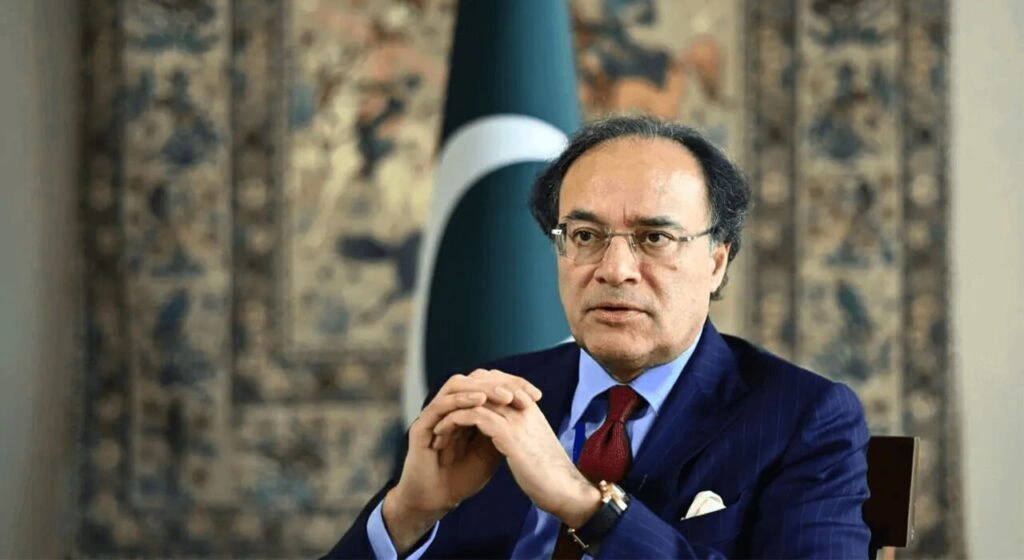
ISLAMABAD — Federal Minister for Finance and Revenue, Senator Muhammad Aurangzeb, on Wednesday lauded the Federal Board of Revenue (FBR) for exceeding its revised revenue collection target for the fiscal year 2025–26. This achievement, according to the minister, is a testament to the reforms and dedication of the FBR workforce. What Happened The Federal Board of Revenue (FBR) has successfully surpassed its revised revenue collection target for the fiscal year 2025–26, a feat that Finance Minister Senator Muhammad Aurangzeb described as a ‘landmark achievement.’ The minister highlighted that this accomplishment was the result of comprehensive reforms, effective teamwork, and the unwavering commitment of the FBR staff. In a statement issued on Wednesday, the finance minister commended the FBR for its efforts in enhancing revenue collection, which is crucial for the country’s economic stability. The revised target, which was set higher than the initial projections, was achieved through strategic initiatives aimed at broadening the tax base and improving compliance. Senator Aurangzeb emphasized the importance of these reforms, stating, “The FBR’s success in meeting the revised target is not just a financial milestone but a reflection of the systemic improvements we have implemented. This achievement underlines the potential of our revenue collection mechanisms when supported by effective governance and policy frameworks.” Background The Federal Board of Revenue has been undergoing significant reforms over the past few years to enhance its efficiency and effectiveness. These reforms have included the introduction of technology-driven solutions, improved taxpayer services, and measures to curb tax evasion. The fiscal year 2025–26 marked a critical period for the FBR as it aimed to meet ambitious revenue targets set by the government to support economic growth and development initiatives. Historically, Pakistan has faced challenges in tax collection, with a relatively low tax-to-GDP ratio compared to other countries in the region. The government has been focusing on increasing this ratio by expanding the tax net and ensuring better compliance among taxpayers. The FBR’s achievement in surpassing the revised target is seen as a positive step towards addressing these long-standing issues. Why It Matters The successful achievement of the revenue collection target by the FBR holds significant implications for Pakistan’s economy. Firstly, it provides the government with the necessary fiscal space to fund development projects, improve public services, and reduce the fiscal deficit. This, in turn, can lead to improved economic stability and growth prospects for the country. Moreover, the FBR’s success in meeting its targets is likely to enhance investor confidence, both domestically and internationally. A robust revenue collection system is a key indicator of a country’s economic health and governance capabilities. By demonstrating its ability to meet ambitious targets, Pakistan can potentially attract more foreign investment, which is crucial for economic development. On a social level, increased revenue collection can lead to better public services, including education, healthcare, and infrastructure development. This can improve the quality of life for citizens and contribute to poverty alleviation efforts. Finally, the achievement underscores the effectiveness of the government’s reform agenda, which aims to modernize the country’s tax system and improve governance. Continued success in this area could lead to further reforms and enhancements, ultimately benefiting the country’s economic trajectory. Key Takeaways The FBR has exceeded its revised revenue collection target for FY2025–26. Finance Minister Aurangzeb attributes the success to reforms and FBR workforce dedication. This achievement is expected to bolster economic stability and investor confidence. Improved revenue collection can enhance public services and support development projects. The success reflects the effectiveness of ongoing tax system reforms in Pakistan. Source Attribution This article is based on official government statements, press releases, and public communications from relevant authorities. Author: NEN Editorial Desk | Editor: NEN Newsroom | Fact Checked By: NEN Editorial Team Author: NEN Editorial Desk  |  Editor: NEN Newsroom  |  Last Updated: July 01, 2026  |  Source: Press Release from Federal Board of Revenue (FBR) This article was produced by the NEN Editorial Desk in accordance with NEN Agency’s Editorial Policy and Fact-Checking Policy.

World

Rescue 1122 Issues Safety Advisory Amid Heavy Rains in Rawalpindi

RAWALPINDI — The Punjab Emergency Services Department, commonly known as Rescue 1122, has been placed on high alert due to severe weather conditions, including heavy rainfall accompanied by thunder and strong winds, affecting the twin cities of Rawalpindi and Islamabad. This precautionary measure aims to mitigate potential hazards and ensure public safety during the ongoing adverse weather conditions. What Happened The Rescue 1122 Media Coordinator, Muhammad Usman Gujjar, announced that a detailed public safety advisory has been disseminated to alert citizens about the dangers posed by the current wet spell. The advisory highlights the need for vigilance and caution to prevent accidents and injuries. Parents are specifically urged to keep children away from rain drains, the notorious Nullah Lai, and electricity poles to prevent incidents of drowning or electrocution. Motorists are advised to drive cautiously, maintaining low speeds, and to avoid unnecessary travel during periods of heavy rainfall. Residents in low-lying areas have been encouraged to relocate to safer locations to avert risks associated with potential urban flooding. The advisory also warns against lingering under unstable structures or weak roofs, crossing overflowing streams, and visiting hilly or mountainous areas, which are susceptible to cloudbursts and landslides. In the event of an emergency, citizens are instructed to contact the Rescue helpline 1122 for immediate assistance. The advisory is part of a broader effort by Rescue 1122 to ensure preparedness and responsiveness in the face of natural calamities. Background Rescue 1122 is a vital emergency service in Punjab, established to provide timely assistance in emergencies, including natural disasters. The service has a history of proactive measures during adverse weather conditions, often issuing advisories and deploying resources to mitigate risks. The Nullah Lai, a notorious water channel in Rawalpindi, has been a focal point for flood-related emergencies, prompting repeated warnings and safety measures from local authorities during monsoon seasons. Historically, the monsoon season in Pakistan brings significant challenges, including urban flooding, landslides, and infrastructure damage. The government and emergency services have been working to improve response strategies and infrastructure resilience to better handle such natural events. Why It Matters The issuance of a high alert by Rescue 1122 underscores the severity of the current weather conditions and the potential impact on the population of Rawalpindi and Islamabad. The advisory aims to prevent loss of life and property by encouraging proactive safety measures among residents. The twin cities, with their dense populations and complex infrastructure, are particularly vulnerable to the effects of heavy rainfall, making the role of emergency services crucial in averting disasters. The advisory also highlights the ongoing challenges faced by urban areas in Pakistan during the monsoon season. The risks associated with urban flooding, infrastructure collapse, and electrocution are exacerbated by inadequate drainage systems and unplanned urban expansion. This situation necessitates not only immediate safety measures but also long-term planning and investment in infrastructure improvements. On a broader scale, the alert and advisory reflect the increasing frequency and intensity of extreme weather events in the region, attributed to climate change. This trend poses significant challenges for disaster management and urban planning, requiring coordinated efforts from government agencies, emergency services, and the public to enhance resilience and preparedness. Key Takeaways Rescue 1122 has issued a high alert and public safety advisory due to heavy rains in Rawalpindi and Islamabad. Citizens are advised to avoid rain drains, unstable structures, and unnecessary travel during the wet spell. Motorists should drive cautiously, and residents in low-lying areas are encouraged to relocate. The advisory aims to prevent accidents and ensure public safety amid potential urban flooding and landslides. The situation highlights the need for improved infrastructure and disaster preparedness in urban areas. Source Attribution This article is based on official statements and public communications from the Punjab Emergency Services Department. Author: NEN Editorial Desk | Editor: NEN Newsroom | Fact Checked By: NEN Editorial Team Author: NEN Editorial Desk  |  Editor: NEN Newsroom  |  Last Updated: July 01, 2026  |  Source: NEN Reporter This article was produced by the NEN Editorial Desk in accordance with NEN Agency’s Editorial Policy and Fact-Checking Policy.

Scroll to Top