
World

Welcome to the World section of NEN Agency, your window to the stories shaping our planet. From global politics and economic shifts to science breakthroughs, cultural moments, and humanitarian crises, we connect you to events that matter — wherever they happen.

Inside This Category

  • Global Politics & Diplomacy: International relations, summits, and policy shifts.

  • World Economy & Trade: Market trends, trade agreements, and financial developments.

  • Conflicts & Security: Coverage of wars, peace efforts, and security challenges.

  • Science & Environment: Climate change, technological advances, and space exploration.

  • Culture & Society: Arts, sports, and lifestyle stories from around the globe.

Why Our World Coverage Stands Out
We deliver global news with context, helping readers see how events beyond borders influence life in Pakistan and the wider region.

World

Pakistan Enhances Arbitration Framework with International Training

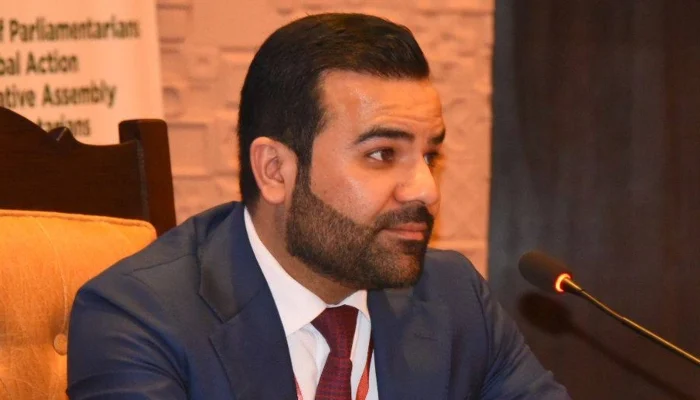
ISLAMABAD — Pakistan is taking steps to bolster its arbitration and alternative dispute resolution (ADR) frameworks through internationally accredited training, as part of its broader legal and economic reforms. The initiative was highlighted during a recent session at the International Mediation and Arbitration Center (IMAC), which operates under the Ministry of Law and Justice. What Happened The government of Pakistan has announced a renewed focus on strengthening its arbitration mechanisms to attract investment and enhance business confidence. This announcement was made during a session at the IMAC, where officials emphasized the importance of arbitration in fostering economic growth. The session underscored the need for internationally accredited training programs to improve the skills of local arbitrators and mediators, ensuring they meet global standards. Officials from the Ministry of Law and Justice stated that the initiative aims to integrate international best practices into Pakistan’s arbitration framework. By doing so, they hope to create a more predictable and reliable legal environment for both domestic and international investors. The IMAC, which plays a pivotal role in this initiative, is tasked with facilitating the training and certification of arbitrators and mediators in accordance with international standards. The push for enhanced arbitration is part of a larger strategy to reform Pakistan’s legal infrastructure, making it more conducive to economic activities. The government believes that a robust ADR system will reduce the burden on courts, expedite dispute resolution, and thus, improve the overall business climate in the country. Background Arbitration and ADR have long been recognized as effective tools for resolving disputes outside the traditional court system. In Pakistan, the need for efficient dispute resolution mechanisms has become increasingly urgent due to the backlog of cases in the judicial system. Historically, arbitration in Pakistan has faced challenges such as lack of awareness, limited access to trained professionals, and inconsistent application of laws. In recent years, the government has made several attempts to address these issues. The establishment of the IMAC was a significant step towards institutionalizing arbitration and ADR practices in Pakistan. The center aims to provide a platform for resolving disputes in a timely and cost-effective manner, drawing on international expertise and standards. Why It Matters The enhancement of Pakistan’s arbitration framework holds significant implications for the country’s economic and legal landscape. By aligning its arbitration practices with international standards, Pakistan aims to present itself as a more attractive destination for foreign investment. Investors often seek jurisdictions where disputes can be resolved efficiently and fairly, without the delays and uncertainties of protracted litigation. Furthermore, improving arbitration and ADR mechanisms can lead to increased business confidence among local entrepreneurs. When businesses are assured of a reliable dispute resolution process, they are more likely to engage in commercial activities and enter into contracts, knowing that any potential disputes can be resolved swiftly. On a broader scale, strengthening the arbitration framework is part of Pakistan’s efforts to modernize its legal system. This move is expected to reduce the caseload on traditional courts, allowing them to focus on more complex legal issues. As a result, the overall efficiency of the judicial system could improve, benefiting citizens and businesses alike. Key Takeaways Pakistan is enhancing its arbitration framework through internationally accredited training. The initiative aims to attract investment and boost business confidence. IMAC is central to implementing international standards in arbitration practices. Improved arbitration mechanisms can reduce the burden on Pakistan’s judicial system. The reforms are part of broader legal and economic modernization efforts. Source Attribution This article is based on official government statements, press releases, and public communications from relevant authorities. Author: NEN Editorial Desk | Editor: NEN Newsroom | Fact Checked By: NEN Editorial Team Author: NEN Editorial Desk  |  Editor: NEN Newsroom  |  Last Updated: July 03, 2026  |  Source: NEN Reporter This article was produced by the NEN Editorial Desk in accordance with NEN Agency’s Editorial Policy and Fact-Checking Policy.

World

Zone VI Secures Fourth Straight Victory in Karachi U-19 Cricket League

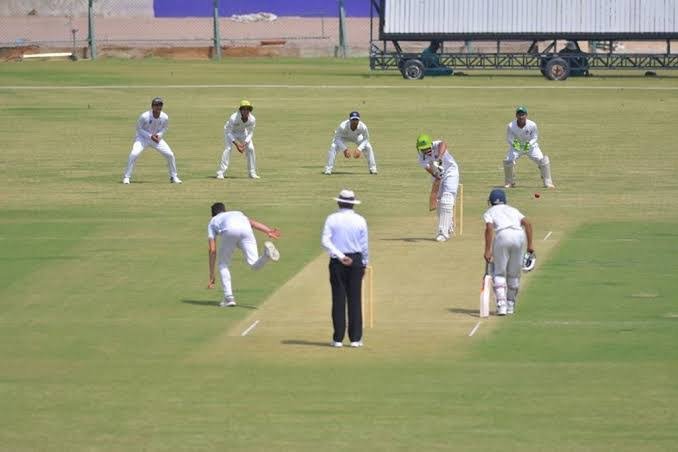
KARACHI — Zone VI continued their dominance in the Regional Inter-District Under-19 (Karachi Region) One-Day Cricket League by achieving their fourth consecutive win. The matches, organized by the Pakistan Cricket Board (PCB), also saw Zone VII and Zone V securing victories at various venues across Karachi on July 3. What Happened Zone VI’s latest triumph in the U-19 league was marked by a strong team performance, showcasing both batting and bowling prowess. The team has been on an impressive run, maintaining an unbeaten streak that has positioned them as strong contenders in the league. Their latest victory came as a result of disciplined cricket, with standout performances from several players. The match saw Zone VI setting a challenging target, which their opponents struggled to chase. The team’s bowlers executed their strategies effectively, restricting the opposition’s scoring opportunities and taking crucial wickets at regular intervals. This comprehensive performance not only secured their fourth win but also boosted their confidence for upcoming matches. Meanwhile, Zone VII and Zone V also emerged victorious in their respective matches, demonstrating the competitive nature of the league. Each team displayed remarkable talent, with individual players contributing significantly to their teams’ successes. The matches were played at various cricket grounds in Karachi, drawing attention from local cricket enthusiasts. Background The Regional Inter-District Under-19 One-Day Cricket League is a crucial platform for young cricketers in Pakistan, providing them with opportunities to showcase their skills and gain recognition. Organized by the PCB, the league aims to nurture young talent and prepare them for higher levels of competition. Over the years, the league has been instrumental in identifying future stars of Pakistani cricket. Zone VI has a history of strong performances in the league, often finishing among the top teams. Their consistent success can be attributed to a robust training program and a focus on developing players’ technical skills and mental toughness. This year’s league has been no exception, with Zone VI once again proving their mettle on the field. Why It Matters The success of Zone VI in the U-19 league is significant for several reasons. Firstly, it highlights the effectiveness of the PCB’s developmental programs in fostering young talent. The league serves as a breeding ground for future national players, and consistent performances by teams like Zone VI demonstrate the potential within Pakistan’s cricketing pipeline. Economically, successful leagues like this attract sponsorships and investments, which are vital for the growth of cricket at the grassroots level. They also provide young players with exposure and opportunities to secure professional contracts, which can be life-changing for many aspiring cricketers. Socially, the league engages local communities, promoting sportsmanship and healthy competition among youth. It also serves as an inspiration for young cricketers across the country, encouraging them to pursue their dreams of playing cricket at a professional level. On an international level, the league’s success contributes to Pakistan’s reputation as a cricketing nation. By developing skilled players from a young age, Pakistan can ensure a steady supply of talent to the national team, enhancing its competitiveness on the global stage. Key Takeaways Zone VI achieved their fourth consecutive win in the Karachi U-19 Cricket League. The league is organized by the Pakistan Cricket Board to nurture young cricket talent. Zone VII and Zone V also recorded victories, showcasing the league’s competitiveness. The league plays a crucial role in developing future national cricket players. Success in the league can lead to economic benefits and increased community engagement. Source Attribution This article is based on official statements and public communications from the Pakistan Cricket Board and relevant authorities. Author: NEN Editorial Desk | Editor: NEN Newsroom | Fact Checked By: NEN Editorial Team Author: NEN Editorial Desk  |  Editor: NEN Newsroom  |  Last Updated: July 03, 2026  |  Source: NEN Reporter This article was produced by the NEN Editorial Desk in accordance with NEN Agency’s Editorial Policy and Fact-Checking Policy.
World

Currency Exchange Rates and LIBOR Update for July 3, 2026

KARACHI — The State Bank of Pakistan released the latest exchange rates for currency notes on July 3, 2026, reflecting minor fluctuations in the values of major currencies against the Pakistani Rupee. The rates are crucial for businesses, investors, and individuals engaged in foreign exchange transactions. What Happened The exchange rates for several major currencies were announced, with the US Dollar (USD) being sold at Rs279.94 and bought at Rs276.94. The British Pound (GBP) was listed at a selling rate of Rs374.05 and a buying rate of Rs369.63. Meanwhile, the Euro (EUR) was set at Rs320.27 for selling and Rs316.51 for buying. The Japanese Yen (JPY) had a selling rate of Rs1.7371 and a buying rate of Rs1.7167. Among the Gulf currencies, the Saudi Riyal (SAR) was priced at Rs74.56 for selling and Rs73.68 for buying, while the UAE Dirham (AED) was available at Rs76.22 for selling and Rs75.33 for buying. Additionally, the London Interbank Offered Rate (LIBOR) for calculating interest on special USD bonds was provided. The LIBOR for one month stood at 3.6674%, for three months at 3.7520%, and for six months at 3.8719%. These rates are pivotal for financial institutions and corporations involved in international trade and finance. The indicative Forward Buying and Selling Rates (FBP) for the US Dollar were also detailed. For sight/15 days, the rate was Rs276.71, for one month Rs275.39, for two months Rs272.56, for three months Rs270.21, for four months Rs267.56, for five months Rs264.85, and for six months Rs262.39. Similarly, the Euro and British Pound had their respective forward rates listed, providing a comprehensive view of expected currency trends. Background Currency exchange rates are influenced by various factors including economic indicators, geopolitical events, and market speculation. The State Bank of Pakistan regularly updates these rates to reflect the current market conditions. The LIBOR, a globally accepted benchmark interest rate, is used by banks and financial institutions to set rates on various financial products. Historically, the Pakistani Rupee has experienced volatility due to factors such as trade imbalances, inflation, and foreign exchange reserves. The central bank’s role in managing these fluctuations is critical to ensuring economic stability. Why It Matters The exchange rates have significant implications for Pakistan’s economy, affecting everything from import costs to inflation. A stronger US Dollar, for instance, can increase the cost of imported goods, thereby impacting inflation and purchasing power. Businesses engaged in import and export must closely monitor these rates to manage costs and revenues effectively. The LIBOR rates are equally important as they influence the cost of borrowing for businesses and the government. Changes in LIBOR can affect interest rates on loans, impacting investment decisions and economic growth. For individuals with foreign currency loans or investments, these rates can directly influence repayment amounts and returns. In the broader context, exchange rates and interest rates are barometers of economic health. They provide insights into investor confidence, economic policies, and the overall economic trajectory of the country. For Pakistan, maintaining a stable currency and favorable interest rates is crucial for attracting foreign investment and supporting economic growth. Key Takeaways The US Dollar was sold at Rs279.94 and bought at Rs276.94 on July 3, 2026. The LIBOR for one month was 3.6674%, impacting USD bond interest calculations. Exchange rates are vital for businesses involved in international trade. Fluctuations in these rates can affect inflation and economic stability. LIBOR influences borrowing costs for businesses and government alike. Source Attribution The article is based on official government statements, press releases, and public communications from relevant authorities. Author: NEN Editorial Desk | Editor: NEN Newsroom | Fact Checked By: NEN Editorial Team Author: NEN Editorial Desk  |  Editor: NEN Newsroom  |  Last Updated: July 03, 2026  |  Source: NEN Reporter This article was produced by the NEN Editorial Desk in accordance with NEN Agency’s Editorial Policy and Fact-Checking Policy.
World

IESCO Announces Scheduled Power Outages for Maintenance in Islamabad Region

ISLAMABAD — The Islamabad Electric Supply Company (IESCO) has announced a scheduled power suspension for Friday across various areas within its jurisdiction. This interruption is due to essential maintenance and routine development work, as confirmed by an IESCO spokesperson on Thursday. What Happened IESCO has detailed a power suspension programme affecting several areas in the Islamabad region. The planned outages are set to take place on Friday, with specific timings and locations outlined by the company. In the Islamabad Circle, electricity supply will be interrupted from 6 a.m. to 10 a.m., impacting areas such as Kurri, Rehara, CM Pak Zong, and IT Park feeders. In the Rawalpindi Cantt Circle, the power supply will be suspended from 6 a.m. to 10 a.m. in the Ghumti feeder area. Additionally, in the GSO Circle, a more extended outage is scheduled. Power will be unavailable from 9 a.m. to 4 p.m. at the 132kV AWC HMC Taxila and 132kV Sangjani-Burhan lines, and from 8 a.m. to 6 p.m. at the 132kV Chakwal-Bhagwal-Talagang, 132kV Kahuta City-Palandri, and 132kV New Wah-Bahtermore lines, including surrounding areas. IESCO has expressed its apologies to consumers for the temporary inconvenience caused by these outages. The company has also assured that electricity supply will be restored ahead of the scheduled time if the maintenance work is completed sooner than anticipated. Background Power outages for maintenance and development work are a common occurrence in Pakistan, where the electricity infrastructure often requires upgrades and repairs. IESCO, responsible for the distribution of electricity in the Islamabad region, regularly schedules such outages to ensure the reliability and safety of the power supply. These maintenance activities are part of broader efforts to improve the efficiency and capacity of the electricity distribution network. Historically, Pakistan has faced challenges with electricity distribution, including load shedding and infrastructure deficits. Efforts to modernize and expand the grid have been ongoing, with the government and utility companies working to address these issues through various initiatives and investments. Why It Matters The scheduled power outages by IESCO are significant for several reasons. Firstly, they highlight the ongoing need for infrastructure maintenance and development in Pakistan’s electricity sector. Regular maintenance is crucial for preventing unscheduled outages and ensuring a stable power supply, which is vital for both residential and commercial consumers. Economically, power outages can have a substantial impact on businesses, particularly those that rely heavily on electricity for operations. Scheduled outages allow businesses to plan accordingly, minimizing potential disruptions. However, the inconvenience to households and the potential impact on daily activities cannot be overlooked, as it affects everything from domestic chores to educational activities conducted online. Socially, these outages underscore the challenges faced by utility companies in balancing maintenance needs with consumer demands. The ability to communicate effectively with consumers about scheduled outages and to restore power promptly is crucial for maintaining public trust and satisfaction. On a broader scale, the maintenance work reflects ongoing efforts to improve the energy infrastructure in Pakistan, a key component of the country’s development goals. Reliable electricity supply is essential for economic growth, industrial development, and improving the quality of life for citizens. Key Takeaways IESCO has announced scheduled power outages for maintenance on Friday in various parts of the Islamabad region. The outages will affect areas in the Islamabad Circle, Rawalpindi Cantt Circle, and GSO Circle, with specific timings provided. IESCO has apologized for the inconvenience and aims to restore power ahead of schedule if possible. Regular maintenance is essential for ensuring a reliable power supply and preventing unscheduled outages. The outages highlight ongoing efforts to improve Pakistan’s electricity infrastructure, crucial for economic and social development. Source Attribution This article is based on official government statements, press releases, and public communications from relevant authorities. Author: NEN Editorial Desk | Editor: NEN Newsroom | Fact Checked By: NEN Editorial Team Author: NEN Editorial Desk  |  Editor: NEN Newsroom  |  Last Updated: July 03, 2026  |  Source: NEN Reporter This article was produced by the NEN Editorial Desk in accordance with NEN Agency’s Editorial Policy and Fact-Checking Policy.
World

PSIC Announces New Industrial Estate for SMEs in Kot Pindi Das

LAHORE — The Punjab Small Industries Corporation (PSIC) is set to establish a new small industrial estate at Kot Pindi Das, Lahore, according to Managing Director Mubeen Elahi. The announcement was made during a meeting with the Lahore Chamber of Commerce and Industry (LCCI) on Thursday. What Happened In a meeting held at the PSIC office, Managing Director Mubeen Elahi revealed plans for the new industrial estate, which will span approximately 130 acres and feature 364 industrial plots. These plots will be allocated through a balloting process. The meeting was attended by LCCI President Faheem Ur Rehman Saigol, Senior Vice President Tanveer Ahmed Sheikh, Director Estates PSIC Sabeeh Raza, and other LCCI Executive Committee Members. Elahi detailed the payment structure for the industrial plots, stating that entrepreneurs would need to pay 40 percent of the cost as a down payment. The remaining 60 percent would be payable in quarterly installments over two years. The estimated price for the plots has been set at Rs 5 million per kanal, inclusive of development charges. PSIC also plans to facilitate concessional financing for industrial investors. LCCI President Faheem Ur Rehman Saigol highlighted the urgent need for the development of new industrial estates around Lahore. He emphasized that industries cannot be relocated unless fully developed and affordable industrial zones with modern infrastructure are made available. Saigol pointed out that recent enforcement actions by government agencies have created uncertainty among the business community. Saigol noted that many industrial units in areas like Saggian, Daroghawala, and Multan Road have been operating for decades, contributing significantly to the economy. He stressed that industries should not be penalized without providing practical alternatives and urged the PSIC to expedite the development of new SME-focused industrial estates. Background The establishment of industrial estates is part of a broader strategy to promote small and medium enterprises (SMEs) in Pakistan. Historically, the lack of planned industrial zones has led to the haphazard growth of industries in urban areas, often resulting in environmental and regulatory challenges. Previous attempts to relocate industries have faced resistance due to inadequate infrastructure and planning. The PSIC has been instrumental in developing industrial zones to support SMEs, which are a vital component of Pakistan’s economy. These efforts aim to provide businesses with the necessary infrastructure and support to thrive, thereby boosting economic growth and employment. Why It Matters The development of the Kot Pindi Das industrial estate is a significant step towards addressing the infrastructure needs of SMEs in Lahore. By providing a planned and affordable industrial zone, the PSIC aims to facilitate the relocation of industries from congested urban areas, thereby reducing environmental impact and regulatory issues. This initiative is expected to have a positive economic impact by creating new business opportunities, generating employment, and increasing industrial output. The provision of concessional financing and modern infrastructure will enable SMEs to expand and compete more effectively in both domestic and international markets. Moreover, the development aligns with the government’s broader industrial policy objectives, which include promoting sustainable urban development and enhancing the competitiveness of Pakistani industries. By addressing the concerns of the business community and providing practical solutions, the PSIC is fostering a more conducive environment for industrial growth. Key Takeaways The PSIC plans to establish a new industrial estate at Kot Pindi Das, covering 130 acres with 364 plots. Entrepreneurs will pay 40 percent upfront, with the remainder in installments, at Rs 5 million per kanal. LCCI President emphasized the need for developed industrial zones to facilitate industry relocation. The initiative aims to support SMEs, create jobs, and boost economic growth in Lahore. PSIC’s efforts align with government policies for sustainable urban and industrial development. Source Attribution This article is based on official government statements, press releases, and public communications from relevant authorities. Author: NEN Editorial Desk | Editor: NEN Newsroom | Fact Checked By: NEN Editorial Team Author: NEN Editorial Desk  |  Editor: NEN Newsroom  |  Last Updated: July 02, 2026  |  Source: Press Release from Government of Pakistan This article was produced by the NEN Editorial Desk in accordance with NEN Agency’s Editorial Policy and Fact-Checking Policy.
World

CM Punjab Champions League Scheduled for July with National and International Athletes

LAHORE — The Punjab Sports Board has announced the CM Punjab Champions League, set to take place in mid-July. This event will feature a diverse array of participants, including both international and national cricketers as well as talented male and female athletes from across the province. What Happened The Punjab Sports Board revealed plans to host the CM Punjab Champions League in July, aiming to bring together a mix of international and national sports talent. The league will showcase not only cricketers but also athletes from various sports disciplines, highlighting the province’s commitment to promoting sports and nurturing talent. The event is expected to draw significant attention, as it will provide a platform for athletes to compete at a high level and gain exposure. According to the Punjab Sports Board, the league will include competitions for both male and female athletes, ensuring inclusivity and equal opportunity. This initiative is part of a broader strategy to enhance sports infrastructure and opportunities within the province, fostering a culture of sportsmanship and healthy competition. Officials from the Punjab Sports Board have stated that the league will adhere to international standards, with facilities and arrangements made to accommodate participants and spectators alike. The event is expected to be a significant draw for sports enthusiasts and is anticipated to boost local tourism and economic activity in the region. Background The CM Punjab Champions League is part of a series of initiatives by the Punjab government to promote sports at the grassroots level. Historically, Punjab has been a hub for cricket and other sports, producing numerous athletes who have represented Pakistan on international platforms. The provincial government has been investing in sports infrastructure, including the development of new stadiums and training facilities, to support the growth of various sports. Previous editions of similar events have seen participation from a wide range of athletes, contributing to the discovery and development of new talent. The government’s focus on sports is also aligned with national policies aimed at promoting health, fitness, and youth engagement through sports activities. Why It Matters The CM Punjab Champions League holds significant importance for several reasons. Economically, the event is expected to stimulate local businesses, including hospitality, retail, and transportation sectors, as visitors flock to the region to witness the competitions. The influx of tourists and sports enthusiasts can provide a much-needed boost to the local economy, especially in the post-pandemic recovery phase. Socially, the league promotes inclusivity and gender equality by providing equal opportunities for male and female athletes. By showcasing female athletes on such a prominent platform, the event challenges traditional gender norms and encourages greater female participation in sports. This can have a ripple effect, inspiring young girls across the province to pursue sports. Politically, the league underscores the provincial government’s commitment to sports development as a means of engaging youth and promoting a healthy lifestyle. This aligns with broader national objectives of using sports as a tool for social cohesion and national pride. The event also strengthens Punjab’s reputation as a leader in sports development within Pakistan. Key Takeaways The CM Punjab Champions League is scheduled for mid-July, featuring international and national athletes. The event includes competitions for both male and female athletes, promoting inclusivity. The league is expected to boost local tourism and economic activity in Punjab. The initiative aligns with government efforts to enhance sports infrastructure and opportunities. The event contributes to social objectives of gender equality and youth engagement in sports. Source Attribution This article is based on official government statements, press releases, and public communications from relevant authorities. Author: NEN Editorial Desk | Editor: NEN Newsroom | Fact Checked By: NEN Editorial Team Author: NEN Editorial Desk  |  Editor: NEN Newsroom  |  Last Updated: July 02, 2026  |  Source: NEN Reporter This article was produced by the NEN Editorial Desk in accordance with NEN Agency’s Editorial Policy and Fact-Checking Policy.
World

Pakistan Intensifies Diplomatic Efforts at UNSC to Resolve US-Iran Tensions

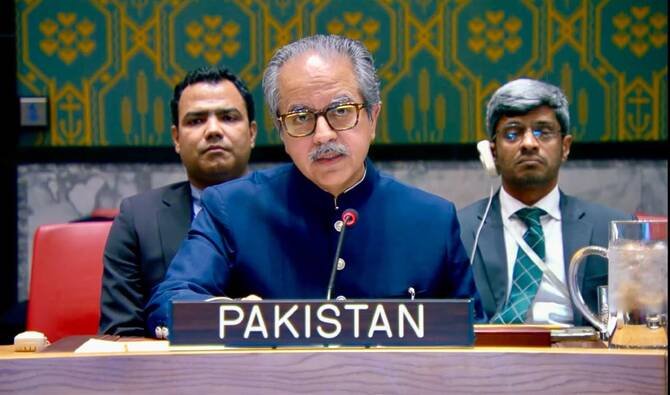
UNITED NATIONS — Pakistan has announced an intensification of its diplomatic efforts to mediate between the United States and Iran, aiming to resolve ongoing tensions in the Middle East. This announcement was made during an emergency meeting of the United Nations Security Council (UNSC) on Thursday, where Pakistan emphasized its commitment to facilitating the implementation of the Islamabad Memorandum of Understanding (MoU) between the two nations. What Happened During the UNSC meeting, Pakistan’s representative highlighted the country’s proactive approach in engaging with both regional and international stakeholders. The goal is to ensure the successful follow-up and implementation of the Islamabad MoU, which was designed to de-escalate the conflict between the US and Iran. The MoU, a diplomatic initiative spearheaded by Pakistan, outlines a framework for dialogue and cooperation between the two countries. Pakistan’s ambassador to the UN stated, “We are committed to playing a constructive role in promoting peace and stability in the Middle East. Our diplomatic channels are actively engaged with both the United States and Iran, as well as other key regional players, to ensure the success of the Islamabad MoU.” The ambassador further elaborated on the importance of multilateral efforts in addressing the complex geopolitical issues that have fueled tensions in the region. The UNSC meeting was convened in response to the rising hostilities between the US and Iran, which have raised concerns about the potential for a broader conflict in the Middle East. Pakistan’s intervention is seen as a crucial step in bridging the communication gap between the two countries and fostering a diplomatic resolution. Background The tensions between the United States and Iran have been a persistent issue in international relations, exacerbated by a series of events including the US withdrawal from the Joint Comprehensive Plan of Action (JCPOA) in 2018 and subsequent sanctions on Iran. These actions have led to increased hostilities, including military confrontations and economic disruptions. Pakistan, due to its strategic location and historical ties with both the US and Iran, has often found itself in a unique position to act as a mediator. The Islamabad MoU, introduced earlier this year, represents a formal effort by Pakistan to leverage its diplomatic relationships to foster dialogue and reduce tensions. Why It Matters The diplomatic engagement by Pakistan is significant for several reasons. Economically, the stability of the Middle East is crucial for global oil markets, and any escalation in US-Iran tensions could lead to disruptions in oil supply, affecting global prices and economic stability. For Pakistan, maintaining regional stability is essential for its own economic interests, given its reliance on Middle Eastern oil imports. Politically, Pakistan’s role as a mediator enhances its standing on the international stage, showcasing its ability to contribute to global peace efforts. This could lead to strengthened diplomatic ties with both Western and Middle Eastern countries, potentially opening up new avenues for economic and political cooperation. On a social level, the resolution of US-Iran tensions could lead to a reduction in regional conflicts that have displaced millions and strained resources in neighboring countries, including Pakistan. A peaceful resolution would contribute to regional stability, benefiting not only the immediate parties involved but also the broader international community. Key Takeaways Pakistan is actively mediating between the US and Iran to implement the Islamabad MoU. The UNSC meeting highlighted Pakistan’s diplomatic efforts to resolve Middle East tensions. The US-Iran conflict has significant economic and political implications globally. Pakistan’s mediation enhances its international diplomatic standing. Stability in the Middle East is crucial for global oil market stability. Source Attribution This article is based on official government statements, press releases, and public communications from relevant authorities. Author: NEN Editorial Desk | Editor: NEN Newsroom | Fact Checked By: NEN Editorial Team Author: NEN Editorial Desk  |  Editor: NEN Newsroom  |  Last Updated: July 02, 2026  |  Source: NEN Reporter This article was produced by the NEN Editorial Desk in accordance with NEN Agency’s Editorial Policy and Fact-Checking Policy.
World

Glasgow 2026 Commonwealth Games: 3×3 Basketball Schedule Announced

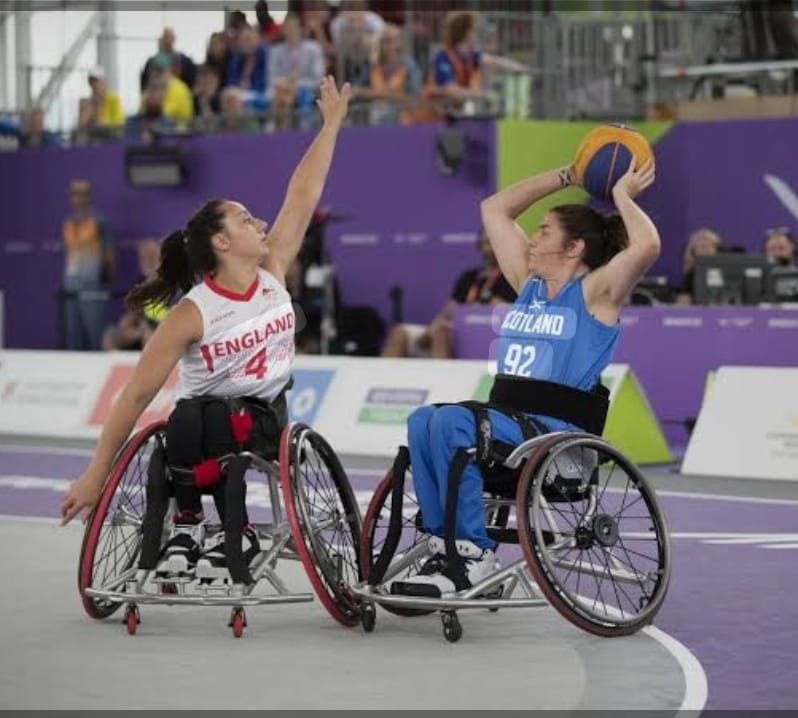
GLASGOW — The match schedule for the 3×3 Basketball and 3×3 Wheelchair Basketball competitions at the Glasgow 2026 Commonwealth Games has been officially unveiled. This announcement sets the stage for thrilling contests between top contenders, including England and Australia, from the outset of the tournament. What Happened The schedule for the 3×3 Basketball events at the Glasgow 2026 Commonwealth Games, slated for July 24 to July 29 at the SEC Centre, has been released. The format, known for its fast pace and urban festival atmosphere, involves a half-court setup, a 12-second shot clock, and a 10-minute game limit unless a team scores 21 points first to secure an automatic win. The competition will feature 12 nations in the men’s and women’s categories and eight nations per gender in the wheelchair tournaments, unfolding over 13 sessions. England and Australia, both historical powerhouses in the sport, are set to meet early in the tournament. England’s men’s running team, led by Jamell Anderson, aims to defend its title, while Australia’s men’s wheelchair team returns as reigning champions. Host nation Scotland will face Guyana in their opening match, followed by a significant clash with Australia. The women’s running category promises an exciting encounter between England and Scotland. In the wheelchair basketball segment, rematches of the Birmingham 2022 finals are anticipated, with Australia’s and Canada’s men’s and women’s squads set to compete again. Scotland is participating in all four events, with notable athletes like Kyle Jimenez and Fraser Malcolm making their third Games appearance. Background The 3×3 Basketball format was introduced to the Commonwealth Games in Birmingham 2022, where Canada emerged as a dominant force, winning gold in the women’s running and wheelchair events. England and Australia also performed strongly, capturing multiple medals. The sport’s inclusion in the Commonwealth Games reflects its growing global popularity and appeal. The Glasgow 2026 Games aim to build on the success of previous editions, with an expanded field of competitors and a focus on inclusivity and diversity. The SEC Centre, a prominent venue in Glasgow, will host the basketball events, providing a vibrant backdrop for the competition. Why It Matters The release of the match schedule for the Glasgow 2026 Commonwealth Games is significant for several reasons. Economically, the event is expected to boost tourism and local businesses in Glasgow, drawing spectators from around the world. Socially, the Games promote inclusivity, with the wheelchair basketball events highlighting the athletic prowess of differently-abled athletes. Politically, the Games offer a platform for nations to showcase their sporting talents and foster international camaraderie. The participation of debutant nations underscores the expanding reach of the Commonwealth Games and the sport of 3×3 Basketball. For host nation Scotland, the Games present an opportunity to demonstrate their organizational capabilities and enthusiasm for sports. Furthermore, the competition serves as a stage for athletes to achieve personal and national glory, with medal-winning performances enhancing their careers and inspiring future generations. The intense rivalries, particularly between England, Australia, and Canada, add an extra layer of excitement and anticipation for fans. Key Takeaways The Glasgow 2026 Commonwealth Games will feature 3×3 Basketball and Wheelchair Basketball events from July 24 to July 29. Top contenders England and Australia are set for early clashes, promising thrilling matches. The Games promote inclusivity with expanded participation in both running and wheelchair categories. Scotland, as the host nation, aims to capitalize on the event’s economic and social benefits. The competition highlights the growing global appeal of 3×3 Basketball. Source Attribution The article is based on official government statements, press releases, and public communications from relevant authorities. Author: NEN Editorial Desk | Editor: NEN Newsroom | Fact Checked By: NEN Editorial Team Author: NEN Editorial Desk  |  Editor: NEN Newsroom  |  Last Updated: July 02, 2026  |  Source: NEN Reporter This article was produced by the NEN Editorial Desk in accordance with NEN Agency’s Editorial Policy and Fact-Checking Policy.
World

PHF Secures PKR 400 Million, Ensures Global Event Participation

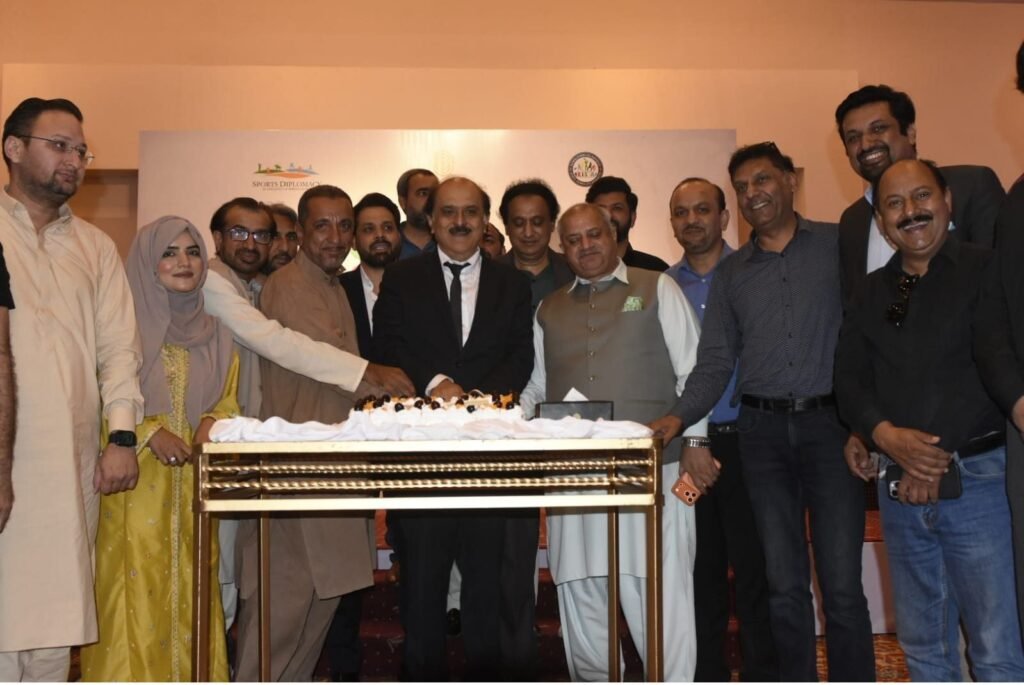
ISLAMABAD — The Pakistan Hockey Federation (PHF) has announced a significant financial boost, with funds reaching PKR 400 million, ensuring the national hockey team’s participation in upcoming international events. Mohyuddin Wani, Federal Secretary for Inter-Provincial Coordination and President of the PHF, confirmed this development, emphasizing efforts to revive the national sport. What Happened The PHF has secured a substantial increase in funding, amounting to PKR 400 million, aimed at revitalizing Pakistan’s hockey scene and ensuring the national team’s presence in global competitions. Mohyuddin Wani, who leads the federation, stated that this financial injection is pivotal for the sport’s growth and the team’s competitive readiness on the international stage. Wani highlighted the federation’s commitment to utilizing these funds effectively to enhance training facilities, support player development, and cover expenses related to international participation. “We are dedicated to bringing Pakistan hockey back to its former glory,” Wani asserted, underscoring the federation’s strategic plan to leverage the funds for maximum impact. The financial boost comes at a critical time as the national team prepares for several key tournaments. The allocation is expected to cover travel, accommodation, and other logistical needs, ensuring the team can compete without financial constraints. This marks a significant turnaround for the PHF, which has faced financial challenges in recent years, affecting its ability to participate in international events. Background Pakistan hockey, once a dominant force on the global stage, has seen a decline over the past few decades. The national team, which has won three Olympic gold medals and four World Cups, has struggled to maintain its competitive edge due to financial difficulties and administrative issues. The PHF has been working to address these challenges, seeking government support and private sponsorships to fund its activities. The recent funding surge is part of a broader strategy to rejuvenate the sport in Pakistan. In recent years, the government has recognized the importance of supporting national sports federations, particularly those with a storied history like hockey. Efforts have been made to improve infrastructure, provide better training facilities, and encourage youth participation at the grassroots level. Why It Matters The infusion of PKR 400 million into the PHF is a significant development for several reasons. Economically, it alleviates the financial burden on the federation, allowing it to focus on strategic growth and development rather than merely survival. This financial stability is crucial for long-term planning and execution of programs aimed at nurturing talent and enhancing performance. Socially, the revival of hockey can inspire a new generation of players and fans. Hockey has a rich cultural heritage in Pakistan, and its resurgence could boost national pride and unity. A strong national team can serve as a role model for young athletes, encouraging them to pursue sports as a viable career path. Politically, the government’s support for hockey reflects a commitment to preserving and promoting national sports. It highlights the role of sports in diplomacy and international relations, as successful participation in global events can enhance Pakistan’s image abroad. Internationally, Pakistan’s active participation in hockey tournaments can strengthen its ties with other countries through sports diplomacy. Competing on the world stage provides opportunities for cultural exchange and collaboration, fostering goodwill and understanding among nations. Key Takeaways The PHF has secured PKR 400 million, ensuring the national team’s participation in global events. This funding boost aims to revitalize hockey in Pakistan and improve the team’s international competitiveness. Financial stability allows the PHF to focus on strategic growth and talent development. The revival of hockey can inspire national pride and encourage youth participation in sports. International participation strengthens Pakistan’s diplomatic ties and enhances its global image. Source Attribution This article is based on official statements and public communications from the Pakistan Hockey Federation and relevant authorities. Author: NEN Editorial Desk | Editor: NEN Newsroom | Fact Checked By: NEN Editorial Team Author: NEN Editorial Desk  |  Editor: NEN Newsroom  |  Last Updated: July 02, 2026  |  Source: NEN Reporter This article was produced by the NEN Editorial Desk in accordance with NEN Agency’s Editorial Policy and Fact-Checking Policy.

World

RCCI and Brooklyn Chamber Forge Partnership to Enhance Pak-US Trade

ISLAMABAD — The Rawalpindi Chamber of Commerce and Industry (RCCI) has entered into a Memorandum of Understanding (MoU) with the Brooklyn Chamber of Commerce in the United States. Signed on Thursday, this agreement seeks to bolster business ties and increase bilateral trade between Pakistan and the United States. What Happened The signing ceremony took place with representatives from both chambers present to formalize the partnership. The MoU is designed to facilitate better communication and collaboration between the two business communities. The agreement outlines several areas of cooperation, including the exchange of trade delegations, joint ventures, and the sharing of market information. RCCI President Saqib Rafiq emphasized the importance of this partnership in opening new avenues for Pakistani businesses in the US market. “This MoU will serve as a bridge for our members to explore new business opportunities in the United States, particularly in Brooklyn, which is a vibrant hub for commerce,” Rafiq stated. On the American side, the Brooklyn Chamber of Commerce expressed optimism about the potential for increased trade and investment. The Chamber’s President, Randy Peers, noted, “We are excited to work with RCCI to enhance trade relations. This agreement will help our members to access the growing market in Pakistan.” Both parties have agreed to organize trade fairs and business forums to showcase products and services, thereby facilitating direct interactions between entrepreneurs from both countries. This initiative aims to address the current trade imbalance and create a more equitable trade environment. Background Pakistan and the United States have a longstanding trade relationship, with the US being one of Pakistan’s largest trading partners. Historically, the trade between the two nations has been skewed towards textiles and garments from Pakistan, while machinery and agricultural products dominate US exports to Pakistan. In recent years, efforts have been made to diversify the trade portfolio. The RCCI has been actively involved in promoting Pakistani businesses on international platforms, and this MoU is part of a broader strategy to enhance global trade relations. The Brooklyn Chamber of Commerce, established in 1918, is one of the oldest and most influential business organizations in New York, representing thousands of businesses across various sectors. Why It Matters The MoU between RCCI and the Brooklyn Chamber of Commerce is significant for several reasons. Economically, it provides Pakistani businesses with greater access to the US market, potentially increasing exports and reducing the trade deficit. This can lead to job creation and economic growth within Pakistan, as businesses expand to meet new demand. Socially, the agreement fosters a deeper understanding and cooperation between the two nations, promoting cultural exchange and mutual respect. It also encourages entrepreneurship by providing Pakistani businesses with exposure to international best practices and innovations. Politically, strengthening economic ties with the US can enhance diplomatic relations. As trade partnerships grow, they can lead to more stable and predictable political relations, benefiting both countries. On an international level, this agreement positions Pakistan as a proactive player in global trade, showcasing its willingness to engage with international markets and adapt to global economic trends. Key Takeaways The RCCI and Brooklyn Chamber of Commerce have signed an MoU to enhance Pak-US trade. The agreement focuses on trade delegations, joint ventures, and market information exchange. This partnership aims to address trade imbalances and promote economic growth in Pakistan. The MoU is expected to strengthen diplomatic and cultural ties between Pakistan and the US. Both chambers plan to organize trade fairs and business forums to facilitate direct business interactions. Source Attribution This article is based on official statements and public communications from the Rawalpindi Chamber of Commerce and Industry and the Brooklyn Chamber of Commerce. Author: NEN Editorial Desk | Editor: NEN Newsroom | Fact Checked By: NEN Editorial Team Author: NEN Editorial Desk  |  Editor: NEN Newsroom  |  Last Updated: July 02, 2026  |  Source: NEN Reporter This article was produced by the NEN Editorial Desk in accordance with NEN Agency’s Editorial Policy and Fact-Checking Policy.

Scroll to Top