

World

Welcome to the World section of NEN Agency, your window to the stories shaping our planet. From global politics and economic shifts to science breakthroughs, cultural moments, and humanitarian crises, we connect you to events that matter — wherever they happen.

Inside This Category

  • Global Politics & Diplomacy: International relations, summits, and policy shifts.

  • World Economy & Trade: Market trends, trade agreements, and financial developments.

  • Conflicts & Security: Coverage of wars, peace efforts, and security challenges.

  • Science & Environment: Climate change, technological advances, and space exploration.

  • Culture & Society: Arts, sports, and lifestyle stories from around the globe.

Why Our World Coverage Stands Out
We deliver global news with context, helping readers see how events beyond borders influence life in Pakistan and the wider region.

World

Pakistan U-19 Skill Development Camp Intensifies Ahead Of England Tour

MULTAN — The Pakistan Under-19 cricket team is currently engaged in an intensive skill development camp in Multan, with 31 young cricketers participating. This camp is a crucial part of their preparations for a series of upcoming international tournaments, including a much-anticipated tour of England, the ACC Men’s Under-19 Asia Cup, and the ICC Under-19 World Cup. What Happened The camp, which commenced earlier this month, is designed to hone the skills of the nation’s most promising young cricketers. Under the guidance of experienced coaches and former players, the participants are undergoing rigorous training sessions aimed at improving their technical abilities, mental strength, and overall game awareness. The focus is on building a well-rounded team capable of competing at the highest levels of international youth cricket. According to the Pakistan Cricket Board (PCB), the training regimen includes specialized sessions in batting, bowling, and fielding, along with match simulation exercises. The players are also receiving fitness training to ensure they meet the physical demands of international cricket. “Our goal is to prepare these young athletes not just for the upcoming tournaments, but for their future careers in cricket,” a PCB spokesperson stated. “The England tour will be a significant test of their skills and resilience.” The camp is also an opportunity for selectors to assess the talent pool and finalize the squad for the upcoming competitions. The England tour, scheduled for later this year, will provide the team with valuable experience against strong opposition, serving as a precursor to the ACC Men’s Under-19 Asia Cup and the ICC Under-19 World Cup. Background The Pakistan Under-19 cricket team has a storied history in international youth cricket, having won the ICC Under-19 World Cup twice, in 2004 and 2006. The team has consistently been a breeding ground for future stars of Pakistani cricket, with several current national team players having graduated from the Under-19 ranks. The skill development camp in Multan is part of a long-standing tradition of nurturing young talent through structured training programs and international exposure. Historically, the Under-19 team has played a crucial role in maintaining Pakistan’s competitive edge in cricket. The PCB has invested significantly in youth development, recognizing the importance of a strong pipeline in sustaining the national team’s success. The upcoming tour of England and participation in major tournaments are seen as critical opportunities for the current crop of players to showcase their abilities on the global stage. Why It Matters The ongoing skill development camp is significant for several reasons. Firstly, it underscores the PCB’s commitment to investing in the future of Pakistani cricket by providing young players with the resources and training they need to succeed. This focus on youth development is essential for maintaining the country’s status as a cricketing powerhouse. Economically, the success of the Under-19 team can have a ripple effect, boosting the sport’s popularity and attracting sponsorships and investments. A strong performance in international tournaments can enhance Pakistan’s reputation in the cricketing world, potentially leading to more bilateral series and tournaments hosted in the country. Socially, cricket is a unifying force in Pakistan, bringing together people from diverse backgrounds. The success of the Under-19 team can inspire a new generation of cricketers, promoting sports as a viable career option and encouraging youth participation in physical activities. On an international level, the England tour and subsequent tournaments are opportunities for the players to gain exposure and experience against top-tier competition. This experience is invaluable in preparing them for the pressures of international cricket and can significantly impact their development as professional athletes. Key Takeaways The Pakistan Under-19 skill development camp in Multan involves 31 young cricketers preparing for international tournaments. The camp focuses on enhancing technical skills, fitness, and mental resilience under expert guidance. The upcoming England tour is a critical part of the team’s preparation for the ACC Men’s Under-19 Asia Cup and ICC Under-19 World Cup. The PCB’s investment in youth development aims to sustain Pakistan’s cricketing success and inspire future generations. International exposure during the England tour will be crucial for the players’ growth and readiness for senior-level cricket. Source Attribution This article is based on official statements and public communications from the Pakistan Cricket Board and other relevant authorities. Author: NEN Editorial Desk | Editor: NEN Newsroom | Fact Checked By: NEN Editorial Team Author: NEN Editorial Desk  |  Editor: NEN Newsroom  |  Last Updated: July 01, 2026  |  Source: NEN Reporter This article was produced by the NEN Editorial Desk in accordance with NEN Agency’s Editorial Policy and Fact-Checking Policy.
World

Port Qasim Sees Increased Shipping Activity with Four New Arrivals

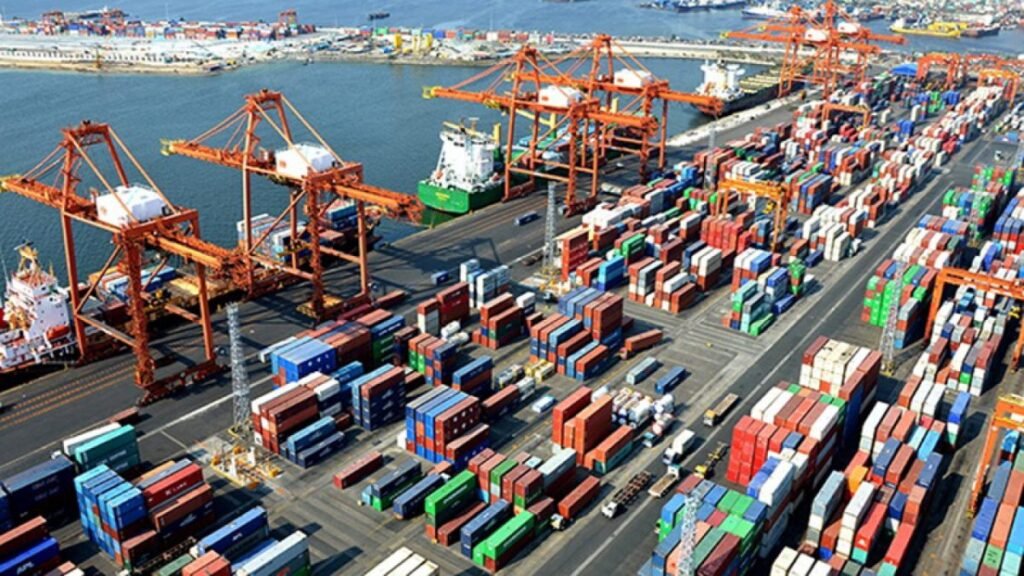
KARACHI — Port Qasim experienced a surge in shipping activity as four vessels, MSC Aquarius-VII, Peonia, Richmond Park, and Jacob-H, docked at various terminals on Monday. These ships, carrying a mix of containers, palm oil, chemicals, and coal, marked a significant uptick in operations at one of Pakistan’s key maritime hubs. What Happened The arrival of the four ships at Port Qasim underscores the port’s critical role in facilitating Pakistan’s trade and logistics. The MSC Aquarius-VII, a container ship, berthed at the Qasim International Container Terminal, highlighting the ongoing demand for containerized shipping solutions in the region. Meanwhile, the Peonia, laden with palm oil, was received at the Liquid Cargo Terminal, reflecting the country’s continuous import of essential commodities. The Richmond Park, carrying chemicals, docked at the Engro Vopak Terminal. This arrival points to the ongoing industrial activities and the need for chemical imports to support various sectors. Lastly, the Jacob-H, transporting coal, was berthed at the Pakistan International Bulk Terminal, indicating the ongoing reliance on coal for energy and industrial purposes. Port authorities reported that the docking and unloading processes were efficiently managed, ensuring minimal delays and maintaining the port’s operational standards. This efficiency is crucial for maintaining the flow of goods, especially given the strategic importance of Port Qasim in Pakistan’s trade network. Background Port Qasim, located near Karachi, is one of Pakistan’s busiest ports and plays a vital role in the country’s economy. Established in the mid-1970s, it was designed to alleviate congestion at the Karachi Port and has since evolved into a major hub for both imports and exports. The port’s strategic location and modern facilities make it an essential component of Pakistan’s maritime infrastructure. Historically, Port Qasim has been pivotal in handling a diverse range of cargo, including containers, bulk liquids, and dry bulk commodities. Its development has been closely linked to Pakistan’s economic growth, with expansions and upgrades aimed at increasing capacity and efficiency. Why It Matters The increased activity at Port Qasim is indicative of broader economic trends in Pakistan. The arrival of container ships like the MSC Aquarius-VII suggests a steady demand for consumer goods and industrial materials, reflecting resilience in the domestic market despite global economic challenges. The import of palm oil via the Peonia highlights Pakistan’s dependency on this commodity for both food and industrial purposes. Palm oil is a staple in the country’s food industry, and its import is crucial for maintaining price stability and supply chain continuity. The docking of the Richmond Park with chemicals points to the ongoing industrial activities and the need for raw materials to support manufacturing and other sectors. This is crucial for sustaining industrial growth and meeting domestic demand. Coal imports, as seen with the Jacob-H, remain significant for Pakistan’s energy sector. Despite global shifts towards renewable energy, coal continues to play a critical role in Pakistan’s energy mix, providing a reliable source of power for industries and households. Overall, the activity at Port Qasim is a barometer of Pakistan’s economic health, with implications for employment, trade balance, and industrial output. Efficient port operations are vital for ensuring that Pakistan remains competitive in the global market. Key Takeaways Four ships arrived at Port Qasim, carrying containers, palm oil, chemicals, and coal. The port’s efficient operations are crucial for maintaining trade flow and economic stability. Port Qasim’s activity reflects broader economic trends and demands in Pakistan. Imports of palm oil and coal highlight ongoing dependencies in the food and energy sectors. The port’s role is critical for Pakistan’s trade infrastructure and economic growth. Source Attribution This article is based on official government statements, press releases, and public communications from relevant authorities. Author: NEN Editorial Desk | Editor: NEN Newsroom | Fact Checked By: NEN Editorial Team Author: NEN Editorial Desk  |  Editor: NEN Newsroom  |  Last Updated: July 01, 2026  |  Source: NEN Reporter This article was produced by the NEN Editorial Desk in accordance with NEN Agency’s Editorial Policy and Fact-Checking Policy.
World

Youth Vital in Pakistan’s Shift from Economic Stability to Growth

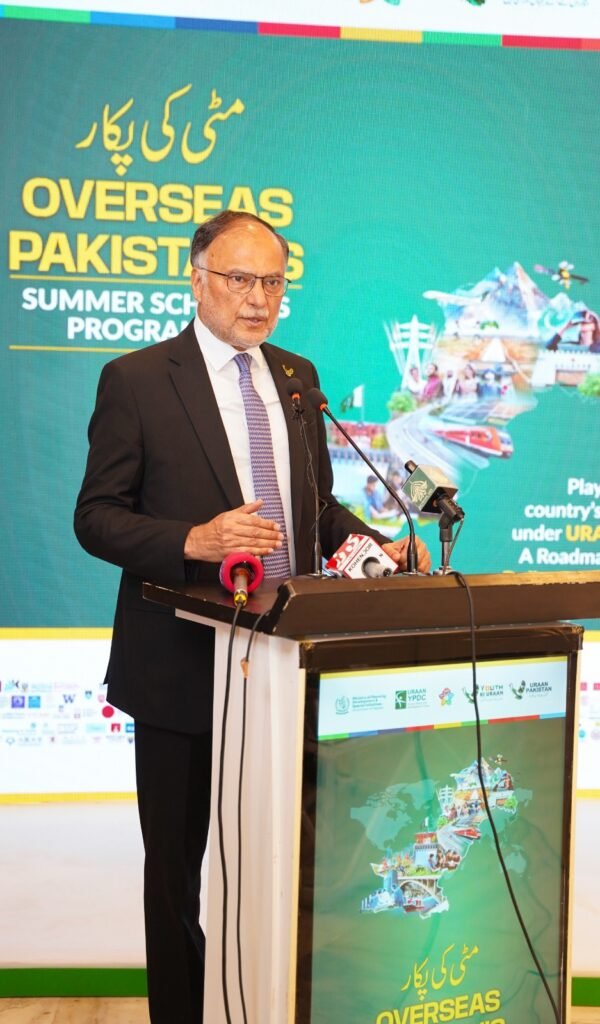
ISLAMABAD — Federal Minister for Planning, Development and Special Initiatives Ahsan Iqbal announced on Wednesday that Pakistan is transitioning from a phase of economic stabilization to a new era focused on growth. He emphasized the pivotal role of the country’s youth in driving this transformation towards greater global relevance. What Happened In a statement made during a press briefing, Ahsan Iqbal highlighted the strategic shift in Pakistan’s economic policy from stabilizing the economy to fostering growth. “Our youth are the decisive force that will propel Pakistan into a new chapter of economic ambition,” he stated. The minister underscored the importance of engaging young people in various sectors to harness their potential for innovation and development. Iqbal elaborated on the government’s plans to capitalize on the demographic dividend by investing in education, skills development, and technology. He pointed out that these investments are crucial for equipping the youth with the necessary tools to contribute effectively to the economy. The minister also mentioned initiatives aimed at creating job opportunities and encouraging entrepreneurship among young Pakistanis. The announcement comes at a time when Pakistan is seeking to enhance its economic standing on the global stage. The focus on youth is seen as a strategic move to leverage the country’s demographic advantage, with over 60% of the population under the age of 30. Background Pakistan has faced numerous economic challenges over the past decades, including high inflation, fiscal deficits, and a reliance on international financial assistance. In recent years, the government has implemented various measures to stabilize the economy, such as structural reforms and fiscal consolidation. These efforts have laid the groundwork for a shift towards growth-oriented policies. Historically, Pakistan’s economic policies have oscillated between stabilization and growth, often dictated by external economic pressures and internal political dynamics. The current focus on youth as a driver of growth reflects a broader trend in emerging economies to harness the potential of younger populations for sustainable development. Why It Matters The emphasis on youth in Pakistan’s economic strategy is significant for several reasons. Economically, it represents a shift towards leveraging human capital as a primary resource for growth. By investing in education and skills development, Pakistan aims to create a workforce that is capable of meeting the demands of a rapidly changing global economy. Socially, this focus has the potential to address issues of unemployment and underemployment among young people, which have been persistent challenges in the country. By providing opportunities for meaningful employment and entrepreneurship, the government hopes to reduce economic disparities and improve social mobility. Politically, engaging the youth in the economic development process can enhance social stability and foster a sense of national unity. As young people become active participants in the economy, they are more likely to contribute positively to the country’s political and social fabric. On an international level, Pakistan’s strategic pivot towards growth and youth engagement can enhance its competitiveness and attractiveness as an investment destination. By showcasing a commitment to developing its human capital, Pakistan may attract foreign investment and partnerships, further bolstering its economic prospects. Key Takeaways Pakistan is shifting its economic focus from stabilization to growth, with youth as a central component. Federal Minister Ahsan Iqbal emphasized the importance of investing in education and skills development. The government aims to leverage the demographic dividend to enhance global economic relevance. This strategy addresses unemployment and aims to foster social stability and unity. Pakistan’s focus on youth could enhance its attractiveness as an investment destination. Source Attribution This article is based on official government statements and public communications from relevant authorities. Author: NEN Editorial Desk | Editor: NEN Newsroom | Fact Checked By: NEN Editorial Team Author: NEN Editorial Desk  |  Editor: NEN Newsroom  |  Last Updated: July 01, 2026  |  Source: NEN Reporter This article was produced by the NEN Editorial Desk in accordance with NEN Agency’s Editorial Policy and Fact-Checking Policy.
World

China Urges Early Lifting Of Unilateral Sanctions On Iran

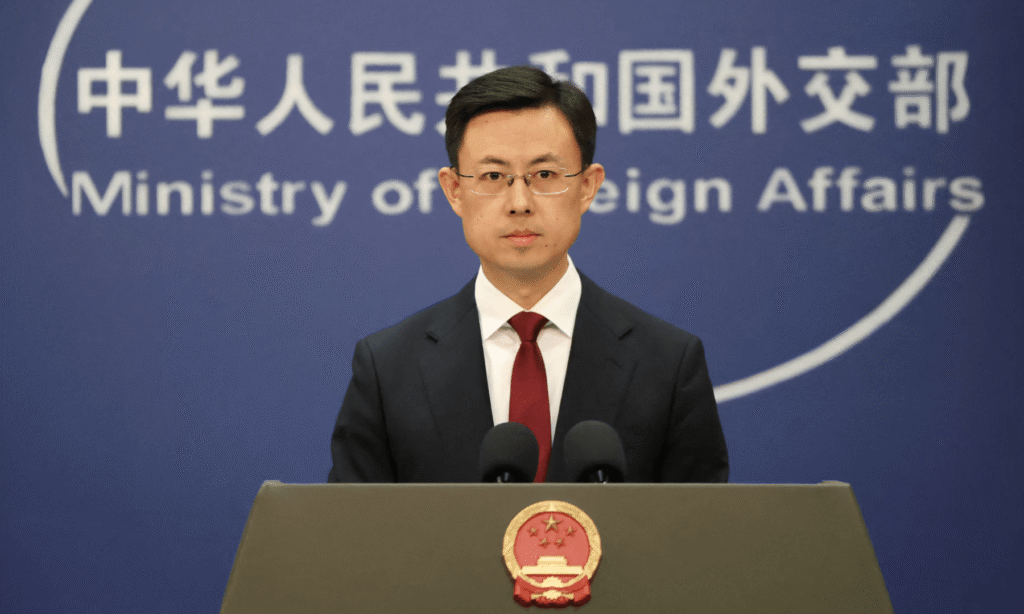
BEIJING — China has called for the prompt removal of unilateral sanctions imposed on Iran, emphasizing the need for the United States and Iran to adhere to their signed memorandum of understanding. The appeal was made on Wednesday as part of China’s broader efforts to facilitate a comprehensive political resolution to ongoing disputes. What Happened On Wednesday, China publicly advocated for the early removal of unilateral sanctions on Iran, urging both the United States and Iran to honor their commitments under a previously signed memorandum of understanding. This call is part of China’s strategy to encourage negotiations aimed at achieving a comprehensive political settlement between the two nations. China’s Foreign Ministry spokesperson, during a press briefing, expressed the country’s stance that lifting these sanctions is crucial for advancing diplomatic talks. The spokesperson stated, “We urge the relevant parties to implement the agreements reached and to create favorable conditions for the resumption of negotiations.” The appeal comes amid ongoing tensions between the United States and Iran, which have been exacerbated by sanctions that have significantly impacted Iran’s economy. These sanctions were initially imposed in response to Iran’s nuclear program, which the United States and its allies have long viewed as a potential threat to regional and global security. China, a key player in the international community and a permanent member of the United Nations Security Council, has consistently advocated for dialogue and negotiation as the primary means of resolving international conflicts. The Chinese government believes that lifting sanctions could pave the way for more constructive discussions and potentially lead to a peaceful resolution. Background The imposition of unilateral sanctions on Iran has been a contentious issue in international relations. These sanctions were primarily enforced by the United States, particularly after the U.S. withdrawal from the Joint Comprehensive Plan of Action (JCPOA) in 2018. The JCPOA, commonly known as the Iran nuclear deal, was an agreement reached in 2015 between Iran and the P5+1 group of world powers, including China, Russia, the United States, the United Kingdom, France, and Germany. Following the U.S. exit from the JCPOA, sanctions were re-imposed on Iran, targeting its oil exports, financial institutions, and other critical sectors. These measures have severely impacted Iran’s economy, leading to increased tensions in the Middle East and complicating diplomatic efforts to address nuclear proliferation concerns. China has consistently opposed unilateral sanctions, arguing that they undermine international law and the principles of multilateralism. Instead, China has advocated for the use of diplomatic channels and international cooperation to address global challenges. Why It Matters The call for the removal of unilateral sanctions on Iran holds significant implications for international diplomacy and regional stability. Economically, the lifting of sanctions could alleviate the financial strain on Iran, potentially leading to improved living standards for its citizens and a more stable regional economy. Politically, China’s involvement underscores its growing influence in global affairs and its commitment to multilateralism. By advocating for dialogue and negotiation, China positions itself as a mediator in international conflicts, which could enhance its diplomatic standing and foster stronger ties with both Iran and the United States. Furthermore, the resolution of tensions between the U.S. and Iran could contribute to broader geopolitical stability in the Middle East, a region that has historically been fraught with conflict. A peaceful settlement could reduce the risk of military confrontations and foster cooperation on issues such as counter-terrorism and regional development. For Pakistan, a neighboring country with strategic interests in both Iran and China, the easing of tensions could lead to enhanced economic opportunities and strengthened regional partnerships. Pakistan could benefit from increased trade and investment flows, as well as improved security dynamics in the region. Key Takeaways China has called for the early removal of unilateral sanctions on Iran to facilitate diplomatic negotiations. The sanctions, primarily imposed by the United States, have significantly impacted Iran’s economy and regional stability. China advocates for multilateralism and dialogue as means to resolve international conflicts. The resolution of U.S.-Iran tensions could enhance geopolitical stability in the Middle East. Pakistan could benefit from improved regional economic and security conditions. Source Attribution This article is based on official government statements, press releases, and public communications from relevant authorities. Author: NEN Editorial Desk | Editor: NEN Newsroom | Fact Checked By: NEN Editorial Team Author: NEN Editorial Desk  |  Editor: NEN Newsroom  |  Last Updated: July 01, 2026  |  Source: NEN Reporter This article was produced by the NEN Editorial Desk in accordance with NEN Agency’s Editorial Policy and Fact-Checking Policy.
World

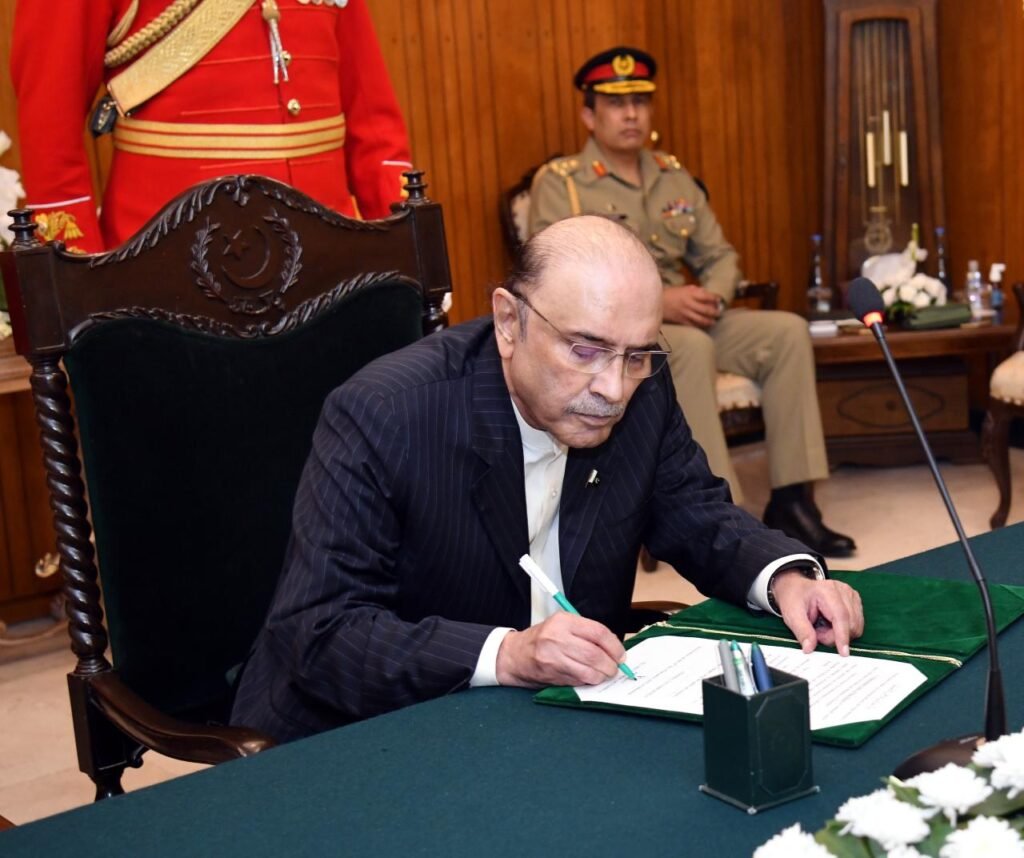
Pakistan Dismisses India’s Remarks on Counterterrorism Efforts in Afghanistan

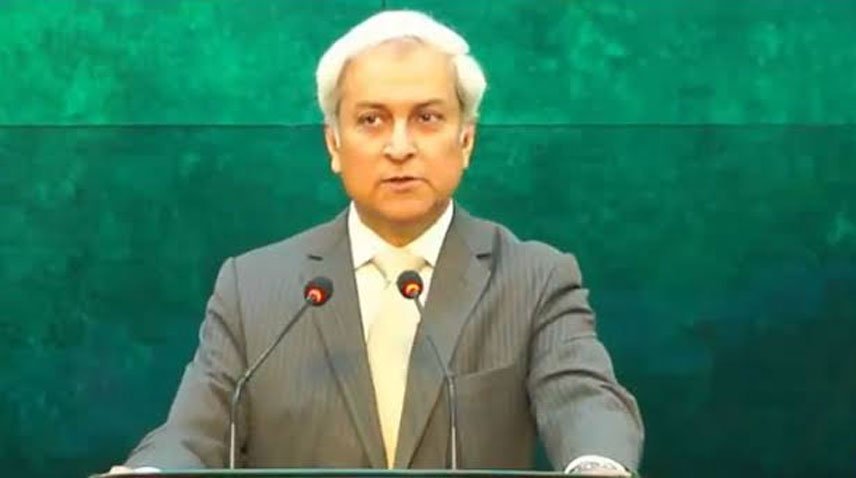
ISLAMABAD — Pakistan has firmly rejected a statement issued by India’s Ministry of External Affairs concerning its counterterrorism actions in Afghanistan. The Pakistani government described the Indian claims as unfounded and reiterated its dedication to maintaining national security in line with international law. What Happened On Wednesday, Pakistan’s Foreign Office responded to a statement from India’s Ministry of External Affairs that criticized Pakistan’s alleged activities related to terrorist infrastructure in Afghanistan. The Indian statement suggested that Pakistan was not taking adequate measures to dismantle terrorist networks operating from Afghan soil. In a swift rebuttal, Pakistan’s Foreign Office labeled the Indian assertions as baseless and politically motivated. Pakistan emphasized its ongoing efforts to combat terrorism, highlighting its commitment to international obligations and cooperation with global partners. “Pakistan remains steadfast in its resolve to combat terrorism in all its forms and manifestations,” stated a spokesperson from the Foreign Office. The spokesperson further underscored Pakistan’s contributions to regional peace and stability, particularly in relation to Afghanistan. The tension between the two countries has been exacerbated by differing perspectives on the situation in Afghanistan, especially following the Taliban’s return to power in August 2021. Pakistan has been actively involved in facilitating peace efforts and humanitarian assistance in Afghanistan, while India has expressed concerns over security threats emanating from the region. Background Relations between Pakistan and India have been historically tense, with both countries frequently at odds over various geopolitical issues, including Kashmir and cross-border terrorism. The latest exchange of statements is part of a broader pattern of diplomatic sparring that has persisted for decades. In recent years, Afghanistan has become a focal point of contention, with both nations vying for influence in the war-torn country. Pakistan shares a long and porous border with Afghanistan and has been directly affected by the instability in the region. Conversely, India has invested in development projects in Afghanistan and seeks to limit Pakistan’s influence there. Internationally, Pakistan has been recognized for its efforts to combat terrorism, having suffered significant casualties and economic losses due to terrorist activities within its borders. The country has been part of various international coalitions and has received support from the United States and other Western nations in its counterterrorism initiatives. Why It Matters The exchange of statements between Pakistan and India is significant as it reflects the ongoing geopolitical rivalry in South Asia, with Afghanistan at the center of the dispute. The stability of Afghanistan is crucial not only for regional peace but also for global security, given the potential for terrorist networks to exploit any power vacuums. For Pakistan, maintaining a stable Afghanistan is vital for its national security and economic interests. The country has hosted millions of Afghan refugees and continues to face challenges related to cross-border terrorism. A peaceful Afghanistan would facilitate trade and connectivity projects, benefiting Pakistan’s economy. India, on the other hand, is concerned about the security implications of a Taliban-led Afghanistan, fearing that it might become a safe haven for anti-India terrorist groups. India’s strategic interests in Afghanistan are driven by its desire to counter Pakistan’s influence and ensure that its investments in Afghan infrastructure and development are protected. The international community is closely monitoring the situation, as any escalation in tensions between Pakistan and India could have broader implications for regional stability. Both countries are nuclear-armed, and their rivalry has the potential to disrupt peace efforts in Afghanistan and beyond. Key Takeaways Pakistan rejected India’s statement on its counterterrorism actions in Afghanistan as baseless. The exchange highlights ongoing tensions between the two nuclear-armed neighbors. Afghanistan remains a key area of geopolitical rivalry between Pakistan and India. Stability in Afghanistan is crucial for regional and global security. The international community is concerned about the potential escalation of tensions. Source Attribution This article is based on official government statements, press releases, and public communications from relevant authorities. Author: NEN Editorial Desk | Editor: NEN Newsroom | Fact Checked By: NEN Editorial Team Author: NEN Editorial Desk  |  Editor: NEN Newsroom  |  Last Updated: July 01, 2026  |  Source: NEN Reporter This article was produced by the NEN Editorial Desk in accordance with NEN Agency’s Editorial Policy and Fact-Checking Policy.

World

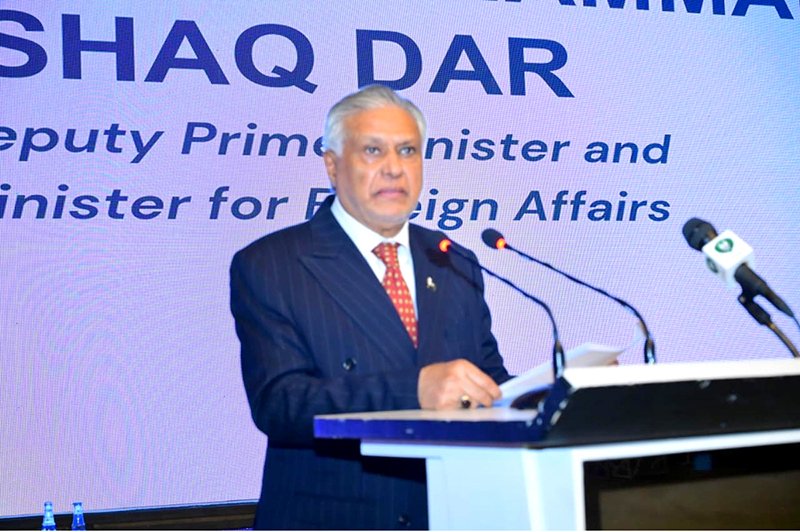
President Zardari Congratulates Canada on National Day, Highlights Strong Bilateral Ties

ISLAMABAD — President Asif Ali Zardari extended his heartfelt congratulations to the Canadian leadership and citizens on their National Day, celebrated on July 1. In a statement issued on Wednesday, President Zardari emphasized the enduring and friendly relations between Pakistan and Canada, which are built on mutual respect, shared interests, and robust people-to-people connections. What Happened President Asif Ali Zardari reached out to the Governor General of Canada, Louise Arbour, and the Canadian populace to express his felicitations on the occasion of Canada’s National Day. This annual celebration marks a significant event in Canada, commemorating the country’s history and achievements. President Zardari’s message underscored the deep-rooted ties between Pakistan and Canada, highlighting the mutual respect and shared interests that have long defined their relationship. In his statement, President Zardari expressed optimism about the future of bilateral cooperation between the two nations. He noted that areas such as trade, investment, higher education, and collaboration in international forums present opportunities for further strengthening the partnership. “Pakistan highly values its long-standing and friendly relations with Canada,” he stated, reaffirming the commitment to expanding these ties. The President’s message comes at a time when global cooperation and international relations are crucial for addressing shared challenges and fostering economic growth. By highlighting the potential for increased collaboration, President Zardari aims to encourage a closer partnership that benefits both countries. Background Pakistan and Canada have enjoyed a long-standing relationship that dates back to the early years of Pakistan’s independence. Diplomatic relations were formally established in 1947, and since then, the two countries have engaged in various forms of cooperation. Canada has been a significant partner for Pakistan in areas such as development aid, education, and trade. Historically, Canada has provided support to Pakistan through development assistance programs, focusing on areas like education, health, and infrastructure. Additionally, the Pakistani diaspora in Canada has played a vital role in bridging the cultural and economic ties between the two nations, contributing to the multicultural fabric of Canadian society. Why It Matters The strengthening of Pakistan-Canada relations holds significant economic, social, and political implications. Economically, enhanced trade and investment opportunities can lead to job creation and economic growth in both countries. Canada is known for its advanced technology and innovation sectors, which can complement Pakistan’s growing industries, fostering mutual benefits. Socially, the collaboration in higher education can lead to increased academic exchanges and research partnerships, enriching the educational landscape in both countries. Pakistani students studying in Canada can gain valuable skills and knowledge, contributing to Pakistan’s development upon their return. Politically, a strong partnership with Canada can bolster Pakistan’s position in international forums, allowing for greater influence on global issues such as climate change, security, and human rights. As both countries navigate complex geopolitical landscapes, a united front can enhance their ability to address shared challenges. Furthermore, the emphasis on people-to-people ties underscores the importance of cultural exchange and understanding, fostering goodwill and cooperation at the grassroots level. This aspect of the relationship is crucial for building a sustainable and enduring partnership. Key Takeaways President Zardari congratulated Canada on its National Day, highlighting strong bilateral relations. The relationship between Pakistan and Canada is founded on mutual respect and shared interests. Opportunities for cooperation exist in trade, investment, education, and international forums. Strengthening ties with Canada can have significant economic, social, and political benefits for Pakistan. The Pakistani diaspora in Canada plays a vital role in bridging cultural and economic connections. Source Attribution This article is based on official government statements and public communications from relevant authorities. Author: NEN Editorial Desk | Editor: NEN Newsroom | Fact Checked By: NEN Editorial Team Author: NEN Editorial Desk  |  Editor: NEN Newsroom  |  Last Updated: July 01, 2026  |  Source: Press Release from Government of Pakistan This article was produced by the NEN Editorial Desk in accordance with NEN Agency’s Editorial Policy and Fact-Checking Policy.
World

Pakistan’s Economy Maintains Recovery Amid Global Challenges, Says Ahsan Iqbal

ISLAMABAD — Pakistan’s economy has demonstrated resilience and continued on its recovery trajectory during the fiscal year 2025-26, despite facing numerous internal and external challenges. Federal Minister for Planning, Development and Special Initiatives, Professor Ahsan Iqbal, highlighted these developments on Tuesday, underscoring the nation’s efforts to stabilize its economic framework amidst global uncertainties. What Happened During a press briefing, Federal Minister Ahsan Iqbal detailed the economic progress Pakistan has made in the face of significant challenges. He noted that the country has managed to sustain its recovery path despite adverse conditions such as devastating floods, global trade tensions, and the ongoing Middle East crisis. According to Iqbal, these factors posed substantial hurdles, yet Pakistan’s economy showed signs of stability. Iqbal emphasized the government’s commitment to implementing strategic initiatives aimed at bolstering economic growth. He stated, “Our government has been focused on structural reforms and fiscal policies that support economic resilience and growth, ensuring that Pakistan remains on a stable recovery path.” The minister also highlighted the importance of international partnerships and trade agreements in mitigating the impact of global economic pressures. Furthermore, Iqbal pointed out that despite the challenges, there have been positive indicators in various sectors, including agriculture and manufacturing, which have contributed to the overall economic recovery. He mentioned that the government’s focus on infrastructure development and energy projects has played a critical role in sustaining economic momentum. Background Pakistan’s economy has faced numerous challenges over the past few years, exacerbated by natural disasters and geopolitical tensions. The floods that hit the country in recent years have caused significant damage to infrastructure and agriculture, impacting economic stability. Additionally, global trade tensions and the Middle East crisis have further strained the economic environment, affecting trade and investment flows. In response to these challenges, the Pakistani government has been working on various policy measures to stabilize the economy. These include fiscal consolidation efforts, structural reforms, and initiatives to enhance export competitiveness. The government has also been seeking to strengthen its ties with international financial institutions to secure support for its economic recovery plans. Why It Matters The resilience of Pakistan’s economy amidst global challenges is significant for several reasons. Economically, maintaining a recovery trajectory is crucial for ensuring sustainable growth and improving the living standards of citizens. The government’s ability to navigate through external pressures and internal disruptions reflects its commitment to economic stability and development. Socially, a stable economy can lead to job creation and poverty reduction, directly impacting the livelihoods of millions of Pakistanis. As the country continues to recover, it can allocate more resources towards social welfare programs, education, and healthcare, thereby enhancing the quality of life for its population. Politically, economic stability is essential for maintaining public confidence in the government’s ability to manage the country’s affairs. A recovering economy can bolster the government’s standing both domestically and internationally, enabling it to pursue strategic partnerships and investments that further support national development goals. On an international level, Pakistan’s economic recovery can contribute to regional stability. As a key player in South Asia, Pakistan’s economic health has implications for trade and economic cooperation in the region. A stable and growing economy can foster stronger ties with neighboring countries and contribute to broader regional prosperity. Key Takeaways Pakistan’s economy has remained on a recovery path during FY2025-26 despite global and internal challenges. Federal Minister Ahsan Iqbal emphasized the government’s focus on structural reforms and fiscal policies to sustain economic growth. Challenges such as floods, global trade tensions, and the Middle East crisis have been significant, yet the economy showed resilience. Positive indicators in agriculture and manufacturing sectors have contributed to the economic recovery. Economic stability is crucial for social welfare, political confidence, and regional cooperation. Source Attribution This article is based on official government statements, press releases, and public communications from relevant authorities. Author: NEN Editorial Desk | Editor: NEN Newsroom | Fact Checked By: NEN Editorial Team Author: NEN Editorial Desk  |  Editor: NEN Newsroom  |  Last Updated: June 30, 2026  |  Source: NEN Reporter This article was produced by the NEN Editorial Desk in accordance with NEN Agency’s Editorial Policy and Fact-Checking Policy.
World

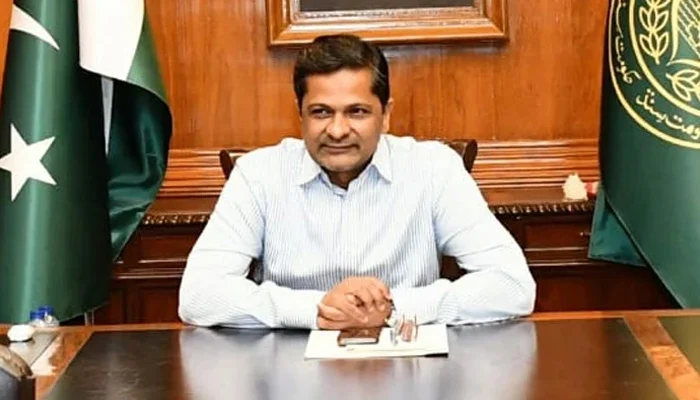
Ishaq Dar Addresses Seminar on Indus Waters Treaty 2026 in Islamabad

ISLAMABAD — Deputy Prime Minister and Minister for Foreign Affairs, Senator Mohammad Ishaq Dar, delivered the keynote address at the International Seminar on the Indus Waters Treaty (IWT) 2026, held in Islamabad on June 30. The event was jointly organized by the Ministry of Information & Broadcasting (MoIB) and the Institute of Regional Studies (IRS) to discuss the future and implications of the treaty. What Happened The seminar, focusing on the Indus Waters Treaty 2026, brought together key government officials, experts, and stakeholders to deliberate on the treaty’s upcoming renegotiation and its impact on regional water management. Senator Mohammad Ishaq Dar, in his keynote address, emphasized the importance of the treaty in maintaining peace and cooperation between Pakistan and India. He stated, “The Indus Waters Treaty is a cornerstone of our bilateral relations with India, and it is imperative that we approach its renegotiation with a spirit of collaboration and mutual benefit.” The event also featured speeches from other prominent figures, including Federal Minister for Information and Broadcasting, Mr. Attaullah Tarar, who delivered the inaugural address, and Federal Minister for Climate Change, Musadik Masood Malik, who highlighted the environmental implications of the treaty. Discussions at the seminar covered a range of topics, including water resource management, climate change impacts, and the legal frameworks governing transboundary water agreements. Background The Indus Waters Treaty, brokered by the World Bank and signed in 1960, is an agreement between India and Pakistan that governs the use of waters from the Indus River and its tributaries. The treaty allocates the waters of three eastern rivers—the Beas, Ravi, and Sutlej—to India, while the waters of the three western rivers—the Indus, Chenab, and Jhelum—are allocated to Pakistan. Despite geopolitical tensions, the treaty has endured for over six decades, serving as a rare example of cooperation between the two nations. As the treaty approaches its renegotiation phase in 2026, both countries face new challenges, including increased water demand due to population growth, climate change-induced variability in water supply, and the need for sustainable water management practices. Why It Matters The renegotiation of the Indus Waters Treaty is of significant importance to both Pakistan and India, as it will shape the future of water resource management in the region. Water scarcity is a growing concern in South Asia, with both countries experiencing increasing demand for water in agriculture, industry, and domestic use. The treaty’s renegotiation offers an opportunity to address these challenges and ensure equitable and sustainable water distribution. For Pakistan, the treaty is crucial for agricultural productivity and food security, as the Indus River system is the backbone of the country’s irrigation network. Any changes to the treaty’s provisions could have far-reaching implications for Pakistan’s economy and its ability to meet the water needs of its population. Internationally, the treaty serves as a model for transboundary water cooperation, demonstrating how countries with shared water resources can work together to manage them peacefully. The outcome of the 2026 renegotiation will be closely watched by other nations facing similar challenges, potentially influencing global water diplomacy. Key Takeaways Senator Mohammad Ishaq Dar emphasized the importance of the Indus Waters Treaty for bilateral relations between Pakistan and India. The seminar addressed key issues such as water resource management and climate change impacts. The Indus Waters Treaty, signed in 1960, is a critical agreement governing water distribution between the two nations. Renegotiation of the treaty in 2026 presents opportunities and challenges for sustainable water management. The treaty’s outcome will have significant implications for regional and global water diplomacy. Source Attribution This article is based on official government statements, press releases, and public communications from relevant authorities. Author: NEN Editorial Desk | Editor: NEN Newsroom | Fact Checked By: NEN Editorial Team Author: NEN Editorial Desk  |  Editor: NEN Newsroom  |  Last Updated: June 30, 2026  |  Source: Press Release from Government of Pakistan This article was produced by the NEN Editorial Desk in accordance with NEN Agency’s Editorial Policy and Fact-Checking Policy.

World

Karachi Completes Fire Safety Survey of Over 800 Commercial Buildings

KARACHI — The comprehensive survey of more than 800 shopping malls, commercial buildings, and major government facilities in Karachi has been completed as part of an ongoing fire safety audit. This initiative, aimed at enhancing fire safety measures across the city, was reviewed in a meeting chaired by Commissioner Karachi on Tuesday. What Happened The meeting, which included Deputy Commissioners, Assistant Commissioners, and other key officials, assessed the progress of the fire safety audit. A mobile application has been developed to record detailed information on fire safety measures for all surveyed buildings. Commissioner Karachi emphasized the need to expedite the remaining surveys, directing Deputy Commissioners to ensure swift completion. Plans are underway to create separate dashboards for the Sindh Building Control Authority (SBCA) and the Association of Builders and Developers (ABAD) to upload comprehensive details of all buildings included in the audit. These dashboards will also feature completion plans for all commercial shopping malls, facilitating timely emergency responses. SBCA officials assured that building completion plans would be uploaded in phases. The audit will also extend to shopping plazas and commercial buildings within cantonment areas, with details uploaded to the portal. Fire safety audit committees, under the supervision of Assistant Commissioners, will guide cantonment boards in completing surveys within their jurisdictions promptly. The meeting also highlighted the need for comprehensive training programs for building staff, conducted by Civil Defence, Rescue 1122, and the Fire Safety Department. Training manuals will be made available on the fire safety audit dashboard. Notices have been issued to buildings failing to meet fire safety standards, urging management to rectify deficiencies promptly. Background Fire safety has been a critical concern in Karachi, a city that has witnessed several devastating fires in the past. The Sindh Building Control Authority, alongside other regulatory bodies, has been working to enforce stringent fire safety regulations. Previous incidents, such as the Baldia Town factory fire in 2012, which resulted in significant loss of life, have underscored the urgent need for robust fire safety measures. The current audit is part of a broader initiative to ensure compliance with fire safety standards across all commercial and government buildings. This initiative aligns with national safety protocols and international best practices. Why It Matters The completion of the fire safety survey in Karachi is a significant step towards safeguarding lives and property in one of Pakistan’s largest cities. With over 800 buildings surveyed, the initiative aims to prevent tragedies similar to past incidents. The development of a mobile application and dashboards for real-time data management represents a modern approach to fire safety management. Economically, ensuring fire safety compliance can prevent costly damages and disruptions to businesses. Socially, it enhances public confidence in the safety of commercial spaces, encouraging more people to engage in economic activities without fear. Politically, the initiative demonstrates the government’s commitment to public safety and regulatory enforcement. Internationally, this effort aligns with global safety standards, potentially attracting foreign investment by showcasing Karachi as a city committed to modern safety practices. It also sets a precedent for other cities in Pakistan to follow, promoting a nationwide culture of safety and preparedness. Key Takeaways Over 800 commercial and government buildings in Karachi have been surveyed for fire safety compliance. A mobile application and dashboards will manage fire safety data and facilitate emergency responses. Training programs for building staff are part of the initiative to enhance fire safety measures. The audit extends to cantonment areas, ensuring comprehensive coverage across the city. Buildings failing to meet safety standards have been issued notices to rectify deficiencies. Source Attribution This article is based on official government statements, press releases, and public communications from relevant authorities. Author: NEN Editorial Desk | Editor: NEN Newsroom | Fact Checked By: NEN Editorial Team Author: NEN Editorial Desk  |  Editor: NEN Newsroom  |  Last Updated: June 30, 2026  |  Source: Press Release from Government of Pakistan This article was produced by the NEN Editorial Desk in accordance with NEN Agency’s Editorial Policy and Fact-Checking Policy.

World

State Bank Of Pakistan Injects Rs 10.5 Trillion Into Market

KARACHI — The State Bank of Pakistan (SBP) injected Rs 10.5 trillion into the financial market through a Reverse Repo Purchase Open Market Operation (OMO) on June 30, 2026. This move aims to maintain liquidity in the banking system amid ongoing economic challenges. What Happened The SBP conducted a Reverse Repo Purchase OMO for a three-day tenor, providing Rs 10,500 billion to the market. This substantial injection is part of the central bank’s efforts to ensure sufficient liquidity in the financial system, thereby facilitating smooth financial operations and stability. The operation was carried out on June 30, 2026, and targeted to address immediate liquidity needs within the banking sector. The Reverse Repo Purchase is a common monetary policy tool used by central banks to manage short-term liquidity in the banking system. By injecting funds, the SBP aims to prevent liquidity shortages that could disrupt financial transactions and economic activities. The operation reflects the SBP’s proactive approach in responding to the liquidity demands of the market. According to a statement from the SBP, the injection was necessary to support the financial system’s stability, especially considering the economic pressures and uncertainties faced by Pakistan. The central bank has been actively monitoring the market conditions to ensure that liquidity levels are adequate to meet the demands of the economy. Background Open Market Operations (OMOs) are a key instrument in the SBP’s monetary policy toolkit, used to regulate the money supply and influence short-term interest rates. The SBP regularly conducts OMOs to manage liquidity in the banking system, which is crucial for the effective transmission of monetary policy. Historically, the SBP has utilized OMOs during periods of economic stress to inject or absorb liquidity as needed. This helps in maintaining the stability of the financial system and supports economic growth by ensuring that banks have the necessary funds to lend to businesses and consumers. In recent years, Pakistan’s economy has faced several challenges, including inflationary pressures, exchange rate volatility, and fiscal deficits. The SBP’s monetary policy measures, including OMOs, are designed to address these challenges by stabilizing the financial system and supporting economic recovery. Why It Matters The injection of Rs 10.5 trillion into the market is significant for several reasons. Firstly, it highlights the SBP’s commitment to maintaining financial stability in the face of economic uncertainties. By ensuring adequate liquidity, the central bank aims to prevent disruptions in financial transactions and support economic activities. Secondly, this move is crucial for the banking sector, which relies on central bank liquidity to meet its short-term funding needs. The injection helps banks manage their daily operations more efficiently, ensuring that they can continue to provide loans and other financial services to businesses and consumers. Economically, the SBP’s action is expected to have a stabilizing effect on interest rates, which can influence borrowing costs for businesses and households. Lower borrowing costs can stimulate investment and consumption, contributing to economic growth. On a broader scale, the SBP’s proactive liquidity management is essential for maintaining investor confidence in Pakistan’s financial markets. By demonstrating its ability to manage liquidity effectively, the SBP can help attract foreign investment, which is vital for the country’s economic development. Key Takeaways The State Bank of Pakistan injected Rs 10.5 trillion into the market through a Reverse Repo Purchase OMO. The operation aimed to maintain liquidity in the banking system amid economic challenges. OMOs are a key tool in the SBP’s monetary policy for managing money supply and interest rates. The liquidity injection is crucial for supporting financial stability and economic growth. The SBP’s actions are expected to stabilize interest rates and boost investor confidence. Source Attribution This article is based on official government statements, press releases, and public communications from relevant authorities. Author: NEN Editorial Desk | Editor: NEN Newsroom | Fact Checked By: NEN Editorial Team Author: NEN Editorial Desk  |  Editor: NEN Newsroom  |  Last Updated: June 30, 2026  |  Source: NEN Reporter This article was produced by the NEN Editorial Desk in accordance with NEN Agency’s Editorial Policy and Fact-Checking Policy.

Scroll to Top