
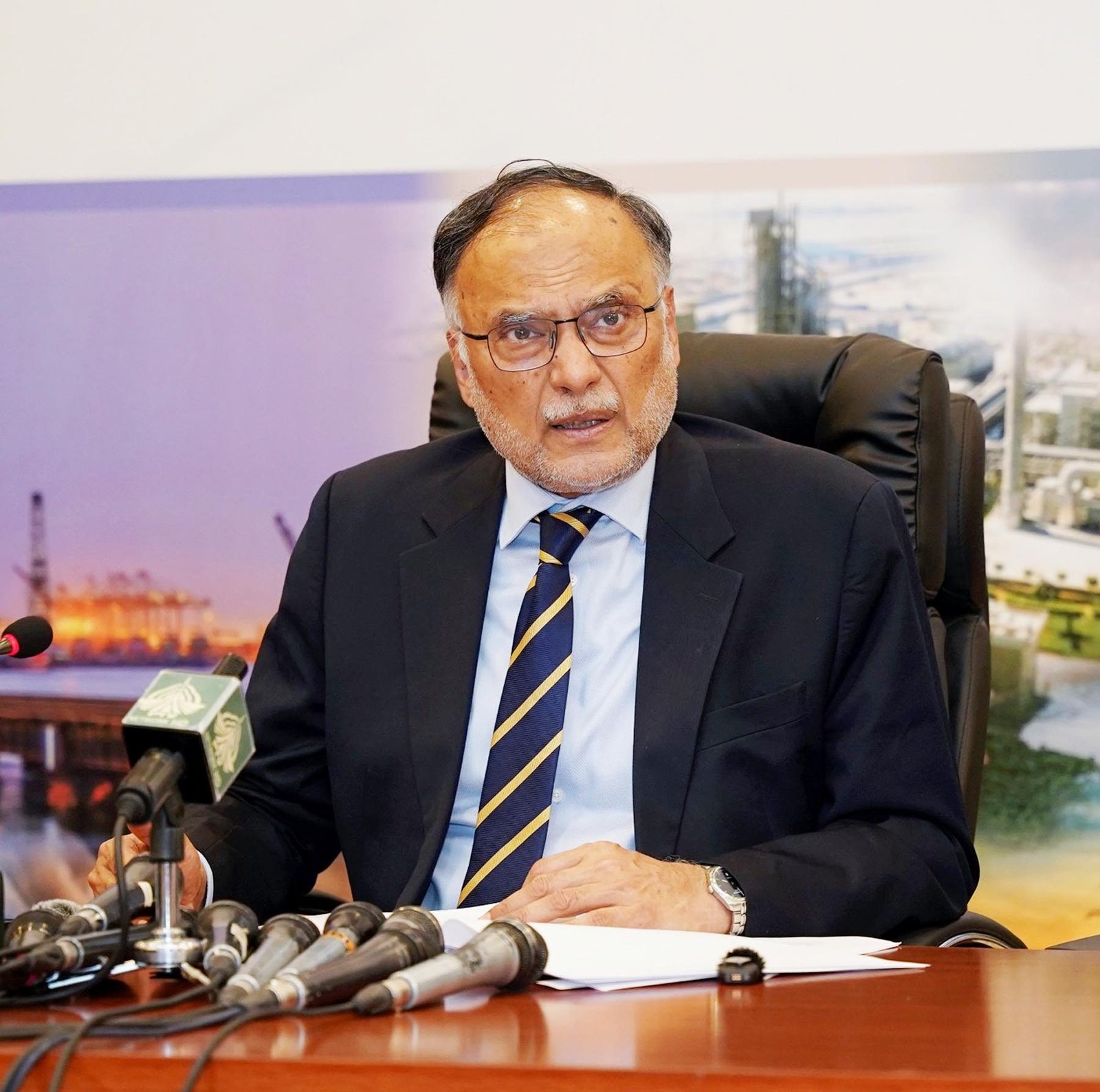
ISLAMABAD — Pakistan’s economy has demonstrated resilience and continued on its recovery trajectory during the fiscal year 2025-26, despite facing numerous internal and external challenges. Federal Minister for Planning, Development and Special Initiatives, Professor Ahsan Iqbal, highlighted these developments on Tuesday, underscoring the nation’s efforts to stabilize its economic framework amidst global uncertainties.
What Happened
During a press briefing, Federal Minister Ahsan Iqbal detailed the economic progress Pakistan has made in the face of significant challenges. He noted that the country has managed to sustain its recovery path despite adverse conditions such as devastating floods, global trade tensions, and the ongoing Middle East crisis. According to Iqbal, these factors posed substantial hurdles, yet Pakistan’s economy showed signs of stability.
Iqbal emphasized the government’s commitment to implementing strategic initiatives aimed at bolstering economic growth. He stated, “Our government has been focused on structural reforms and fiscal policies that support economic resilience and growth, ensuring that Pakistan remains on a stable recovery path.” The minister also highlighted the importance of international partnerships and trade agreements in mitigating the impact of global economic pressures.
Furthermore, Iqbal pointed out that despite the challenges, there have been positive indicators in various sectors, including agriculture and manufacturing, which have contributed to the overall economic recovery. He mentioned that the government’s focus on infrastructure development and energy projects has played a critical role in sustaining economic momentum.
Background
Pakistan’s economy has faced numerous challenges over the past few years, exacerbated by natural disasters and geopolitical tensions. The floods that hit the country in recent years have caused significant damage to infrastructure and agriculture, impacting economic stability. Additionally, global trade tensions and the Middle East crisis have further strained the economic environment, affecting trade and investment flows.
In response to these challenges, the Pakistani government has been working on various policy measures to stabilize the economy. These include fiscal consolidation efforts, structural reforms, and initiatives to enhance export competitiveness. The government has also been seeking to strengthen its ties with international financial institutions to secure support for its economic recovery plans.
Why It Matters
The resilience of Pakistan’s economy amidst global challenges is significant for several reasons. Economically, maintaining a recovery trajectory is crucial for ensuring sustainable growth and improving the living standards of citizens. The government’s ability to navigate through external pressures and internal disruptions reflects its commitment to economic stability and development.
Socially, a stable economy can lead to job creation and poverty reduction, directly impacting the livelihoods of millions of Pakistanis. As the country continues to recover, it can allocate more resources towards social welfare programs, education, and healthcare, thereby enhancing the quality of life for its population.
Politically, economic stability is essential for maintaining public confidence in the government’s ability to manage the country’s affairs. A recovering economy can bolster the government’s standing both domestically and internationally, enabling it to pursue strategic partnerships and investments that further support national development goals.
On an international level, Pakistan’s economic recovery can contribute to regional stability. As a key player in South Asia, Pakistan’s economic health has implications for trade and economic cooperation in the region. A stable and growing economy can foster stronger ties with neighboring countries and contribute to broader regional prosperity.
Key Takeaways
- Pakistan’s economy has remained on a recovery path during FY2025-26 despite global and internal challenges.
- Federal Minister Ahsan Iqbal emphasized the government’s focus on structural reforms and fiscal policies to sustain economic growth.
- Challenges such as floods, global trade tensions, and the Middle East crisis have been significant, yet the economy showed resilience.
- Positive indicators in agriculture and manufacturing sectors have contributed to the economic recovery.
- Economic stability is crucial for social welfare, political confidence, and regional cooperation.
Source Attribution
This article is based on official government statements, press releases, and public communications from relevant authorities.














