
World

Welcome to the World section of NEN Agency, your window to the stories shaping our planet. From global politics and economic shifts to science breakthroughs, cultural moments, and humanitarian crises, we connect you to events that matter — wherever they happen.

Inside This Category

  • Global Politics & Diplomacy: International relations, summits, and policy shifts.

  • World Economy & Trade: Market trends, trade agreements, and financial developments.

  • Conflicts & Security: Coverage of wars, peace efforts, and security challenges.

  • Science & Environment: Climate change, technological advances, and space exploration.

  • Culture & Society: Arts, sports, and lifestyle stories from around the globe.

Why Our World Coverage Stands Out
We deliver global news with context, helping readers see how events beyond borders influence life in Pakistan and the wider region.

Pakistan Intensifies Diplomatic Efforts at UNSC to Resolve US-Iran Tensions
World

Pakistan Intensifies Diplomatic Efforts at UNSC to Resolve US-Iran Tensions

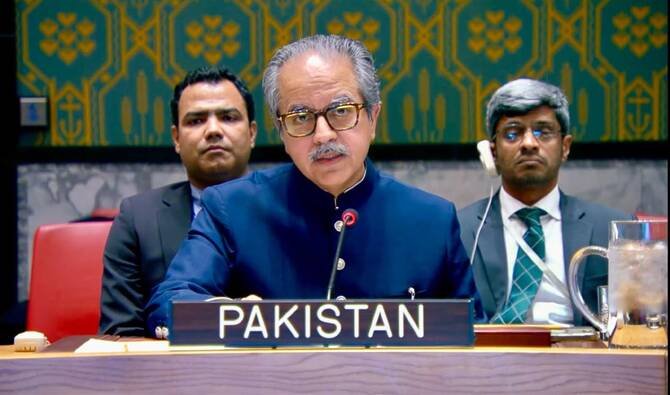
UNITED NATIONS — Pakistan has announced an intensification of its diplomatic efforts to mediate between the United States and Iran, aiming to resolve ongoing tensions in the Middle East. This announcement was made during an emergency meeting of the United Nations Security Council (UNSC) on Thursday, where Pakistan emphasized its commitment to facilitating the implementation of the Islamabad Memorandum of Understanding (MoU) between the two nations. What Happened During the UNSC meeting, Pakistan’s representative highlighted the country’s proactive approach in engaging with both regional and international stakeholders. The goal is to ensure the successful follow-up and implementation of the Islamabad MoU, which was designed to de-escalate the conflict between the US and Iran. The MoU, a diplomatic initiative spearheaded by Pakistan, outlines a framework for dialogue and cooperation between the two countries. Pakistan’s ambassador to the UN stated, “We are committed to playing a constructive role in promoting peace and stability in the Middle East. Our diplomatic channels are actively engaged with both the United States and Iran, as well as other key regional players, to ensure the success of the Islamabad MoU.” The ambassador further elaborated on the importance of multilateral efforts in addressing the complex geopolitical issues that have fueled tensions in the region. The UNSC meeting was convened in response to the rising hostilities between the US and Iran, which have raised concerns about the potential for a broader conflict in the Middle East. Pakistan’s intervention is seen as a crucial step in bridging the communication gap between the two countries and fostering a diplomatic resolution. Background The tensions between the United States and Iran have been a persistent issue in international relations, exacerbated by a series of events including the US withdrawal from the Joint Comprehensive Plan of Action (JCPOA) in 2018 and subsequent sanctions on Iran. These actions have led to increased hostilities, including military confrontations and economic disruptions. Pakistan, due to its strategic location and historical ties with both the US and Iran, has often found itself in a unique position to act as a mediator. The Islamabad MoU, introduced earlier this year, represents a formal effort by Pakistan to leverage its diplomatic relationships to foster dialogue and reduce tensions. Why It Matters The diplomatic engagement by Pakistan is significant for several reasons. Economically, the stability of the Middle East is crucial for global oil markets, and any escalation in US-Iran tensions could lead to disruptions in oil supply, affecting global prices and economic stability. For Pakistan, maintaining regional stability is essential for its own economic interests, given its reliance on Middle Eastern oil imports. Politically, Pakistan’s role as a mediator enhances its standing on the international stage, showcasing its ability to contribute to global peace efforts. This could lead to strengthened diplomatic ties with both Western and Middle Eastern countries, potentially opening up new avenues for economic and political cooperation. On a social level, the resolution of US-Iran tensions could lead to a reduction in regional conflicts that have displaced millions and strained resources in neighboring countries, including Pakistan. A peaceful resolution would contribute to regional stability, benefiting not only the immediate parties involved but also the broader international community. Key Takeaways Pakistan is actively mediating between the US and Iran to implement the Islamabad MoU. The UNSC meeting highlighted Pakistan’s diplomatic efforts to resolve Middle East tensions. The US-Iran conflict has significant economic and political implications globally. Pakistan’s mediation enhances its international diplomatic standing. Stability in the Middle East is crucial for global oil market stability. Source Attribution This article is based on official government statements, press releases, and public communications from relevant authorities. Author: NEN Editorial Desk | Editor: NEN Newsroom | Fact Checked By: NEN Editorial Team Author: NEN Editorial Desk  |  Editor: NEN Newsroom  |  Last Updated: July 02, 2026  |  Source: NEN Reporter This article was produced by the NEN Editorial Desk in accordance with NEN Agency’s Editorial Policy and Fact-Checking Policy.
Glasgow 2026 Commonwealth Games: 3×3 Basketball Schedule Announced
World

Glasgow 2026 Commonwealth Games: 3×3 Basketball Schedule Announced

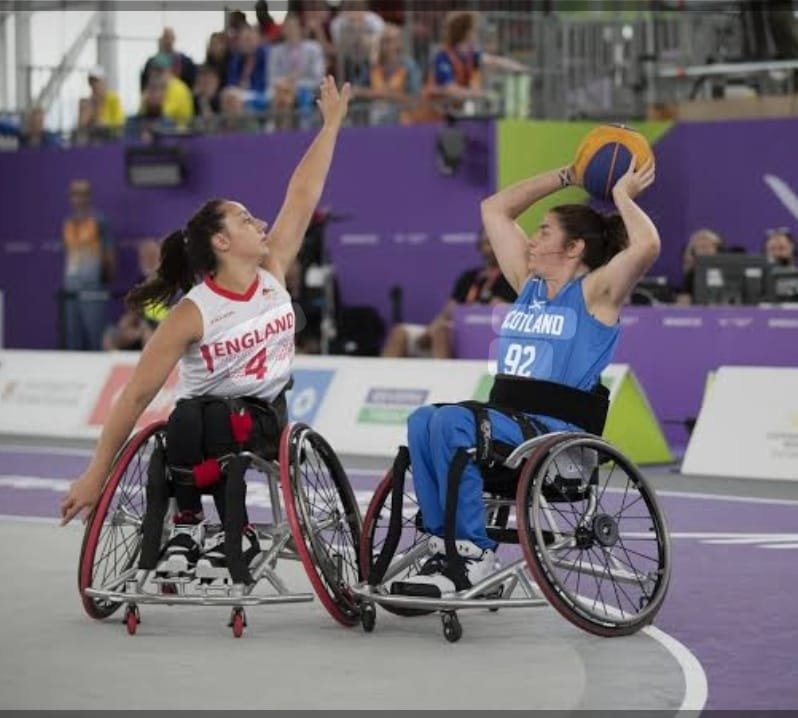
GLASGOW — The match schedule for the 3×3 Basketball and 3×3 Wheelchair Basketball competitions at the Glasgow 2026 Commonwealth Games has been officially unveiled. This announcement sets the stage for thrilling contests between top contenders, including England and Australia, from the outset of the tournament. What Happened The schedule for the 3×3 Basketball events at the Glasgow 2026 Commonwealth Games, slated for July 24 to July 29 at the SEC Centre, has been released. The format, known for its fast pace and urban festival atmosphere, involves a half-court setup, a 12-second shot clock, and a 10-minute game limit unless a team scores 21 points first to secure an automatic win. The competition will feature 12 nations in the men’s and women’s categories and eight nations per gender in the wheelchair tournaments, unfolding over 13 sessions. England and Australia, both historical powerhouses in the sport, are set to meet early in the tournament. England’s men’s running team, led by Jamell Anderson, aims to defend its title, while Australia’s men’s wheelchair team returns as reigning champions. Host nation Scotland will face Guyana in their opening match, followed by a significant clash with Australia. The women’s running category promises an exciting encounter between England and Scotland. In the wheelchair basketball segment, rematches of the Birmingham 2022 finals are anticipated, with Australia’s and Canada’s men’s and women’s squads set to compete again. Scotland is participating in all four events, with notable athletes like Kyle Jimenez and Fraser Malcolm making their third Games appearance. Background The 3×3 Basketball format was introduced to the Commonwealth Games in Birmingham 2022, where Canada emerged as a dominant force, winning gold in the women’s running and wheelchair events. England and Australia also performed strongly, capturing multiple medals. The sport’s inclusion in the Commonwealth Games reflects its growing global popularity and appeal. The Glasgow 2026 Games aim to build on the success of previous editions, with an expanded field of competitors and a focus on inclusivity and diversity. The SEC Centre, a prominent venue in Glasgow, will host the basketball events, providing a vibrant backdrop for the competition. Why It Matters The release of the match schedule for the Glasgow 2026 Commonwealth Games is significant for several reasons. Economically, the event is expected to boost tourism and local businesses in Glasgow, drawing spectators from around the world. Socially, the Games promote inclusivity, with the wheelchair basketball events highlighting the athletic prowess of differently-abled athletes. Politically, the Games offer a platform for nations to showcase their sporting talents and foster international camaraderie. The participation of debutant nations underscores the expanding reach of the Commonwealth Games and the sport of 3×3 Basketball. For host nation Scotland, the Games present an opportunity to demonstrate their organizational capabilities and enthusiasm for sports. Furthermore, the competition serves as a stage for athletes to achieve personal and national glory, with medal-winning performances enhancing their careers and inspiring future generations. The intense rivalries, particularly between England, Australia, and Canada, add an extra layer of excitement and anticipation for fans. Key Takeaways The Glasgow 2026 Commonwealth Games will feature 3×3 Basketball and Wheelchair Basketball events from July 24 to July 29. Top contenders England and Australia are set for early clashes, promising thrilling matches. The Games promote inclusivity with expanded participation in both running and wheelchair categories. Scotland, as the host nation, aims to capitalize on the event’s economic and social benefits. The competition highlights the growing global appeal of 3×3 Basketball. Source Attribution The article is based on official government statements, press releases, and public communications from relevant authorities. Author: NEN Editorial Desk | Editor: NEN Newsroom | Fact Checked By: NEN Editorial Team Author: NEN Editorial Desk  |  Editor: NEN Newsroom  |  Last Updated: July 02, 2026  |  Source: NEN Reporter This article was produced by the NEN Editorial Desk in accordance with NEN Agency’s Editorial Policy and Fact-Checking Policy.
PHF Secures PKR 400 Million, Ensures Global Event Participation
World

PHF Secures PKR 400 Million, Ensures Global Event Participation

ISLAMABAD — The Pakistan Hockey Federation (PHF) has announced a significant financial boost, with funds reaching PKR 400 million, ensuring the national hockey team’s participation in upcoming international events. Mohyuddin Wani, Federal Secretary for Inter-Provincial Coordination and President of the PHF, confirmed this development, emphasizing efforts to revive the national sport. What Happened The PHF has secured a substantial increase in funding, amounting to PKR 400 million, aimed at revitalizing Pakistan’s hockey scene and ensuring the national team’s presence in global competitions. Mohyuddin Wani, who leads the federation, stated that this financial injection is pivotal for the sport’s growth and the team’s competitive readiness on the international stage. Wani highlighted the federation’s commitment to utilizing these funds effectively to enhance training facilities, support player development, and cover expenses related to international participation. “We are dedicated to bringing Pakistan hockey back to its former glory,” Wani asserted, underscoring the federation’s strategic plan to leverage the funds for maximum impact. The financial boost comes at a critical time as the national team prepares for several key tournaments. The allocation is expected to cover travel, accommodation, and other logistical needs, ensuring the team can compete without financial constraints. This marks a significant turnaround for the PHF, which has faced financial challenges in recent years, affecting its ability to participate in international events. Background Pakistan hockey, once a dominant force on the global stage, has seen a decline over the past few decades. The national team, which has won three Olympic gold medals and four World Cups, has struggled to maintain its competitive edge due to financial difficulties and administrative issues. The PHF has been working to address these challenges, seeking government support and private sponsorships to fund its activities. The recent funding surge is part of a broader strategy to rejuvenate the sport in Pakistan. In recent years, the government has recognized the importance of supporting national sports federations, particularly those with a storied history like hockey. Efforts have been made to improve infrastructure, provide better training facilities, and encourage youth participation at the grassroots level. Why It Matters The infusion of PKR 400 million into the PHF is a significant development for several reasons. Economically, it alleviates the financial burden on the federation, allowing it to focus on strategic growth and development rather than merely survival. This financial stability is crucial for long-term planning and execution of programs aimed at nurturing talent and enhancing performance. Socially, the revival of hockey can inspire a new generation of players and fans. Hockey has a rich cultural heritage in Pakistan, and its resurgence could boost national pride and unity. A strong national team can serve as a role model for young athletes, encouraging them to pursue sports as a viable career path. Politically, the government’s support for hockey reflects a commitment to preserving and promoting national sports. It highlights the role of sports in diplomacy and international relations, as successful participation in global events can enhance Pakistan’s image abroad. Internationally, Pakistan’s active participation in hockey tournaments can strengthen its ties with other countries through sports diplomacy. Competing on the world stage provides opportunities for cultural exchange and collaboration, fostering goodwill and understanding among nations. Key Takeaways The PHF has secured PKR 400 million, ensuring the national team’s participation in global events. This funding boost aims to revitalize hockey in Pakistan and improve the team’s international competitiveness. Financial stability allows the PHF to focus on strategic growth and talent development. The revival of hockey can inspire national pride and encourage youth participation in sports. International participation strengthens Pakistan’s diplomatic ties and enhances its global image. Source Attribution This article is based on official statements and public communications from the Pakistan Hockey Federation and relevant authorities. Author: NEN Editorial Desk | Editor: NEN Newsroom | Fact Checked By: NEN Editorial Team Author: NEN Editorial Desk  |  Editor: NEN Newsroom  |  Last Updated: July 02, 2026  |  Source: NEN Reporter This article was produced by the NEN Editorial Desk in accordance with NEN Agency’s Editorial Policy and Fact-Checking Policy.
RCCI and Brooklyn Chamber Forge Partnership to Enhance Pak-US Trade
World

RCCI and Brooklyn Chamber Forge Partnership to Enhance Pak-US Trade

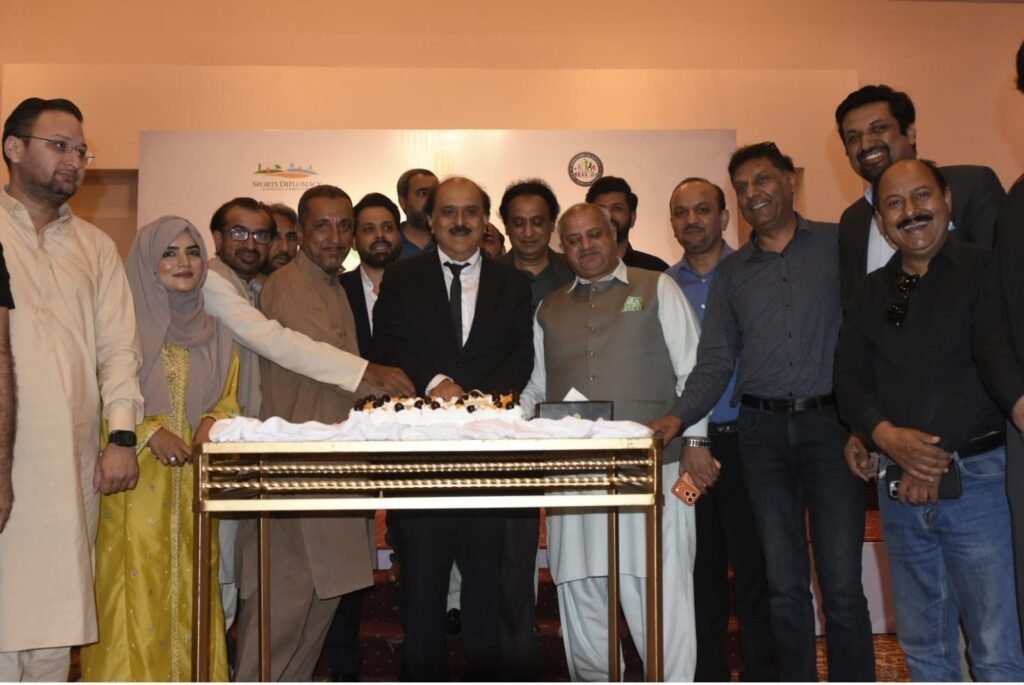
ISLAMABAD — The Rawalpindi Chamber of Commerce and Industry (RCCI) has entered into a Memorandum of Understanding (MoU) with the Brooklyn Chamber of Commerce in the United States. Signed on Thursday, this agreement seeks to bolster business ties and increase bilateral trade between Pakistan and the United States. What Happened The signing ceremony took place with representatives from both chambers present to formalize the partnership. The MoU is designed to facilitate better communication and collaboration between the two business communities. The agreement outlines several areas of cooperation, including the exchange of trade delegations, joint ventures, and the sharing of market information. RCCI President Saqib Rafiq emphasized the importance of this partnership in opening new avenues for Pakistani businesses in the US market. “This MoU will serve as a bridge for our members to explore new business opportunities in the United States, particularly in Brooklyn, which is a vibrant hub for commerce,” Rafiq stated. On the American side, the Brooklyn Chamber of Commerce expressed optimism about the potential for increased trade and investment. The Chamber’s President, Randy Peers, noted, “We are excited to work with RCCI to enhance trade relations. This agreement will help our members to access the growing market in Pakistan.” Both parties have agreed to organize trade fairs and business forums to showcase products and services, thereby facilitating direct interactions between entrepreneurs from both countries. This initiative aims to address the current trade imbalance and create a more equitable trade environment. Background Pakistan and the United States have a longstanding trade relationship, with the US being one of Pakistan’s largest trading partners. Historically, the trade between the two nations has been skewed towards textiles and garments from Pakistan, while machinery and agricultural products dominate US exports to Pakistan. In recent years, efforts have been made to diversify the trade portfolio. The RCCI has been actively involved in promoting Pakistani businesses on international platforms, and this MoU is part of a broader strategy to enhance global trade relations. The Brooklyn Chamber of Commerce, established in 1918, is one of the oldest and most influential business organizations in New York, representing thousands of businesses across various sectors. Why It Matters The MoU between RCCI and the Brooklyn Chamber of Commerce is significant for several reasons. Economically, it provides Pakistani businesses with greater access to the US market, potentially increasing exports and reducing the trade deficit. This can lead to job creation and economic growth within Pakistan, as businesses expand to meet new demand. Socially, the agreement fosters a deeper understanding and cooperation between the two nations, promoting cultural exchange and mutual respect. It also encourages entrepreneurship by providing Pakistani businesses with exposure to international best practices and innovations. Politically, strengthening economic ties with the US can enhance diplomatic relations. As trade partnerships grow, they can lead to more stable and predictable political relations, benefiting both countries. On an international level, this agreement positions Pakistan as a proactive player in global trade, showcasing its willingness to engage with international markets and adapt to global economic trends. Key Takeaways The RCCI and Brooklyn Chamber of Commerce have signed an MoU to enhance Pak-US trade. The agreement focuses on trade delegations, joint ventures, and market information exchange. This partnership aims to address trade imbalances and promote economic growth in Pakistan. The MoU is expected to strengthen diplomatic and cultural ties between Pakistan and the US. Both chambers plan to organize trade fairs and business forums to facilitate direct business interactions. Source Attribution This article is based on official statements and public communications from the Rawalpindi Chamber of Commerce and Industry and the Brooklyn Chamber of Commerce. Author: NEN Editorial Desk | Editor: NEN Newsroom | Fact Checked By: NEN Editorial Team Author: NEN Editorial Desk  |  Editor: NEN Newsroom  |  Last Updated: July 02, 2026  |  Source: NEN Reporter This article was produced by the NEN Editorial Desk in accordance with NEN Agency’s Editorial Policy and Fact-Checking Policy.
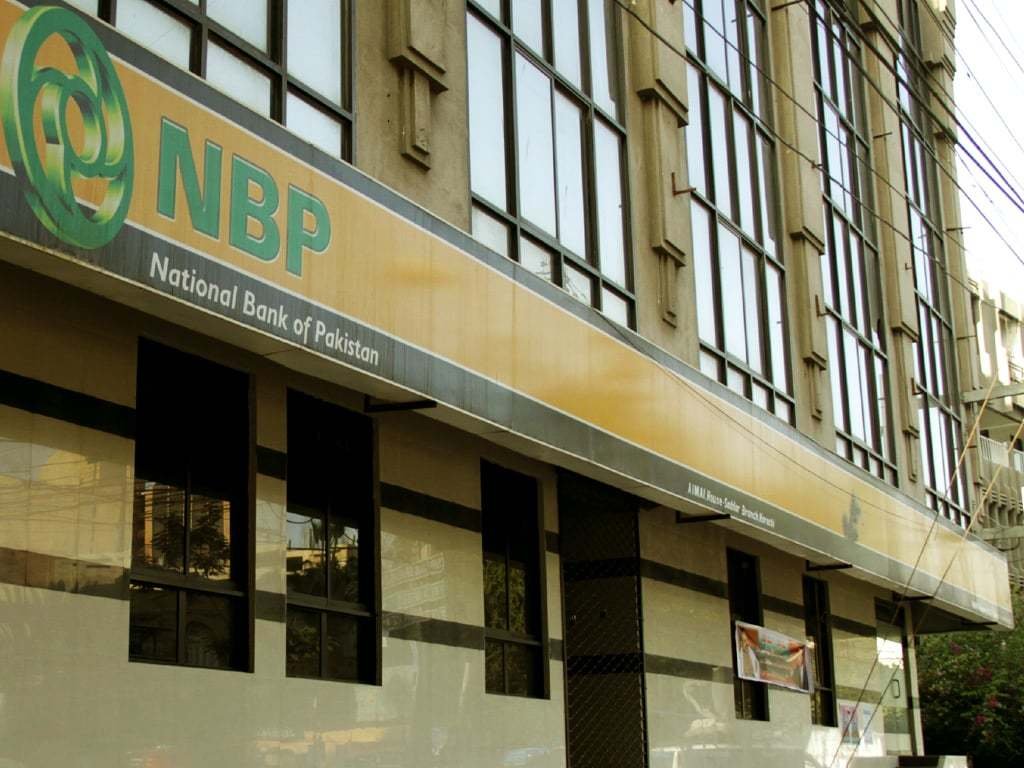
NBP Releases Latest Foreign Exchange Rates for July 2026
World

NBP Releases Latest Foreign Exchange Rates for July 2026

KARACHI — The Treasury Management Division of the National Bank of Pakistan (NBP) announced the latest foreign exchange rates on Thursday, providing updated figures for various global currencies against the Pakistani Rupee. These rates are crucial for businesses, investors, and individuals engaged in foreign transactions. What Happened The National Bank of Pakistan’s Treasury Management Division has released the exchange rates applicable as of July 2, 2026. The rates include both Telegraphic Transfer (TT) Selling and TT Buying rates for a range of currencies. The US Dollar, a major currency in international trade, is listed at a TT Selling rate of 278.55 PKR and a TT Buying rate of 278.05 PKR. The Euro is pegged at 317.13 PKR for selling and 316.56 PKR for buying. Other significant currencies include the British Pound, which stands at 370.17 PKR for selling and 369.50 PKR for buying. The Japanese Yen, often used in regional trade, is listed at 1.7149 PKR for selling and 1.7118 PKR for buying. Additionally, the Swiss Franc is available at a selling rate of 344.42 PKR and a buying rate of 343.80 PKR. For the Canadian Dollar, the TT Selling rate is 195.94 PKR, while the TT Buying rate is 195.59 PKR. The Australian Dollar is priced at 191.96 PKR for selling and 191.62 PKR for buying. Other currencies such as the Swedish Krona, Norwegian Krone, and Danish Krone have also been updated, reflecting their respective positions in the global market. The bank also provided conversion rates for frozen foreign currency deposits, with the US Dollar set at 278.12 PKR, the British Pound at 367.90 PKR, and the Euro at 316.86 PKR. These rates are set for the settlement date of July 6, 2026. Background The National Bank of Pakistan, as a key player in the country’s financial sector, regularly updates foreign exchange rates to reflect market conditions. These rates are essential for facilitating international trade and investment, as well as for individuals and businesses engaged in currency exchange. The NBP’s role in providing these rates underscores its importance in maintaining economic stability and supporting financial transactions across borders. Historically, exchange rates have been influenced by a range of factors including economic policies, market demand, and geopolitical events. The NBP’s regular updates help ensure transparency and provide guidance to stakeholders in the financial markets. Why It Matters The release of updated exchange rates by the NBP holds significant importance for Pakistan’s economy. Exchange rates impact the cost of imports and exports, influencing trade balances and economic growth. For businesses, accurate and timely exchange rate information is crucial for pricing strategies and financial planning. On a broader scale, exchange rates affect inflation, purchasing power, and overall economic stability. Changes in rates can lead to fluctuations in the cost of goods and services, impacting consumers directly. For investors, exchange rates play a critical role in assessing the value of international investments and managing currency risk. Moreover, as Pakistan continues to engage in international trade and attract foreign investment, maintaining competitive exchange rates is vital for economic development. The NBP’s updates provide a benchmark for currency valuation, aiding in the decision-making process for policymakers and financial analysts. Key Takeaways The NBP has released updated exchange rates for July 2, 2026, covering a range of global currencies. The US Dollar is set at 278.55 PKR for TT Selling and 278.05 PKR for TT Buying. Conversion rates for frozen foreign currency deposits have also been provided, with the settlement date set for July 6, 2026. Exchange rates play a crucial role in impacting trade, investment, and economic stability in Pakistan. The NBP’s regular updates ensure transparency and assist stakeholders in financial decision-making. Source Attribution This article is based on official government statements, press releases, and public communications from relevant authorities. Author: NEN Editorial Desk | Editor: NEN Newsroom | Fact Checked By: NEN Editorial Team Author: NEN Editorial Desk  |  Editor: NEN Newsroom  |  Last Updated: July 02, 2026  |  Source: NEN Reporter This article was produced by the NEN Editorial Desk in accordance with NEN Agency’s Editorial Policy and Fact-Checking Policy.
Pakistani Products Highlighted at Hunan Expo for Trade and Pharma Cooperation
World

Pakistani Products Highlighted at Hunan Expo for Trade and Pharma Cooperation

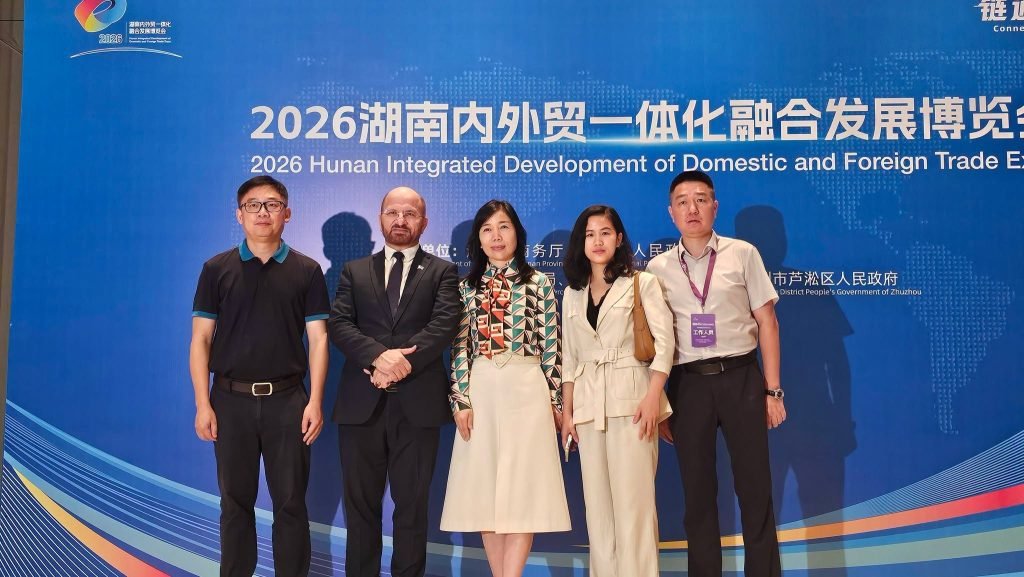
ZHUZHOU — Six Pakistani enterprises showcased their handicrafts at the 2026 Hunan Integrated Development of Domestic and Foreign Trade Expo, held in Zhuzhou from June 26 to 28. The event also provided a platform for Pakistani diplomats to explore new avenues of bilateral cooperation in traditional Chinese medicine and medical devices. What Happened The Hunan Integrated Development of Domestic and Foreign Trade Expo, an annual event aimed at promoting international trade and cooperation, featured a diverse array of products and innovations from around the world. This year, six Pakistani enterprises participated, displaying a range of handicrafts that highlighted the country’s rich cultural heritage. The expo served as an opportunity for Pakistani businesses to engage with international buyers and expand their market reach. In addition to showcasing handicrafts, Pakistani diplomats focused on strengthening ties with China in the pharmaceutical sector. Discussions centered around collaboration in traditional Chinese medicine and the development of medical devices, areas where both countries see potential for mutual benefit. The expo provided a conducive environment for these discussions, with representatives from both nations expressing optimism about future partnerships. Pakistani officials emphasized the importance of such events in fostering economic ties and exploring new business opportunities. “Our participation in the Hunan Expo underscores our commitment to expanding trade relations with China,” said a representative from the Pakistani delegation. “We are particularly interested in the pharmaceutical sector, where we see significant potential for collaboration.” Background Pakistan and China have a long-standing relationship characterized by strong economic and strategic ties. The China-Pakistan Economic Corridor (CPEC), a flagship project under China’s Belt and Road Initiative, has been a cornerstone of this relationship, facilitating infrastructure development and trade between the two nations. In recent years, both countries have sought to diversify their economic cooperation beyond infrastructure projects. The pharmaceutical sector has emerged as a promising area for collaboration, with Pakistan keen to leverage China’s expertise in traditional medicine and medical technology. This interest aligns with Pakistan’s broader strategy to enhance its healthcare sector and improve access to affordable medicines and medical devices. Why It Matters The participation of Pakistani enterprises in the Hunan Expo is significant for several reasons. Economically, it provides an avenue for Pakistani businesses to access the Chinese market, one of the largest in the world. By showcasing their products at such events, these enterprises can attract new customers and establish valuable business connections. On a broader scale, the focus on pharmaceutical cooperation reflects a strategic shift in Pakistan’s economic engagement with China. By exploring partnerships in traditional Chinese medicine and medical devices, Pakistan aims to enhance its healthcare infrastructure and provide better services to its population. This collaboration could lead to the introduction of new medical technologies and treatments in Pakistan, improving healthcare outcomes and reducing costs. Politically, the strengthening of ties in the pharmaceutical sector underscores the deepening relationship between Pakistan and China. As both countries continue to collaborate on various fronts, such initiatives contribute to the overall stability and prosperity of the region. The potential for joint ventures and technology transfers in the pharmaceutical industry could also spur innovation and economic growth in Pakistan. Key Takeaways Six Pakistani enterprises showcased handicrafts at the 2026 Hunan Expo in Zhuzhou. Pakistani diplomats explored cooperation in traditional Chinese medicine and medical devices. The expo provided a platform for strengthening trade relations between Pakistan and China. Pharmaceutical cooperation is seen as a strategic area for enhancing Pakistan’s healthcare sector. The event underscores the deepening economic ties between Pakistan and China. Source Attribution This article is based on official government statements, press releases, and public communications from relevant authorities. Author: NEN Editorial Desk | Editor: NEN Newsroom | Fact Checked By: NEN Editorial Team Author: NEN Editorial Desk  |  Editor: NEN Newsroom  |  Last Updated: July 02, 2026  |  Source: NEN Reporter This article was produced by the NEN Editorial Desk in accordance with NEN Agency’s Editorial Policy and Fact-Checking Policy.
Pakistan Launches ESG Mutual Funds Framework to Boost Sustainable Investments
World

Pakistan Launches ESG Mutual Funds Framework to Boost Sustainable Investments

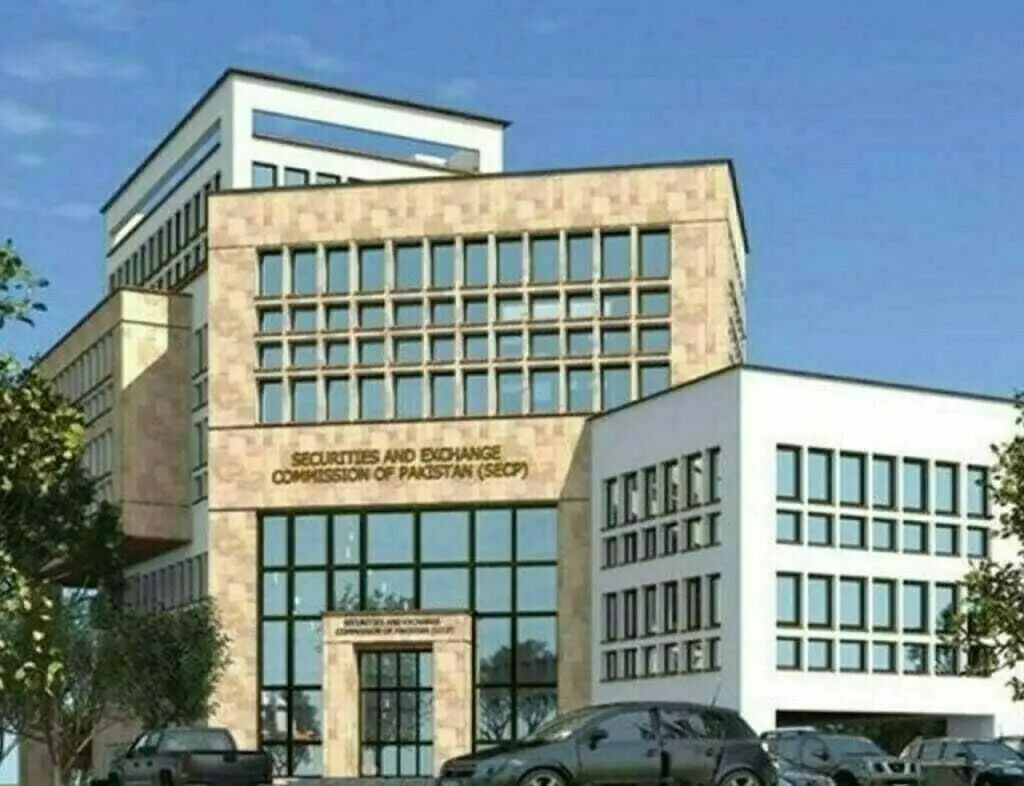
ISLAMABAD — Pakistan has taken a significant stride in sustainable finance with the Securities and Exchange Commission of Pakistan (SECP) unveiling the nation’s first Environmental, Social, and Governance (ESG) Mutual Funds Framework. Announced on Wednesday, this initiative marks Pakistan’s entry into the global sustainable investment market. What Happened The SECP’s newly introduced framework allows Asset Management Companies (AMCs) to establish ESG-focused mutual funds. This move aligns Pakistan’s capital market with international sustainable investment practices. According to a press release from the SECP, the framework is designed to foster responsible investment strategies that integrate financial returns with ethical business practices. Globally, the sustainable investment sector has seen rapid growth, with assets exceeding $16 trillion managed under such strategies. As global investors increasingly prioritize investments that not only promise financial returns but also adhere to responsible and ethical standards, regulators worldwide are developing frameworks to facilitate ESG investing. In Pakistan, this initiative is crucial given the country’s vulnerability to climate change. The framework aims to create a transparent regulatory environment for ESG-aligned collective investment schemes, thereby integrating Pakistan into the expanding global sustainable investment ecosystem. Equity-based ESG mutual funds under this framework will primarily invest in companies listed on the Pakistan Stock Exchange’s Sustainability Index and those complying with SECP’s ESG Disclosure Guidelines. Meanwhile, debt-based ESG mutual funds will focus on green, social, and sustainability-linked debt instruments, adhering to Pakistan’s Green Taxonomy and Sustainable Finance Framework. The framework mandates that ESG mutual funds invest at least 50 percent of their net assets in ESG-aligned investments. It also introduces governance, disclosure, and independent assurance requirements to prevent greenwashing and enhance transparency and accountability. Background The SECP’s ESG Mutual Funds Framework is part of a broader sustainability reform agenda. In recent years, the Commission has implemented several initiatives to bolster the sustainable finance ecosystem in Pakistan. These include ESG Disclosure Guidelines for listed companies, the adoption of IFRS Sustainability Disclosure Standards (IFRS S1 and S2), the launch of the ESG Sustain Platform, and the development of Pakistan’s Green Taxonomy. These reforms aim to strengthen Pakistan’s sustainable finance infrastructure, positioning the country’s capital market to attract responsible and long-term investments. The introduction of the ESG Mutual Funds Framework is a continuation of these efforts, reflecting a commitment to integrating sustainable practices into the financial sector. Why It Matters The launch of the ESG Mutual Funds Framework is a pivotal development for Pakistan’s financial sector. As one of the countries most vulnerable to climate change, Pakistan’s engagement with sustainable finance is vital for its economic resilience and environmental sustainability. By encouraging companies to adopt better environmental, social, and governance practices, the framework enhances their access to sustainable investment capital and promotes responsible corporate behavior. Economically, this framework could attract foreign investment by aligning Pakistan’s financial market with global ESG standards. It offers investors opportunities to engage in ethical investing, potentially increasing the inflow of capital into the country. This could lead to job creation, technological advancements, and overall economic growth. Socially, the framework promotes corporate responsibility and transparency, which can lead to improved corporate governance and ethical business practices. This can enhance public trust in the financial sector and contribute to social stability. Internationally, by adopting ESG standards, Pakistan positions itself as a responsible participant in the global financial community. This can improve the country’s international standing and foster stronger economic ties with other nations committed to sustainable development. Key Takeaways The SECP has launched Pakistan’s first ESG Mutual Funds Framework, marking a significant step towards sustainable finance. The framework aligns Pakistan’s capital market with global sustainable investment practices and aims to attract responsible and long-term investments. It mandates that ESG mutual funds invest at least 50 percent of their net assets in ESG-aligned investments. The initiative is crucial for Pakistan, one of the world’s most climate-vulnerable nations, and aims to enhance corporate responsibility and transparency. This framework is part of SECP’s broader sustainability reform agenda, which includes various initiatives to strengthen Pakistan’s sustainable finance ecosystem. Source Attribution This article is based on official government statements, press releases, and public communications from relevant authorities. Author: NEN Editorial Desk | Editor: NEN Newsroom | Fact Checked By: NEN Editorial Team Author: NEN Editorial Desk  |  Editor: NEN Newsroom  |  Last Updated: July 02, 2026  |  Source: Press Release from Government of Pakistan This article was produced by the NEN Editorial Desk in accordance with NEN Agency’s Editorial Policy and Fact-Checking Policy.

UN Warns Israeli Expansion in Gaza Threatens Civilians and Aid Efforts
World

UN Warns Israeli Expansion in Gaza Threatens Civilians and Aid Efforts

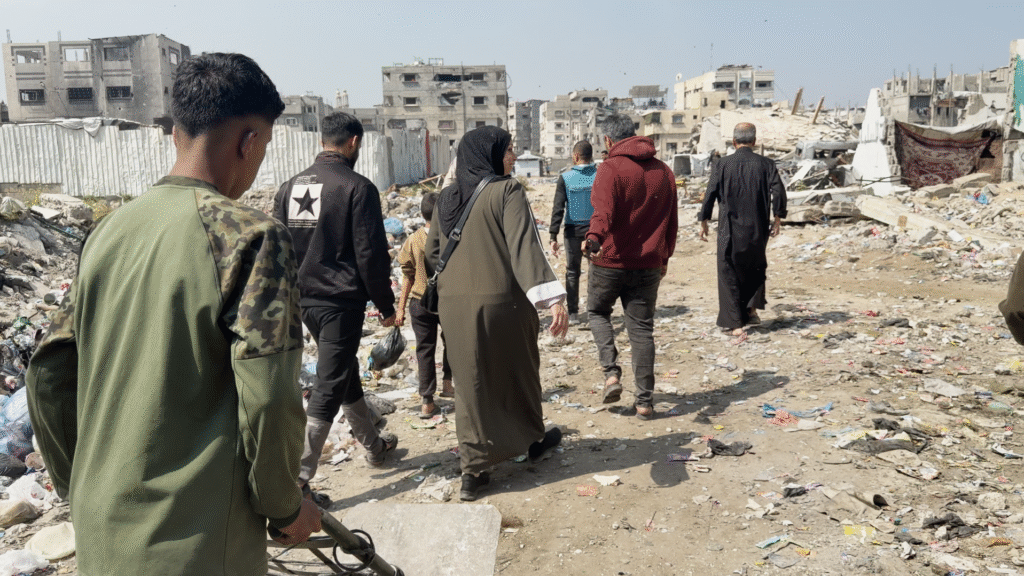
NEW YORK — The United Nations has issued a warning regarding the expansion of areas under Israeli control in Gaza, stating that it poses significant risks to civilians and hampers humanitarian relief efforts. This development follows the ceasefire agreement reached in October, which was intended to de-escalate tensions in the region. What Happened According to the United Nations and its humanitarian partners, the expansion of Israeli-controlled areas in Gaza has intensified since the ceasefire agreement was implemented. The UN highlighted that this expansion has exacerbated the vulnerability of civilians living in these areas, who are already facing dire conditions. The increased control has also restricted the movement of humanitarian aid, making it challenging for relief organizations to deliver essential supplies to those in need. In a statement released on Wednesday, the UN emphasized the urgent need for all parties involved to adhere to international humanitarian laws and ensure the protection of civilians. “The expansion of controlled areas not only endangers the lives of civilians but also severely limits the capacity of humanitarian agencies to operate effectively,” the statement read. The UN further reported that the ongoing expansion has led to the displacement of numerous families, adding to the already significant number of internally displaced persons in Gaza. This situation has placed additional strain on local resources and infrastructure, which are already overstretched due to the prolonged conflict. Background The ceasefire agreement reached in October was a pivotal moment aimed at halting the hostilities between Israel and Palestinian factions in Gaza. This agreement was brokered after a period of intense conflict that resulted in significant casualties and destruction on both sides. Historically, the region has been a flashpoint for conflict, with numerous ceasefires being brokered and subsequently broken over the years. Gaza, a densely populated area with a population of over two million people, has been under a blockade since 2007. This has severely impacted the region’s economy and infrastructure, leading to widespread poverty and unemployment. The humanitarian situation in Gaza has been a focal point for international organizations, which have repeatedly called for increased access to deliver aid and support to the affected population. Why It Matters The expansion of Israeli control in Gaza has significant implications for the region’s stability and the well-being of its inhabitants. For the civilian population, this expansion means increased insecurity and uncertainty about their future. The restriction of humanitarian aid exacerbates the already critical living conditions, potentially leading to a humanitarian crisis if not addressed promptly. From a geopolitical perspective, the continued expansion could further strain relations between Israel and Palestine, complicating efforts to achieve a long-term peace solution. The international community, including key stakeholders in the Middle East peace process, has expressed concern over these developments, urging both parties to engage in dialogue and uphold the terms of the ceasefire agreement. Economically, the restriction of aid and movement in Gaza could lead to further deterioration of the local economy, which is heavily reliant on external assistance. This could result in increased poverty levels and further destabilize the region, impacting not only Gaza but also neighboring areas. Key Takeaways The UN warns that Israeli expansion in Gaza endangers civilians and restricts humanitarian aid. Since the October ceasefire, Israeli-controlled areas in Gaza have increased, affecting civilian safety. The expansion has led to further displacement and strained local resources in Gaza. The situation poses risks to regional stability and complicates peace efforts between Israel and Palestine. International organizations call for adherence to humanitarian laws to protect civilians and aid operations. Source Attribution This article is based on official statements from the United Nations and public communications from relevant authorities. Author: NEN Editorial Desk | Editor: NEN Newsroom | Fact Checked By: NEN Editorial Team Author: NEN Editorial Desk  |  Editor: NEN Newsroom  |  Last Updated: July 02, 2026  |  Source: NEN Reporter This article was produced by the NEN Editorial Desk in accordance with NEN Agency’s Editorial Policy and Fact-Checking Policy.
Polish Skier Andrzej Bargiel Completes Historic Descent of Nanga Parbat
World

Polish Skier Andrzej Bargiel Completes Historic Descent of Nanga Parbat

CHILAS — Polish extreme skier Andrzej Bargiel has achieved a remarkable feat by completing a flawless descent from the summit of Nanga Parbat to Base Camp without the use of supplemental oxygen. This accomplishment marks him as the first individual to ski down all five of Pakistan’s 8,000-meter peaks without bottled oxygen, further cementing his legacy in the mountaineering world. What Happened On July 1, Andrzej Bargiel, a 38-year-old athlete sponsored by Red Bull, successfully descended from the 8,126-meter summit of Nanga Parbat, known as Earth’s “Killer Mountain.” Bargiel’s descent was executed entirely without the aid of supplemental oxygen, showcasing his exceptional skill and endurance in extreme conditions. This achievement places him in the annals of mountaineering history as the first to ski down all five of Pakistan’s 8,000-meter peaks without bottled oxygen. Bargiel’s descent was part of a larger expedition that saw a diverse group of climbers reaching the summit. The team included Nepali climbers from the Kathmandu-based Seven Summit Treks, such as Mingtemba Sherpa, Pasang Dukpa Sherpa, Dawa Rinji Sherpa, Pasang Nurbu Sherpa, and others. Pakistani climber Abbas Ali Mehdi was also part of the group, along with international climbers like Chinese Tao Hu, Ukrainian Antonina Samoilova, and Lithuanian Mindaugas Satkauskas, all of whom are pursuing the challenge of climbing the world’s 14 peaks above 8,000 meters. The expedition was supported by a team of skilled Nepali rope-fixing climbers, who played a crucial role in ensuring the safety and success of the summit push. The climbers reached the summit on a Tuesday morning, marking another successful ascent of one of the world’s most challenging peaks. Background Nanga Parbat, standing at 8,126 meters, is the ninth-highest mountain in the world and one of the most formidable peaks for climbers. Its nickname, “Killer Mountain,” stems from the numerous fatalities that have occurred during attempts to summit it. The mountain is notorious for its difficult terrain and harsh weather conditions, making any ascent a significant achievement. Andrzej Bargiel is no stranger to high-altitude skiing. He has previously completed descents from other 8,000-meter peaks, including K2, which he skied down in 2018, becoming the first person to do so. His accomplishments have been recognized globally, and he continues to push the boundaries of what is possible in extreme skiing and mountaineering. Why It Matters Bargiel’s successful descent of Nanga Parbat without supplemental oxygen is a testament to human endurance and the spirit of adventure. It highlights the potential for human achievement in the face of extreme adversity and serves as an inspiration for climbers and adventurers worldwide. This feat not only adds to Bargiel’s impressive resume but also brings attention to Pakistan’s mountainous regions as destinations for extreme sports and adventure tourism. Economically, such achievements can boost tourism in Pakistan, attracting climbers and adventure enthusiasts from around the world. The increased interest in these regions can lead to improved infrastructure and local economic development, providing opportunities for local communities. Politically, Pakistan’s prominence in the mountaineering world can enhance its international image, showcasing the country’s natural beauty and potential for adventure tourism. This can foster international cooperation in tourism and environmental conservation efforts, benefiting both local communities and the global mountaineering community. Key Takeaways Andrzej Bargiel successfully descended Nanga Parbat without supplemental oxygen, marking a historic achievement in mountaineering. Bargiel is the first to ski down all five of Pakistan’s 8,000-meter peaks without bottled oxygen. The expedition included climbers from Nepal, Pakistan, China, Ukraine, and Lithuania. Nanga Parbat is one of the world’s most challenging peaks, known as the “Killer Mountain.” This achievement highlights Pakistan’s potential as a destination for extreme sports and adventure tourism. Source Attribution This article is based on official government statements, press releases, and public communications from relevant authorities. Author: NEN Editorial Desk | Editor: NEN Newsroom | Fact Checked By: NEN Editorial Team Author: NEN Editorial Desk  |  Editor: NEN Newsroom  |  Last Updated: July 01, 2026  |  Source: NEN Reporter This article was produced by the NEN Editorial Desk in accordance with NEN Agency’s Editorial Policy and Fact-Checking Policy.

EU and AFD Delegation Reviews WASA’s Water Treatment Project Progress
World

EU and AFD Delegation Reviews WASA’s Water Treatment Project Progress

LAHORE — A delegation from the European Union (EU) and the Agence Française de Développement (AFD) visited Lahore to assess the progress of the Water and Sanitation Agency’s (WASA) Surface Water Treatment Plant project. The visit, which took place this week, aimed to evaluate the pace and quality of the ongoing work. What Happened The joint delegation from the EU and AFD conducted a thorough review of the Surface Water Treatment Plant, a significant initiative undertaken by WASA to enhance water quality and supply in Lahore. The project, which aims to treat surface water to provide clean and safe drinking water, has been underway for several months. During their visit, the delegation expressed satisfaction with the progress made so far. According to officials, the project is on track to meet its deadlines, with significant advancements in construction and technology implementation. The plant is expected to significantly improve the water supply for Lahore’s residents, addressing long-standing issues of water quality and availability. Representatives from WASA provided detailed presentations on the project’s current status, highlighting the technical aspects and future plans. The delegation was particularly impressed by the project’s adherence to international standards and the incorporation of advanced water treatment technologies. The delegation’s visit also included discussions with local government officials and stakeholders to ensure continued support and collaboration. The EU and AFD have been instrumental in providing financial and technical assistance for the project, underscoring their commitment to improving water infrastructure in Pakistan. Background The Surface Water Treatment Plant project is part of a broader initiative by WASA to modernize Lahore’s water supply system. Historically, the city has relied heavily on groundwater, leading to over-extraction and depletion of resources. The shift to surface water treatment is seen as a sustainable solution to these challenges. WASA’s efforts align with Pakistan’s national water policy, which emphasizes the need for sustainable water management practices. The policy encourages the development of infrastructure that can deliver safe drinking water to urban populations, thereby improving public health outcomes. The involvement of international partners like the EU and AFD highlights the global interest in supporting Pakistan’s infrastructure development. These partnerships have been crucial in providing the necessary resources and expertise to implement large-scale projects effectively. Why It Matters The successful implementation of the Surface Water Treatment Plant project holds significant implications for Lahore and Pakistan as a whole. Access to clean water is a fundamental human right, and improving water quality can have far-reaching effects on public health and economic development. For Lahore’s residents, the project promises a more reliable and safe water supply, reducing the risk of waterborne diseases and improving quality of life. This is particularly important in a city facing rapid urbanization and increasing demand for resources. Economically, the project can contribute to reducing healthcare costs associated with water-related illnesses. By ensuring a stable water supply, the initiative also supports local businesses and industries that depend on water as a critical resource. On an international level, the project exemplifies successful collaboration between Pakistan and its global partners. It demonstrates the potential for international cooperation in addressing infrastructure challenges, setting a precedent for future projects in other sectors. Key Takeaways The EU and AFD delegation reviewed the progress of WASA’s Surface Water Treatment Plant in Lahore. The project aims to provide clean and safe drinking water by treating surface water. Delegation expressed satisfaction with the project’s adherence to international standards. The initiative aligns with Pakistan’s national water policy for sustainable management. Successful implementation can improve public health and support economic development. Source Attribution This article is based on official government statements, press releases, and public communications from relevant authorities. Author: NEN Editorial Desk | Editor: NEN Newsroom | Fact Checked By: NEN Editorial Team Author: NEN Editorial Desk  |  Editor: NEN Newsroom  |  Last Updated: July 01, 2026  |  Source: NEN Reporter This article was produced by the NEN Editorial Desk in accordance with NEN Agency’s Editorial Policy and Fact-Checking Policy.

Scroll to Top