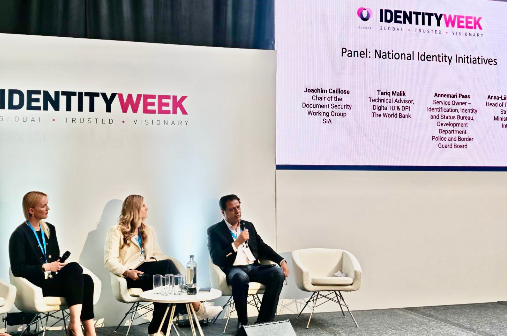
AMSTERDAM — Tariq Malik, the former Chairman of Pakistan’s National Database and Registration Authority (NADRA), addressed international policymakers at the Identity Week Europe Conference. He emphasized viewing global identity systems as nation-building projects rather than just technical initiatives. This perspective resonated with delegates worldwide, emphasizing the need for inclusion, trust, and state ownership in effective identity frameworks.
Global Leadership in Biometric Identity
Recognized as a leading Pakistani IT expert, Malik shared insights from NADRA, known for its advanced biometric identity platform. Serving hundreds of millions, NADRA has set a global standard for digital transformation and governance reforms.
Technology as a Governance Tool
Malik’s insights hold significant value for global identity policymakers. He explained that many developing nations aim to digitize civil registration and public service systems. Malik argued that technology should support governance, challenging the technology-first mindset prevalent in digital identity initiatives.
Core Pillars of Effective Identity Systems
Malik identified three essential elements for successful identity systems:
- Inclusion of all citizens, regardless of geographic or socioeconomic barriers
- Fostering trust between citizens and the state during data collection
- Ensuring state ownership for long-term sustainability and accountability
Pakistan’s Digital Identity Model
Malik’s principles draw from Pakistan’s digital identity system experience, offering valuable insights to countries beginning their digital transformation. He emphasized that sustainable systems require political commitment, citizen involvement, and capacity building.
At the global summit, Malik demonstrated how developing countries can leverage identity technology to drive governance reforms and promote bilateral cooperation in building digital infrastructures.