
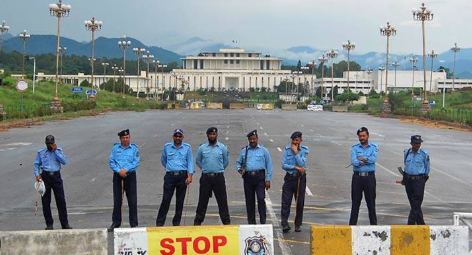
ISLAMABAD — Due to administrative directives, ministries in Islamabad’s Red Zone adopted a ‘work from home’ policy for a day, coinciding with the closure of all major hiking trails in the Margalla Hills to the public. These measures were announced for Tuesday, June 23, by notifications from the federal government and district administration.
Notifications Issued
The federal government and district administration issued directives for a one-day remote work policy for ministries in Islamabad’s Red Zone. The decision aims to manage unspecified disruptions in the area. Simultaneously, the district administration closed Margalla Hills’ major hiking trails, popular with locals and tourists.
The remote work directive targets all employees in the Red Zone, a high-security area with key government offices. The trail closures were precautionary, though specific reasons weren’t detailed.
An official from the district administration stated these measures ensure safety for government employees and the public. The official did not detail the potential threats or disruptions leading to these actions.
Significance of the Red Zone
Islamabad’s Red Zone hosts the offices of the President, Prime Minister, and other important ministries. It’s subject to strict security due to its importance in Pakistan’s administrative and political landscape. Historically, security measures increase during political unrest or potential threat warnings.
The Margalla Hills, part of the Himalayan foothills, offer a natural escape for Islamabad residents. The trails are favored for hiking and bird watching but have been closed previously for security reasons or environmental risks like wildfires.
Impact of Decisions
These actions illustrate the government’s ongoing challenges in balancing security with public safety. Although reasons for these measures were undisclosed, they often respond to perceived threats or intelligence reports.
Remote work disrupts routine operations for government employees, necessitating adjustments in workflow and communication, which can impact productivity and government function execution, especially if longstanding.
Trail closures impact the local community, restricting recreational options and affecting tourism-reliant businesses. Such closures can also influence public morale.
These events highlight the fine line between security and maintaining normalcy in the capital. Effective management is crucial for public confidence and perceived stability in Islamabad.
Key Points
- Ministries in Islamabad’s Red Zone adopted a one-day remote work policy.
- Major hiking trails in the Margalla Hills are closed to the public.
- Actions are precautionary, citing unspecified security concerns.
- The measures affect government operations and tourism-related activities.














