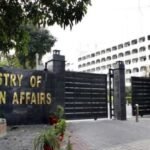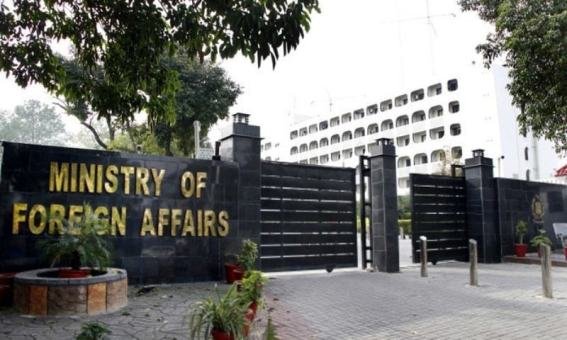
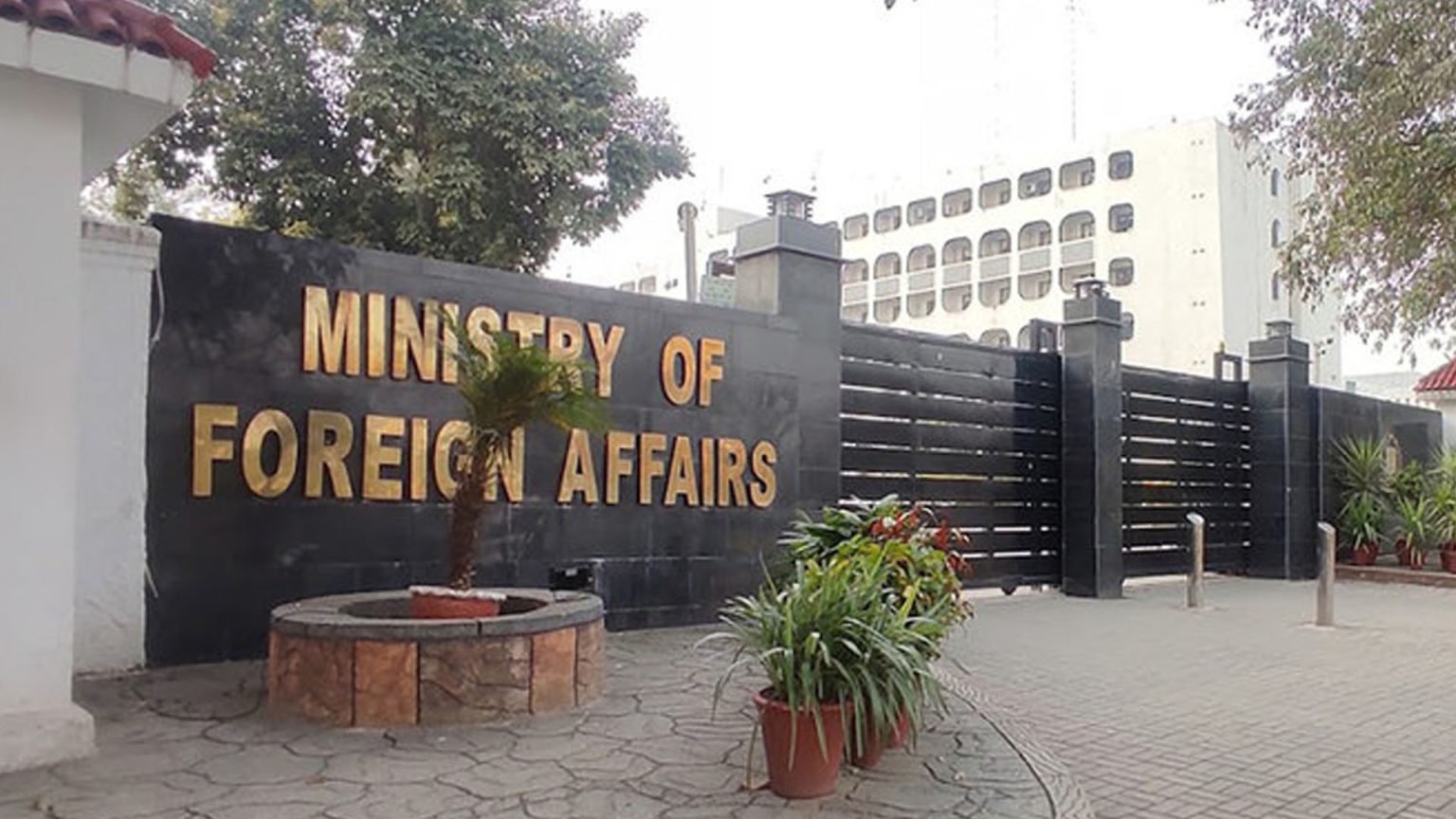
ISLAMABAD, November 21 – NEN: Middle East peace needs a new regional security framework, Deputy Prime Minister and Foreign Minister Ishaq Dar said in an interview in Islamabad. He said Pakistan, Turkiye, Saudi Arabia and other regional states are talking with European partners about the idea.
Middle East Peace: What Mr Dar Proposed
Mr Dar said a regional mechanism can help bring lasting peace to the Middle East. In his view, it would also deal with the wider economic and political effects of the conflict.
First, he said the Makkah defence pact could serve as a starting point. Pakistan, Turkiye and Saudi Arabia signed that pact in August, so it already links three key states. According to Mr Dar, Britain, France and Germany are engaging with the proposed framework. He added that Italy has also shown interest in joining.
Mr Dar also spoke about Pakistan’s diplomacy during the conflict. He said he called Iranian Foreign Minister Abbas Araghchi on February 28, the first day of the conflict. On that day, he urged restraint and asked that Gulf countries not be targeted in return.
A 21-hour session followed, he said, and it produced the US-Iran memorandum of understanding of June 18. He said a key part of it is free passage through the Strait of Hormuz, without tolls, permits or other charges. Pakistan continues to urge both sides to honour the agreement, he said.
Background to Middle East Peace Efforts
A security framework is a set of agreed rules and regular meetings among states. As a result, states can talk early, before a crisis grows. Other regions, such as Europe and Southeast Asia, have built systems like this over the years.
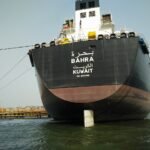
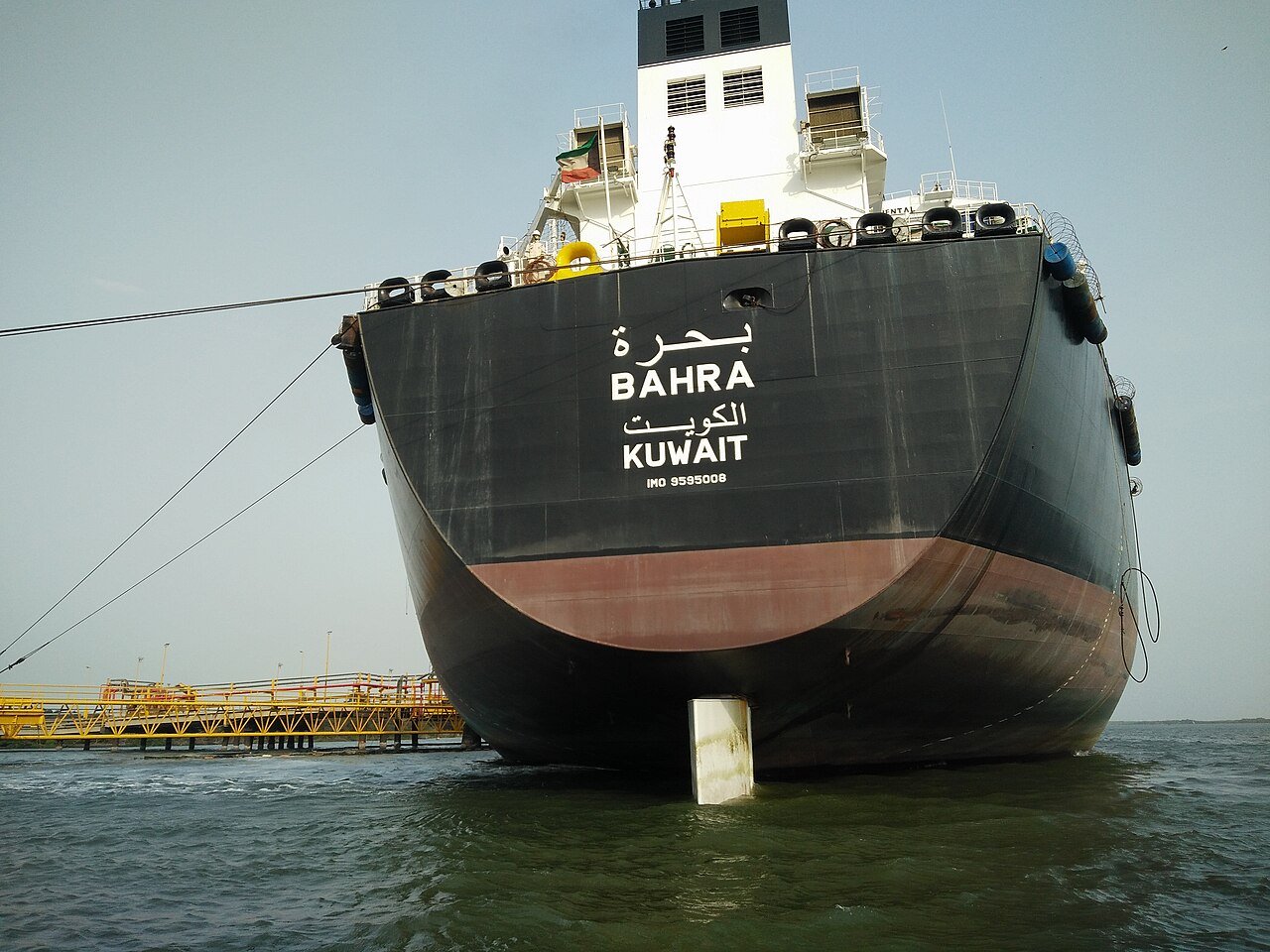
The Strait of Hormuz is a narrow sea lane between the Gulf and the open ocean. Also, a large share of the world’s oil and gas ships pass through it. For this reason, free passage there matters for fuel prices and trade far beyond the region.
Pakistan has close ties with Saudi Arabia, Turkiye and Iran. Millions of Pakistanis also live and work in the Gulf. Therefore, peace in the region matters directly to Pakistan. You can also read our report on Pakistan’s stand with Saudi Arabia.
What This Means for Pakistan
Peace in the Gulf helps Pakistan in several ways. First, calm shipping lanes keep fuel imports flowing. Second, steady oil prices ease pressure on the budget and the rupee. Third, safe Gulf economies protect jobs for Pakistani workers there.
For Pakistanis abroad, especially in Saudi Arabia, the UAE and Qatar, regional calm means steady work and steady pay. The money they send home is a major source of dollars for Pakistan. You can track daily rates on our dollar rate page.
Free passage through Hormuz, as Mr Dar described it, would also help keep shipping costs lower for goods that travel to Pakistan by sea.
What Happens Next
Meanwhile, Pakistan will keep talking with regional partners and European states about the framework. Mr Dar said Pakistan will also continue to urge the United States and Iran to honour the June 18 agreement. Other regional states are taking part in these talks as well.
Sources: Ministry of Foreign Affairs, remarks of Deputy Prime Minister Ishaq Dar. Reported by NEN News Desk.