ISLAMABAD, November 23 – NEN: Pakistan Portugal relations took a step forward on Monday. The Prime Minister, the President and the Foreign Minister all met Portugal’s top diplomat, Paulo Rangel. He is on a visit to Pakistan on November 22 and 23. As a result, both sides agreed to set up a joint commission. They also signed a deal to protect investment.
What Was Agreed in Islamabad
Prime Minister Shehbaz Sharif thanked Portugal for backing Pakistan’s access to the EU’s GSP+ scheme. He also praised Portugal for noting Pakistan’s role in regional talks. Then Portugal accepted an offer to form a Joint Ministerial Commission. The Prime Minister said it will help both sides pick shared goals and track them.
The leaders talked about trade, farming, IT, textiles, tourism, education and culture. They also covered jobs abroad and skills training.
At Aiwan-e-Sadr, President Asif Ali Zardari spoke about energy, technology and visits between lawmakers. He also congratulated Portugal on its seat on the UN Security Council from January 1, 2027. In addition, he called Portugal a key partner inside the EU.
Later, Deputy Prime Minister Ishaq Dar spoke at the Pakistan-Portugal Business Forum. About 20 Portuguese firms took part. Dar named textiles, olive farming, clean energy, IT and sea services as areas to grow. He also invited firms to use the Special Investment Facilitation Council. During the forum, Pakistan’s Board of Investment and Portugal’s AICEP signed an MoU on investment protection. It sets a base for closer business links.
Background
Rangel reached Islamabad on November 22. We covered his arrival in our earlier story on the visit. Since then, the talks have moved from greetings to real steps.
GSP+ is a trade scheme of the European Union. It cuts or removes duties on many goods from eligible developing countries. For Pakistan, textiles are a big part of what enters Europe under it. That is why support from an EU member like Portugal matters to exporters.
A joint commission is a regular meeting of ministers from two countries. First, they set goals. Next, they check progress and fix problems. Many trade partners use this model.
What This Means for Pakistan
For textile exporters, the visit shows that Portugal wants to keep trade open. Portugal also makes textiles, so links between institutes could bring new skills.
For farmers, the olive talks are worth a look. Pakistan is building its olive sector, and Portugal has long experience in processing. Sharing such know-how was one topic.
For workers and students, jobs abroad and skills were on the agenda. Families who think about Portugal for work or study should follow the commission, because it is where such topics will be raised.
Pakistanis who live in Portugal or elsewhere in Europe are part of this story too. Closer ties often make embassy services and business contacts easier to reach. If you send money home, you can also check our dollar rate guide.
What Happens Next
Both sides said they will build on the visit and aim for real results. The first meeting of the Joint Ministerial Commission is the next step.
Sources: Prime Minister’s Office, President’s Secretariat, Ministry of Foreign Affairs, Board of Investment, Press Information Department. Reported by NEN News Desk.
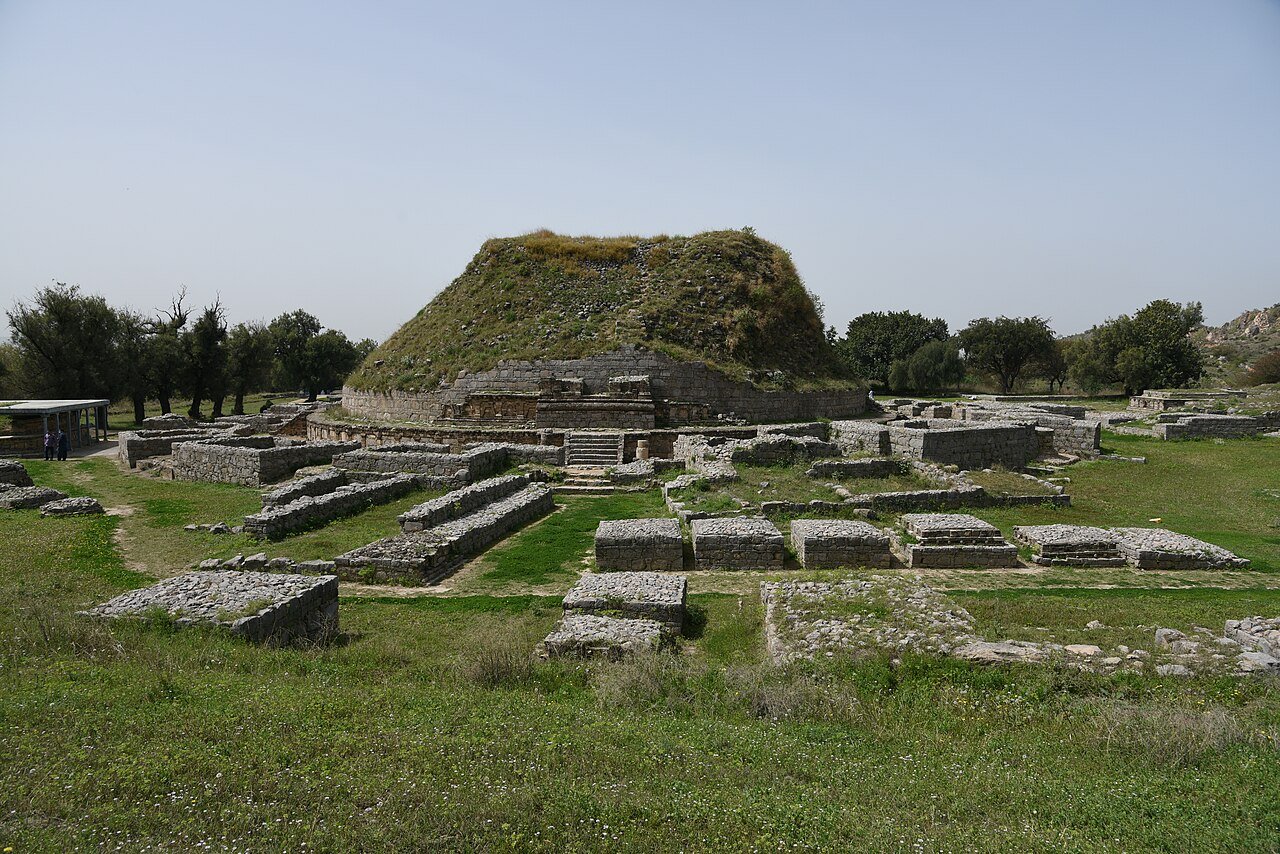
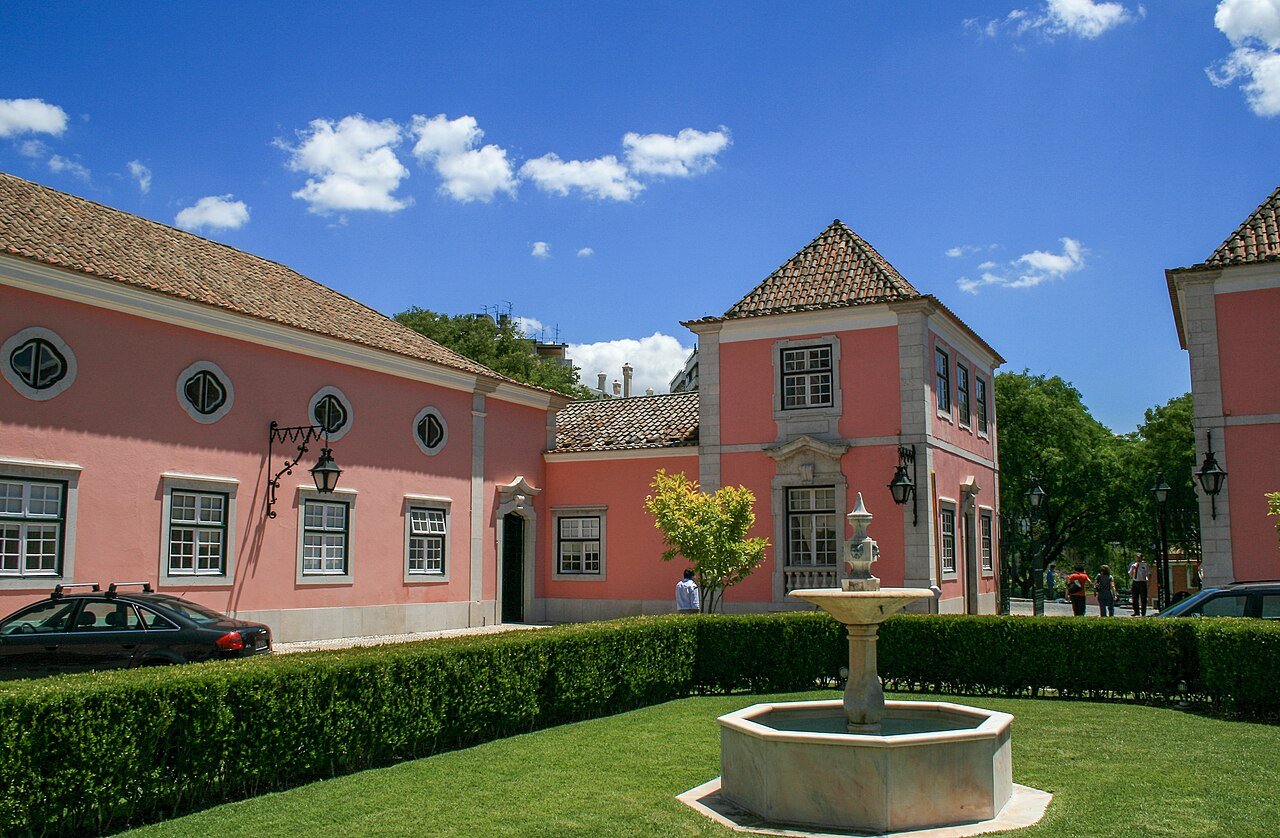
Featured image: Photo: Szilas / Wikimedia Commons, CC0