ISLAMABAD, November 23 – NEN: World heritage conservation in Pakistan got a new boost on Monday. Pakistan and South Korea launched a joint training programme. It will run for four days, from November 23 to 26. The Department of Archaeology and Museums leads it, together with the Korea Heritage Agency.
What the Programme Offers
First, the opening ceremony took place in Islamabad. Korea’s Ambassador, Han Sung-ho, and Heritage and Culture Secretary Asad Rehman Gilani attended. So did federal and provincial officials, foreign experts and other partners.
Also, day one featured a town hall meeting. Then officials and experts reviewed how Pakistan now cares for its World Heritage sites. They also talked about the main challenges and goals.
Over the next three days, three foreign experts will lead lectures, talks and hands-on training. Next, topics include the UNESCO World Heritage Convention and Outstanding Universal Value. They also include site plans, repair methods and threat checks.
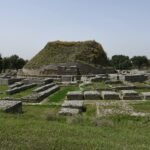
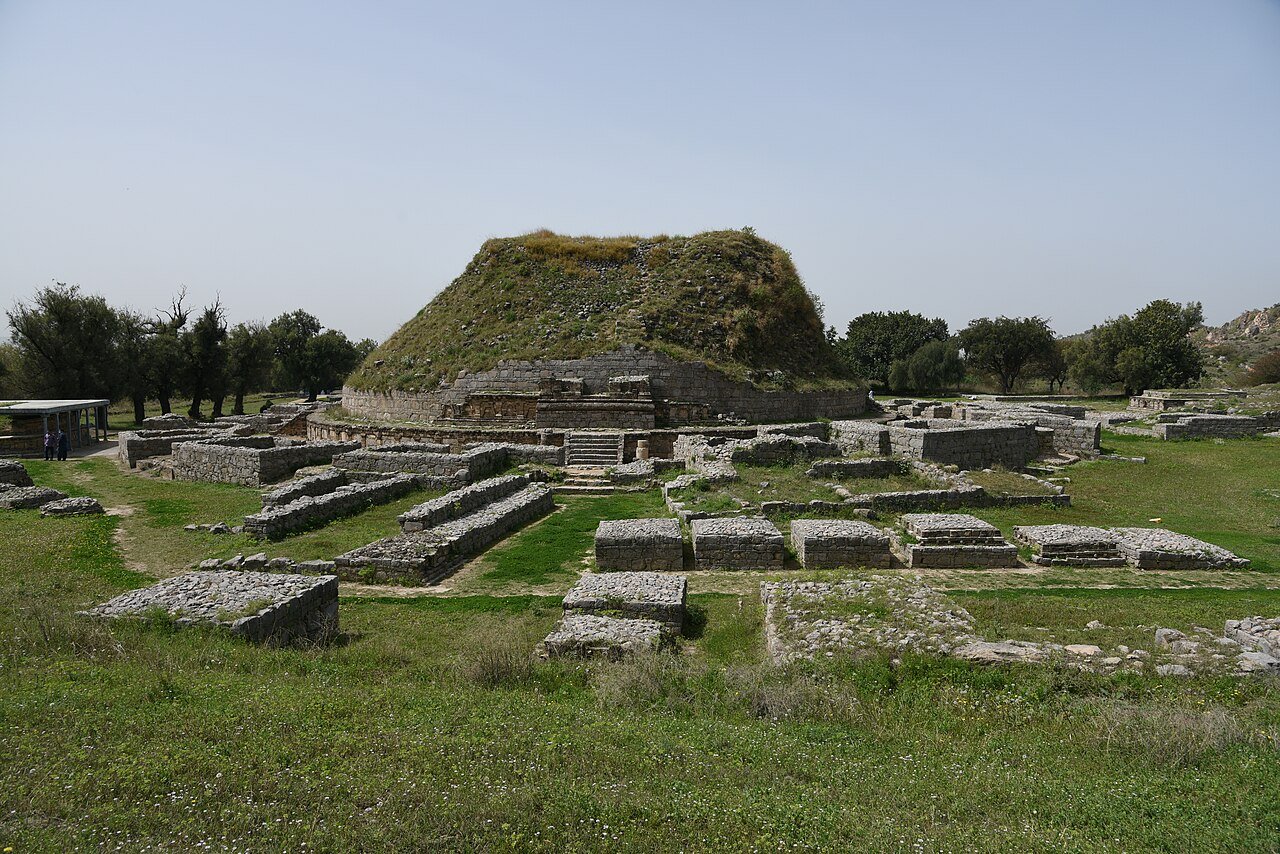
Then, on November 25, the group will visit Taxila for a field exercise. Taxila is one of Pakistan’s UNESCO World Heritage sites, so it suits real practice. There, trainees will practise how to monitor and manage a real site.
Background
This programme is the first year of a three-year plan between the two countries, from 2026 to 2028. It is also part of wider Korean support for Pakistan’s heritage sector. In addition, the Korea Heritage Agency will give money and technical help from 2026 to 2030.
That wider support also includes the plan to set up a National Institute of Cultural Heritage in Pakistan. It also aims to grow expert skills in the country’s heritage field.
Heritage care covers more than repair. It includes records, visitor plans and checks for damage from weather or crowds. A management plan brings all of these together for each site.
Also, Pakistan is home to famous sites, such as Mohenjo-daro, Taxila, Lahore Fort and Rohtas Fort. Each one needs regular care, so trained staff matter. For example, trained staff can spot damage early, plan repairs and keep records.
What This Means for You
For students of history, archaeology and architecture, the programme shows that jobs in heritage care are growing. Also, training with foreign experts builds skills that count at home and abroad.
For travellers, better care means sites that last longer and are safer to visit. Because Taxila and other sites draw many visitors, good care also helps local tourism.
For overseas Pakistanis, a winter trip home is a good time to see these places. If you plan a visit, look at Taxila, Lahore and Rohtas. Then show your children where their history began.
For local communities near the sites, stronger management can also bring guide work, craft sales and other small jobs.
What Happens Next
The training will continue until November 26, with lectures and practical sessions each day. After that, the three-year cooperation plan will move on to its next stages. In addition, the partners aim to move ahead with the National Institute of Cultural Heritage.
Sources: Ministry of National Heritage and Culture, Department of Archaeology and Museums, Press Information Department. Reported by NEN News Desk.
Featured image: Photo: Mhtoori / Wikimedia Commons, CC BY-SA 4.0