ISLAMABAD, November 23 – NEN: Pakistan rice exports to Uganda could grow after talks held on Monday. The Federal Minister for National Food Security and Research met Uganda’s Minister of State for Agriculture, Desire Muhooza. The minister proposed direct trade links and a joint working group on farming.
What the Two Sides Discussed
First, the talks focused on trade, research and seeds. Uganda buys about $300 million of rice each year. Pakistan’s share is around $3 million. That is only one percent of the market, so the room to grow is large.
The minister said Pakistan can supply good rice at fair prices. Therefore, he proposed direct links between Pakistani exporters and Ugandan buyers. Some Pakistani rice reaches Uganda through Tanzania today. That route adds cost, so direct trade could cut it. Both sides also said Ugandan buyers could meet rice exporters in Karachi.
Next, look at overall trade. Pakistan buys about $14 million of goods from Uganda and sells about $3 million. The total is about $17 million. Pakistan wants to sell more, but it may also buy pulses and other crops from Uganda.
To keep the talks going, the minister then proposed a Joint Working Group on Agriculture. It would hold regular meetings, find trade chances and solve technical issues. In addition, the two sides agreed to finish a farm MoU first shared in 2017 as soon as they can.
Background
First, Uganda has asked to sell fresh avocados in Pakistan. Pakistani officials said Uganda needs to send technical data for a pest risk study. The plant protection bodies of both countries will work together on this step.
The talks also covered research. Two Pakistani bodies can share skills in wheat, rice, potato and seed work. They are the Pakistan Agricultural Research Council and the National Agricultural Research Centre. Also, a visit to the centre was proposed for the Ugandan team. Climate-ready seeds, machines and livestock came up too.
The minister also spoke about Pakistan’s olive sector. Its olive oil won a silver medal at a quality contest in New York. As a result, the two sides talked about selling it in Uganda.
What This Means for You
For rice growers and exporters, a direct link means fewer middlemen. Also, that can raise the price a farmer gets and lower the cost for a buyer.
For the country, more exports bring in more dollars. First, you can follow the rupee in our dollar rate guide.
For shoppers, pulses from Uganda could add choice at the market. Imports of pulses are one of the ideas on the table.
Pakistanis who work in Africa or the Gulf may also find Pakistani rice and olive oil in shops as new markets open.
What Happens Next
The next steps are the joint working group, the farm MoU and the buyer visits to Karachi. The Ugandan team is also at the FoodAg Pakistan show this week, where it can meet exporters face to face.
Sources: Ministry of National Food Security and Research, Press Information Department. Reported by NEN News Desk.
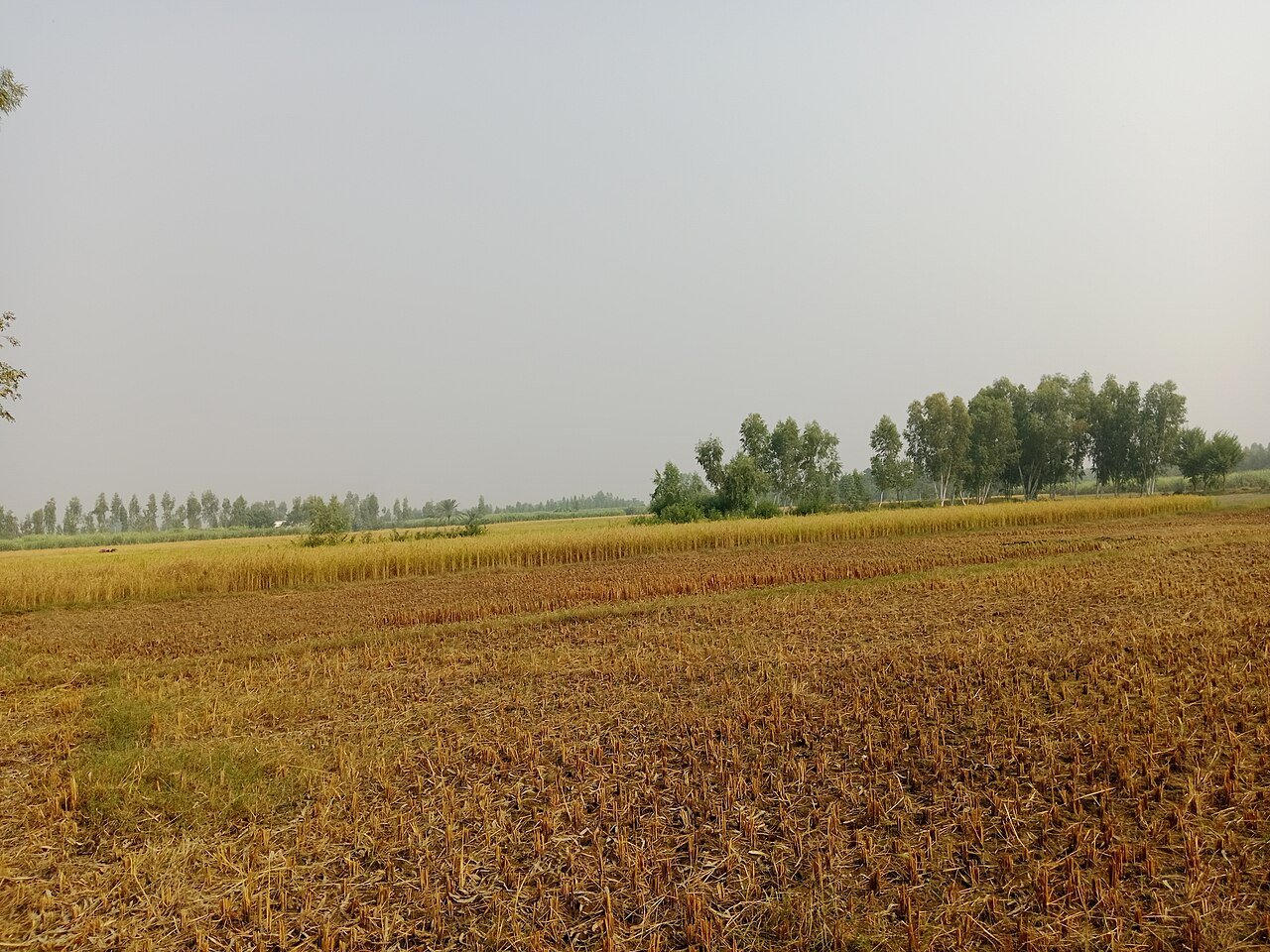
Featured image: Photo: Ozair Chandio / Wikimedia Commons, CC0