
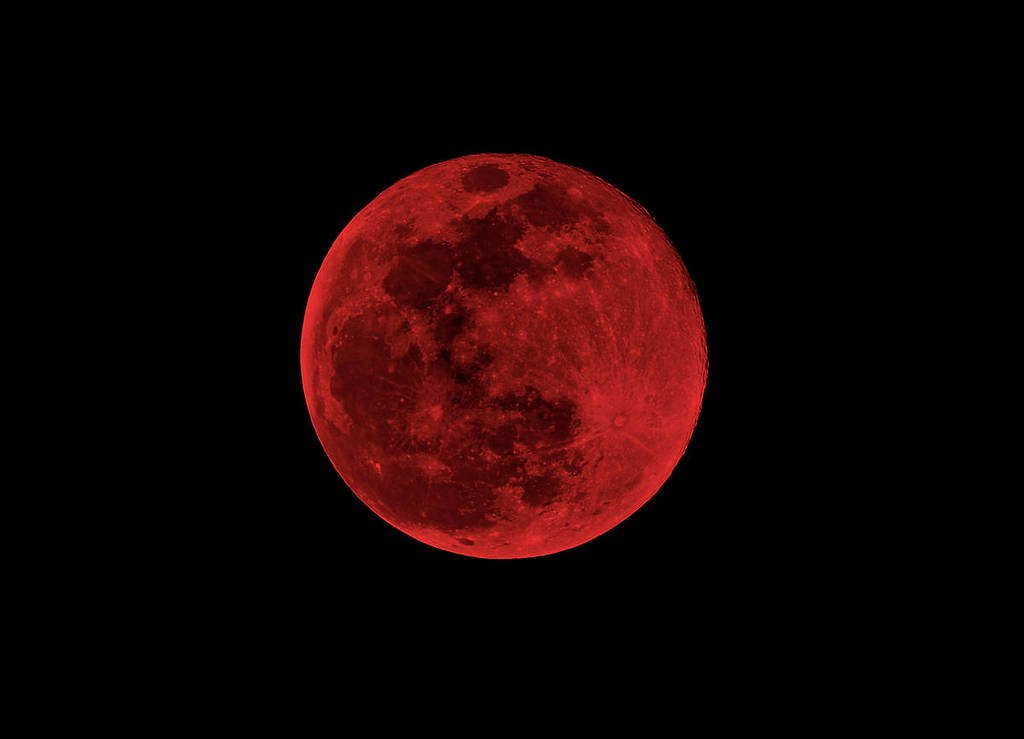
KARACHI: Skywatchers across Pakistan are set to witness the Blood Moon 2025—a total lunar eclipse—this weekend. This spectacular event will be visible throughout the country on the night of September 7 and 8.
The Pakistan Meteorological Department (PMD) has reported that this eclipse will last nearly five hours and 27 minutes, making it one of the lengthiest celestial events of the year. Major cities are expected to offer unobstructed views, with favorable weather conditions enhancing the experience.
Lunar Eclipse Timing and Duration
The lunar eclipse in Pakistan begins at 8:28 PM on September 7 and concludes by 1:55 AM on September 8. This extended duration provides ample opportunity to observe the various phases of the eclipse.
Understanding the Blood Moon
The term “Blood Moon” describes the moon’s deep red appearance, which occurs during a total lunar eclipse. This phenomenon happens when sunlight filters through Earth’s atmosphere, scattering blue light and permitting red wavelengths to color the moon crimson.
Global Visibility
The eclipse will be broadly visible across Asia, Africa, Europe, and Australia. However, it will not be visible in North and South America due to geographic positioning.
Best Viewing Points in Pakistan
For a more enriching experience, the public can visit the University of Karachi’s Institute of Space Science and Technology. Astronomy enthusiasts will find professional telescopes available for detailed observations.
Prime venues for viewing the Blood Moon include:
- Rooftops with unobstructed horizon views
- Open fields away from urban lighting
- Dark areas distant from city lights
- Public observatories and astronomy clubs
Safety Tips for Viewing
According to NASA, lunar eclipses can be safely observed with the naked eye. Unlike solar eclipses, no protective gear is required.
Upcoming Celestial Events in 2025
This is the second lunar eclipse of 2025 and the sole one entirely visible in Pakistan. Skywatchers can look forward to other celestial events this year, including a partial solar eclipse on September 21, 2025, though this will not be visible from Pakistan.














