
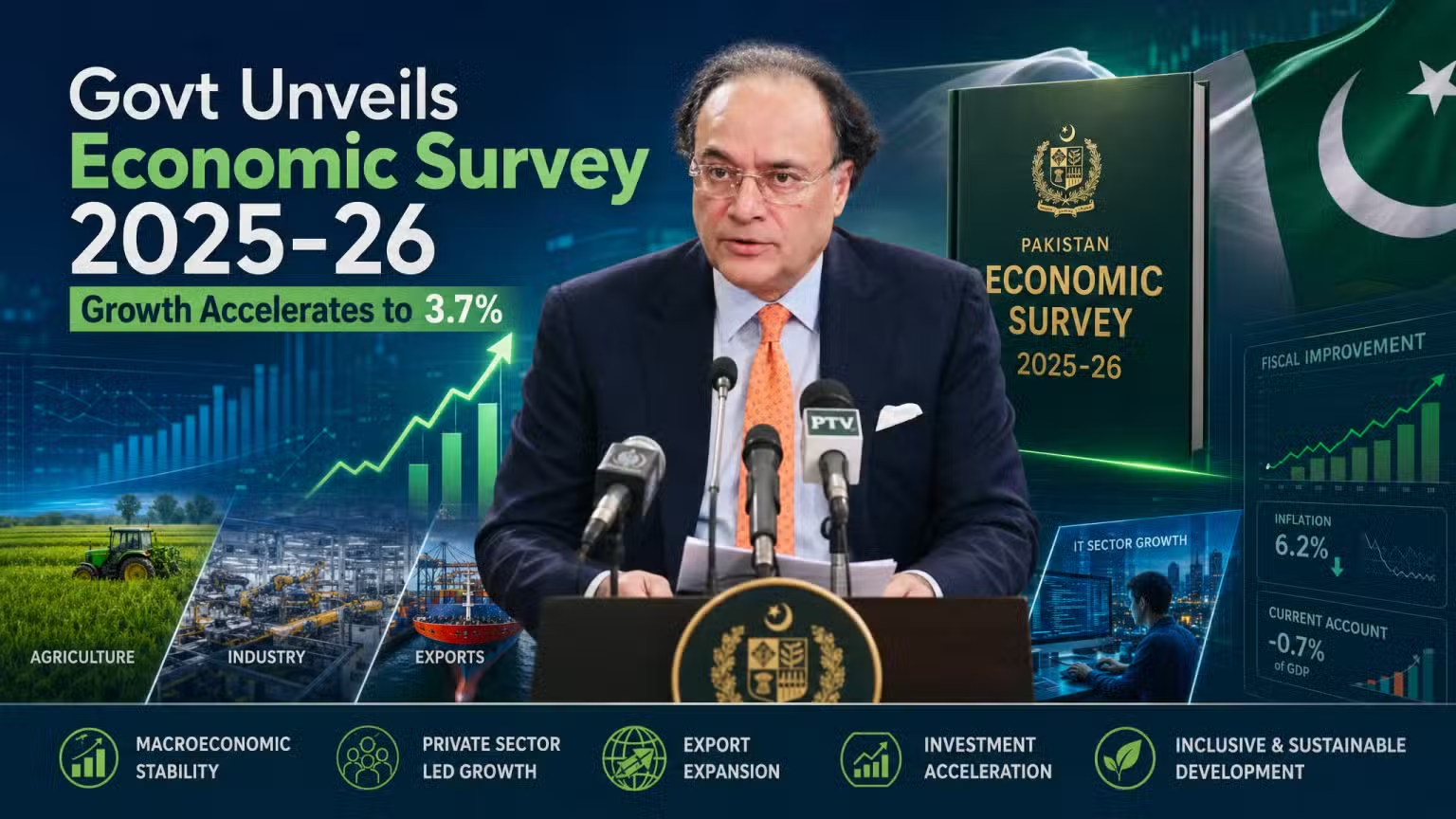
ISLAMABAD — Pakistan’s Consumer Price Index (CPI) inflation averaged 6.2% from July to April in the 2025-26 fiscal year. This is an increase from 4.7% in the same period last year.
The Pakistan Economic Survey, released on Wednesday, provides a detailed overview of inflation trends as the federal budget announcement nears. It offers important insights into price fluctuations affecting the economy.
April’s Impact on Inflation
Finance Minister Senator Muhammad Aurangzeb presented the pre-budget document in Islamabad. The report attributes the rise in Pakistan’s inflation rate to a significant spike in April.
Despite this rise, broader price pressures moderated over the 10-month period. This resulted in a mixed inflationary environment that impacts the economy. Policymakers are closely monitoring consumer price trends as they continue budget planning. The data reveal both challenges and promising signs for economic stability.
Key Macroeconomic Indicators
The Economic Survey is crucial for assessing Pakistan’s macroeconomic health by evaluating critical economic metrics that guide policy decisions. These include:
- GDP growth performance and economic expansion trends
- Inflation trends, projections, and outlook for price stability
- Fiscal performance for the outgoing fiscal year
- Revenue collection and government expenditure patterns
Influence on Federal Budget Planning
The survey is essential for policymakers and stakeholders involved in budgetary planning. Economic policy decisions for the next fiscal year rely heavily on these assessments. Released annually before the federal budget presentation, the document is vital for understanding Pakistan’s economic trajectory and fiscal health.














