KARACHI, November 27 – NEN: Privatisation in Pakistan now covers 17 major projects, such as nine power firms and three large airports. Muhammad Ali, adviser to the Prime Minister, shared the plan on Friday. He spoke at the Korangi Association of Trade and Industry.
What the Privatisation Plan Covers
The list also has finance firms and the insurance sector. Ali said the main aim is to help state firms work better. He also said the government wants a fair and open process that helps the nation.
Three power firms come first. They serve the Faisalabad, Gujranwala and Islamabad areas. People know them as FESCO, GEPCO and IESCO. Work on due diligence for them is now under way.
Next, the government expects to get bids for these three in the first quarter of 2027. That period runs from January to March. After that, the Hyderabad and Sukkur power companies, HESCO and SEPCO, will follow in later phases.
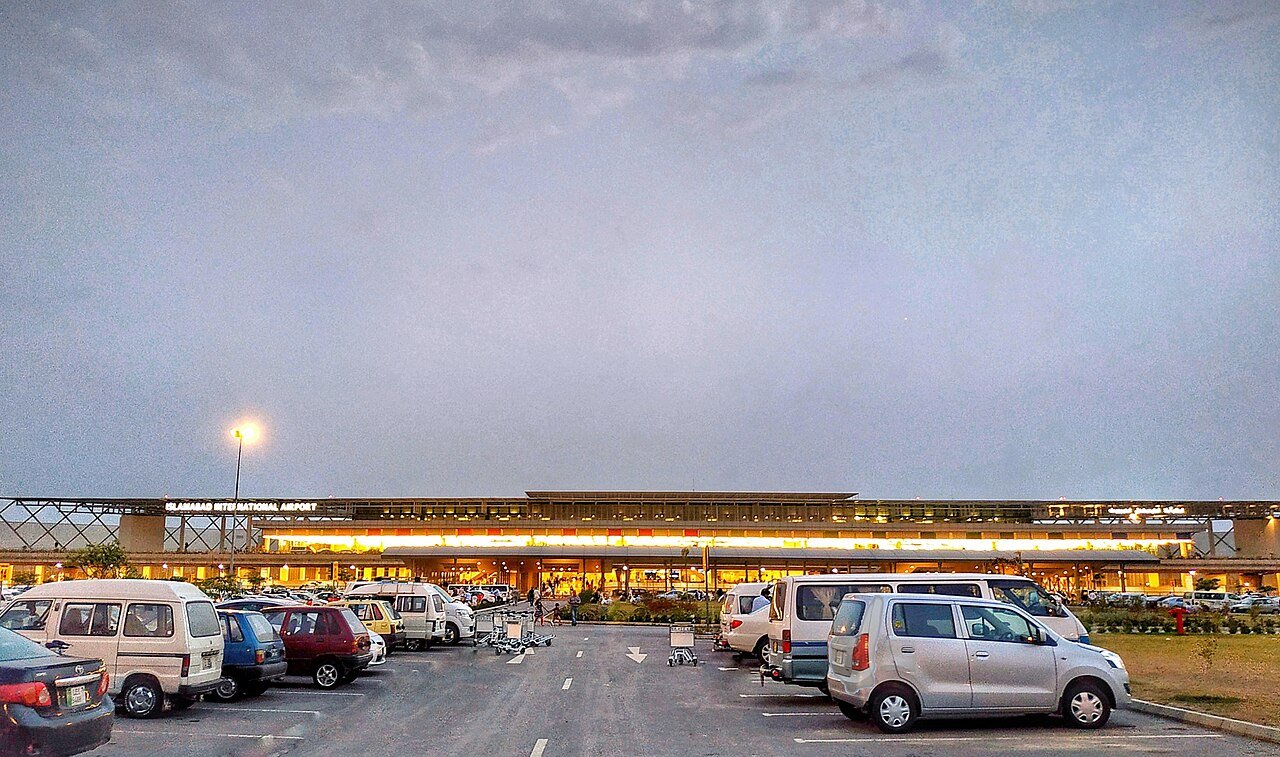
Airports form another part of the work. For example, a group led by EY Middle East will advise on the Karachi and Lahore airports. In addition, officials aim to seek offers to run Islamabad airport in the first quarter of 2027.
Background
Privatisation means passing a state business to private hands. A government may sell shares. Or it may let a firm run a service for a set time.
“Due diligence” is a close check of a firm before a deal. For example, buyers study its books, assets, contracts and debts. This step then helps them decide on a fair price.
A power distribution firm brings electricity to homes, shops and mills. It reads meters, sends bills and fixes local lines. Therefore, its work affects people every day.
The government is also working with private firms on roads. One example is the Hyderabad-Sukkur Motorway, a project worth about $700 million. Its plan uses concessions that last 25 years.
What This Means for You
Meanwhile, power users of FESCO, GEPCO and IESCO should follow official notices in the coming months. For now, keep paying bills as usual. Also use your company’s regular complaint channels for faults or billing questions.
Businesses may also find new chances to invest or supply services. However, they should study the official bid documents before making plans. A clear reading of terms can prevent costly mistakes.
Here is a simple count of the main items. In total, nine power firms and three airports make 12 of the 17 projects. The other five then come from other areas, such as finance and insurance.
Overseas Pakistanis interested in investment should rely on Privatisation Commission announcements. So, be careful of anyone who offers private access to these deals. Genuine bids follow a formal public process.
Investors new to shares can also read NEN’s guide to how the Pakistan Stock Exchange works.
What Happens Next
First, due diligence on the three power firms continues. Bidding should follow between January and March 2027. HESCO and SEPCO will then come in later phases. For related news, see NEN’s report on the ADB loan for public-private projects.
Sources: Office of the Adviser to the Prime Minister on Privatisation; Privatisation Commission. Reported by NEN News Desk.
Featured image: Photo: Ahabbscience Studio Pak / Wikimedia Commons, CC BY-SA 4.0