ISLAMABAD, November 28 – NEN: Wheat import work for 2026-27 should start without delay, Deputy Prime Minister and Foreign Minister Ishaq Dar directed on Saturday. He chaired a meeting of the Steering Committee on Wheat Import in the capital. The agreed quantity is up to 1.5 million metric tonnes.
What the Committee Decided
First, the committee reviewed the buying arrangements for the imports. The Economic Coordination Committee (ECC) had endorsed the quantity, and the Federal Cabinet had approved it.
Mr Dar then told the relevant authorities to begin importing the agreed amount. He also said the government would consider further imports if the need arose.
In addition, he stressed quick action on the plan. He called for sound logistics, which means the movement and storage of goods. Ministries should also work closely together, he said.
Background
On Friday, the ECC approved in principle a higher wheat import ceiling of 2.5 million tonnes. A ceiling is the highest amount allowed. The Federal Cabinet takes up that decision for ratification.
That ceiling is 1 million tonnes above the quantity now agreed. As a result, there is room for more buying if demand calls for it.
Provinces had put their combined need at about 1.7 million tonnes. Punjab accounted for 950,000 tonnes and Sindh for 450,000 tonnes, subject to confirmation. Khyber Pakhtunkhwa needed 300,000 tonnes.
Earlier, on November 23, the Trading Corporation of Pakistan issued a tender for up to 800,000 tonnes. A tender is a formal invitation for sellers to offer prices.
What This Means for You
Wheat is the main staple food in Pakistan. Families use its flour for roti, naan and paratha. Therefore, a steady supply matters to almost every kitchen.
The numbers show the size of the plan. One tonne equals 1,000 kilograms. So 1.5 million tonnes equals 1.5 billion kilograms of wheat. That is also 37.5 million maunds, since one maund is 40 kilograms.
Spread across 20-kilogram flour bags, the same weight would fill 75 million bags. However, this is only a guide to scale, because milling turns wheat into flour and bran.
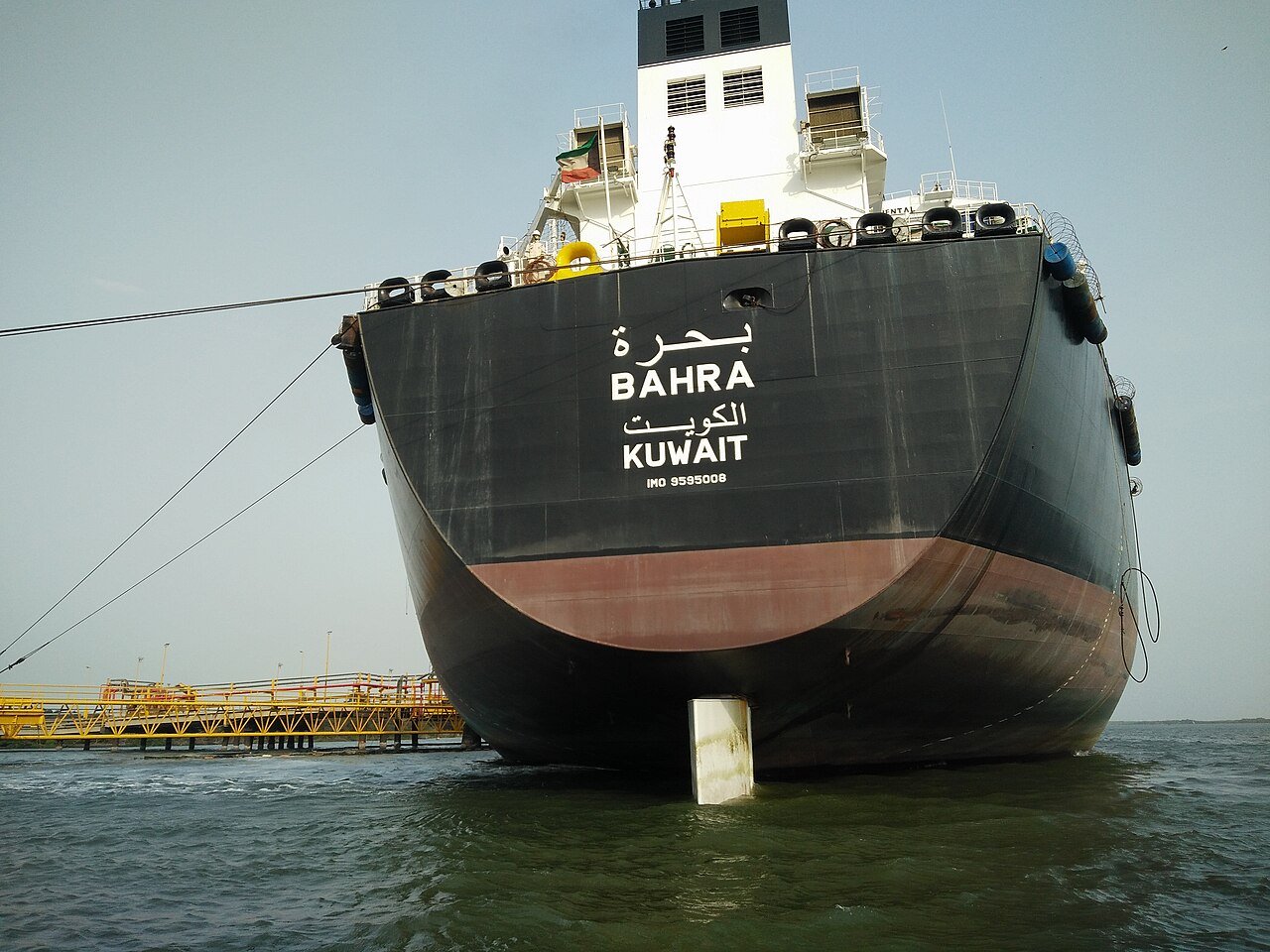
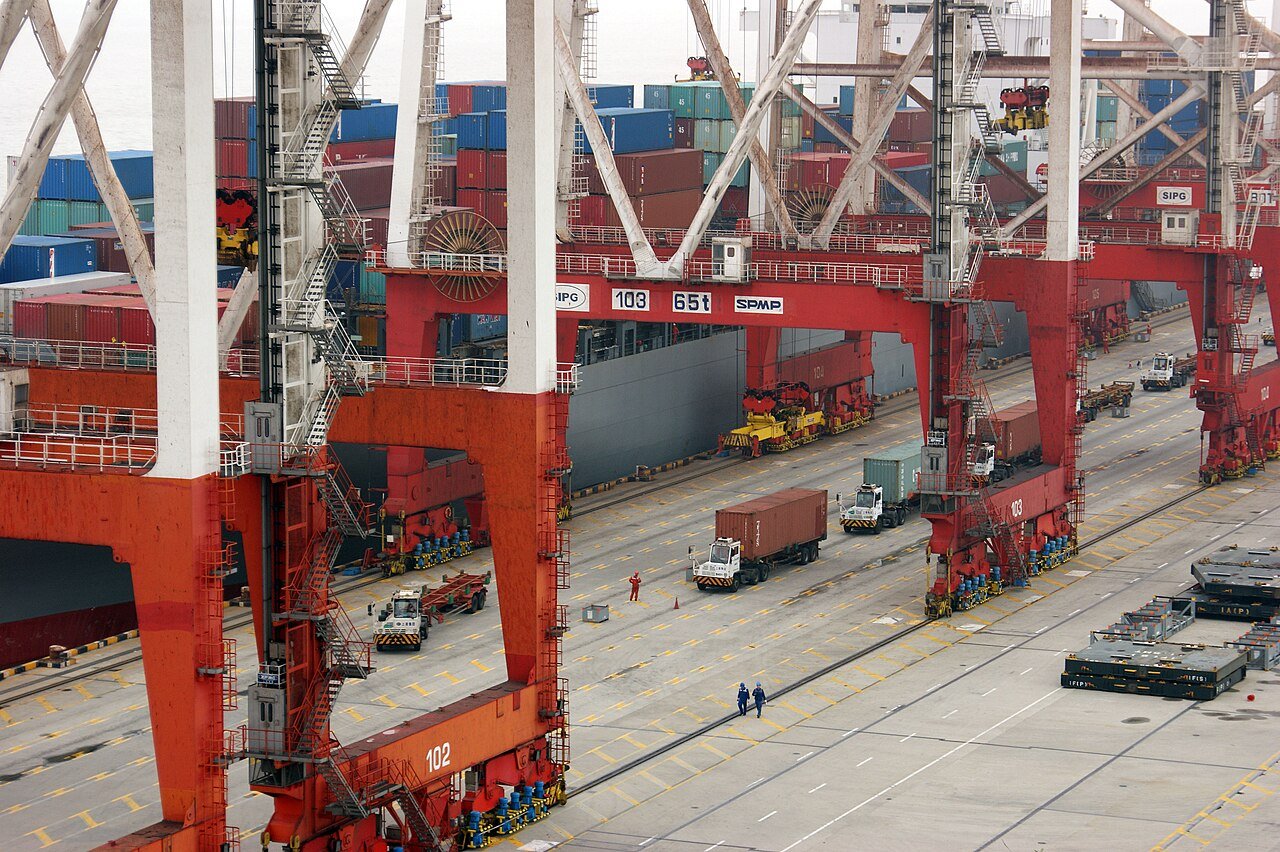
Imported wheat usually arrives by ship. It then moves from the port to stores and flour mills by road or rail. For this reason, good planning helps grain reach markets on time.
For shoppers, the aim of such imports is to keep enough stock in the country. Households can also follow the official flour rates in their district. For example, a quick check before shopping helps you compare prices. Pakistanis abroad who send money for family groceries may also find this useful.
The steps are easy to follow. First, a buyer invites price offers. Next, it compares them and places an order. After that, the ship loads the grain and sails to Pakistan. Finally, port teams unload it for onward transport.
What Happens Next
The relevant authorities will now start importing the agreed quantity. After that, the government can look at further imports if they are needed.
Sources: Steering Committee on Wheat Import 2026-27; Economic Coordination Committee. Reported by NEN News Desk.
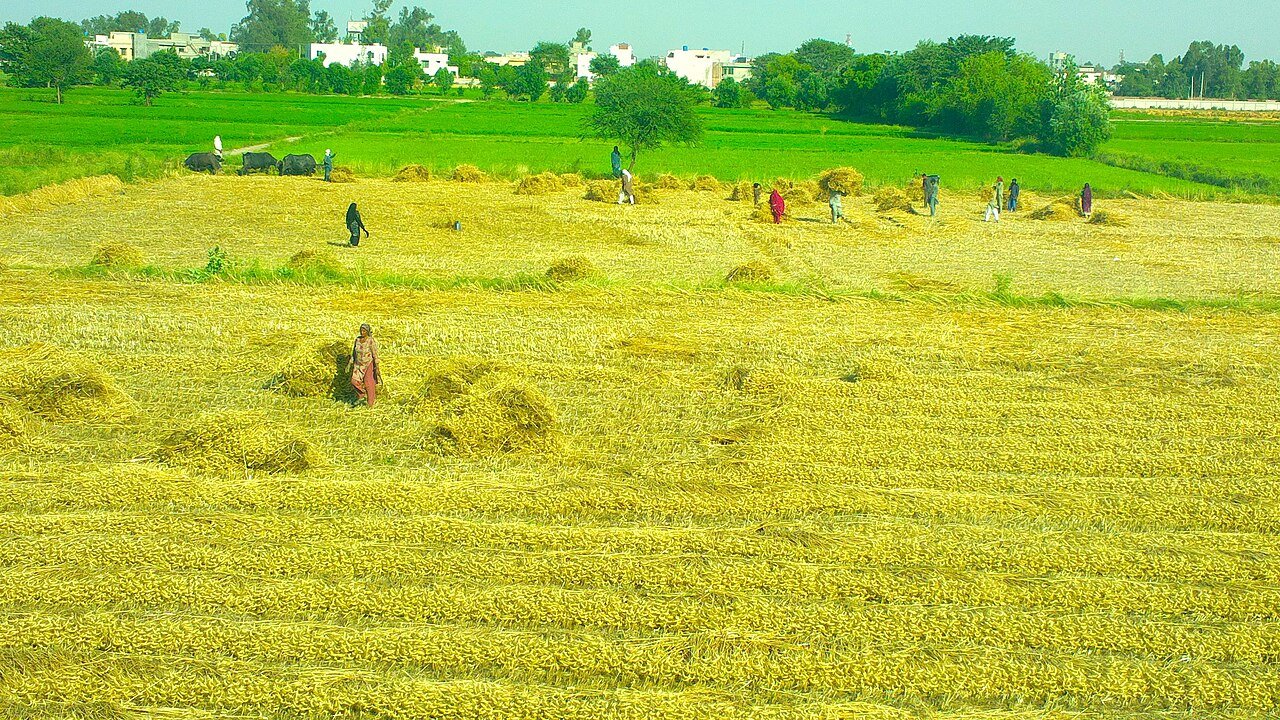
Featured image: Photo: AishaSaleemkhan100 / Wikimedia Commons, CC BY-SA 4.0