
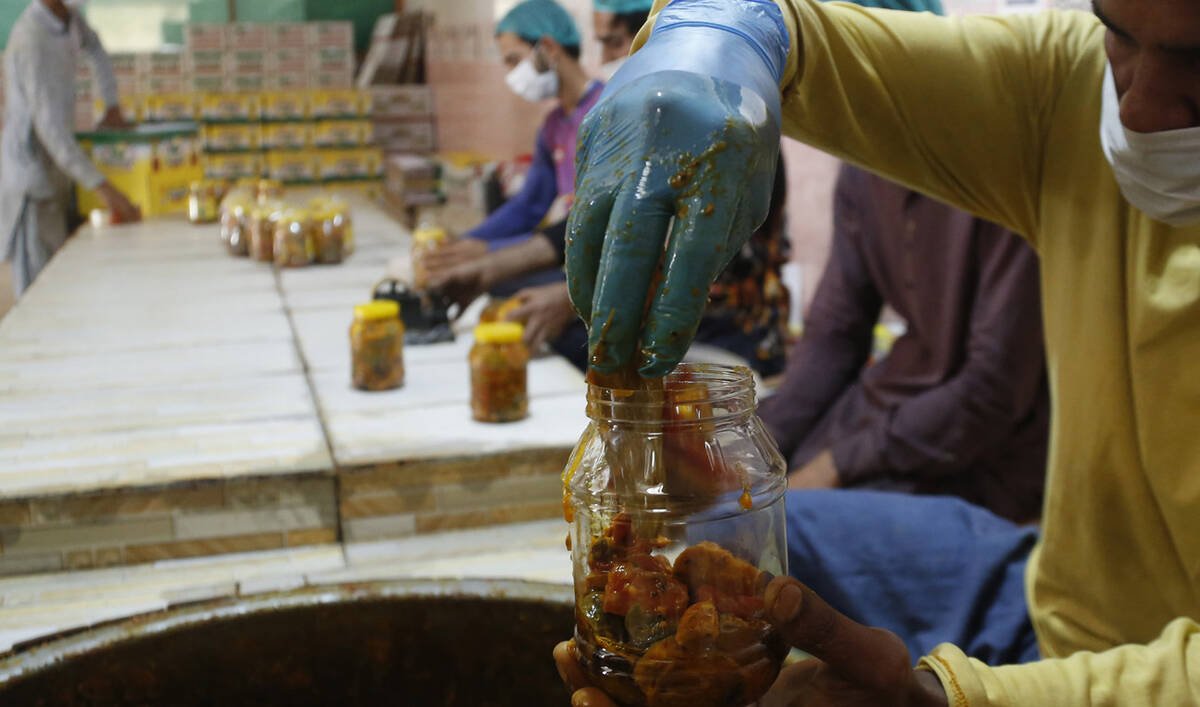
MULTAN — The generations-old tradition of handcrafted pickle-making is vanishing from villages in South Punjab. Younger residents are choosing commercially produced pickles, abandoning this artisanal practice.
This shift signifies a significant cultural transformation in rural Pakistan. The craft of traditional achaar-making, once a widespread seasonal ritual, now faces extinction within a generation.
Traditional Pickle-Making as Cultural Heritage
During mango season, households across South Punjab would fill with the aroma of mustard oil and spices. Women prepared achaar, or homemade pickles, utilizing skills passed through generations.
This annual ritual was not just culinary but also a source of domestic pride. Each family had unique recipes, carefully guarded and perfected over time.
Beyond preserving food, this tradition represented community identity and facilitated knowledge transfer, essential throughout rural Pakistan.
Decline of Traditional Achaar-Making
The decline in rural Pakistan is evident. Factory-made pickles have significantly altered consumption habits in South Punjab villages.
Lifestyles are changing, reducing time for labor-intensive food preparation. Urban migration and shifting employment patterns mean fewer women continue this practice.
The Growing Generational Disconnect
Younger generations display little interest in the craft, influenced by several factors such as:
- Preference for convenient, commercially-produced options
- Lack of knowledge about traditional preparation techniques
- Limited exposure to seasonal food preservation
- Changing household structures and work dynamics
These elements have eroded a nearly universal seasonal custom in South Punjab.
Risks to Pakistan’s Cultural Heritage
Cultural observers and older residents express concern over this loss. As women who hold this knowledge age, both recipes and techniques risk extinction.
Community bonds forged around pickle-making are in jeopardy. This tradition in South Punjab served as a social connector, bringing women together during preparation seasons.
Efforts to document or preserve this regional tradition are minimal. Without intervention, the cultural heritage of artisanal pickle-making may disappear entirely from Pakistan’s rural landscape.














