

2026

World

Pakistan U-19 Skill Development Camp Intensifies Ahead Of England Tour

MULTAN — The Pakistan Under-19 cricket team is currently engaged in an intensive skill development camp in Multan, with 31 young cricketers participating. This camp is a crucial part of their preparations for a series of upcoming international tournaments, including a much-anticipated tour of England, the ACC Men’s Under-19 Asia Cup, and the ICC Under-19 World Cup. What Happened The camp, which commenced earlier this month, is designed to hone the skills of the nation’s most promising young cricketers. Under the guidance of experienced coaches and former players, the participants are undergoing rigorous training sessions aimed at improving their technical abilities, mental strength, and overall game awareness. The focus is on building a well-rounded team capable of competing at the highest levels of international youth cricket. According to the Pakistan Cricket Board (PCB), the training regimen includes specialized sessions in batting, bowling, and fielding, along with match simulation exercises. The players are also receiving fitness training to ensure they meet the physical demands of international cricket. “Our goal is to prepare these young athletes not just for the upcoming tournaments, but for their future careers in cricket,” a PCB spokesperson stated. “The England tour will be a significant test of their skills and resilience.” The camp is also an opportunity for selectors to assess the talent pool and finalize the squad for the upcoming competitions. The England tour, scheduled for later this year, will provide the team with valuable experience against strong opposition, serving as a precursor to the ACC Men’s Under-19 Asia Cup and the ICC Under-19 World Cup. Background The Pakistan Under-19 cricket team has a storied history in international youth cricket, having won the ICC Under-19 World Cup twice, in 2004 and 2006. The team has consistently been a breeding ground for future stars of Pakistani cricket, with several current national team players having graduated from the Under-19 ranks. The skill development camp in Multan is part of a long-standing tradition of nurturing young talent through structured training programs and international exposure. Historically, the Under-19 team has played a crucial role in maintaining Pakistan’s competitive edge in cricket. The PCB has invested significantly in youth development, recognizing the importance of a strong pipeline in sustaining the national team’s success. The upcoming tour of England and participation in major tournaments are seen as critical opportunities for the current crop of players to showcase their abilities on the global stage. Why It Matters The ongoing skill development camp is significant for several reasons. Firstly, it underscores the PCB’s commitment to investing in the future of Pakistani cricket by providing young players with the resources and training they need to succeed. This focus on youth development is essential for maintaining the country’s status as a cricketing powerhouse. Economically, the success of the Under-19 team can have a ripple effect, boosting the sport’s popularity and attracting sponsorships and investments. A strong performance in international tournaments can enhance Pakistan’s reputation in the cricketing world, potentially leading to more bilateral series and tournaments hosted in the country. Socially, cricket is a unifying force in Pakistan, bringing together people from diverse backgrounds. The success of the Under-19 team can inspire a new generation of cricketers, promoting sports as a viable career option and encouraging youth participation in physical activities. On an international level, the England tour and subsequent tournaments are opportunities for the players to gain exposure and experience against top-tier competition. This experience is invaluable in preparing them for the pressures of international cricket and can significantly impact their development as professional athletes. Key Takeaways The Pakistan Under-19 skill development camp in Multan involves 31 young cricketers preparing for international tournaments. The camp focuses on enhancing technical skills, fitness, and mental resilience under expert guidance. The upcoming England tour is a critical part of the team’s preparation for the ACC Men’s Under-19 Asia Cup and ICC Under-19 World Cup. The PCB’s investment in youth development aims to sustain Pakistan’s cricketing success and inspire future generations. International exposure during the England tour will be crucial for the players’ growth and readiness for senior-level cricket. Source Attribution This article is based on official statements and public communications from the Pakistan Cricket Board and other relevant authorities. Author: NEN Editorial Desk | Editor: NEN Newsroom | Fact Checked By: NEN Editorial Team Author: NEN Editorial Desk  |  Editor: NEN Newsroom  |  Last Updated: July 01, 2026  |  Source: NEN Reporter This article was produced by the NEN Editorial Desk in accordance with NEN Agency’s Editorial Policy and Fact-Checking Policy.
World

Port Qasim Sees Increased Shipping Activity with Four New Arrivals

KARACHI — Port Qasim experienced a surge in shipping activity as four vessels, MSC Aquarius-VII, Peonia, Richmond Park, and Jacob-H, docked at various terminals on Monday. These ships, carrying a mix of containers, palm oil, chemicals, and coal, marked a significant uptick in operations at one of Pakistan’s key maritime hubs. What Happened The arrival of the four ships at Port Qasim underscores the port’s critical role in facilitating Pakistan’s trade and logistics. The MSC Aquarius-VII, a container ship, berthed at the Qasim International Container Terminal, highlighting the ongoing demand for containerized shipping solutions in the region. Meanwhile, the Peonia, laden with palm oil, was received at the Liquid Cargo Terminal, reflecting the country’s continuous import of essential commodities. The Richmond Park, carrying chemicals, docked at the Engro Vopak Terminal. This arrival points to the ongoing industrial activities and the need for chemical imports to support various sectors. Lastly, the Jacob-H, transporting coal, was berthed at the Pakistan International Bulk Terminal, indicating the ongoing reliance on coal for energy and industrial purposes. Port authorities reported that the docking and unloading processes were efficiently managed, ensuring minimal delays and maintaining the port’s operational standards. This efficiency is crucial for maintaining the flow of goods, especially given the strategic importance of Port Qasim in Pakistan’s trade network. Background Port Qasim, located near Karachi, is one of Pakistan’s busiest ports and plays a vital role in the country’s economy. Established in the mid-1970s, it was designed to alleviate congestion at the Karachi Port and has since evolved into a major hub for both imports and exports. The port’s strategic location and modern facilities make it an essential component of Pakistan’s maritime infrastructure. Historically, Port Qasim has been pivotal in handling a diverse range of cargo, including containers, bulk liquids, and dry bulk commodities. Its development has been closely linked to Pakistan’s economic growth, with expansions and upgrades aimed at increasing capacity and efficiency. Why It Matters The increased activity at Port Qasim is indicative of broader economic trends in Pakistan. The arrival of container ships like the MSC Aquarius-VII suggests a steady demand for consumer goods and industrial materials, reflecting resilience in the domestic market despite global economic challenges. The import of palm oil via the Peonia highlights Pakistan’s dependency on this commodity for both food and industrial purposes. Palm oil is a staple in the country’s food industry, and its import is crucial for maintaining price stability and supply chain continuity. The docking of the Richmond Park with chemicals points to the ongoing industrial activities and the need for raw materials to support manufacturing and other sectors. This is crucial for sustaining industrial growth and meeting domestic demand. Coal imports, as seen with the Jacob-H, remain significant for Pakistan’s energy sector. Despite global shifts towards renewable energy, coal continues to play a critical role in Pakistan’s energy mix, providing a reliable source of power for industries and households. Overall, the activity at Port Qasim is a barometer of Pakistan’s economic health, with implications for employment, trade balance, and industrial output. Efficient port operations are vital for ensuring that Pakistan remains competitive in the global market. Key Takeaways Four ships arrived at Port Qasim, carrying containers, palm oil, chemicals, and coal. The port’s efficient operations are crucial for maintaining trade flow and economic stability. Port Qasim’s activity reflects broader economic trends and demands in Pakistan. Imports of palm oil and coal highlight ongoing dependencies in the food and energy sectors. The port’s role is critical for Pakistan’s trade infrastructure and economic growth. Source Attribution This article is based on official government statements, press releases, and public communications from relevant authorities. Author: NEN Editorial Desk | Editor: NEN Newsroom | Fact Checked By: NEN Editorial Team Author: NEN Editorial Desk  |  Editor: NEN Newsroom  |  Last Updated: July 01, 2026  |  Source: NEN Reporter This article was produced by the NEN Editorial Desk in accordance with NEN Agency’s Editorial Policy and Fact-Checking Policy.
World

Youth Vital in Pakistan’s Shift from Economic Stability to Growth

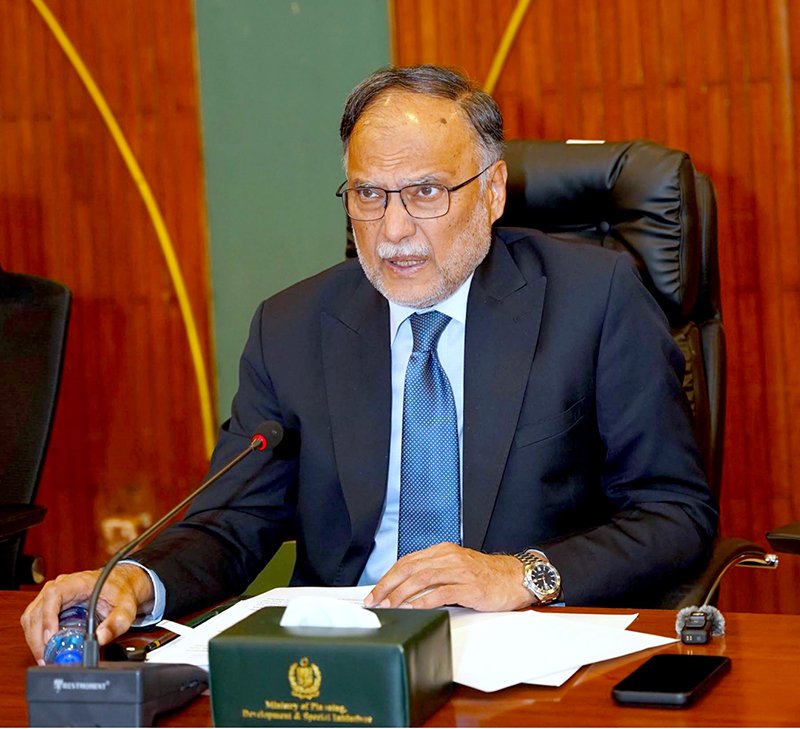
ISLAMABAD — Federal Minister for Planning, Development and Special Initiatives Ahsan Iqbal announced on Wednesday that Pakistan is transitioning from a phase of economic stabilization to a new era focused on growth. He emphasized the pivotal role of the country’s youth in driving this transformation towards greater global relevance. What Happened In a statement made during a press briefing, Ahsan Iqbal highlighted the strategic shift in Pakistan’s economic policy from stabilizing the economy to fostering growth. “Our youth are the decisive force that will propel Pakistan into a new chapter of economic ambition,” he stated. The minister underscored the importance of engaging young people in various sectors to harness their potential for innovation and development. Iqbal elaborated on the government’s plans to capitalize on the demographic dividend by investing in education, skills development, and technology. He pointed out that these investments are crucial for equipping the youth with the necessary tools to contribute effectively to the economy. The minister also mentioned initiatives aimed at creating job opportunities and encouraging entrepreneurship among young Pakistanis. The announcement comes at a time when Pakistan is seeking to enhance its economic standing on the global stage. The focus on youth is seen as a strategic move to leverage the country’s demographic advantage, with over 60% of the population under the age of 30. Background Pakistan has faced numerous economic challenges over the past decades, including high inflation, fiscal deficits, and a reliance on international financial assistance. In recent years, the government has implemented various measures to stabilize the economy, such as structural reforms and fiscal consolidation. These efforts have laid the groundwork for a shift towards growth-oriented policies. Historically, Pakistan’s economic policies have oscillated between stabilization and growth, often dictated by external economic pressures and internal political dynamics. The current focus on youth as a driver of growth reflects a broader trend in emerging economies to harness the potential of younger populations for sustainable development. Why It Matters The emphasis on youth in Pakistan’s economic strategy is significant for several reasons. Economically, it represents a shift towards leveraging human capital as a primary resource for growth. By investing in education and skills development, Pakistan aims to create a workforce that is capable of meeting the demands of a rapidly changing global economy. Socially, this focus has the potential to address issues of unemployment and underemployment among young people, which have been persistent challenges in the country. By providing opportunities for meaningful employment and entrepreneurship, the government hopes to reduce economic disparities and improve social mobility. Politically, engaging the youth in the economic development process can enhance social stability and foster a sense of national unity. As young people become active participants in the economy, they are more likely to contribute positively to the country’s political and social fabric. On an international level, Pakistan’s strategic pivot towards growth and youth engagement can enhance its competitiveness and attractiveness as an investment destination. By showcasing a commitment to developing its human capital, Pakistan may attract foreign investment and partnerships, further bolstering its economic prospects. Key Takeaways Pakistan is shifting its economic focus from stabilization to growth, with youth as a central component. Federal Minister Ahsan Iqbal emphasized the importance of investing in education and skills development. The government aims to leverage the demographic dividend to enhance global economic relevance. This strategy addresses unemployment and aims to foster social stability and unity. Pakistan’s focus on youth could enhance its attractiveness as an investment destination. Source Attribution This article is based on official government statements and public communications from relevant authorities. Author: NEN Editorial Desk | Editor: NEN Newsroom | Fact Checked By: NEN Editorial Team Author: NEN Editorial Desk  |  Editor: NEN Newsroom  |  Last Updated: July 01, 2026  |  Source: NEN Reporter This article was produced by the NEN Editorial Desk in accordance with NEN Agency’s Editorial Policy and Fact-Checking Policy.
Pakistan

Faisalabad Development Authority Collects Rs 1.0294 Billion in FY 2025-26

FAISALABAD — The Faisalabad Development Authority (FDA) successfully collected Rs 1.0294 billion in various dues during the fiscal year 2025-26. This achievement is attributed to an effective recovery campaign that significantly enhanced the Authority’s financial performance. What Happened The FDA’s collection of Rs 1.0294 billion marks a notable improvement in its revenue generation efforts. The fiscal year 2025-26 saw the Authority implementing a robust recovery campaign aimed at enhancing its financial stability and ensuring the efficient collection of dues. This initiative was crucial in addressing the financial challenges faced by the FDA in previous years. The campaign focused on recovering outstanding dues from various sectors, including property taxes, commercialization fees, and other levies. The FDA’s concerted efforts in this regard have resulted in a substantial increase in revenue compared to previous fiscal years. According to officials, the recovery drive was meticulously planned and executed, involving a comprehensive review of outstanding payments and the implementation of strategic measures to ensure compliance. “The success of this campaign is a testament to the dedication and hard work of the FDA team,” stated an FDA spokesperson. “We have been able to achieve this significant milestone through a combination of strategic planning and effective execution.” Background The Faisalabad Development Authority is responsible for the planning and development of the Faisalabad region, one of Pakistan’s major industrial and commercial hubs. Over the years, the FDA has faced challenges in revenue collection, which have impacted its ability to fund development projects and maintain infrastructure. In recent years, the FDA has been under pressure to improve its financial management and revenue collection strategies. The Authority’s efforts to enhance its financial performance have included the introduction of new policies and the strengthening of existing procedures to ensure the timely collection of dues. Historically, the FDA has struggled with issues such as non-compliance and delayed payments, which have hindered its financial stability. The recent recovery campaign represents a significant step forward in addressing these challenges and improving the Authority’s overall financial health. Why It Matters The successful collection of Rs 1.0294 billion by the FDA has several important implications for the region and its residents. Economically, the increased revenue will enable the Authority to invest in critical infrastructure projects, such as road construction, water supply systems, and urban development initiatives. These projects are essential for supporting Faisalabad’s growing population and industrial base. Socially, improved infrastructure and services resulting from enhanced revenue collection can lead to better living conditions for residents. Access to reliable water supply, efficient transportation networks, and well-maintained public spaces contributes to a higher quality of life and can attract further investment into the region. Politically, the FDA’s success in revenue collection reflects positively on local governance and administrative efficiency. It demonstrates the Authority’s commitment to fiscal responsibility and accountability, which can bolster public trust and confidence in local government institutions. On a broader scale, the FDA’s achievement aligns with national efforts to improve financial management and governance across public sector entities in Pakistan. By setting a precedent for effective revenue collection, the FDA can serve as a model for other development authorities in the country. Key Takeaways The Faisalabad Development Authority collected Rs 1.0294 billion in dues during FY 2025-26. The successful recovery campaign marks a significant improvement in the FDA’s financial performance. Increased revenue will support critical infrastructure projects in Faisalabad. The campaign enhances public trust in local governance and administrative efficiency. The FDA’s efforts align with national goals for improved financial management in public sector entities. Source Attribution This article is based on official government statements, press releases, and public communications from relevant authorities. Author: NEN Editorial Desk | Editor: NEN Newsroom | Fact Checked By: NEN Editorial Team Author: NEN Editorial Desk  |  Editor: NEN Newsroom  |  Last Updated: July 01, 2026  |  Source: NEN Reporter This article was produced by the NEN Editorial Desk in accordance with NEN Agency’s Editorial Policy and Fact-Checking Policy.
Pakistan

Privatization Commission Extends EOI Deadline for FESCO and GEPCO

ISLAMABAD — The Privatization Commission of Pakistan has announced an extension for the submission of Expressions of Interest (EOIs) regarding the privatization of Faisalabad Electric Supply Company (FESCO) and Gujranwala Electric Power Company (GEPCO). This extension is part of the government’s ongoing Batch-I DISCOs privatization programme, aimed at enhancing efficiency and attracting investment in the energy sector. What Happened The Privatization Commission, responsible for overseeing the divestment of state-owned enterprises, has extended the deadline for EOIs, providing potential investors with additional time to prepare their submissions. This decision comes as part of efforts to ensure a competitive and transparent bidding process. The original deadline, which was set for an earlier date, has now been pushed forward to accommodate interested parties who require more time to finalize their proposals. According to the commission, this extension is intended to attract a broader range of investors and ensure that all interested parties have a fair opportunity to participate in the privatization process. The commission emphasized its commitment to maintaining transparency and competitiveness throughout the process, thereby maximizing the potential benefits for the country’s energy sector. The privatization of FESCO and GEPCO is part of a broader strategy to improve the operational efficiency of Pakistan’s power distribution companies. By inviting private sector participation, the government aims to bring in expertise, technology, and investment that can enhance service delivery and reduce losses in the power distribution network. Background FESCO and GEPCO are among the several power distribution companies in Pakistan that have been earmarked for privatization under the government’s DISCOs privatization programme. This initiative is part of a larger economic reform agenda aimed at reducing the fiscal burden on the government and improving the performance of state-owned enterprises. Historically, Pakistan’s power sector has faced numerous challenges, including inefficiencies, high transmission and distribution losses, and financial constraints. The privatization of power distribution companies is seen as a crucial step towards addressing these challenges and ensuring a sustainable energy future for the country. The privatization programme has been designed to align with international best practices, ensuring that the process is conducted transparently and efficiently. The government has previously privatized several other entities in various sectors, with mixed results, making the success of this programme critical for future privatization efforts. Why It Matters The extension of the EOI deadline for FESCO and GEPCO has significant implications for Pakistan’s energy sector and the broader economy. By allowing more time for potential investors to prepare their submissions, the Privatization Commission aims to attract a diverse pool of investors, including foreign entities, which can bring much-needed capital and expertise into the sector. Improving the efficiency of power distribution companies is vital for Pakistan’s economic growth. Reliable and efficient power supply is essential for industrial growth, job creation, and overall economic stability. By privatizing these companies, the government hopes to reduce the financial burden on the state and improve the quality of service provided to consumers. Furthermore, successful privatization could set a precedent for future divestments, encouraging more private sector participation in other state-owned enterprises. This could lead to increased foreign direct investment, technological advancements, and improved governance across various sectors of the economy. Key Takeaways The Privatization Commission has extended the EOI deadline for FESCO and GEPCO. This extension aims to ensure a competitive and transparent bidding process. Privatization is part of a broader strategy to improve power sector efficiency. Successful privatization could attract foreign investment and expertise. Improved power distribution is crucial for Pakistan’s economic growth. Source Attribution This article is based on official government statements, press releases, and public communications from relevant authorities. Author: NEN Editorial Desk | Editor: NEN Newsroom | Fact Checked By: NEN Editorial Team Author: NEN Editorial Desk  |  Editor: NEN Newsroom  |  Last Updated: July 01, 2026  |  Source: Press Release from Government of Pakistan This article was produced by the NEN Editorial Desk in accordance with NEN Agency’s Editorial Policy and Fact-Checking Policy.

Pakistan

ATC Reserves Verdict on Acquittal Plea in Child Kidnapping, Murder Case

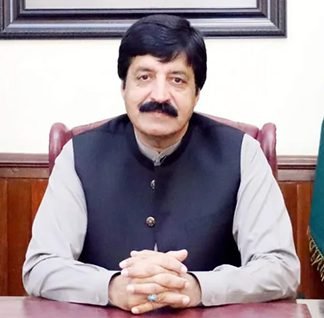
LAHORE — An anti-terrorism court (ATC) in Lahore has reserved its verdict on the acquittal plea filed by Kashif Raza, the accused in the kidnapping-for-ransom and murder case of a five-year-old girl from Batapur. The decision was made on Wednesday, as the court concluded hearings related to the high-profile case that has gripped the nation since the tragic incident occurred. What Happened The case revolves around the abduction and subsequent murder of a young girl, whose identity has been withheld due to the sensitivity of the case, in the Batapur area of Lahore. The incident, which took place over a year ago, involved the child being kidnapped for ransom. Despite the family’s efforts to secure her release, the situation took a tragic turn when the girl’s body was discovered days later. Kashif Raza, the primary suspect, was apprehended by law enforcement shortly after the incident. He has been in custody since, facing charges under Pakistan’s stringent anti-terrorism laws due to the nature of the crime. On Wednesday, Raza’s legal team filed an acquittal plea, arguing that the evidence against him was insufficient for a conviction. The defense claimed that procedural errors during the investigation compromised the integrity of the evidence presented. The prosecution, however, maintained that the evidence, including forensic data and witness testimonies, strongly implicated Raza in the crime. The court heard arguments from both sides before deciding to reserve its verdict, which is expected to be announced in the coming weeks. Background This case has been closely followed by the public and media, highlighting the broader issue of child safety and the effectiveness of law enforcement in handling such sensitive cases. The incident occurred in a context where Pakistan has been grappling with rising concerns over child abductions and related crimes. The legal framework for handling such cases includes the Anti-Terrorism Act, which allows for expedited trials and severe penalties for crimes deemed to terrorize or create fear in society. Historically, Pakistan has faced challenges in effectively prosecuting cases of child abduction and murder, often due to procedural delays and insufficient evidence collection. This case has been seen as a test of the judicial system’s ability to deliver swift and fair justice in heinous crimes involving minors. Why It Matters The outcome of this case is significant for several reasons. Firstly, it serves as a barometer for the effectiveness of Pakistan’s judicial system in dealing with crimes against children. A conviction could reinforce public confidence in the legal system’s ability to protect the most vulnerable members of society. Conversely, an acquittal might raise concerns about the adequacy of current investigative and prosecutorial practices. Economically, the case underscores the need for enhanced resources and training for law enforcement agencies to handle complex criminal investigations involving minors. Socially, it highlights the urgent need for community awareness and preventive measures to protect children from abduction and violence. Politically, the government’s response to such cases can influence public perception and trust. Ensuring justice in this case could bolster the government’s standing, while any perceived failure could lead to public outcry and demands for reform. Key Takeaways The ATC has reserved its verdict on the acquittal plea in a high-profile child kidnapping and murder case. The case involves Kashif Raza, accused of kidnapping and murdering a five-year-old girl in Batapur. The defense argues for acquittal based on alleged procedural errors, while the prosecution cites strong evidence. The outcome of the case is critical for public confidence in Pakistan’s judicial system. The case highlights broader issues of child safety and the effectiveness of law enforcement in Pakistan. Source Attribution This article is based on official government statements, press releases, and public communications from relevant authorities. Author: NEN Editorial Desk | Editor: NEN Newsroom | Fact Checked By: NEN Editorial Team Author: NEN Editorial Desk  |  Editor: NEN Newsroom  |  Last Updated: July 01, 2026  |  Source: NEN Reporter This article was produced by the NEN Editorial Desk in accordance with NEN Agency’s Editorial Policy and Fact-Checking Policy.
World

China Urges Early Lifting Of Unilateral Sanctions On Iran

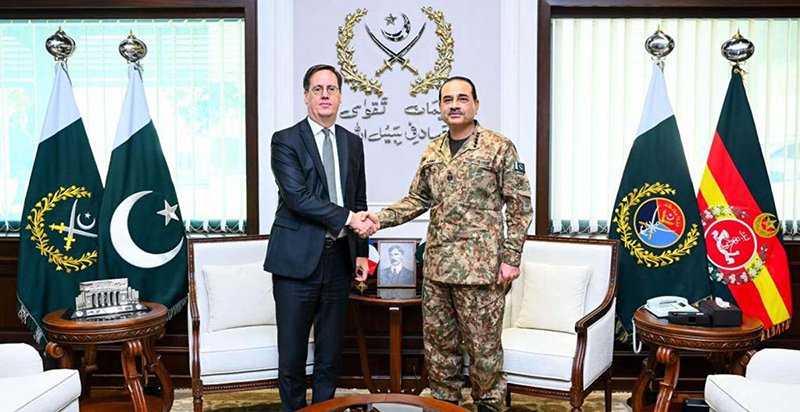
BEIJING — China has called for the prompt removal of unilateral sanctions imposed on Iran, emphasizing the need for the United States and Iran to adhere to their signed memorandum of understanding. The appeal was made on Wednesday as part of China’s broader efforts to facilitate a comprehensive political resolution to ongoing disputes. What Happened On Wednesday, China publicly advocated for the early removal of unilateral sanctions on Iran, urging both the United States and Iran to honor their commitments under a previously signed memorandum of understanding. This call is part of China’s strategy to encourage negotiations aimed at achieving a comprehensive political settlement between the two nations. China’s Foreign Ministry spokesperson, during a press briefing, expressed the country’s stance that lifting these sanctions is crucial for advancing diplomatic talks. The spokesperson stated, “We urge the relevant parties to implement the agreements reached and to create favorable conditions for the resumption of negotiations.” The appeal comes amid ongoing tensions between the United States and Iran, which have been exacerbated by sanctions that have significantly impacted Iran’s economy. These sanctions were initially imposed in response to Iran’s nuclear program, which the United States and its allies have long viewed as a potential threat to regional and global security. China, a key player in the international community and a permanent member of the United Nations Security Council, has consistently advocated for dialogue and negotiation as the primary means of resolving international conflicts. The Chinese government believes that lifting sanctions could pave the way for more constructive discussions and potentially lead to a peaceful resolution. Background The imposition of unilateral sanctions on Iran has been a contentious issue in international relations. These sanctions were primarily enforced by the United States, particularly after the U.S. withdrawal from the Joint Comprehensive Plan of Action (JCPOA) in 2018. The JCPOA, commonly known as the Iran nuclear deal, was an agreement reached in 2015 between Iran and the P5+1 group of world powers, including China, Russia, the United States, the United Kingdom, France, and Germany. Following the U.S. exit from the JCPOA, sanctions were re-imposed on Iran, targeting its oil exports, financial institutions, and other critical sectors. These measures have severely impacted Iran’s economy, leading to increased tensions in the Middle East and complicating diplomatic efforts to address nuclear proliferation concerns. China has consistently opposed unilateral sanctions, arguing that they undermine international law and the principles of multilateralism. Instead, China has advocated for the use of diplomatic channels and international cooperation to address global challenges. Why It Matters The call for the removal of unilateral sanctions on Iran holds significant implications for international diplomacy and regional stability. Economically, the lifting of sanctions could alleviate the financial strain on Iran, potentially leading to improved living standards for its citizens and a more stable regional economy. Politically, China’s involvement underscores its growing influence in global affairs and its commitment to multilateralism. By advocating for dialogue and negotiation, China positions itself as a mediator in international conflicts, which could enhance its diplomatic standing and foster stronger ties with both Iran and the United States. Furthermore, the resolution of tensions between the U.S. and Iran could contribute to broader geopolitical stability in the Middle East, a region that has historically been fraught with conflict. A peaceful settlement could reduce the risk of military confrontations and foster cooperation on issues such as counter-terrorism and regional development. For Pakistan, a neighboring country with strategic interests in both Iran and China, the easing of tensions could lead to enhanced economic opportunities and strengthened regional partnerships. Pakistan could benefit from increased trade and investment flows, as well as improved security dynamics in the region. Key Takeaways China has called for the early removal of unilateral sanctions on Iran to facilitate diplomatic negotiations. The sanctions, primarily imposed by the United States, have significantly impacted Iran’s economy and regional stability. China advocates for multilateralism and dialogue as means to resolve international conflicts. The resolution of U.S.-Iran tensions could enhance geopolitical stability in the Middle East. Pakistan could benefit from improved regional economic and security conditions. Source Attribution This article is based on official government statements, press releases, and public communications from relevant authorities. Author: NEN Editorial Desk | Editor: NEN Newsroom | Fact Checked By: NEN Editorial Team Author: NEN Editorial Desk  |  Editor: NEN Newsroom  |  Last Updated: July 01, 2026  |  Source: NEN Reporter This article was produced by the NEN Editorial Desk in accordance with NEN Agency’s Editorial Policy and Fact-Checking Policy.
Pakistan

Over 5,000 Missing Children Recovered Under Zainab Alert Act, IHC Informed

ISLAMABAD — More than 5,000 missing children have been successfully recovered since the implementation of the Zainab Alert, Response and Recovery Act, the Islamabad High Court (IHC) was informed on Wednesday. The director general of the authority established under the law provided this update during a court session, highlighting the effectiveness of the legislation in addressing child abductions. What Happened The Islamabad High Court was briefed on the significant progress made under the Zainab Alert, Response and Recovery Act, a law enacted to expedite the recovery of missing children. The director general of the Zainab Alert Authority reported that over 5,000 children have been recovered since the law’s implementation. This update was presented during a session held on Wednesday, where the court reviewed the performance and challenges faced by the authority. The Zainab Alert, Response and Recovery Act was enacted in response to the tragic case of Zainab Ansari, a young girl whose abduction and murder in 2018 sparked nationwide outrage. The law aims to establish a rapid response mechanism for the recovery of missing children, involving various government agencies and law enforcement bodies. The director general emphasized the collaborative efforts between the police, local authorities, and the Zainab Alert Authority in achieving these recoveries. During the court session, the director general highlighted the challenges faced in the implementation of the law, including resource constraints and the need for enhanced coordination among different agencies. Despite these challenges, the authority has made significant strides in improving the response time and effectiveness in locating missing children. Background The Zainab Alert, Response and Recovery Act was passed by the Pakistani parliament in 2020, following the public outcry over the murder of Zainab Ansari. The law mandates the establishment of a dedicated authority to handle cases of missing children and to ensure a swift response to such incidents. The act also outlines procedures for alerting the public and mobilizing resources to aid in the search and recovery efforts. Prior to the enactment of this law, Pakistan lacked a centralized system for addressing cases of missing children, resulting in delayed responses and limited coordination among law enforcement agencies. The Zainab Alert Act aims to fill this gap by providing a structured framework for rapid response and recovery operations. Why It Matters The recovery of over 5,000 children under the Zainab Alert Act represents a significant achievement in Pakistan’s efforts to combat child abductions and trafficking. This development underscores the importance of having a dedicated legal framework and authority to address such critical issues effectively. The success of the Zainab Alert Authority not only brings relief to the families of the recovered children but also serves as a deterrent to potential abductors, knowing that there is a robust system in place to track and recover missing children. Economically, the successful implementation of the Zainab Alert Act can lead to increased trust in governmental institutions, potentially encouraging more investment in child protection initiatives. Socially, it reinforces the community’s role in safeguarding children and emphasizes the importance of public awareness and cooperation in addressing child abductions. Politically, the effectiveness of the Zainab Alert Act can enhance the government’s credibility in protecting vulnerable populations, which is crucial for maintaining public confidence in the state’s ability to ensure safety and security. This progress may also influence future legislative efforts aimed at strengthening child protection laws and frameworks in Pakistan. Key Takeaways Over 5,000 missing children have been recovered under the Zainab Alert, Response and Recovery Act. The Islamabad High Court was informed of these recoveries during a recent session. The Zainab Alert Act was enacted in response to the abduction and murder of Zainab Ansari in 2018. The law establishes a dedicated authority to expedite the recovery of missing children. Challenges include resource constraints and the need for improved inter-agency coordination. Source Attribution This article is based on official government statements, press releases, and public communications from relevant authorities. Author: NEN Editorial Desk | Editor: NEN Newsroom | Fact Checked By: NEN Editorial Team Author: NEN Editorial Desk  |  Editor: NEN Newsroom  |  Last Updated: July 01, 2026  |  Source: NEN Reporter This article was produced by the NEN Editorial Desk in accordance with NEN Agency’s Editorial Policy and Fact-Checking Policy.

Pakistan

Petition Filed Against NHA’s 50% Penalty on Non-M-Tag Vehicles

ISLAMABAD — A petition was filed in the Islamabad High Court on Wednesday challenging the National Highway Authority’s (NHA) decision to impose a 50% additional toll surcharge on vehicles without an M-Tag and those with insufficient M-Tag balances. The move has sparked a debate about the fairness and legality of such penalties. What Happened The petition, lodged by an unnamed petitioner, argues that the NHA’s decision to levy a 50% surcharge on vehicles lacking an M-Tag or having low M-Tag balances is unjust and discriminatory. The petitioner contends that this penalty places an undue burden on commuters who may not have immediate access to recharge facilities or who may not be aware of the M-Tag requirements. The petition seeks the Islamabad High Court’s intervention to annul the surcharge, claiming it violates fundamental rights guaranteed under the Constitution of Pakistan. The NHA had previously announced the enforcement of this surcharge as a measure to streamline toll collection and reduce traffic congestion at toll plazas. According to the NHA, the M-Tag system is designed to facilitate smoother traffic flow by enabling electronic toll collection, thereby minimizing the need for manual cash transactions. However, the imposition of a hefty penalty has been met with criticism from various quarters, including motorists and civil rights activists. In response to the petition, the Islamabad High Court has issued notices to the NHA, seeking a detailed explanation of the rationale behind the surcharge. The court has also asked for a comprehensive report on the implementation and impact of the M-Tag system on traffic management and toll collection efficiency. Background The M-Tag system was introduced by the NHA as part of its efforts to modernize toll collection on Pakistan’s national highways and motorways. The system uses radio frequency identification (RFID) technology to automatically deduct toll charges from a pre-paid account linked to the vehicle’s M-Tag. This initiative was aimed at reducing delays at toll booths, enhancing revenue collection, and curbing leakages in the toll collection process. Despite its intended benefits, the implementation of the M-Tag system has faced several challenges, including technical glitches, insufficient public awareness, and inadequate recharge facilities. The NHA has been under pressure to address these issues to ensure the system’s smooth operation and public acceptance. Why It Matters The petition against the NHA’s surcharge policy is significant as it raises questions about the balance between technological advancement and public convenience. The outcome of this legal challenge could set a precedent for how public authorities implement and enforce new technologies that impact daily life. Economically, the surcharge could affect a large number of commuters who rely on the national highways for travel. Many of these individuals may not have easy access to M-Tag recharge facilities, particularly in rural areas, potentially leading to increased travel costs and inconvenience. Socially, the surcharge could exacerbate inequalities, as those with limited financial resources may find it more challenging to comply with the M-Tag requirements. Politically, the case underscores the need for transparent and equitable policy-making by government authorities. It highlights the importance of ensuring that technological advancements do not disproportionately disadvantage certain segments of the population. The court’s decision could influence future policy directions regarding the integration of technology in public services. Key Takeaways A petition has been filed against the NHA’s 50% penalty on non-M-Tag vehicles. The Islamabad High Court has sought an explanation from the NHA on the surcharge. The M-Tag system aims to streamline toll collection but faces implementation challenges. The surcharge could disproportionately affect rural commuters and those with limited resources. The case may set a precedent for the integration of technology in public services. Source Attribution This article is based on official government statements, press releases, and public communications from relevant authorities. Author: NEN Editorial Desk | Editor: NEN Newsroom | Fact Checked By: NEN Editorial Team Author: NEN Editorial Desk  |  Editor: NEN Newsroom  |  Last Updated: July 01, 2026  |  Source: NEN Reporter This article was produced by the NEN Editorial Desk in accordance with NEN Agency’s Editorial Policy and Fact-Checking Policy.

Pakistan

OICCI Members Allocate Rs15.33 Billion To CSR, Impacting 44 Million Nationwide

ISLAMABAD — The Overseas Investors Chamber of Commerce and Industry (OICCI) members have collectively invested Rs15.33 billion in Corporate Social Responsibility (CSR) initiatives during the fiscal year 2025. This represents a 10 percent increase from the previous year, benefiting over 44 million people throughout Pakistan, according to an official statement. What Happened The OICCI, a prominent body representing foreign investors in Pakistan, announced that its members have significantly increased their CSR contributions in FY2025. The Rs15.33 billion investment marks a substantial commitment to social development, with the initiatives covering a wide range of sectors including education, health, and community development. In a statement, the OICCI highlighted that these initiatives were designed to address critical social issues and improve the quality of life for millions of Pakistanis. The increase in CSR spending reflects the members’ dedication to sustainable growth and social responsibility. The statement noted, “Our members are committed to contributing to the socio-economic development of Pakistan, and this increase in CSR spending is a testament to that commitment.” The initiatives have reportedly impacted over 44 million people, providing essential services and support in various communities across the country. The OICCI emphasized that the focus areas included education programs, healthcare services, and infrastructure development, which are crucial for enhancing the living standards and economic opportunities for the population. Background The OICCI, established in 1860, is one of the oldest chambers of commerce in Asia and represents a diverse group of multinational companies operating in Pakistan. The chamber’s members come from various sectors, including manufacturing, services, and finance, and they play a significant role in the country’s economic landscape. CSR initiatives by OICCI members have been a consistent part of their operations, aiming to create a positive impact on society. Over the years, these efforts have evolved to address emerging social challenges, aligning with global standards and practices in corporate responsibility. Historically, CSR activities in Pakistan have focused on areas such as education, health, and disaster relief. The OICCI has been instrumental in encouraging its members to adopt sustainable business practices that not only contribute to their business success but also to the welfare of the communities they operate in. Why It Matters The increase in CSR investment by OICCI members is significant for several reasons. Economically, it demonstrates the confidence of foreign investors in Pakistan’s potential for growth and development. The financial commitment to CSR activities suggests a long-term investment in the country’s social infrastructure, which is essential for sustainable economic progress. Socially, the impact of these initiatives is profound. With over 44 million beneficiaries, the programs have the potential to transform lives by providing access to education, healthcare, and other essential services. This can lead to improved literacy rates, better health outcomes, and increased economic opportunities for individuals and communities. Politically, the involvement of foreign investors in CSR activities can enhance the relationship between multinational companies and the Pakistani government. It demonstrates a collaborative approach to addressing the nation’s challenges, fostering goodwill, and potentially influencing policy decisions that support sustainable development. Internationally, the OICCI’s commitment to CSR aligns with global trends where businesses are increasingly held accountable for their social and environmental impact. This positions Pakistan as a country that values corporate responsibility, potentially attracting more foreign investment and partnerships. Key Takeaways OICCI members invested Rs15.33 billion in CSR initiatives during FY2025, a 10 percent increase from the previous year. The initiatives benefited over 44 million people across Pakistan, focusing on education, health, and community development. The OICCI represents diverse multinational companies that play a critical role in Pakistan’s economy. Increased CSR investment reflects confidence in Pakistan’s growth potential and commitment to social responsibility. This development aligns with global trends in corporate accountability and sustainable business practices. Source Attribution This article is based on official statements and public communications from the Overseas Investors Chamber of Commerce and Industry (OICCI). Author: NEN Editorial Desk | Editor: NEN Newsroom | Fact Checked By: NEN Editorial Team Author: NEN Editorial Desk  |  Editor: NEN Newsroom  |  Last Updated: July 01, 2026  |  Source: NEN Reporter This article was produced by the NEN Editorial Desk in accordance with NEN Agency’s Editorial Policy and Fact-Checking Policy.

Scroll to Top