

2026

World

NBP Releases Updated Foreign Exchange Rates for Major Currencies

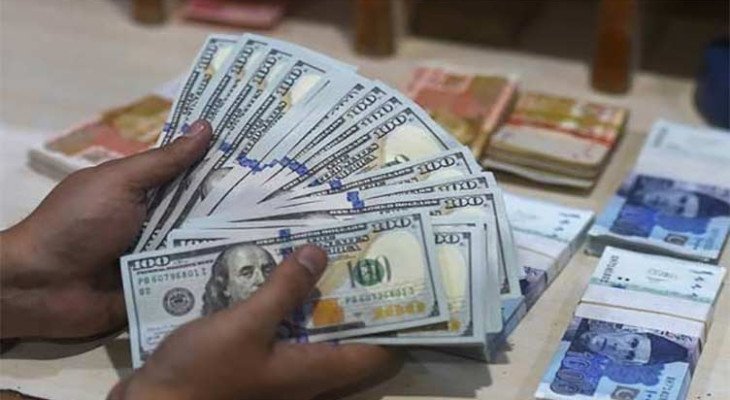
KARACHI — The Treasury Management Division of the National Bank of Pakistan (NBP) announced the latest exchange rates for major currencies on Tuesday, reflecting the ongoing fluctuations in the global currency market. These rates are crucial for businesses and individuals engaged in international transactions. What Happened The National Bank of Pakistan’s Treasury Management Division released updated exchange rates for a variety of currencies, providing essential information for traders, investors, and consumers. As of the latest update, the US Dollar (USD) is being sold at 278.55 PKR and bought at 278.05 PKR. The Euro (EUR) follows with a selling rate of 317.52 PKR and a buying rate of 316.95 PKR. Other notable currencies include the British Pound (GBP), which is available at a selling rate of 368.64 PKR and a buying rate of 367.98 PKR. The Japanese Yen (JPY) is set at 1.7176 PKR for selling and 1.7145 PKR for buying. The Swiss Franc (CHF) stands at 344.29 PKR for selling and 343.67 PKR for buying. These rates are indicative of the current trends in the foreign exchange market, influenced by various economic factors. Additional currencies such as the Canadian Dollar (CAD), Australian Dollar (AUD), and the Chinese Yuan (CNY) are also part of the list, with selling rates of 195.75 PKR, 191.36 PKR, and 40.99 PKR respectively. The NBP has also provided conversion rates for frozen foreign currency deposits, with the USD conversion rate at 278.1457 PKR, GBP at 367.5417 PKR, and EUR at 317.1974 PKR. Background The National Bank of Pakistan plays a pivotal role in the country’s financial landscape, particularly in managing foreign exchange operations. Exchange rates are a critical component of international trade and finance, affecting the cost of imports and exports, as well as the value of foreign investments. The NBP regularly updates these rates to reflect the dynamic nature of the global currency markets. Historically, exchange rates in Pakistan have been influenced by various factors including monetary policy decisions, inflation rates, and geopolitical events. The State Bank of Pakistan oversees the regulation of foreign exchange policies, ensuring stability and confidence in the financial system. Why It Matters The release of updated exchange rates by the National Bank of Pakistan holds significant implications for the country’s economy. Exchange rates directly impact the cost of living, as they affect the prices of imported goods and services. A stronger local currency can make imports cheaper, while a weaker currency can lead to higher prices for foreign products. For businesses engaged in international trade, these rates are crucial for pricing strategies and profit margins. Fluctuations in exchange rates can lead to financial gains or losses, influencing business decisions and economic planning. Additionally, for individuals, particularly those receiving remittances from abroad, these rates determine the value of their foreign earnings when converted to local currency. On a broader scale, the stability of exchange rates is vital for attracting foreign investment. Investors seek environments with predictable financial conditions, and stable exchange rates are a key indicator of economic health. Therefore, the NBP’s role in providing accurate and timely exchange rate information is essential for maintaining economic stability and fostering growth. Key Takeaways The NBP announced updated exchange rates for major currencies, including the USD, EUR, and GBP. Exchange rates affect the cost of imports, exports, and foreign investments in Pakistan. Businesses and individuals rely on these rates for international transactions and financial planning. Stable exchange rates are crucial for economic stability and attracting foreign investment. The NBP provides conversion rates for frozen foreign currency deposits, reflecting market trends. Source Attribution This article is based on official government statements, press releases, and public communications from relevant authorities. Author: NEN Editorial Desk | Editor: NEN Newsroom | Fact Checked By: NEN Editorial Team Author: NEN Editorial Desk  |  Editor: NEN Newsroom  |  Last Updated: June 30, 2026  |  Source: NEN Reporter This article was produced by the NEN Editorial Desk in accordance with NEN Agency’s Editorial Policy and Fact-Checking Policy.


World

Musadik Masood Malik Addresses Seminar on Indus Waters Treaty 2026

ISLAMABAD — Federal Minister for Climate Change Musadik Masood Malik addressed the International Seminar on the Indus Waters Treaty (IWT) 2026, highlighting the critical importance of water management and cooperation between Pakistan and India. The seminar, held on June 30, was jointly organized by the Ministry of Information & Broadcasting and the Institute of Regional Studies. What Happened The seminar saw participation from key political figures and experts who discussed the future of the Indus Waters Treaty, a pivotal agreement between Pakistan and India that governs water distribution from the Indus River system. Musadik Masood Malik, in his address, emphasized the necessity of revisiting and potentially updating the treaty to address contemporary challenges posed by climate change and increasing water scarcity. Malik stated, “The Indus Waters Treaty has served both nations well for decades, but it is imperative to adapt to the evolving environmental and geopolitical landscape.” He stressed the need for collaborative efforts to ensure sustainable water management and mitigate the impacts of climate change on water resources. The seminar also featured a keynote address by Deputy Prime Minister and Minister for Foreign Affairs, Senator Mohammad Ishaq Dar, who underscored the treaty’s role in maintaining peace and stability in the region. Additionally, Chairman of the Pakistan People’s Party and former Minister for Foreign Affairs, Bilawal Bhutto Zardari, contributed to the discussions, advocating for enhanced dialogue and cooperation between the two countries. Background The Indus Waters Treaty, brokered by the World Bank and signed in 1960, allocates the waters of the Indus River system between Pakistan and India. It has been hailed as a successful example of conflict resolution and cooperation over shared resources. However, the treaty has faced criticism in recent years due to changing climatic conditions and increased demand for water in both countries. Historically, the treaty has survived various political tensions between the two nations, serving as a buffer against potential conflicts over water resources. Nonetheless, the growing impacts of climate change, such as altered precipitation patterns and glacial melt, have raised concerns about the treaty’s adequacy in addressing future water security challenges. Why It Matters The seminar’s discussions are crucial as they highlight the need for a proactive approach to water management in the region. Water scarcity poses significant risks to agriculture, energy production, and overall economic stability in both Pakistan and India. As both nations continue to experience rapid population growth and urbanization, the demand for water is expected to rise sharply, exacerbating existing tensions. Furthermore, climate change is expected to intensify the frequency and severity of extreme weather events, which could disrupt water availability and distribution. This underscores the importance of revisiting the treaty to incorporate mechanisms that address these emerging challenges and ensure equitable water sharing. For Pakistan, effective water management is vital for sustaining its agrarian economy, which relies heavily on the Indus River system. The seminar’s outcomes could influence future negotiations and policy decisions, potentially shaping the region’s approach to transboundary water governance. Key Takeaways Musadik Masood Malik emphasized the need to update the Indus Waters Treaty to address climate change and water scarcity. The seminar featured key political figures discussing the treaty’s future and its role in regional stability. Climate change and increasing water demand pose significant challenges to the treaty’s effectiveness. Effective water management is crucial for Pakistan’s economic stability and agricultural sector. The seminar’s discussions could influence future policy and negotiations on transboundary water governance. Source Attribution This article is based on official government statements, press releases, and public communications from relevant authorities. Author: NEN Editorial Desk | Editor: NEN Newsroom | Fact Checked By: NEN Editorial Team Author: NEN Editorial Desk  |  Editor: NEN Newsroom  |  Last Updated: June 30, 2026  |  Source: Press Release from Government of Pakistan This article was produced by the NEN Editorial Desk in accordance with NEN Agency’s Editorial Policy and Fact-Checking Policy.

World

Bilawal Bhutto Zardari Addresses Seminar on Indus Waters Treaty 2026

ISLAMABAD — Chairman of the Pakistan People’s Party and former Minister for Foreign Affairs, Bilawal Bhutto Zardari, delivered a keynote address at an international seminar focused on the Indus Waters Treaty (IWT) 2026. The event, held in Islamabad, was jointly organized by the Ministry of Information and Broadcasting (MoIB) and the Institute of Regional Studies (IRS) to discuss the future of the treaty and its implications for regional water security. What Happened The seminar, which took place on Thursday, brought together experts, policymakers, and stakeholders from various sectors to deliberate on the challenges and opportunities presented by the upcoming revision of the Indus Waters Treaty. Bilawal Bhutto Zardari emphasized the importance of the treaty in maintaining peace and cooperation between Pakistan and India, particularly in the context of water resource management. In his address, Bhutto Zardari highlighted the treaty’s historical significance as a successful example of conflict resolution through diplomacy. “The Indus Waters Treaty has been a cornerstone of Pakistan-India relations for over six decades, ensuring equitable distribution of water resources,” he stated. He further stressed the need for both countries to engage in constructive dialogue to address emerging challenges related to climate change and population growth that could impact water availability. Participants at the seminar included government officials, water resource experts, and representatives from international organizations. Discussions covered a range of topics, including the technical aspects of the treaty, potential areas for renegotiation, and strategies to enhance cooperation between the two nations. The seminar aimed to build a consensus on how to approach the treaty’s revision in 2026, with an emphasis on sustainable water management and regional stability. Background The Indus Waters Treaty, signed in 1960, is a water-distribution agreement between Pakistan and India, brokered by the World Bank. It allocates the use of the Indus River and its tributaries between the two countries. The treaty has survived several conflicts and political tensions, largely due to its robust framework and the mutual benefits it provides. However, changing environmental conditions and increasing water demand have prompted calls for a review of its provisions. Historically, the treaty has been praised for its resilience and effectiveness in preventing water disputes from escalating into broader conflicts. It divides the river system into two parts: the eastern rivers (Sutlej, Beas, and Ravi) allocated to India, and the western rivers (Indus, Jhelum, and Chenab) allocated to Pakistan. Despite its successes, the treaty faces criticism for not adequately addressing contemporary issues such as climate change and technological advancements in water management. Why It Matters The Indus Waters Treaty is crucial for the water security of both Pakistan and India, two countries that rely heavily on the Indus River system for agriculture, drinking water, and industry. As the region faces increasing water scarcity due to climate change, population growth, and industrialization, the treaty’s role in ensuring equitable water distribution becomes even more significant. For Pakistan, the treaty is vital for sustaining its agricultural sector, which is the backbone of the country’s economy. Any disruption in water supply could have severe implications for food security and economic stability. Similarly, India depends on the treaty to support its own agricultural and industrial needs. Internationally, the treaty is often cited as a model for transboundary water cooperation. Its potential revision in 2026 presents an opportunity for both nations to address current and future challenges collaboratively, setting a precedent for other regions facing similar issues. Key Takeaways Bilawal Bhutto Zardari emphasized the importance of the Indus Waters Treaty in maintaining regional peace. The seminar aimed to prepare for the treaty’s revision in 2026, focusing on sustainable water management. The treaty has successfully managed water distribution between Pakistan and India for over 60 years. Emerging challenges such as climate change necessitate a reevaluation of the treaty’s provisions. The treaty serves as an international model for resolving transboundary water disputes. Source Attribution This article is based on official government statements, press releases, and public communications from relevant authorities. Author: NEN Editorial Desk | Editor: NEN Newsroom | Fact Checked By: NEN Editorial Team Author: NEN Editorial Desk  |  Editor: NEN Newsroom  |  Last Updated: June 30, 2026  |  Source: Press Release from Government of Pakistan This article was produced by the NEN Editorial Desk in accordance with NEN Agency’s Editorial Policy and Fact-Checking Policy.
Pakistan

PHF Unveils Schedule for PM National Women’s U-21 Hockey Championship

ISLAMABAD — The Pakistan Hockey Federation (PHF) has officially announced the schedule for the Prime Minister National Women’s Under-21 Hockey Championship 2026. The tournament is set to commence on Thursday at the Naseer Bunda Hockey Stadium in Islamabad, providing a platform for young female athletes to showcase their skills and compete at a national level. What Happened The PHF has released the detailed match schedule for the upcoming Prime Minister National Women’s Under-21 Hockey Championship, which will kick off on Thursday. The event will be held at the renowned Naseer Bunda Hockey Stadium in Islamabad, a venue that has hosted numerous prestigious hockey events in the past. The championship aims to promote women’s hockey in Pakistan by offering young players the opportunity to compete in a structured and competitive environment. According to the PHF, the tournament will feature teams from across the country, each vying for the championship title. The matches are expected to draw significant attention from hockey enthusiasts and the general public, as the event highlights the growing interest and investment in women’s sports in Pakistan. The PHF has emphasized the importance of this championship in nurturing young talent and providing them with the necessary exposure to advance their hockey careers. In a statement, PHF officials expressed their excitement about the tournament, stating, “We are thrilled to host the Prime Minister National Women’s Under-21 Hockey Championship. This event is a crucial part of our efforts to develop and promote women’s hockey in Pakistan. We believe that providing young players with such opportunities is essential for the growth of the sport.” Background The Prime Minister National Women’s Under-21 Hockey Championship is an annual event organized by the Pakistan Hockey Federation. It is part of a broader initiative to enhance the standard of women’s hockey in the country. The PHF has been actively working to improve the infrastructure and support for women’s hockey, recognizing the potential and talent that exists within the nation. Historically, hockey has been one of Pakistan’s most celebrated sports, with the men’s team achieving significant success on the international stage. However, women’s hockey has not received the same level of attention or resources. In recent years, there has been a concerted effort to address this disparity, with the PHF leading initiatives to develop women’s hockey at the grassroots level. Why It Matters The Prime Minister National Women’s Under-21 Hockey Championship is more than just a sporting event; it is a significant step towards gender equality in sports within Pakistan. By providing young women with the opportunity to compete at a national level, the PHF is helping to break down barriers and challenge stereotypes associated with women’s participation in sports. Economically, the development of women’s hockey can lead to increased investment in sports infrastructure and training facilities, creating jobs and stimulating local economies. Socially, it empowers young women by promoting physical fitness, teamwork, and leadership skills, which are valuable both on and off the field. Politically, the championship aligns with broader national goals of promoting gender equality and empowering women. It reflects the government’s commitment to supporting women’s sports and ensuring that female athletes have the same opportunities as their male counterparts. Internationally, successful events like this can enhance Pakistan’s reputation as a country that supports and develops women’s sports, potentially attracting international tournaments and collaborations. Key Takeaways The PHF has announced the schedule for the Prime Minister National Women’s Under-21 Hockey Championship 2026. The tournament will begin on Thursday at the Naseer Bunda Hockey Stadium in Islamabad. The event aims to promote women’s hockey and provide young athletes with competitive opportunities. The championship is part of broader efforts to develop women’s sports in Pakistan. It has significant social, economic, and political implications for gender equality in sports. Source Attribution This article is based on official announcements and public communications from the Pakistan Hockey Federation. Author: NEN Editorial Desk | Editor: NEN Newsroom | Fact Checked By: NEN Editorial Team Author: NEN Editorial Desk  |  Editor: NEN Newsroom  |  Last Updated: June 30, 2026  |  Source: NEN Reporter This article was produced by the NEN Editorial Desk in accordance with NEN Agency’s Editorial Policy and Fact-Checking Policy.
World

Pakistan Hockey Federation Schedules Trials for U-21 and U-18 Teams

ISLAMABAD — The Pakistan Hockey Federation (PHF) has announced the schedule for trials to select players for the national Under-21 and Under-18 hockey teams. The trials are set to occur in early July in Islamabad and Wah Cantt, as per the directives of PHF President Mohyuddin Ahmad Wani. What Happened The PHF has officially outlined the dates and venues for the trials aimed at selecting players for the Pakistan Under-21 and Under-18 national hockey teams. According to a press release from the PHF, these trials are scheduled to take place at two different locations. The Under-21 team trials will occur on July 3 and 4 at 5:00 pm at the Naseer Bunda Hockey Stadium in Islamabad. Meanwhile, the Under-18 team trials are slated for July 5 at 5:00 pm at the POF Hockey Academy in Wah Cantt. The trials will be overseen by the National Selection Committee, which is headed by Olympian Samiullah Khan. The committee also includes notable Olympians such as Naeem Akhtar, Nasir Ali, Kashif Jawad, Atif Bashir, and M. Khalid. Olympian Hasan Sardar, a member of the PHF Professional Development Committee, will supervise the trials. In addition, the Pakistan Under-18 training camp for the upcoming Men’s Hockey5s Asian Championship, scheduled to be held in Muscat, Oman, from July 20 to 25, will commence on July 1 at the POF Hockey Academy, Wah Cantt. The camp will continue until July 18, and all selected players and officials have been instructed to report to head coach Muhammad Qamar Ibrahim by 7:00 pm on July 1. The training camp squad consists of four goalkeepers, four defenders, four midfielders, and ten forwards. These players have been selected from various departments, including Customs, Army, Punjab, Sindh, and Khyber Pakhtunkhwa. The camp officials include head coach Olympian Muhammad Qamar Ibrahim, coach Olympian Rehan Butt, and physiotherapist Adil Akhtar. Participants in the camp are required to bring their departmental No Objection Certificate (NOC), a passport valid for at least six months, eight passport-size photographs with a white background, and both colored and white playing kits. Background The Pakistan Hockey Federation has a long-standing tradition of nurturing young talent through its junior teams. The Under-21 and Under-18 teams serve as critical platforms for identifying and developing future stars of the national sport. These trials and subsequent training camps are part of the PHF’s ongoing efforts to revitalize hockey in Pakistan and regain its former glory on the international stage. Historically, Pakistan has been a dominant force in field hockey, with numerous Olympic gold medals and World Cup victories. However, in recent years, the national team has struggled to maintain its competitive edge. The PHF has been actively working to address these challenges through various initiatives, including the development of junior teams and enhanced training programs. Why It Matters The upcoming trials and training camps are crucial for the future of Pakistani hockey. They provide an opportunity to identify and groom young talent that can eventually contribute to the senior national team. The focus on junior teams is part of a broader strategy to rebuild Pakistan’s standing in international hockey competitions. Economically, a strong national hockey team can boost the sport’s popularity, attracting sponsorships and investments that are vital for its sustainability. Socially, hockey remains a source of national pride and unity, and success on the field can inspire a new generation of players and fans. Internationally, Pakistan’s performance in tournaments like the Men’s Hockey5s Asian Championship can enhance its reputation and open doors for more international fixtures and collaborations. This not only benefits the players but also elevates the country’s status in the global sports community. Key Takeaways The PHF has announced trials for Under-21 and Under-18 hockey teams in early July. Trials will be conducted by a committee of former Olympians, ensuring experienced oversight. The Under-18 team is preparing for the Men’s Hockey5s Asian Championship in Oman. Selected players must meet specific documentation and kit requirements for participation. The initiative is part of PHF’s strategy to revitalize hockey and develop future talent. Source Attribution This article is based on official statements and press releases from the Pakistan Hockey Federation. Author: NEN Editorial Desk | Editor: NEN Newsroom | Fact Checked By: NEN Editorial Team Author: NEN Editorial Desk  |  Editor: NEN Newsroom  |  Last Updated: June 30, 2026  |  Source: Press Release from Government of Pakistan This article was produced by the NEN Editorial Desk in accordance with NEN Agency’s Editorial Policy and Fact-Checking Policy.
Pakistan

Gold Prices Fall by Rs 4,100 Per Tola in Pakistan

ISLAMABAD — The price of gold in Pakistan saw a significant decrease on Tuesday, with 24-karat gold per tola dropping by Rs 4,100 to reach Rs 424,836. This adjustment in the local market was reported by the All Pakistan Sarafa Gems and Jewellers Association, reflecting fluctuations in the international gold market. What Happened The All Pakistan Sarafa Gems and Jewellers Association announced a notable decrease in the price of 24-karat gold per tola, which fell by Rs 4,100, settling at Rs 424,836. This decline comes amid ongoing volatility in global gold prices, which have been influenced by various economic factors, including currency fluctuations and changes in international market demand. According to the association, the price of 10 grams of 24-karat gold also saw a decrease, dropping by Rs 3,515 to Rs 364,193. The decline in gold prices is attributed to a combination of local market conditions and international trends. The association noted that the international gold market has been experiencing fluctuations due to economic uncertainties and changes in interest rates by major economies. In addition to gold, the price of silver also saw a reduction. The price of 24-karat silver per tola decreased by Rs 30, settling at Rs 2,600, while 10 grams of silver fell by Rs 25.72 to Rs 2,229.08. These changes reflect a broader trend of declining precious metal prices in the local market. Background Gold prices in Pakistan are heavily influenced by international market trends, as well as local economic conditions. Historically, gold has been considered a safe-haven asset, particularly during times of economic uncertainty. However, recent global economic developments, including changes in monetary policies by major economies like the United States, have led to fluctuations in gold prices. The Pakistani rupee’s exchange rate against the US dollar also plays a crucial role in determining local gold prices. As the rupee fluctuates, it impacts the cost of importing gold, which in turn affects local market prices. The All Pakistan Sarafa Gems and Jewellers Association regularly updates gold prices based on these international and local factors. Why It Matters The decline in gold prices holds significant implications for various stakeholders in Pakistan. For consumers, particularly those planning weddings or other events that traditionally involve gold purchases, the decrease in prices may offer a temporary relief. Lower gold prices can make jewelry more affordable, potentially boosting consumer spending in the short term. For investors, the drop in gold prices may signal an opportunity to purchase the metal at a lower cost. However, it also reflects broader economic uncertainties that could affect investment strategies. Investors often turn to gold as a hedge against inflation and currency devaluation, so fluctuations in gold prices can influence their portfolio decisions. Economically, the decrease in gold prices could impact the local jewelry industry, which relies on stable prices to maintain profitability. Jewelers may experience changes in demand based on price fluctuations, affecting their revenue and operations. Additionally, the precious metals market is a critical component of Pakistan’s broader economic landscape, influencing trade balances and foreign exchange reserves. Key Takeaways Gold prices in Pakistan decreased by Rs 4,100 per tola, settling at Rs 424,836. The decline is influenced by international market trends and local economic conditions. Silver prices also fell, with a decrease of Rs 30 per tola, reaching Rs 2,600. Fluctuations in gold prices impact consumers, investors, and the local jewelry industry. Economic uncertainties and currency fluctuations are key factors affecting gold prices. Source Attribution This article is based on official statements, press releases, and public communications from relevant authorities. Author: NEN Editorial Desk | Editor: NEN Newsroom | Fact Checked By: NEN Editorial Team Author: NEN Editorial Desk  |  Editor: NEN Newsroom  |  Last Updated: June 30, 2026  |  Source: NEN Reporter This article was produced by the NEN Editorial Desk in accordance with NEN Agency’s Editorial Policy and Fact-Checking Policy.

World

Rupee Marginally Appreciates Against US Dollar in Interbank Market

ISLAMABAD — The Pakistani Rupee experienced a slight appreciation against the US Dollar in interbank trading on Tuesday, closing at Rs 278.16, a minor increase from the previous day’s closing rate of Rs 278.17. This marginal change reflects ongoing fluctuations in the currency market as reported by the Forex Association of Pakistan (FAP). What Happened The Rupee’s gain of 01 paisa against the US Dollar was observed in the interbank market, marking a subtle yet notable movement in the currency’s exchange rate. According to data provided by the Forex Association of Pakistan, the buying and selling rates of the US Dollar in the open market were recorded at Rs 279.00 and Rs 279.20, respectively. These figures indicate a stable yet slightly volatile market environment. In addition to the US Dollar, other currencies also showed varying trends. The Euro saw a decrease of Rs 0.32, closing at Rs 316.92 compared to the previous day’s Rs 317.24, as per the State Bank of Pakistan (SBP). Meanwhile, the Japanese Yen remained unchanged, maintaining its position at Rs 1.71. The British Pound experienced a decrease of Rs 0.41, closing at Rs 368.02 from Rs 367.61 the previous day. The Emirati Dirham’s exchange rate decreased by 01 paisa to close at Rs 75.73, while the Saudi Riyal remained stable, closing at Rs 74.06. These changes reflect the dynamic nature of currency exchange rates, influenced by various economic factors both domestically and internationally. Background The Pakistani Rupee’s performance against major currencies is often influenced by a combination of domestic economic policies, international market trends, and geopolitical factors. Historically, the Rupee has faced periods of depreciation due to factors such as trade deficits, inflationary pressures, and external debt obligations. The State Bank of Pakistan plays a crucial role in managing the country’s monetary policy and intervening in the foreign exchange market to stabilize the Rupee when necessary. In recent years, Pakistan has engaged in various economic reforms and sought assistance from international financial institutions to bolster its foreign exchange reserves and stabilize the Rupee. These efforts are part of broader economic strategies aimed at achieving sustainable growth and financial stability. Why It Matters The slight appreciation of the Rupee against the US Dollar, while modest, holds significance for Pakistan’s economy. A stronger Rupee can help reduce the cost of imports, potentially easing inflationary pressures on essential goods and commodities. This is particularly important for a country like Pakistan, which relies heavily on imported goods, including fuel and machinery. For businesses and consumers, a stable or appreciating Rupee can lead to more predictable pricing and budgeting, fostering a more conducive environment for economic planning and investment. Additionally, a stronger currency can enhance investor confidence, attracting foreign direct investment and contributing to economic growth. On the international stage, currency stability is crucial for maintaining trade relationships and fulfilling international financial obligations. As Pakistan continues to navigate complex economic challenges, including balancing its current account and managing external debt, the Rupee’s performance remains a key indicator of the country’s financial health. Key Takeaways The Pakistani Rupee appreciated by 01 paisa against the US Dollar, closing at Rs 278.16 in interbank trading. The Euro and British Pound both experienced decreases against the Rupee, while the Japanese Yen remained unchanged. The exchange rates of the Emirati Dirham and Saudi Riyal showed minimal changes, reflecting a stable market environment. A stronger Rupee can help reduce import costs and ease inflationary pressures in Pakistan. Currency stability is vital for economic planning, investor confidence, and maintaining international trade relationships. Source Attribution This article is based on official government statements, press releases, and public communications from relevant authorities. Author: NEN Editorial Desk | Editor: NEN Newsroom | Fact Checked By: NEN Editorial Team Author: NEN Editorial Desk  |  Editor: NEN Newsroom  |  Last Updated: June 30, 2026  |  Source: NEN Reporter This article was produced by the NEN Editorial Desk in accordance with NEN Agency’s Editorial Policy and Fact-Checking Policy.
World

Pakistan Joins International Olive Council As Permanent Member In Lisbon

ISLAMABAD — Pakistan has officially joined the International Olive Council (IOC) as a permanent member during the 123rd session held in Lisbon, Portugal. This marks a significant development in Pakistan’s burgeoning olive sector as the country seeks to enhance its role in the global olive industry. What Happened On Tuesday, Pakistan took its seat as a permanent member of the International Olive Council at the 123rd session in Lisbon. The membership is a critical step for Pakistan, aligning with its strategic goals to expand and develop its olive industry. The session, attended by representatives from various member countries, focused on the promotion and sustainable development of olive cultivation and production. The International Olive Council is an intergovernmental organization that oversees the olive and olive oil industries worldwide. Pakistan’s inclusion as a permanent member signifies its commitment to adopting international standards and practices in olive production. According to officials, this membership will facilitate Pakistan in accessing new markets, improving production quality, and increasing exports. Pakistan’s Ambassador to Portugal, who represented the country at the session, expressed optimism about the opportunities this membership presents. “This is a historic moment for Pakistan’s agriculture sector, particularly for our olive industry. We are eager to collaborate with other member countries to enhance our capabilities and share best practices,” the ambassador stated. Background Pakistan’s journey to becoming a member of the International Olive Council began several years ago as part of a broader initiative to diversify its agricultural sector. The country has been investing in olive cultivation, particularly in its northern regions, where the climate is conducive to olive farming. The government has launched several projects to encourage olive cultivation, aiming to reduce reliance on imported olive oil and promote self-sufficiency. The olive sector in Pakistan has seen significant growth, with thousands of hectares now dedicated to olive farming. The government has provided support through subsidies, technical assistance, and research initiatives to boost production. This strategic focus aligns with global trends towards healthier dietary options, where olive oil is a key component. Why It Matters Pakistan’s membership in the International Olive Council holds substantial economic and strategic importance. Economically, it opens up new avenues for trade and investment, potentially increasing the country’s export revenues. The olive industry, still in its nascent stages in Pakistan, stands to benefit from international collaboration and knowledge exchange, which can lead to improved production techniques and higher quality products. Socially, the expansion of the olive sector can contribute to rural development and job creation. As more farmers engage in olive cultivation, there is potential for increased income and improved livelihoods in rural areas. This development aligns with Pakistan’s broader goals of poverty alleviation and sustainable agricultural development. Politically, becoming a permanent member of the IOC enhances Pakistan’s standing in international agricultural circles. It reflects the country’s commitment to aligning with global standards and participating actively in international forums. This membership can also foster stronger diplomatic ties with other olive-producing nations, facilitating bilateral trade agreements and partnerships. Key Takeaways Pakistan has joined the International Olive Council as a permanent member during the 123rd session in Lisbon. The membership aligns with Pakistan’s strategic goals to develop its olive industry and enhance export potential. The olive sector in Pakistan has been growing, supported by government initiatives and favorable climatic conditions. Economic, social, and political benefits are expected, including increased trade, rural development, and international collaboration. Pakistan’s participation in the IOC reflects its commitment to global agricultural standards and practices. Source Attribution This article is based on official government statements, press releases, and public communications from relevant authorities. Author: NEN Editorial Desk | Editor: NEN Newsroom | Fact Checked By: NEN Editorial Team Author: NEN Editorial Desk  |  Editor: NEN Newsroom  |  Last Updated: June 30, 2026  |  Source: NEN Reporter This article was produced by the NEN Editorial Desk in accordance with NEN Agency’s Editorial Policy and Fact-Checking Policy.

Pakistan

FPCCI and SMEDA Celebrate World MSME Day 2026 in Karachi

KARACHI — The Federation of Pakistan Chambers of Commerce and Industry (FPCCI) and the Small and Medium Enterprises Development Authority (SMEDA) jointly celebrated World Micro, Small and Medium Enterprises (MSME) Day 2026 with a stakeholder engagement session held on Tuesday at Federation House, Karachi. The event aimed to highlight the critical role of MSMEs in Pakistan’s economy and explore strategies for their growth and development. What Happened The session brought together key stakeholders from various sectors, including government officials, industry leaders, and representatives from MSMEs across the country. The focus was on discussing the challenges faced by MSMEs and identifying opportunities for enhancing their contribution to the national economy. FPCCI President Irfan Iqbal Sheikh emphasized the importance of MSMEs, stating, “MSMEs are the backbone of our economy, contributing significantly to GDP and employment.” SMEDA Chief Executive Officer Hashim Raza highlighted the need for policy reforms to support MSMEs, including improved access to finance, technology, and markets. “We must create an enabling environment for MSMEs to thrive, which requires collaboration between the public and private sectors,” Raza noted. The session also featured panel discussions on topics such as digital transformation, innovation, and sustainable business practices. Participants shared insights and experiences, underscoring the resilience of MSMEs in adapting to changing market dynamics. The event concluded with a commitment from all parties to work towards creating a more supportive ecosystem for MSMEs in Pakistan. Background World MSME Day is observed globally on June 27 to recognize the vital role of micro, small, and medium enterprises in achieving sustainable development goals. In Pakistan, MSMEs account for approximately 98% of all enterprises, employing around 80% of the non-agricultural labor force. Despite their significant contribution, MSMEs face numerous challenges, including limited access to finance, inadequate infrastructure, and regulatory hurdles. The government of Pakistan has implemented various initiatives to support MSMEs, such as the Prime Minister’s Kamyab Jawan Program and the establishment of special economic zones. However, experts argue that more targeted efforts are needed to address the unique needs of MSMEs and enhance their competitiveness in the global market. Why It Matters The celebration of World MSME Day 2026 in Pakistan highlights the ongoing efforts to strengthen the MSME sector, which is crucial for economic growth and job creation. With the global economy facing uncertainties, bolstering the resilience of MSMEs is essential for sustaining economic stability. Enhancing the capacity of MSMEs can lead to increased productivity, innovation, and exports, contributing to Pakistan’s economic diversification. Moreover, supporting MSMEs aligns with Pakistan’s commitment to achieving the United Nations Sustainable Development Goals (SDGs), particularly those related to decent work and economic growth, industry innovation, and reduced inequalities. By fostering an environment conducive to MSME growth, Pakistan can address socio-economic challenges, such as poverty alleviation and income inequality. Internationally, strengthening the MSME sector can improve Pakistan’s trade relations and competitiveness. As global supply chains evolve, MSMEs that adopt digital technologies and sustainable practices are better positioned to integrate into international markets, attracting foreign investment and boosting exports. Key Takeaways FPCCI and SMEDA hosted a stakeholder engagement session in Karachi to mark World MSME Day 2026. The event focused on addressing challenges and opportunities for MSMEs in Pakistan. MSMEs in Pakistan constitute 98% of enterprises and employ 80% of the non-agricultural workforce. Enhancing MSME resilience is crucial for economic stability and achieving sustainable development goals. Strengthening MSMEs can improve Pakistan’s international trade relations and competitiveness. Source Attribution This article is based on official statements and public communications from the Federation of Pakistan Chambers of Commerce and Industry and the Small and Medium Enterprises Development Authority. Author: NEN Editorial Desk | Editor: NEN Newsroom | Fact Checked By: NEN Editorial Team Author: NEN Editorial Desk  |  Editor: NEN Newsroom  |  Last Updated: June 30, 2026  |  Source: NEN Reporter This article was produced by the NEN Editorial Desk in accordance with NEN Agency’s Editorial Policy and Fact-Checking Policy.

World

Anti-Drug Rally Advocates for Youth Protection at Ayub National Park

RAWALPINDI — A Drug-Free Rally was organized at Ayub National Park on Tuesday, drawing attention to the dangers of drug abuse and reinforcing a collective resolve to safeguard the youth from narcotics. The event saw participation from students, social workers, volunteers, and officials from the Punjab Counter Narcotics Force (CNF) and the Anti-Narcotics Force (ANF). What Happened The rally, held at the scenic Ayub National Park, was a vibrant event aimed at raising public awareness about the perils of drug addiction. Participants, including a large number of students from local educational institutions, marched through the park carrying banners and placards with anti-drug messages. The slogans emphasized the importance of a drug-free lifestyle and the role of community efforts in combating drug abuse. Representatives from the CNF and ANF addressed the gathering, highlighting the ongoing efforts and strategies being implemented to curb drug trafficking and consumption in the region. “Our youth are the future, and it is imperative that we protect them from the menace of drugs,” stated a CNF spokesperson. The officials also shared statistics on recent drug seizures and arrests, underscoring the proactive measures being taken by law enforcement agencies. Social workers and volunteers played a significant role in organizing the event, offering educational pamphlets and engaging with attendees to discuss the harmful effects of drugs. The rally was part of a broader initiative to engage the community in preventive measures and to foster an environment where young people can thrive without the threat of narcotics. Background Pakistan has been grappling with the issue of drug abuse for decades, with its geographical location making it a transit route for narcotics trafficking. The government, along with various non-governmental organizations, has been actively working to address this challenge through awareness campaigns, rehabilitation programs, and stringent law enforcement. The Anti-Narcotics Force, established in 1995, has been at the forefront of these efforts, coordinating with international agencies to dismantle drug networks. In recent years, there has been a noticeable increase in drug use among the youth, prompting a surge in public awareness initiatives. Educational institutions and community organizations have been pivotal in these efforts, organizing seminars, workshops, and rallies to educate young people about the risks associated with drug use. Why It Matters The rally at Ayub National Park is a crucial component of the ongoing battle against drug abuse in Pakistan. With the youth being particularly vulnerable to the lure of narcotics, such events are vital in fostering awareness and resilience among young people. The involvement of students in the rally signifies a growing recognition of the problem and a willingness to engage in solutions. Economically, drug abuse poses a significant burden on Pakistan’s healthcare system, with resources being diverted to address addiction-related issues. Socially, it disrupts families and communities, leading to increased crime rates and a decline in social cohesion. By focusing on prevention and education, initiatives like the Ayub National Park rally aim to mitigate these impacts and promote a healthier, more productive society. Internationally, Pakistan’s efforts to combat drug trafficking are crucial in maintaining regional stability. The country’s collaboration with global anti-drug agencies highlights its commitment to addressing this transnational issue, reinforcing its role as a responsible member of the international community. Key Takeaways The Drug-Free Rally at Ayub National Park aimed to raise awareness about drug abuse. Participants included students, social workers, and officials from CNF and ANF. The event is part of a broader initiative to engage the community in preventive measures. Drug abuse poses significant economic and social challenges to Pakistan. International collaboration is essential in combating drug trafficking effectively. Source Attribution This article is based on official government statements, press releases, and public communications from relevant authorities. Author: NEN Editorial Desk | Editor: NEN Newsroom | Fact Checked By: NEN Editorial Team Author: NEN Editorial Desk  |  Editor: NEN Newsroom  |  Last Updated: June 30, 2026  |  Source: NEN Reporter This article was produced by the NEN Editorial Desk in accordance with NEN Agency’s Editorial Policy and Fact-Checking Policy.

Scroll to Top